Plants You Should Feed In Texas Before June Ends
Late June in Texas is not for the faint of heart, and your plants know it. The heat builds fast, the soil dries out before you’ve even put the hose away, and anything actively growing, blooming, or producing fruit right now is working overtime just to keep up.
This is actually one of the most important feeding windows of the whole year, but here’s the catch: not every plant in your yard needs fertilizer right now.
Feeding the wrong plant at the wrong time can cause more problems than it solves, and nobody wants to make a tough month even harder on their garden.
The plants worth feeding in late June are the ones actively pushing new growth, filling out fast, or producing fruit that needs a little extra support to really deliver.
A well-timed feeding for those specific plants can make a genuinely noticeable difference.
1. Warm-Season Lawns That Are Actively Growing
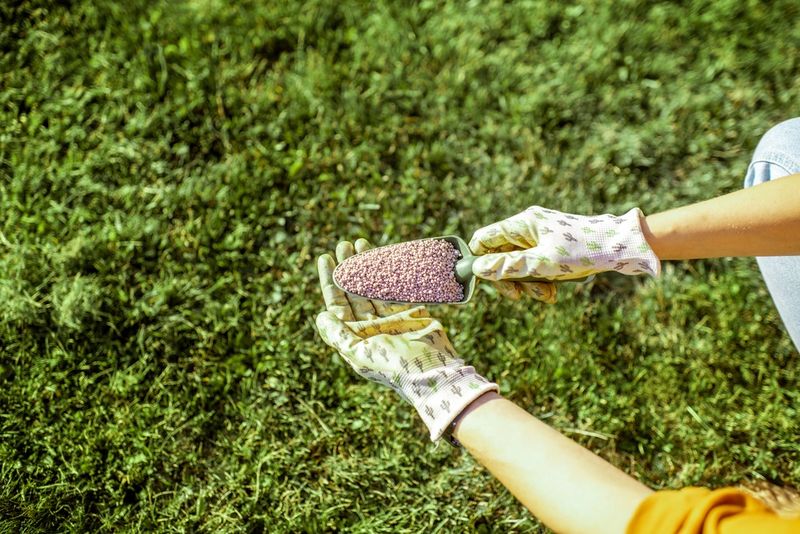
A thick, green Texas lawn in late June is a sign that your warm-season turf is doing exactly what it should. Grasses like Bermuda, St. Augustine, Zoysia, and Centipede are all warm-season types, and they hit their stride when temperatures climb.
If your lawn is showing strong green color, steady growth, and good density, it may be ready for a summer feeding.
Before you reach for the fertilizer bag, check a few things. Is the lawn actually growing, or does it look stressed and thin from drought?
Fertilizing dry or struggling turf can cause more harm than good. Water the lawn well before and after any application, and follow the product label closely for rates.
Bermuda and St. Augustine lawns in Texas typically respond well to nitrogen applications during active summer growth. A slow-release nitrogen fertilizer is often a solid choice because it feeds steadily without pushing a sudden flush of soft growth.
Centipede lawns are more sensitive and need lower nitrogen rates, so knowing your grass type matters. A soil test can take the guesswork out of what your lawn actually needs before June ends.
2. Eggplant With First Fruits Showing
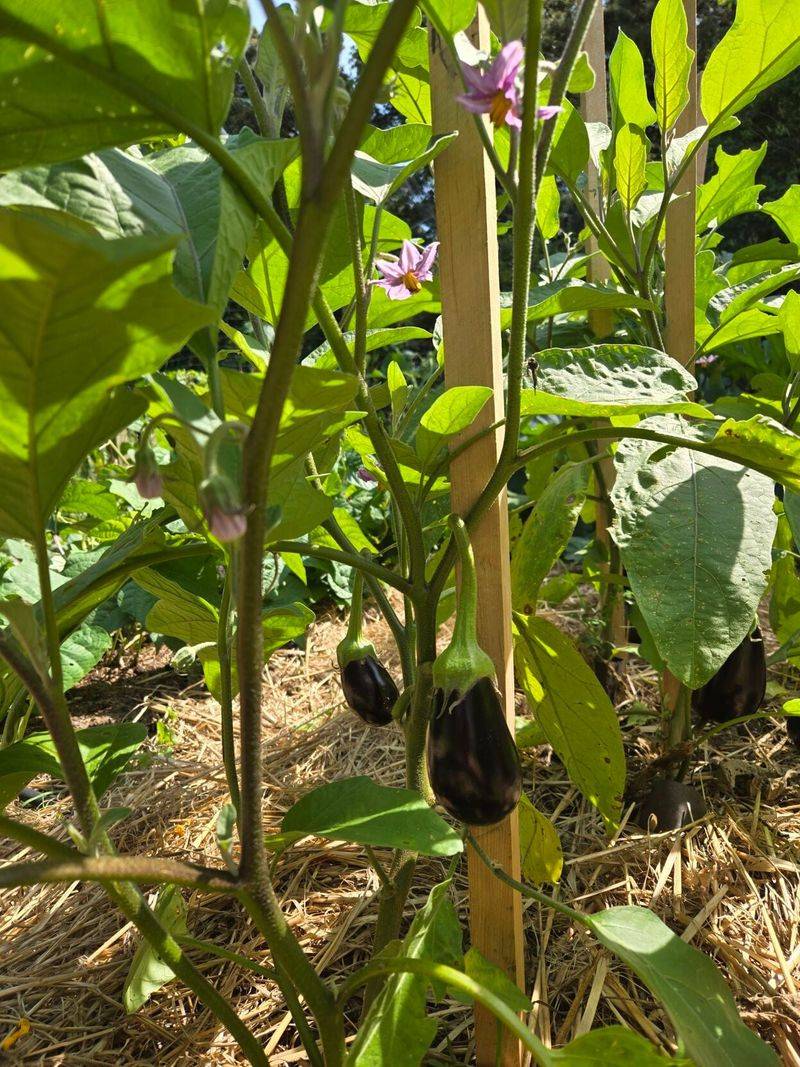
Eggplant thrives in Texas heat in a way that many other vegetables simply cannot.
By late June, plants that went in during spring are often showing their first fruits, and those glossy purple or white eggplants developing on the branches are a signal that the plant has shifted into production mode.
This transition is a reasonable moment to consider a feeding.
When first fruits appear, the plant is drawing on significant energy reserves to support both vegetative growth and developing fruit at the same time. A balanced fertilizer applied at this stage can help the plant sustain that effort through the summer.
Avoid high-nitrogen formulas that push excessive leafy growth while fruit is trying to develop and size up.
Soil moisture is important here, just as it is with other fruiting vegetables. Eggplant roots in dry Texas soil will not absorb nutrients properly, and the combination of heat, dry soil, and fertilizer can stress the plant.
Your Texas Garden Changes Every Week. Your Plan Should Too.
Gardening in Texas changes quickly throughout the season. Every Friday you’ll receive a simple weekly plan showing exactly what to plant, prune, fertilize, harvest, and protect so you never miss the right timing.
Water thoroughly before applying fertilizer, and water again after. Eggplants in containers or raised beds may need feeding more frequently than those planted directly in the ground.
Check the plant for signs of active growth like new leaf development and expanding fruit before deciding to feed.
3. Tomatoes That Have Set Fruit
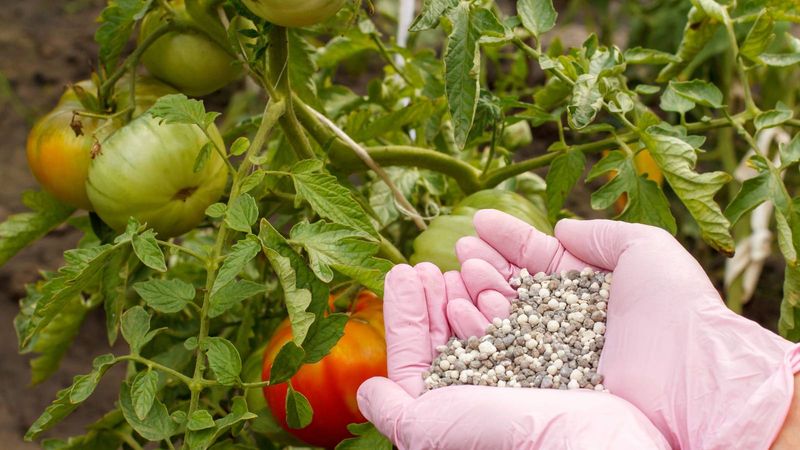
Once tomatoes have set fruit and those little green globes are swelling on the vine, your plants are working hard.
In Texas, tomatoes planted in spring are often in full production mode by late June, racing to finish before the hottest stretch of summer shuts down fruit set.
A well-timed feeding at this stage can support the plant as it finishes sizing and ripening that fruit.
Look for signs that your tomato plants are still actively growing, with new leaves developing and existing fruit enlarging steadily. If the plant looks yellow, wilted, or stressed from heat, hold off on fertilizing until conditions improve.
Feeding a stressed tomato in dry soil can burn roots and make things worse.
A balanced fertilizer or one slightly lower in nitrogen and higher in phosphorus and potassium can support fruiting without pushing too much leafy growth. Water your tomatoes thoroughly before and after applying fertilizer.
In Texas raised beds and containers, nutrients move through the soil faster due to frequent watering, so plants may need replenishment sooner than those in ground beds.
Check your product label and avoid over-applying, since too much nitrogen can reduce fruit set.
4. Squash At First Fruit Set
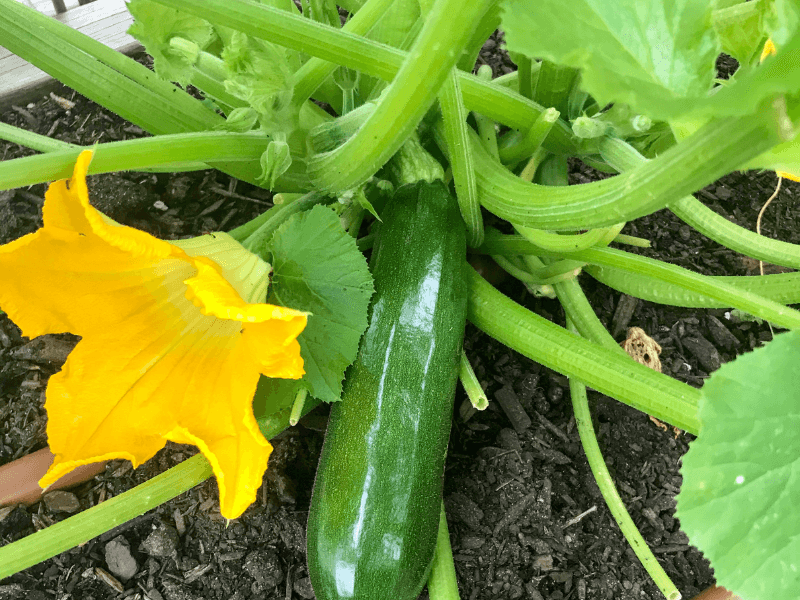
Few vegetables move as fast as squash in a Texas summer garden. Once those first tiny fruits appear behind the spent blooms, the plant shifts into a rapid production phase that can feel almost overnight.
At first fruit set, squash plants are drawing nutrients quickly, and the warm Texas soil can accelerate how fast those nutrients get used up or leached away with irrigation.
A light feeding at this stage can support continued production without overwhelming the plant. Squash tends to respond well to balanced fertilizers, though too much nitrogen can push vine and leaf growth at the expense of fruit.
If you have been watering consistently and the plant looks healthy with new flowers and developing fruit, a moderate application is reasonable.
Raised beds and in-ground garden soil behave differently in Texas heat. In-ground plots may hold nutrients longer, while raised beds and containers dry out faster and lose nutrients with each watering.
Check the soil before applying anything, and never fertilize squash plants that are wilted or showing heat stress.
Water the bed thoroughly first, apply fertilizer at the recommended rate, and water again to move nutrients into the root zone where the plant can actually use them.
5. Peppers With Enlarging Fruit
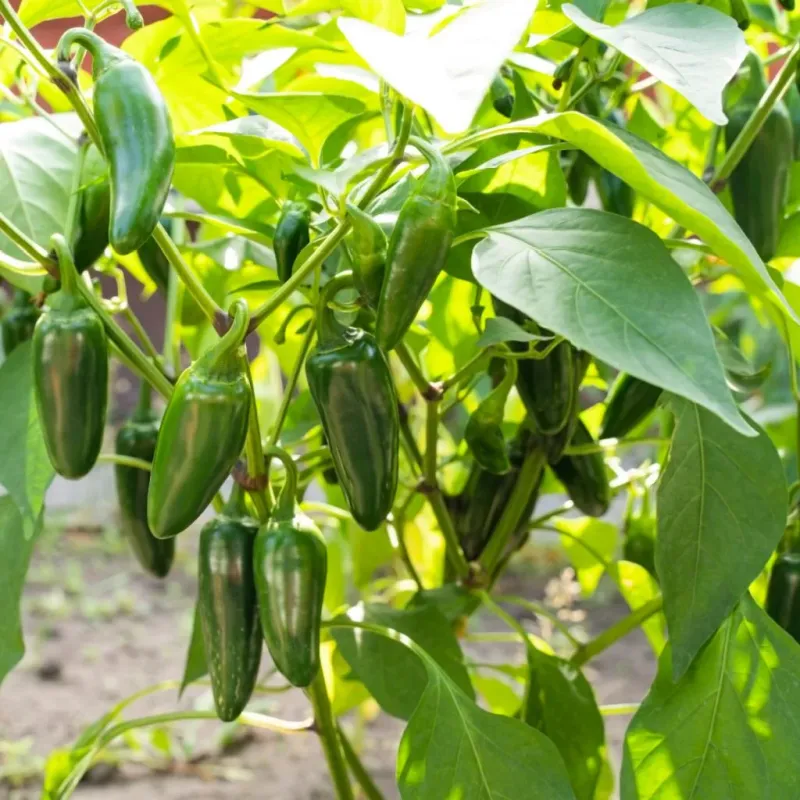
Peppers are quiet workhorses in the Texas vegetable garden. While tomatoes get most of the attention, peppers are often loaded with developing fruit by late June, and they can keep producing well into fall if given some support during the summer stretch.
When you can see fruit actively enlarging on the plant, that is a good indicator that a feeding may be worthwhile.
Peppers do not need as much nitrogen as some other vegetables, but they do respond to balanced nutrition during active fruiting. Too much nitrogen at this stage can push leafy growth at the expense of fruit.
A fertilizer with a moderate nitrogen level and good phosphorus and potassium content tends to work better for peppers that are already loaded with developing fruit.
Check soil moisture before fertilizing. Pepper roots sitting in dry soil do not take up nutrients efficiently, and dry conditions combined with fertilizer can cause root stress.
Water the plants well before applying any fertilizer, then water again after. Container-grown peppers in Texas heat need more frequent feeding than those in the ground because irrigation leaches nutrients from potting mix faster.
Watch for flower drop or blossom end problems, which can sometimes signal nutrient or watering inconsistencies rather than a need for more fertilizer.
6. Sweet Corn During Active Growth
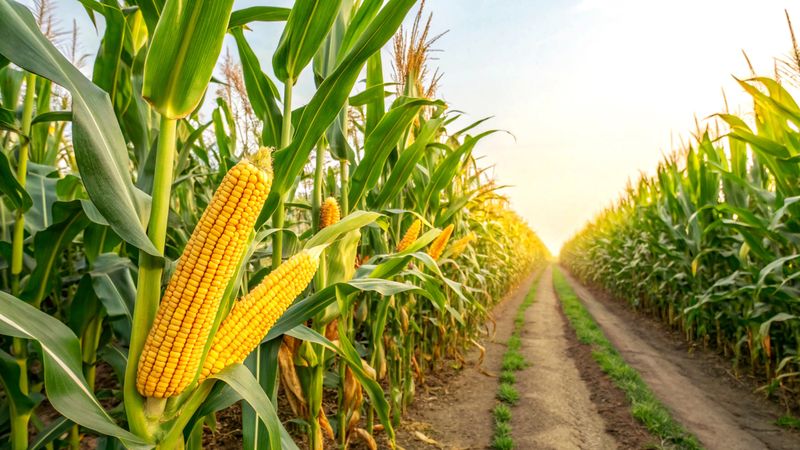
Sweet corn is a heavy feeder, and timing matters a lot when it comes to getting the most from a Texas planting. Corn planted in spring in Texas is often in active vegetative growth by late June, with stalks pushing upward and leaves unfurling rapidly.
This growth phase is when nitrogen demand is at its peak, and a well-timed application can make a real difference in ear development later on.
Side-dressing corn with nitrogen during active growth is a practice that many Texas gardeners and small-scale growers rely on.
Rather than applying all fertilizer at planting, splitting the application and adding nitrogen when plants are knee-high or taller helps match nutrient supply with plant demand.
Look for deep green color and steady upward growth as signs the plant is in good condition to receive a feeding.
Soil moisture is critical. Corn roots need water to move nutrients from the soil into the plant, and dry conditions can stall uptake even when fertilizer is present.
Irrigate before side-dressing, and water again after applying to work the nitrogen into the root zone.
In Texas summer heat, corn can dry out fast between waterings, so keeping soil consistently moist while the plant is actively growing helps fertilizer work as intended.
7. Citrus Trees Showing New Growth
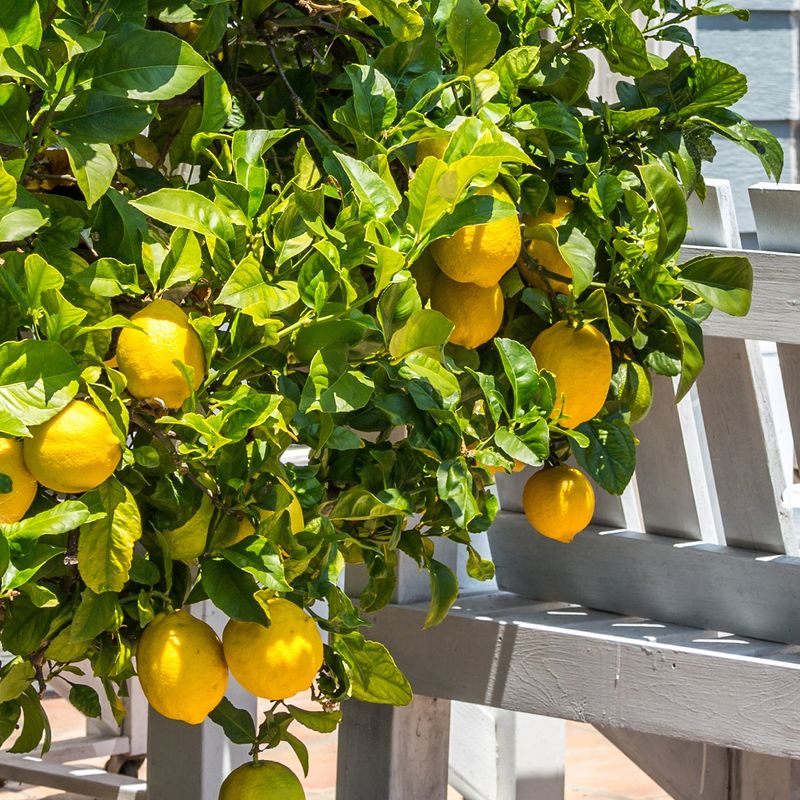
Citrus trees in Texas often push a flush of new growth in late spring and early summer, and that bright green flush of new leaves is one of the clearest signs that a tree is actively growing and could benefit from feeding.
If your citrus is showing new growth and developing small fruit, late June is a reasonable window to support that activity with a citrus-specific fertilizer.
Citrus trees in Texas landscapes have particular nutritional needs, including micronutrients like iron, manganese, and zinc that are sometimes lacking in alkaline Texas soils.
A fertilizer formulated specifically for citrus often includes these trace elements alongside the primary nutrients, which is why a citrus formula tends to outperform a generic all-purpose product for these trees.
Watering before and after fertilizing is especially important for citrus in Texas. The trees are sensitive to root stress from dry soil combined with fertilizer salts, and deep irrigation helps nutrients move into the root zone without causing damage.
Young trees need more careful management than established ones. Avoid feeding citrus that looks stressed, has yellowing leaves from drought, or is sitting in waterlogged soil.
A healthy tree with visible new growth and developing fruit is the right candidate for a pre-June-end feeding.
8. Roses In Active Growth
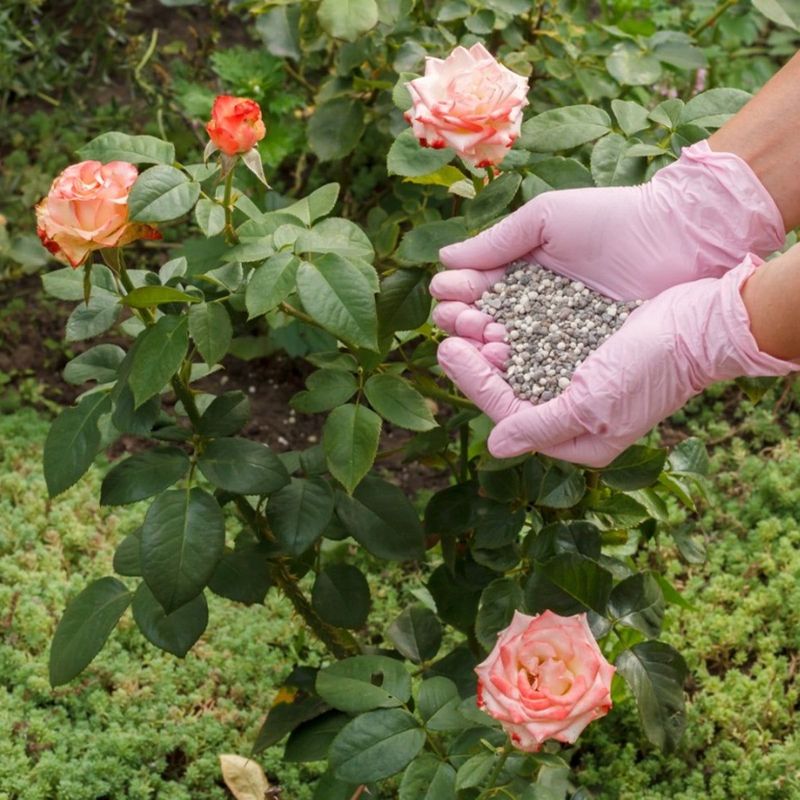
Roses in Texas have a rhythm that experienced growers come to know well. After the big spring bloom, many roses cycle through a rest and regrowth phase before pushing another round of flowers.
By late June, roses that are showing new cane growth, developing buds, or just finishing a flush are often in a good position to benefit from feeding before the deep summer heat settles in fully.
A rose fertilizer or balanced fertilizer with good nitrogen and potassium levels supports both new cane development and flower production.
Many Texas rose growers rely on a regular feeding schedule during the growing season, but the key is always to look at the plant first.
Is it pushing new growth? Are buds forming? Does the foliage look healthy and dark green? Those are the conditions where feeding makes sense.
Avoid fertilizing roses that are heat-stressed, showing signs of drought stress, or sitting in bone-dry soil. Water the rose bed thoroughly before applying any fertilizer, and water again after to move nutrients into the root zone.
In Texas summer heat, even well-established roses can show stress during extreme heat spikes, so timing a feeding around a period of more moderate temperatures or after a thorough watering cycle is a smart approach.
9. Summer Annuals In Beds Or Containers
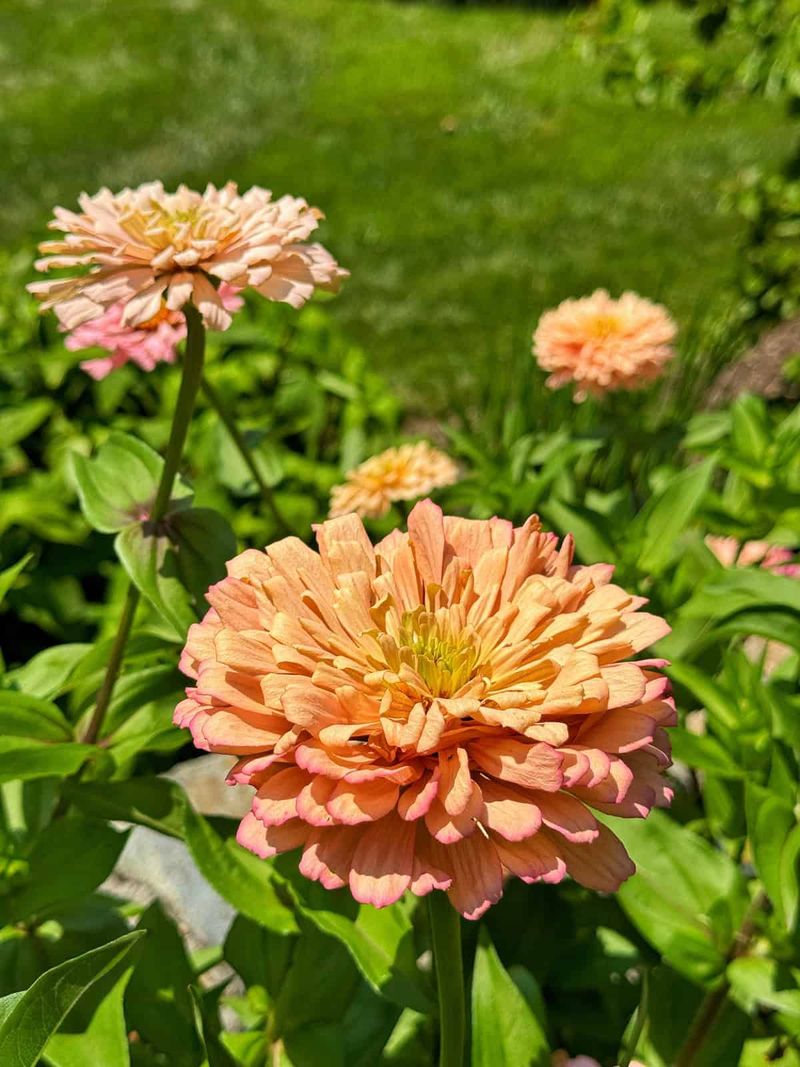
Vinca, pentas, zinnias, marigolds, and portulaca are some of the toughest summer annuals you can plant in Texas, and they spend June putting on a show.
These plants are built to handle heat, but they are also fast-growing and heavy feeders compared to many perennials.
Beds planted in spring with summer annuals are often hitting their stride just as June winds down, and a feeding can help them keep up that color and energy.
Annual flowers planted in landscape beds tend to deplete soil nutrients faster than woody plants because of their rapid growth rate.
A balanced slow-release fertilizer worked into the bed at planting is a common approach, but a follow-up liquid or granular feeding by late June can extend the bloom cycle and keep foliage looking lush.
Look for plants that are blooming actively, producing new buds, and showing healthy green leaves as signs that feeding is appropriate.
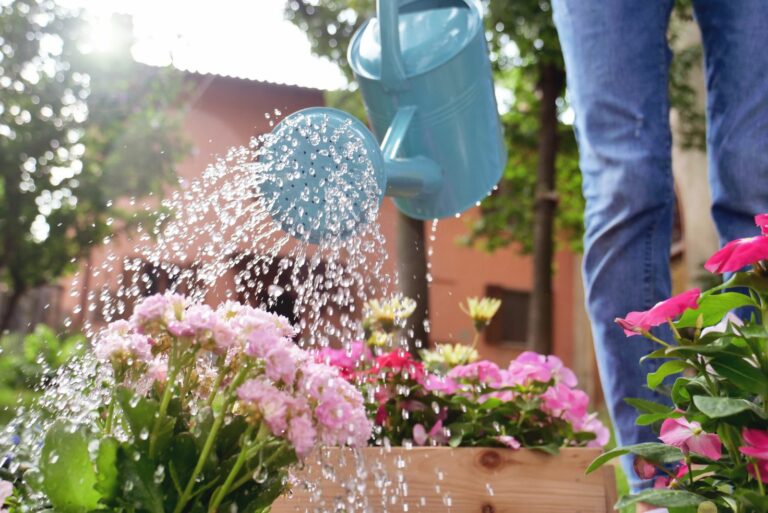
Container-grown summer annuals in Texas need even more frequent feeding because nutrients flush out with every watering. A water-soluble fertilizer applied every couple of weeks during active growth is a practical approach for pots and planters.
Check the soil moisture before feeding, avoid applying fertilizer to dry root balls, and water containers thoroughly before and after each application to keep plants healthy and blooming through the summer.
10. Hanging Baskets And Potted Plants
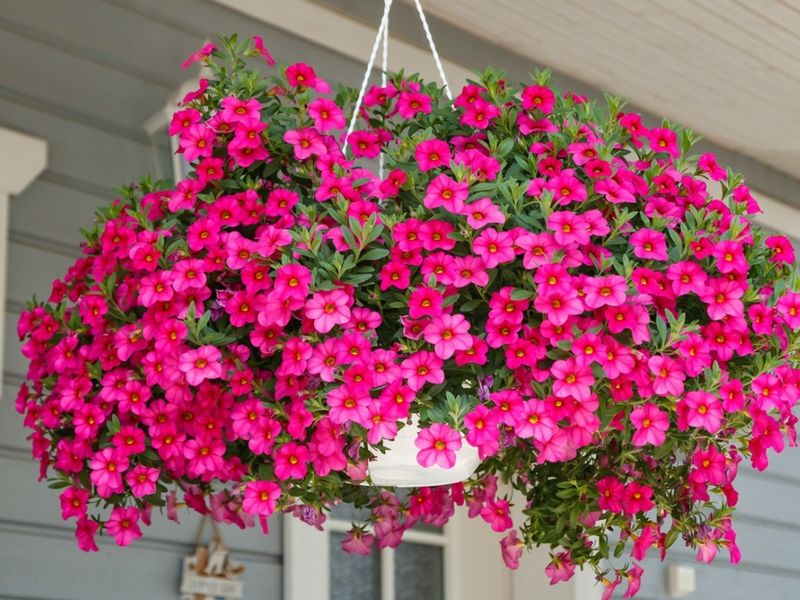
Hanging baskets have a tough job in Texas. They bake in the sun, dry out faster than almost anything else in the landscape, and get watered so frequently that nutrients flush right through the potting mix with every cycle.
By late June, a hanging basket that looked full and lush in May may be starting to show signs of nutrient depletion, with pale leaves, reduced blooming, or slower growth.
Potted plants on patios, porches, and decks face the same challenge. The combination of Texas heat, small soil volume, and frequent irrigation means nutrients do not stick around long.
A water-soluble fertilizer applied every one to two weeks during active growth is often the most practical approach for keeping containers and baskets productive through the summer season.
Before feeding any hanging basket or container, check that the root ball is moist, not bone dry. Fertilizing a dry root ball can concentrate salts and stress the roots.
Water the basket or pot thoroughly first, then apply a diluted water-soluble fertilizer at the rate listed on the label.
Some gardeners in Texas prefer to use a half-strength solution more frequently rather than a full-strength dose less often, which can reduce the risk of salt buildup in potting mix during the hot months.