Simple Habits That Bring More Dragonflies Back To Your Texas Garden
Dragonflies might be one of the most underappreciated garden allies in Texas. They’re beautiful, they’re fast, and they’re extraordinary hunters.
A single dragonfly can consume hundreds of mosquitoes and other flying insects in a single day, making them one of the most effective natural pest control forces you could possibly attract to your outdoor space.
And yet most people never think about what it takes to bring them in. The good news is that attracting dragonflies to a Texas garden is more achievable than most people realize. It doesn’t require a large pond or expensive water feature.
Some of the most effective habits for drawing dragonflies in are surprisingly simple adjustments to things you’re probably already doing or could easily start.
Small changes in how you manage water, plants, and garden structure can make a significant difference in how many dragonflies visit and how long they stick around.
Here are the simple habits that bring more dragonflies to Texas gardens and the ones that keep them coming back all season long.
1. Add A Small Water Feature

Dragonflies have a secret that most gardeners do not know: they spend a big part of their lives underwater. Before they grow wings and take flight, dragonfly young, called nymphs, live and grow in ponds, tanks, and other still water.
That means water is not just a nice extra for dragonflies. It is absolutely essential for them to complete their life cycle.
Adding a small water feature to your Texas yard can make a huge difference. You do not need a massive koi pond to get started.
A stock tank, a half-barrel planter lined with a pond liner, or even a wide, deep container filled with water can work well. The key is to keep the water still and give it some depth, at least eight to twelve inches.
Shallow dishes dry out too fast and do not give nymphs enough room to grow. Place your water feature in a sunny spot. Dragonflies love warmth, and sun-warmed water tends to attract more activity.
Adding a few aquatic plants like water lilies or pickerelweed gives nymphs places to hide and adults places to perch. Keep the water clean but avoid over-filtering it, since nymphs need a natural, slightly organic environment to thrive.
Once your water feature is established, be patient. It may take a full season before dragonflies discover it and begin using it regularly.
Dragonflies are explorers by nature, and once one finds your pond, others will follow. A little water goes a long way when you are trying to build a dragonfly-friendly Texas garden.
2. Skip The Mosquito Dunks Only Where Fish Or Other Controls Are Present
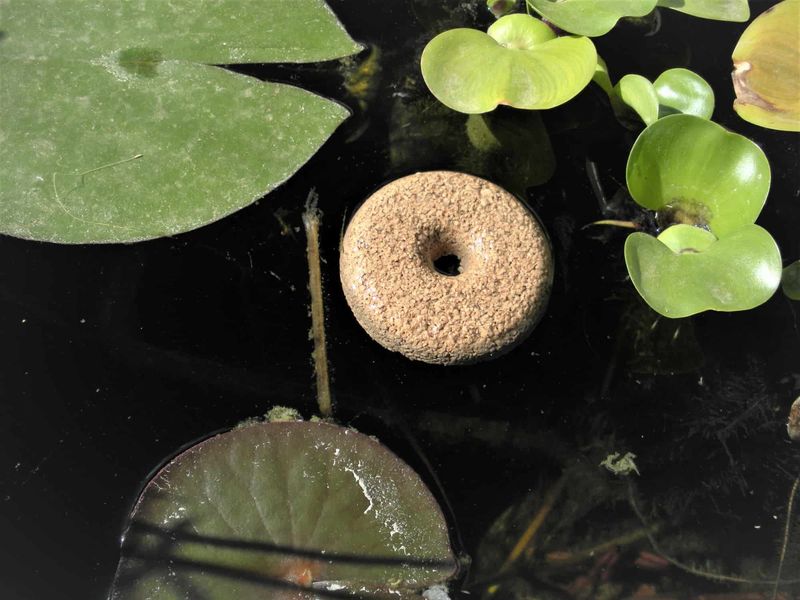
Mosquito dunks are popular in Texas because nobody wants standing water turning into a mosquito nursery. Those little brown discs release a bacteria called Bt, which targets mosquito larvae.
They are generally considered safe for most wildlife, but using them in every single water feature without thinking it through can still affect the balance of your aquatic habitat.
Your Texas Garden Changes Every Week. Your Plan Should Too.
Gardening in Texas changes quickly throughout the season. Every Friday you’ll receive a simple weekly plan showing exactly what to plant, prune, fertilize, harvest, and protect so you never miss the right timing.
Dragonfly nymphs are predators. They eat mosquito larvae, midge larvae, and other small aquatic creatures.
If you wipe out all of those food sources with dunks or other treatments, you are also reducing what the nymphs have to eat. A water feature that has been treated in every corner may not support healthy nymph populations over time.
If you already have fish like mosquito fish or goldfish in your pond, they will handle a lot of the mosquito larvae naturally. In that case, you probably do not need dunks at all.
Mosquito fish are especially effective and are often available free through local Texas mosquito control programs. They are a natural, balanced solution that works alongside dragonfly nymphs instead of against them.
The goal is clean, balanced water, not sterile water. A little bit of natural life in your pond is a good thing.
Algae, small invertebrates, and aquatic insects all play a role in keeping the ecosystem healthy. Think of your water feature as a tiny living system rather than a problem to be controlled.
When the balance is right, dragonflies will do much of the pest management work for you, naturally and effectively.
3. Plant Native Grasses And Rushes Near Water
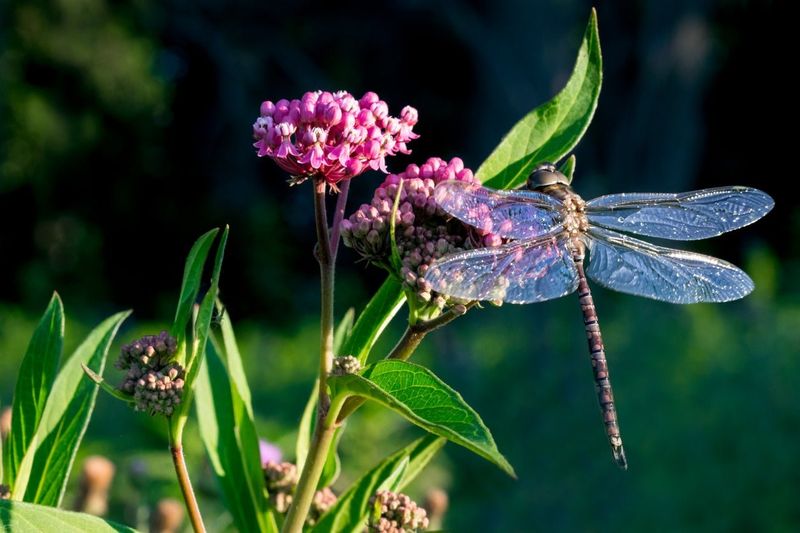
Picture a dragonfly sitting perfectly still on the tip of a tall grass blade, wings spread wide, soaking up the Texas sun. That image is not just beautiful.
It is actually a glimpse into how dragonflies hunt and rest. They are perch-and-pounce predators, meaning they sit in a spot with a clear view, wait for prey to fly past, and then dart out to catch it.
Without the right plants nearby, they have nowhere comfortable to do that. Planting native grasses, sedges, and rushes around the edges of your water feature gives dragonflies exactly what they need.
Plants like soft rush, gulf muhly, inland sea oats, and bulrush are all excellent choices for Texas gardens.
They grow upright, offer sturdy perching spots, and do not require much extra care once they are established. Native plants also support the broader insect community that dragonflies feed on.
Rushes and sedges serve another important purpose. When dragonfly nymphs are ready to transform into adults, they climb out of the water and up a vertical stem to shed their skin.
Without tall plants right at the water’s edge, nymphs may struggle to find the right spot to emerge. Providing those vertical stems directly at the waterline can make a real difference in how many dragonflies successfully complete their development in your yard.
Keep a natural, slightly messy edge around your pond rather than trimming everything short. A wild fringe of native plants makes the whole water feature feel safer and more inviting to dragonflies, beneficial insects, and even small birds that visit for a drink.
4. Stop Spraying Broad-Spectrum Insecticides
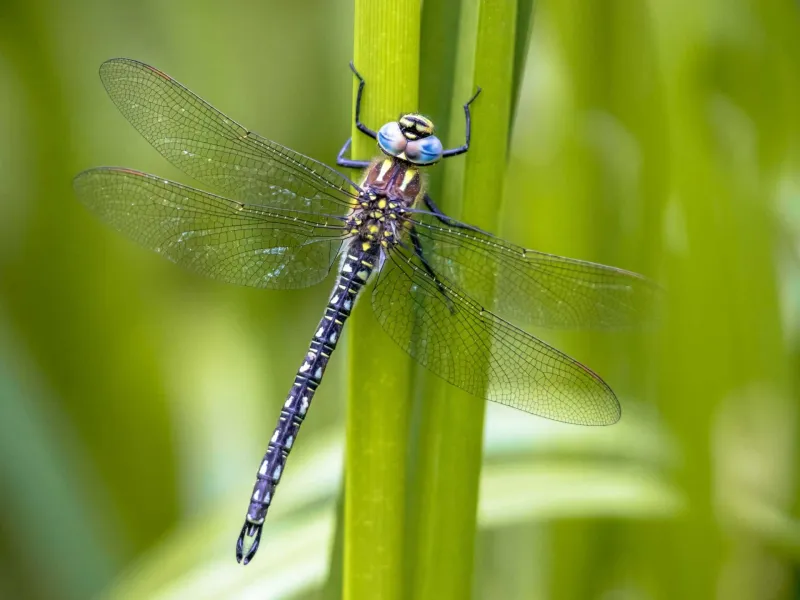
Broad-spectrum insecticides are designed to wipe out a wide range of insects at once. That might sound helpful when mosquitoes are buzzing around your patio, but those same products also affect dragonflies, bees, butterflies, and the many other beneficial insects that keep your garden healthy.
Using them regularly is one of the fastest ways to make your yard less attractive to dragonflies over time.
Dragonflies are impressive hunters. A single adult dragonfly can eat dozens of mosquitoes in a single day, plus gnats, flies, midges, and other small flying insects.
They are essentially a free, natural pest control service. But they can only do that job if there are enough insects in your yard to hunt.
When broad-spectrum sprays reduce the overall insect population, dragonflies lose their food source and move on to find better hunting grounds elsewhere.
Switching to targeted pest control methods makes a big difference. Spot-treat specific problem areas instead of blanketing the whole yard.
Use physical barriers, sticky traps, or natural deterrents where possible. If you do need to spray, choose products that target only the specific pest you are dealing with and apply them in the evening when beneficial insects are less active.
Over time, a yard that is sprayed less tends to develop a more balanced insect community. Predators like dragonflies, spiders, and parasitic wasps naturally keep pest populations in check when given the chance.
Trusting that natural balance, rather than reaching for a spray bottle at the first sign of bugs, leads to a healthier and more vibrant garden that dragonflies are happy to call home.
5. Leave Sunny Perches Around The Garden
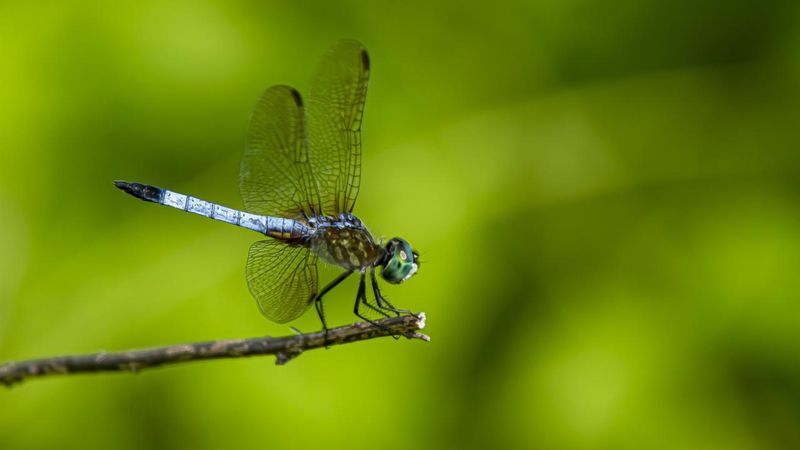
Walk through a meadow on a hot Texas afternoon and you will almost certainly spot dragonflies sitting motionless on the tips of sticks, fence posts, and bare plant stems. They are not being lazy.
They are working. Dragonflies use elevated, sunny perches to warm their bodies, scan the area for prey, and watch for rivals or mates.
Without good perching spots, they spend more energy hovering and less time successfully hunting.
Creating perches in your garden is one of the easiest and cheapest things you can do to attract more dragonflies.
Tall bamboo stakes pushed into garden beds, smooth flat rocks placed in sunny spots, short wooden posts near the pond edge, and even the bare tips of pruned shrub branches all work perfectly.
The best perches are in full sun, slightly elevated above the surrounding plants, and positioned near open flying space where dragonflies can easily launch and return.
Resist the urge to make every corner of your garden perfectly tidy. A few bare twigs left on a shrub, an old tomato cage standing in the corner, or a simple wooden dowel stuck in the ground near your water feature can become a dragonfly’s favorite hunting post.
These small, rough features cost nothing and take almost no effort to provide. Spacing perches throughout different parts of the garden is smart, too. Dragonflies are territorial and each one tends to claim a favorite spot.
Having multiple perches spread around gives more individuals a place to set up territory, which means more dragonflies patrolling your yard and keeping pest insects under control throughout the entire growing season.
6. Keep Some Open Flying Space
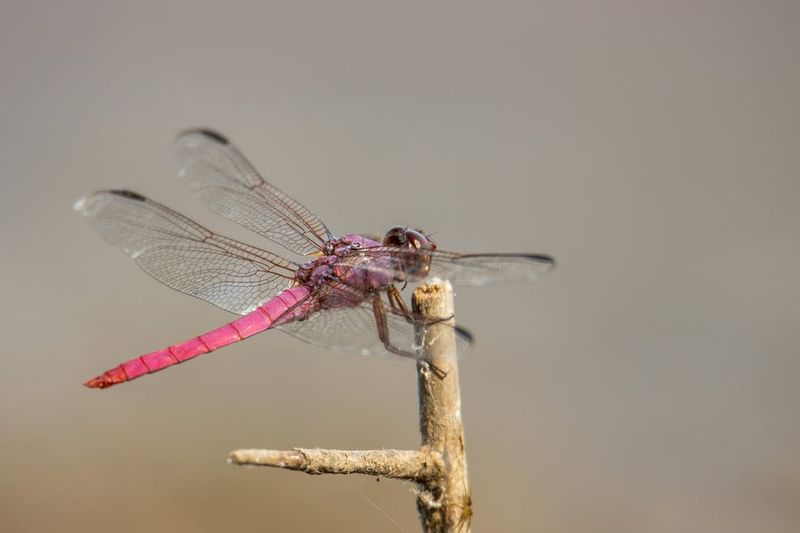
Dragonflies are built for speed and precision. Their four wings move independently, letting them fly forward, backward, sideways, and hover in place with remarkable control.
But all of that aerial skill needs room to work. A garden so densely planted that there is no open airspace is not very useful to a dragonfly looking to patrol and hunt.
Think about your garden layout in terms of layers. A mix of open sunny patches, low-growing flowering plants, and taller border plants at the edges gives dragonflies the flight corridors they need.
Open areas near a water feature are especially valuable, since dragonflies regularly patrol back and forth over water searching for prey and mates. Even a modest stretch of open sunny ground or a clear path between plant groupings can serve as a regular flight route.
If your yard is mostly covered in dense shrubs or tall plants with very little open space, consider thinning a few areas. You do not need to remove much.
A cleared patch of three to four feet near your pond or along a sunny fence line can become a busy dragonfly highway within a single season.
Low-growing native groundcovers or small wildflower patches are great for filling open areas while still keeping some visual airspace clear above them.
Lawns, while not always the most wildlife-friendly feature, do provide open flying space that dragonflies appreciate.
If you have a lawn, keeping a portion of it open and sunny rather than converting every inch to dense plantings maintains the kind of habitat variety that supports a wide range of beneficial insects, dragonflies included. Balance is always the goal.
7. Reduce Night Lighting And Keep The Yard More Natural

Most people do not think about their outdoor lights when it comes to dragonflies, but nighttime lighting actually has a bigger impact on your garden’s insect life than you might expect. Bright lights attract moths, beetles, and other nocturnal insects all night long.
That might sound harmless, but it disrupts the natural rhythms of your yard’s insect community and can gradually shift which insects are most common in your space.
Dragonflies are daytime hunters. They rely on a healthy, balanced insect population to feed on throughout the day.
When bright lights pull nocturnal insects away from their natural roles and concentrate them around light sources all night, it changes the overall food web.
Over time, yards with heavy artificial lighting tend to have less diverse insect communities, which means less food variety for dragonflies and other beneficial predators.
Switching to softer, more targeted outdoor lighting makes a real difference. Use warm-toned bulbs instead of cool white or blue-white LEDs, since warmer light attracts fewer insects.
Install motion-sensor lights so they only turn on when needed rather than burning all night. Point lights downward toward pathways rather than outward into the garden and tree canopy where insects are most active.
Letting part of your yard stay naturally dark at night is one of the most wildlife-friendly things you can do. A dark corner with native plants, a small brush pile, or an unlit area near your pond gives nocturnal insects a safe space to behave naturally.
That natural balance feeds back into the daytime ecosystem that dragonflies depend on, making your whole yard more alive, more balanced, and genuinely more rewarding to spend time in.