The Best California Seed Libraries Where Gardeners Get Free Seeds, Including Native Plants
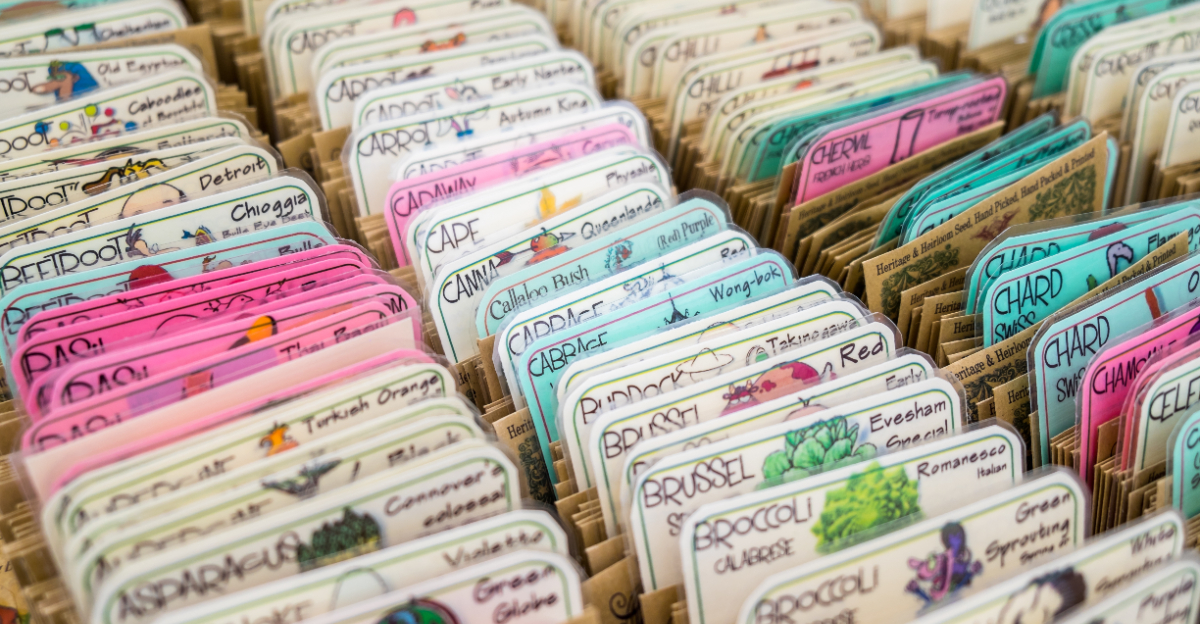
Free seeds can make a garden feel more possible, especially when you want to grow plants that belong in your area.
California seed libraries are becoming favorite stops for gardeners who want native flowers, grasses, and shrubs without buying every packet.
Many are tucked inside public libraries or run by local garden groups, which makes them easy to miss if you do not know where to look. The fun part is that each one can feel a little different.
Some focus on local habitat plants. Others share seeds that support pollinators or help yards use less water.
A good seed library can also connect gardeners with growing tips that fit nearby conditions.
For anyone hoping to build a more native friendly yard, these free seed sources are worth knowing before the next planting season begins.
1. Museum Of Us Native Seed Library — San Diego
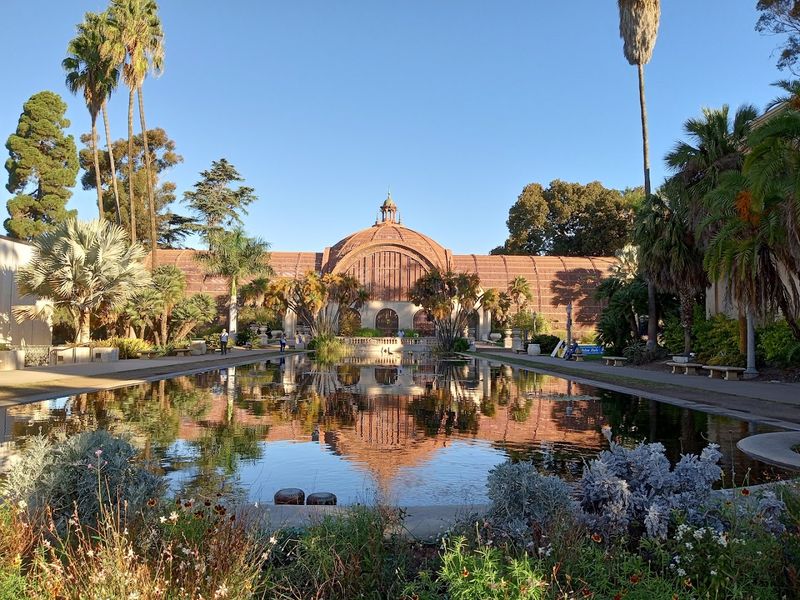
Few places blend history and horticulture quite like the Museum of Us in San Diego’s Balboa Park.
Partnering with the San Diego Bird Alliance, this seed library hands out free native seeds to residents of the county.
The goal is simple: get more local plants growing in local yards.
You can pick up seeds like coastal sage, native sunflowers, and other plants that birds and bees love. The program encourages people to grow plants that naturally belong in the region.
That means less watering, fewer chemicals, and a healthier neighborhood ecosystem overall.
The museum sits at 1350 El Prado, Balboa Park, San Diego, CA 92101. It is easy to find and worth a visit even beyond the seed library.
Staff members are friendly and happy to answer questions about which seeds work best for your yard and sun conditions.
Taking seeds home is just the beginning. You are also invited to return seeds at the end of the season, keeping the cycle going for future gardeners.
It is a community effort rooted in respect for the land and the wildlife that depends on native plants to survive and flourish every year.
2. San Diego Bird Alliance Native Seed Libraries — San Diego County
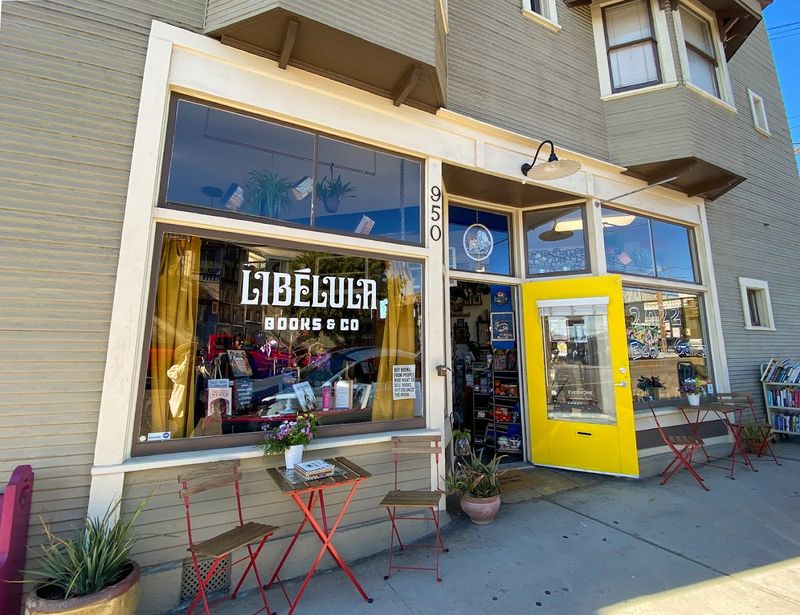
Libélula Books & Co., located at 950 South 26th Street in San Diego’s Barrio Logan, is one of the community spots connected to the San Diego Bird Alliance’s native seed library program.
The program works like a little lending library, but instead of books, it shares seeds of native San Diego plants that support birds, pollinators, and other local wildlife.
The San Diego Bird Alliance says these seed libraries are meant to spread awareness about native plants and help residents build habitat in their own neighborhoods.
The Museum of Us, another partner location, explains that the seeds are free for San Diego County residents, usually limited to 1–2 packets per household.
Participants are encouraged to grow the plants, save extra seed, and return it to any Native Seed Library location.
That makes Libélula a meaningful stop for gardeners who want more than a pretty yard. Visitors can pick up seeds that help hummingbirds, songbirds, butterflies, and bees while also supporting a local bookstore rooted in community, culture, and access to knowledge.
Your California Garden Changes Every Week. Your Plan Should Too.
Gardening in California changes quickly throughout the season. Every Friday you’ll receive a simple weekly plan showing exactly what to plant, prune, fertilize, harvest, and protect so you never miss the right timing.
Because seed stock and partner locations can change, it is smart to check the San Diego Bird Alliance’s current native seed library map before visiting.
3. San Mateo Public Library Seed Library — San Mateo
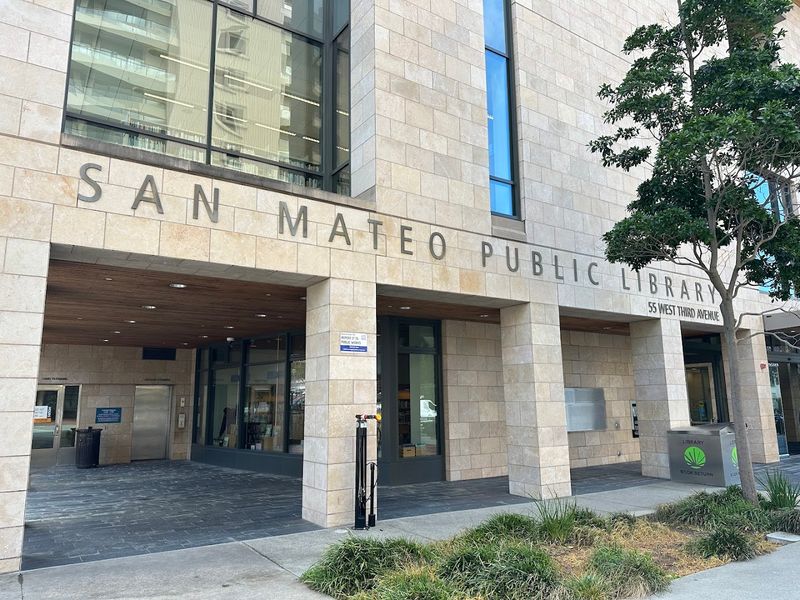
Not many people think of a public library as a place to stock up on garden supplies, but the San Mateo Public Library has changed that expectation in a big way.
Their seed library offers free vegetable, herb, and California native flower seeds to San Mateo and Hillsborough residents. No green thumb required to get started.
The collection includes vegetable seeds, herbs, and native wildflowers suited to the Bay Area’s mild and coastal climate. Patrons are encouraged to save seeds from their harvest and return them the following season.
That returning tradition keeps the seed supply fresh and the community connected.
Located at 55 W 3rd Ave, San Mateo, CA 94402, the library is easy to reach by public transit or car. The seed library is typically self-serve, meaning you can browse and select at your own pace without needing an appointment.
Labels on each packet include basic planting instructions.
Librarians at this branch are genuinely enthusiastic about the program and happy to chat about gardening.
They also stock related books and magazines nearby, so you can grab reading material alongside your seeds.
For newer gardeners especially, having access to both seeds and educational resources in one visit makes the whole experience feel approachable, encouraging, and genuinely exciting from start to finish.
4. Mountain View Public Library Seed Library — Mountain View
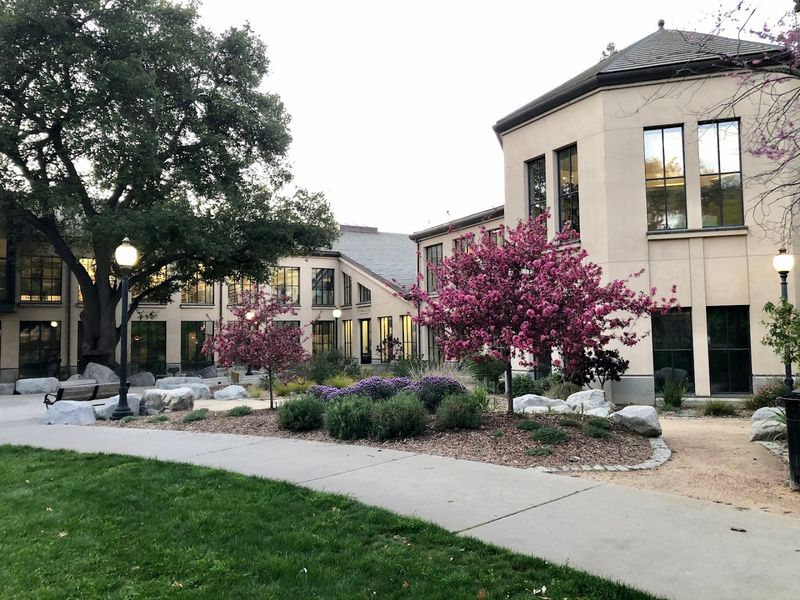
Right in the heart of Silicon Valley, the Mountain View Public Library is doing something wonderfully old-fashioned: sharing seeds with the community for free.
Their seed library carries heirloom, organic, and non-GMO varieties, with a strong focus on native wildflowers. Tech hub meets garden patch in the best possible way.
Pollinator-friendly plants are a highlight here. Seeds for native flowers that attract bees, butterflies, and hummingbirds are regularly stocked and replenished.
Planting even a small patch of these flowers can make a measurable difference for local pollinator populations struggling to find food sources in urban areas.
Checking out seeds works similarly to borrowing a book. You select your packets, note what you took, and are encouraged to return seeds after your plants mature and set seed.
The system runs on trust and community goodwill, and it works beautifully because of the people who participate.
Find the library at 585 Franklin St, Mountain View, CA 94041. Seed availability changes with the seasons, and popular varieties go fast.
Visiting in early spring gives you the widest selection for the growing season ahead. Staff members can also point you to helpful books on native gardening if you want to learn more before your first planting attempt this year.
5. Cerritos Library Seed Library — Cerritos

The Cerritos Library is already famous for being one of the most stunning public libraries in the country, and its seed library adds another reason to visit.
Housed inside this architectural gem, the seed program offers free seeds to library cardholders in the community.
Beauty and practicality coexist here beautifully. The seed collection leans toward vegetables, herbs, and native plants well-suited to Southern regions of our state.
Warm-season crops and drought-tolerant natives are especially popular picks.
Gardeners dealing with hot summers and limited water will find the selection particularly practical and well-matched to real local conditions.
One thing that sets this program apart is the library’s overall commitment to community enrichment. Seed lending fits naturally alongside their art exhibits, technology stations, and educational events.
Picking up seeds feels less like an errand and more like a mini cultural experience every single time.
The library is located at 18025 Bloomfield Ave, Cerritos, CA 90703. It is open most days of the week and welcomes visitors of all ages.
Families with kids often enjoy browsing the seed selection together, sparking conversations about where food and plants come from.
Gardening is one of the best hands-on lessons any child can get, and this library makes starting that journey easy and completely free.
6. Alhambra Library Seed Library — Alhambra
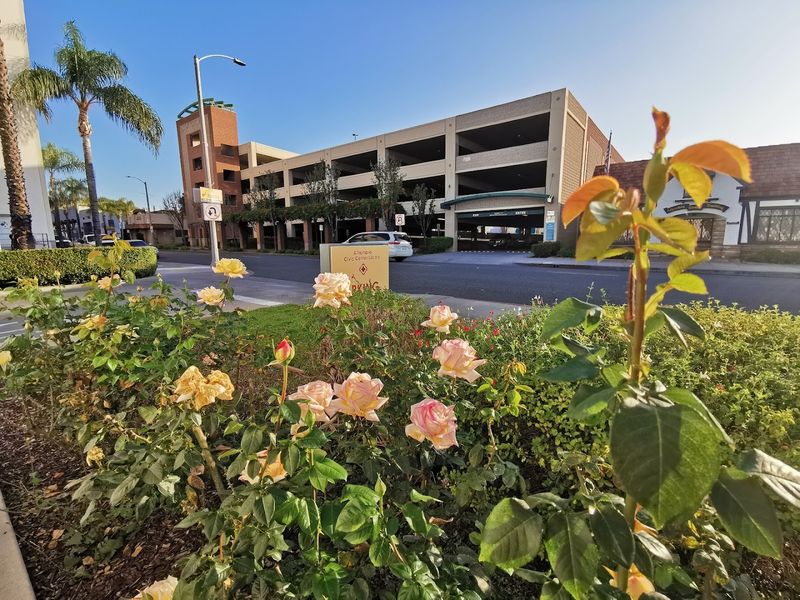
Community gardening has deep roots in the San Gabriel Valley, and the Alhambra Library seed library keeps that tradition thriving.
Cardholders can browse a rotating selection of seeds that includes vegetables, herbs, and native plants.
It is a small program with a genuinely big impact on local green spaces.
Native plant options are especially valuable for gardeners trying to reduce their yard’s water use. The library offers fruit, herb, vegetable, and California native flower seeds, with availability changing by season.
Swapping out thirsty lawn grass for native ground covers is a shift more and more residents are making with the library’s help.
The seed library operates on a borrow-and-return model. You take seeds now and are asked to return seeds from your harvest later in the year.
That cycle builds a self-sustaining seed bank that grows richer with every passing season as more community members participate and contribute back.
Visit at 101 S 1st St, Alhambra, CA 91801, which is conveniently located near public transit.
Library staff are welcoming and can help you find the right seeds for your space, whether you are working with a small balcony planter or a full backyard garden.
No experience is needed, and no gardening knowledge is required to walk in and walk out with something worth growing.
7. Palo Alto Rinconada Seed Library — Palo Alto
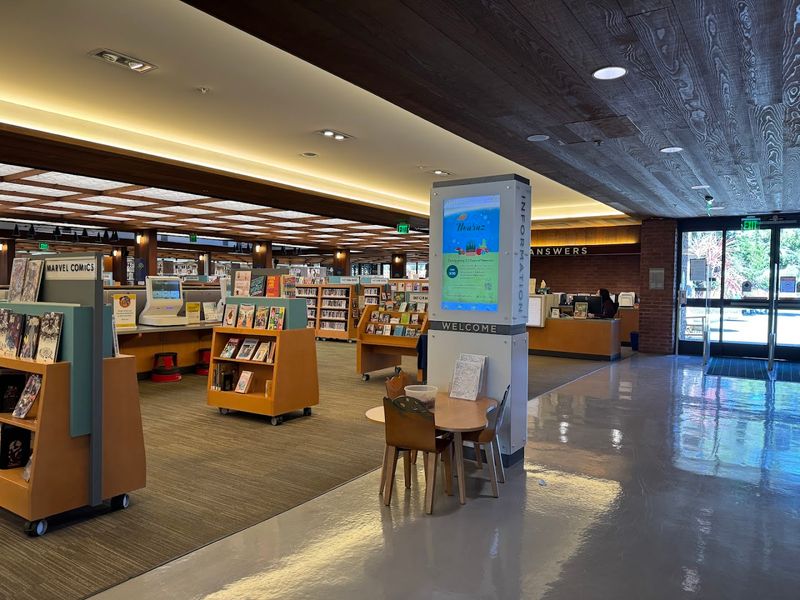
Tucked inside one of Palo Alto’s most beloved neighborhood libraries, the Rinconada Seed Library has quietly become a favorite stop for local gardeners.
It operates as a self-serve station, so you can browse and choose seeds on your own schedule without needing staff assistance. That laid-back setup makes it easy and stress-free.
Native wildflower seeds are a consistent part of the collection, alongside vegetables and herbs.
For gardeners in the Bay Area looking to add pops of color while supporting pollinators, the wildflower options are hard to resist.
Many of them are also deer-resistant, which is a practical bonus in neighborhoods near open space.
Returning seeds is part of the community agreement. When your plants go to seed at the end of the season, you collect and dry them, then bring them back.
That simple act of giving back ensures future gardeners always have something to choose from when they visit the library.
The Rinconada branch is at 1213 Newell Rd, Palo Alto, CA 94303. Parking is available nearby, and the library is easy to combine with a stroll through the adjacent park.
Families, retirees, and first-time gardeners all find the seed library to be a welcoming and practical resource that fits seamlessly into a regular library visit any day of the week.
8. Colusa County Seed Library — Colusa
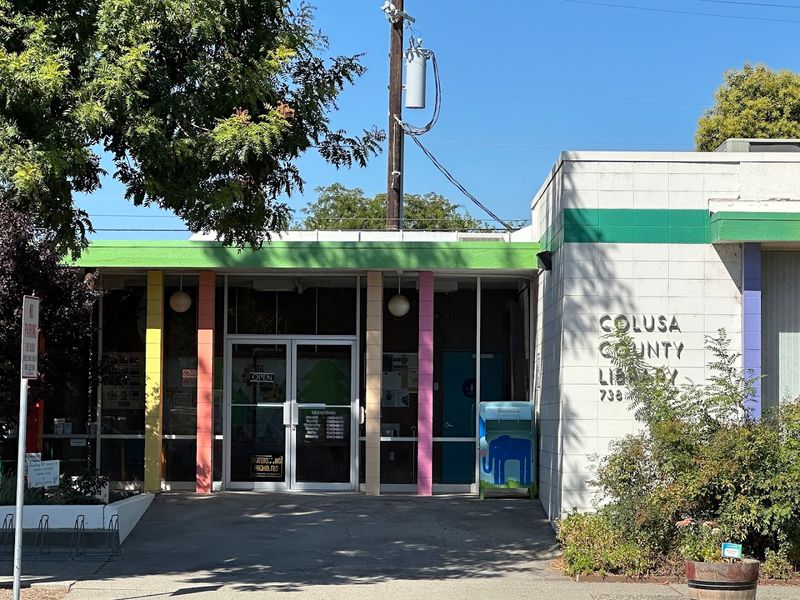
Rural communities deserve great seed libraries too, and Colusa County delivers exactly that. The Colusa County Library’s seed program serves an agricultural region where connection to the land runs deep.
For residents there, growing your own food and native plants is less a trend and more a way of life passed through generations.
Seeds available through the program reflect the region’s warm, dry summers and cool winters. Drought-tolerant natives and heat-loving vegetables are well-represented in the collection.
Gardeners in the Sacramento Valley area will find options that are genuinely suited to their specific growing conditions rather than generic picks from elsewhere.
The library also connects seed lending to broader conversations about food security and environmental stewardship.
Staff members understand that access to good seeds matters, especially in smaller communities where garden centers may be far away.
Having a free local resource removes a real barrier for many families who want to grow more of their own food.
The Colusa County Library is located at 738 Market St, Colusa, CA 95932. It serves as a community hub in more ways than one, hosting events and programs alongside the seed library.
Stopping in to grab seeds often turns into a longer visit once you discover the other resources and friendly conversations waiting inside this welcoming small-town library.
9. Contra Costa County Library Seed Libraries — Contra Costa County
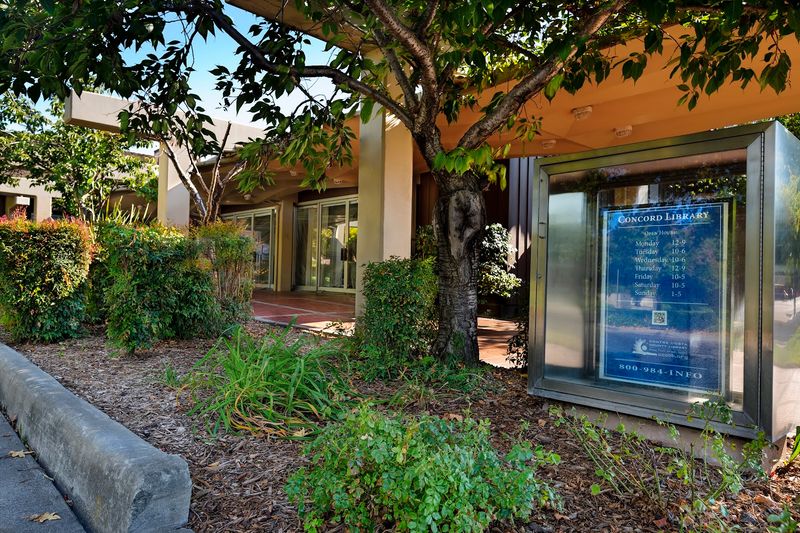
Contra Costa County Library offers seed libraries at select branches, with availability and seed types varying by location.
Some Contra Costa County Library branches offer free seeds, and gardeners should check the county library website for current participating locations and selections.
Reaching a seed library from almost anywhere in the county is refreshingly easy.
The native plant collection comes with resources specifically labeled for gardeners interested in restoring local habitat.
Booklets and seed packets often pair together, giving you both the seeds and the knowledge to use them well.
That combination of seeds plus education is what makes this program stand out from simpler seed-sharing efforts.
Participating branches include Antioch, Bay Point, Brentwood, Concord, Crockett, Martinez, Moraga, Oakley, Orinda, Pittsburg, Rodeo, and San Ramon.
Each location has its own seed selection and hours, so checking the county library website at ccclib.org before visiting is the smartest approach. Seed availability varies by season and branch.
Community members who want to contribute seeds are warmly encouraged to do so. Donating seeds you have saved from your own garden helps diversify the collection and keeps it locally relevant.
The whole program runs on shared generosity, and that spirit of giving makes every visit feel like participating in something genuinely meaningful for the broader community around you.
10. LA County Library Seed Library — Los Angeles County
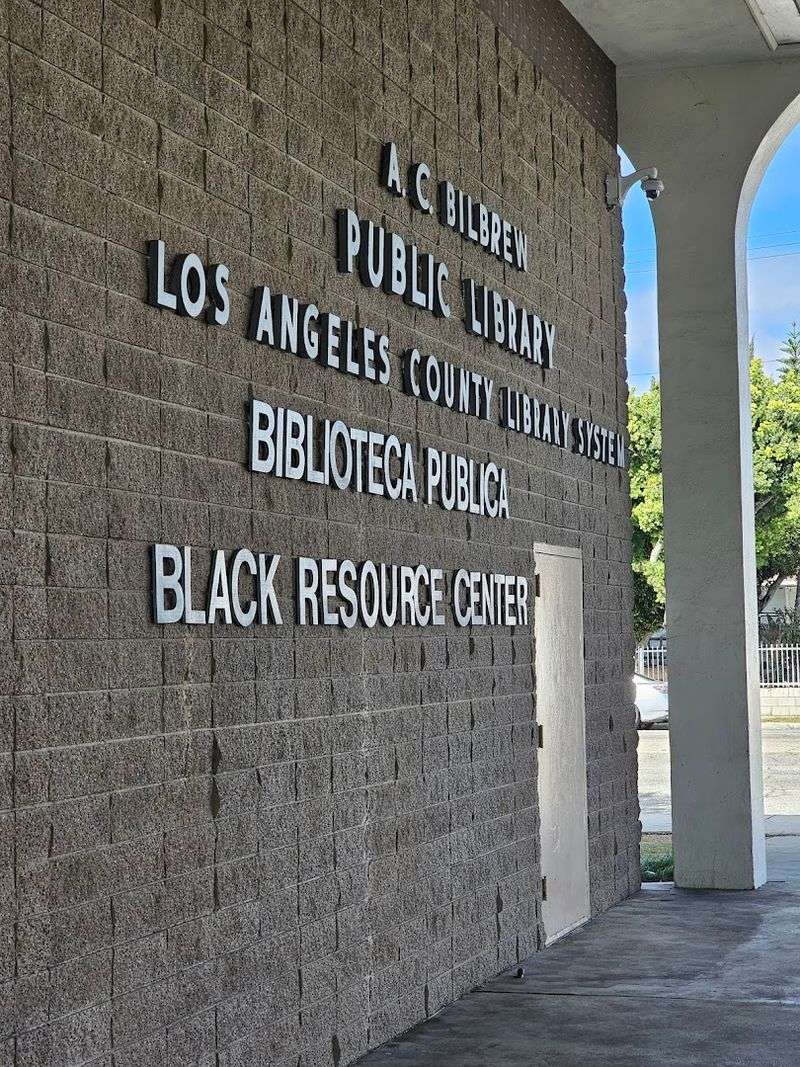
Stretching across one of the most diverse and populated counties in the nation, the LA County Library seed library program brings free seeds to communities that need them most.
Multiple branches participate, making it possible for urban and suburban gardeners to access free seeds close to home.
Growing something green has never been more accessible in this sprawling region. Native plants suited to Southern regions of our state are featured prominently.
Seed varieties change frequently based on availability, so gardeners should check the current LA County Library seed page or ask at a participating branch.
These plants look beautiful while asking very little of the gardener once established.
The program also reflects the county’s deep commitment to environmental equity. By placing seed libraries in branches across underserved neighborhoods, the county ensures that access to native plants and sustainable gardening is not limited to wealthier areas.
Every community deserves the chance to grow a greener, healthier outdoor space.
To find your nearest participating branch, visit lacountylibrary.org or ask at your local LA County branch directly. Seed selections rotate with the seasons, and popular packets often go quickly.
Arriving early in the season gives you the best shot at snagging the native wildflower mixes and pollinator-friendly varieties that tend to fly off the shelves fastest each spring.
11. Carlsbad City Library Seed Library — Carlsbad
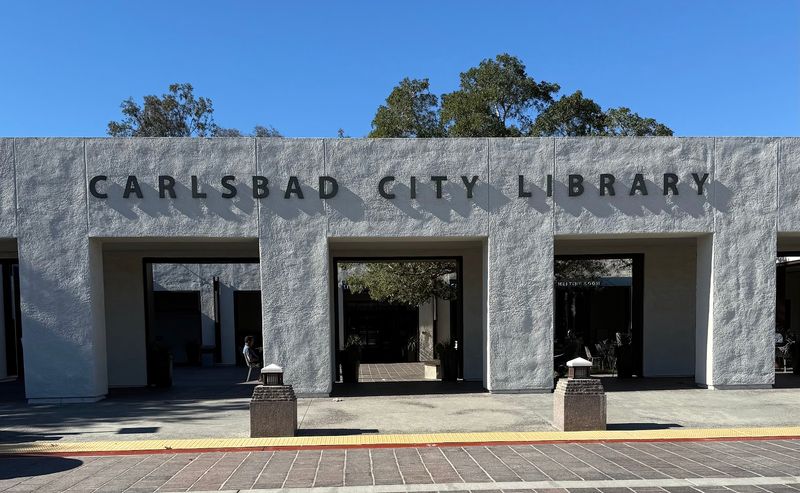
Carlsbad is known for flower fields, warm beaches, and a community that genuinely cares about the environment.
The Carlsbad City Library’s seed library fits right into that identity, offering free seeds to residents who want to grow native and food plants at home.
It is a program that feels as sunny and welcoming as the city itself.
Seeds are available at all three Carlsbad libraries, with selections varying by branch and season. Check the current selection at the library before visiting, since available varieties may change.
These plants handle salty air and dry summers with ease, making them ideal for yards just a few miles from the Pacific Ocean.
The seed library at Carlsbad operates on the familiar borrow-and-return model. Patrons are asked to save seeds from their mature plants and return them before the next growing season.
That small act of stewardship keeps the program running without any cost to the city or to individual gardeners who participate.
The main branch is at 1775 Dove Lane, Carlsbad, CA 92011, and additional branches may also carry seeds depending on the season.
Library staff are helpful and can recommend native plants suited to your specific yard situation.
Whether you have a sunny slope, a shaded corner, or a compact patio container, there is likely a native seed in the collection that will work perfectly for you.
12. Murrieta Public Library Seed Library — Murrieta
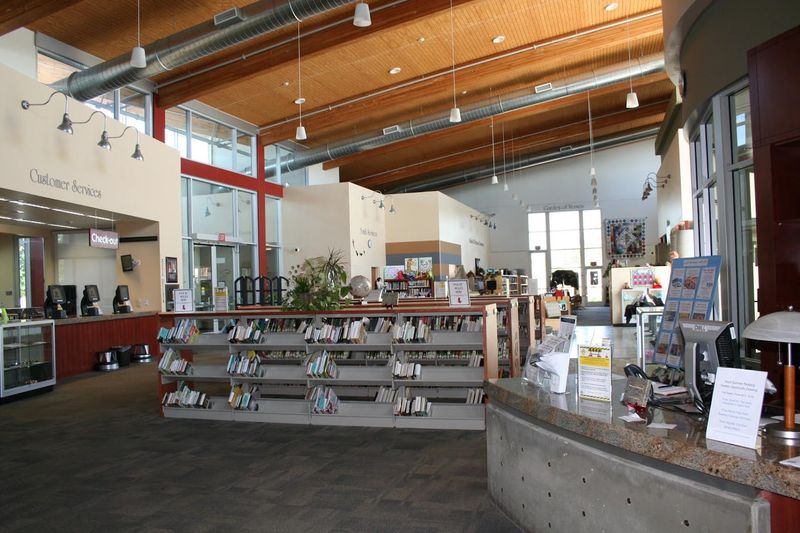
Gardening enthusiasm runs strong in Murrieta, and the public library has channeled that energy into a seed library that serves the whole community.
Free seeds are available to library cardholders, with a selection that includes vegetables, herbs, and native plants suited to the Inland Empire’s warm and sometimes dry conditions. It is practical, free, and genuinely useful.
Native plant options here are particularly valuable given the region’s hot summers and limited rainfall.
The library’s official page confirms a California native plant pollinator garden alongside its seed library, but current seed varieties should be checked with the library.
Planting natives in Murrieta makes long-term sense because they need far less water once their roots are established in the ground.
The library also works to educate visitors about why native plants matter beyond just water savings.
Healthy native gardens support local food webs by providing shelter and food for insects, birds, and small animals.
That ripple effect from a single backyard garden is something the Murrieta Library encourages patrons to think about whenever they pick up seeds.
Visit the library at 8 Town Square, Murrieta, CA 92562. It is centrally located and easy to reach from most parts of the city.
Seed availability changes throughout the year, with the freshest selection typically found in late winter and early spring.
Showing up early in the season means you get first pick of the most requested and most popular native seed varieties available.