Why California Lavender Turns Woody And Stops Blooming And How To Revive It
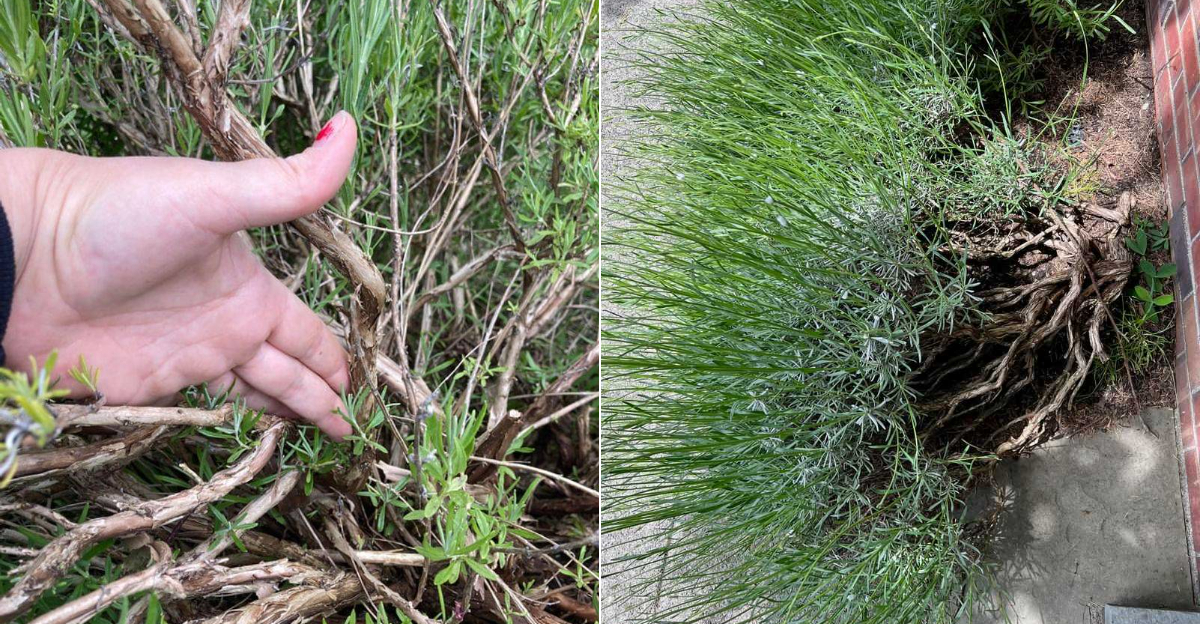
Lavender can look dreamy in a California garden until the base turns stiff and the flowers slow down. At first, the plant may still smell great when you brush the leaves.
Then the shape starts to open up. The blooms may get smaller each season, leaving gardeners wondering what changed.
Woody lavender is usually a sign that the plant has been stressed or pruned the wrong way. Age can play a part too.
California’s heat can speed things along when the plant is growing in poor soil or getting too much water. The good news is that not every tired lavender plant is beyond help.
A careful approach can bring back a cleaner shape and better bloom habits. Before cutting hard, though, it helps to know what lavender can handle.
1. Lavender Gets Woody When It Is Left Unpruned
Most gardeners fall in love with lavender and then leave it alone, hoping it will take care of itself. That is one of the most common mistakes people make.
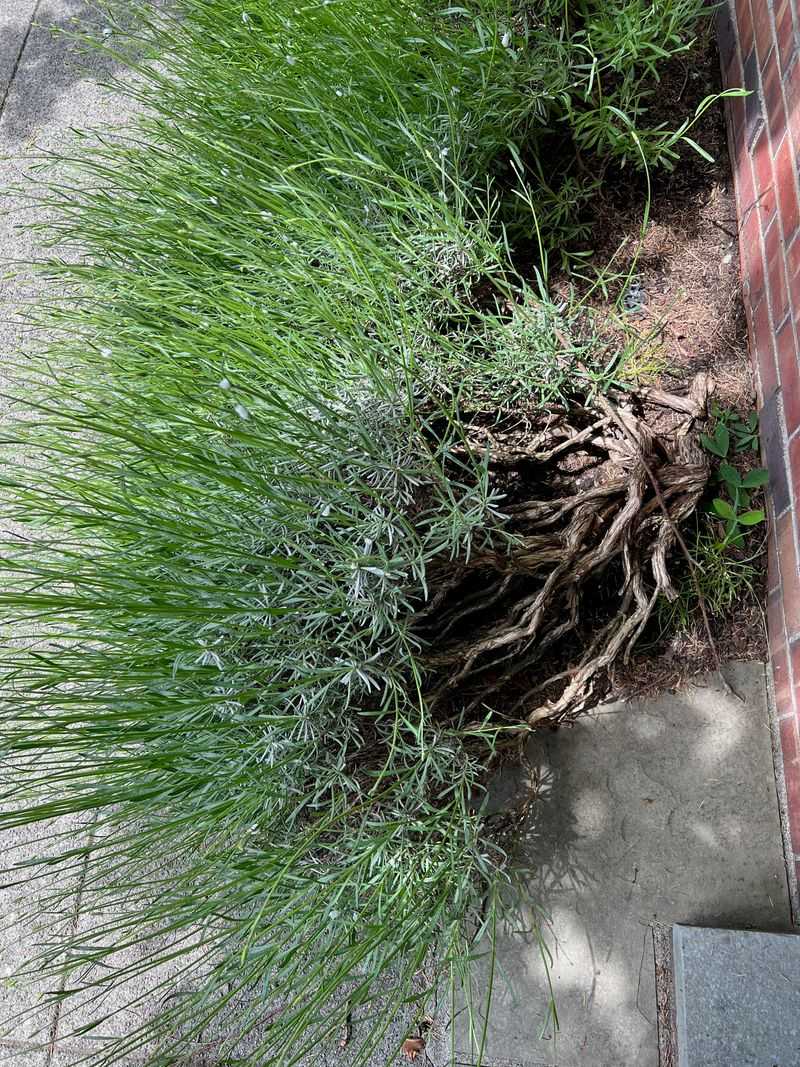
Over time, without regular pruning, lavender stems harden and turn brown and woody at the base.
Woody stems cannot produce new growth easily. They become stiff, thick, and brittle.
The plant starts to look hollow in the middle, with green growth only at the very tips of long, arching branches. Blooms become fewer and farther between each season.
Pruning is the single most important habit you can build to prevent this problem. When you trim lavender regularly, you encourage the plant to push out fresh, soft stems.
Those new stems are where the flowers come from. Without them, you get a shrub that looks more like driftwood than a garden beauty.
In California, lavender can grow quickly during the mild seasons. That means it can get out of hand faster than in cooler regions.
Staying on top of pruning keeps the plant compact, tidy, and productive. Even light, consistent trimming once or twice a year makes a noticeable difference.
Think of pruning as giving your lavender a fresh haircut. It might look a little bare right after, but the plant bounces back stronger and fuller every single time.
2. Old Wood Produces Fewer Fresh Flowering Stems
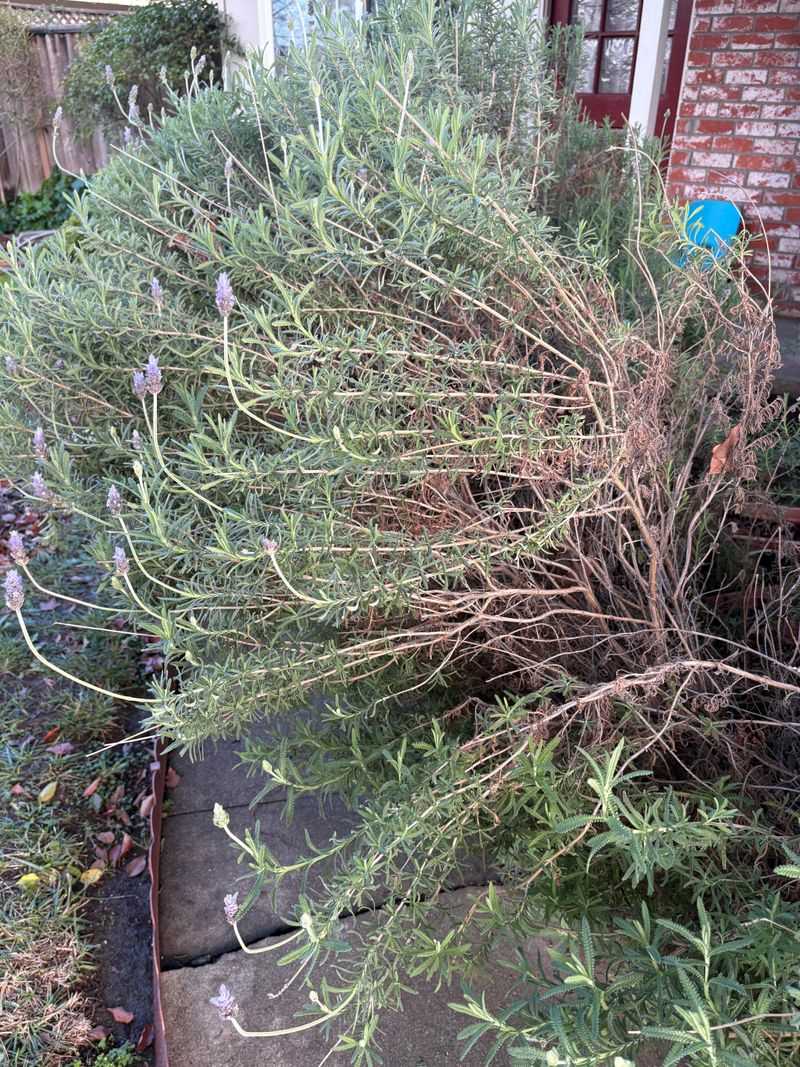
There is a simple truth about lavender that every gardener should know. New wood blooms, and old wood does not.
When a lavender plant ages without proper care, the base becomes a thick tangle of old, hardened stems that no longer support flowering.
Fresh flowering stems sprout from younger, greener parts of the plant. As those stems age and harden over multiple seasons, they lose their ability to push out new buds.
The result is a plant with lots of volume but very little color or fragrance. It looks alive, but it is barely performing.
You can spot old wood easily. It is usually gray or brown, rough to the touch, and does not have any leaves growing directly from it.
Healthy, productive stems are green or silvery-green and feel slightly flexible when you bend them gently.
Your California Garden Changes Every Week. Your Plan Should Too.
Gardening in California changes quickly throughout the season. Every Friday you’ll receive a simple weekly plan showing exactly what to plant, prune, fertilize, harvest, and protect so you never miss the right timing.
Encouraging new stem growth is the key to getting more flowers. Regular pruning redirects the plant’s energy away from maintaining old wood and toward producing fresh, flowering stems.
This is especially important in California, where the growing season is long and plants can put on a lot of growth each year. Removing old, spent stems makes room for the vibrant new growth that brings those iconic purple blooms back in full force every spring and summer.
3. Too Much Water Can Make Plants Weak And Leggy
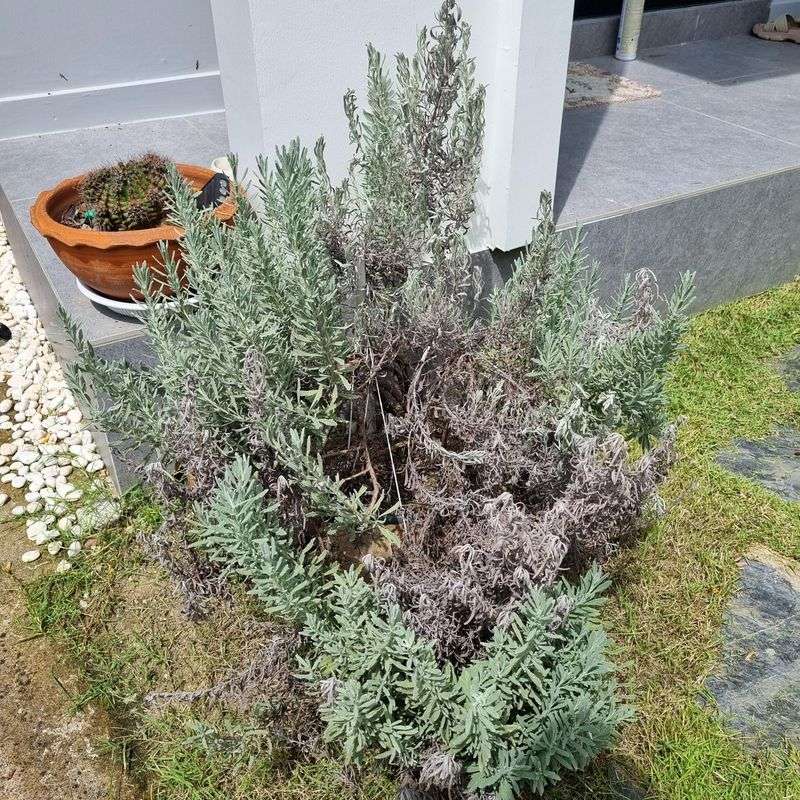
Lavender comes from the dry, rocky hillsides of the Mediterranean region. It evolved to survive with very little water.
When gardeners water it too often, the plant responds in a way that looks alarming but makes total sense for its nature.
Overwatered lavender grows fast but weak. The stems stretch out in search of balance, becoming long, floppy, and thin.
This is called legginess, and it is a clear sign the plant is getting more water than it needs. Leggy plants also produce fewer flowers because their energy goes into stem length rather than bloom production.
In our state, especially in California coastal areas where fog and marine moisture are common, overwatering is a real problem. Many gardeners do not realize how little supplemental water lavender actually needs once it is established.
During summer, watering once every two weeks is often enough. During cooler months, even less is needed.
Cutting back on water is one of the easiest fixes for weak, leggy lavender. Give the soil time to dry out completely between waterings.
Stick your finger two inches into the soil. If it still feels damp, wait a few more days before watering again.
Lavender planted in the ground often does not need any irrigation at all once the roots are established, especially in regions with mild, wet winters. Less water means stronger, more compact plants with better blooms.
4. Poor Drainage Makes California Lavender Decline Fast
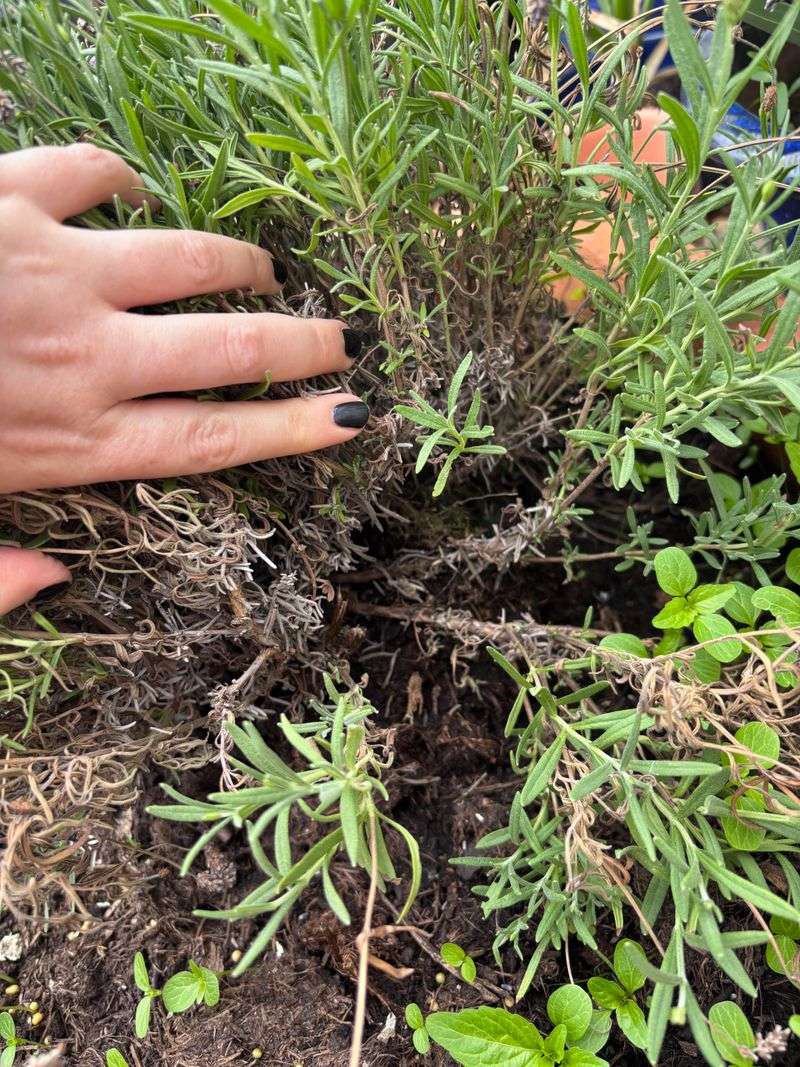
Even if you water correctly, poor drainage can still cause serious problems for lavender. Roots that sit in wet, soggy soil for too long begin to struggle.
The plant cannot absorb nutrients properly, and it starts to look yellow, limp, and unhealthy.
California has many different soil types, and not all of them are ideal for lavender. Heavy clay soils hold water for a long time.
If your garden has clay-heavy soil, water drains slowly and puddles form after rain. Lavender planted in these conditions will suffer no matter how careful you are with your watering schedule.
The fix is to improve drainage before or after planting. Adding coarse sand, gravel, or perlite to the soil helps water move through more quickly.
Raised beds are another great solution. Elevating the planting area keeps roots above the waterlogged zone and gives them access to the well-drained, airy conditions they love.
If you have an established lavender plant that is struggling due to poor drainage, you may need to dig it up carefully, amend the soil, and replant it in a better spot.
It sounds like a big job, but lavender is surprisingly resilient and can bounce back well when moved to a more suitable location.
Choosing a sunny, slightly sloped planting area from the start is the best way to avoid drainage problems altogether. Good drainage is not optional for lavender. It is essential.
5. Cutting Into Bare Wood Can Destroy The Plant
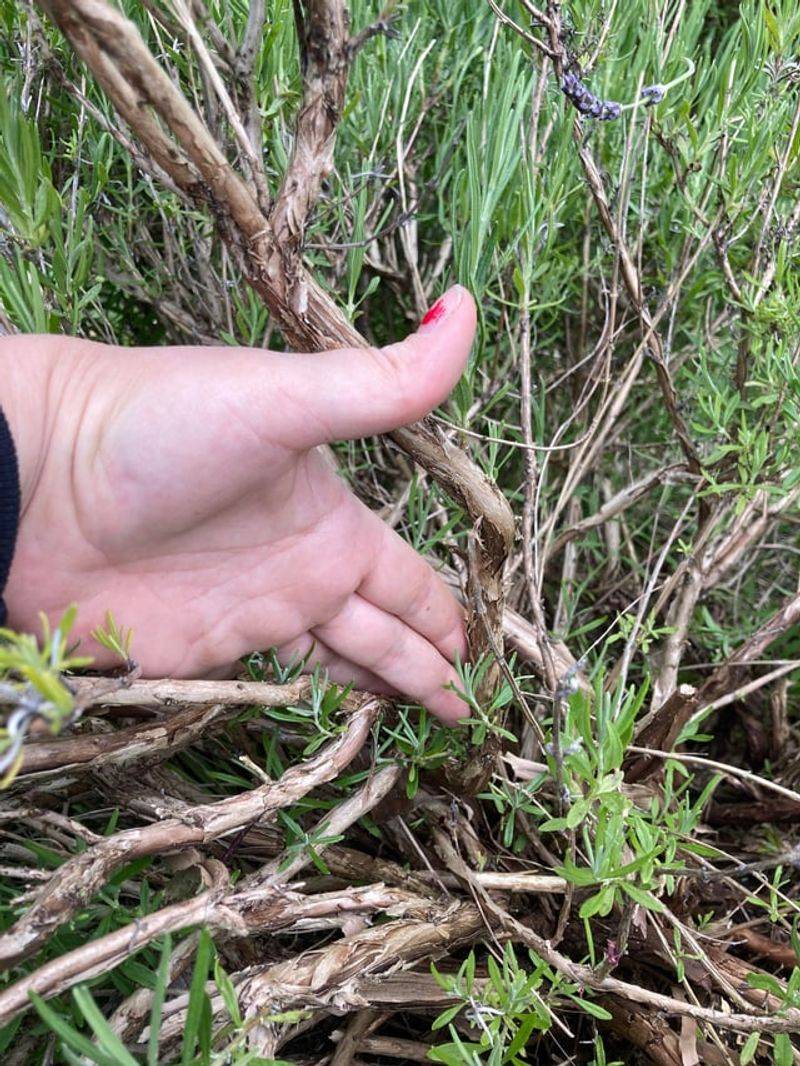
Pruning lavender sounds straightforward, but there is one critical rule that many gardeners do not know until it is too late. You must never cut into the bare, woody part of the stem.
That hard, brown wood at the base of the plant has no dormant buds waiting to sprout.
Unlike roses or other shrubs that can regrow from old wood, lavender cannot regenerate from bare stems. If you cut too far down into the woody base, the branch simply will not recover.
It will stay bare, dry out, and eventually stop contributing to the plant at all.
This is one of the most heartbreaking mistakes in lavender care. A gardener sees a woody plant and decides to cut it back hard, thinking it will push out fresh growth like other shrubs do.
Instead, the plant is left with nothing but withered stubs. The sections that were cut too low will not come back.
Always keep green growth above your cut. Look for leaves or tiny buds along the stem before you make any cut.
As long as there is some green left above the cut point, the stem has a good chance of recovering and producing new growth. A good rule of thumb is to remove no more than one-third of the plant at a time.
This keeps the plant safe while still encouraging new, productive growth each season. Patience and care go a long way with lavender pruning.
6. Prune After Blooming To Keep A Rounded Shape
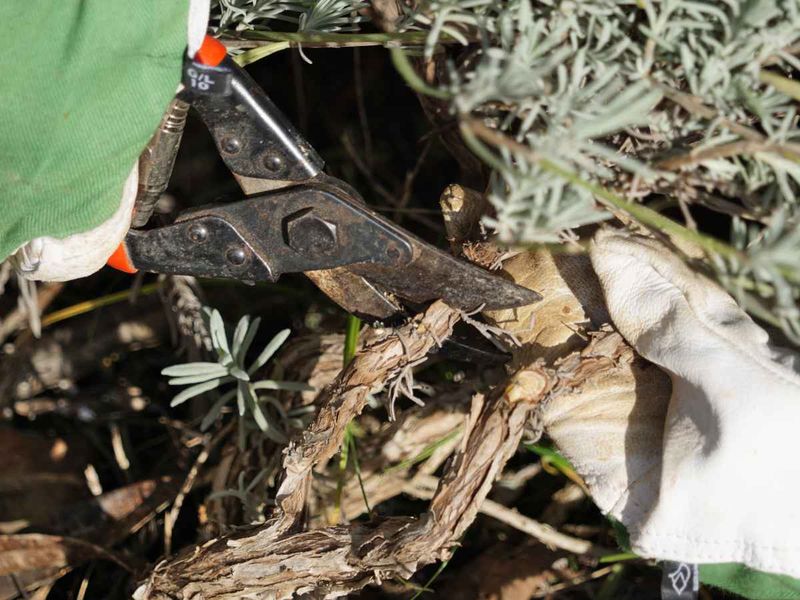
Timing your pruning correctly is just as important as how you prune. The best time to give lavender a proper trim is right after the main bloom period ends.
This usually happens in late spring or early summer, depending on the variety and location.
Pruning after blooming serves two purposes. First, it removes the spent flower stalks, which keeps the plant looking clean and tidy.
Second, it encourages the plant to put energy into producing new stems that will bloom again later in the season or the following year.
Shaping lavender into a rounded mound is not just about looks. A compact, rounded form helps the plant shed water properly and allows air to circulate through the center.
Good airflow reduces the risk of fungal issues, which can be a problem in humid coastal areas of California.
Use clean, sharp pruning shears for this job. Dull blades can crush stems instead of cutting them cleanly, which slows healing and can introduce problems into the plant.
Cut back the flower stalks and about one-third of the leafy growth, shaping the plant into a soft dome as you go. Do not rush this process.
Take your time to step back and look at the overall shape as you work. A well-pruned lavender plant looks beautiful even when it is not in bloom, and it will reward you with a stronger flush of flowers next season.
7. Leave Green Growth Above The Woody Base
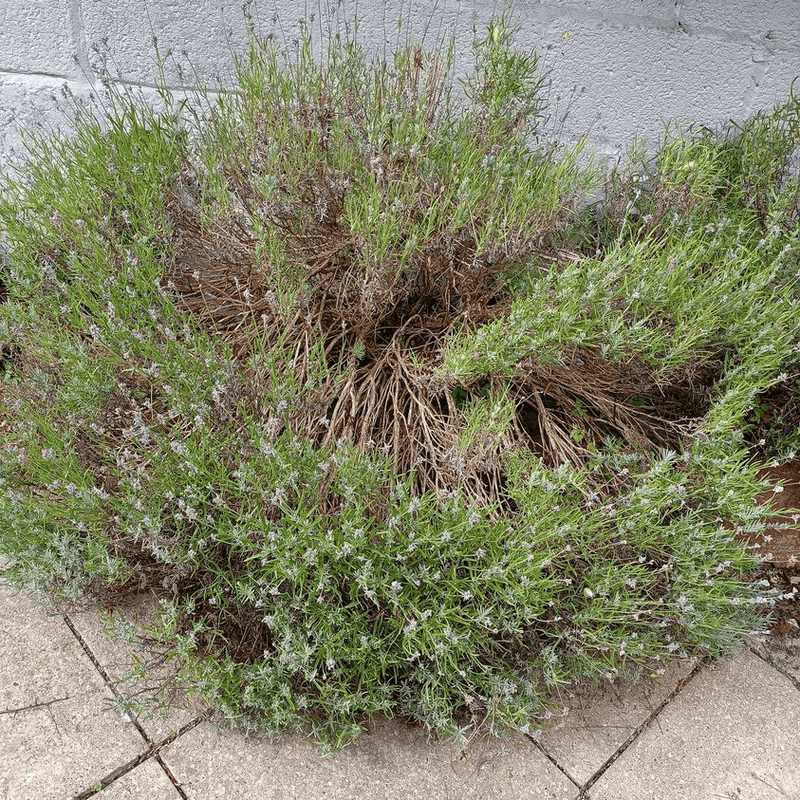
Every time you pick up your pruning shears to work on lavender, keep one thought in mind. Green growth is your lifeline.
The green, leafy parts of the stem are where the plant stores energy and pushes out new buds. Protecting that green zone is everything.
When lavender becomes very woody, it can be tempting to cut it all the way back to the ground. Resist that urge.
The woody base, while it looks rough and old, is actually supporting everything above it. But it cannot regenerate on its own once the green growth above it is removed.
A practical approach is to identify the lowest point of green growth on each stem before you start cutting. That becomes your minimum cut line.
Never go below it. This way, you protect the plant’s ability to recover while still removing old, spent material from above.
In California, where lavender can grow vigorously during the mild seasons, you may find that some stems have green growth quite high up while others are mostly bare. Focus your pruning on the stems that still have healthy green sections.
Stems that are completely bare from base to tip can be removed entirely, since they are no longer contributing to the plant.
Over time, consistent pruning above the green zone will gradually reduce the amount of old wood and encourage a healthier, more youthful plant structure that blooms reliably year after year.
8. Deadhead Lightly During Summer For A Cleaner Plant
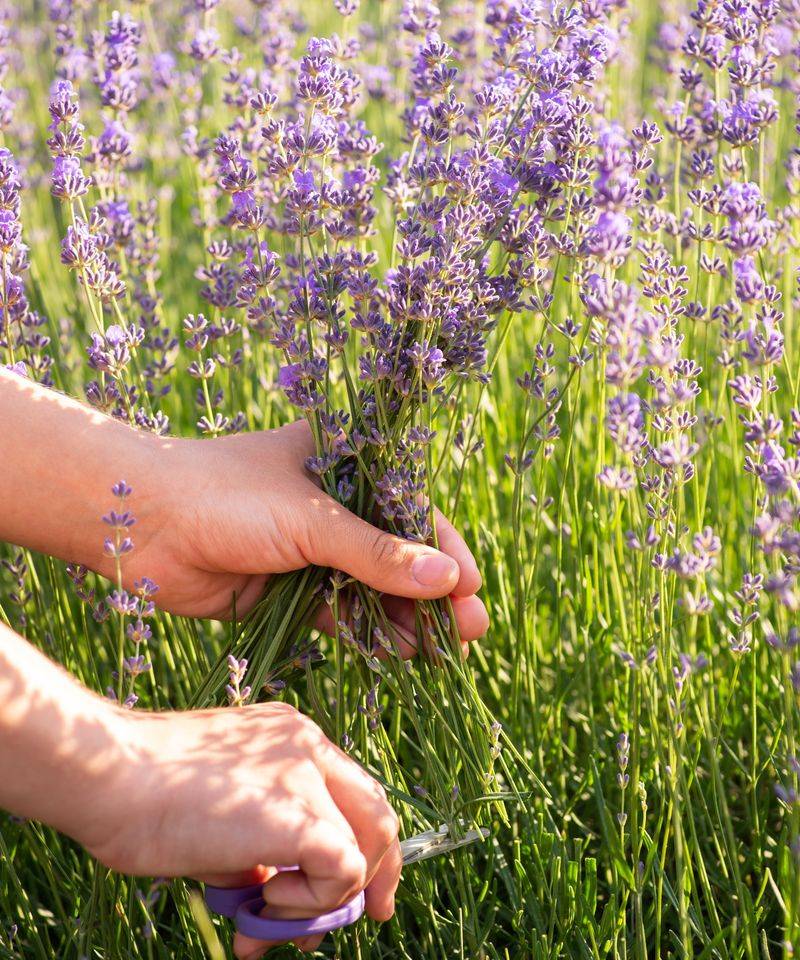
Deadheading is a simple gardening task that makes a surprisingly big difference. It means removing spent flower spikes before they go to seed.
For lavender, light deadheading during summer keeps the plant looking fresh and can even trigger a second round of blooms.
You do not need fancy tools for this job. A pair of clean scissors or even your fingers can do the work.
Pinch or snip off the flower spike just below the base of the bloom, where it meets the leafy stem. This quick, easy task takes only a few minutes per plant.
Regular deadheading also prevents lavender from putting too much energy into seed production.
When a plant goes to seed, it often slows down its flowering because its reproductive goal has been met.
Removing spent blooms tricks the plant into continuing to flower in an effort to produce seeds.
Summer deadheading is especially useful because the warm, dry conditions encourage fast growth. A plant that is deadheaded regularly stays compact and tidy without becoming overgrown between major pruning sessions.
It also looks much more attractive in the garden. Nobody wants to see a bed full of brown, dry flower heads when the rest of the garden is in full summer glory.
Make deadheading a weekly or biweekly habit during the blooming season, and your lavender will stay vibrant, beautiful, and full of color from spring all the way through early fall.