8 Things Missouri Strawberry Growers Wish They Had Known Sooner
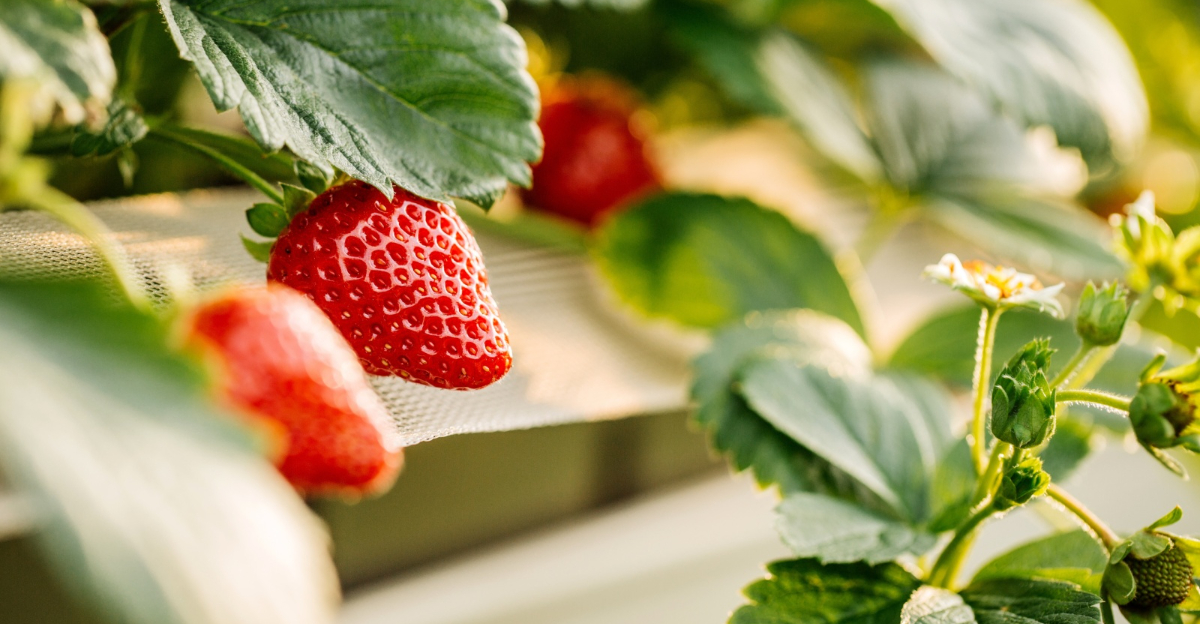
You lose your first strawberry patch in Missouri on a muggy June afternoon. Overwatered, wrong spacing and no drainage turn eighty plants to mush before you even understand what went wrong.
Gardening hits different when you care enough to actually grieve a harvest. So you start over, read everything, dig deeper and fail smarter each time.
Missouri soil rewards that stubborn kind of love. Sun, clay and relentless humidity are a complicated dance with beautiful stakes for strawberry growers.
Have you ever replanted the same bed three seasons straight just to get it right? Most growers stumble the same way, quietly, for the same avoidable reasons.
What follows are the exact mistakes that hurt your harvest before you finally figure it all out.
1. Don’t Bury Or Expose The Crown
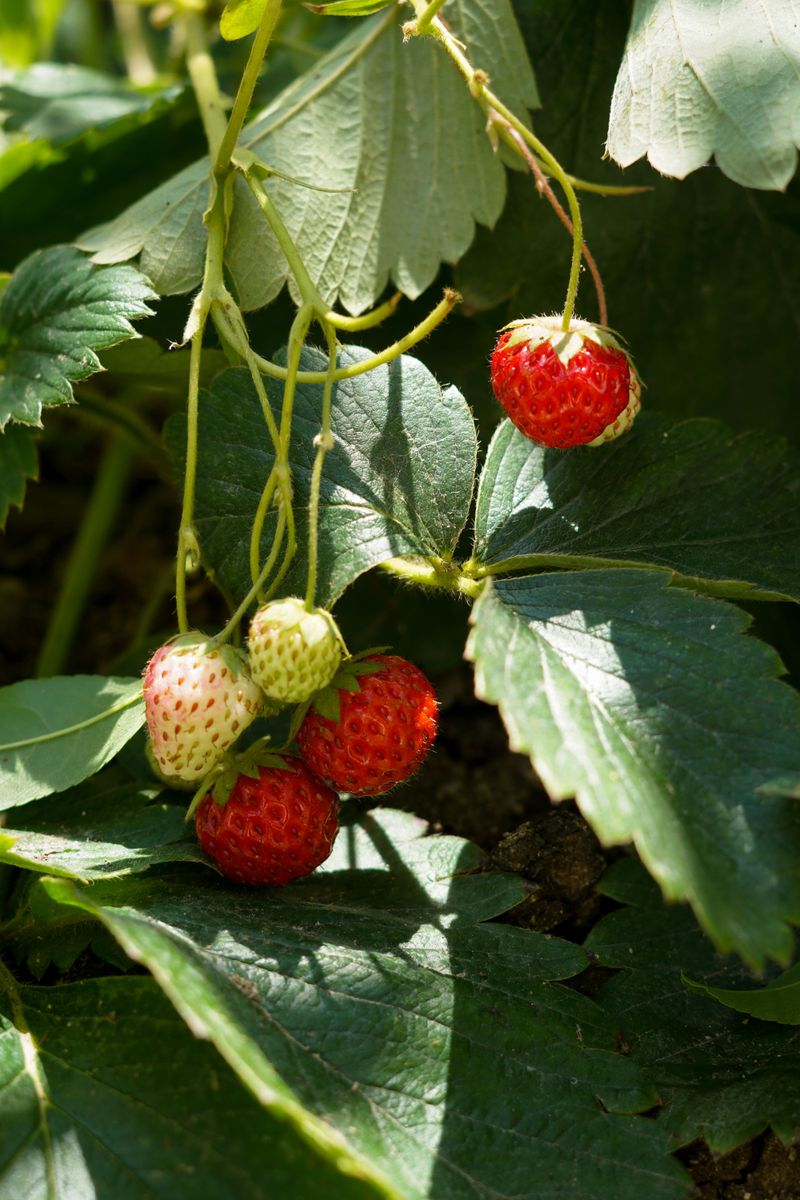
Planting depth is everything with strawberries. Get it wrong, and your Missouri strawberry plants will struggle from day one.
The crown is that thick, nubby center where the leaves meet the roots. Think of it as the plant’s heart.
Bury it too deep, and it rots in the soil. Leave it sitting too high, and it dries out fast in Missouri’s summer heat.
The sweet spot is simple: the crown should sit right at the soil surface. Not under, not above, just flush with the ground.
Many beginners make this mistake because nursery instructions can be vague. You press the roots in, cover them up, and suddenly the crown is buried under an inch of dirt.
Check every single plant after you set it in. Gently press the soil around the roots while keeping that crown exposed to open air.
A quick visual check takes ten seconds per plant. Those ten seconds can mean the difference between a thriving patch and a struggling, unhealthy patch.
If you already planted and notice yellowing leaves or stunted growth, dig carefully and reposition the crown. It is not too late to fix it.
Healthy crowns look firm and greenish-brown. A crown that smells musty or feels soft has already started to rot.
Getting this right on planting day sets your entire season up for success. Nail the crown placement, and you are already ahead of most home gardeners.
2. Always Remove Excess Runners
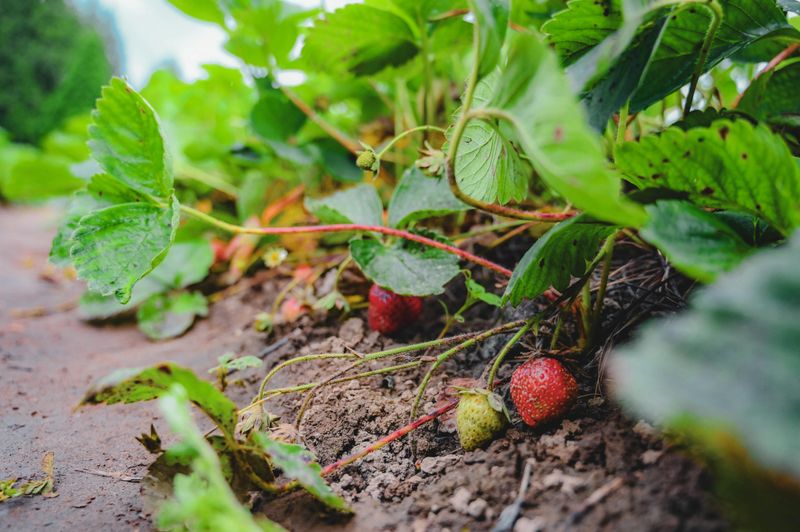
Strawberry plants are sneaky little overachievers. They send out long, vine-like runners in every direction, trying to colonize your entire garden.
Each runner pulls energy away from your main plant. Less energy means fewer berries, and smaller ones at that.
Runners are not all bad. You can use a few to propagate new plants for next season.
But leaving a dozen runners on one plant is like letting a car engine idle all day. It burns fuel without going anywhere useful.
For established Missouri strawberry plants, the rule is simple. Keep one or two runners if you want new plants, and cut the rest off cleanly at the base.
Use sharp scissors or pruning shears. A clean cut heals faster and reduces the chance of disease entering the wound.
Your Missouri Garden Changes Every Week. Your Plan Should Too.
Gardening in Missouri changes quickly throughout the season. Every Friday you’ll receive a simple weekly plan showing exactly what to plant, prune, fertilize, harvest, and protect so you never miss the right timing.
Check your plants every week during peak growing season. Runners appear fast, sometimes overnight, especially after a good rain.
First-year plants should have all runners removed without exception. Your goal in year one is root development and strong growth, not spreading.
Skipping this step is one of the most common reasons Missouri gardeners get a thin, disappointing harvest. The plant spreads wide but produces little.
Think of pruning runners like editing a rough draft. You cut the extra stuff so the good stuff really shines.
Stay consistent with runner removal, and your patch will reward you with plump, flavorful berries instead of a tangled green mess.
3. Make Sure To Mulch Around Plants
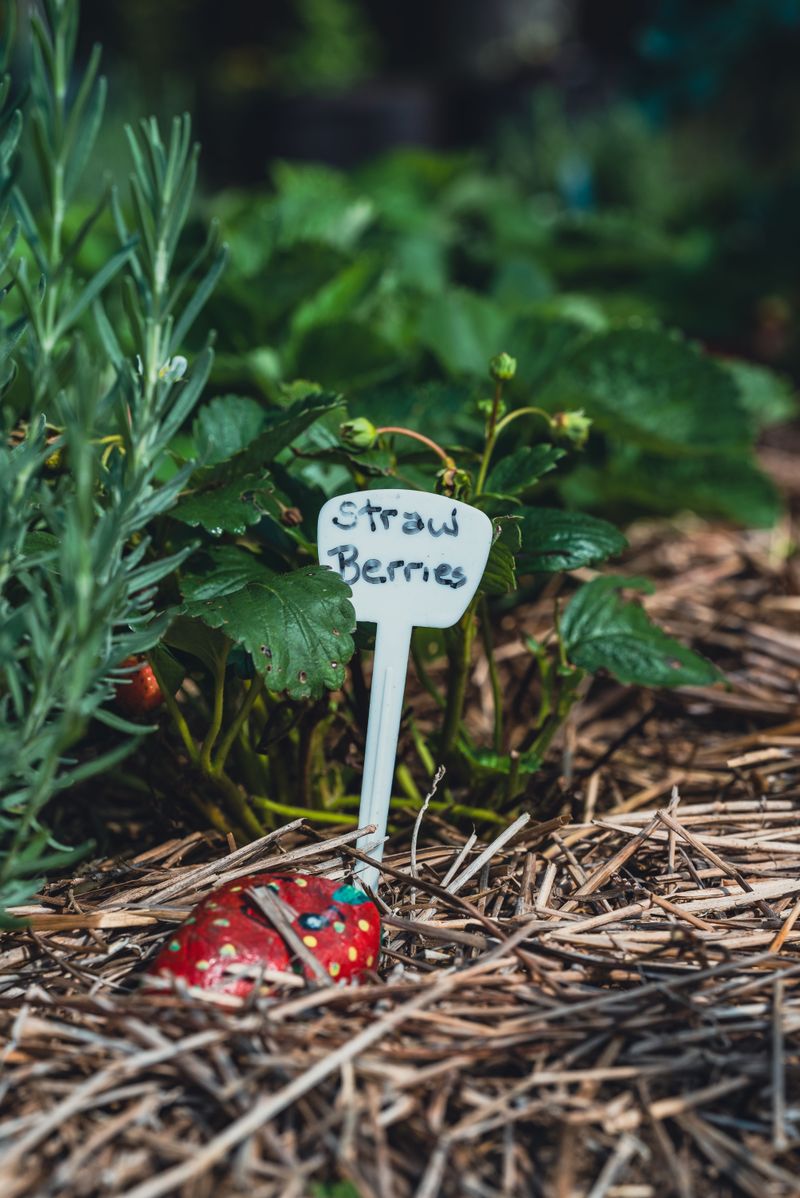
Bare soil around strawberry plants is an open invitation for trouble. Weeds move in fast, and moisture disappears even faster.
Mulching is one of the easiest wins in your entire gardening routine. A good layer of straw keeps the soil cool, moist, and weed-free all at once.
Missouri summers can be intense. Soil temperatures spike quickly, and that heat stresses shallow strawberry roots in a serious way.
Straw mulch acts like a cozy blanket between the sun and your soil. It keeps ground temperatures steady even on scorching July afternoons.
Aim for a two to three inch layer of straw around each plant. Keep the mulch pulled back slightly from the crown to prevent rot.
Avoid using hay, which contains seeds that will sprout and compete with your berries. Straw is the cleaner, smarter choice for this job.
Mulch also keeps berries off the dirt. Strawberries sitting on bare soil are targets for rot and slugs.
When berries rest on clean straw instead, they stay drier and ripen more evenly. That alone improves your harvest quality noticeably.
Apply mulch right after planting in spring. Refresh it mid-season if it compresses or breaks down from rain and foot traffic.
In fall, pile extra straw over the whole bed to protect roots from Missouri’s cold winter temperatures. Remove it gradually in early spring as new growth appears.
Mulching is low-effort, high-reward gardening at its finest. Skip it, and you work twice as hard for half the results.
4. Keep Soil PH Between 5.5 And 6.9
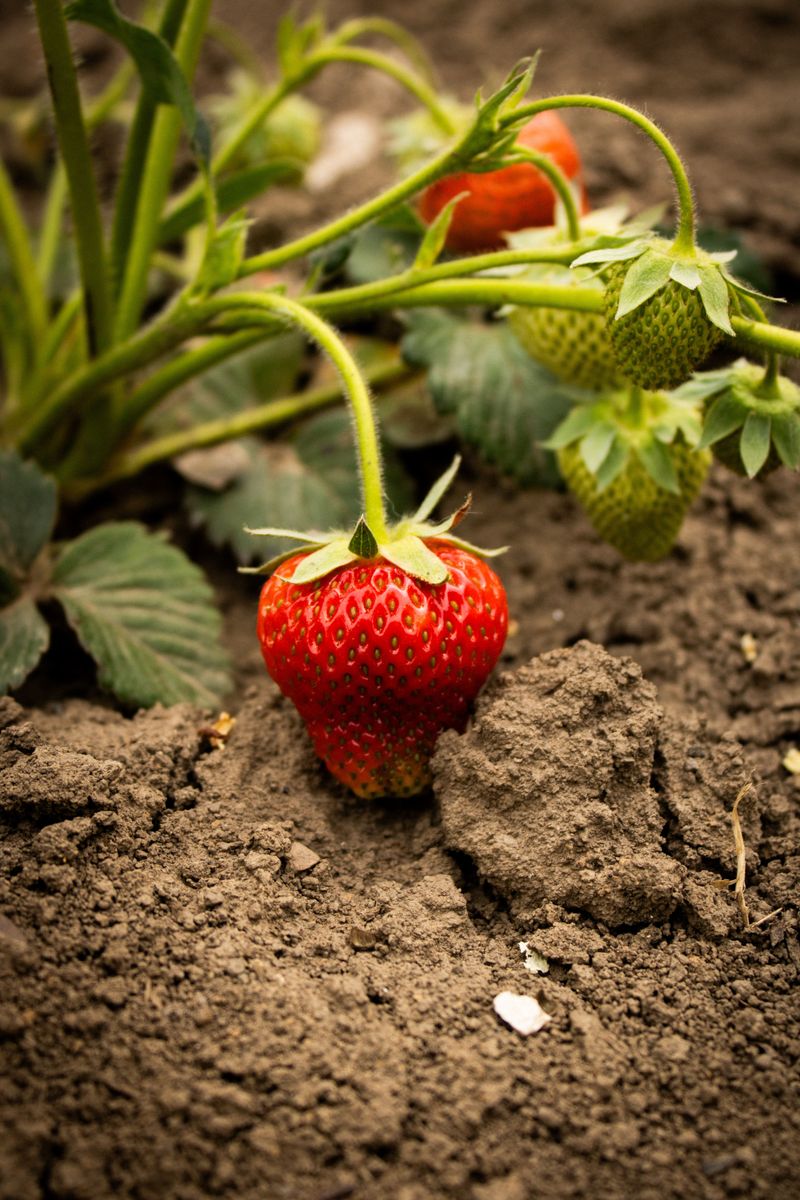
Soil pH sounds like a chemistry class topic, but it is actually pretty easy to understand. It just measures how acidic or alkaline your soil is.
Strawberries are picky about this number. They perform best when soil pH stays between 5.5 and 6.9, leaning toward the slightly acidic side.
Outside that range, plants cannot absorb nutrients properly. Even if your soil is rich and fertilized, the wrong pH locks those nutrients away from the roots.
Missouri soils vary widely across the state. Some areas run naturally acidic, while others lean more alkaline near limestone-heavy regions.
Testing your soil before planting is the smartest move you can make. Basic soil test kits cost just a few dollars at garden centers.
If your pH runs too high, sulfur amendments can bring it down over time. If it is too low, lime will raise it back into the sweet spot.
Do not guess and hope for the best. A soil test gives you a real number to work with, not a vague feeling.
Retest every year or two, since soil chemistry shifts with weather, fertilizers, and organic matter breakdown. Staying proactive keeps your patch healthy season after season.
Signs of pH problems include pale, yellowing leaves and slow growth even with regular watering. Those symptoms are often misread as disease when pH is the actual culprit.
Correcting pH is one of those behind-the-scenes fixes that pays off in a massive, visible way come harvest time.
5. Avoid Spots With Under 8 Hours Of Sun
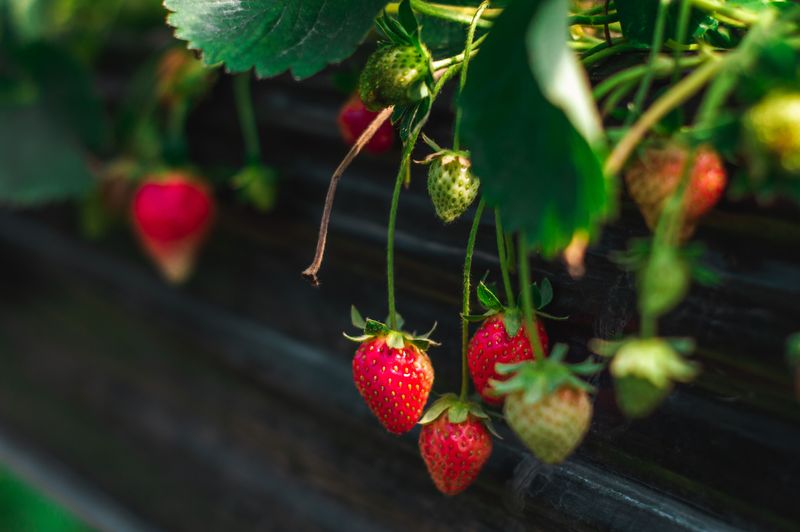
Sunlight is not optional for strawberries. It is the engine that drives fruit production, and there is no workaround.
Planting in a shady corner might seem harmless, but your Missouri strawberry plants will tell a different story by midsummer.
Without enough sun, plants produce fewer flowers. Fewer flowers means fewer berries, and the ones that do form are often small and pale.
Eight hours of direct sunlight per day is the minimum your plants need. More is even better, especially in Missouri’s sometimes cloudy spring weather.
Before you pick a planting spot, spend a day watching the sun move across your yard. Track which areas stay lit and which fall into shade by noon.
Trees, fences, and tall shrubs are the most common sunlight blockers in home gardens. Even partial shade from a nearby structure can cut your yield dramatically.
South-facing beds get the longest sun exposure in North America. If you have that option in your yard, use it for your strawberry patch.
Do not trust your gut on this one. Shadows shift with the seasons, and what looks sunny in March might be shaded by June foliage.
If you are working with limited space, raised beds can help you position plants in exactly the right spot. Mobility matters when sun patterns are tricky.
Strawberries grown in full sun produce sweeter, more intensely flavored fruit. Give them the light they crave, and every bite will prove it was worth the effort.
6. Skip Beds Where Tomatoes, Peppers Or Potatoes Grew
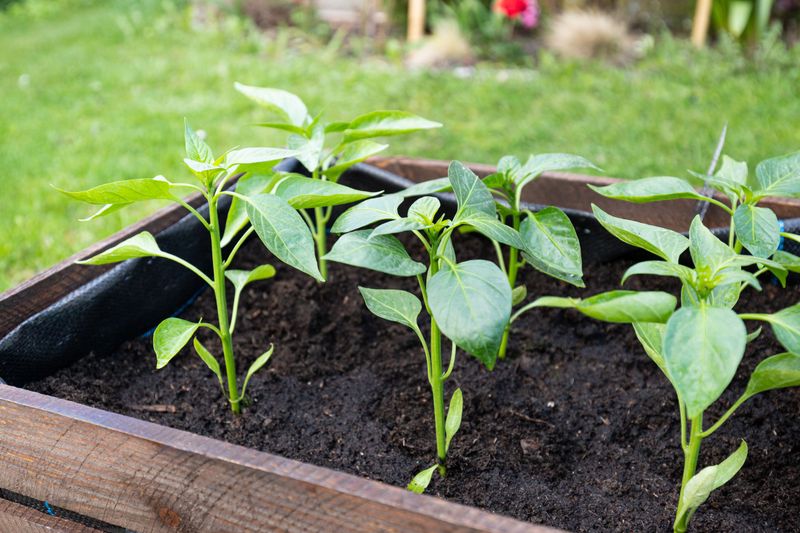
Rotating crops might sound like a farming concept, but it matters just as much in a backyard garden. Where you plant is sometimes as important as how you plant.
Tomatoes, peppers, and eggplants belong to a plant family called Solanaceae. That family shares diseases with strawberries in a surprisingly destructive way.
Verticillium wilt is the big one to know. It lives in soil where those crops grew and damages strawberry roots aggressively.
You cannot always see it coming. The soil looks normal, the weather is fine, but your plants start wilting and browning from the inside out.
Once verticillium wilt is in your soil, it is difficult to manage. Soil solarization and targeted amendments can help, but prevention remains your most reliable approach.
Wait at least three years before planting Missouri strawberry plants in a bed that previously hosted tomatoes or peppers. That waiting period lets the pathogen fade naturally.
Potatoes are another crop to avoid as a predecessor. They carry similar soilborne risks and can set your strawberry patch back by a full season.
Instead, choose beds that previously grew beans, corn, or leafy greens. Those crops leave the soil clean and ready for strawberries to move in strong.
If you are short on space, raised beds with fresh soil are a great solution. Starting with new growing medium eliminates the rotation problem entirely.
Smart crop rotation is not complicated. It just takes a little planning before you dig your first hole of the season.
7. Clear Old Foliage After Each Harvest
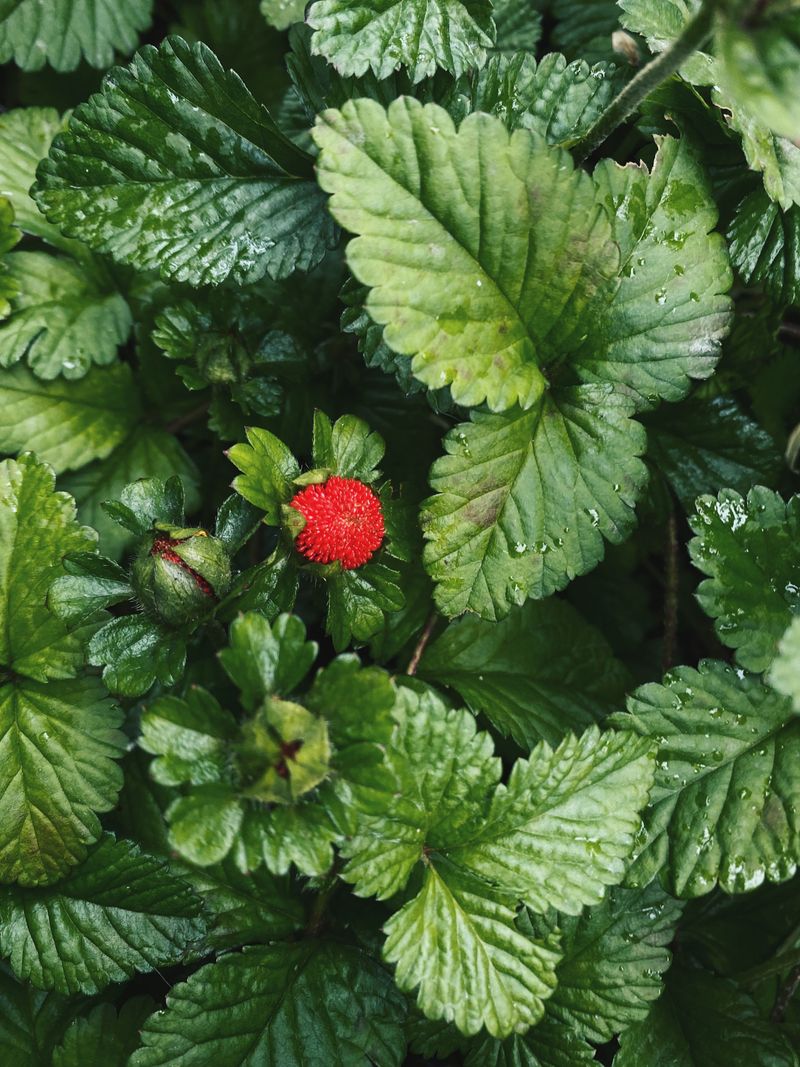
After the last berry is picked, most gardeners just walk away from their strawberry bed. That is a mistake that costs you next season before it even starts.
Old leaves and spent plant material are hiding spots for fungal spores and insect eggs. Leaving them in place is like creating ideal conditions for pests.
Gray mold, also called botrytis, loves damp, decaying foliage. It overwinters in dried plant material and attacks fresh growth the following spring.
Clearing out old leaves after harvest disrupts that cycle. It takes away the shelter and food source that pathogens need to survive the winter.
Use clean garden shears or scissors to cut back old foliage to about an inch above the crown. Do not pull leaves roughly, since that can disturb roots.
Collect all the removed material and dispose of it away from your garden. Home composting diseased foliage carries risk unless your pile reaches consistently high temperatures.
Bagging it remains the simpler, more reliable option for most gardeners. After clearing, give the bed a light inspection for slugs, aphid clusters, or other visible pests. Catching them now saves a major headache in spring.
This cleanup step also signals the plant to redirect energy downward into the root system. Stronger roots mean a faster, more vigorous comeback next growing season.
Some gardeners call this process renovation, and it genuinely transforms a tired patch into a productive one. A few hours of work in late summer pays off for months.
Your Missouri strawberry plants are already preparing for next year. Help them do it right by giving them a clean start.
8. Give Each Plant 15 Inches Of Space
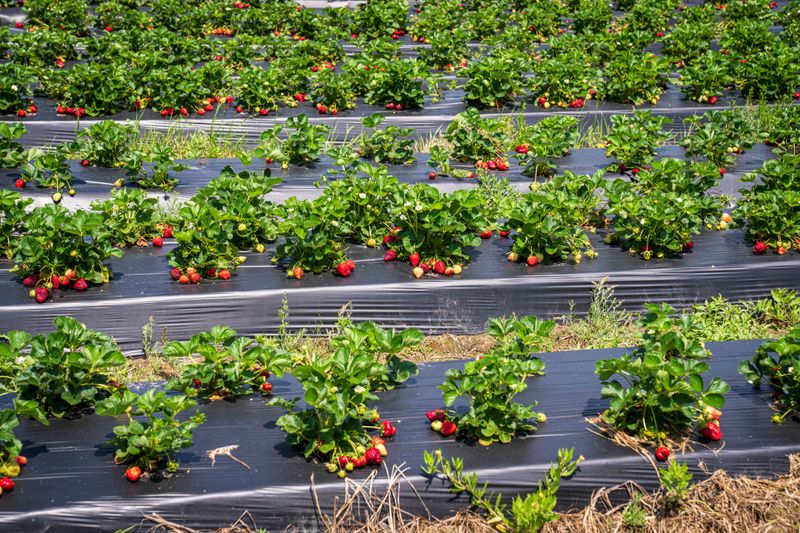
Crowding your plants feels like smart use of space, but strawberries struggle when cramped. They need room to breathe, spread, and grow properly.
Fifteen inches between each plant is the recommended spacing for most standard strawberry varieties.
Day-neutral types and hill planting systems may call for slightly different distances. That spacing gives roots space to expand without competing for nutrients.
When plants are too close together, airflow drops between the leaves. Poor airflow creates the humid, stagnant conditions that fungal diseases thrive in.
Powdery mildew and leaf spot spread fast in tight, overcrowded beds. Proper spacing slows that spread dramatically before it becomes a real problem.
Missouri strawberry plants also send out runners, and those runners need somewhere to go. Tight spacing means runners tangle and create a chaotic, unmanageable mat.
Use a simple tape measure or a marked stick when you plant. Eyeballing the distance almost always leads to plants ending up too close together.
Rows should be spaced about four feet apart if you are planting in multiple lines. That gap lets you walk between rows without stepping on plants or compacting roots.
Proper spacing also makes harvesting easier. You can reach berries without fighting through a jungle of stems and leaves every single time.
More space per plant means each one gets more sunlight, water, and soil nutrients. Those individual resources add up to noticeably larger, juicier fruit.
Resist the urge to squeeze in just one more plant. Giving your Missouri strawberry plants the space they need is one of the simplest gifts you can offer your harvest.