Missouri Gardeners Start Adding This To Their Compost In June And End Up With Richer Soil By Fall
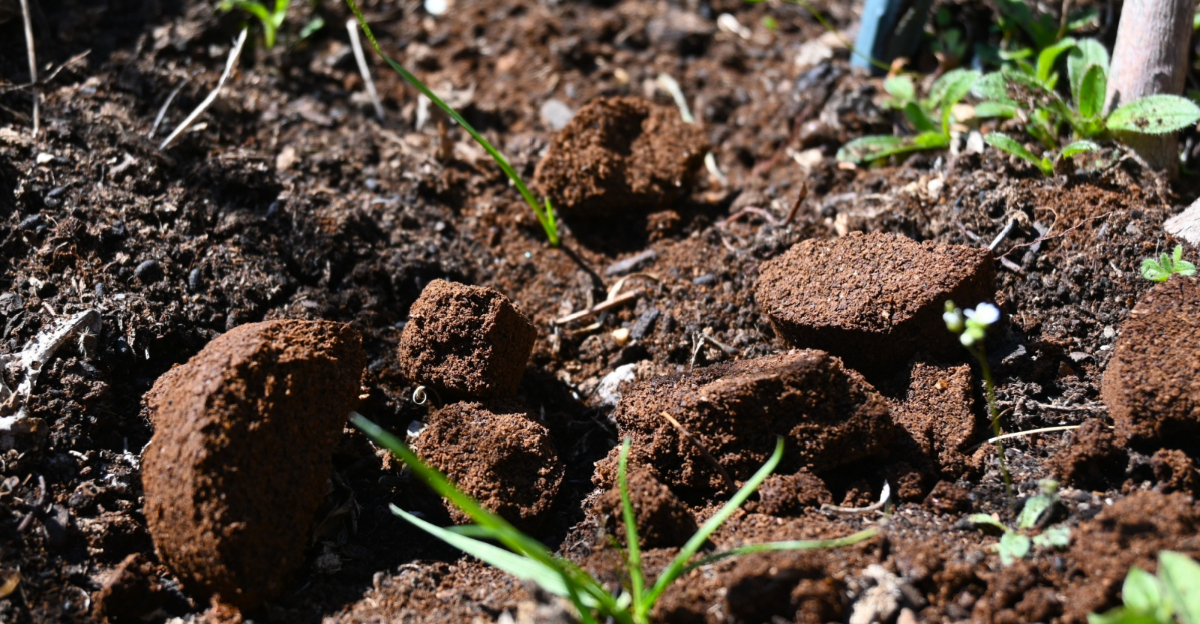
Every June, something quietly shifts in the best Missouri gardens.
It has nothing to do with expensive fertilizers or complicated techniques. It starts with something most people rinse down the drain every single morning.
Experienced gardeners here have figured out that one common household leftover is exactly what their compost needs heading into summer. Chances are you brewed some before 8 a.m. today.
They add it consistently through June. They let the heat and microbes do their work.
By October, they are pulling back mulch to find soil so dark and crumbly it barely resembles what was there before.
The difference between their garden beds and everyone else’s is not luck or years of expertise. It is one small habit.
Most people throw it away before they even finish their first cup.
The One Thing Missouri Gardeners Toss In Their Compost Every June
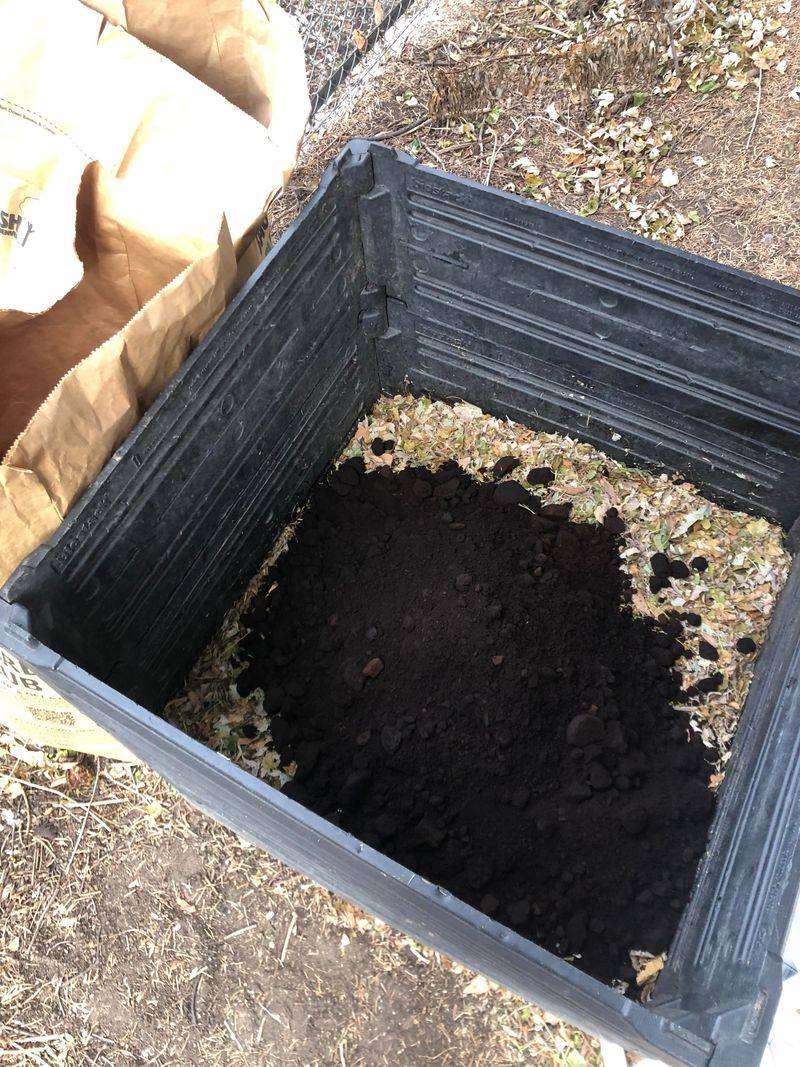
Every morning, something valuable gets thrown away without a second thought.
Used coffee grounds are packed with nitrogen, potassium, and magnesium. These are three nutrients that compost microbes absolutely love.
Missouri gardeners who compost coffee grounds every June are basically giving their soil a head start on fall prep.
The grounds act as a green material in your compost pile. That means they heat things up fast and speed up the whole breakdown process.
When mixed with dry brown materials like fallen leaves or cardboard, the balance becomes nearly perfect. That combination creates the kind of crumbly, sweet-smelling compost that seasoned gardeners brag about at the farmers market.
You do not need a fancy setup to make this work. A basic bin, a shovel, and your daily coffee habit are all it takes to get started.
Most gardeners in the Show-Me State start their June coffee ground routine the moment the soil warms up and outdoor composting kicks into high gear.
This small morning habit, just saving your grounds instead of trashing them, can snowball into a massive improvement by harvest time.
The grounds break down quickly. They feed beneficial worms.
They improve soil texture in ways that store-bought fertilizer simply cannot replicate.
Once you start, you will wonder why you waited so long to try it.
Why June Is The Perfect Month For This
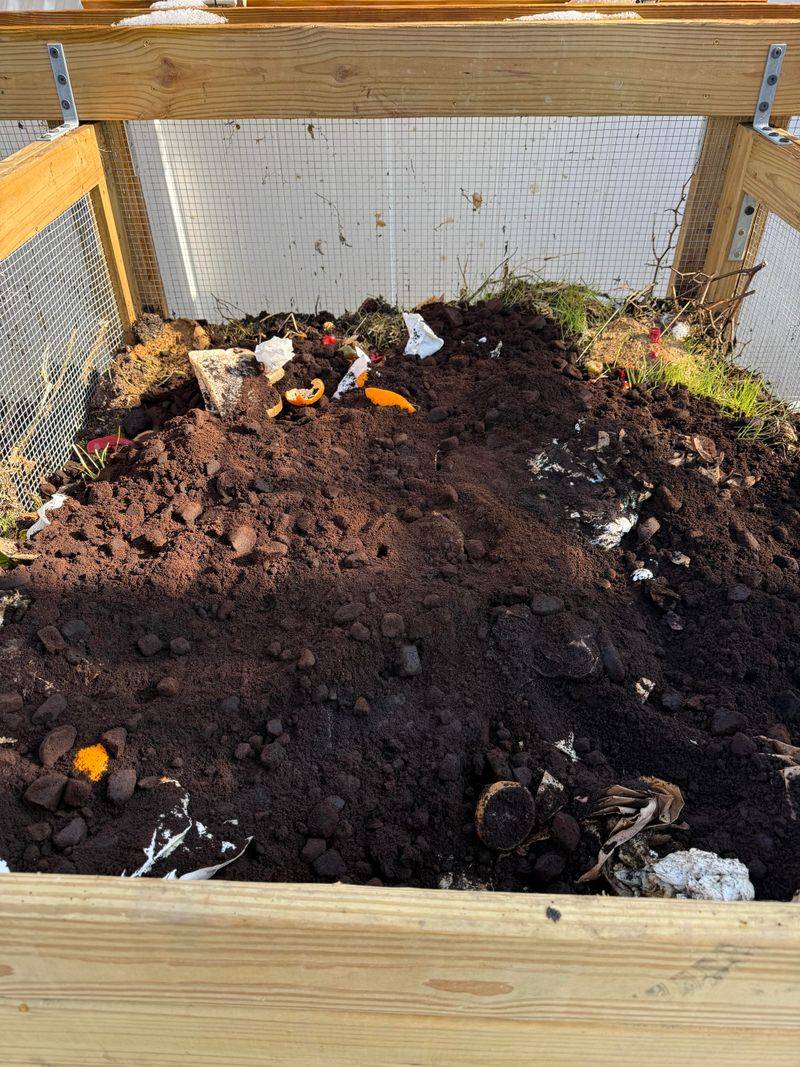
June in Missouri feels like the whole world woke up at once.
Temperatures climb, humidity rises, the microbes living inside your compost pile suddenly go into overdrive. That biological activity is exactly what makes June the ideal month to start feeding your bin with coffee grounds.
Compost needs heat to break down efficiently. June delivers it without question.
The warmer the pile, the faster organic material decomposes. Coffee grounds have a knack for supercharging that process.
Gardeners who wait until August miss the sweet spot when microbial populations are at their most active and hungry.
There is also a timing advantage that most people overlook completely. By adding grounds in June, you give the compost a full three to four months to mature before fall planting season arrives.
That window is long enough to turn raw organic material into finished, nutrient-dense compost that your garden beds will soak up greedily.
Your Missouri Garden Changes Every Week. Your Plan Should Too.
Gardening in Missouri changes quickly throughout the season. Every Friday you’ll receive a simple weekly plan showing exactly what to plant, prune, fertilize, harvest, and protect so you never miss the right timing.
Think of it like marinating meat before a cookout. The longer the ingredients have to meld together, the richer and more complex the final result becomes.
Starting in June means your compost is ready to work by late September. That is right when Missouri soil needs that extra boost before winter sets in.
The timing is not accidental, it is strategic gardening at its most satisfying.
How Coffee Grounds Become Rich Compost By Summer’s End
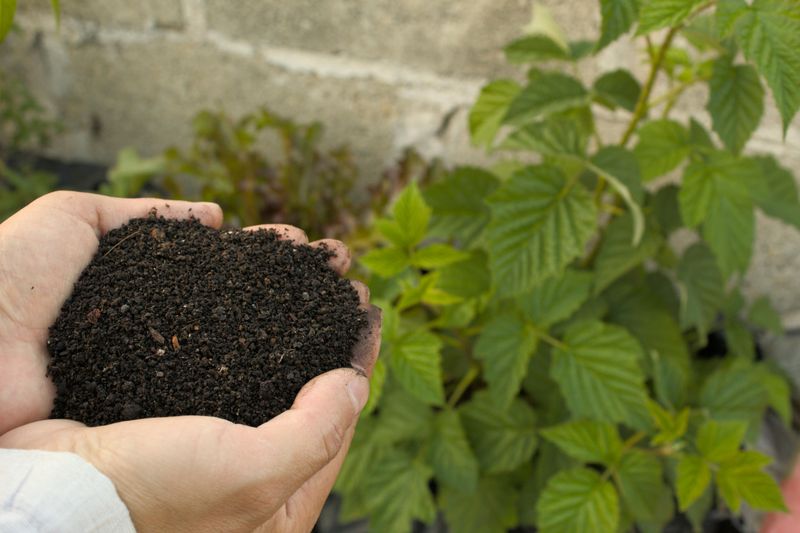
Coffee grounds do not just sit in your compost pile looking pretty.
They get to work almost immediately, drawing in earthworms and feeding the bacteria that break everything down.
Within just a few weeks, the grounds are nearly unrecognizable, fully absorbed into the composting ecosystem. Nitrogen is the secret weapon here.
Coffee grounds contain roughly 2 percent nitrogen by weight. That sounds small, but it adds up fast when you are adding a cup or two every morning.
That nitrogen feeds microbes, the microbes generate heat. That heat accelerates decomposition across the entire pile, not just where the grounds were added.
By mid-August, a pile that started in June with regular coffee ground additions will look dramatically different from one that did not get them. The texture becomes finer.
The color deepens to a rich chocolate brown. The smell shifts from sharp and earthy to something almost sweet.
Experienced composters recognize that smell immediately because it signals finished, plant-ready material. The transformation is genuinely exciting to watch unfold week by week.
Layer grounds with shredded leaves, veggie scraps, and a little garden soil. By September, that bin full of scraps becomes something that looks and performs like premium garden gold.
Your plants will notice the difference.
The Right Way To Add It To Your Bin
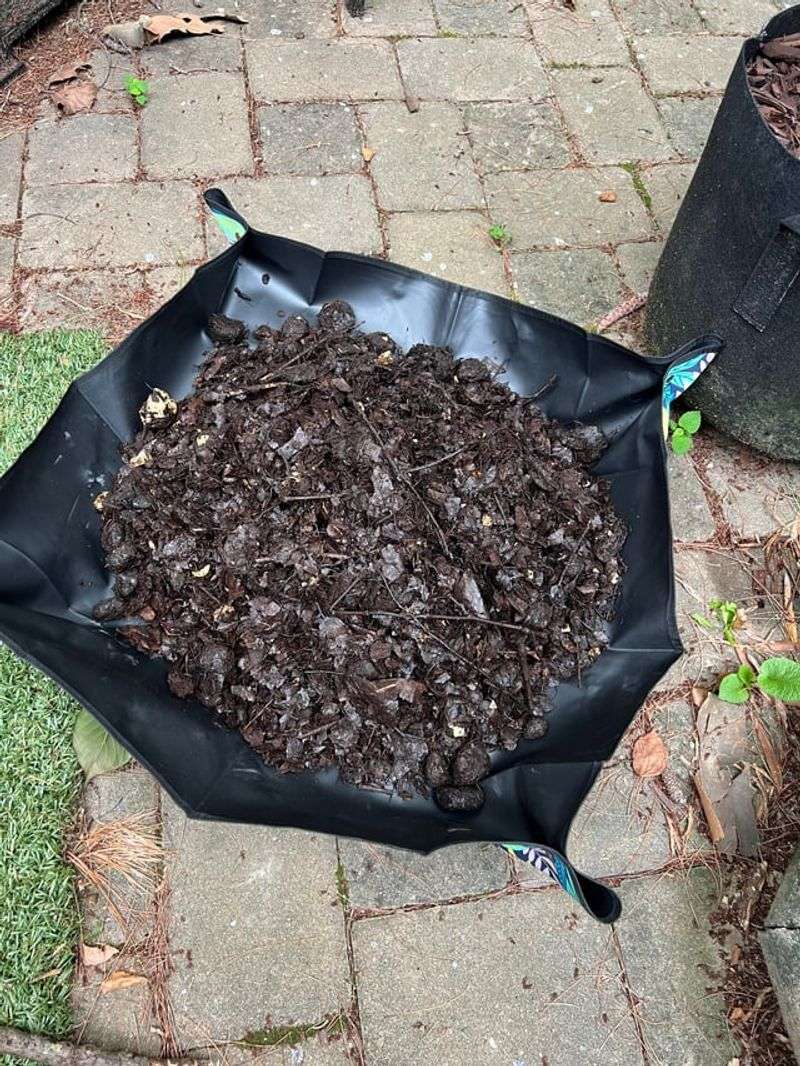
Dumping a giant pile of coffee grounds straight into your compost bin sounds logical, but it can actually slow things down.
Grounds tend to clump together when wet, forming dense mats that block airflow and create anaerobic pockets where decomposition stalls. The trick is to spread them thin and always layer them with dry, carbon-rich materials.
A good rule of thumb is to follow a one-to-four ratio: one part coffee grounds to four parts brown material. Dry leaves, torn cardboard, wood chips, or straw all work beautifully as balancing partners.
This layering approach keeps the pile airy, which is exactly what beneficial microbes need to thrive. Stirring every few days makes a noticeable difference too.
Turning the compost introduces fresh oxygen, prevents smelly anaerobic breakdown, and keeps the temperature climbing. A pile that gets turned regularly will be ready weeks ahead of one that just sits untouched.
Some gardeners also mix a small amount of finished compost or garden soil into new batches as a starter culture. That introduces established microbial colonies right from the beginning, giving the whole process a jump start.
Adding grounds gradually each morning rather than all at once keeps the nitrogen level steady and the pile balanced. Small, consistent additions always outperform one big dump.
What To Watch For By Late Summer
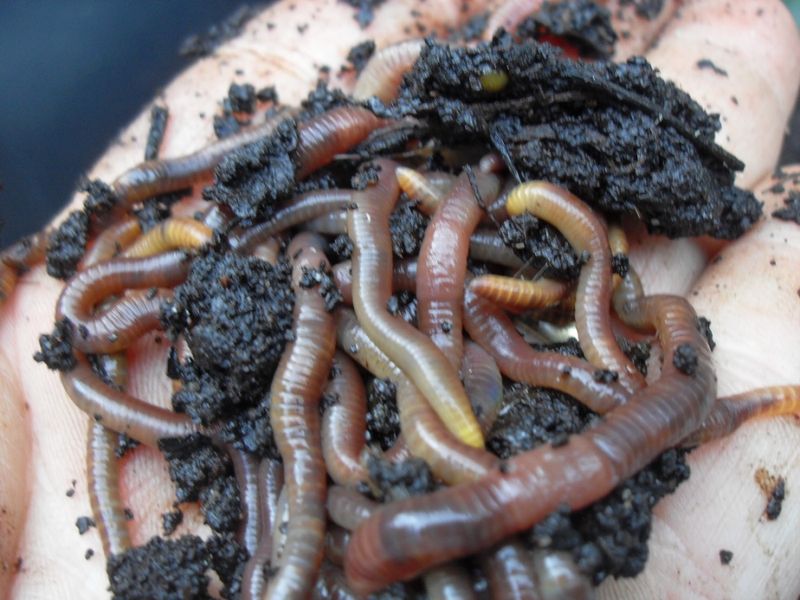
By late August, the bin starts telling you something good is coming.
If your June composting routine has been consistent, your bin should be producing material that looks dark and smells earthy. It should crumble easily between your fingers.
Those are the three signs that your compost is maturing right on schedule. Watch for an increase in earthworm activity around the base of your pile.
Worms are drawn to nitrogen-rich environments, and a coffee ground compost pile is exactly that. More worms mean faster breakdown, better aeration, and richer castings in the final product.
Temperature is another reliable indicator worth tracking. A healthy, active pile should feel warm, even hot, when you push your hand a few inches inside.
If the center has cooled down significantly by late July, it may need more nitrogen, which means it is time to add another round of grounds and give it a good turn. Pay attention to the smell as the season progresses.
A pile that smells like rich forest floor is doing exactly what it should. Anything sharp, sour, or like ammonia signals an imbalance that needs correcting before fall arrives.
Catch those signs in August and you still have time. The first frost is not as close as it feels.
Mistakes Most Gardeners Make With This Ingredient
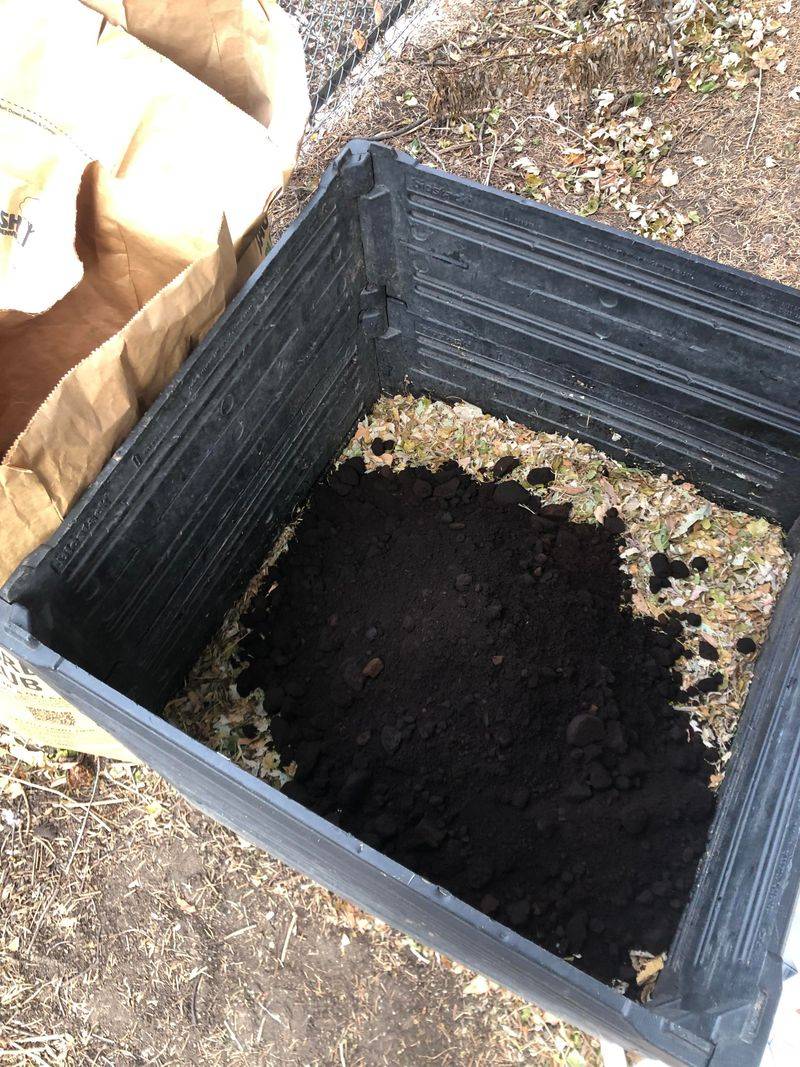
Even experienced composters make rookie mistakes with coffee grounds. The most common one happens before the grounds even hit the bin.
Adding bleached or flavored coffee filters along with the grounds might seem harmless. Some older or heavily processed filters, though, may contain trace chemicals.
Those chemicals can interfere with microbial activity.
Stick to unbleached paper filters or skip the filter entirely if you use a French press or percolator. Another frequent misstep is treating coffee grounds as the only green material in the pile.
Grounds are powerful, but relying on them alone creates a nitrogen-heavy pile that turns acidic and smelly. Balancing them with carbon-rich browns keeps the chemistry in a range that microbes can actually work with.
Moderation matters too. Adding more than 20 percent coffee grounds to your total pile volume can tip the pH too far, making the finished compost too acidic for many garden plants.
Spread out your additions over weeks rather than front-loading the bin all at once. Skipping the turning step is probably the biggest missed opportunity of all.
Grounds that sit in one spot without being mixed in just mat together and mold instead of composting properly. A quick stir every three to four days keeps everything moving in the right direction.
Get these details right and your fall soil will show it. Get them wrong and you will spend October wondering what happened.
What Your Soil Looks Like Come Fall
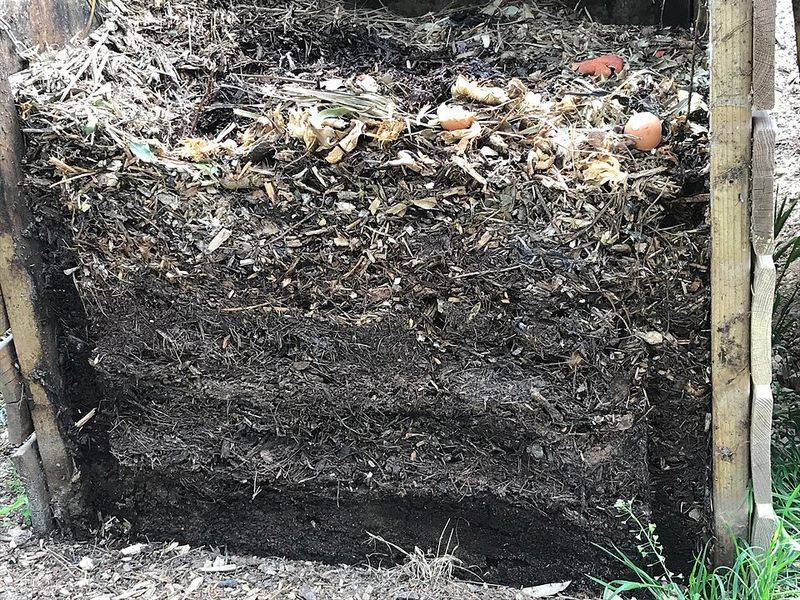
October garden beds that received coffee ground compost look noticeably different. The difference is hard to miss.
The soil is darker, looser, and holds moisture longer without becoming waterlogged. Plants that go into amended beds in fall establish faster and come back stronger the following spring.
Texture is the first thing you notice when you plunge your hand into well-composted soil. It crumbles apart easily, almost like chocolate cake, and it does not compact back down when you squeeze it.
That loose structure allows roots to spread freely. That means stronger plants, better water uptake, and improved resistance to drought stress.
Coffee ground compost also introduces beneficial microorganisms that continue working long after you have spread the finished material. Those microbes keep breaking down organic matter through fall and into early winter.
They slowly release nutrients that will be ready and waiting when spring planting begins. It is like setting up a slow-release feeding system that works while you are inside drinking your next pot of coffee.
Many gardeners who try the June coffee ground composting habit notice richer soil and healthier plants by fall. Bigger harvests tend to follow.
Bigger harvests tend to follow season after season.
The evidence shows up right there in the garden every October, dark and crumbly and full of life. Start saving your grounds this June, and your fall soil will tell the whole story for you.