That Black Coating On Your Georgia Plants Is Not Dirt And Here Is What To Do About It
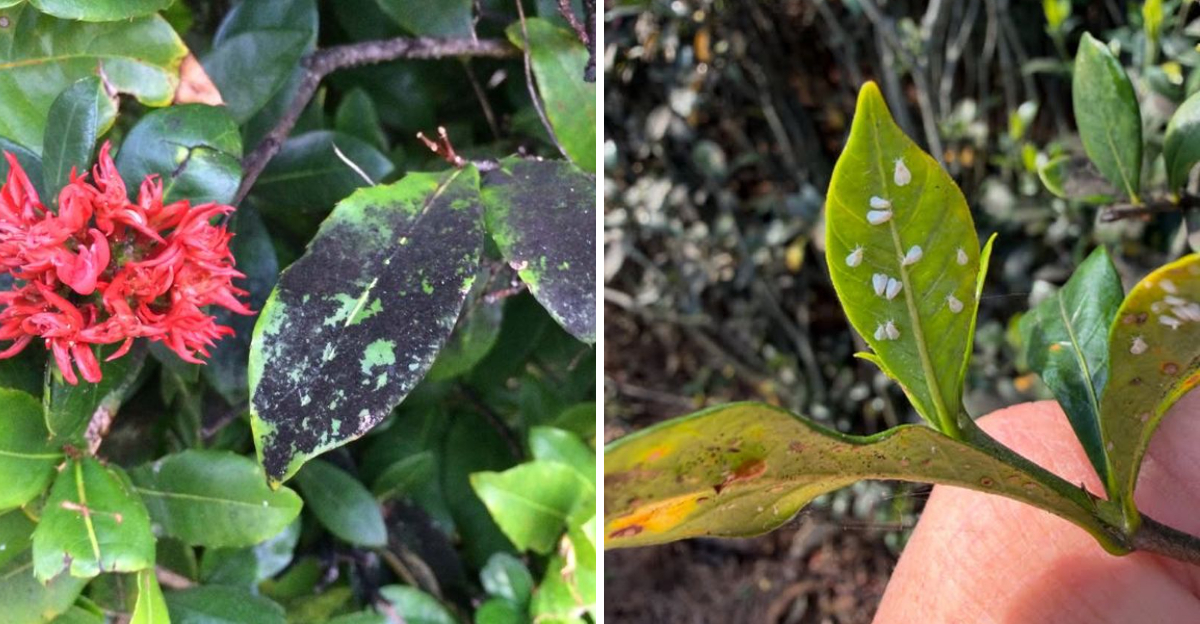
Sometimes the things that catch our attention in the garden are not the things we should be worried about.
A leaf turns yellow, a flower fades early, or a plant grows a little slower than expected, and most people immediately start looking for a cause.
Other changes are easier to dismiss. A dark coating on leaves or stems can look like dust from a nearby road, leftover pollen, or something that will wash away with the next rain.
That is why many gardeners ignore it for weeks before realizing it is spreading much farther than they thought. What starts as a small patch can gradually cover more of the plant and even appear on nearby plants without much warning.
In Georgia, this is a surprisingly common sight during the growing season, especially when warm weather and active insects are part of the picture.
The good news is that the dark coating itself is only part of the story, and finding the cause is the first step toward fixing it.
1. The Black Coating Is Usually Sooty Mold
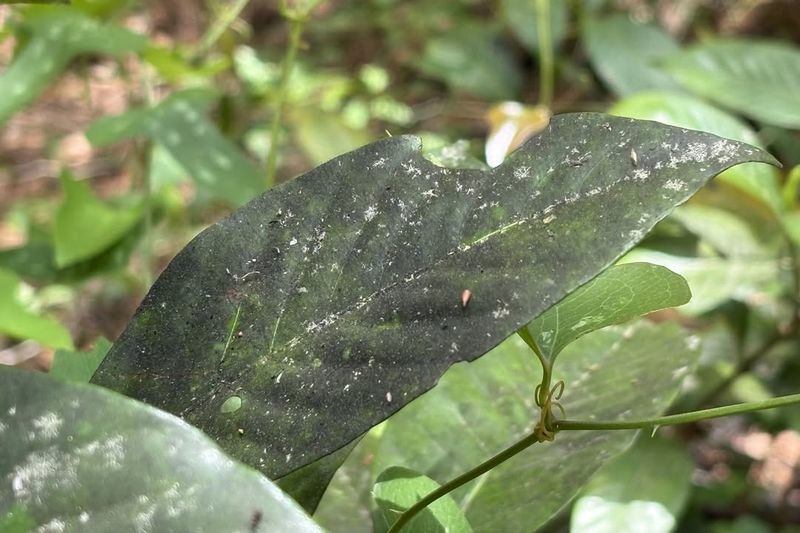
Black leaves in your garden are not a sign of bad soil. Sooty mold is a fungal coating that grows on top of plant surfaces, and it looks exactly like soot from a chimney.
Gardeners across the Southeast often mistake it for grime or spray residue.
Sooty mold does not actually grow inside the plant tissue. Instead, it feeds on a sticky liquid that coats the leaves.
That liquid comes from insects, not from the plant itself.
Warm, humid summers create perfect conditions for sooty mold to spread fast. Once it takes hold, it can blanket entire branches in just a few weeks.
Blocked sunlight is the biggest concern. When leaves are coated, photosynthesis slows down.
Plants become weak, pale, and less productive over time.
Sooty mold is dark gray to black and has a powdery or crusty texture. Rubbing it between your fingers leaves a dark smudge, unlike soil which feels gritty.
Good news: the mold itself is treatable. Fixing the root cause stops new growth from forming.
Cleaning existing mold off leaves restores the plant’s ability to absorb sunlight properly.
Identifying sooty mold early gives you a real advantage. Act quickly, and most plants bounce back without lasting damage.
2. Sticky Honeydew Creates The Perfect Surface
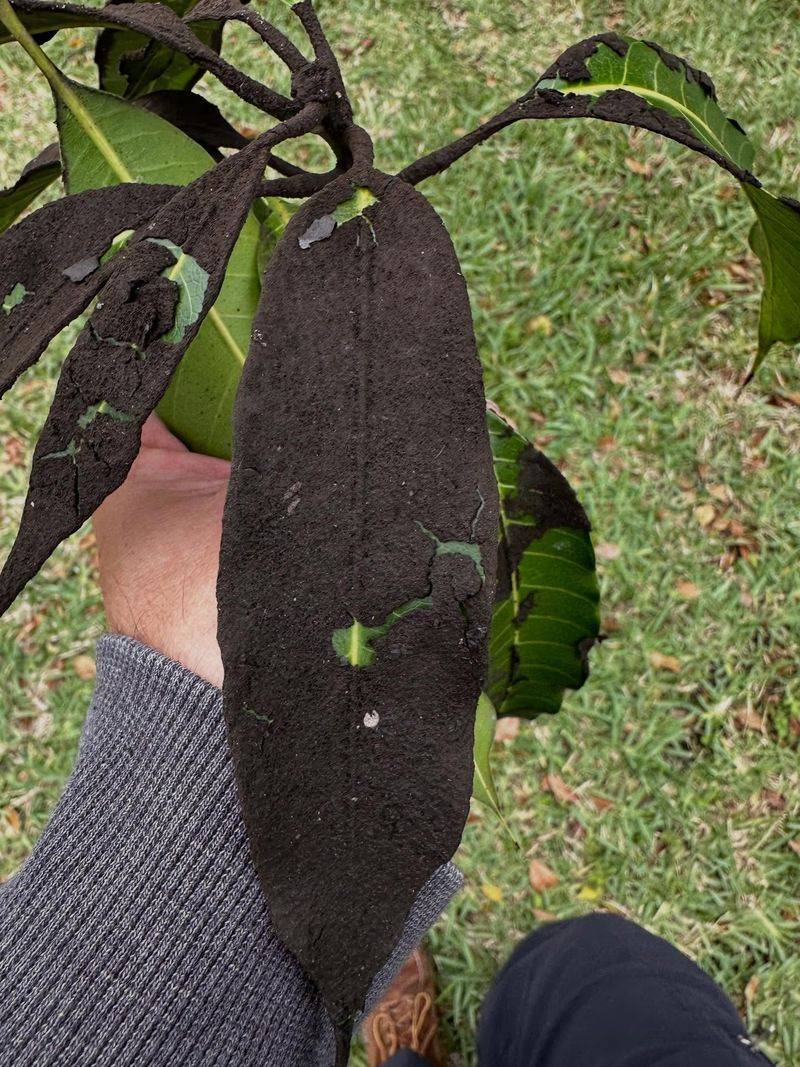
Sticky leaves are a red flag most gardeners walk right past. That shiny, tacky coating is called honeydew, and it is not a plant secretion.
Insects produce it as waste after feeding on plant sap.
Honeydew lands on leaves, stems, and even soil below the plant. It dries into a clear or slightly yellowish film.
Sooty mold spores floating through the air land on that film and start feeding immediately.
Without honeydew, sooty mold cannot get a foothold. Removing the sticky layer removes the mold’s food source entirely.
Wiping leaves with a damp cloth can help in early stages.
Plants near ant trails should raise concern. Ants actively farm honeydew-producing insects like aphids.
Your Georgia Garden Changes Every Week. Your Plan Should Too.
Gardening in Georgia changes quickly throughout the season. Every Friday you’ll receive a simple weekly plan showing exactly what to plant, prune, fertilize, harvest, and protect so you never miss the right timing.
They protect those insects from predators in exchange for a steady supply of honeydew.
Check the underside of leaves if the tops feel sticky. Insects often hide there while feeding.
You may see clusters of small bugs or shed skins left behind.
Rainfall can sometimes wash honeydew away before mold forms. But during dry stretches in summer, honeydew builds up fast.
Consistent monitoring during hot months makes a real difference.
Catching honeydew buildup early is far easier than removing established mold. Staying ahead of it protects your plants through the entire growing season.
3. Aphids Are One Of The Most Common Causes
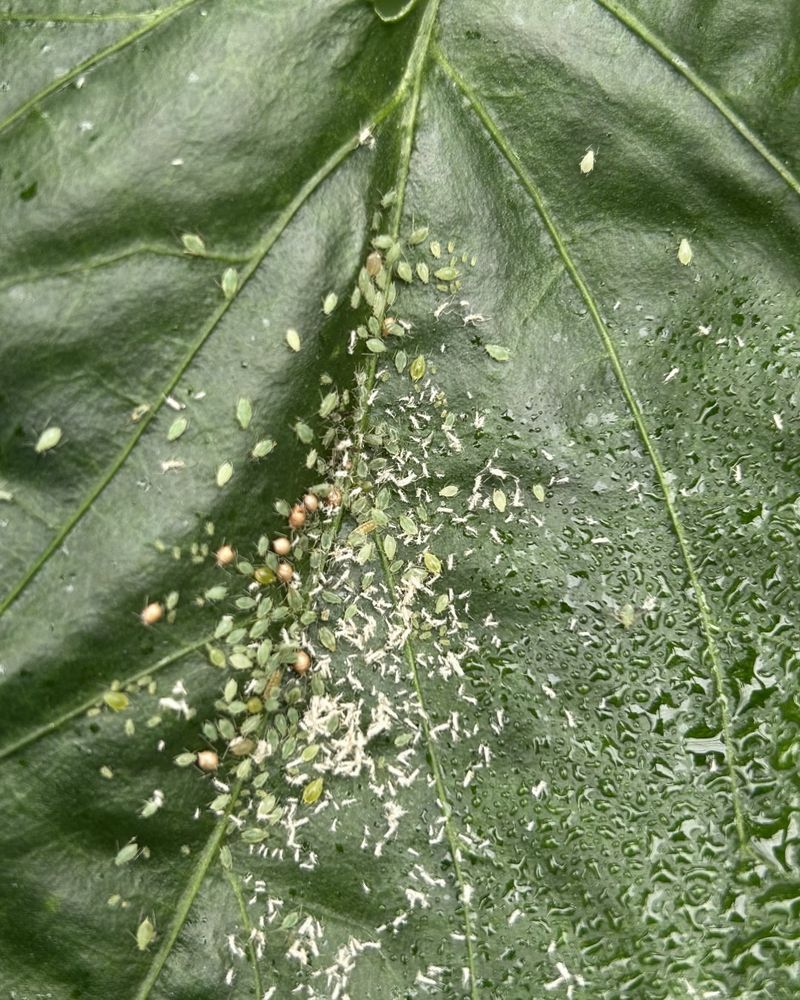
Tiny, soft-bodied, and incredibly sneaky, aphids are one of the most common reasons sooty mold appears on garden plants. They cluster on new growth and feed constantly, pumping out honeydew as they go.
Aphids reproduce fast. A small colony can explode into thousands within days during warm weather.
By the time you notice the black mold on top, aphids may have already spread to nearby plants.
Look for curled or distorted leaves first. Aphids cause new growth to curl inward as they feed.
That curl makes it even harder to spot the insects hiding inside.
Natural predators like ladybugs and lacewings feed on aphids aggressively. Encouraging these insects in your garden creates a natural check on aphid populations without any spraying.
A strong blast of water from a hose knocks aphids off plants quickly. Repeat every few days to keep populations from recovering.
Focus on the undersides of leaves where they hide.
Neem oil is another solid option. Mix it with water and a small amount of dish soap, then spray directly on affected areas.
Apply in the evening to avoid leaf burn.
Aphids tend to target stressed or overfertilized plants. Cutting back on nitrogen-heavy fertilizers reduces the lush new growth that aphids find most attractive.
4. Whiteflies Can Leave The Same Black Film
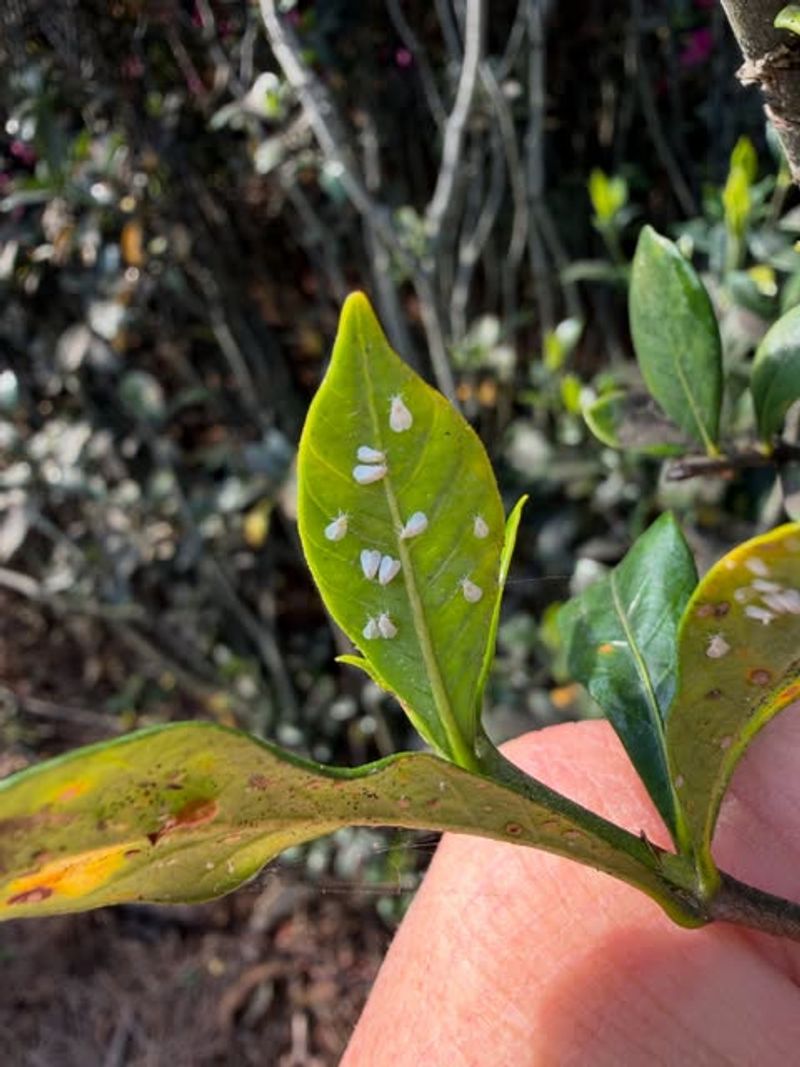
Shake a plant and a cloud of tiny white insects flies up? That is whitefly, and they are a major sooty mold trigger across warm Southern gardens.
They feed in large groups and produce honeydew constantly.
Whiteflies prefer warm, sheltered spots. Tomatoes, squash, peppers, and ornamental shrubs are common targets.
They settle on the undersides of leaves and are easy to miss until populations spike.
Sooty mold following a whitefly infestation spreads fast. These insects move from plant to plant easily, spreading the honeydew problem across an entire garden bed in a short time.
Yellow sticky traps placed near affected plants help monitor whitefly activity. Seeing a spike in trapped insects tells you when to act before the mold gets worse.
Reflective mulch placed around the base of plants confuses whiteflies and reduces landing rates noticeably. It is a simple, low-cost tool that many gardeners in Georgia overlook.
Insecticidal soap sprays work well against whitefly nymphs. Adult whiteflies are harder to treat, so targeting early-stage insects improves results.
Spray every five to seven days for best control.
Avoid over-watering and crowded planting conditions. Whiteflies thrive in humid, stagnant air.
Spacing plants properly and improving airflow cuts down on whitefly pressure significantly.
5. Scale Insects Often Hide In Plain Sight
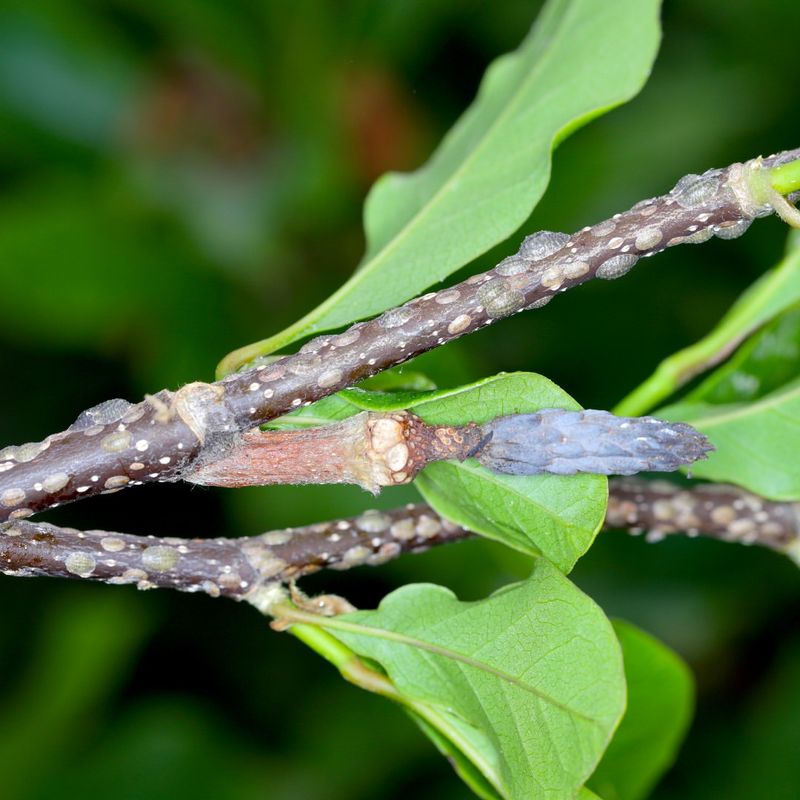
Scale insects look like tiny bumps on stems and branches. Many gardeners scrape at them thinking it is dried sap or bark damage.
Actually, each bump is a live insect feeding underneath a waxy shell.
Soft scale and armored scale both produce honeydew. Soft scale tends to produce more of it, making sooty mold outbreaks more severe.
Camellias, hollies, and crape myrtles are frequent targets.
Scale spreads slowly but steadily. Infestations build over months before the sooty mold makes them obvious.
By the time black coating appears, the scale population may already be significant.
A cotton swab can be used to remove individual scale insects from stems effectively. For larger infestations, horticultural oil sprays suffocate the insects without harming most beneficial bugs nearby.
Timing matters with horticultural oil. Apply during cooler parts of the day and avoid spraying when temperatures exceed 90 degrees Fahrenheit.
Heat combined with oil can cause leaf damage.
Check new plants carefully before bringing them into your garden. Scale often arrives on nursery stock.
Inspecting stems and leaf joints before planting stops problems before they start.
Pruning out heavily infested branches speeds up recovery. Remove cut material from the garden area entirely.
Leaving it nearby allows surviving insects to spread back to healthy plants.
6. Cleaning Leaves Helps Remove The Buildup
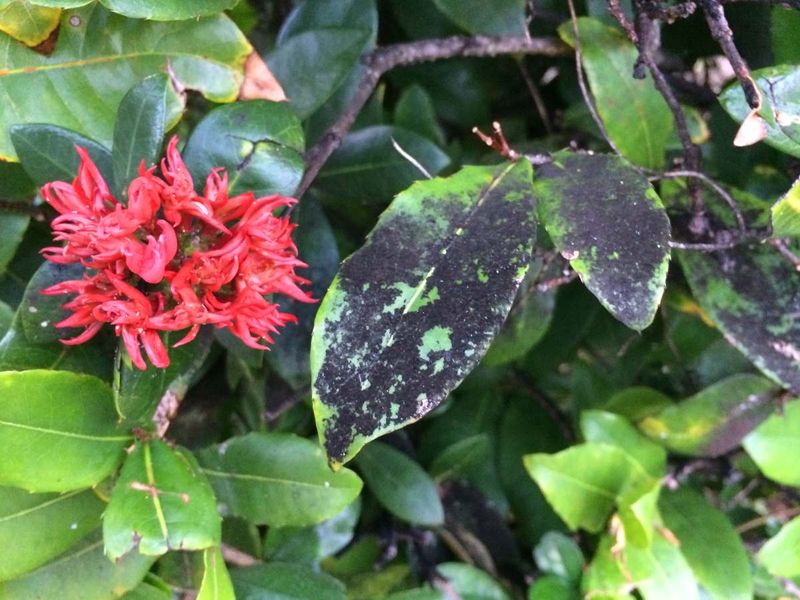
Sooty mold does not vanish on its own once it has coated a leaf. Physical removal helps plants recover faster by restoring sunlight access.
Starting with the most affected leaves makes the process more manageable.
Warm water and a soft cloth work well for wiping down individual leaves. Add a few drops of mild dish soap to the water for better results.
Wipe gently to avoid tearing or bruising the leaf surface.
Larger plants with heavy mold coverage benefit from a gentle spray with a garden hose. Consistent water pressure loosens the mold without stripping the leaf.
Repeat the process over several days for thorough cleaning.
Neem oil mixed into water also breaks down sooty mold when sprayed directly. It works as both a cleaner and a mild pest deterrent.
Apply it in the early morning or late evening to prevent sunscald.
Do not skip the undersides of leaves during cleaning. Insects and mold accumulate there just as heavily.
Missing that surface means the problem returns quickly.
After cleaning, monitor the plant closely for two weeks. New mold growth means the insect source has not been addressed yet.
Cleaning alone is a temporary fix without pest control backing it up.
7. Controlling Pests Prevents It From Returning
Removing sooty mold without addressing the insects is like mopping up a leak without fixing the pipe. Pest control is the only lasting solution.
Without it, mold returns within weeks.
Start by identifying which insect is causing the problem. Aphids, whiteflies, and scale all require slightly different treatment approaches.
Misidentifying the pest leads to wasted effort and continued damage.
Beneficial insects are one of the best long-term defenses available. Planting flowers like marigolds, dill, and fennel near your garden attracts predatory insects naturally.
Ladybugs and parasitic wasps reduce pest populations without chemicals.
Neem oil is effective against a wide range of soft-bodied insects. Spray it on a seven-to-ten-day cycle during active infestations.
Consistency matters more than a single heavy application.
Insecticidal soap targets aphids and whiteflies on contact. Coat all leaf surfaces thoroughly, especially the undersides.
Reapply after rain washes the treatment off.
Avoid excess nitrogen fertilizer. Lush, soft plant growth attracts sap-feeding insects.
Balanced feeding produces firmer tissue that pests find less appealing.
In Georgia, pest pressure tends to peak between late spring and early fall. Staying alert during those months and checking plants weekly keeps infestations from building up unnoticed.
Routine monitoring is the simplest and most effective prevention strategy available to any home gardener.