These Are The Native Fruit Trees Pennsylvania Gardeners Are Being Encouraged To Plant In 2026
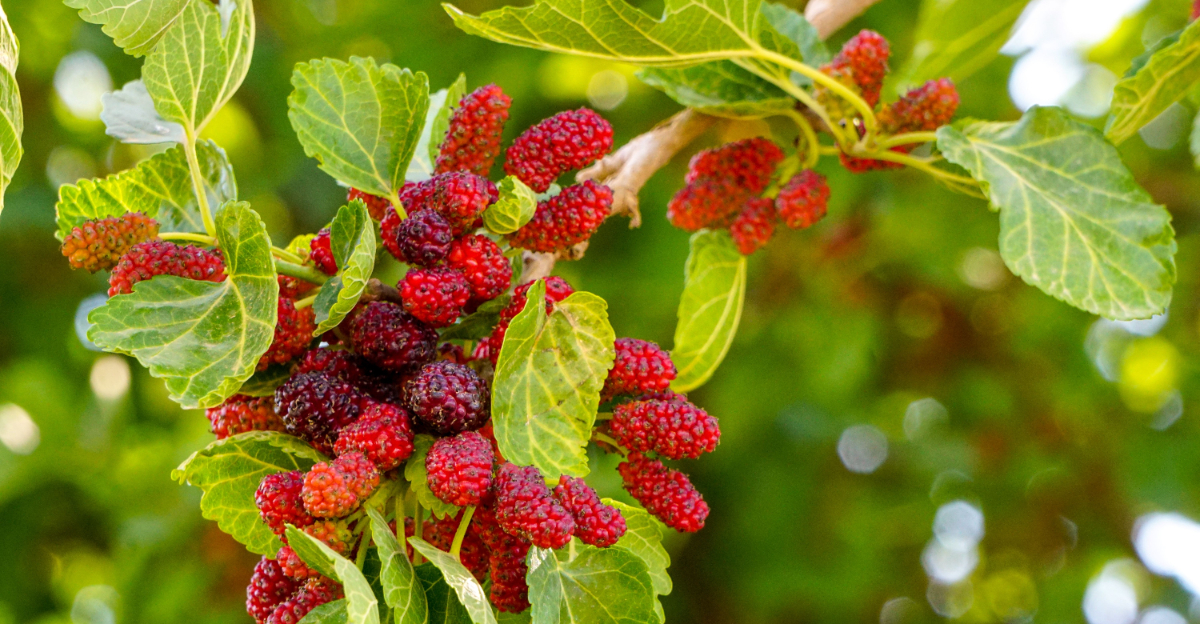
The standard nursery lineup offers the same apples, pears, and ornamental cherries that have been sold for decades. Nothing wrong with any of them.
But none of them belong in Pennsylvania the way certain other trees do, and none of them do what those trees do for the landscape once they get established.
The trees that actually belong here feed birds through winter when nothing else is available. They host butterflies that cannot survive without them. They produce fruit that tastes like nothing available in any grocery store, anywhere.
The Pennsylvania Horticultural Society and conservation-focused gardeners across the state have been paying close attention to this list in 2026.
The interest is not just about growing food. It is about growing something that the whole ecosystem responds to.
Have you ever wondered what a Pennsylvania yard could look like if it fed the landscape as well as the people in it? Well, these eight native fruit trees answer that question directly.
1. Plant Pawpaw For A Native Fruit Surprise
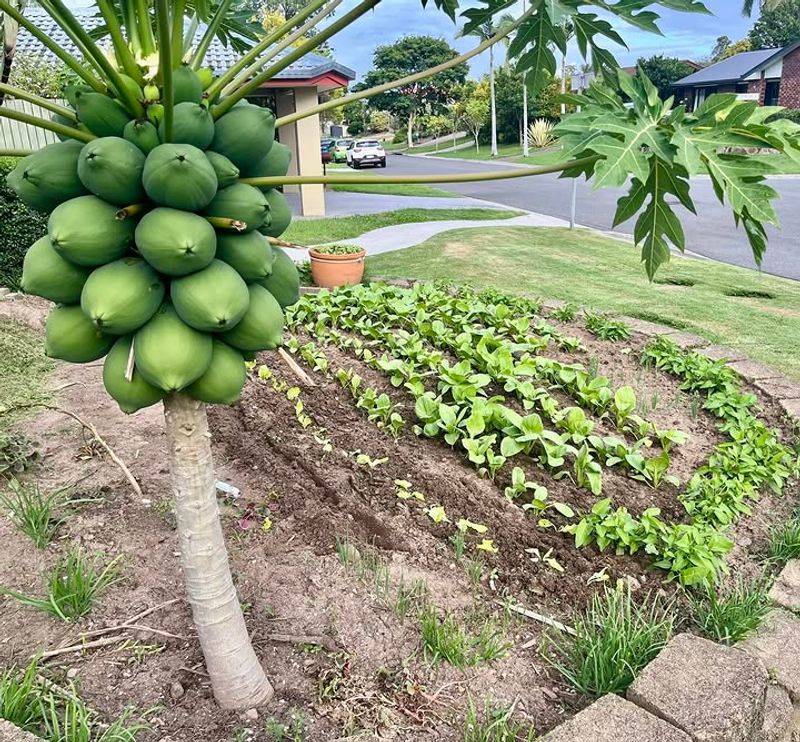
Many people walk past pawpaw trees in the wild without recognizing what they are looking at. And that is a reasonable mistake.
The pawpaw does not announce itself the way more familiar fruit trees do. The fruit does not appear in grocery stores. The tree does not get recommended at most nurseries.
What it does produce is Pennsylvania’s largest native fruit, with a flavor that tastes like a cross between a banana and a mango.
That tropical combination comes from a tree that evolved right here, growing wild along stream banks and woodland edges across the state long before anyone was planting orchards.
Pawpaws grow best in moist, well-drained soil with partial shade when young. Mature trees handle full sun well.
Two genetically different trees are needed for fruit production, so plan to plant at least two seedlings from different sources rather than root suckers from the same parent.
Space them ten to fifteen feet apart and expect a wait of three to five years before the first real harvest arrives.
The fruit ripens from late August through September and does not ship or store well. Growing your own is genuinely the only reliable way most Pennsylvanians will ever taste a fresh pawpaw.
The Zebra Swallowtail butterfly depends on pawpaw leaves to complete its life cycle. Every pawpaw planted in Pennsylvania supports that relationship directly.
A tropical-tasting fruit from a native Pennsylvania tree that supports rare butterflies. The nursery industry has been underselling this one for years.
2. Grow Serviceberry For Early Sweet Harvests
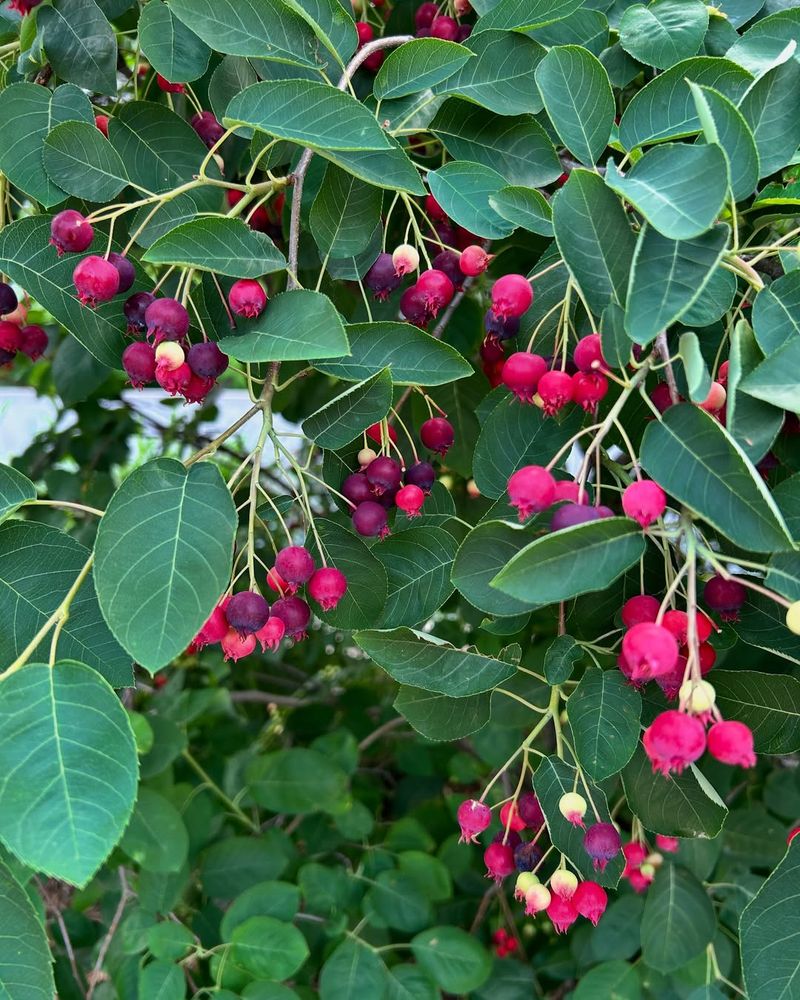
Before almost any other tree shows signs of life in a Pennsylvania spring, serviceberry is already covered in white flowers.
That early bloom is not just visually striking. It is a critical food source for native bees and early pollinators that have been waiting through a long winter with nothing available.
Amelanchier canadensis and Amelanchier laevis are both native to Pennsylvania and both grow reliably across a wide range of soil conditions.
They tolerate wet periods and dry stretches once established, which makes them practical across most of the state without special soil preparation.
Your Pennsylvania Garden Changes Every Week. Your Plan Should Too.
Gardening in Pennsylvania changes quickly throughout the season. Every Friday you’ll receive a simple weekly plan showing exactly what to plant, prune, fertilize, harvest, and protect so you never miss the right timing.
The fruit ripens by late May or early June, well ahead of most other fruiting trees. The berries look like blueberries, taste sweet and mild, and are excellent fresh, in pies, or made into jam.
The competition from birds is real and immediate. Robins, catbirds, and cedar waxwings find ripe serviceberries quickly. Harvesting fast or sharing generously are the two realistic options.
Serviceberry typically reaches fifteen to twenty-five feet, which suits smaller suburban yards considerably better than full-sized fruit trees.
Fall foliage shifts to brilliant orange and red before dropping, adding a third season of visual interest to a tree that is already working hard in spring and early summer.
Three seasons of interest, early pollinator value, and fruit in May. Serviceberry is doing more work per square foot than almost anything else in the Pennsylvania garden.
3. Try American Persimmon For Fall Flavor
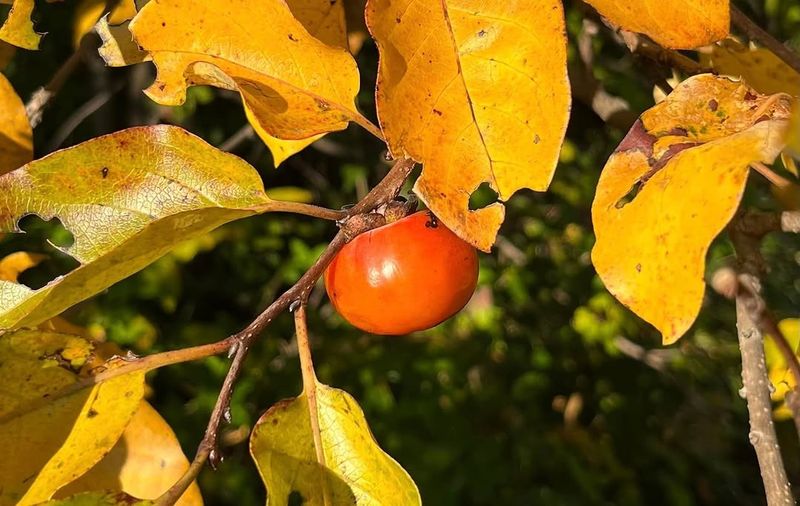
The old warning about wild persimmons is accurate and worth understanding. Unripe American persimmon fruit is aggressively astringent in a way that is difficult to forget.
After a hard frost softens the fruit, those same orange globes become sweet, rich, and almost custard-like. The transformation is one of the more remarkable things that happens in a Pennsylvania fall garden.
Diospyros virginiana is a tough, adaptable native tree that handles poor soils, drought, and clay better than most fruit trees sold at nurseries.
Mature trees reach thirty to sixty feet, so adequate space at planting matters considerably. Give the tree room and it becomes a long-lived, low-maintenance producer that improves with every decade.
Most American persimmon trees are either male or female, and reliable fruit production generally requires one of each.
Some nurseries carry named self-fruitful varieties, which is worth asking about specifically when shopping. Fruit ripens from September through November depending on location within the state.
Wildlife response to American persimmon is substantial. Deer, raccoons, foxes, and dozens of bird species feed on fallen fruit through autumn and well into winter. The tree also serves as a host plant for native moths and other insects.
A fruit tree that requires frost to taste good, feeds wildlife through winter, and handles poor soil without complaint. Pennsylvania has been growing this tree for thousands of years and most gardeners are still discovering it.
4. Add American Plum For Wildlife Value
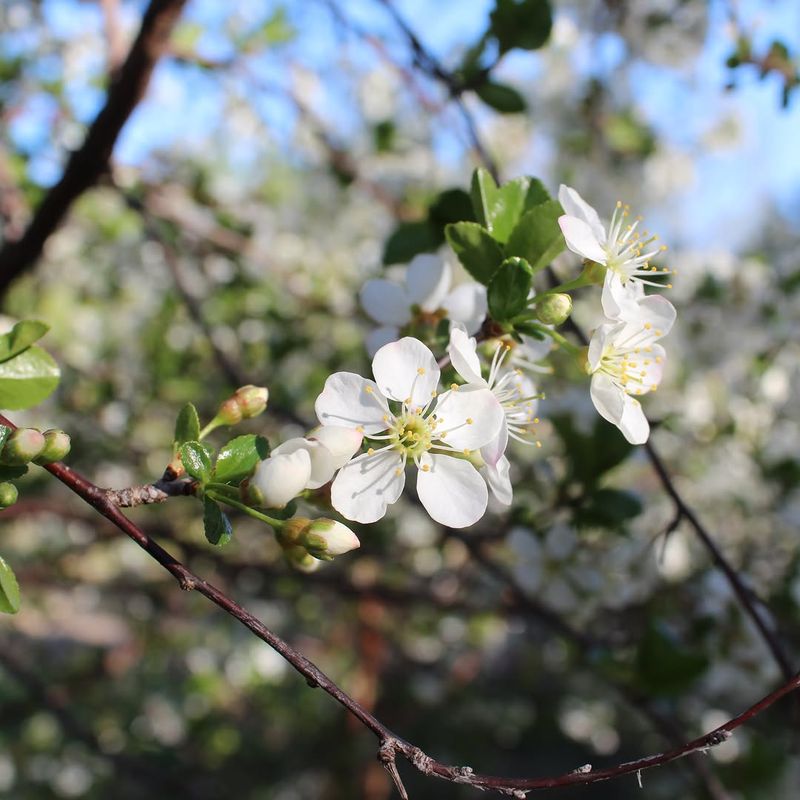
One April morning near a blooming American plum changes how a gardener thinks about pollinator support.
The clusters of white flowers appear before the leaves, covering the branches in a frothy display that draws native bees, honeybees, and early butterflies in numbers that are genuinely impressive for a single tree.
Prunus americana produces small red to yellow fruit that ripens in late summer. Fresh off the tree the flavor is tart, but American plum makes outstanding jelly, jam, and fruit leather that justifies the harvest effort many times over.
Birds and mammals including foxes, wild turkeys, and black bears feed heavily on the ripe and fallen fruit, which extends its ecological value well beyond the human harvest window.
American plum spreads by root suckers and forms dense thickets over time in a larger yard or naturalized area.
That spreading habit creates layered shrubby cover that small birds and mammals use for nesting and shelter through the year. In a tighter planting space, managing suckers regularly keeps things contained without significant effort.
The tree reaches fifteen to twenty-five feet and tolerates rocky and dry conditions that challenge most fruit trees.
It works particularly well in hedgerow plantings and along property edges where its spreading habit and wildlife value both have room to develop naturally.
An early-blooming pollinator magnet that produces wild plums and builds wildlife habitat as it spreads. American plum is doing several jobs at once and asking for almost nothing in return.
5. Use Black Cherry For Larger Landscapes
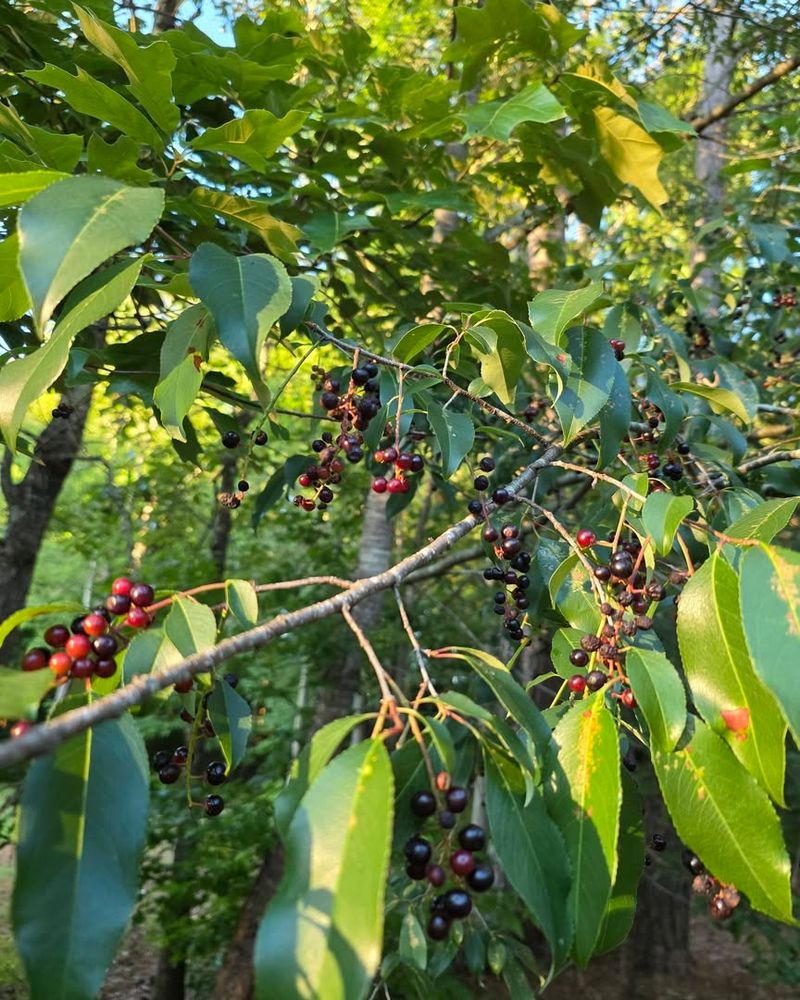
Black cherry is not a tree for small suburban lots. Prunus serotina reaches sixty to ninety feet at maturity and commands the kind of space that only a larger property can provide without conflict.
On a rural homestead or a property with genuine room, though, this tree earns every square foot it occupies many times over.
The ecological value of black cherry in Pennsylvania is difficult to overstate. More than 200 species of birds and mammals depend on it for food and shelter.
The small dark cherries ripen in late summer and get consumed almost immediately by cedar waxwings, robins, thrushes, and other fruit-eating birds.
Watching the tree get stripped clean by a flock of waxwings in a single afternoon is one of the more memorable experiences a Pennsylvania garden offers.
Black cherry also serves as a host plant for over 450 species of moths and butterflies, making it one of the highest-value trees available for supporting the full food web in a native landscape.
The fruit is too astringent for most people to enjoy fresh but makes excellent wine, syrup, and jelly when properly prepared.
Placement matters here. Keep black cherry away from driveways, play areas, and vegetable gardens since fallen fruit stains and certain plant parts contain compounds harmful to livestock.
Given the right location, black cherry becomes a cornerstone of a functioning Pennsylvania native landscape. The waxwings already know where to find it.
6. Plant Red Mulberry Where Space Allows
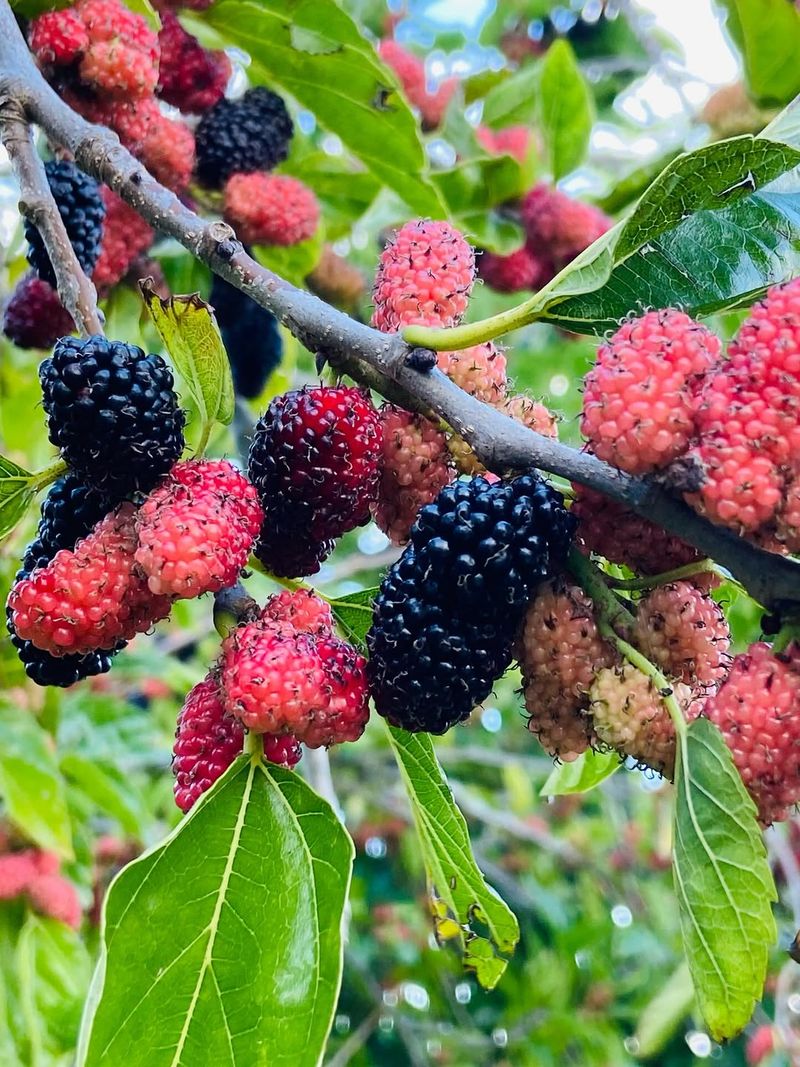
Red mulberry is the tree that makes it genuinely difficult to walk past without stopping to eat something.
The long berries shift from red to deep purple-black as they ripen, and the flavor is sweet, rich, and satisfying in a way that store-bought berries rarely match.
The challenge is that the fruit drops fast, stains everything it touches, and birds find it just as appealing as people do.
Morus rubra is the only mulberry species native to eastern North America, and Pennsylvania sits within its natural range.
It grows best in moist, fertile soil with full to partial sun. Mature trees reach forty to seventy feet, though garden specimens stay smaller with light pruning.
Placement deserves careful thought. Keep it away from patios, sidewalks, and parked vehicles unless purple footprints are acceptable.
Wildlife value during the June fruiting window is exceptional. Orioles, catbirds, mockingbirds, and woodpeckers are among the regulars.
The fruiting period bridges the gap between spring blooms and summer harvests, providing a food source at a time when other options are limited.
Red mulberry also serves as a host plant for several native moth species, extending its ecological contribution beyond the visible fruit harvest.
Thoughtful placement and adequate space are the two factors that separate a well-sited red mulberry from a regrettable one.
The birds will find it within the first season regardless of where it goes. The question is whether the parking situation is ready for the consequences.
7. Grow Hackberry For Tough Native Fruit
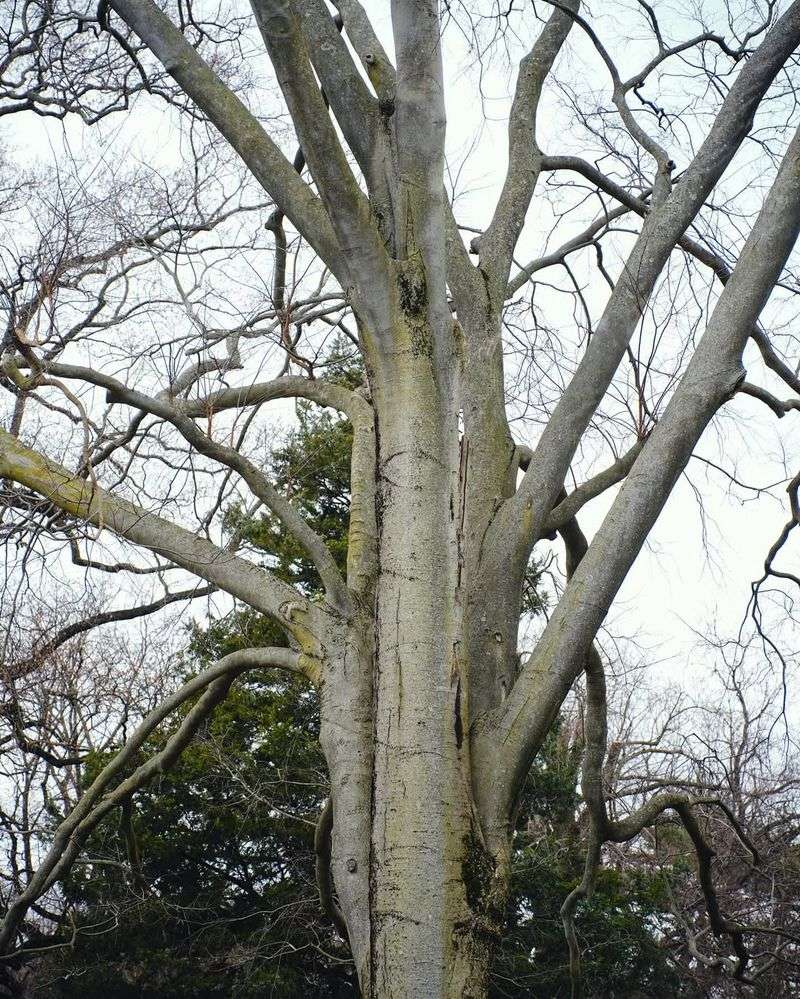
Compacted soil, urban heat islands, drought, periodic flooding. Most fruit trees require a reasonable growing environment to perform well. Hackberry treats those conditions as a standard operating situation.
Celtis occidentalis is the tree for Pennsylvania gardeners dealing with genuinely challenging planting sites.
Road salt exposure, heavy clay, low spots that pool after rain, narrow tree lawns between sidewalk and street. Hackberry handles the full range of difficult conditions with consistent, unfussy performance.
The fruit is small, round, and dark purple when ripe, maturing from late September through October. The flavor is sweet and date-like with minimal flesh, so this is not a harvest-scale fruit tree in the way that pawpaw or serviceberry are.
What hackberry offers instead is timing. The fruit ripens late and persists on the branches through winter, providing food for birds long after most other fruiting trees have finished.
Cedar waxwings, yellow-rumped warblers, hermit thrushes, and mockingbirds feed on hackberry fruit regularly through the cold months.
The tree also supports an impressive number of native butterfly and moth caterpillars, with some sources suggesting over 40 species.
Hackberry grows forty to sixty feet tall and adapts to most Pennsylvania soils and microclimates. The distinctive corky, warty bark makes identification straightforward even in winter.
The flashiest tree on any list this is not. The most reliably useful tree for a difficult site in Pennsylvania, it very much might be.
8. Try Hawthorn For Small Wildlife Fruit
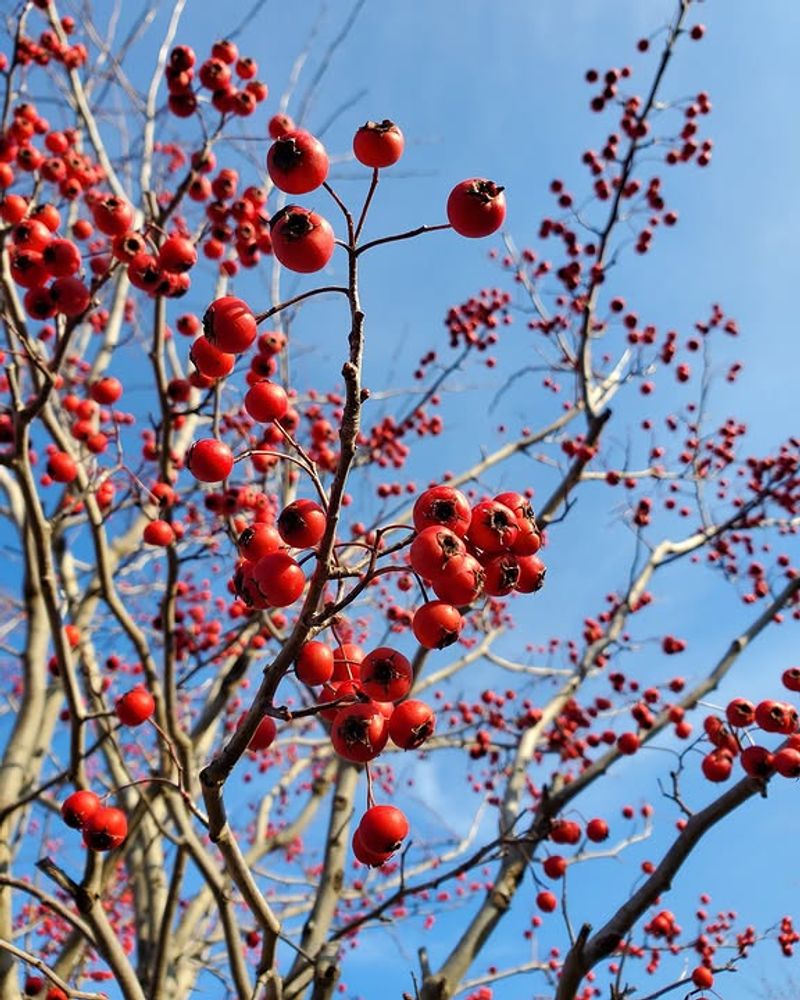
Bright red haws hanging against bare November branches is one of those small, vivid moments that native plant gardeners specifically plant for.
The fruit is small and apple-like, the color sharp against winter gray, and birds go after it hard during the lean months when other food sources have been exhausted.
Pennsylvania is home to several native hawthorn species, including Crataegus crus-galli. Most grow as small trees or large shrubs, typically reaching fifteen to thirty feet.
That manageable size makes hawthorn a practical choice for smaller properties where a large canopy tree is not an option.
The spring flower display adds another layer of value, with clusters of white or pink blossoms that attract native bees and early pollinators reliably each year.
The thorns are real and deserve respect at planting time. Branches carry thorns that can reach one to three inches long, which influences placement decisions near walkways and play areas considerably.
That same thorny structure creates protected nesting habitat for birds like gray catbirds and brown thrashers, species that specifically seek out thorny cover for nest sites.
Hawthorn fruit has a long history of human use in jellies and traditional preparations, so the harvest is not purely for wildlife.
When shopping, look specifically for species confirmed native to Pennsylvania rather than ornamental European varieties. The native species support local insects in ways the ornamental alternatives simply do not.
Late fruit, spring flowers, wildlife nesting cover, and a size that fits most Pennsylvania yards. Hawthorn checks every practical box and looks good doing it.