Do These Things Before July If You Want Your Pennsylvania Clematis To Explode With Blooms
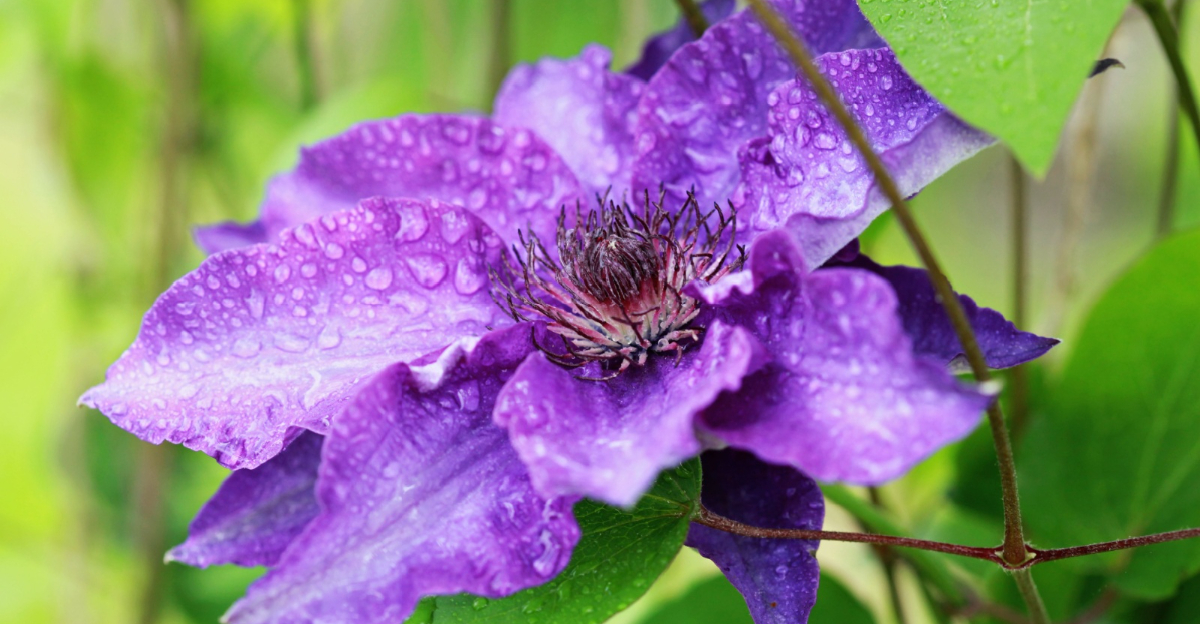
Clematis is one of those plants that rewards the gardeners who pay attention, and late June is exactly when that attention really counts. Some vines just wrapped up a spectacular spring show and are quietly figuring out what comes next.
Others are still pushing out new growth and have no intention of slowing down anytime soon.
Pennsylvania summers have their own agenda too, bringing heat, humidity, and the occasional dry stretch that can all affect how a clematis performs through the rest of the season.
The tricky part is that there is no universal playbook here. Pruning group, plant age, site conditions, and moisture levels all feed into what your specific vine actually needs right now.
Getting that right before July arrives can make a genuinely noticeable difference in how your clematis looks all the way through fall.
1. Check Which Pruning Group You Have
Before reaching for the pruners, spend a few minutes figuring out which pruning group your clematis belongs to.
This single step matters more than almost anything else you can do in late June, because pruning the wrong type at the wrong time can significantly reduce next season’s blooms.
Clematis varieties are generally sorted into three pruning groups. Group 1 includes early-blooming types that flower on old wood from the previous season.
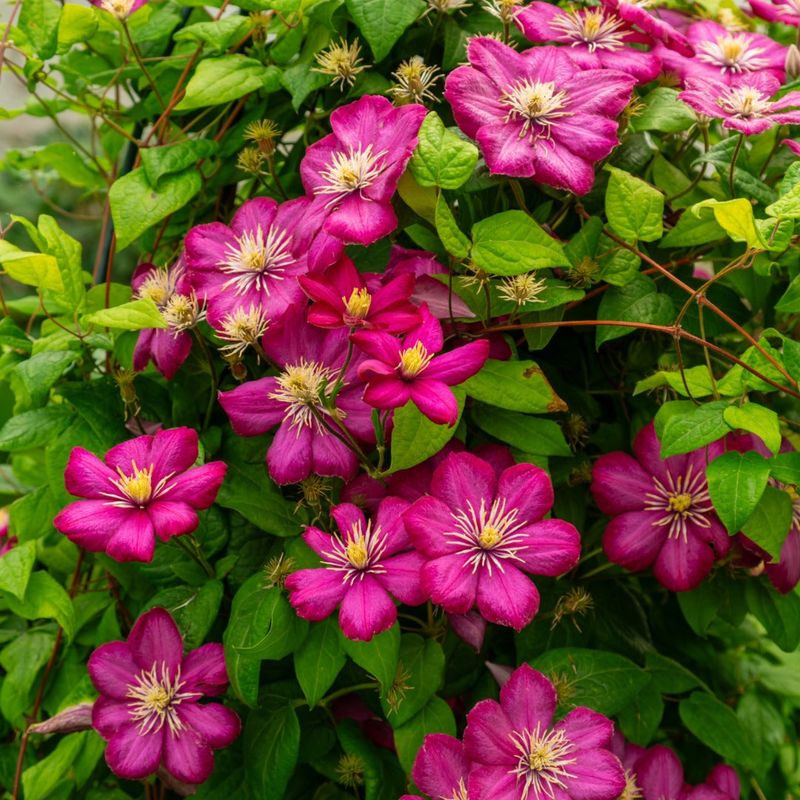
Group 2 covers large-flowered hybrids that bloom on both old and new wood, often producing two flushes of flowers. Group 3 varieties bloom on new growth produced in the current season and are typically cut back hard in late winter or early spring.
In Pennsylvania gardens, mix-ups happen all the time, especially when plants were inherited from a previous homeowner or purchased without a label.
If you are unsure of your group, observe when the vine blooms and note whether flowers appear on older woody stems or on fresh new growth.
Keeping a simple garden journal or taking a photo of the plant tag when you first buy it can save a lot of guesswork later. Garden centers and cooperative extension offices can also help with identification if you bring in a photo or clipping of the vine and blooms.
2. Prune Group 1 Only After Spring Bloom
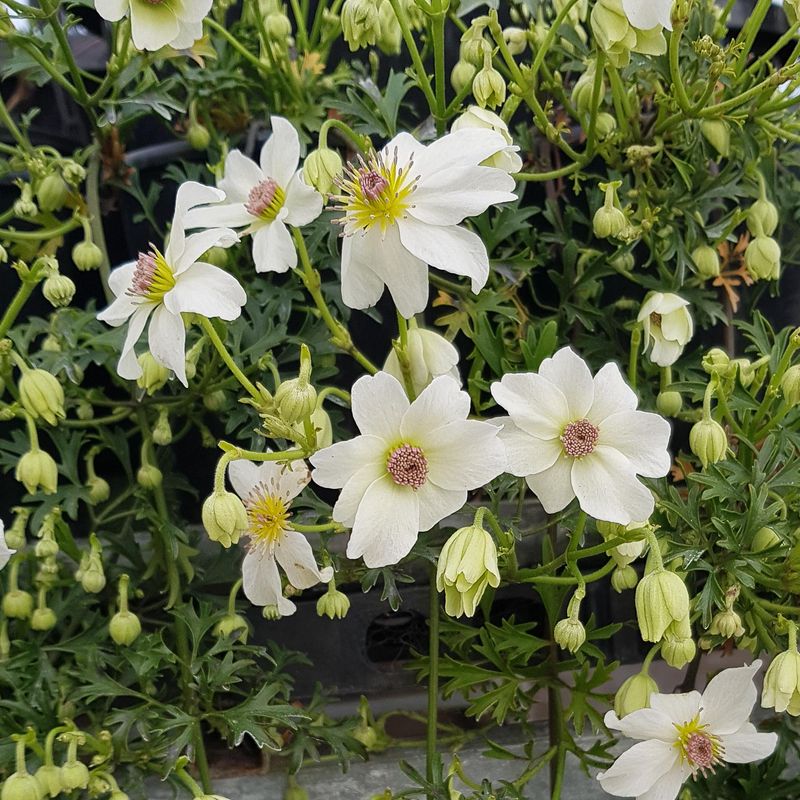
Spring-blooming Group 1 clematis can look a little wild by late June, especially if the vine has been growing on the same fence or arbor for several years without much attention.
These are the earliest bloomers in Pennsylvania gardens, often covering trellises with white or pink flowers before many perennials even wake up.
The key thing to understand about Group 1 is that these vines set next year’s flower buds on the wood that grows after this season’s bloom. That means if you cut them back before they flower, you remove the buds that were already forming.
Pruning should happen shortly after the spring flowers fade, not in fall or late winter when the buds are already in place.
Right now, in late June, a Group 1 clematis that has finished blooming can be lightly shaped to keep it from overtaking neighboring plants or structures. Remove any stems that look damaged, tangled, or crossing in awkward directions.
Your Pennsylvania Garden Changes Every Week. Your Plan Should Too.
Gardening in Pennsylvania changes quickly throughout the season. Every Friday you’ll receive a simple weekly plan showing exactly what to plant, prune, fertilize, harvest, and protect so you never miss the right timing.
Avoid cutting back into thick, older woody stems unless there is a specific reason to do so.
In Pennsylvania, where these vines can put on significant new growth through summer, a little tidying after bloom goes a long way toward keeping the plant manageable and healthy heading into the next growing season.
3. Lightly Prune Group 2 After The First Flush
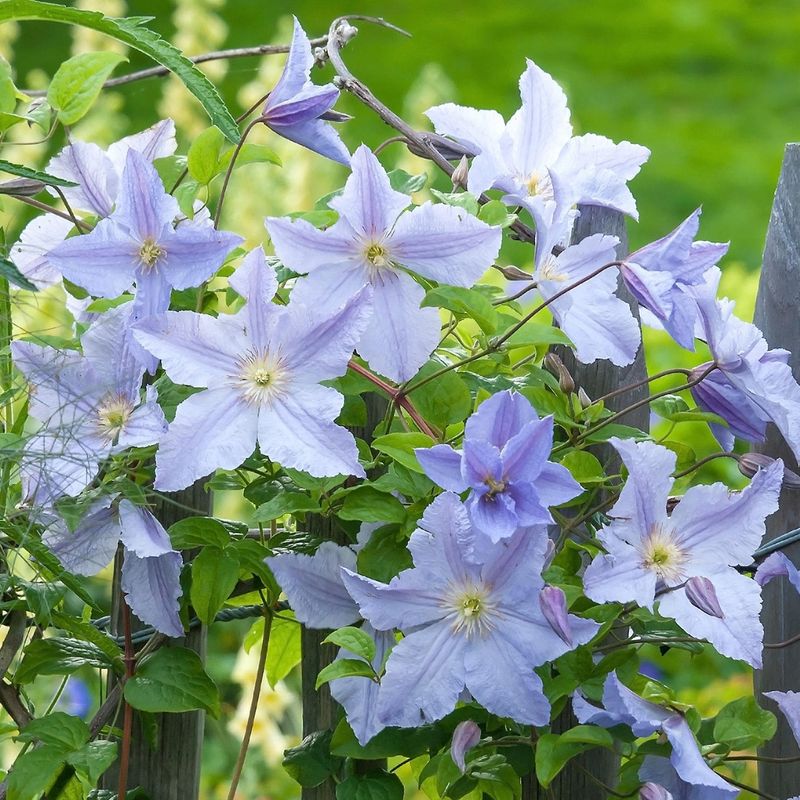
Large-flowered Group 2 clematis varieties are some of the showiest vines in Pennsylvania gardens, producing big blooms in late spring that can stop people in their tracks.
Many of these varieties are capable of reblooming later in summer, but that second flush depends on how the vine is handled after the first round of flowers fades.
Once the initial blooms have gone by, a light trim can encourage the plant to redirect energy toward producing new growth and a second set of flowers.
The goal is not to cut the vine down significantly but to remove spent flower heads and trim back the tips of stems that have finished blooming.
Cutting just above a healthy set of leaves or a visible bud is usually the right approach.
Pennsylvania summers can be warm and humid, which means new growth tends to appear fairly quickly after a light trim. Avoid cutting back deeply into the older framework of the plant during this stage, since those older stems still hold buds that may open later.
Group 2 varieties respond well to gentle encouragement rather than aggressive pruning.
If the vine looks congested or tangled, gently separate stems and remove any that are weak or crossing in a way that restricts airflow, which can help reduce fungal problems during Pennsylvania’s more humid summer weeks.
4. Avoid Hard Summer Pruning On The Wrong Type
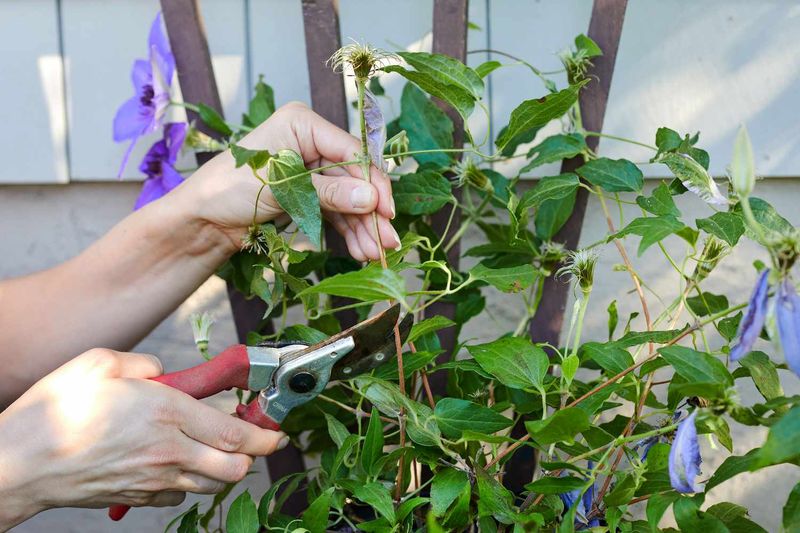
One of the most common clematis mistakes Pennsylvania gardeners make in early summer is cutting back a vine too hard at the wrong time.
It usually happens with the best intentions, often when a vine looks overgrown or the gardener wants to tidy things up before summer heat arrives.
The problem is that aggressive pruning at the wrong time on the wrong type can remove the very stems that carry this season’s or next season’s blooms.
Group 1 varieties, in particular, should not be cut back hard in summer. Their flower buds for the following spring are already forming on the new growth produced after this year’s bloom.
Cutting those stems back severely in June or July removes next year’s blooms before they even have a chance to develop.
Group 2 varieties are somewhat more forgiving, but hard pruning mid-season can still reduce the second flush of flowers that many gardeners look forward to in late summer.
If you are unsure what type you have, hold off on any significant pruning until you can confirm the group. A vine that looks a little unruly in June is far better than one that produces no blooms the following year because it was cut at the wrong time.
In Pennsylvania gardens where clematis can grow vigorously through summer, restraint with the pruners often pays off more than enthusiasm.
5. Guide New Vines Onto A Strong Support
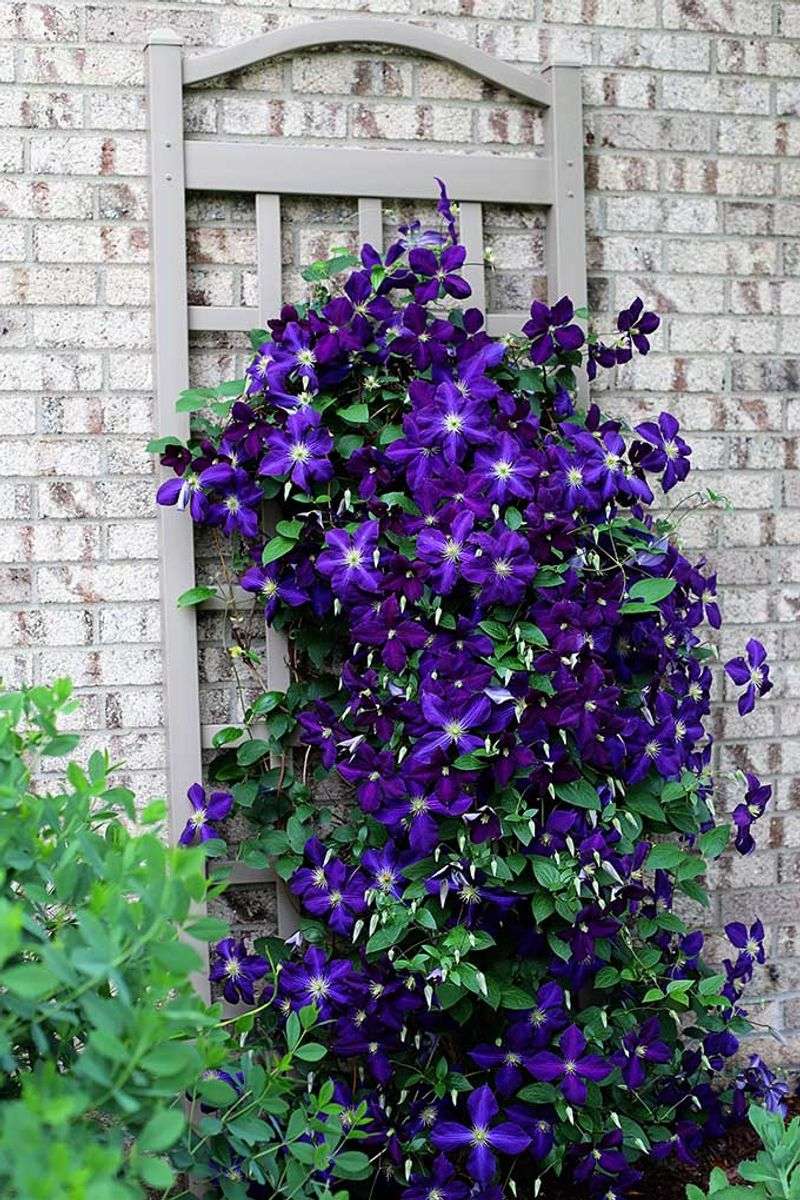
By late June in Pennsylvania, clematis vines can put on several inches of new growth in a single week during warm, humid stretches.
All that new growth has to go somewhere, and without a little guidance, it tends to wrap around itself, neighboring plants, or anything else within reach rather than climbing neatly up the intended support.
Taking a few minutes every week or two to gently guide new stems onto the trellis, fence, or arbor can make a surprising difference in how the vine looks and how well it blooms.
Clematis climbs by wrapping its leaf stems around supports, so it works best with structures that offer something narrow to grab, such as wire, lattice, thin wooden strips, or mesh.
Thick wooden posts or solid panels can be harder for the vine to grip on its own.
In Pennsylvania gardens where clematis is grown on mailbox posts, porch railings, or mixed border obelisks, a few loose ties made from soft garden twine or silicone plant clips can help hold new stems in place until they find their grip.
Spreading stems out horizontally or at a slight angle rather than letting them all grow straight up can also encourage more lateral branching, which tends to produce more bloom sites along the length of the vine rather than just at the tips.
6. Keep Roots Cool With Mulch
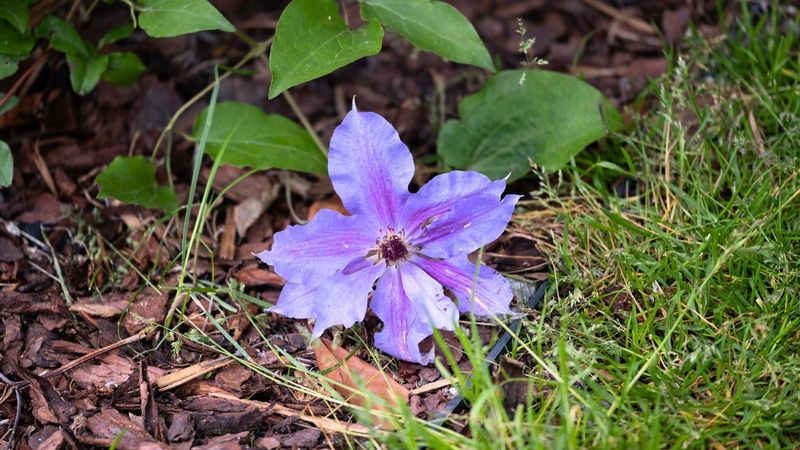
Clematis has a well-known preference for having its roots shaded and cool while its top growth reaches for full sun.
In Pennsylvania, where June temperatures can climb quickly and the soil in sunny garden beds warms up fast, keeping the root zone cool is one of the simplest things you can do to support a healthy, productive vine.
A layer of organic mulch applied around the base of the plant helps moderate soil temperature, slow moisture evaporation, and reduce competition from weeds that would otherwise compete for water and nutrients.
Wood chips, shredded bark, or composted leaves all work well.
Aim for a depth of about two to three inches, keeping the mulch pulled back slightly from the base of the stems to allow for airflow and reduce the risk of stem rot near the crown.
Flat stones or pavers placed near the base of the vine are another traditional method for shading the root zone, and they can add a decorative element to the garden at the same time.
In Pennsylvania perennial borders where clematis grows alongside other plants, the foliage of neighboring low-growing perennials can also provide natural shade to the root zone.
Whatever method you choose, the goal is the same: keep the soil from heating up too quickly on warm summer days, which can stress the vine and affect its ability to produce strong new growth and buds.
7. Keep Soil Moist But Well Drained
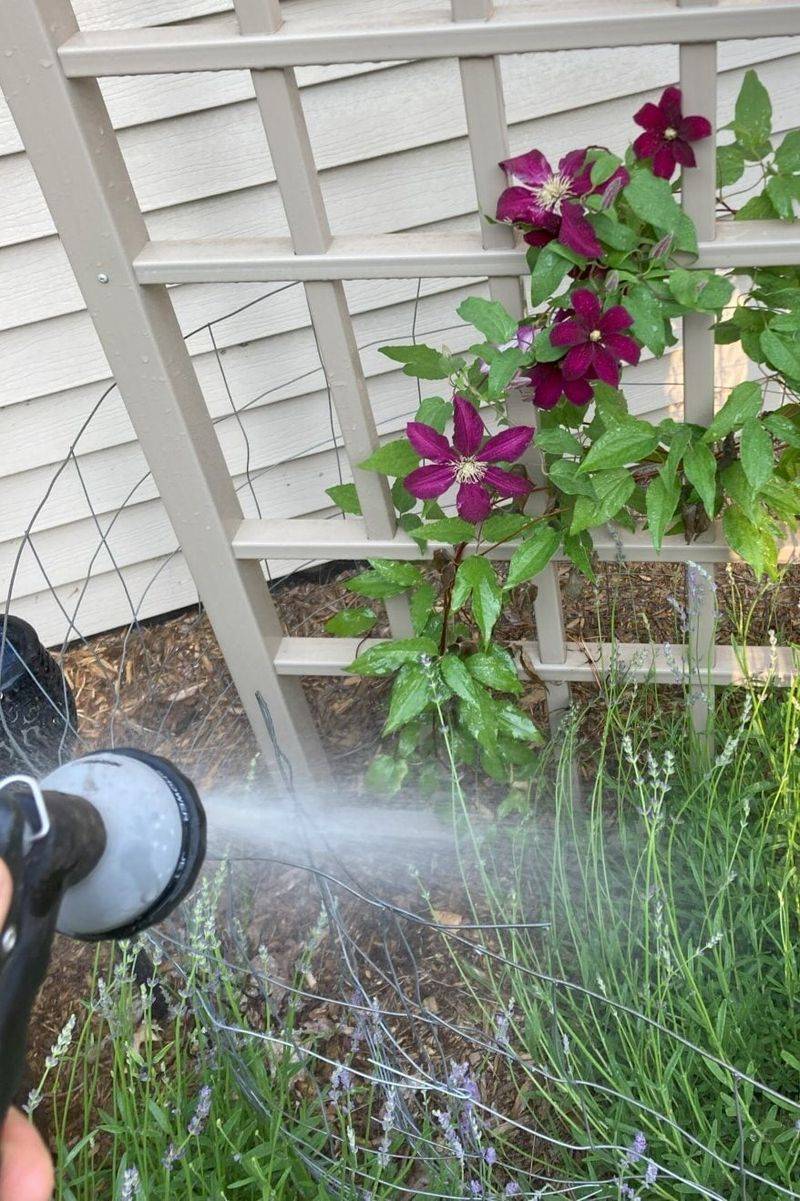
Watering clematis sounds straightforward, but getting the balance right matters more than many gardeners realize.
Pennsylvania summers can swing between extended dry spells and heavy rainstorms, and clematis does not handle either extreme particularly well when the soil conditions are not right.
Consistent moisture at the root zone encourages steady growth and helps the vine develop the energy reserves it needs to produce blooms.
During dry stretches, which are common across much of Pennsylvania from late June through August, deep watering a few times per week tends to serve the plant better than light daily sprinkles that barely reach the root zone.
Watering at the base of the plant rather than overhead also helps reduce moisture on the foliage, which can contribute to fungal issues in humid weather.
At the same time, clematis roots do not tolerate sitting in waterlogged soil for extended periods. If your planting site tends to hold water after heavy rain, improving drainage before planting or raising the bed slightly can help significantly.
In containers on Pennsylvania patios and decks, using a well-draining potting mix and pots with adequate drainage holes is especially important since containers can dry out faster than in-ground plantings and also have less buffer against overwatering.
Checking soil moisture an inch or two below the surface before watering gives a more reliable reading than checking the surface alone.
8. Watch For Wilt And Powdery Mildew
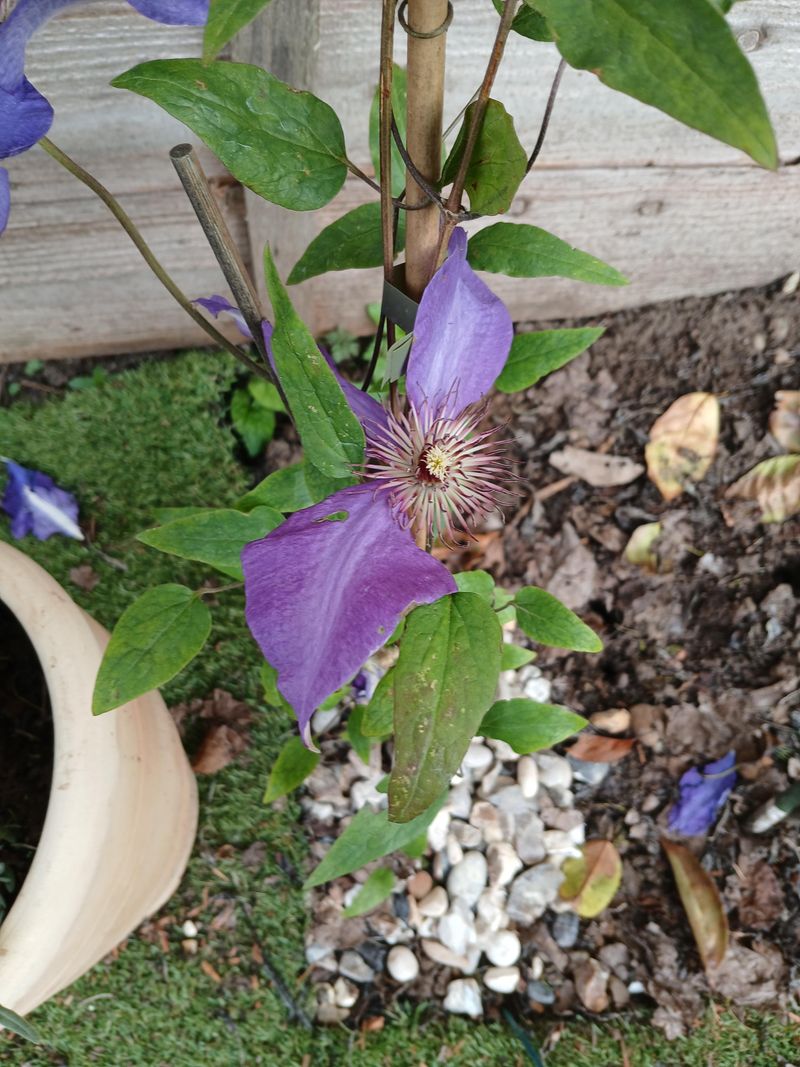
Late June in Pennsylvania brings the kind of warm, humid weather that clematis wilt and powdery mildew both tend to favor.
Catching these problems early gives the plant a much better chance of recovering and continuing to grow through summer without losing significant ground.
Clematis wilt shows up as a sudden collapse of one or more stems, often appearing as if the affected shoot simply ran out of water overnight. It tends to affect younger plants and large-flowered varieties more than established vines or small-flowered types.
When you spot a wilted stem, cut it back to healthy tissue at or just below the soil line and dispose of the affected material rather than leaving it around the plant.
The root system of an established plant often remains healthy and can push out new growth in time.
Powdery mildew looks like a pale, dusty coating on the leaves and tends to appear during periods of warm days and cooler nights with poor airflow around the vine.
Keeping the vine well spaced on its support, avoiding overhead watering, and removing affected leaves promptly can help slow its spread.
In Pennsylvania gardens where humidity lingers through summer evenings, choosing mildew-resistant clematis varieties when adding new plants to the garden is a practical long-term strategy.
Consistent monitoring through the season makes it easier to respond quickly before either issue becomes widespread.