The Pennsylvania Privet Replacement That Creates Better Privacy And Never Needs Replacing
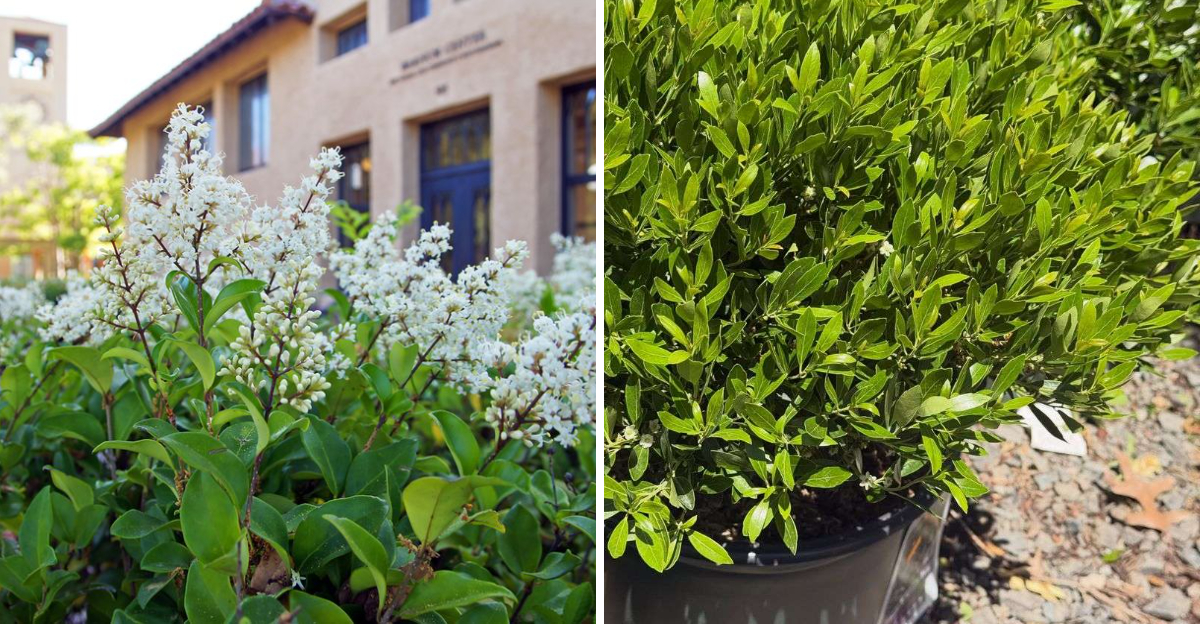
Privet seemed like the perfect privacy solution for decades. Fast growing, dense, and easy to find at any garden center.
Pennsylvania homeowners planted it along borders and property lines by the thousands, and for a while it delivered exactly what they wanted. Then came the problems.
The invasive spreading, the ecological damage, and now its addition to Pennsylvania’s noxious plant list. So what do you plant instead?
Not just any replacement will do. The goal was always reliable, dense privacy, and whatever takes privet’s place needs to actually deliver on that promise without creating new problems down the line.
Most people don’t want to replant their privacy hedge every decade. They want something that goes in, gets established, and just keeps working year after year.
There is one Pennsylvania native that fits that description better than anything else currently available.
It grows with purpose, provides genuine privacy, supports wildlife generously, and once it’s established it takes care of itself. Here’s the privet replacement that actually delivers everything privet promised and more.
The Pennsylvania Privet Replacement That Creates Better Privacy
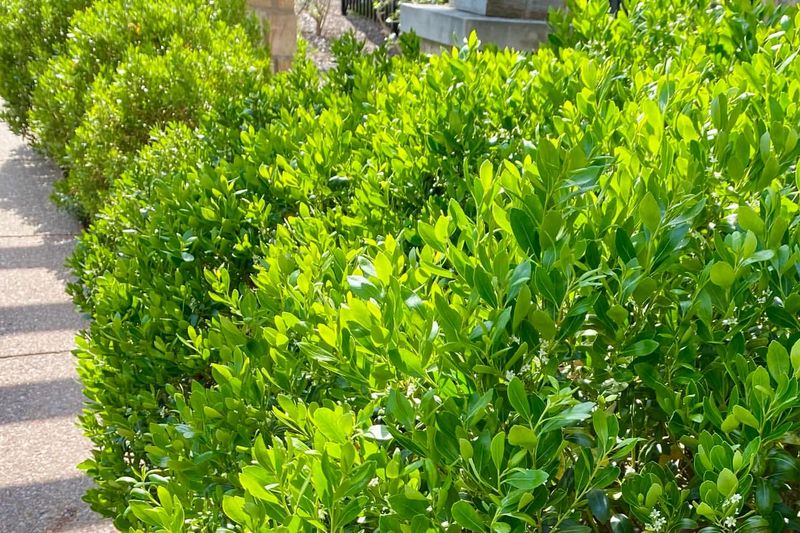
Meet the shrub that quietly outperforms privet without any of the drama. Inkberry holly, known by its botanical name Ilex glabra, is a native evergreen shrub that grows naturally across the eastern United States, including right here in Pennsylvania.
Homeowners who have made the switch almost always say they wish they had done it sooner.
Unlike privet, inkberry holly stays where you plant it. It does not send seeds flying into neighboring yards or wild areas.
That alone makes it a much more responsible choice for any property owner who cares about their local environment.
The shrub grows in a rounded, upright shape that fills in beautifully along a fence line or property edge. Its leaves are glossy, dark green, and stay on the plant through winter.
That means your privacy screen works all twelve months of the year, not just during the growing season.
Inkberry holly also supports local wildlife in ways that privet simply cannot match. Native bees visit its small white flowers in spring.
Birds flock to the dark berries in fall and winter. You get a hedge that does real ecological work while also making your yard look polished and intentional.
Many Pennsylvania nurseries now carry popular compact cultivars like Shamrock and Gem Box. These varieties stay shorter and denser than the wild species, making them ideal for managed hedges.
If you have been looking for a hedge plant that is tough, native, and genuinely beautiful, inkberry holly is exactly the answer you have been searching for.
Why Privet Is A Problem In Pennsylvania Yards
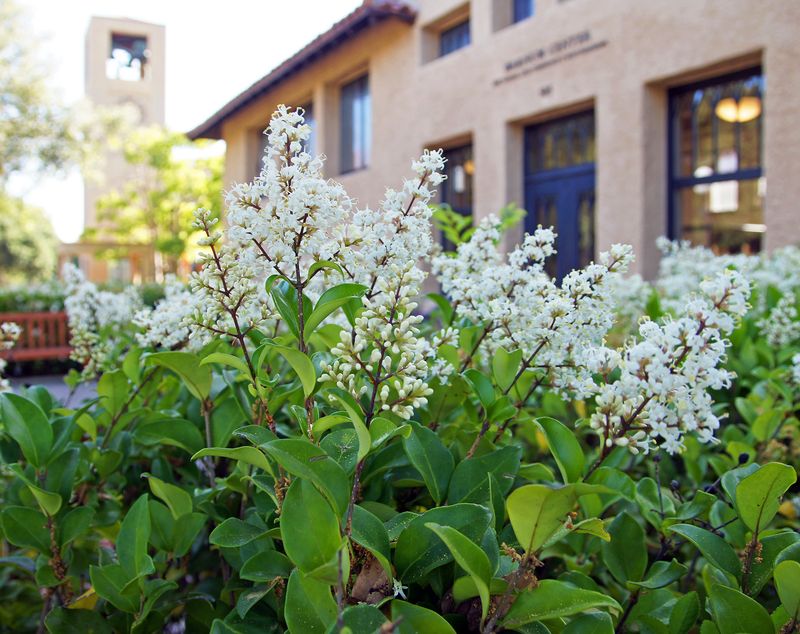
Privet has a reputation for being tough and fast-growing, and that reputation is not wrong. But fast and tough are not always good qualities in a landscape plant.
In Pennsylvania, both Japanese privet and border privet have been flagged as potentially invasive shrubs that can escape cultivated areas and spread into natural spaces.
Your Pennsylvania Garden Changes Every Week. Your Plan Should Too.
Gardening in Pennsylvania changes quickly throughout the season. Every Friday you’ll receive a simple weekly plan showing exactly what to plant, prune, fertilize, harvest, and protect so you never miss the right timing.
Birds eat the berries and carry seeds into woodlands, meadows, and stream banks. Once privet takes hold in a natural area, it crowds out native plants that wildlife depends on. The problem tends to grow quietly until it becomes very difficult to manage.
Even within a yard, privet can be frustrating to maintain. It grows quickly but unevenly, often getting leggy at the base while the top stays full.
That means you end up with a hedge that looks thin at eye level, which is exactly where you need privacy the most.
Privet also drops its leaves in cold winters, which is a real problem for anyone relying on it as a year-round screen. You spend months looking at a row of bare sticks while your yard sits exposed.
That is not the privacy solution most homeowners have in mind when they plant a hedge. Pennsylvania gardeners are increasingly aware of these issues. Many county extension offices and native plant organizations now actively discourage planting privet.
The good news is that replacing it with a native alternative like inkberry holly is not complicated. You get better privacy, better ecological value, and a shrub that behaves itself season after season without causing problems beyond your fence line.
How Inkberry Holly Creates Year-Round Screening
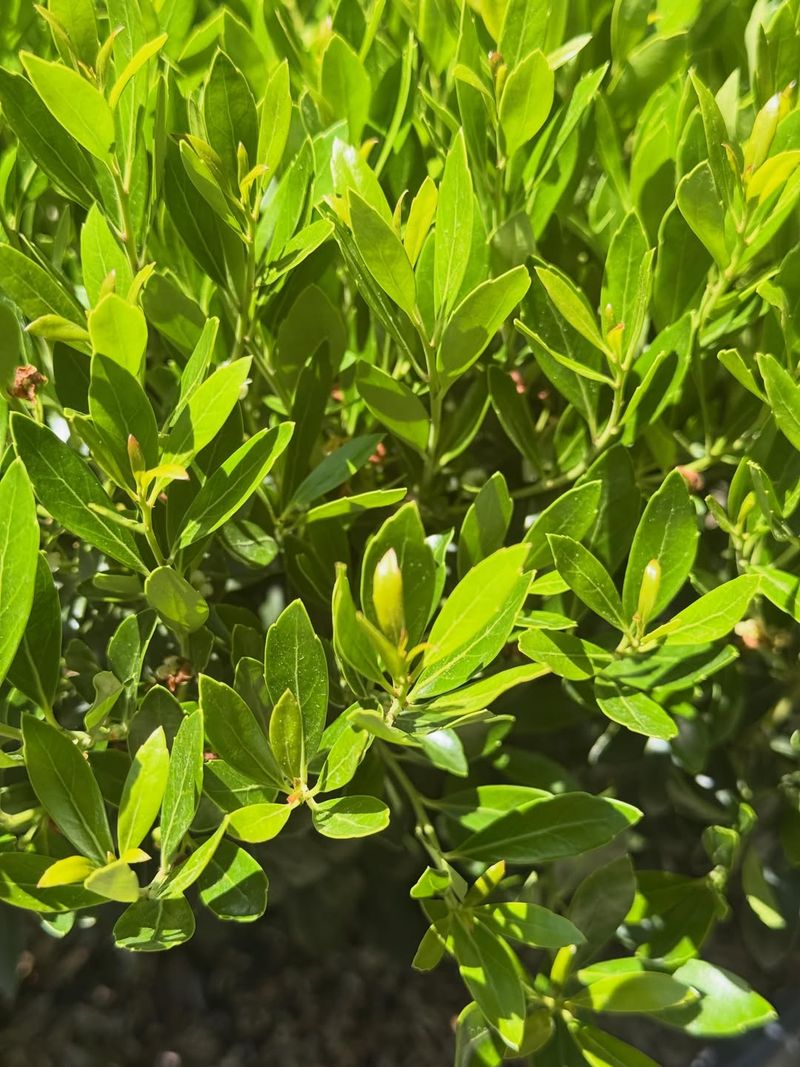
One of the biggest selling points of inkberry holly is something simple but powerful: it stays green all year.
While privet and many other common hedge plants go bare in winter, inkberry holly holds its glossy dark leaves through snow, ice, and cold Pennsylvania winds. Your privacy screen never disappears when the temperature drops.
The foliage is dense enough that even a young hedge starts providing real screening within two to three growing seasons. As the shrubs mature, they knit together along the base and top, creating a solid green wall with very few gaps.
That kind of coverage is hard to achieve with many other hedge plants without constant shaping.
Inkberry holly works beautifully along property lines, which is its most obvious use. But it also performs well in other spots where privacy matters.
Along a patio edge, it softens the view from the street without blocking airflow. Near a driveway, it creates a clean boundary that looks intentional and polished. Along a front walk, it frames the entry without overwhelming it.
Foundation planting is another strong option, especially on the shadier sides of a home. Inkberry holly tolerates part shade better than many evergreen shrubs, so it fills in spots where other plants struggle to thrive.
The shrub also has a naturally tidy growth habit that reduces the need for heavy pruning. You can shape it lightly each year to keep it neat, but it will not go wild between trimmings.
For homeowners who want a reliable, good-looking screen without a lot of fuss, inkberry holly is genuinely hard to beat.
Where Inkberry Holly Grows Best
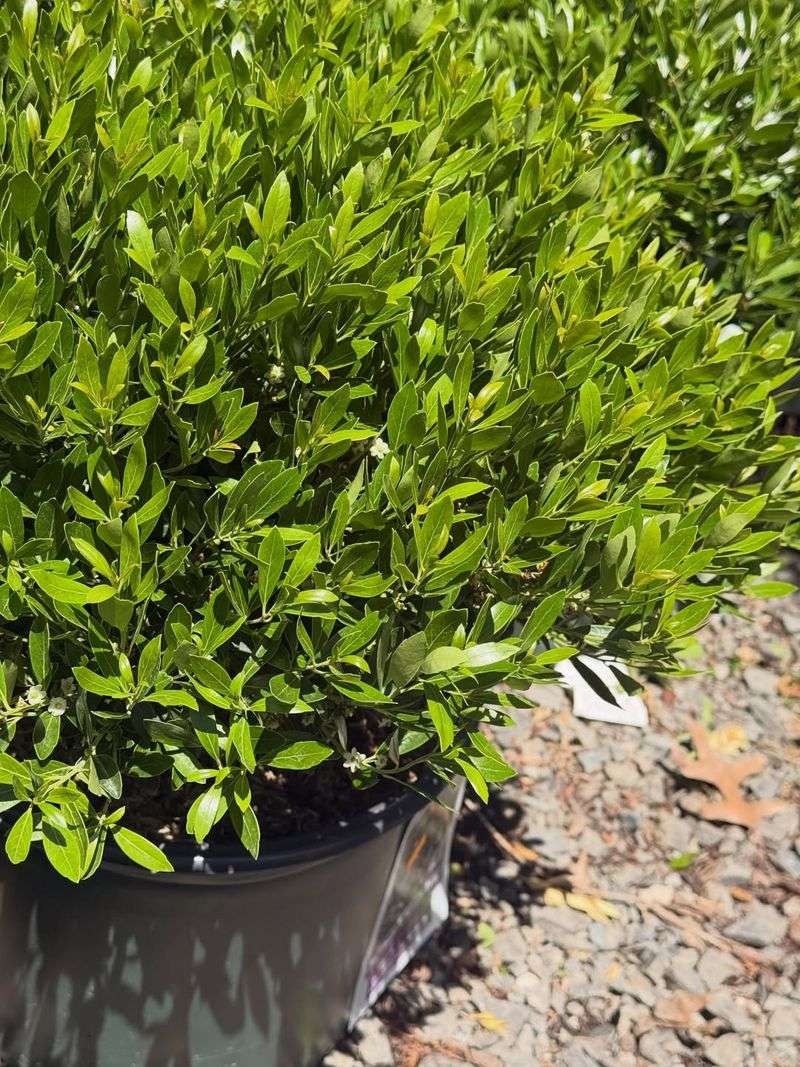
Knowing where to plant inkberry holly is just as important as deciding to plant it. Get the location right and this shrub practically takes care of itself.
Choose the wrong spot and you will spend years fighting a losing battle trying to make it thrive.
Inkberry holly performs best in moist, acidic, well-drained soil. It naturally grows along stream banks, pond edges, and woodland borders in the wild, so it is built for conditions that other shrubs might find challenging.
If your yard has a low spot that stays a little damp after rain, inkberry holly will likely love it there.
Rain garden edges are one of the best spots to use this shrub in a Pennsylvania landscape. It handles periodic flooding followed by dry spells, which is exactly the cycle a rain garden creates. Not many attractive evergreen shrubs can say the same.
Full sun is ideal for the densest growth and the most berries. However, inkberry holly also handles part shade quite well, making it one of the more flexible native shrubs available to Pennsylvania gardeners.
Spots that receive morning sun and afternoon shade are perfectly acceptable planting sites.
Soil pH matters more than many homeowners realize. Inkberry holly prefers a pH between 4.5 and 6.0.
If your soil is more alkaline, the leaves may turn yellow and the plant will struggle. A simple soil test from your local cooperative extension office can confirm your pH before you plant.
Woodland borders and areas near mature trees are also excellent locations, as long as the shrubs receive enough light to stay full and healthy through each growing season.
How To Keep An Inkberry Hedge Looking Full
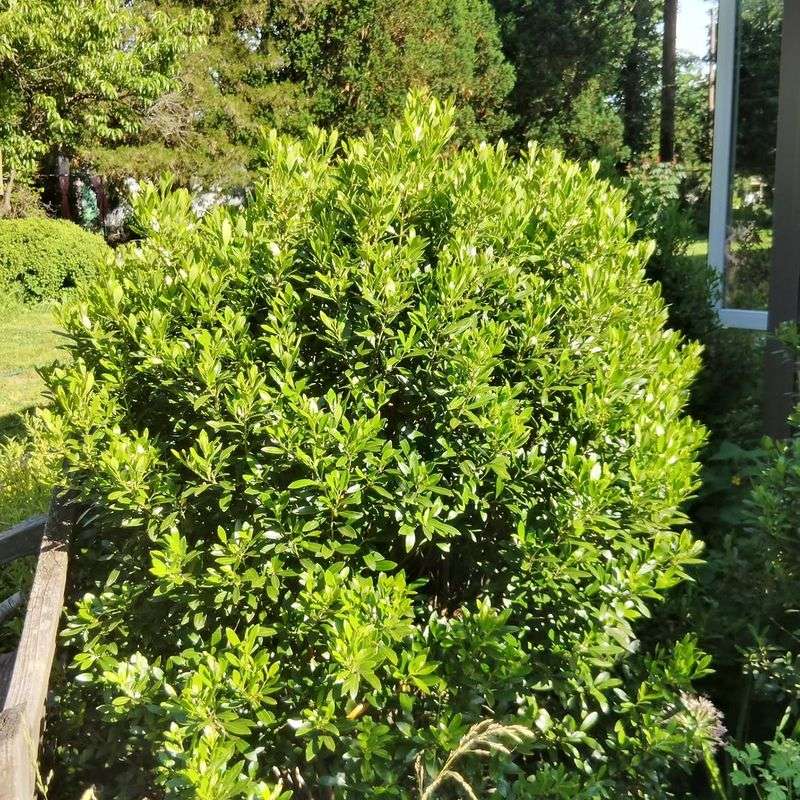
A healthy inkberry hedge does not happen by accident. A little planning and consistent care in the early years makes a big difference in how full and attractive your hedge looks long-term.
The good news is that the care routine is straightforward and easy to follow even for beginner gardeners.
Start by spacing your shrubs correctly. For a solid privacy hedge, plant inkberry holly about three to four feet apart on center.
This spacing allows the shrubs to grow together over time without competing too aggressively for water and nutrients. Closer spacing creates a faster screen, but slightly wider spacing still works well if you are patient.
Water deeply and consistently during the first two growing seasons. Inkberry holly is drought-tolerant once established, but young plants need reliable moisture to develop strong root systems.
A slow, deep watering once or twice a week during dry spells is much more effective than frequent shallow watering.
Mulch is your best friend when establishing a new hedge. Apply a two to three inch layer of shredded bark or wood chip mulch over the root zone of each shrub.
Mulch keeps moisture in the soil, regulates temperature, and reduces weed competition all at once.
Prune lightly each spring just before new growth begins. Remove any long, straggly stems that are making the hedge look uneven. Avoid heavy shearing, which can make the base of the hedge go thin and bare over time.
Choosing compact cultivars like Shamrock, Gem Box, or Nigra from the start gives you a naturally neater hedge that needs far less corrective pruning as the years go by.
Why It Is Worth Planting Instead Of Replacing Later
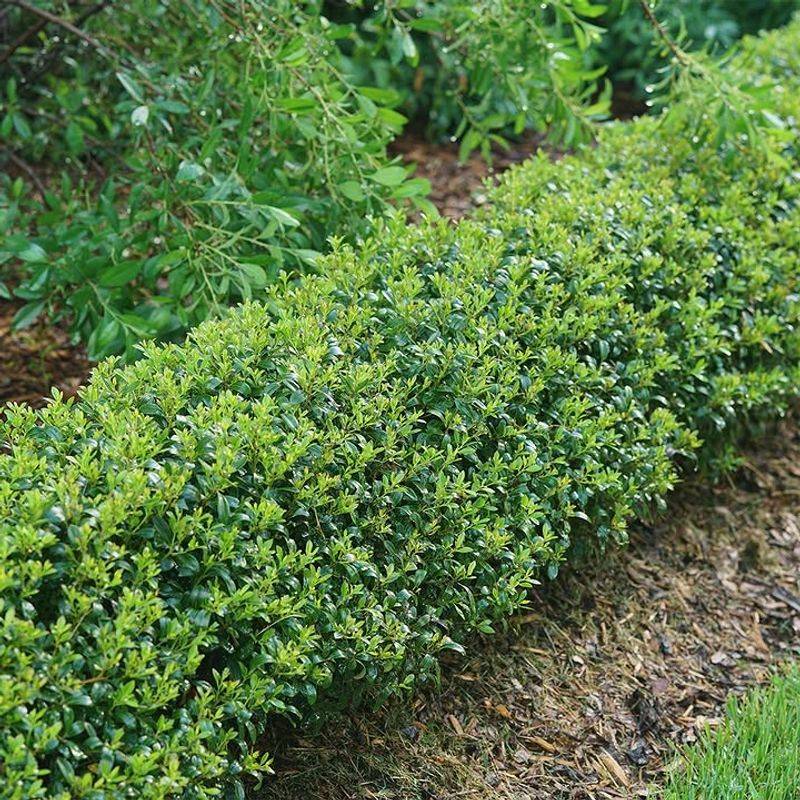
Planting the right shrub once is always better than planting the wrong one and replacing it later. That simple truth is exactly why inkberry holly deserves a serious look from any Pennsylvania homeowner thinking about a new privacy hedge.
It is a long-term solution, not a quick fix that creates new problems down the road.
Privet might seem like an easy choice because it is cheap and fast. But fast growth paired with invasive tendencies means you eventually spend more time and money managing a problem than enjoying a hedge.
Inkberry holly grows at a moderate pace and stays exactly where you put it, which means your investment compounds over time rather than creating headaches.
The wildlife value of inkberry holly is something that genuinely sets it apart. Native bees pollinate its flowers.
Hermit thrushes, cedar waxwings, and other songbirds rely on the berries during fall and winter migration. Planting a row of inkberry holly along your yard edge turns a simple privacy screen into a small but meaningful habitat corridor.
Evergreen structure through the winter months adds real value to your landscape even when everything else is bare. Neighbors and visitors notice a hedge that stays green and full in January just as much as they notice one in July.
Inkberry holly is not completely maintenance-free, and no honest gardener would claim otherwise. It needs proper siting, occasional pruning, and some attention during establishment.
But once it is settled in the right spot, it rewards you with decades of reliable privacy, seasonal beauty, and ecological value that privet simply cannot provide.