The Michigan Perennial That Self-Seeds So Aggressively You’ll Never Buy Another Flat Of Annuals
There is a certain satisfaction that comes from a plant that genuinely takes care of its own continuation without any help from you.
Michigan gardeners who have discovered this particular perennial know exactly what that feels like, because once it is established in a bed, it produces new seedlings every season with a reliability that makes buying annuals feel completely unnecessary.
It fills gaps, moves into spots you would have planted intentionally anyway, and does all of this while handling Michigan winters without any protection.
The seedlings it produces are vigorous and fast to establish, which means bare soil in your garden stays bare for a very short time.
For gardeners who want maximum visual coverage with minimum ongoing investment, this plant changes the entire math of how a garden gets filled each spring.
1. Wild Bergamot
Most gardeners spend spring weekends hauling flats of annuals from the nursery, only to repeat the whole process next year.
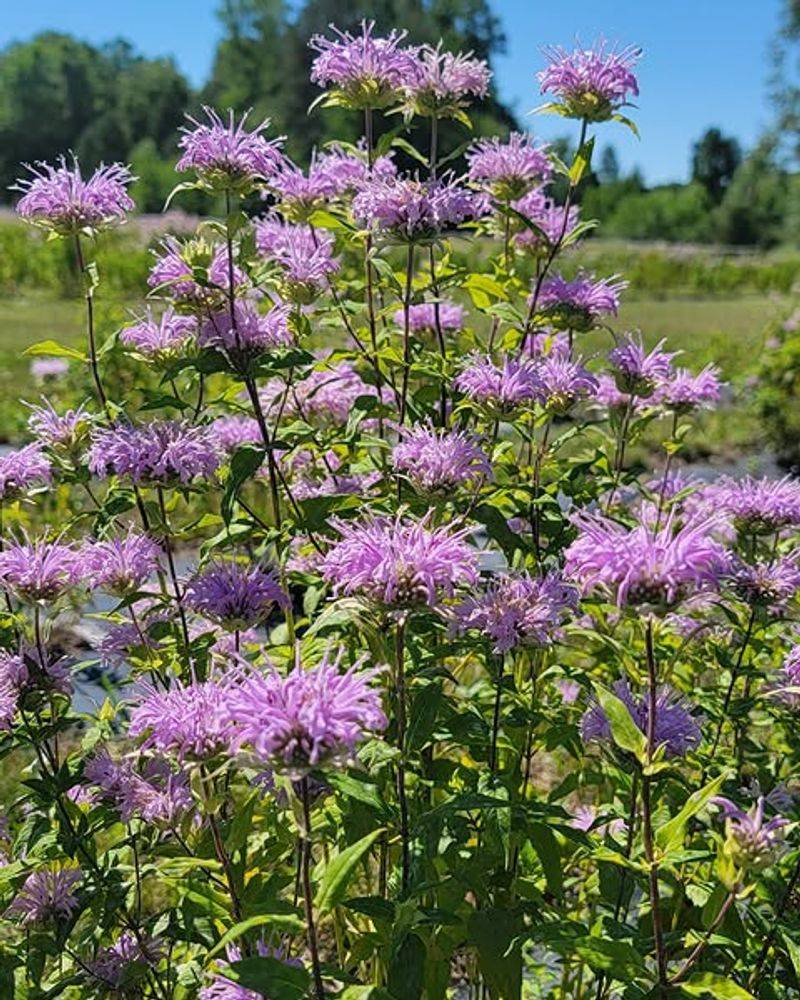
Wild bergamot, or Monarda fistulosa, flips that routine completely on its head.
This native Michigan perennial grows back every single year and spreads on its own through self-seeding, meaning your garden gets fuller and more colorful with almost no effort from you.
Native to much of North America, wild bergamot has been growing across Michigan’s prairies, meadows, and open woodlands for centuries.
It belongs to the mint family, which partly explains its strong, pleasant herbal scent and its tough, resilient nature.
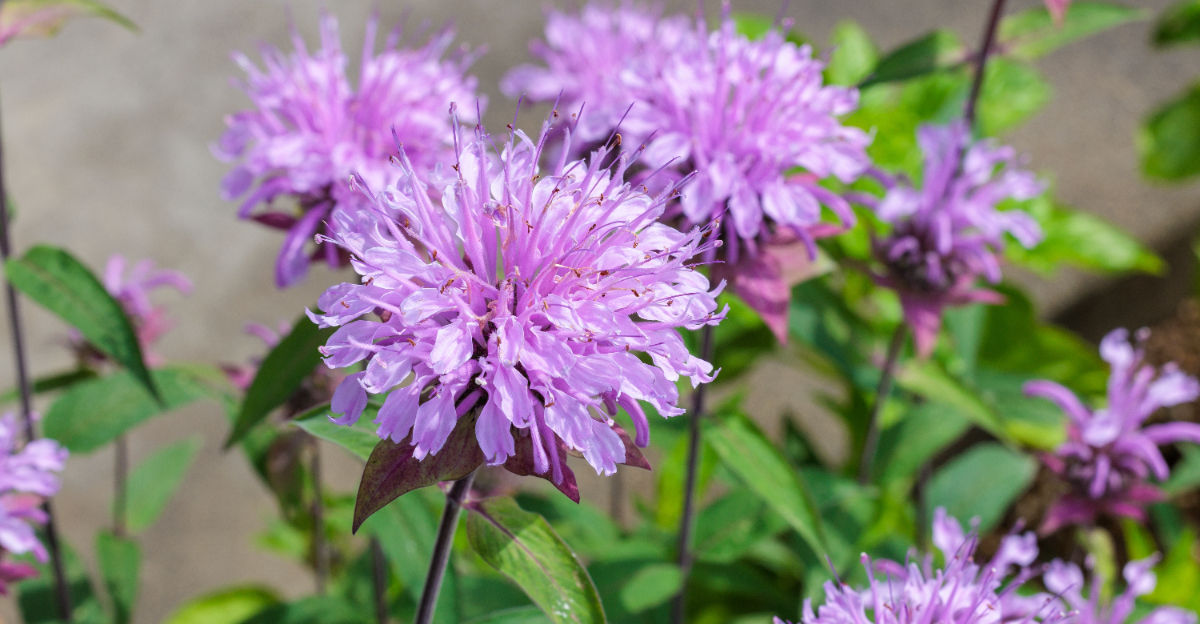
Reaching heights of two to four feet, it produces clusters of lavender-pink tubular flowers that bloom from July through September, creating a soft, wildflower-meadow look that feels both natural and intentional.
What really sets wild bergamot apart from typical garden plants is how generously it self-seeds. After the blooms fade, the seed heads dry out and scatter seeds across nearby soil.
Those seeds germinate the following spring, filling gaps in your garden beds without you lifting a finger.
Over two or three seasons, a single plant can become a full, dense colony that looks like you planned it that way all along.
For homeowners who want a low-effort, high-reward garden, wild bergamot is genuinely one of the best investments you can make.
Plant it once, and it essentially replants itself for years to come, saving you both money and weekend trips to the garden center.
2. Attracts Pollinators While Self-Seeding All Season Long
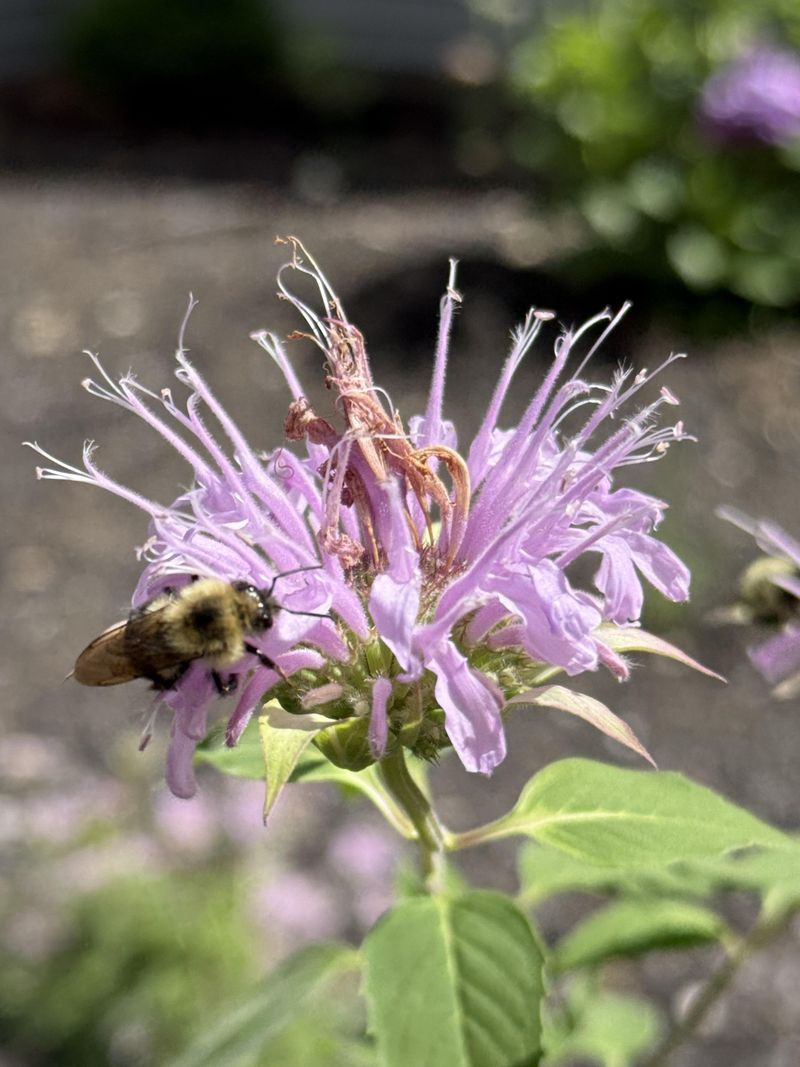
Watching a garden buzz with bees, flutter with butterflies, and occasionally shimmer with a hummingbird is one of the best rewards any gardener can ask for.
Wild bergamot delivers exactly that, and it does so season after season thanks to its self-seeding habit.
The lavender-pink blooms act like a magnet for pollinators, drawing in species that benefit your entire yard, not just the bergamot itself.
Bumblebees are among the most frequent visitors, drawn in by the tubular flower shape that perfectly fits their body size.
Native bees, honeybees, and sweat bees also flock to the blooms. Monarch butterflies, swallowtails, and skippers regularly stop by throughout the summer, making wild bergamot one of the most pollinator-rich plants you can grow in Michigan.
Your Michigan Garden Changes Every Week. Your Plan Should Too.
Gardening in Michigan changes quickly throughout the season. Every Friday you’ll receive a simple weekly plan showing exactly what to plant, prune, fertilize, harvest, and protect so you never miss the right timing.
Hummingbirds, particularly ruby-throated hummingbirds, are also attracted to the flower’s nectar and color. Here’s where the self-seeding habit becomes even more valuable.
As new plants sprout from scattered seeds each spring, your pollinator habitat grows larger year after year without any replanting on your part.
A garden with more wild bergamot plants means more blooms open at slightly different times, extending the window during which pollinators have access to food.
That staggered bloom effect is something you simply cannot replicate as efficiently by buying new annuals each season. Supporting pollinators has never been easier or more rewarding.
Wild bergamot turns your yard into a living ecosystem that thrives, expands, and feeds wildlife all on its own natural schedule.
3. Thrives In Michigan Soil Conditions Most Plants Struggle With
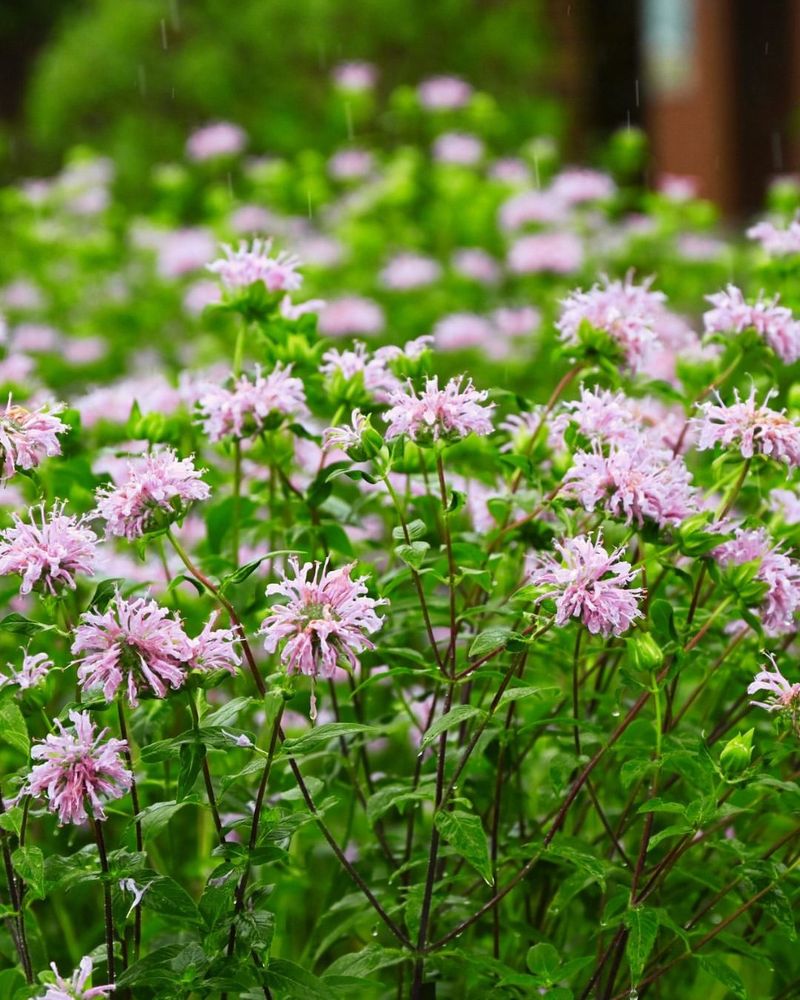
Michigan gardeners know that soil can be tricky. Depending on where you live in the state, you might be dealing with heavy clay near the Great Lakes, sandy loam in the Lower Peninsula, or rocky, mixed soils in the Upper Peninsula.
The good news is that wild bergamot handles all of it remarkably well, which makes it one of the most adaptable native plants you can grow here.
In clay soils, wild bergamot establishes roots that tolerate poor drainage better than most ornamental plants.
In sandy soils, it still manages to pull enough moisture and nutrients to grow strong and bloom reliably.
Loamy soils, the easiest to work with, produce the most vigorous plants and the most generous self-seeding.
Across all three soil types, the key is making sure the plant gets enough sunlight, which is where long summer days work in your favor. Wild bergamot performs best in full sun, meaning at least six hours of direct sunlight daily.
It also tolerates partial shade, though plants in shadier spots may grow taller and leaner as they reach toward the light, and self-seeding may be slightly less aggressive.
For the densest, most colorful stands, choose a spot with good sun exposure and average to dry soil conditions rather than constantly wet ground.
Understanding your specific Michigan soil type helps you place wild bergamot where it will thrive most.
Once it settles in, it adapts naturally and begins building the self-sustaining colony that makes this plant so special for local gardeners.
4. Low Maintenance Once It Gets Going In Your Garden
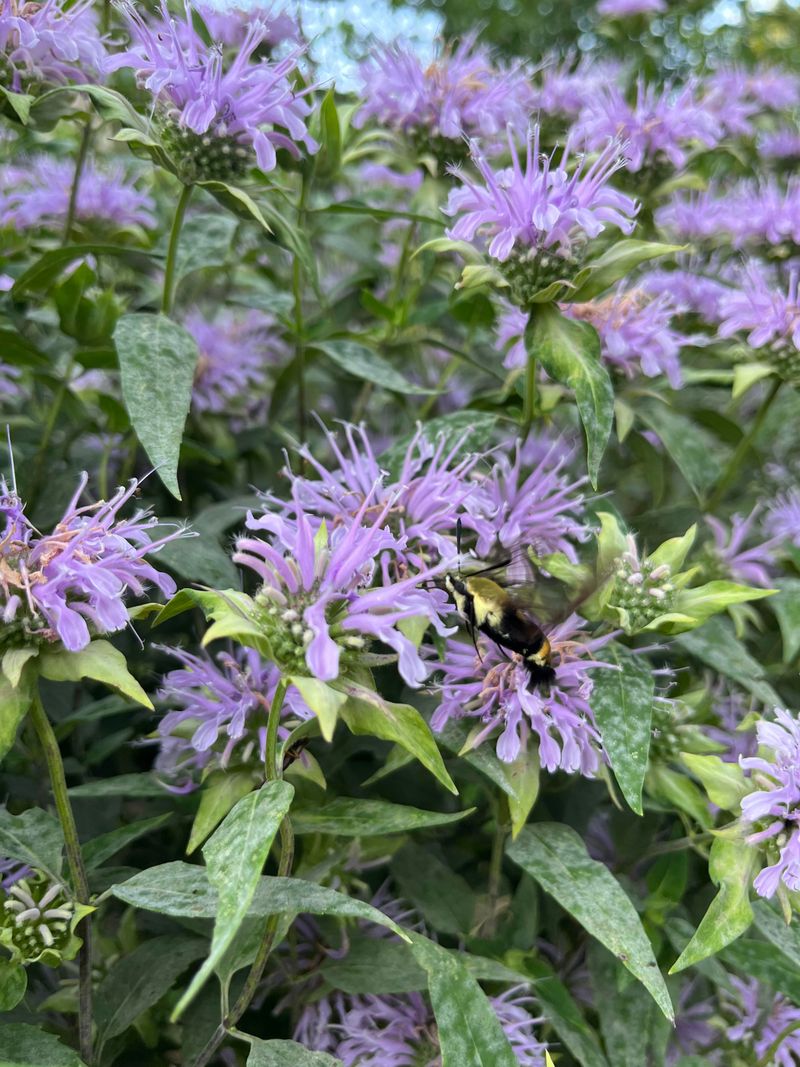
There is something deeply satisfying about a plant that simply handles itself. Wild bergamot is exactly that kind of plant.
Once it establishes itself in your garden, usually by the end of its first full growing season, it requires remarkably little from you.
No weekly watering schedule, no monthly fertilizing routine, and no replanting every spring. It just grows, blooms, and seeds itself with minimal intervention.
During its first year, some light watering helps wild bergamot develop a strong root system, especially during dry spells in Michigan summers.
After that, established plants are highly drought-tolerant and rarely need supplemental water unless you experience an unusually long dry stretch.
Fertilizing is generally unnecessary and can actually work against you by encouraging leafy growth at the expense of blooms and seeds.
Wild bergamot prefers lean, average soil conditions where it naturally stays compact and productive.
One simple maintenance task that does help is cutting the plants back to about six inches in late fall or early spring.
This tidies up the garden and allows new seedlings to emerge without competing against last year’s dry stems.
You can also leave the seed heads standing through winter, which gives birds a food source and lets seeds naturally scatter before you cut everything back.
For gardeners tired of the constant cycle of buying, planting, and replacing annuals every single season, wild bergamot offers a genuinely refreshing alternative.
Plant it once, give it a little attention in year one, and then enjoy the rewards for many years without the annual nursery run.
5. A Blooming Season That Stretches From Summer Into Fall
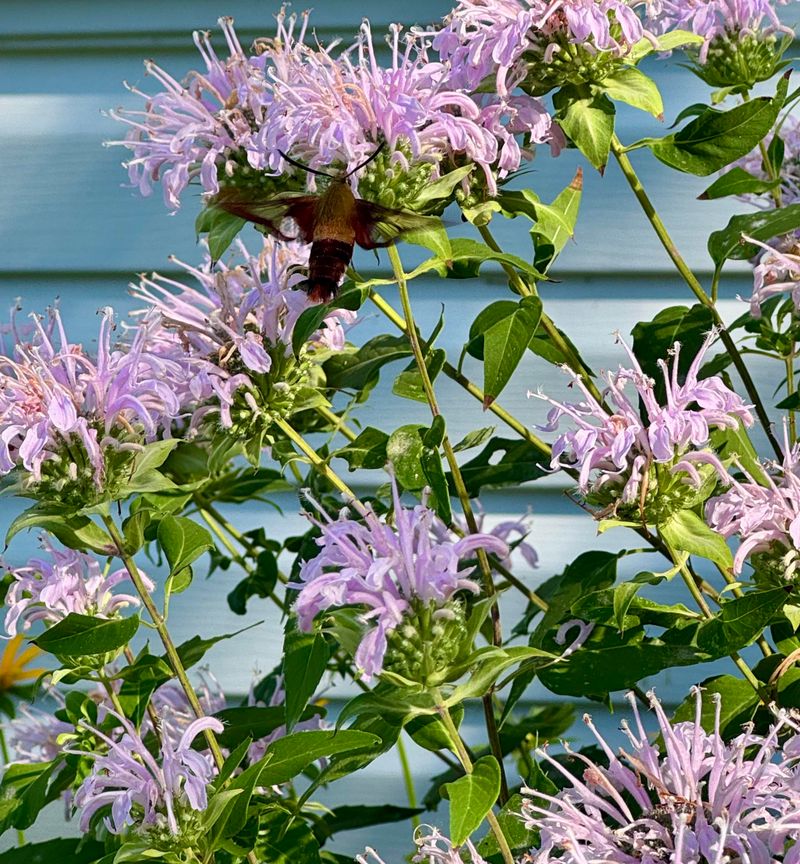
One of the most frustrating things about annuals is their short window of peak performance.
You plant them, they look great for a few weeks, and then you are already thinking about what to replace them with next season.
Wild bergamot takes a completely different approach, offering a long, generous bloom period that stretches from mid-summer all the way into early fall across most of Michigan.
Blooms typically open in early to mid-July and continue producing flowers through August and into September, depending on your specific location and weather conditions.
That is roughly eight to ten weeks of consistent color in your garden, which is longer than many popular annuals can manage.
The lavender-pink flower clusters appear at the tops of sturdy stems, creating a soft, airy look that complements both formal garden beds and naturalistic plantings equally well.
Because wild bergamot self-seeds so freely, new plants emerging in subsequent seasons may bloom at slightly different times than the parent plants, effectively extending the overall bloom window across your garden.
One cluster might peak in late July while a younger self-seeded plant nearby opens its flowers in mid-August.
That natural staggering creates a more dynamic and visually interesting display than a single planting of annuals ever could.
Cutting spent flower heads back by about a third during the blooming season can also encourage a fresh flush of new blooms in late summer.
Combined with the plant’s natural self-seeding rhythm, this simple technique helps keep your garden looking vibrant and full right up until the first frost arrives.
6. Spreads Gradually Without Taking Over Your Entire Yard
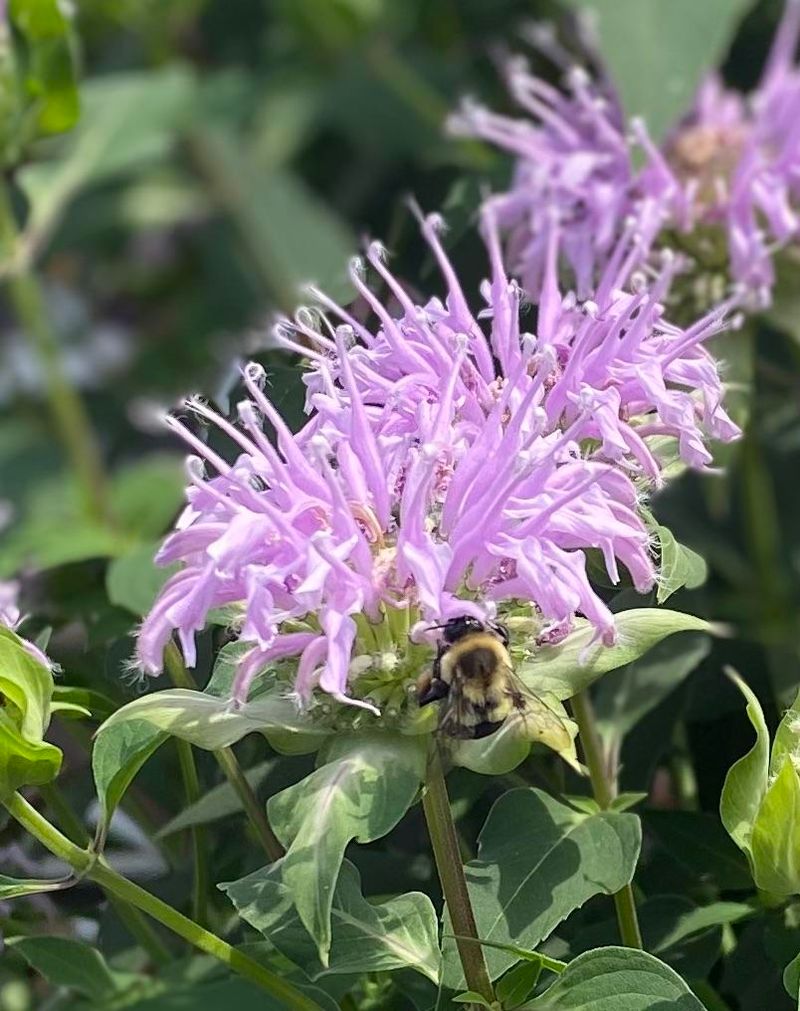
When gardeners hear that a plant self-seeds aggressively, the first worry is usually that it will take over everything and crowd out plants they actually want to keep.
Wild bergamot’s spreading behavior is far more manageable than that reputation might suggest.
Yes, it spreads enthusiastically, but it does so gradually and in a way that feels natural rather than invasive, especially in Michigan’s open garden settings.
Wild bergamot spreads through two main mechanisms. The first is self-seeding, where dried seed heads scatter seeds nearby as the wind moves the stems in fall.
The second is rhizome spreading, where underground stems slowly expand the plant’s footprint outward over several years. Both of these processes are relatively slow and easy to manage.
Seeds that land in unwanted spots can be pulled as seedlings before they establish, and rhizome spread can be controlled by dividing the plant every two to three years. Realistic spacing expectations help here.
In an average garden bed, a single wild bergamot plant might expand to cover a two to three foot diameter area through rhizomes over a few seasons.
Self-seeded plants may pop up within a few feet of the parent plant, gradually filling gaps in your border.
This creates a full, layered look over time without the aggressive takeover behavior you might see from plants like mint or creeping Jenny.
Planning your garden layout with wild bergamot’s spreading habit in mind makes everything easier.
Give it room to expand naturally, place it where you want density, and enjoy the way it fills in your borders with color and texture year after year.
7. Enhances Soil Health Every Single Season
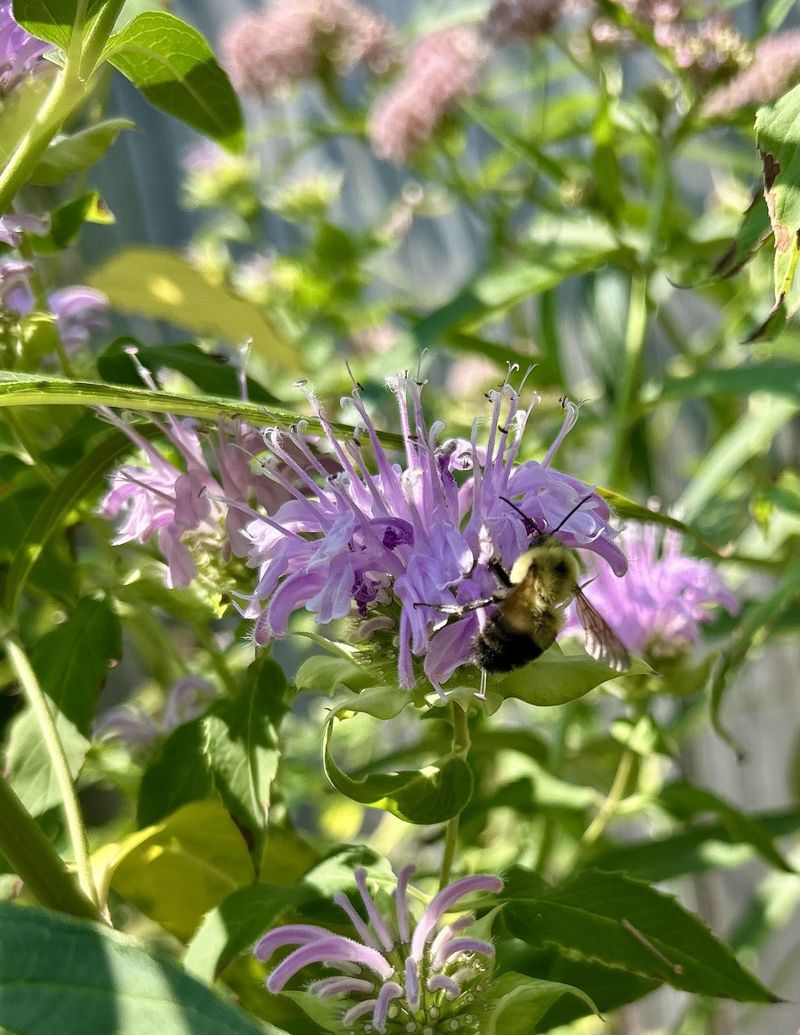
Healthy soil is the foundation of any thriving garden, and wild bergamot quietly contributes to building it every single year.
Most gardeners focus on what they add to their soil, like compost, fertilizer, or mulch, but wild bergamot does the work from the inside out, improving the ground it grows in simply by going through its natural life cycle.
As wild bergamot plants finish their growing season and the stems and leaves begin to break down, they contribute organic matter back into the surrounding soil.
This decomposed plant material improves soil structure over time, particularly in Michigan’s common clay soils where drainage and aeration are often problematic.
Better soil structure means better conditions for the very seedlings that wild bergamot drops each fall, creating a self-reinforcing cycle of growth and renewal. The plant’s root system also plays an important role.
Wild bergamot develops a fibrous network of roots that helps prevent soil erosion, especially on sloped garden beds or areas exposed to Michigan’s spring rains and snowmelt.
These roots also create channels in the soil as they grow and decay over seasons, improving water infiltration and making nutrients more accessible to neighboring plants.
Leaving the cut stems on the soil surface as a light mulch layer in fall is a simple way to accelerate this soil-building process.
The material breaks down over winter, adding nutrients just in time for spring seedling germination.
Over several seasons, the area where wild bergamot grows tends to develop noticeably richer, more workable soil that benefits everything planted nearby.
8. Companion Planting With Wild Bergamot Creates Stunning Native Borders
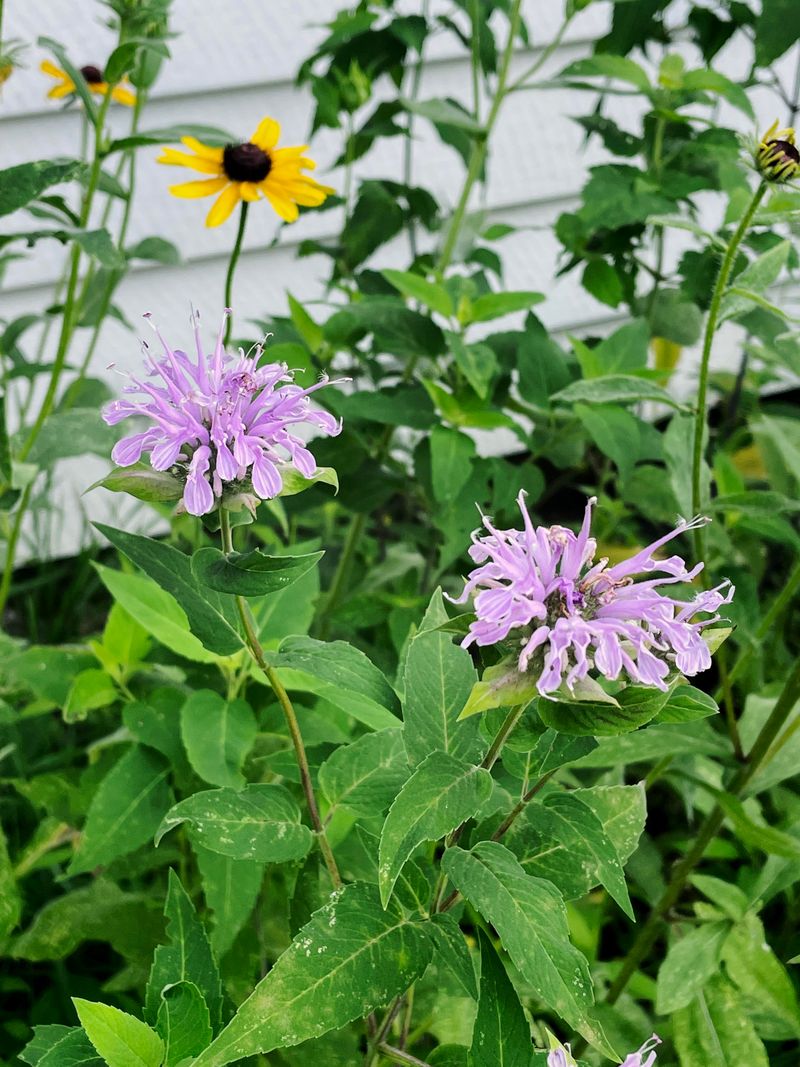
Pairing plants thoughtfully is one of the most rewarding skills a gardener can develop, and wild bergamot is one of the best team players in the Michigan native plant world.
Its mid-height structure, soft lavender-pink color, and generous self-seeding habit make it an ideal companion for a wide range of other native species, creating borders that look professionally designed while practically managing themselves.
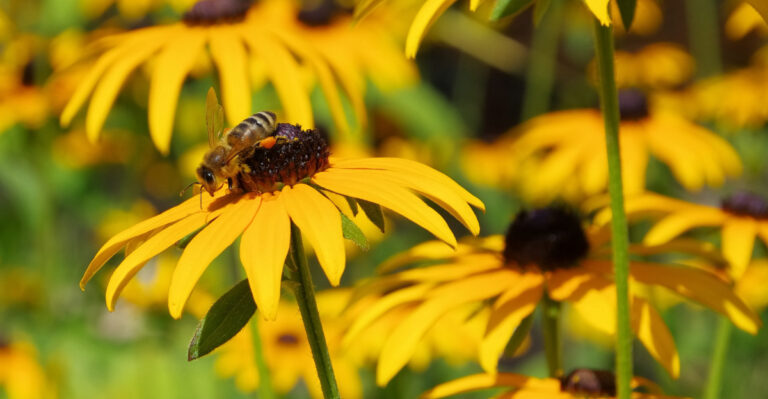
Black-eyed Susan is probably the most classic pairing with wild bergamot in Michigan gardens.
The bold yellow of the Susan flowers contrasts beautifully against bergamot’s lavender-pink, and the two plants bloom at overlapping times, keeping the border colorful from July through September.
Both are enthusiastic self-seeders, so the combination naturally fills in and renews itself season after season without any replanting from you.
Butterfly weed, a native milkweed species, adds a brilliant pop of orange to the mix and draws in monarch butterflies that also visit the bergamot blooms.
Planting these two together creates a pollinator corridor that supports the entire lifecycle of several butterfly species.
Northern bush honeysuckle is another strong companion, offering arching stems and yellow tubular flowers that echo the bergamot’s pollinator-friendly structure while adding height variation to the planting.
When you layer these Michigan natives together, the result is more than just a pretty border.
You create a functioning habitat where plants support each other, pollinators thrive, seeds scatter and germinate naturally, and the garden grows richer and more diverse with every passing year.
That kind of self-sustaining beauty is exactly what makes native plant gardening so deeply satisfying.