The Fence Line Habits That Create Tick Corridors Right Into Ohio Yards
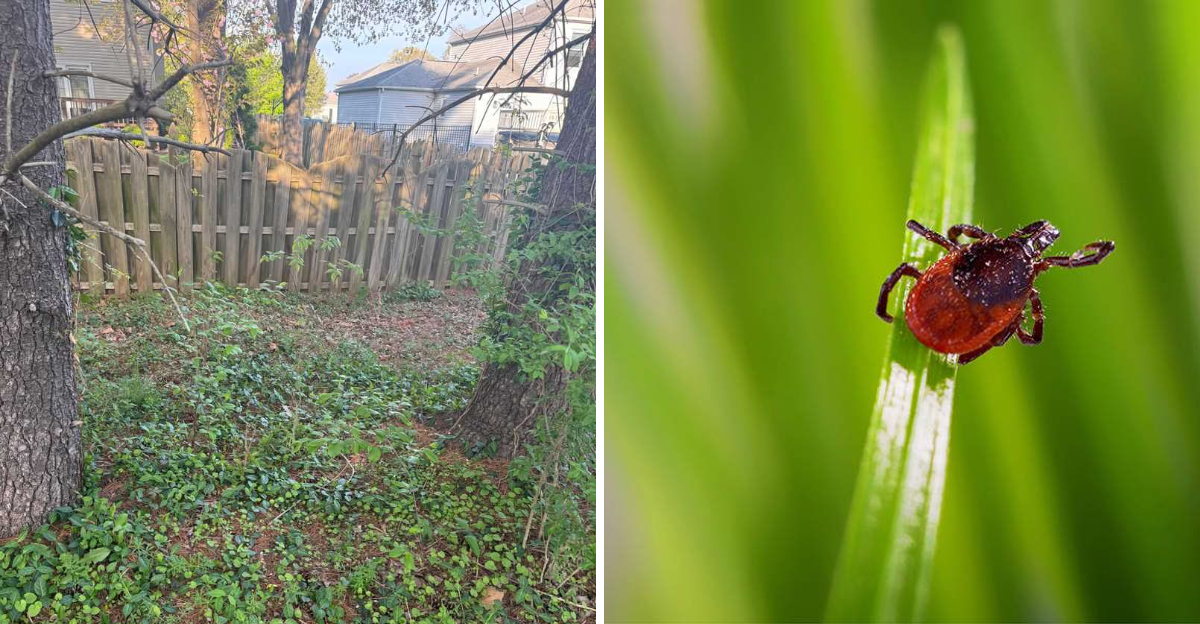
Ticks do not drop out of the sky. They move along the ground, strategically, following connected, humid, shaded pathways that keep them from drying out.
Ohio fence lines, the way most homeowners manage them, create exactly that kind of pathway and aim it straight at the yard. Most people think about ticks in terms of tall grass or wooded edges.
The fence line rarely comes up. That is exactly why it keeps creating problems season after season without anyone connecting the dots.
What grows along a fence matters. How it is maintained matters.
How much shade and moisture it holds, and how it connects to the surrounding landscape, all factor into how inviting that corridor becomes for ticks.
A few changes to how Ohio fence lines are managed can interrupt that pathway in ways that make a real difference through the rest of tick season.
1. Letting Tall Grass Hide Along The Fence
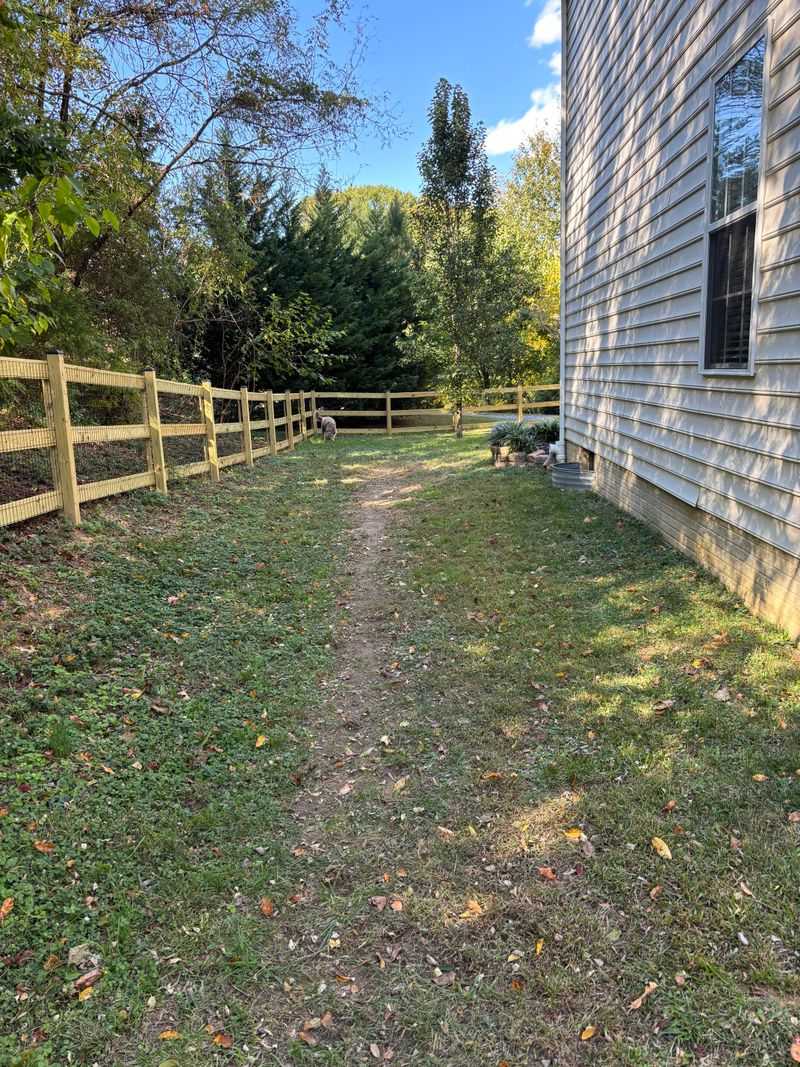
The middle of the lawn may look clean while the fence base quietly grows into a shaded strip that rarely sees the mower blade. Grass tends to get tall near fence posts because the mower cannot always reach those tight spots.
That strip of tall grass stays cooler and holds more moisture than the open lawn around it, especially on the shaded side of a fence.
Ticks are more comfortable in that kind of environment. According to Ohio State University Extension, ticks tend to stay in areas with tall vegetation, leaf litter, and shaded edges rather than sunny, dry, open turf.
A narrow strip of uncut grass along a fence may seem harmless, but it can provide the kind of cover ticks prefer when moving from wild areas toward maintained lawn space.
Trimming fence edges regularly makes a noticeable difference. String trimmers work well for those hard-to-reach spots near posts and corners.
Pay extra attention near gates, pet paths, and areas where children play. Keeping that edge low and open does not remove all risk, but it does reduce the sheltered conditions that make fence lines attractive resting spots.
Pair trimming with regular tick checks after spending time in the yard.
2. Leaving Leaf Litter Piled At The Base
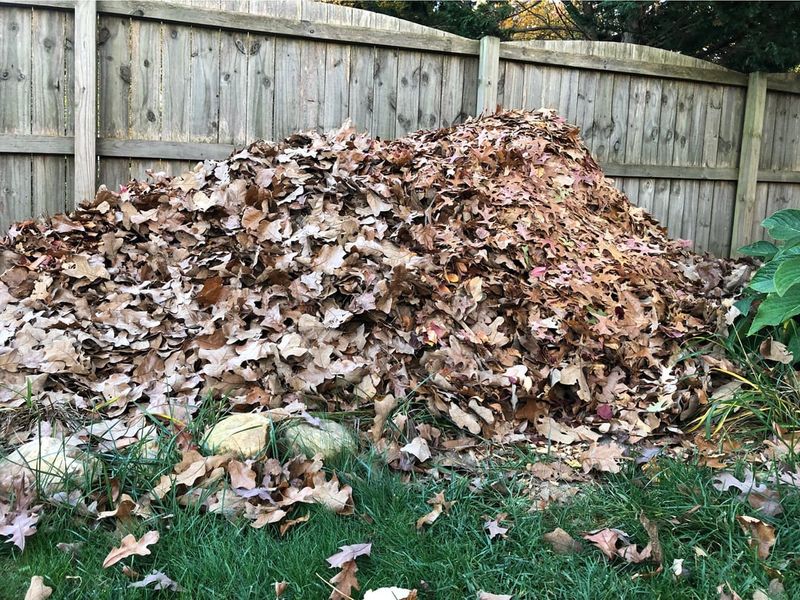
Leaves have a habit of blowing straight into fence corners and piling up without anyone noticing until the pile is several inches deep.
When leaves collect against a fence base, they trap moisture underneath and create a dark, humid layer that takes a long time to dry out.
That kind of environment can persist through cool spring and fall months, which happen to be active seasons for certain tick species in this state.
The Ohio Department of Health notes that leaf litter and dense ground cover are common tick-friendly habitats. Fence lines that meet shrubs, windbreaks, or wooded corners tend to collect the heaviest piles.
Those spots are often the last places homeowners think to clear out during seasonal yard cleanup.
Removing heavy piles from high-use areas near gates, patios, and play zones is a practical first step. Managed leaf mulch used in garden beds is different from unmanaged piles pressed against fence bases.
Your Ohio Garden Changes Every Week. Your Plan Should Too.
Gardening in Ohio changes quickly throughout the season. Every Friday you’ll receive a simple weekly plan showing exactly what to plant, prune, fertilize, harvest, and protect so you never miss the right timing.
If leaves are going to stay in a bed, keep them raked away from the fence base itself and turned so they dry more evenly. Checking for ticks after working in leafy areas is always a smart habit regardless of how tidy the yard looks.
3. Allowing Brush To Connect Woods And Lawn
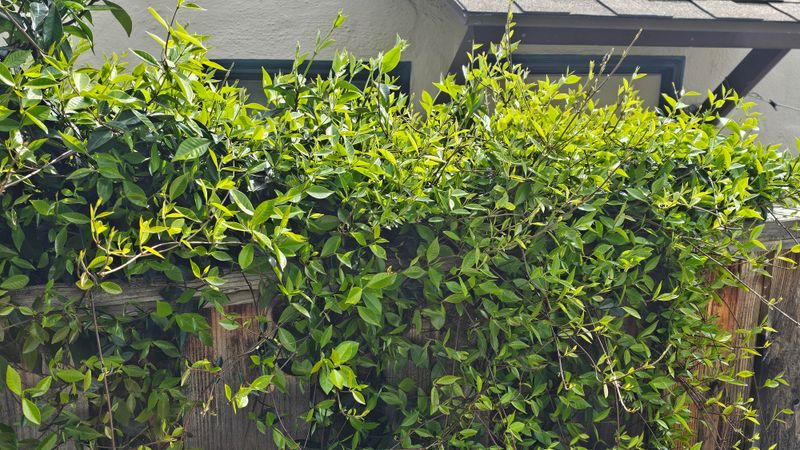
A brushy fence line that runs from the edge of the woods straight into the yard is one of the more significant tick-friendly conditions a homeowner can overlook.
Vines, wild shrubs, and unmanaged saplings tend to fill in quickly along fence lines that border natural areas.
Once that growth becomes thick and connected, it creates a covered path between wild habitat and maintained lawn space.
Wildlife, including deer, raccoons, and small rodents, often follow those brushy edges when moving through a neighborhood. Ticks depend on animal hosts to move and feed, so areas with regular wildlife traffic tend to have higher tick activity over time.
OSU Ohioline resources on tick habitat consistently highlight wooded edges and brushy transitions as areas that deserve extra attention.
Cutting back brush along fence lines helps define a clearer boundary between wild and managed space. It does not stop wildlife from crossing entirely, but it removes the sheltered cover that makes those routes so appealing.
Focus on sections of the fence that border tree lines, thickets, or unmaintained neighboring lots. Clearing that transition zone even by a few feet can make a meaningful difference.
Always check for ticks after working in brushy areas, and wear long sleeves and light-colored clothing when doing that kind of yard work.
4. Letting Weeds Form A Shady Travel Lane

Weeds along a fence line rarely stay small for long. A few dandelions and clover patches can turn into a dense, knee-high strip of mixed vegetation within a single season.
This happens especially when the fence provides shade and the soil holds moisture well. That kind of growth creates a narrow but sheltered lane running the full length of the yard edge.
Small animals like mice and voles often use those hidden strips as travel routes because the cover keeps them out of sight. Ticks rely on small rodents as hosts during certain life stages.
Areas with regular small-animal activity can become spots where tick populations build up quietly over time. The combination of shade, moisture, and regular wildlife movement makes weedy fence strips worth paying attention to.
Managing weeds near walkways, patios, pet gates, and children’s play areas is a reasonable priority. Pulling or trimming weeds along those specific sections does not have to mean eliminating every plant along the fence.
Focus on reducing the densest, dampest sections where cover is thickest. Ground-level growth that stays below ankle height and dries out quickly is much less hospitable than tall, tangled patches that hold shade all day.
Personal tick checks after yard work remain an important habit no matter how well-managed the fence line looks.
5. Stacking Wood Too Close To The Fence
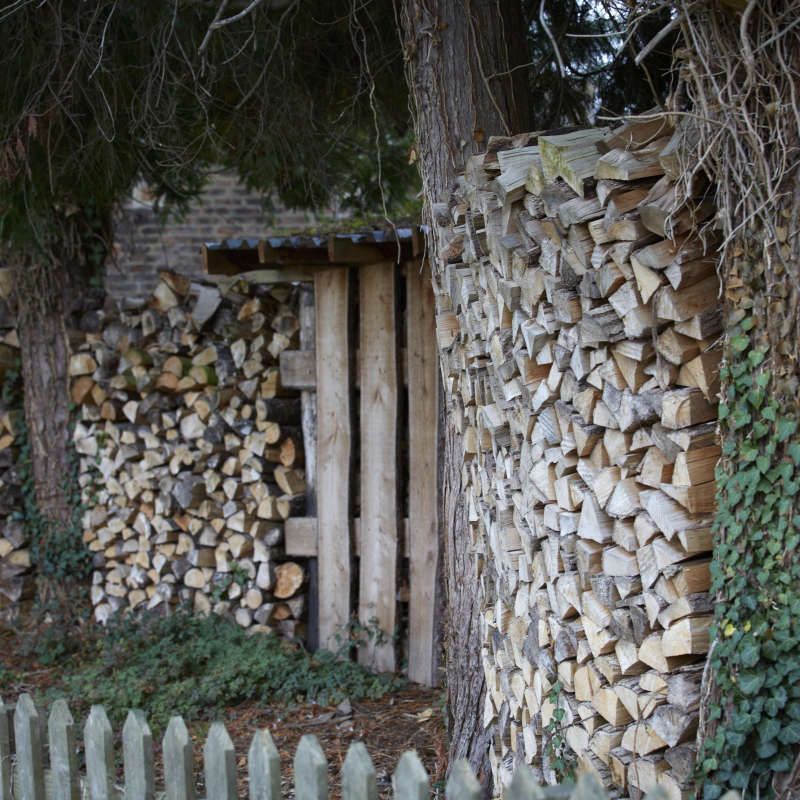
Firewood stacked against a fence seems like a practical use of space. But the area around and beneath a woodpile can become a sheltered spot for mice, chipmunks, and other small rodents.
Those animals are not just yard visitors. They can carry ticks at certain life stages, and regular rodent traffic around a woodpile means that area may see more tick activity than the open lawn nearby.
The problem is not the wood itself. It is the combination of stacked material, accumulated debris, and the proximity to the fence that creates the issue.
Leaves and bark pieces collect under and around the pile. The base stays shaded and damp.
When that woodpile also sits close to the fence line, it connects that sheltered spot directly to whatever else is happening along the fence edge.
Placing woodpiles away from the fence and off the ground when possible reduces some of those conditions. A rack that lifts the wood keeps airflow underneath and discourages nesting.
Keeping the area around the pile raked and clear of leaf debris also helps. No single change removes all risk.
But reducing sheltered, damp, rodent-friendly spots along the fence line is a straightforward and practical yard-care habit for any homeowner in this state.
6. Watering Fence Lines That Already Stay Damp
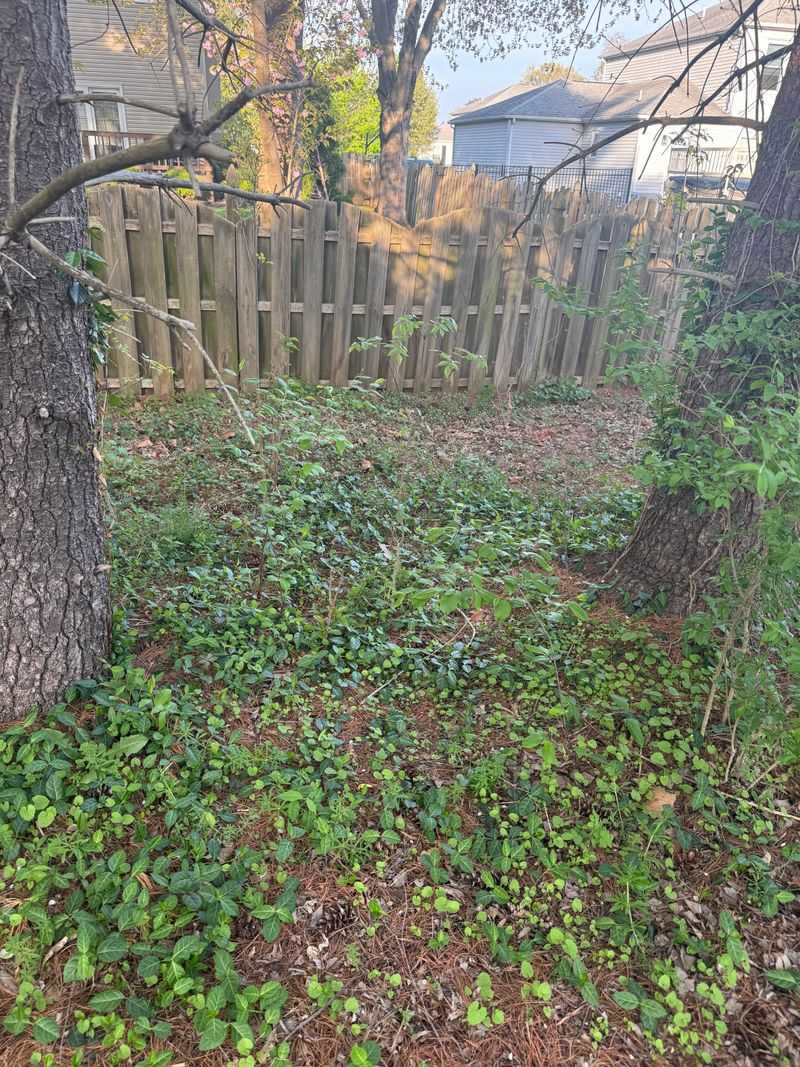
Some fence lines stay damp without any help at all. Sections that run along the north side of a structure, sit under dense tree canopy, or collect runoff from a slope may hold moisture for hours after rain has stopped.
Adding sprinkler overspray to those spots can keep the soil, grass, and leaf litter wetter than they need to be for much of the growing season.
Moisture is one of the key factors in tick comfort. Ticks can lose body moisture quickly in hot, dry, exposed conditions, which is one reason they prefer shaded and humid spots.
Fence lines that stay consistently damp because of poor drainage, heavy shade, and regular watering can become reliably hospitable habitat through spring and into fall.
Checking sprinkler coverage along fence lines is a simple step that often gets skipped during system setup. Walk the fence line while the system runs and look for heads that spray directly onto the fence base or into shaded corners.
Adjusting those heads or reducing run time in already-damp zones costs nothing and can meaningfully change the moisture level along that edge. Improving airflow by trimming overhanging branches also helps fence lines dry out faster after rain.
Pair those changes with regular grass trimming and leaf removal for the most consistent results.
7. Skipping A Clear Mulch Or Gravel Break
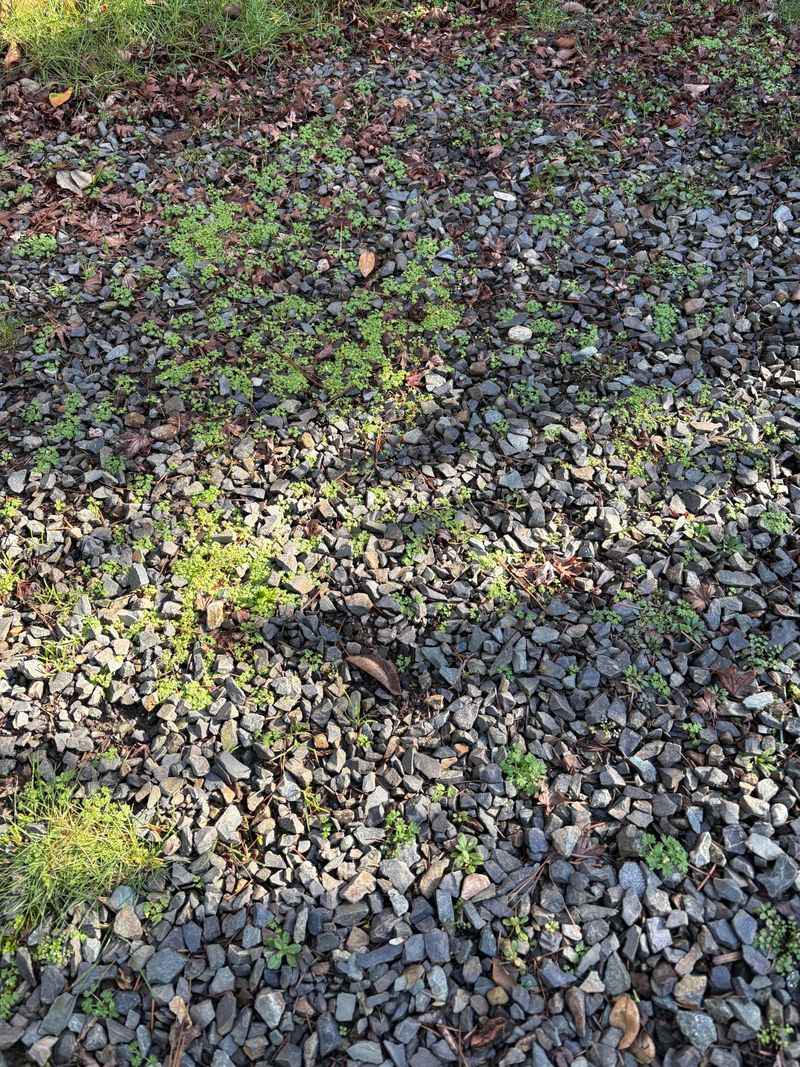
One practical way to manage the fence line edge is to create a defined break between the maintained lawn and any brushy, wooded, or overgrown area nearby.
A strip of wood chip mulch or pea gravel along the fence base gives that boundary a clear visual edge and makes regular maintenance easier to keep up with.
University extension resources, including guidance from OSU, have noted the value of a barrier strip of wood chips or gravel. It can help mark the transition zone between managed and unmanaged habitat.
The idea is not that the strip acts as a wall. A clean, defined edge is easier to trim and easier to inspect.
It is also less likely to become the kind of tangled, damp, leafy strip that builds up unnoticed over a season.
A mulch strip about three feet wide works well in most residential settings. Keep it raked and free of heavy leaf buildup so it stays dry and defined rather than becoming another moist layer of organic material.
Gravel works especially well in shaded, low-drainage areas where wood chips might hold too much moisture. Neither option is a complete solution on its own.
Pairing a barrier strip with regular trimming, leaf removal, and personal tick checks gives homeowners a more complete approach. It also creates a more realistic way to manage that fence line edge through the season.
8. Keeping Pet Paths Beside Overgrown Edges

Dogs are creatures of habit, and most of them have a favorite route along the fence line that they follow every single day. That worn path is usually right next to the fence base.
It is the same spot where grass gets tall, leaves collect, and brush builds up without regular attention. A pet that runs that route several times a day is spending a lot of time in close contact with whatever is growing along that edge.
Checking pets for ticks after outdoor time is one of the most consistently recommended habits from veterinary and public health sources in this state. Ticks can attach to dogs quickly, and pets can carry ticks back into the home without showing obvious signs.
Keeping the path itself trimmed and clear of overhanging grass and brush reduces the amount of contact that happens on each trip around the yard.
Focusing maintenance on the sections of fence your pet uses most is a smart way to prioritize limited time. Trim the grass along that route, rake out any leaf buildup near the gate, and pull back any brush that overhangs the path.
Talk with your veterinarian about tick prevention options that fit your pet’s lifestyle and health needs.
Combining a cleaner path with consistent pet checks and tick prevention gives your dog and your household a more practical layer of protection through the warmer months.