Ohio Is Warning Gardeners About Spotted Lanternfly Again This Summer – Here’s What To Look For
Spotted lanternfly warnings in Ohio are not new. But this summer the tone has shifted.
What started as a watch-and-report situation in a handful of counties has become something more widespread. The Ohio Department of Agriculture is asking gardeners to pay closer attention than in previous seasons.
The insect itself is not subtle once you know what you are looking at. The problem is that most Ohio gardeners do not know what to look for at the life stages where early intervention actually matters.
By the time adults appear in full color, the population has already been established long enough to make control significantly harder. Egg masses, nymphs, and feeding damage on specific host plants are all readable signs.
They appear earlier in the season than most people check for them. This summer is the wrong one to wait and see.
1. Spot The Red Nymphs Before Adults Take Over

A flash of red on a vine or trunk edge might be easy to brush off as nothing, but during summer months, that color could be a clue worth stopping for.
Spotted lanternfly nymphs go through several stages before becoming adults, and the later nymph stages are especially striking.
Early nymphs are small, black, and covered in white spots. As they mature through the summer, they develop bold red patches alongside their black and white markings.
That detail appears in guidance from the Ohio Department of Agriculture and OSU Extension.
July is a key month to start watching carefully. Nymphs tend to gather on stems, vines, trunks, and the edges of gardens where host plants grow.
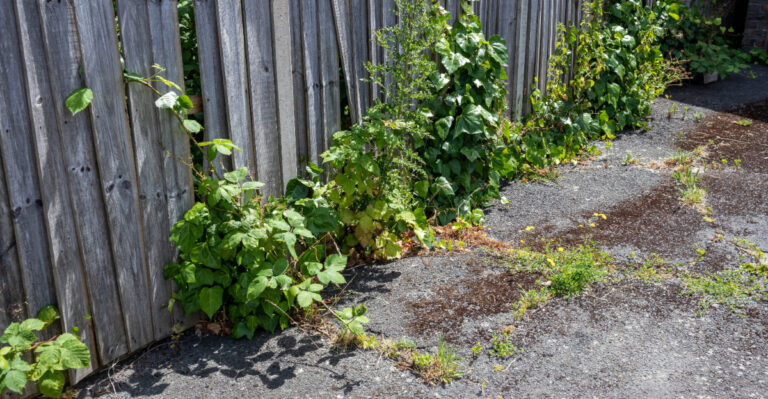
Check tree of heaven, grapevines, and weedy border areas along fences or alleys. Look from a comfortable distance first, then move closer if you see clustered insects on bark or stems.
Before you report or act on any sighting, compare what you see against official photos. Spotted lanternfly nymphs can be mistaken for boxelder bugs, lady beetles, or other spotted insects.
OSU Extension and the USDA both offer clear identification images online. Getting the ID right before reporting saves time and helps officials track the pest accurately.
A careful look now can make a real difference in slowing spread through local gardens and beyond.
2. Check Tree Of Heaven Before Anything Else
Few plants in the Buckeye State have a closer connection to spotted lanternfly than tree of heaven, known scientifically as Ailanthus altissima. This invasive tree often grows along alleys, roadsides, fence lines, vacant lots, and disturbed edges.
It tends to be one of the first places spotted lanternfly activity shows up. OSU Extension and USDA guidance consistently point to tree of heaven as a primary host plant worth monitoring closely during the summer season.
Before heading out to inspect, learn how to identify tree of heaven correctly. It has large compound leaves with many leaflets and a distinctive smell when leaves or stems are crushed.
Lookalike plants do exist, including staghorn sumac and black walnut, so accurate identification matters before any removal decisions are made.
Your Ohio Garden Changes Every Week. Your Plan Should Too.
Gardening in Ohio changes quickly throughout the season. Every Friday you’ll receive a simple weekly plan showing exactly what to plant, prune, fertilize, harvest, and protect so you never miss the right timing.
If you think you have tree of heaven on your property and want to manage it, follow current invasive-plant guidance from OSU Extension.
Do not attempt removal without a plan.
For spotted lanternfly monitoring purposes, focus on inspection rather than removal. Walk the edges of your yard or garden and look for nymphs or adults clustered on trunks, stems, or nearby ground.
Check the undersides of leaves and the lower bark. If you find anything suspicious on or near tree of heaven, photograph it carefully and compare it with official identification resources before taking the next step.
3. Watch Grapes, Maples, Walnuts, And Backyard Trees
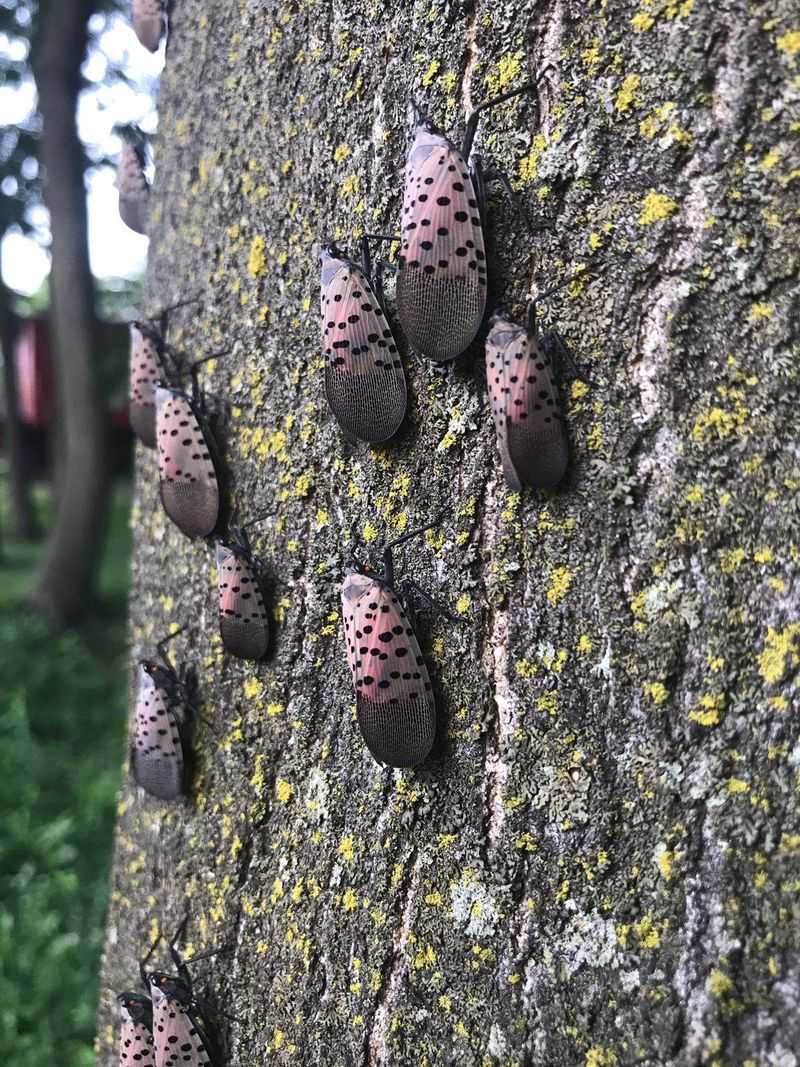
Grapevines deserve a spot at the top of any gardener’s inspection checklist this summer. OSU Extension and USDA host-plant guidance both highlight grapes as one of the plant types most associated with spotted lanternfly feeding pressure.
For anyone growing grapes in a backyard or small vineyard, regular checks during July and August can help catch activity early before populations build up on the vines.
Beyond grapes, spotted lanternfly is known to feed on a wide range of other plants, including maples, black walnut, and various ornamental trees. That does not mean every tree in your yard is equally at risk or will show visible damage.
OSU Extension notes that spotted lanternfly can use many host plants but tends to be more consistently associated with certain species. Keeping a watchful eye on the plants most frequently mentioned in official guidance is a practical starting point.
When inspecting backyard trees and vines, check the trunks, lower branches, and the areas where stems meet the main structure of the plant. Look along weedy edges nearby, since nymphs and adults may move between host plants and surrounding vegetation.
If you notice unusual insect activity, clusters of insects on bark, or signs of feeding, photograph what you see from multiple angles. Avoid unnecessary panic or removal of healthy plants based on one uncertain sighting.
Accurate identification always comes first.
4. Look For Sticky Honeydew And Sooty Mold
Sticky surfaces in the garden are not always easy to explain, but they can be a useful clue when combined with other signs. Spotted lanternfly feeds by piercing plant tissue and consuming sap, and as it feeds, it excretes a sugary liquid called honeydew.
That honeydew can drip onto leaves below, onto patio furniture, decks, and even cars parked under infested trees. OSU Extension and USDA guidance both note this feeding behavior as a recognizable symptom worth watching for during peak activity months.
Where honeydew collects and sits, a dark fungal growth called sooty mold often follows. Sooty mold does not harm plants directly, but it can coat leaf surfaces and give plants a dirty or blackened appearance.
Seeing sooty mold on leaves or sticky residue on surfaces beneath a tree is worth investigating further. Other sap-feeding insects, including aphids and scale insects, can also cause honeydew and sooty mold.
Honeydew alone does not confirm spotted lanternfly. Always combine visual signs with actual insect identification before reporting or deciding on any management steps.
If you notice sticky residue and then spot insects nearby, photograph both the insects and the affected surfaces. Check official identification resources to compare what you see.
Bringing accurate information when you report a suspected sighting helps officials respond more effectively and efficiently in your area.
5. Inspect Patio Gear Firewood And Vehicles
One of the more surprising facts about spotted lanternfly is how easily it can move without anyone realizing it. Adults and egg masses have both been found on vehicles, trailers, outdoor furniture, firewood, nursery stock, and landscaping equipment.
The Ohio Department of Agriculture and USDA both emphasize that accidental human movement is one of the main ways this pest spreads into new areas.
A camping trip, a furniture delivery, or a drive through a regulated county can all become unintentional transport routes.
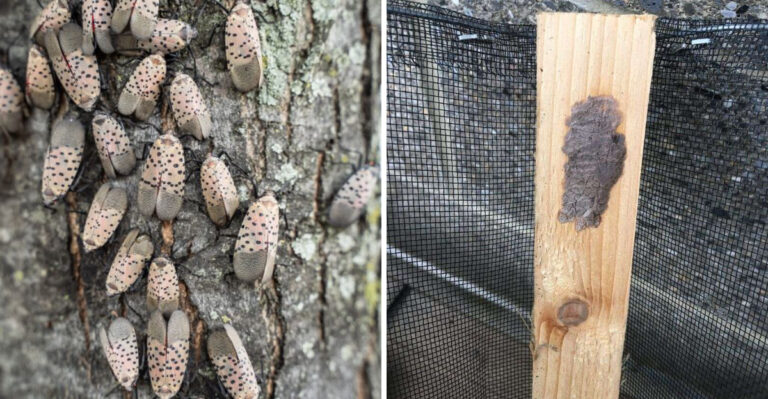
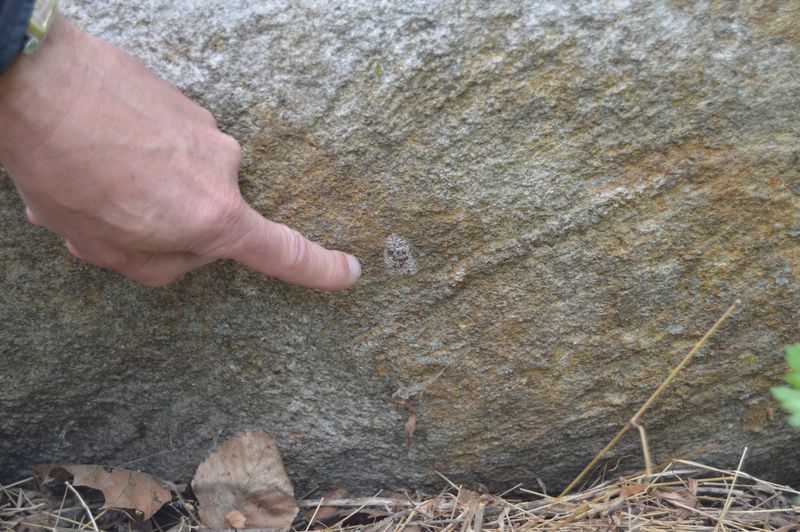
Egg masses are especially tricky to notice because they blend in well on hard surfaces. According to USDA guidance, spotted lanternfly females can lay egg masses on many outdoor surfaces, not just trees.
These surfaces include stones, outdoor furniture, vehicle bumpers, and wooden pallets. The masses look like a patch of dried mud or putty and contain rows of seeds underneath a waxy gray coating.
If you find something that matches this description, do not scrape it off right away. Check official ODA or extension guidance first on how to handle suspected egg masses properly.
Before leaving any area where spotted lanternfly is known or regulated, take a few minutes to walk around your vehicle. Check underneath, in wheel wells, and on any equipment or gear you are bringing along.
Check firewood carefully if you are moving it between locations. Following current ODA quarantine guidance about what can and cannot be moved out of regulated areas is the most important step you can take to prevent accidental spread.
6. Know The Adult Wings Before Late Summer Peaks
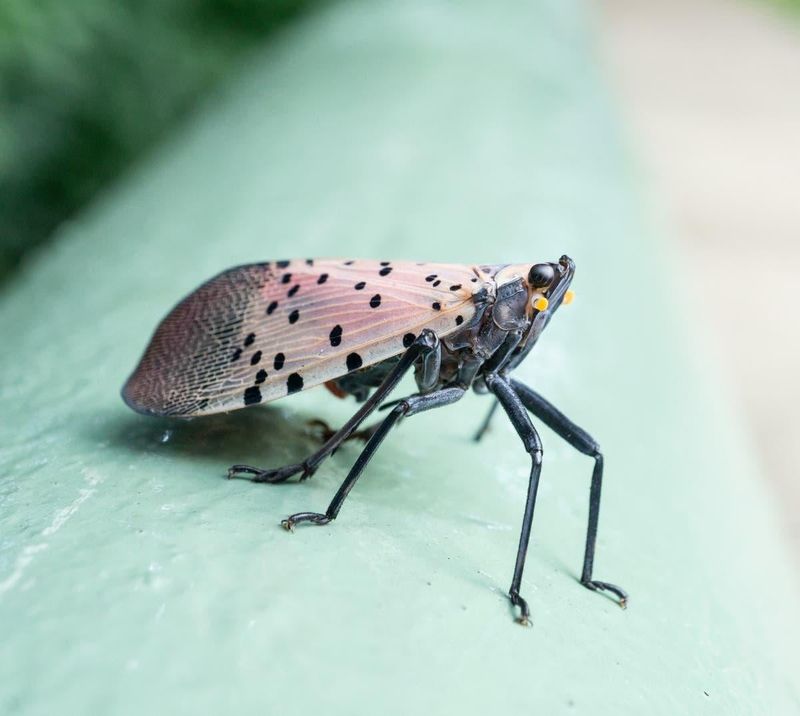
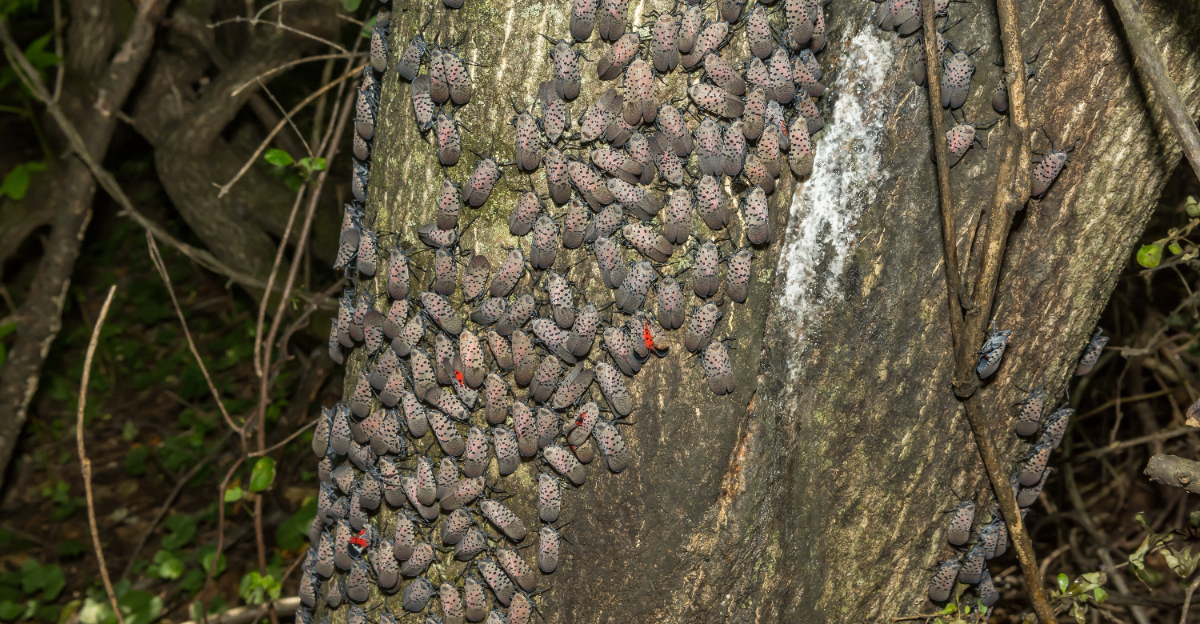
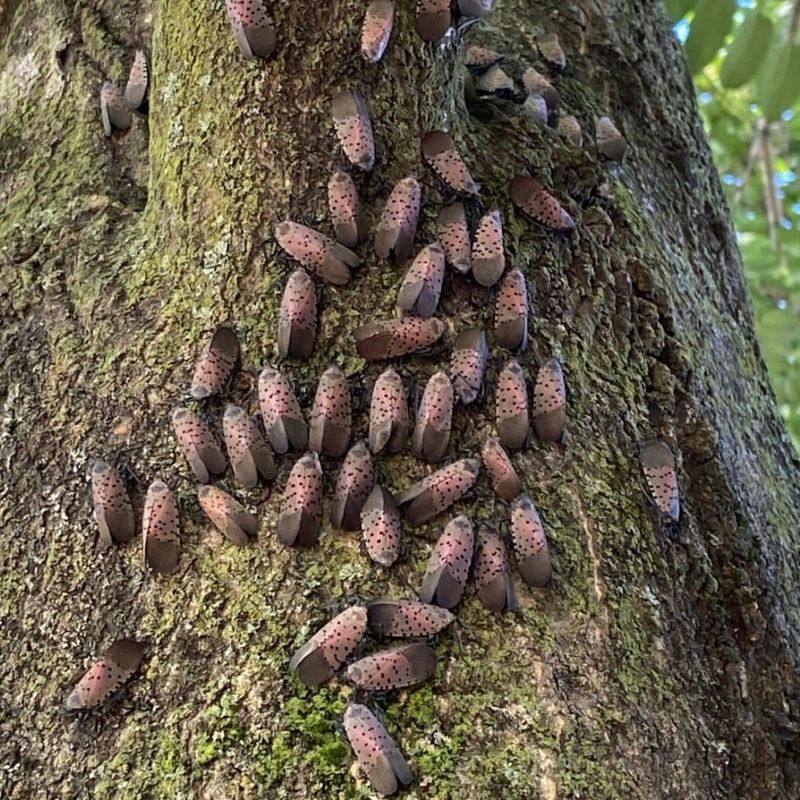
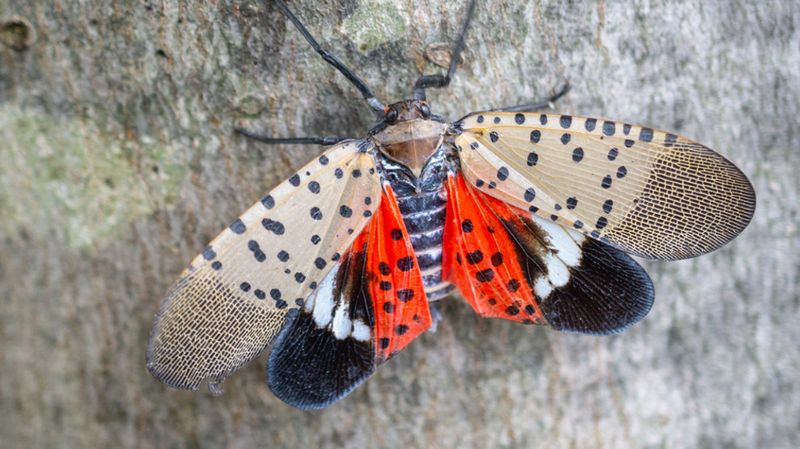
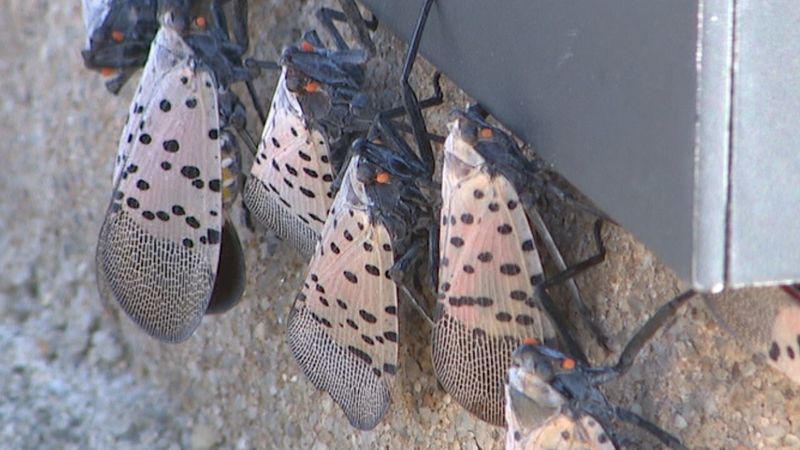
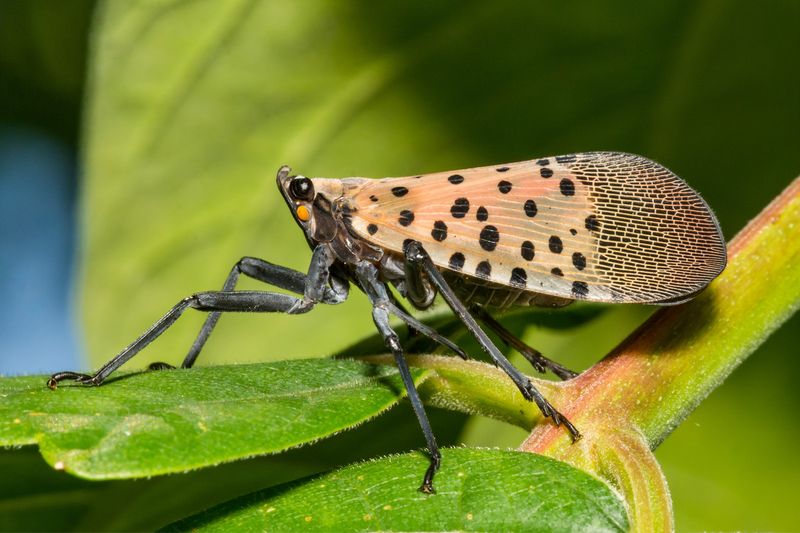
By late summer, spotted lanternfly adults begin appearing in greater numbers, and they look quite different from the nymphs seen earlier in the season. Adults have grayish forewings marked with rows of black spots and a speckled edge.
When they open their wings, the colorful hindwings become visible. They show patches of red and black near the base with a white band, according to USDA and Ohio Department of Agriculture identification resources.
That flash of color when an adult takes flight can be startling and memorable.
Adults are often spotted on tree trunks, grape arbors, and other host plants in groups. They tend to be more active as summer shifts toward fall, and populations can seem to increase noticeably in August and September.
OSU BYGL has noted that adult activity often draws more attention from the public during this late-season window. Reporting also tends to spike across the state during this time.
If you think you have spotted an adult, try to photograph it from multiple angles without disturbing it. Getting a clear image of both the forewing and hindwing, if possible, makes identification much easier.
Compare your photo with official images from ODA or the USDA before drawing conclusions. Adults can look different depending on whether they are resting, moving, or feeding, and some other insects may share a passing resemblance.
Careful documentation is always more useful than a rushed reaction.
7. Follow The Statewide Quarantine Before Moving Plants
Ohio has had a statewide spotted lanternfly quarantine in place. Understanding what that means in plain terms is helpful for anyone moving plants, firewood, or equipment across the state.
The Ohio Department of Agriculture established the quarantine to slow the accidental movement of spotted lanternfly into new areas. Under a statewide quarantine, the rules apply broadly rather than being limited to specific counties.
Gardeners and landscapers across the entire state need to pay attention before moving regulated items.
Regulated items typically include living plants, plant parts, nursery stock, firewood, and outdoor household articles. They also include vehicles or equipment that have been in a quarantine zone.
The goal is not to penalize gardeners but to reduce the chance that an egg mass or live insect hitches a ride somewhere new. If you are buying plants from a nursery, picking up firewood, or moving landscaping materials, check with the seller.
Verify that items are coming from a compliant source.
Quarantine rules can change as the pest situation evolves. Always verify the current guidance directly with the Ohio Department of Agriculture before moving regulated materials.
The ODA website and OSU Extension both maintain updated resources on quarantine boundaries and compliance requirements. When in doubt, leave items in place and check first.
A quick call or website visit is far easier than the consequences of accidentally moving a pest into a new part of the state.
8. Report Or Manage Sightings With Official Guidance
Knowing what to do after you spot something suspicious is just as important as knowing what to look for. If you think you have found a spotted lanternfly, the most helpful first step is to take clear photos from multiple angles.
Try to capture the insect’s size, color, wing pattern if visible, and the plant or surface it is resting on. Note the location as specifically as possible, including the county, street, or nearest landmark.
Recording the life stage, whether it looks like a nymph or adult, adds useful detail to your report.
The Ohio Department of Agriculture has an online reporting tool for suspected spotted lanternfly sightings. OSU Extension can also direct residents to the right reporting channels.
Before submitting, use ODA or USDA identification resources to double-check that what you are seeing is not a lookalike species. False reports can use up resources that officials need for confirmed cases.
If you are unsure, reach out to your local OSU Extension office, where staff can help with identification.
For management, follow only current guidance from ODA, OSU Extension, or USDA. Avoid home remedies, broad pesticide spraying, or unsupported removal methods.
No single gardener can stop spotted lanternfly alone, but accurate reporting, careful inspection, and avoiding accidental spread all add up across a community.
Every confirmed sighting reported through official channels helps build the map that guides the state’s response to this ongoing invasive-pest challenge.