Why Massachusetts Lawns Turn Brown In June, And How To Fix It
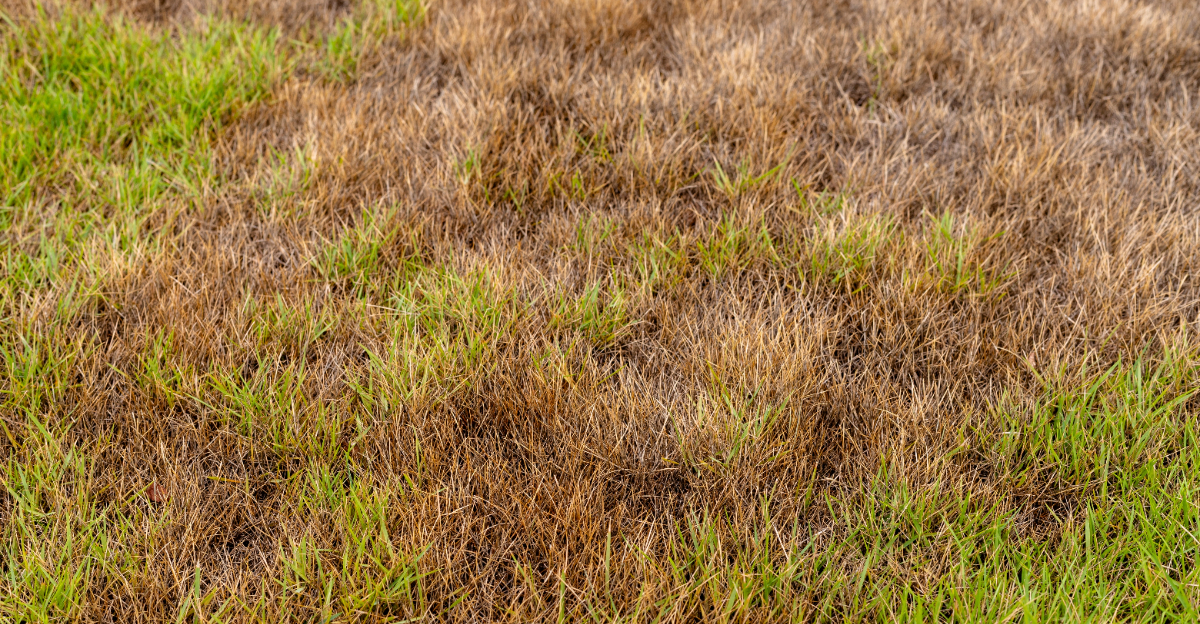
One week your lawn is green. The next, brown patches have spread across it without a storm, a drought warning, or any obvious explanation.
Massachusetts summers do something specific to cool-season grasses that most homeowners never learn until they are already standing in the damage.
Here is what surprises people: most brown lawns in June are not struggling as much as they look. They are reacting. To heat, to dry spells, to how they were watered last week, or to something quietly happening underground.
The grass is telling you something, and the message is usually not as bad as it looks. But timing matters. A lawn left unattended through June can hit a point where recovery takes all fall instead of a few weeks.
Knowing what is actually going on beneath your feet changes everything.
Summer Dormancy Is The Most Common Culprit
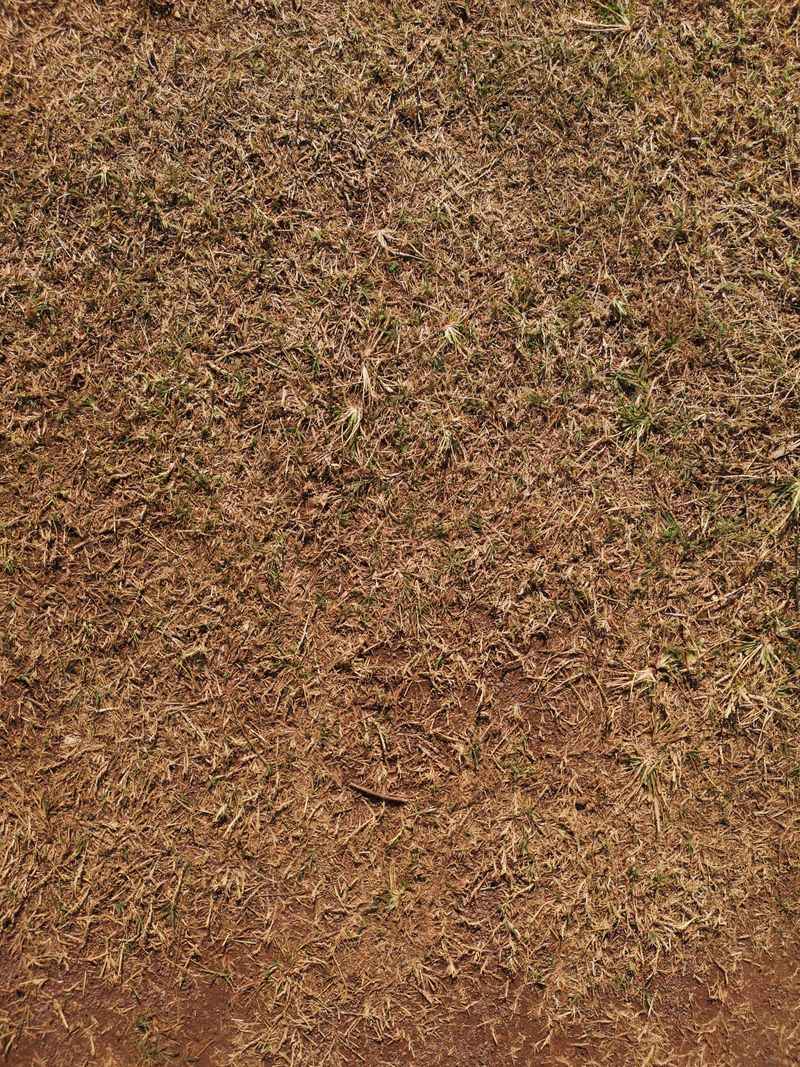
Your lawn is not gone. It is napping.
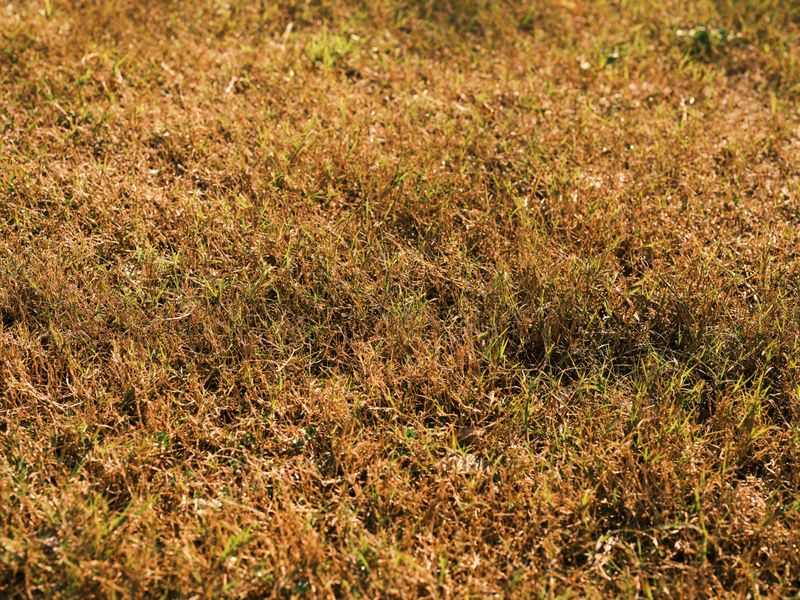
Summer dormancy is the single most common reason Massachusetts lawns turn brown in June. Grass is a survivor, and when heat and dry air hit, it protects itself by going dormant.
Think of dormancy like a bear hibernating through winter. The grass shuts down its top growth to protect the roots underground.
Cool-season grasses, which dominate most New England yards, are especially prone to this. They evolved to thrive in spring and fall, not blazing June heat.
When soil temperatures climb above 85 degrees, the grass essentially presses pause. It is not in distress. It is conserving energy.
The crown of the grass plant stays alive even when the blades turn tan and crispy. That crown is the key to recovery.
A fully dormant lawn can survive three to four weeks without rain. After that, the roots start to suffer.
Here is a simple test: tug a brown blade gently from the soil. If it resists and stays rooted, the plant is alive and dormant.
If it pulls out with no resistance, that patch may have a deeper problem worth investigating.
One of the biggest mistakes homeowners make is panicking and overwatering a dormant lawn. Too much water on dormant grass invites fungal disease.
The smartest move is to let it rest. Keep foot traffic low and avoid fertilizing until temperatures cool down.
Dormancy is your lawn doing exactly what nature designed it to do. Trust the process.
Cool-Season Grasses Struggle More In June Heat
Not all grass is built the same, and your lawn’s grass type matters enormously in June.
Most Massachusetts lawns are planted with cool-season species like Kentucky bluegrass, tall fescue, or perennial ryegrass. These grasses love temperatures between 60 and 75 degrees.
June in New England can push well past that comfort zone. When air temps hit the upper 80s, these grass types start to check out fast.
Warm-season grasses like Bermuda or Zoysia actually thrive in summer heat. But they are rare in this region because they go dormant in cold winters instead.
The trade-off of living in a four-season climate means your lawn has a vulnerable window. June sits right at the edge of cool-season grass tolerance.
Your Massachusetts Garden Changes Every Week. Your Plan Should Too.
Gardening in Massachusetts changes quickly throughout the season. Every Friday you’ll receive a simple weekly plan showing exactly what to plant, prune, fertilize, harvest, and protect so you never miss the right timing.
Kentucky bluegrass tends to go dormant earliest and browns quickly under heat stress. Tall fescue holds on a bit longer thanks to its deeper root system.
Perennial ryegrass falls somewhere in between. It handles moderate heat but wilts fast once a dry stretch hits.
Knowing your grass type helps you water smarter and set realistic expectations. A quick look at your seed bag or a soil test can confirm what you are working with.
Overseeding with a heat-tolerant tall fescue blend each fall is one of the best long-term fixes. It gradually shifts your lawn toward a tougher grass population.
You cannot change the weather, but you can change what grows in your yard. That shift makes every future June a little less stressful.
Inconsistent Watering Makes It Worse
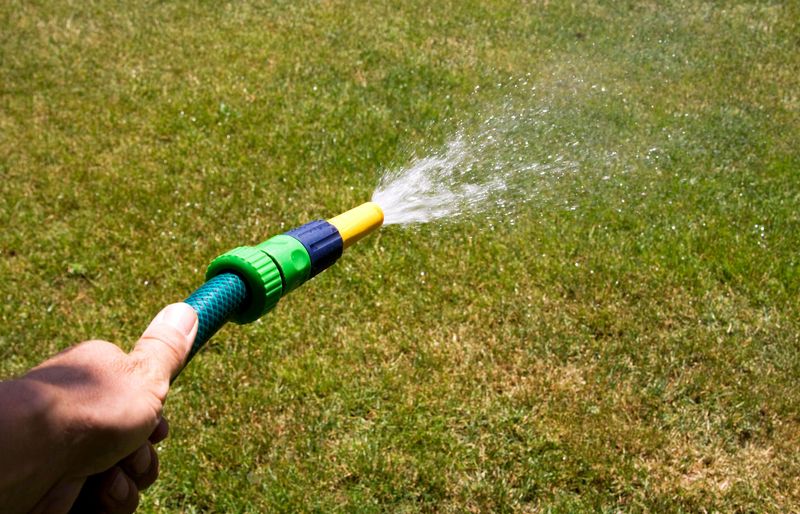
Watering your lawn a little bit every day sounds responsible. It is actually one of the worst things you can do.
Shallow, frequent watering trains grass roots to stay near the surface. When heat hits and the top inch of soil dries out, those shallow roots have nowhere to go.
Deep, infrequent watering pushes roots down into cooler, moister soil. That depth is what keeps grass green when June turns brutal.
A lawn that gets a quick five-minute sprinkle daily will brown faster than one watered deeply twice a week. The difference in root depth is dramatic.
Skipping watering for a few days and then flooding the lawn is equally harmful. That boom-and-bust cycle stresses the grass and can cause patchy browning.
Consistency is the key word here. Your lawn wants predictable moisture, not random soakings followed by long dry spells.
Soil type also plays a role. Sandy soils drain fast and need more frequent watering. Clay-heavy soils hold moisture longer but can become compacted and repel water.
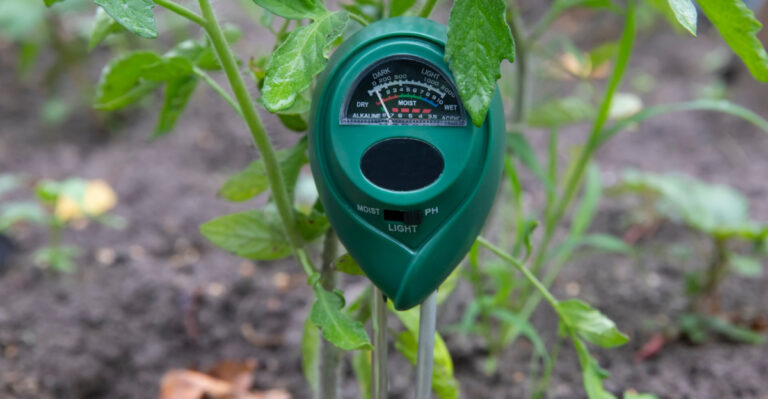
A simple screwdriver test tells you a lot. Push a six-inch screwdriver into your lawn after watering. If it slides in easily, moisture is reaching the roots.
If it stops at two inches, your watering is too shallow or your soil needs aeration. Both are easy fixes you can tackle this season.
Brown lawns in June are often less about heat and more about how water is being delivered. Fix the watering pattern and the grass often bounces back within days.
How To Tell If Your Lawn Is Dormant Or Actually In Trouble
Brown grass is not always a cry for help. Sometimes it is just resting, and knowing the difference saves you a lot of wasted effort and money.
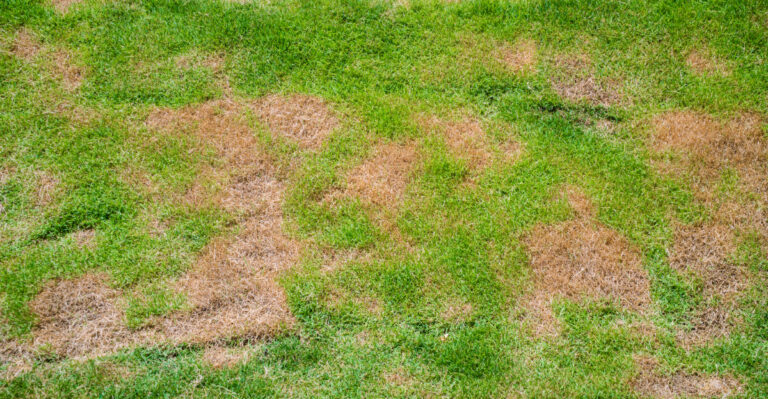
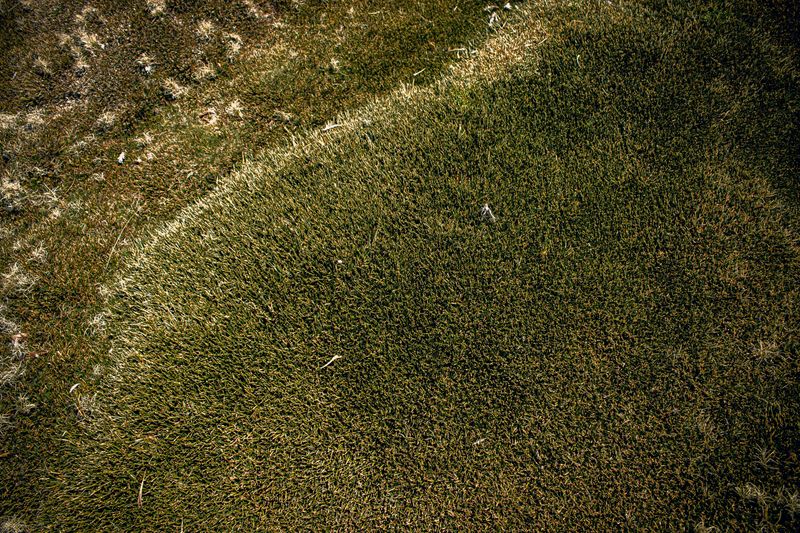
Dormant grass turns uniformly tan or straw-colored across large areas. Struggling grass tends to show up in irregular patches with varying shades of brown and gray.
Pull the tug test again: dormant grass resists removal because the roots are still alive. Grass that has given up releases easily, sometimes bringing dry soil clumps with it.
Another clue is the pattern of browning. Dormancy spreads evenly across sun-exposed areas. Disease or pest damage creates circles, streaks, or random spots.
Check the crown of the plant, which sits right at soil level. A dormant plant has a firm, slightly green or white crown. A plant in trouble has a mushy or completely dried-out crown.
Grubs are a sneaky cause of brown patches that get mistaken for dormancy. Peel back a small section of brown turf near the edge of a patch.
If you find white C-shaped larvae in the top few inches of soil, grubs are feeding on your roots. That damage looks like dormancy but will not recover with water alone.
Fungal disease is another impostor. Brown patch fungus creates circular tan rings with darker borders, often appearing after humid nights.
Dormancy spreads slowly with the heat. Fungal damage can spread within days, so timing matters when diagnosing your lawn.
Getting the diagnosis right is everything. Treating dormancy like a crisis wastes resources, and missing real damage lets small problems grow into big ones.
The Right Watering Schedule For June
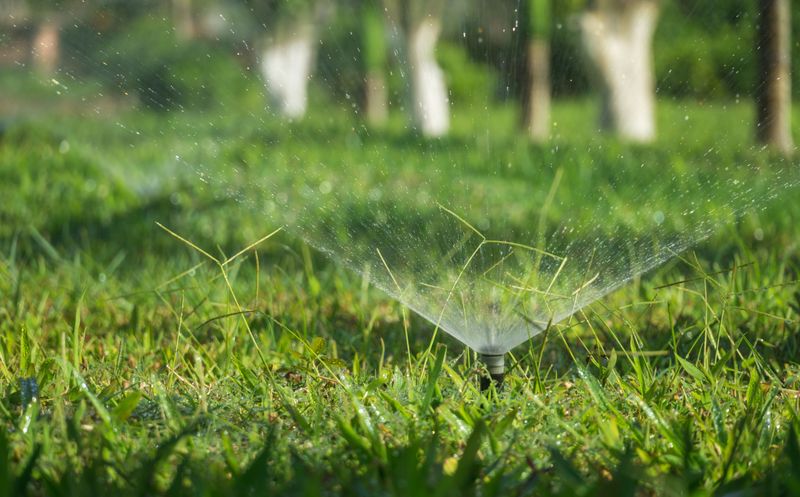
Watering your lawn at noon on a hot June day is basically charity for evaporation. Most of that water never reaches the roots.
Early morning is the gold standard for lawn watering. Between 5 a.m. and 9 a.m., temperatures are cooler and wind is usually calm.
Water applied in the morning soaks into the soil before the sun has a chance to steal it. The grass blades also dry quickly, which reduces the risk of fungal growth.
Evening watering is the second-worst option after midday. Wet grass sitting overnight in warm, humid conditions is an open invitation for disease.
For June in New England, aim for about one inch of water per week total. That includes any rainfall you receive during the week.
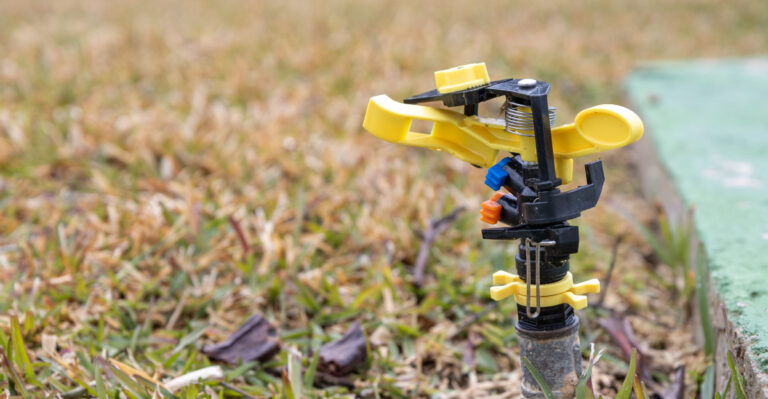
A simple tuna can or rain gauge placed in your yard measures exactly how much water your sprinkler delivers. Run it once and time how long it takes to fill one inch.
Most lawns need about 30 to 45 minutes of sprinkler run time to hit that one-inch target, though this varies depending on your sprinkler type and water pressure.
If your lawn is already dormant, hold back on watering unless a two-week dry stretch is coming. Watering a dormant lawn lightly every two weeks keeps the crown alive without waking the grass prematurely.
Smart irrigation controllers that adjust based on local weather data are worth every penny. They take the guesswork out of the process completely.
A consistent watering routine in June sets your lawn up for a strong fall recovery. Small habits now pay off in big green dividends later.
How To Help Your Lawn Recover Before Fall
Late August arrives, temperatures ease and rain returns, and your dormant lawn starts sending up tiny green shoots. That is your signal to act.
The window between late August and mid-October is the best time to repair summer damage in New England. Cool nights and warm soil create perfect conditions for grass seed germination.
Start with a thorough raking to remove dry thatch and loosen the soil surface. Thatch thicker than three-quarters of an inch blocks water and seed from reaching the soil.
Core aeration is one of the highest-impact steps you can take before overseeding. It pulls small plugs of soil out of the ground, relieving compaction and opening channels for water and nutrients.
Rent an aerator from a local hardware store or hire a lawn care service for this step. One pass in late summer can transform a struggling lawn by the following spring.
After aerating, overseed with a high-quality tall fescue or bluegrass blend suited for New England. Spread seed at the rate listed on the bag, and do not skip corners.
Top-dress lightly with compost after seeding to hold moisture and feed the new seedlings. A thin quarter-inch layer is enough to make a big difference.
Water the seeded areas daily for the first two weeks until germination takes hold. Once the new grass reaches three inches, shift back to your deep twice-weekly schedule.
Massachusetts lawns turn brown in June, but they come back strong when given the right fall care. Your greenest lawn ever might be just one season away.