Oregon Mailbox Gardens That Look Good Year Round Start With These Specific Plant Choices
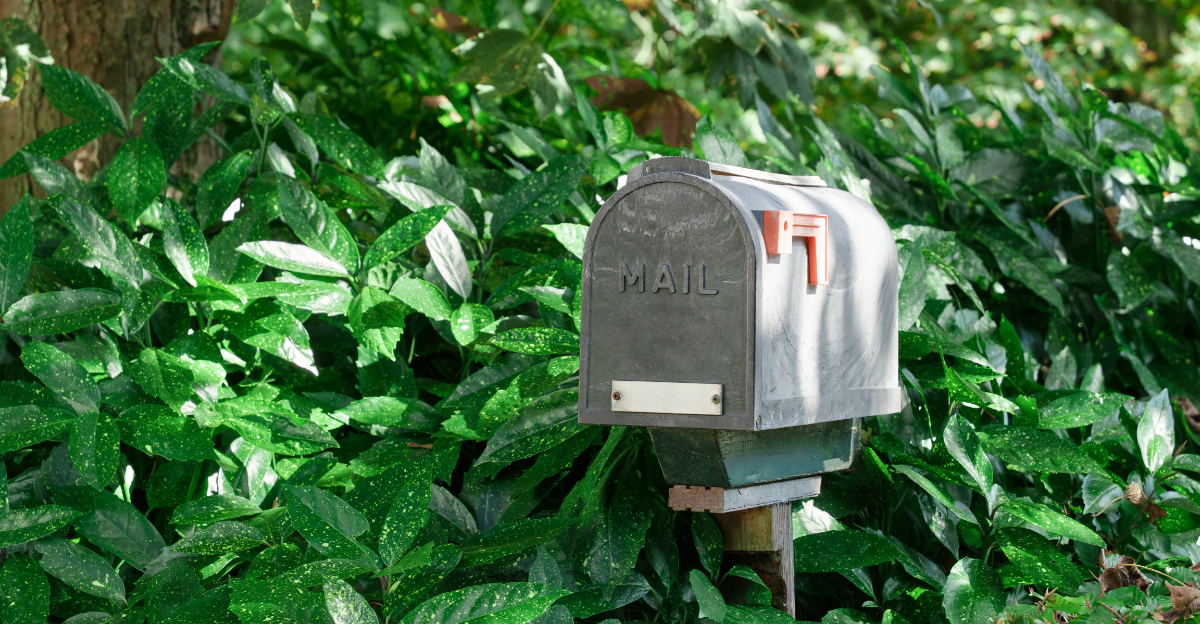
The mailbox is the first thing people see when they look at your property.
Not the front door. Not the garden beds closer to the house. The mailbox, sitting right at the street edge, visible every single day to everyone who passes.
Many Oregon homeowners plant a few annuals around it in spring, watch them fade by October, and accept a bare strip of ground for the other six months.
Oregon actually has a significant advantage here that many gardeners underuse. The Pacific Northwest is home to native plants that handle wet winters and dry summers without special treatment.
A mailbox garden that holds its appearance from January through December does not require constant replanting or complicated maintenance schedules. It requires the right plants chosen once.
The secret is choosing plants that bring structure, texture, color, or movement in more than one season, so the little strip by the street keeps working long after spring has left the chat.
1. Use Dwarf Oregon Grape For Evergreen Structure
Most mailbox plants look their best for one season and spend the rest of the year waiting. Dwarf Oregon Grape operates on a completely different schedule.
It holds its structure through February rain, June heat, and every month in between without asking for anything specific from the gardener managing the space around it.
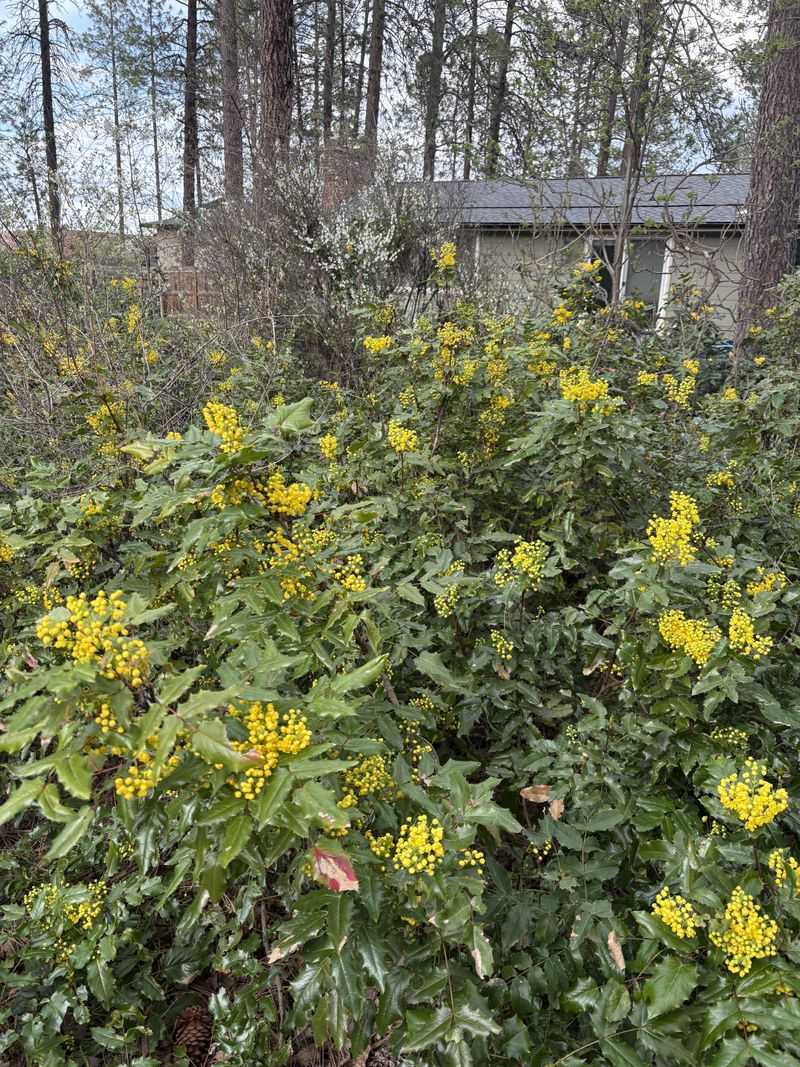
Mahonia nervosa grows slowly to about two feet tall. That modest height keeps sight lines clear and never obscures the mailbox flag.
The leaves are glossy, dark green, and deeply lobed with slightly spiny edges that give them a bold, architectural quality even on the most overcast winter day.
It handles Oregon’s rainy winters without rotting and tolerates summer drought once established.
That specific combination of wet-winter tolerance and dry-summer resilience is genuinely rare in the shrub world and makes Dwarf Oregon Grape almost uniquely well-suited to western Oregon conditions.
Bright yellow flower clusters appear in early spring, attracting early pollinators before most other plants have started their season.
Small blue-purple berries follow the flowers through summer. Birds appreciate both the berries and the shelter the dense foliage provides.
Part shade suits this plant well, but it manages in full sun with adequate moisture during the first season. Plant it toward the back of the mailbox bed to anchor the design.
Pair it with lower-growing plants along the front edge and the layered structure holds through every season without a single replanting.
Dwarf Oregon Grape is the plant that makes the mailbox bed look intentional in January. That is a specific skill set worth paying attention to.
2. Plant Kinnikinnick Along The Front Edge
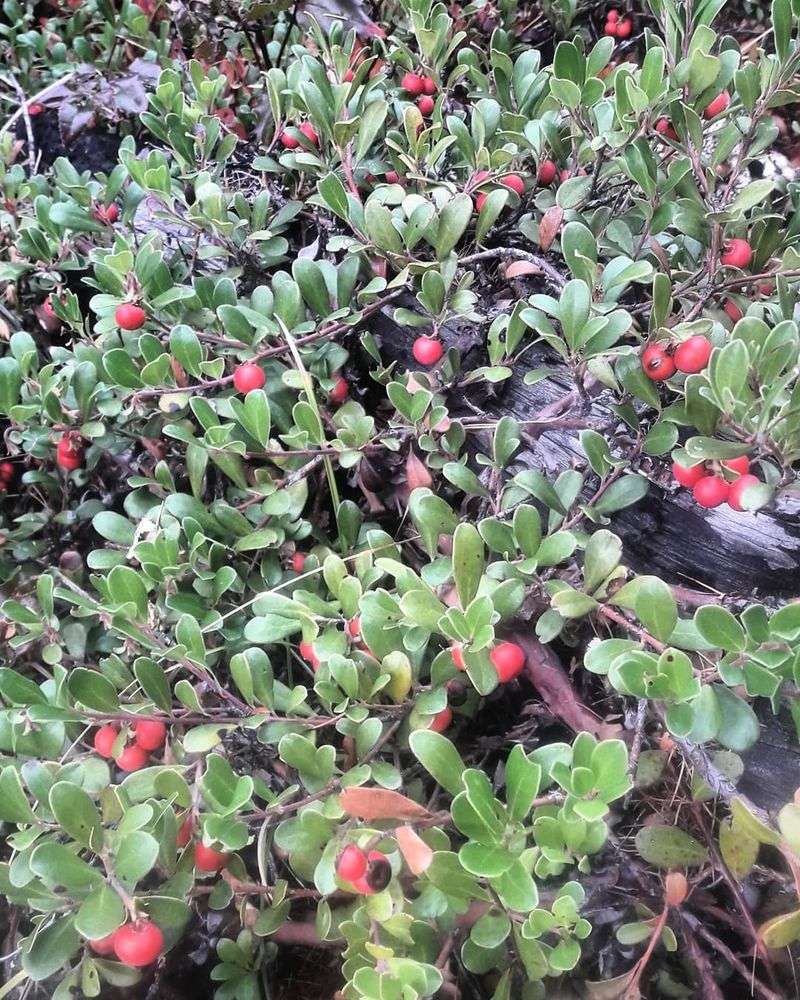
A bare strip of soil along the front of a mailbox bed invites two things with equal enthusiasm: weeds and judgment from neighbors.
Both arrive faster than expected. Kinnikinnick addresses that problem quietly and permanently by covering the ground with a dense, year-round mat that leaves no open invitation for either.
Arctostaphylos uva-ursi is a native evergreen groundcover that hugs the ground and spreads slowly to fill open spaces.
Your Oregon Garden Changes Every Week. Your Plan Should Too.
Gardening in Oregon changes quickly throughout the season. Every Friday you’ll receive a simple weekly plan showing exactly what to plant, prune, fertilize, harvest, and protect so you never miss the right timing.
It rarely grows taller than six inches, which makes it ideal for the front edge of any mailbox planting where height would compete with the structure behind it.
The small, leathery leaves stay green and tidy through Oregon’s wet winters and dry summers without any special treatment.
It roots deeply once established and needs almost no supplemental water by its second summer. That self-sufficiency is the detail that makes kinnikinnick genuinely low-maintenance rather than just described that way on a nursery tag.
Pale pink bell-shaped flowers appear in early spring.
Bright red berries follow and last well into fall, adding a seasonal color pop right at the front of the planting where it is visible from the street. Birds visit for the berries and stay for the dense cover.
Sandy or well-drained soil suits kinnikinnick best. Plant plugs about eighteen inches apart and let them knit together over two seasons into a seamless weed-suppressing mat.
The front edge of the mailbox bed never looked better and never required less work to maintain. Kinnikinnick quietly took care of both outcomes.
3. Add Red Twig Dogwood For Winter Color
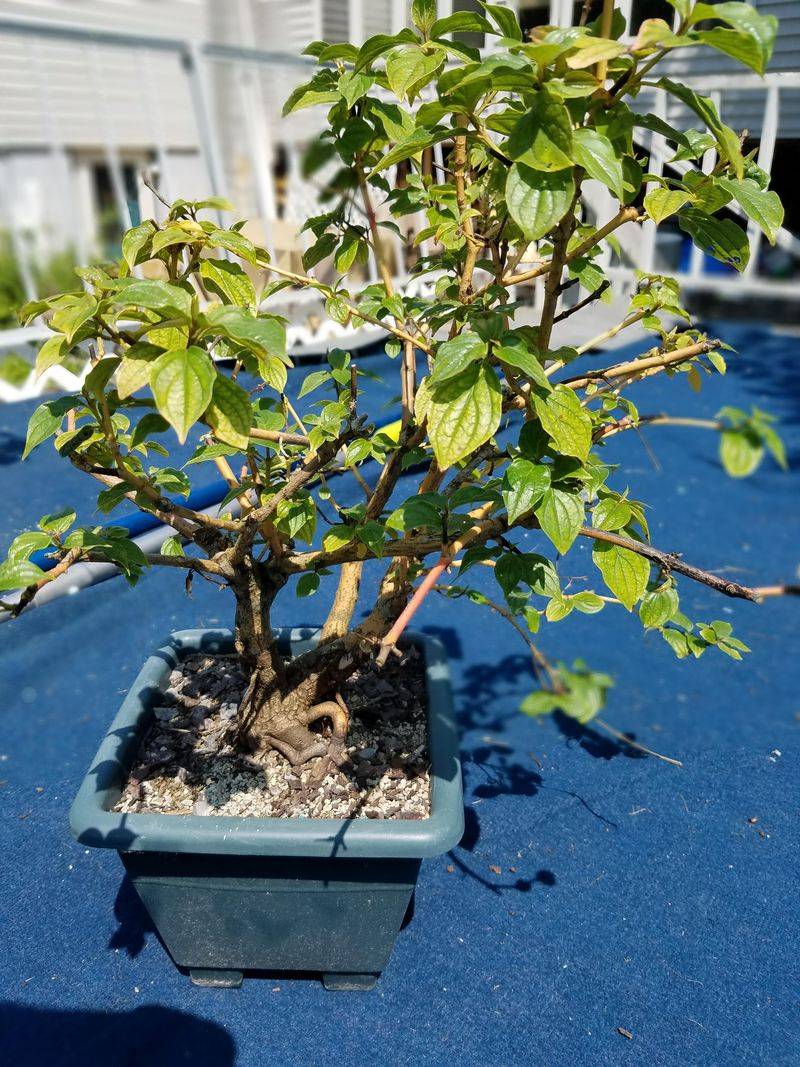
Walk past an Oregon mailbox garden in December and most plants have faded into variations of brown and dull green.
Then a cluster of blazing red stems cuts through the gray winter sky and the whole scene changes. That is the specific moment Red Twig Dogwood was designed for, and it performs it without any special preparation from the gardener.
Cornus sericea is a native shrub well-suited to Oregon’s climate. It tolerates wet soils, which is a significant practical advantage in western Oregon where winter drainage can be genuinely challenging.
The stems glow brightest red during the coldest months and fade slightly as spring approaches and new growth takes over the visual interest.
For a mailbox setting, choose a compact cultivar like Cornus sericea Kelseyi, which stays under three feet tall.
That proportion keeps the shrub manageable and prevents it from overwhelming the mailbox or blocking street visibility.
Prune out the oldest stems each spring to keep new growth coming in vivid and fresh for the following winter.
Summer brings small white flower clusters followed by white berries that attract birds. The green leaves shift to reddish-orange in fall before dropping, adding a brief autumn display before the stem color takes over again.
Plant it on the side of the mailbox post that receives the most sunlight. Full sun to part shade both work well. Water consistently through the first summer and after that, Oregon’s winter rainfall handles the majority of the irrigation requirements.
A plant that looks its best in December has figured out something most other plants have not bothered to attempt.
4. Tuck In Evergreen Huckleberry For Glossy Leaves
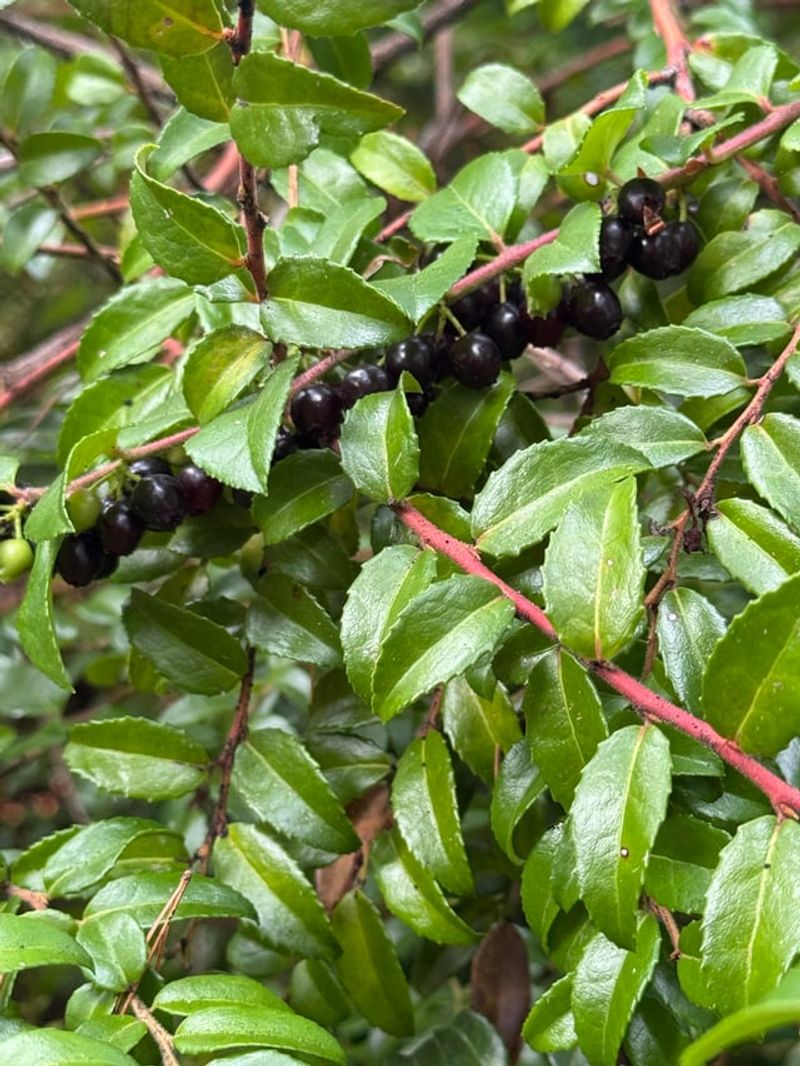
Some plants earn their spot through bold flowers or dramatic color. Evergreen Huckleberry earns its place through quiet, reliable beauty that holds up month after month without peaking and fading.
The glossy, deep green leaves catch light on sunny winter days and give the mailbox bed a lush, polished appearance that reads as intentional rather than accidental.
Vaccinium ovatum is a Pacific Northwest native that genuinely prefers part shade, making it one of the few strong options for mailbox gardens that sit under a tree canopy or face north.
Most plants struggle in those conditions. Evergreen Huckleberry treats them as a preference.
The shrub grows slowly to four or five feet in full shade but stays more compact in part sun. For a mailbox setting, morning light with afternoon shade keeps the size manageable and the foliage looking its most vibrant.
Light pruning in early spring shapes it without stressing the plant.
Small pinkish-white flowers appear in spring, followed by dark blue-black berries that ripen by late summer. The berries are genuinely edible and attract thrushes and waxwings.
New growth flushes in bronze and copper tones in spring, which creates a seasonal color shift that feels almost tropical against the darker mature leaves.
That contrast between old and new foliage is one of the most underappreciated details a mailbox garden can offer.
Glossy leaves, edible berries, bronze spring growth, and shade tolerance. Evergreen Huckleberry is doing a lot more than it gets credit for.
5. Use Blue Oat Grass For Neat Texture
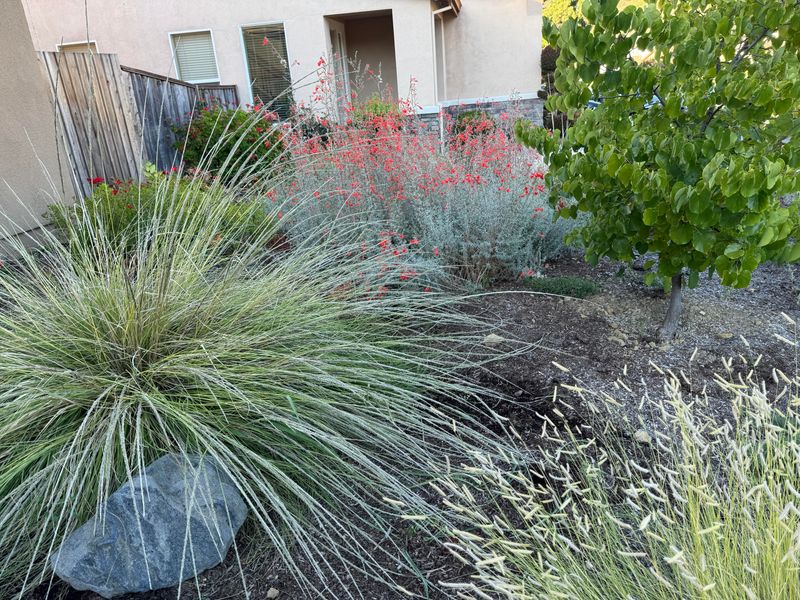
Broad leaves and rounded shrubs create a solid foundation in any mailbox bed. Without something fine and feathery in the mix, the planting can feel heavy and visually flat from the street.
Blue Oat Grass provides exactly the airy contrast that makes everything around it look more considered and dynamic.
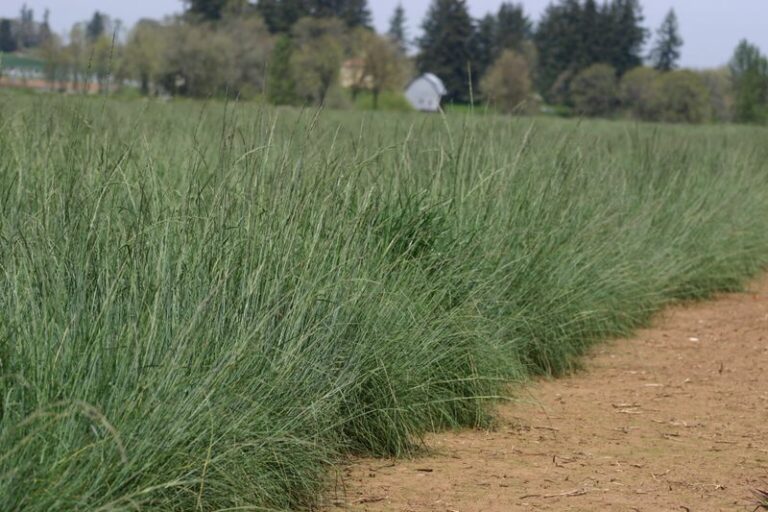
Helictotrichon sempervirens forms a tidy, upright clump of steel-blue blades that stays within two feet wide.
That compact, non-spreading habit is ideal for a mailbox bed where every plant needs to hold its assigned space without gradually taking over adjacent areas.
The blue color is cool and distinctive, reading clearly against green foliage without clashing with any other plant in the palette.
Blue Oat Grass stays in a neat mound and holds its shape through the seasons in a way that many ornamental grasses do not.
It is semi-evergreen in Oregon, remaining attractive through most winters with only minor tip browning during the hardest freezes. A quick trim in late winter freshens the appearance before spring growth begins.
Full sun and well-drained soil are the primary requirements. Oregon’s dry summers suit it well once established, typically after the first full growing season.
Clay-heavy soils common in the Willamette Valley respond well to compost amendment at planting time.
Tall arching seed heads emerge in summer and add a soft golden shimmer to the mailbox bed that moves in the breeze and catches afternoon light in a way that nothing else in the planting replicates.
Blue Oat Grass is the plant that makes the neighbors ask about the whole bed when they were really just trying to describe one plant.
6. Plant Yarrow For Summer Pollinators
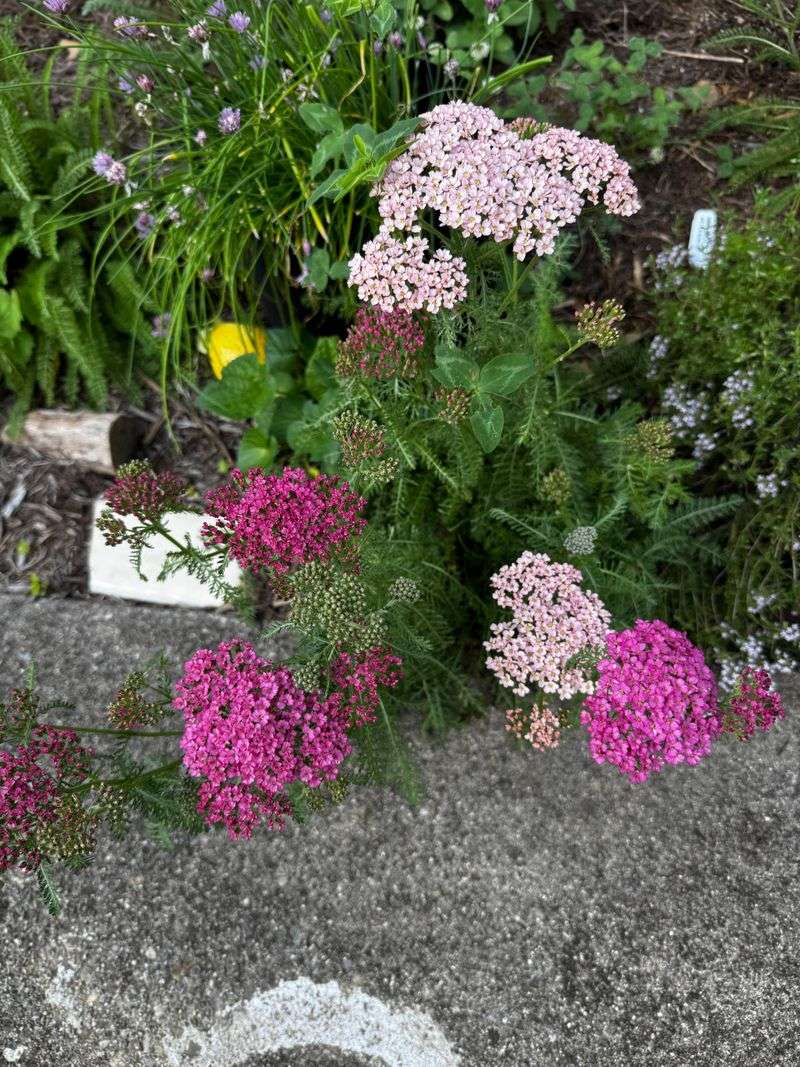
By late June, the mailbox garden needs something that actively draws attention and wildlife into the space.
Yarrow does that job with flat-topped flower clusters that function as landing pads for bees, butterflies, and beneficial wasps throughout the summer.
The show starts in early summer and continues for weeks with almost no supplemental irrigation required.
Achillea millefolium is native to Oregon and adapted to the dry summer conditions that challenge many flowering perennials west of the Cascades.
Once established, it gets by on rainfall alone across most Oregon climates, making it one of the most practically waterwise choices for a sunny mailbox bed.
The ferny, aromatic foliage stays low and attractive even between bloom periods, providing fine-textured filler that fills gaps between shrubs and grasses naturally.
Foliage sits around six to eight inches tall while flower stems reach twelve to eighteen inches. That vertical lift adds mid-season energy without overwhelming compact neighbors on either side.
White, soft yellow, and rosy pink cultivars all complement the evergreen tones already in the bed. Avoid very tall varieties bred for cutting gardens, since those read out of scale next to a mailbox.
Removing spent flower clusters encourages a second flush of blooms into August.
Yarrow spreads slowly by rhizome. Dividing clumps every three years keeps the planting tidy and produces free divisions for other spots along the property.
A plant that attracts pollinators, requires no summer irrigation, and multiplies itself for free has genuinely earned its spot in the front yard.
7. Add Heuchera For Year Round Foliage
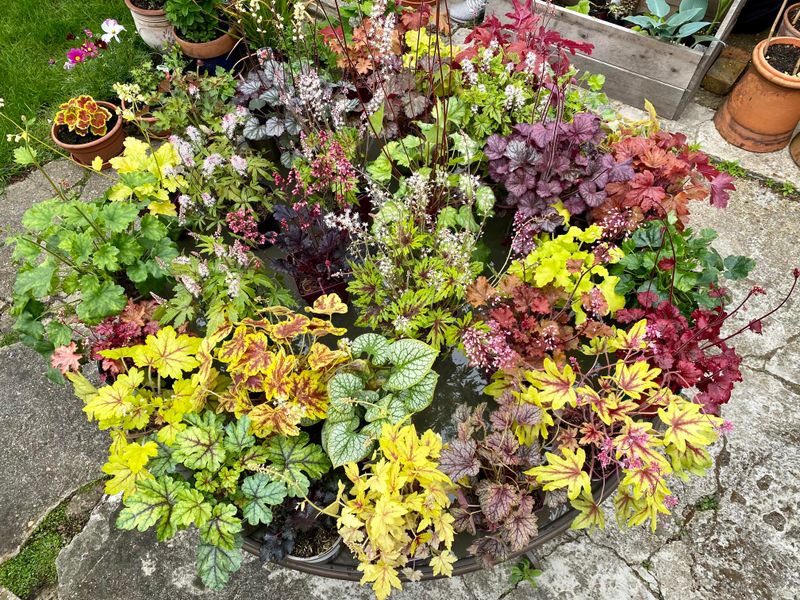
Not every mailbox plant needs to produce flowers to earn its space. Heuchera leads with foliage so varied and consistently colorful that it functions as a permanent visual anchor through every single month of the year.
Burgundy, bronze, caramel, lime green, and silver are all available depending on the cultivar, and the combinations that work together are genuinely striking from the street.
These compact perennials form low mounds that stay under eighteen inches tall, which is exactly the right scale for the front or middle section of a mailbox bed.
The leaves are semi-evergreen in Oregon’s mild winters, often looking full and fresh through February and March when most perennials are still dormant.
Heuchera handles Oregon’s climate well in part shade with good drainage. Soggy winter soil is the main challenge, so raising the planting area slightly or amending with compost and coarse grit addresses that before it becomes a problem.
Once established, it tolerates summer dry spells better than expected, particularly cultivars with western North American origins.
Slender flower spikes rise above the foliage in late spring and early summer and attract hummingbirds to the mailbox garden.
Watching a hummingbird hover near the mailbox is one of those unexpected front-yard moments that genuinely surprises guests.
Mixing two or three foliage colors together creates a tapestry effect that shifts subtly through the seasons. Dark purple next to lime green reads clearly from the street at any time of year.
Heuchera is the plant that makes people stop and look more carefully at what is actually in the bed.