What California HOAs Can And Cannot Actually Ban In Your Garden
HOA garden rules can feel confusing, especially when they clash with what homeowners want to plant.
In California, an association may have power over certain outdoor choices, but that power is not unlimited.
It may set rules about neatness, visibility, or shared community standards. But some garden choices may be protected by state laws, especially when water use or certain sustainable landscaping issues are involved.
That is where things get interesting. A rule that sounds strict on paper may not hold up the way neighbors think it does.
Before pulling out plants or giving up on a garden plan, it helps to know the difference between a real HOA limit and an overreach.
The details can depend on the community documents, local rules, and the type of garden in question.
1. HOAs Cannot Ban Low-Water Landscaping Outright
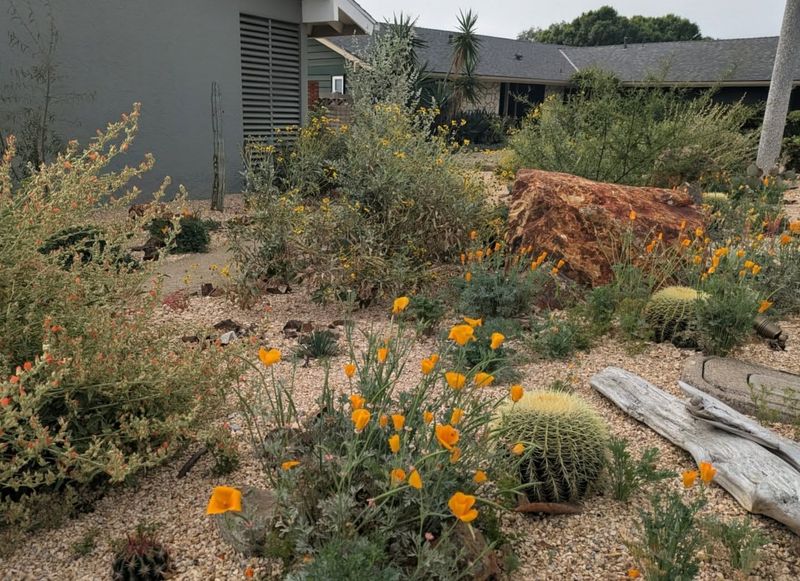
California Civil Code Section 4735 protects homeowners in HOA communities from rules that prohibit or effectively prohibit low water-using plants, artificial turf, or compliance with certain water-use restrictions.
This means that if you want to replace your thirsty grass with drought-tolerant plants, your HOA cannot legally stop you.
This protection covers a wide range of low-water options. Native plants and succulents may qualify when they are used as low water-using plants, and features like mulch or drip irrigation may be part of a water-efficient landscape plan.
The idea behind the law is simple: water is a limited resource, and homeowners should not be penalized for trying to conserve it.
That said, your HOA can still set reasonable guidelines about how your drought-tolerant yard looks. They can ask that it be neat, planned, and visually appealing.
They just cannot reject it entirely because it does not include a traditional grass lawn. So if your HOA sends you a violation notice for planting native shrubs or laying down gravel instead of sod, you have legal standing to push back.
Keep a copy of the law handy. Document your landscaping choices with photos.
And if needed, reach out to a local housing attorney who can help you respond. The law is on your side when it comes to choosing plants that use less water.
2. Artificial Turf Is Protected, But Design Rules Still Apply
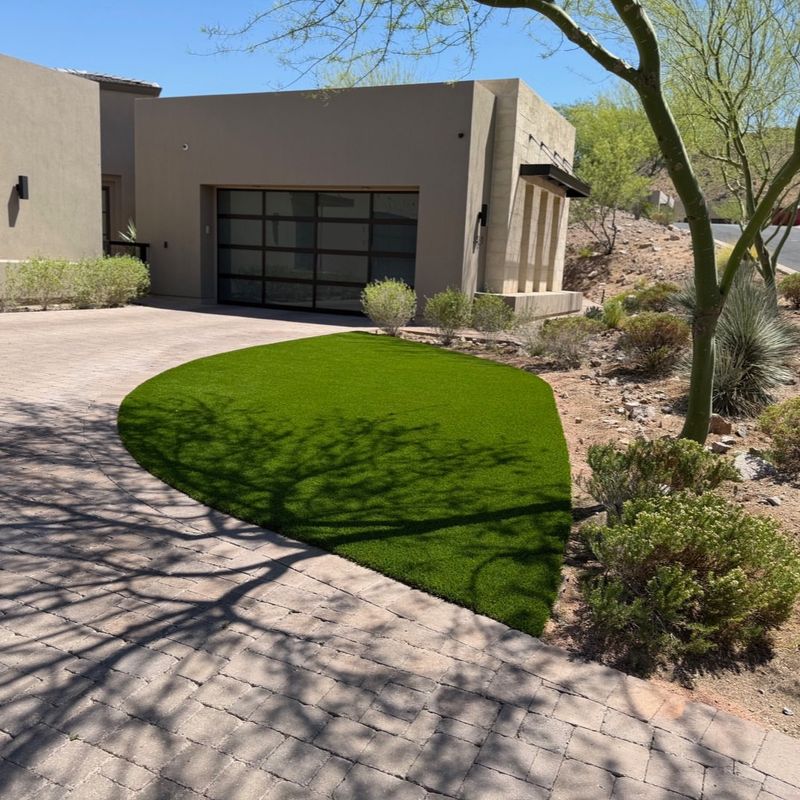
Plenty of California homeowners have made the switch to artificial turf, and for good reason. It stays green year-round, requires no watering, and holds up well during drought restrictions.
The same state law that protects drought-tolerant landscaping also extends protection to artificial turf installations.
Your HOA cannot ban artificial turf outright. If you want to swap your real grass for a synthetic version, the law gives you that right.
But here is where things get a little more layered. While the HOA cannot say no completely, they can still enforce reasonable design standards.
That means they might have rules about the color of the turf, how it is edged, or whether it needs a border of real plants around it.
Some HOAs also have rules about the quality of the turf material or how it must be installed.
Your California Garden Changes Every Week. Your Plan Should Too.
Gardening in California changes quickly throughout the season. Every Friday you’ll receive a simple weekly plan showing exactly what to plant, prune, fertilize, harvest, and protect so you never miss the right timing.
These kinds of guidelines are generally considered reasonable as long as they do not effectively make installation impossible or unreasonably expensive.
Before you order your turf and schedule installation, review your HOA’s current CC&Rs carefully. Ask in writing whether there are any specific design requirements.
Getting clarity upfront saves you from having to redo the work later. Artificial turf is a smart investment, and with a little planning, you can install it without any major conflict with your HOA.
3. Your HOA Cannot Force Turf Grass Everywhere
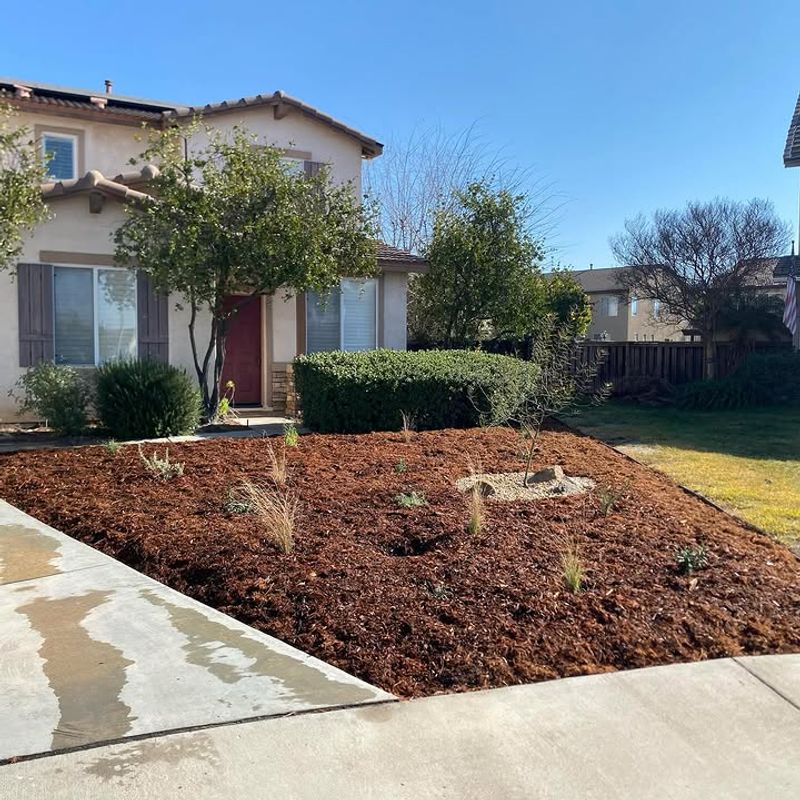
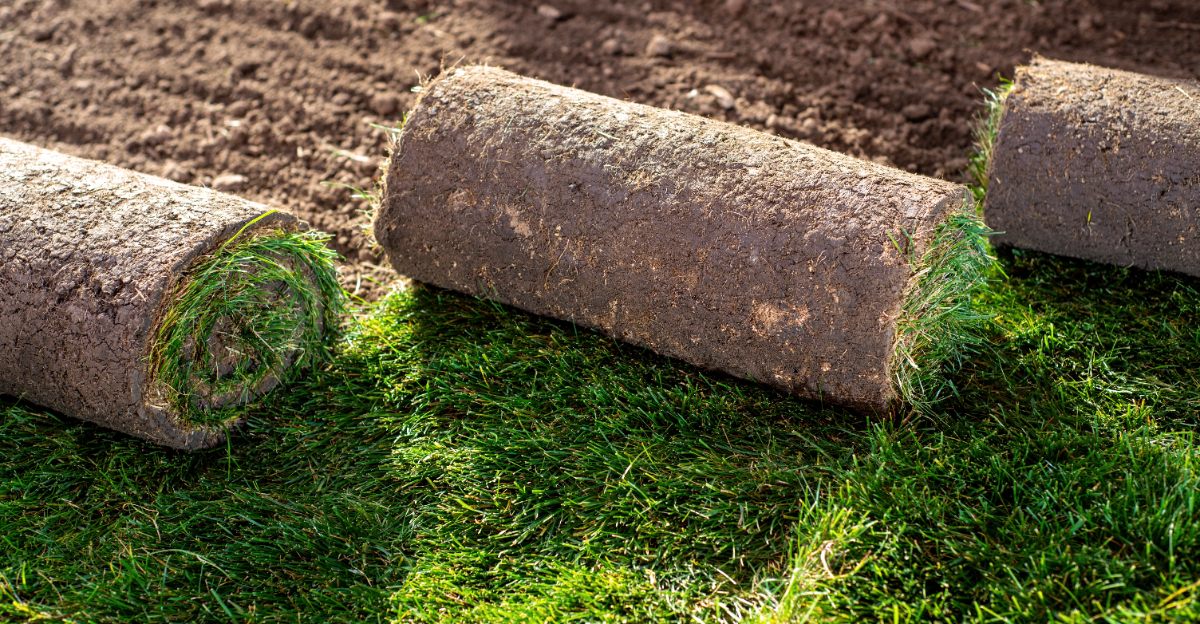
Your HOA generally cannot enforce rules that require you to keep turf grass if those rules prevent you from replacing it with low water-using plants or artificial turf.
State law specifically prohibits HOAs from mandating turf grass as the primary ground cover for your yard.
This is a direct result of water conservation efforts pushed by state legislators over the past two decades.
Traditional lawns are notoriously thirsty. Traditional lawns can require substantial irrigation during hot California months, depending on lawn size, climate, and watering system.
As droughts have become more frequent and water costs have climbed, keeping a lush green lawn has become both expensive and environmentally problematic. The law recognized this reality.
So if your HOA’s rules include language that says something like “all front yards must be maintained with green grass,” that rule may not be enforceable under current state law. That does not mean you can let your yard turn into a wild, overgrown mess.
You still have to keep things tidy and maintained. But you have the freedom to choose ground cover alternatives like clover, low-growing native plants, decomposed granite, or wood chip mulch.
If your HOA pushes back when you remove your lawn, ask them to identify the specific CC&R, architectural guideline, or landscaping rule they believe applies, and compare it with Civil Code § 4735.
Chances are, they cannot, because the law simply does not support forcing turf grass on California homeowners.
4. Brown Lawns During Drought Emergencies Are Treated Differently
Drought emergencies happen more often than most people would like.
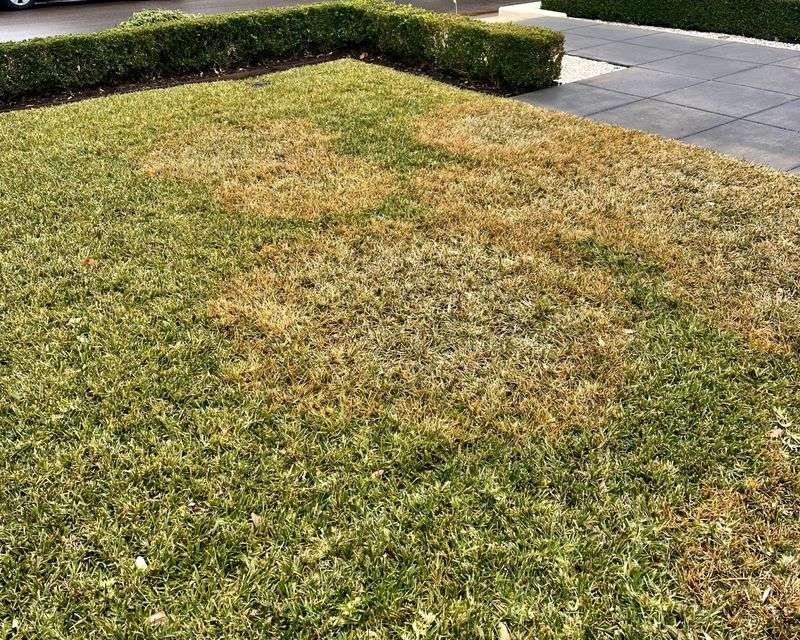
When local water agencies declare a drought emergency or impose mandatory water restrictions, homeowners are sometimes forced to let their lawns go brown just to comply with watering rules.
In those situations, your HOA cannot fine you for having a brown or dry lawn.
State law makes this crystal clear. If a homeowner stops watering their lawn because a government agency has told them to reduce water use, or because local restrictions make regular watering illegal, the HOA has no legal ground to issue fines or violations.
The law prioritizes public water conservation over HOA aesthetic preferences.
This protection is important because HOA fines can add up fast. Some associations charge homeowners hundreds of dollars for lawn violations, and those fines can compound over time.
Knowing that drought-related browning is legally protected gives homeowners real financial relief during tough dry spells. If you receive a fine during a declared drought emergency, respond in writing immediately.
Reference the specific state law and include documentation from your local water district showing the restrictions in place. Keep records of any communications with your HOA throughout the process.
You are not required to choose between following government water rules and keeping your HOA happy. During drought emergencies, the state has already made that choice for you.
5. Backyard Food Gardens Have Legal Protection
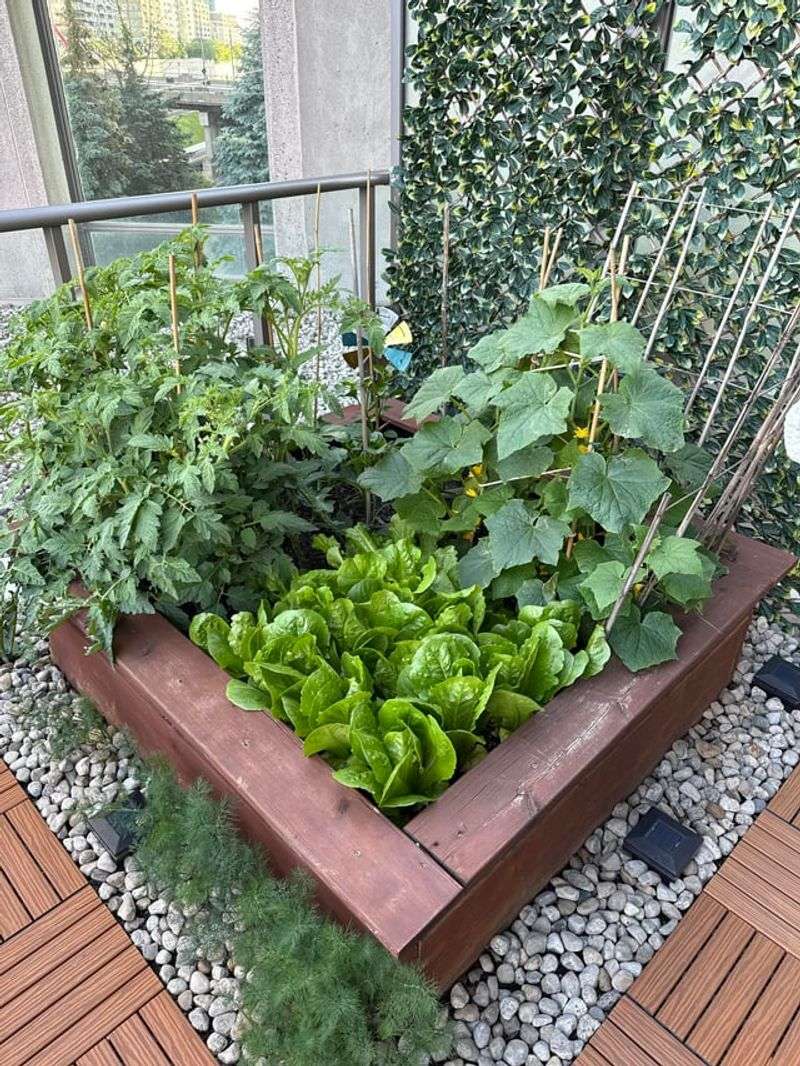
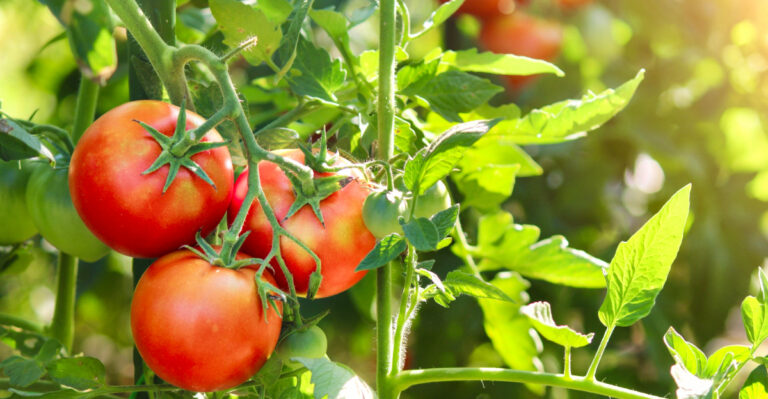
Growing your own food is one of the most rewarding things a homeowner can do. Luckily, California agrees.
Under California Civil Code Section 4750, HOAs are prohibited from banning vegetable gardens in the backyard.
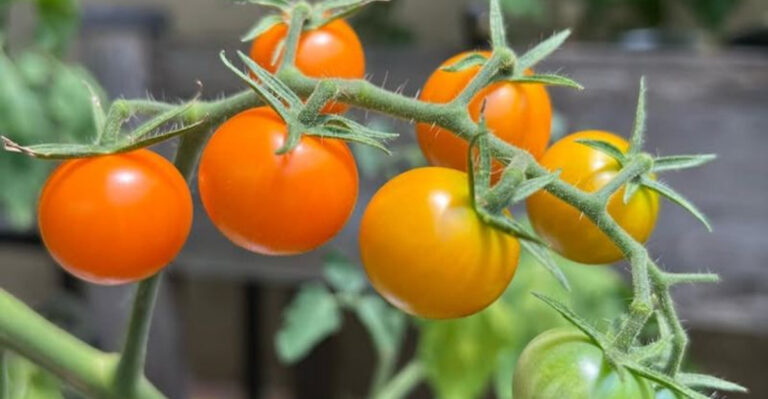
If you want to grow tomatoes, peppers, herbs, or leafy greens in your rear yard, the law is squarely on your side.
This protection was put in place to support food security and sustainable living. Lawmakers recognized that homegrown food reduces grocery costs, supports healthier eating, and lowers the environmental impact of food transportation.
Restricting backyard gardens would work against all of those benefits. The key word in this law is ‘backyard.’
Civil Code § 4750 applies only to a homeowner’s backyard or a yard designated for the homeowner’s exclusive use.
It is not simply a general rule for every area hidden from the street. So your vegetable garden in the rear yard is protected, but a front-yard food garden is a different story, which we will cover in a later section.
Your HOA may still ask that your garden be reasonably maintained.
They can request that it not attract pests or create drainage issues. But they cannot tell you that vegetables are not allowed at all.
If your HOA has tried to shut down your backyard garden, take action. Review Section 4750, document your garden with dated photos, and send a written notice to your HOA board.
You have every right to grow food in your own backyard.
6. Reasonable Rules Can Still Apply To Vegetable Gardens
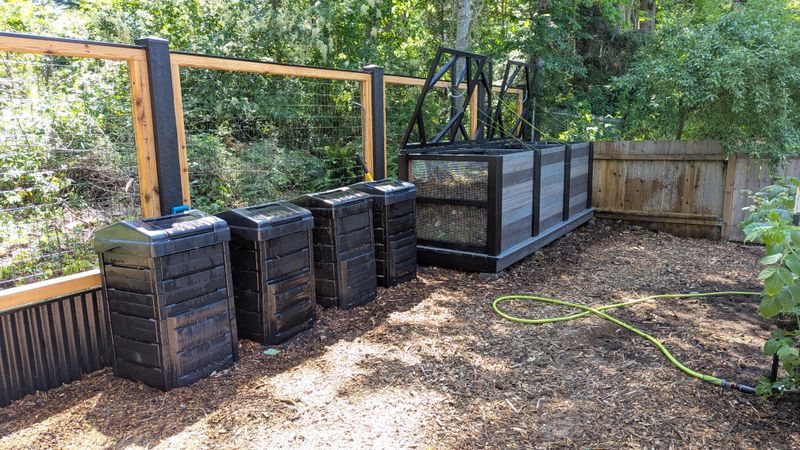
Just because your backyard food garden is legally protected does not mean your HOA has zero say in how it looks or operates.
The law allows HOAs to set reasonable rules that govern the maintenance and appearance of vegetable gardens, as long as those rules do not effectively ban gardening altogether.
For example, your HOA might require that garden beds be neatly contained, that compost bins have lids, or that irrigation systems not cause runoff onto neighboring properties. These are all considered reasonable standards.
They focus on maintaining the neighborhood’s overall appearance and preventing nuisance issues, not on eliminating your right to garden.
Where HOAs cross the line is when their rules are so strict or costly that following them becomes practically impossible.
If an HOA requires a specific type of raised bed that costs thousands of dollars, or demands a professional landscaper maintain the garden at all times, a court might find those rules unreasonable.
The standard is whether a rule is genuinely about aesthetics and upkeep, or whether it is really just a way to discourage gardening without technically banning it.
When reviewing your HOA’s rules, ask yourself whether the requirements are practical and proportionate.
If something feels excessive, it might be worth getting a second opinion from a housing rights organization or attorney who handles HOA disputes in California.
7. Withered Plants And Weeds Are Still Fair Game
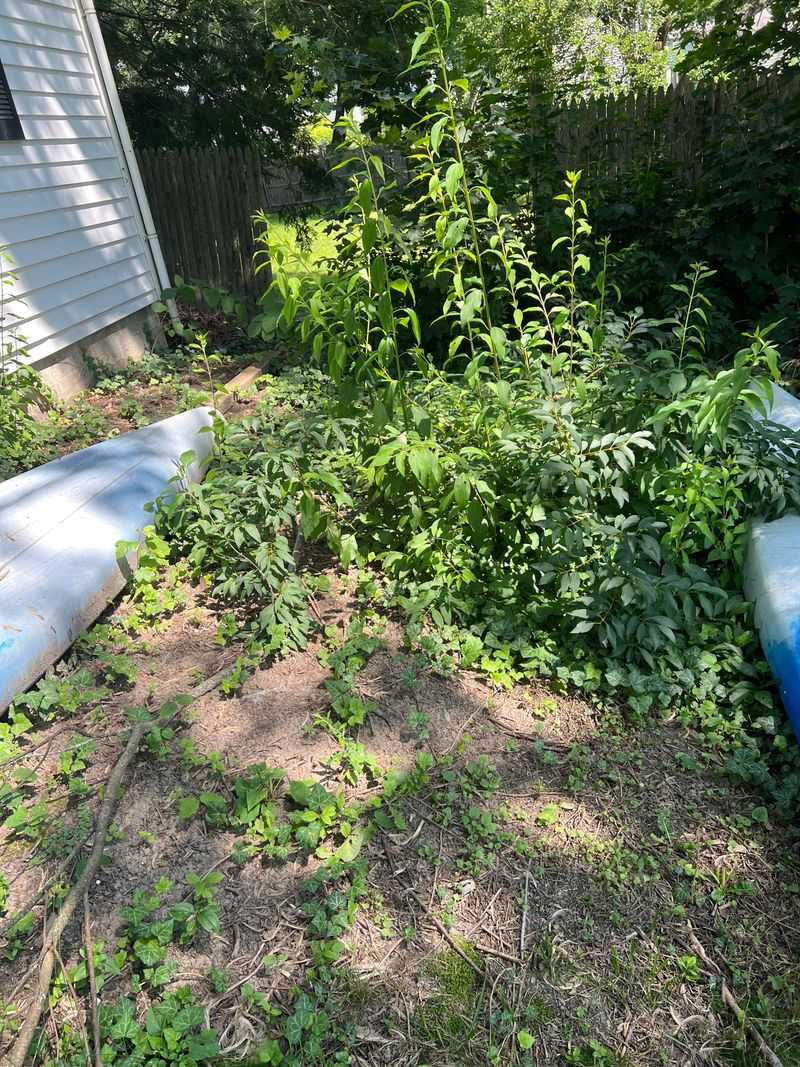
Not everything in your yard falls under legal protection. While state law shields homeowners who make intentional, eco-friendly landscaping choices, it does not protect neglect.
HOAs are still fully within their rights to cite homeowners for yards filled with weeds, uncontrolled overgrowth, or visibly neglected plants.
Think of it this way: choosing drought-tolerant plants is a conscious decision. Letting your yard fill up with weeds because you have not gotten around to it is a different matter entirely.
HOAs exist in part to maintain community standards, and unkempt yards can affect neighboring property values and overall neighborhood appeal.
Weed control is a common HOA enforcement issue. Many associations have specific rules requiring homeowners to remove invasive plants, pull visible weeds from front yard areas, and keep shrubs trimmed below a certain height.
These rules are generally enforceable and do not conflict with state water conservation laws. The best way to avoid violations is to stay on top of basic yard maintenance.
Even if you have replaced your lawn with drought-tolerant plants, keep those plants tidy. Edge your mulch borders.
Pull weeds before they spread. A low-water yard still needs regular upkeep to meet HOA standards.
Neglect is one area where the law will not come to your rescue, so a little routine effort goes a long way toward keeping your HOA off your back.
8. Front Yards Are Not Protected The Same Way As Backyards
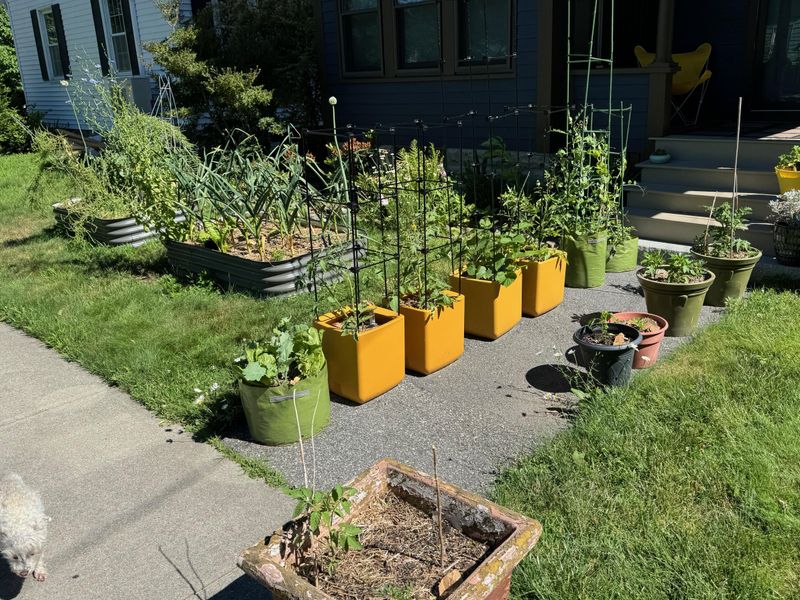
Here is a distinction that catches many California homeowners off guard. The legal protections for food gardens specifically apply to backyards.
Front yards do not get the same level of protection when it comes to vegetable gardens. That means your HOA may have more authority to regulate or even restrict edible plants in your front yard.
Some HOAs have rules that require front yards to maintain a certain aesthetic that is consistent with the rest of the neighborhood.
They might allow decorative plants and flowers but draw the line at vegetable rows or raised food beds visible from the street.
Courts have generally upheld these kinds of rules as reasonable, especially when the HOA applies them consistently across all homes.
That does not mean you are completely out of options if you want to grow food in your front yard. Some edible plants look ornamental and might not trigger any complaints.
Herbs like rosemary, lavender, and chives can blend into a decorative landscape without looking like a farm plot. Fruit trees might also be permitted depending on your HOA’s tree policies.
The key is to check your CC&Rs before planting anything visible from the street. If you want to push for a front-yard food garden, consider presenting a formal proposal to your HOA board.
9. HOAs Can Require Landscape Plans Before Work Starts
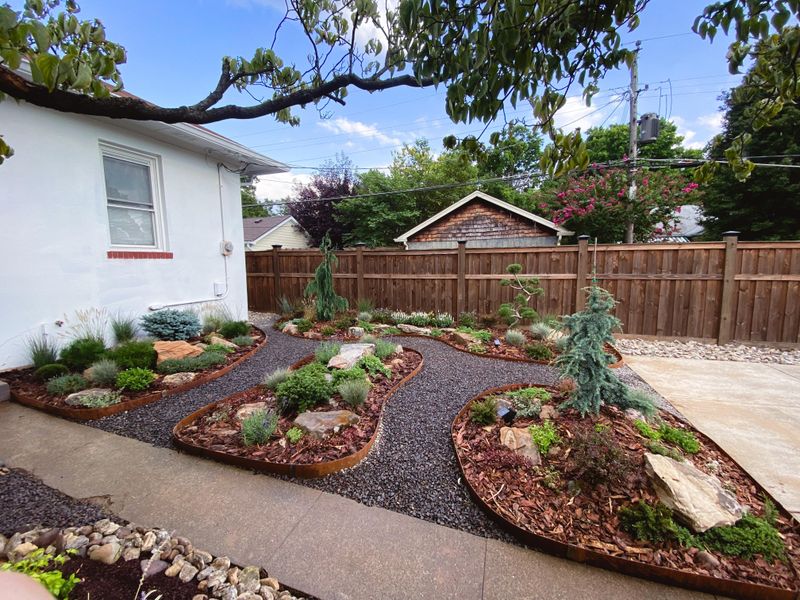
Even when your landscaping project is legally protected, your HOA may still have the right to require that you submit a plan before you start any work.
Many HOAs have architectural review committees that evaluate proposed changes to make sure they meet community guidelines. This process is generally considered reasonable and legal.
Submitting a landscape plan does not mean your HOA can reject a water-saving project just because they prefer traditional grass.
What it does mean is that they want to review the design for things like layout, plant placement, color schemes, and structural elements like walls or raised beds.
The review process is about visual consistency, not about blocking your legal rights.
If your HOA requires a plan, take the process seriously. Create a simple diagram showing what you plan to plant and where.
Include a list of plant names, expected mature sizes, and irrigation methods. The more detailed and professional your submission looks, the smoother the approval process tends to go.
Most HOAs have a set timeline for reviewing landscape plans, often between 30 and 60 days. If they do not respond within that window, check your CC&Rs because some rules state that silence equals approval.
Staying organized, communicating clearly, and following the proper steps protects you legally and helps you avoid unnecessary delays on your project.