The California Native Plants That Help Control Rats And Weeds At The Same Time
A California yard can feel like it is fighting two battles at once. Weeds creep into every open patch, while rats search for easy shelter and convenient pathways.
Honestly, the landscaping drama never takes a day off.
The right native plants can help make both problems less overwhelming. Some grow densely enough to crowd out unwanted seedlings, while their shape and structure can make certain areas less comfortable for rodents to explore.
That does not mean planting a few shrubs will magically solve everything overnight. Rats are persistent, and weeds are practically professional opportunists.
Still, thoughtful plant choices can make the yard harder for both to claim.
Native greenery also has the advantage of fitting California conditions more naturally. With the right selections, the landscape can look polished while quietly becoming less inviting to unwanted guests.
That is a lot of useful work for plants that still manage to look completely effortless.
1. Yankee Point Ceanothus Makes A Dense Native Mat
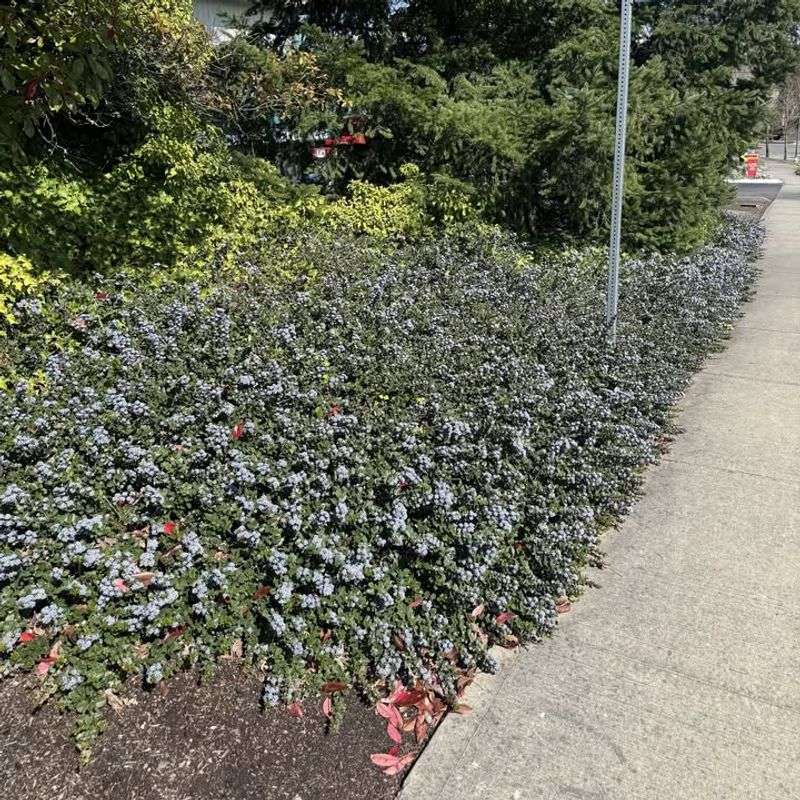
Few ground covers in the western United States spread as quickly and as thickly as Yankee Point Ceanothus.
Once it gets established, it forms a solid mat of glossy dark green leaves that barely lets sunlight reach the soil below.
Weeds need light to germinate, and this plant cuts off that supply almost completely.
Rats are not fans of this shrub either. The dense, low-growing branches create a tight canopy that is hard to tunnel through or nest under.
Unlike loose mulch or open garden beds, the tangled structure of this plant does not offer easy shelter. Rodents tend to move on when they find no comfortable access point.
Yankee Point Ceanothus thrives in coastal and inland areas, especially in well-drained soil with full sun to partial shade. It handles drought well once rooted, which makes it a strong choice for low-water landscapes.
The plant also produces clusters of bright blue flowers in spring that attract bees and butterflies. Gardeners often use it on slopes to prevent erosion while keeping weed pressure down.
It spreads two to three feet wide for every foot of height. Planting several of them together creates a connected, weed-suppressing carpet that requires almost no upkeep after the first season.
It is a reliable, hardworking native that earns its place in any yard.
2. Creeping Sage Smothers Sunny Bare Patches
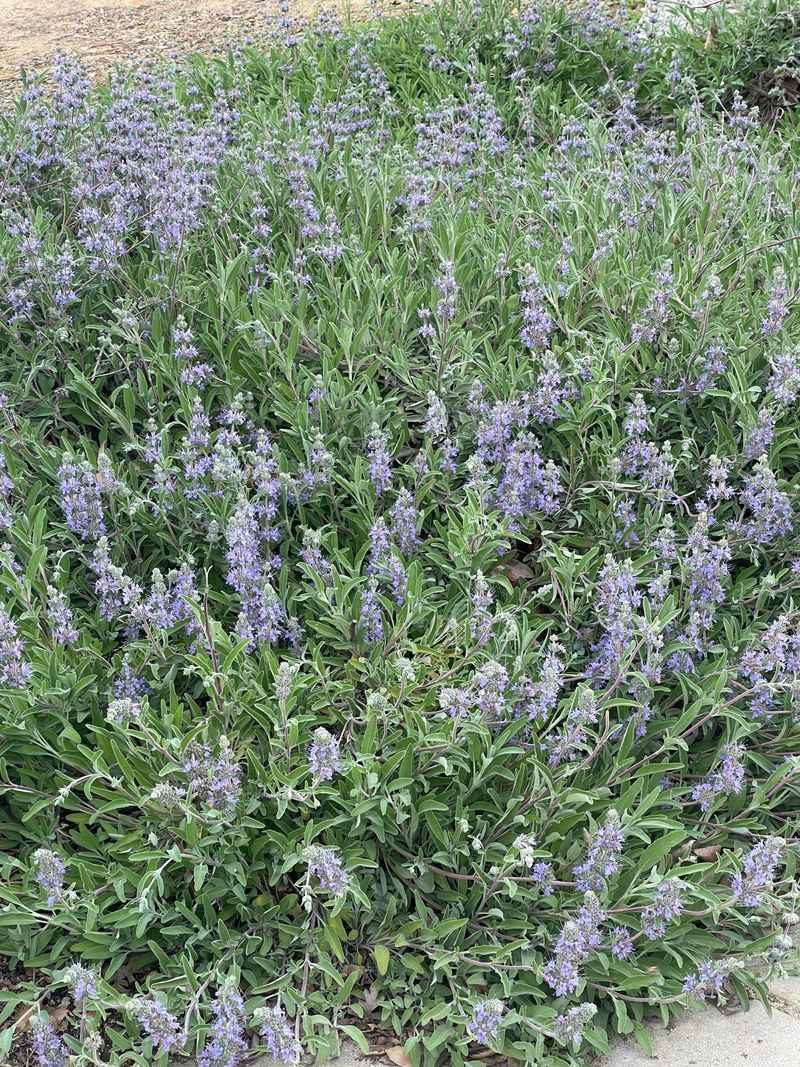
Bare patches in a sunny yard are basically open invitations for weeds and rodents alike. Creeping sage, known botanically as Salvia sonomensis, is one of the best native plants for shutting that invitation down fast.
It spreads outward in a low, soft mat that clings close to the ground and blocks weed seeds from finding a foothold.
The aromatic oils in the leaves are a natural deterrent for rats. Rodents have a strong sense of smell, and they tend to avoid plants with sharp or medicinal scents.
Sage falls firmly into that category. The strong fragrance that humans often find pleasant is something rats prefer to stay away from.
Planting creeping sage along borders, pathways, or open garden beds adds a layer of natural rodent discouragement without any extra effort.
Your California Garden Changes Every Week. Your Plan Should Too.
Gardening in California changes quickly throughout the season. Every Friday you’ll receive a simple weekly plan showing exactly what to plant, prune, fertilize, harvest, and protect so you never miss the right timing.
This plant is native to northern regions of California and grows well in dry, rocky, or sandy soil. It needs very little water once established and handles heat without complaint.
The silvery-green foliage stays attractive throughout the year, and soft purple flowers appear in late spring. Bees love those blooms.
Creeping sage works especially well on south-facing slopes where other plants struggle to survive. It grows about six inches tall and spreads up to four feet wide.
For homeowners dealing with stubborn bare spots that keep filling with weeds, this plant is one of the smartest fixes available.
3. Dwarf Coyote Brush Holds Tough Yard Edges
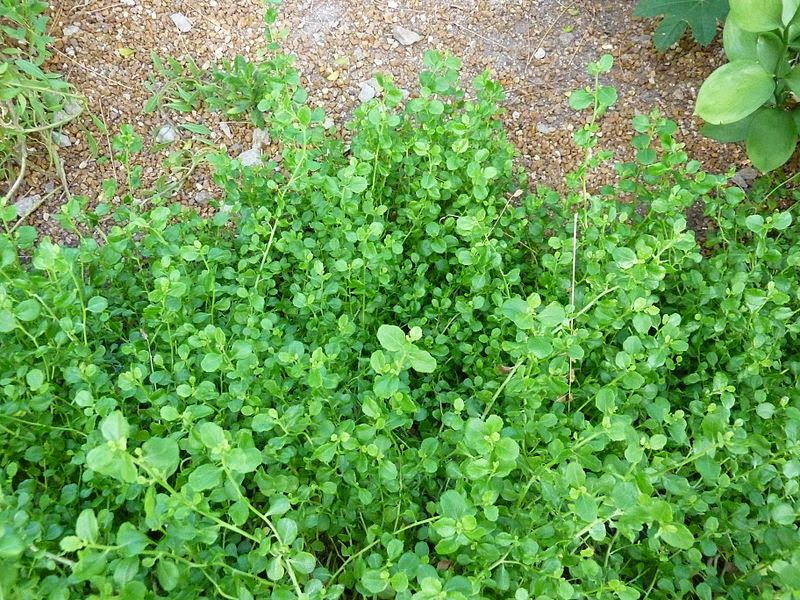
Yard edges are some of the hardest spots to keep clean. Weeds creep in from sidewalks, fences, and neighboring properties, and rats love running along those same edges under cover.
Dwarf coyote brush, a compact form of Baccharis pilularis, handles both problems with almost zero fuss.
It grows into a low, spreading mound that fills in edge spaces tightly. The thick foliage shades the soil and blocks weed seeds from sprouting.
Because it stays low and dense, it does not give rodents the kind of upright, tangled cover they prefer for nesting. The plant also has a slightly resinous smell that is not appealing to rats.
Over time, a line of dwarf coyote brush along a yard edge creates a natural barrier that weeds and rodents both struggle to get past.
This plant is extremely tough. It tolerates poor soil, drought, salt spray, and hard wind, which makes it popular in coastal communities throughout California.
It grows about one to two feet tall and spreads up to six feet wide. Minimal pruning once a year keeps it tidy.
It does not need irrigation once rooted in the ground. The small white flowers it produces in fall are loved by native bees and other pollinators.
For anyone trying to keep yard edges clean without constant weeding or pest control treatments, dwarf coyote brush is a dependable and proven solution.
4. Bearberry Manzanita Covers Dry Ground Cleanly
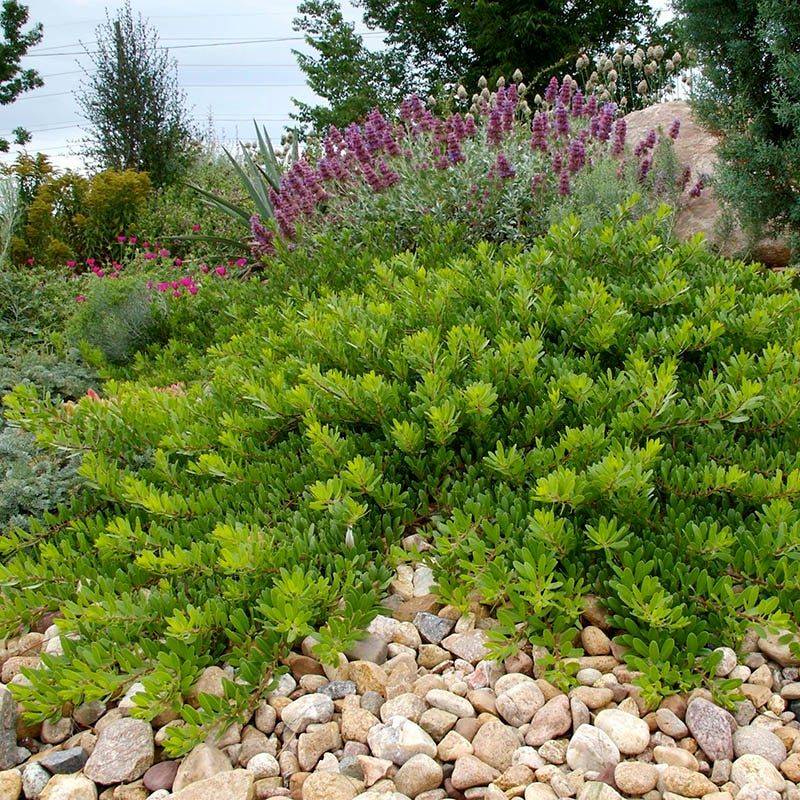
There is something almost architectural about the way bearberry manzanita grows. The smooth red-brown stems weave together in a low, interlocking pattern that covers dry ground like a natural carpet.
Weeds have a very hard time pushing through that structure, especially once the plant has been in the ground for a full growing season.
Arctostaphylos uva-ursi is the botanical name, and it has a long history of use in native landscapes across the western part of the country. The plant forms a dense mat that seals off the soil surface.
Rats find it difficult to burrow through the root system, and the tight canopy leaves no open pockets for nesting. That combination makes it a quiet but effective part of a rodent-resistant yard design.
Bearberry manzanita loves sunny spots with fast-draining soil. It grows well in the foothill regions and along the coast, especially in sandy or gravelly ground where other plants struggle.
Once established, it needs almost no water during summer. Small white or pink flowers appear in late winter and early spring, followed by tiny red berries that birds enjoy.
The plant stays about six inches to one foot tall and spreads three to six feet wide. It is one of the most reliable native ground covers for dry slopes and open beds.
Homeowners who plant it rarely need to pull weeds from those areas again.
5. Deergrass Shades Soil Without Creating Thickets
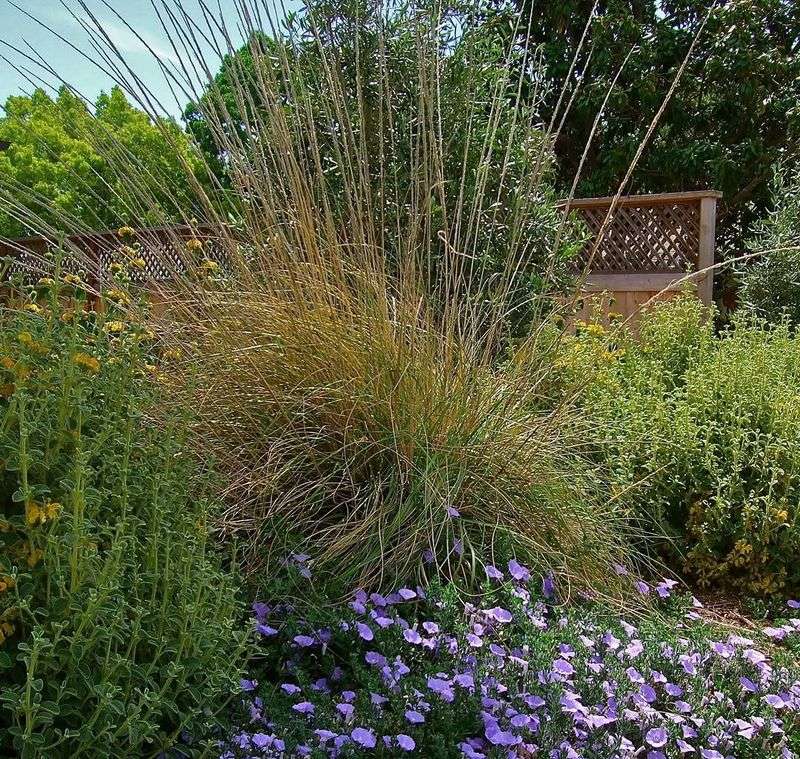
Ornamental grasses sometimes get a bad reputation for becoming messy or invasive, but deergrass is different. Muhlenbergia rigens is a well-behaved native grass that grows in clean, upright clumps.
It shades the soil around its base without spreading into a tangled thicket that rats could use for cover.
The clumping habit is key. Rats prefer grasses that sprawl and mat together because those create hidden runways and nesting areas close to the ground.
Deergrass does not do that. Each clump stays defined and separate.
The space between clumps can be filled with mulch or other low plants, which keeps weeds suppressed while still leaving the area open and easy to monitor.
Weed suppression happens because the dense clumps shade the soil directly beneath them. Seeds that land in that shade rarely sprout.
Between clumps, a thin layer of mulch or a companion ground cover handles the rest. Deergrass grows two to three feet tall with flower stalks reaching up to five feet in late summer.
Those tall, slender spikes add real beauty to the garden. The plant tolerates drought, clay soil, and seasonal flooding, which makes it one of the most adaptable native grasses.
It works well in meadow-style plantings, along dry creek beds, and in large containers. For homeowners who want structure and weed control without the mess, deergrass is a strong and dependable pick.
6. Seaside Daisy Fills Gaps With Pollinator-Friendly Blooms
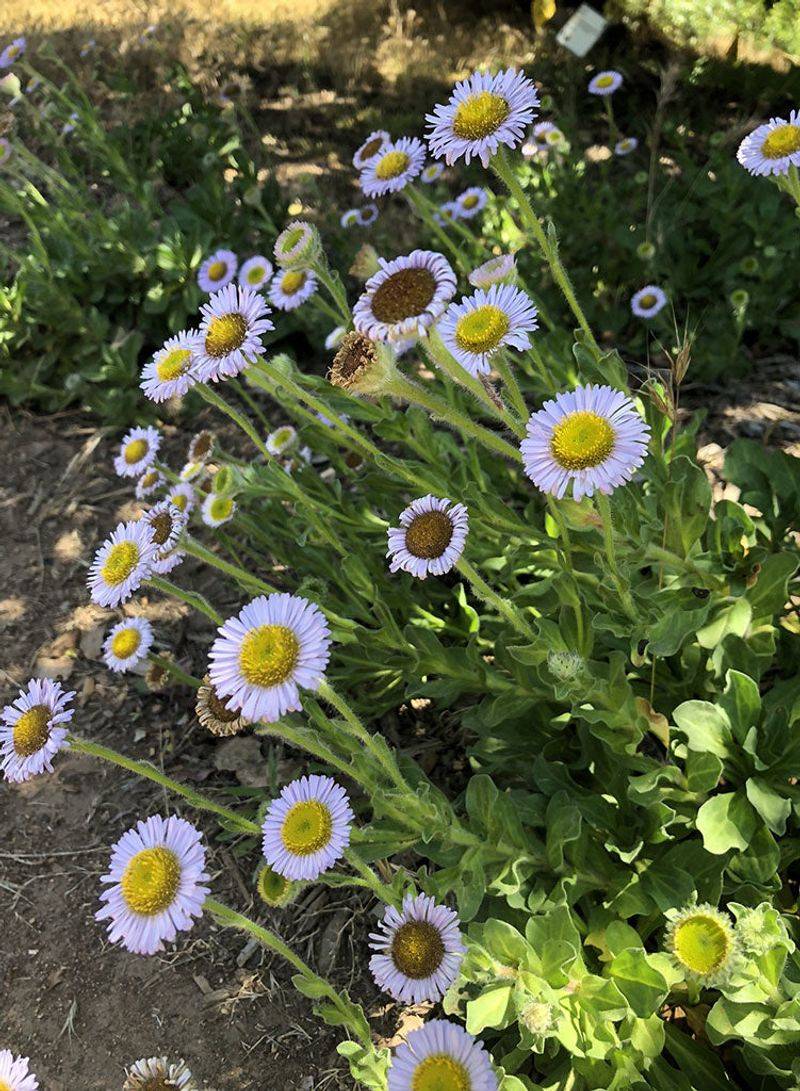
Not every weed-suppressing plant has to look tough or utilitarian. Seaside daisy, known as Erigeron glaucus, is proof that a plant can be cheerful, colorful, and hardworking all at the same time.
The low mats of soft green foliage spread steadily and fill in bare gaps before weeds get a chance to move in.
The flowers are small lavender daisies with bright yellow centers, and they bloom for months at a time. Bees, butterflies, and hoverflies visit them constantly.
That pollinator activity is actually another layer of natural pest management, since a healthy, active garden ecosystem tends to keep rodent populations lower over time.
Rats prefer quiet, undisturbed spots, and a garden buzzing with insect activity is less attractive to them.
Seaside daisy is native to the coast and does especially well in sandy or well-drained soil with full sun. It handles salt wind, fog, and dry summers without complaint.
The plant grows about six to twelve inches tall and spreads two to three feet wide. It does best with occasional deep watering during the dry season.
Deadheading spent flowers encourages more blooms and keeps the plant looking tidy. It works beautifully along walkways, in rock gardens, and between stepping stones.
Planting it in drifts creates a flowing, natural look that suppresses weeds across a wide area. For anyone who wants beauty and function in the same plant, seaside daisy delivers both reliably.
7. California Buckwheat Competes In Dry Open Beds
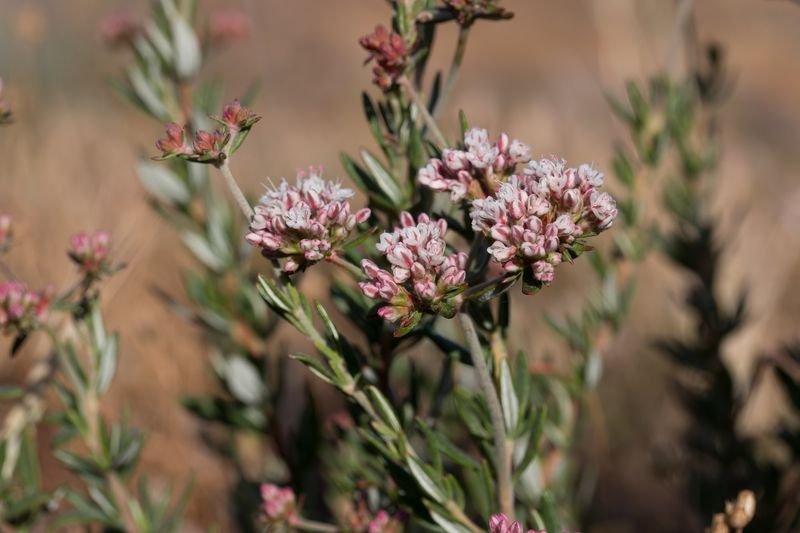
Dry, open garden beds are some of the most weed-prone spots in any yard. Weeds move fast in bare soil, and once they get established, they are hard to push back out.
California buckwheat, or Eriogonum fasciculatum, is a native shrub that fills those spaces with confidence and keeps weed competition low.
The plant spreads wide and low, covering a lot of ground with its woody stems and small gray-green leaves. The root system is aggressive in a good way.
It claims soil space quickly and leaves very little room for weeds to anchor themselves. Rats dislike the open, airy structure of the plant.
Unlike dense thickets or soft ground covers, buckwheat does not provide the hidden, sheltered spaces rodents look for when choosing a nesting site.
Beyond weed control, this plant is a powerhouse for pollinators. The clusters of tiny white flowers turn rust and cinnamon as they age, creating a beautiful two-toned effect that lasts well into fall.
Bees and butterflies swarm to those blooms throughout the warm months. The plant grows one to three feet tall and spreads three to five feet wide.
It thrives in full sun and poor, dry soil with no supplemental irrigation once established. Inland valleys, chaparral-adjacent yards, and south-facing slopes are all perfect spots for it.
Homeowners dealing with stubborn dry beds that keep growing weeds will find buckwheat one of the most effective long-term solutions available.
8. Blue Grama Grass Leaves Less Room For Weeds
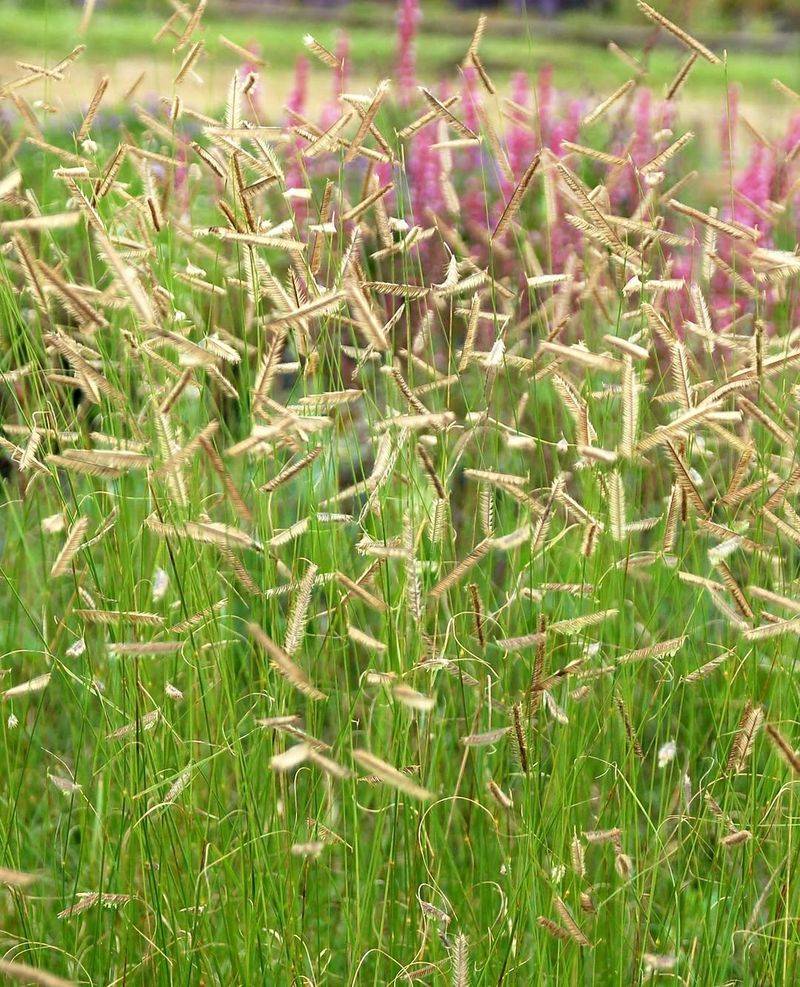
Blue grama grass has one of the most recognizable seed heads in the native plant world. Those small, comb-shaped structures sit on slender arching stalks and sway in the breeze like tiny flags.
The plant is charming, but it is also seriously effective at reducing weed pressure in dry, sunny areas.
Bouteloua gracilis grows in a dense, low turf that covers soil tightly. The blades are fine and soft, but they grow thickly enough to shade out most weed seeds before they can sprout.
Because the grass stays relatively low and does not form the kind of thick mat that rats use for nesting, it avoids becoming a rodent habitat. Open, well-maintained grass areas are not appealing to rodents looking for shelter.
This grass is native to the grassland regions of the western and central parts of the country and grows well in dry, sunny spots throughout California. It handles drought, poor soil, and neglect with ease.
Blue grama grows about twelve to eighteen inches tall and spreads slowly through short rhizomes to fill in an area over time.
It turns a soft golden color in winter, which adds warmth and texture to the garden during the cooler months.
Mowing or cutting it back once a year keeps it fresh and vigorous. For homeowners who want a low-maintenance lawn alternative that also reduces weeds, blue grama is a practical and attractive option.
9. Narrowleaf Milkweed Works In Open, Sunny Borders
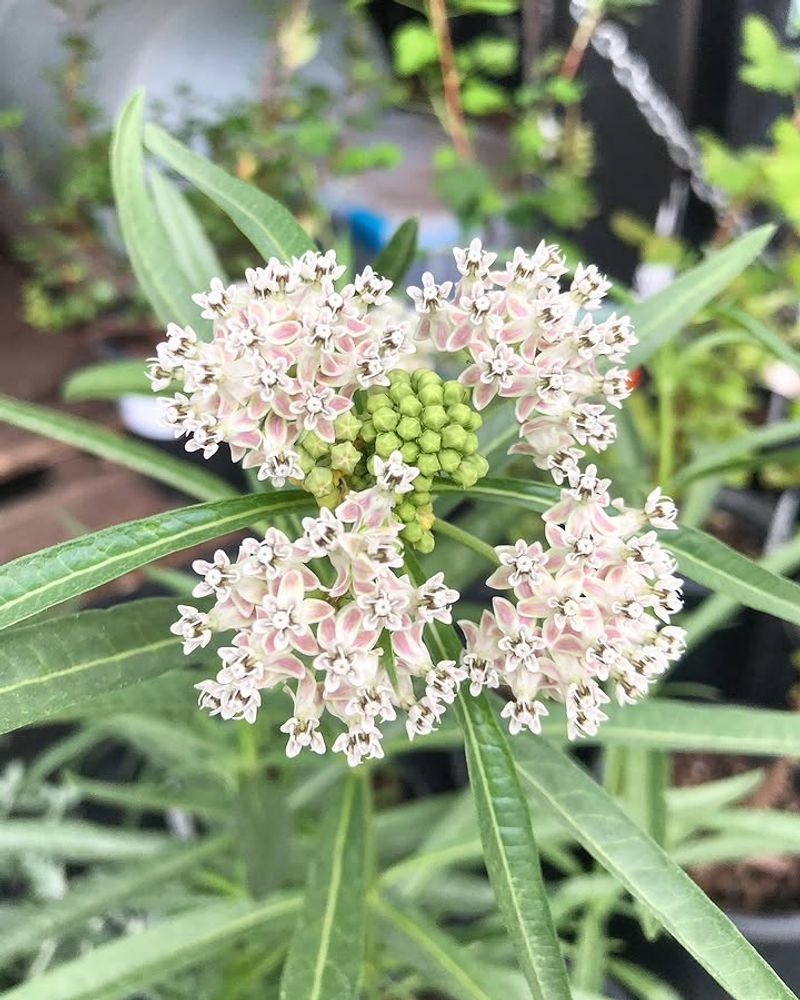
Milkweed has become famous for supporting monarch butterflies, but narrowleaf milkweed does more than just feed caterpillars.
Asclepias fascicularis is a native perennial that grows upright and fills open sunny borders with steady, reliable coverage.
That coverage is exactly what keeps weeds from taking over bare ground.
The plant grows from a deep taproot that anchors it firmly in the soil. Over time, it spreads through underground rhizomes to form loose colonies.
Those colonies shade the soil and crowd out weeds without creating the kind of dense, hidden spaces that rodents prefer.
The upright growth habit keeps the plant open and visible, which makes it less attractive to rats looking for concealed nesting spots.
Narrowleaf milkweed thrives in hot, dry conditions and grows well in the Central Valley, foothill regions, and other sunny inland areas. It handles clay and sandy soils equally well and needs no irrigation once established.
The clusters of small pink and orange flowers appear in summer and attract an impressive variety of native bees, wasps, and butterflies in addition to monarchs.
The plant grows two to three feet tall and declines back to the ground in winter before returning each spring.
Cutting it back in late fall encourages fresh, healthy growth the following season. For open, sunny borders that are prone to weed invasions, this plant offers both beauty and reliable ground coverage.
10. Mule Fat Fills Damp Edges Better Than Weeds
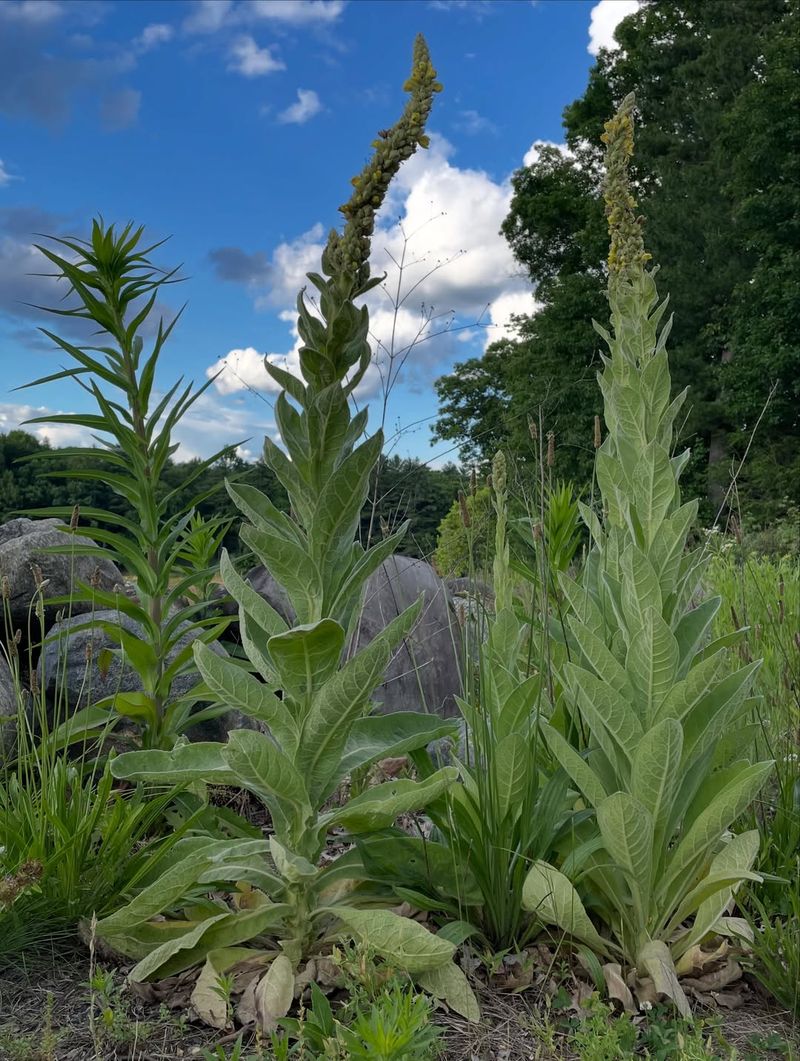
Damp edges along fences, drainage areas, or low spots in the yard are notoriously hard to manage. Weeds love moisture, and rats love the thick vegetation that often grows in those spots.
Mule fat, or Baccharis salicifolia, is a native shrub that takes over those wet edges in a way that actually works in the homeowner’s favor.
The plant grows fast and fills damp areas with upright, willow-like stems and narrow green leaves. That upright structure is important.
It does not create the dense ground-level tangle that rats use for nesting. The plant grows tall enough to shade the soil and crowd out weeds, but it stays open and airy enough that rodents do not find it comfortable.
Rats prefer low, hidden, horizontal cover, not tall, open shrubs.
Mule fat is native to riparian zones throughout the state and grows naturally along stream banks, seasonal drainages, and low wet spots. It handles standing water for short periods and bounces back quickly from flooding.
The small white fluffy flowers appear almost year-round and attract a wide range of native pollinators.
The plant grows four to twelve feet tall depending on water availability, so occasional pruning keeps it manageable in a home garden setting.
Cutting it back hard every few years rejuvenates the plant and keeps it dense and healthy. For anyone struggling with weedy, damp corners that nothing else seems to fix, mule fat is a native solution that genuinely holds its ground.