Blueberry Planting Mistakes Indiana Gardeners Keep Making In Their Backyard Beds
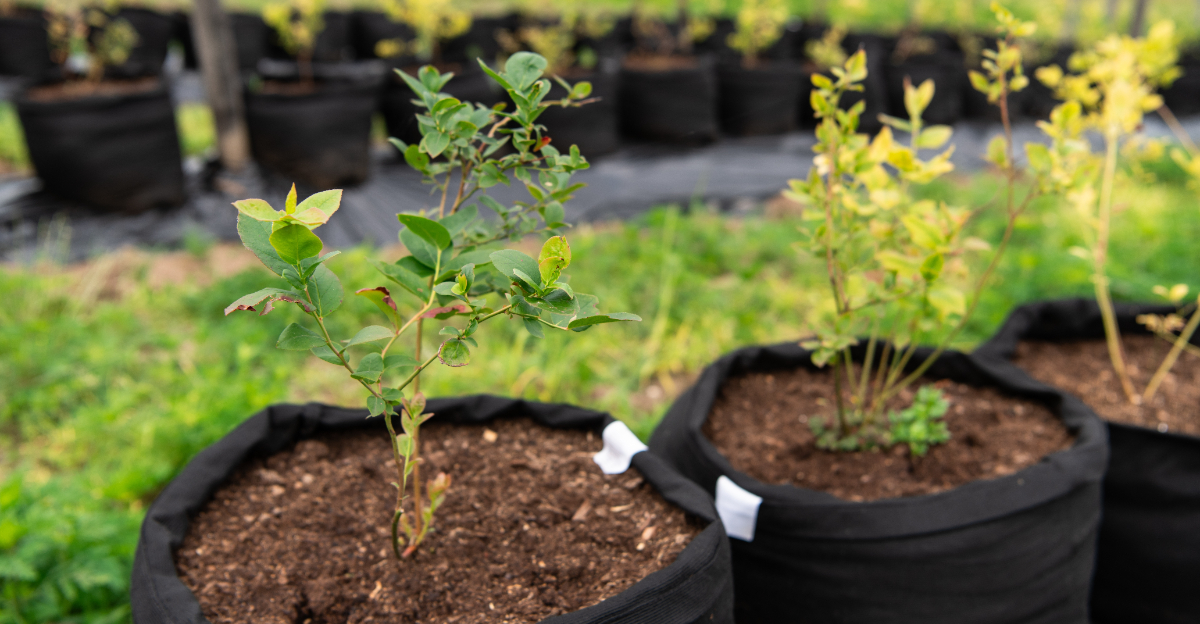
Blueberries are one of the most rewarding fruits you can grow in a backyard bed, but they come with a short list of non-negotiables.
Ignore them, and the plants will struggle no matter how much you water or fertilize. Honor them, and you will have productive bushes for decades.
Indiana’s climate is actually well-suited for growing blueberries, but only if you match the right varieties to the right conditions and set them up properly from day one.
Here are the mistakes that trip up even experienced gardeners, and exactly how to avoid them.
Not Testing Soil PH Before Planting
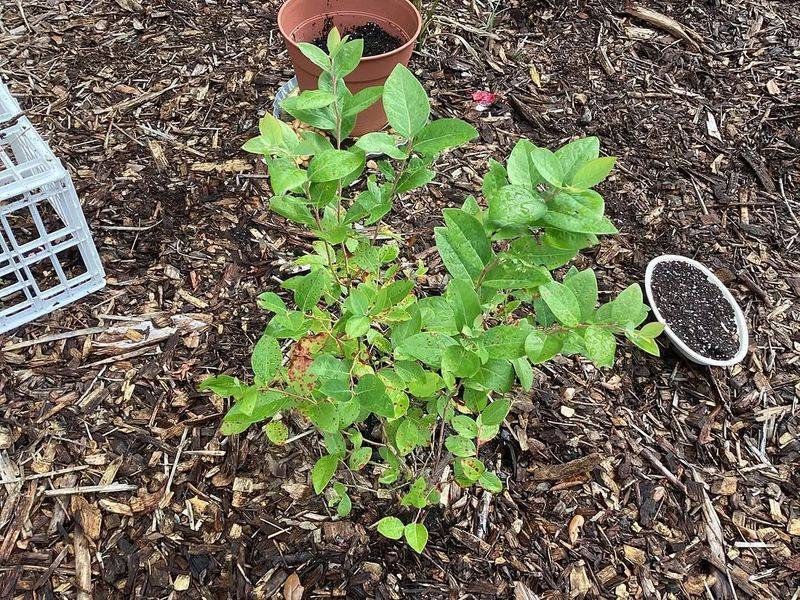
Blueberries are picky about one thing above everything else: soil acidity. Most backyard soil in the Midwest sits at a pH between 6.0 and 7.0, which sounds fine for most plants.
But blueberries demand a pH between 4.5 and 5.5. That gap is not small, and planting into the wrong pH is one of the top blueberry planting mistakes gardeners make.
Without the right acidity, your plants cannot absorb nutrients properly. They may leaf out in spring but never thrive, turning yellow and producing little to no fruit.
Testing your soil before you plant takes about ten minutes and costs under fifteen dollars. Home test kits from garden centers work well, or you can send a sample to your local Purdue Extension office for a detailed report.
If your pH is too high, you can lower it by working sulfur into the soil several months before planting. Peat moss mixed into your bed also helps drop the pH naturally over time.
Do not skip this step and assume your soil is ready. Even if you amended your beds last year, pH can drift back up without regular checks.
Test every spring and adjust as needed. Consistent monitoring keeps your bushes fed and productive for years to come.
Getting the chemistry right before your first plant goes in the ground sets the entire season up for success. Healthy roots start with the right soil, and that starts with a simple test.
Planting Only One Blueberry Variety
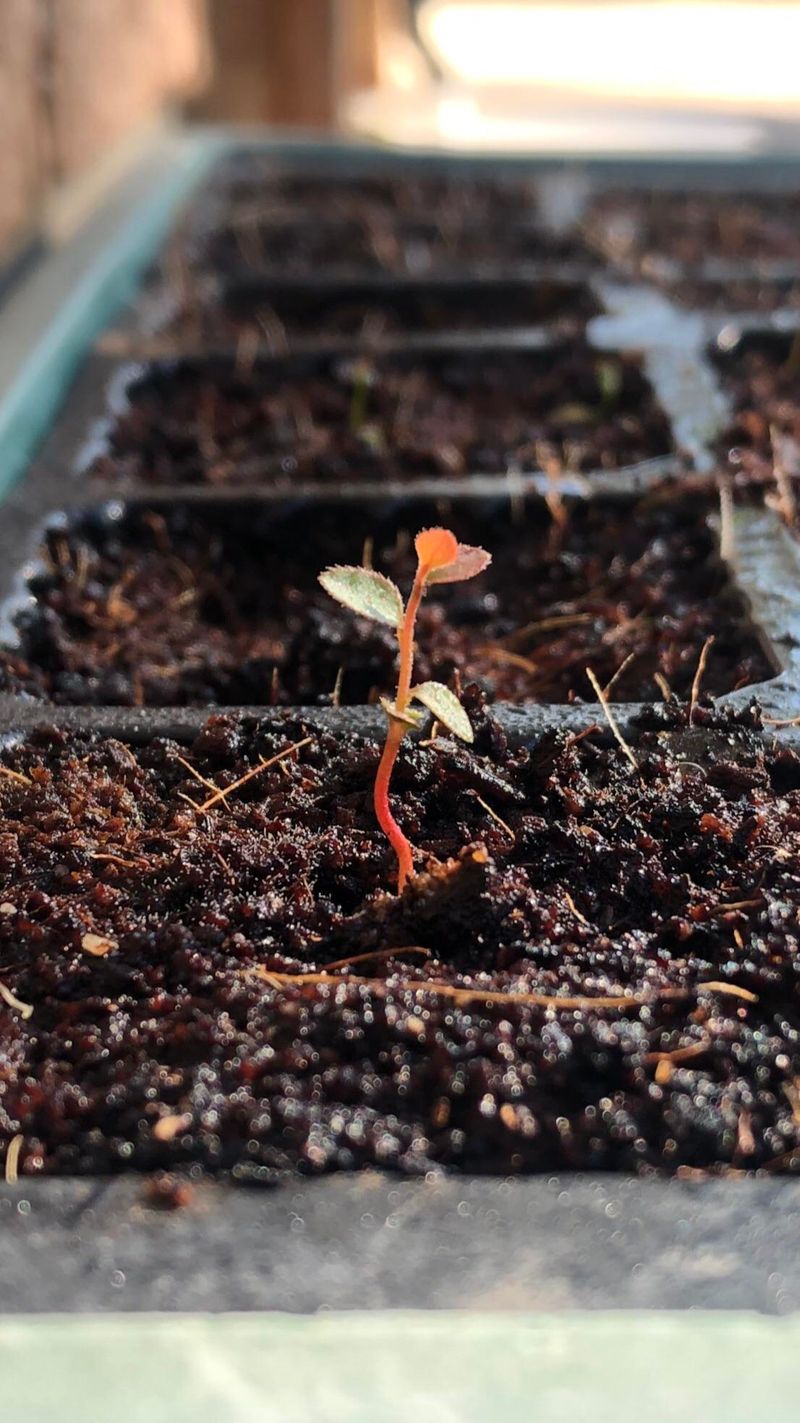
Here is a mistake that surprises a lot of first-timers: one blueberry bush is almost never enough. Blueberries produce far more fruit when they have a cross-pollination partner nearby.
Most northern highbush varieties can set some fruit on their own, but planting only one type leaves a significant amount of potential yield on the table. You may get a handful of berries when you could have buckets.
Cross-pollination happens when bees carry pollen from one variety to another nearby shrub. The result is bigger berries, heavier clusters, and a longer harvest window across your whole bed.
Choosing two or three different varieties also staggers your harvest season. Early-ripening types come in around June, while mid and late varieties push your picking time into August.
That means fresh fruit over a much longer stretch of summer instead of one short burst. That kind of spread makes a real difference for backyard growers.
Look for varieties that bloom at similar times so the bees can do their job effectively. Pairing Bluecrop with Patriot or Duke is a popular combination that works well in Midwestern climates.
Your Indiana Garden Changes Every Week. Your Plan Should Too.
Gardening in Indiana changes quickly throughout the season. Every Friday you’ll receive a simple weekly plan showing exactly what to plant, prune, fertilize, harvest, and protect so you never miss the right timing.
Plan your bed layout before you buy. Make sure your chosen varieties are compatible pollinators and that you have room for at least two healthy shrubs.
A little planning at the nursery pays off in pounds of fruit each summer. One bush is a start, but two is where the real harvest begins.
Choosing The Wrong Blueberry Type For Indiana’s Climate
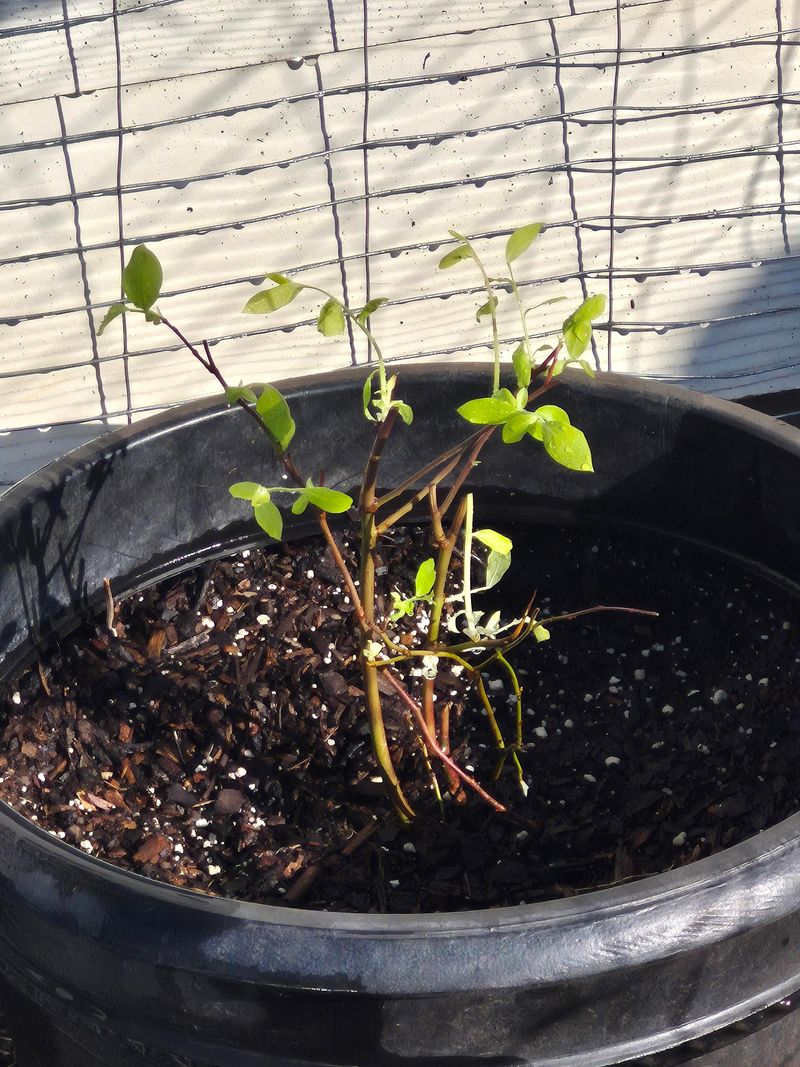
Not every blueberry type belongs in every region, and Indiana has its own specific demands. Choosing the wrong species is one of the most frustrating blueberry planting mistakes because it often takes a full season to notice.
The state sits in USDA hardiness zones 5b through 6b across most of its growing regions. That means cold winters, unpredictable spring frosts, and hot, humid summers all factor into what will survive.
Highbush blueberries are the most common backyard choice, and the northern highbush varieties are your best bet here. Varieties like Bluecrop, Patriot, and Chandler are bred to handle cold winters and still fruit reliably each summer.
Rabbiteye blueberries, popular in the Southeast, are not reliably cold-hardy in Indiana winters. They are not bred for the cold snaps that sweep through the Midwest in February and March.
Lowbush blueberries are cold-hardy but stay small and produce modest yields. They work better as ground cover than as a productive backyard crop.
Half-high varieties like Northblue or Northcountry are excellent compact options for smaller spaces. They handle cold well and still produce respectable harvests in most Indiana growing zones.
Always check the cold-hardiness rating on the plant tag before purchasing. A variety rated to zone 7 will likely disappoint you after your first hard freeze.
Matching the right plant to your actual climate is not overthinking it. It is the difference between a thriving bush and a bare stick by April.
Planting In Poorly Drained Soil
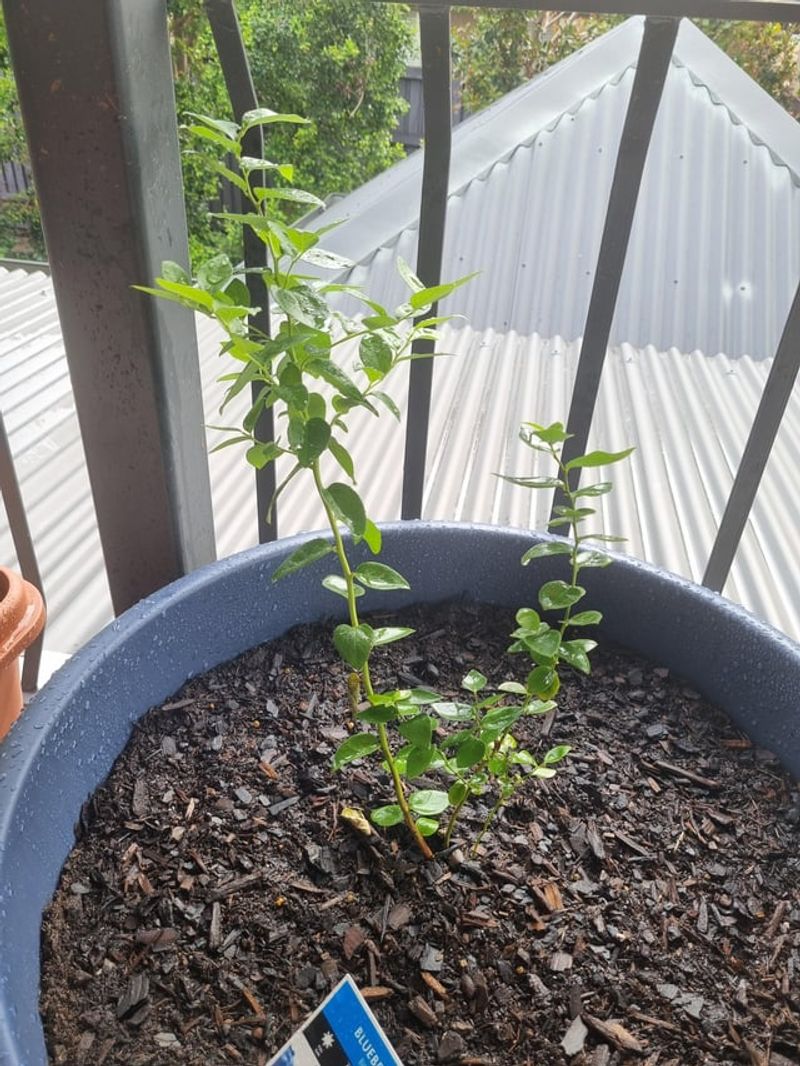
Soggy roots are a serious threat to blueberry bushes, and Indiana’s clay-heavy soils make drainage a real concern. Blueberries need moisture, but they cannot sit in standing water.
Roots that stay wet for too long begin to rot, and once root rot sets in, the plant can decline rapidly. You might not even notice the problem until the leaves start yellowing in midsummer.
Before planting, dig a hole about twelve inches deep and fill it with water. If that water is still sitting there an hour later, your drainage is too poor for blueberries without some serious amendment.
Raised beds are one of the smartest solutions for gardeners dealing with heavy clay. Building up your bed by twelve to eighteen inches gives roots the airy, well-drained environment they need to thrive.
Mixing your native soil with aged pine bark, coarse sand, and peat moss improves both drainage and acidity at the same time. That kind of custom blend mimics the forest floor conditions where wild blueberries naturally grow.
Avoid planting in low-lying areas of your yard where water naturally collects after rain. Even a gentle slope can make a big difference in how quickly excess moisture moves away from the root zone.
Proper drainage also supports healthy soil biology. Well-aerated roots absorb nutrients more efficiently and resist fungal diseases that thrive in wet conditions.
Give your blueberries a spot where water drains within thirty minutes. Dry feet equal happy roots, and happy roots mean a heavy harvest.
Skipping The Mulch Layer
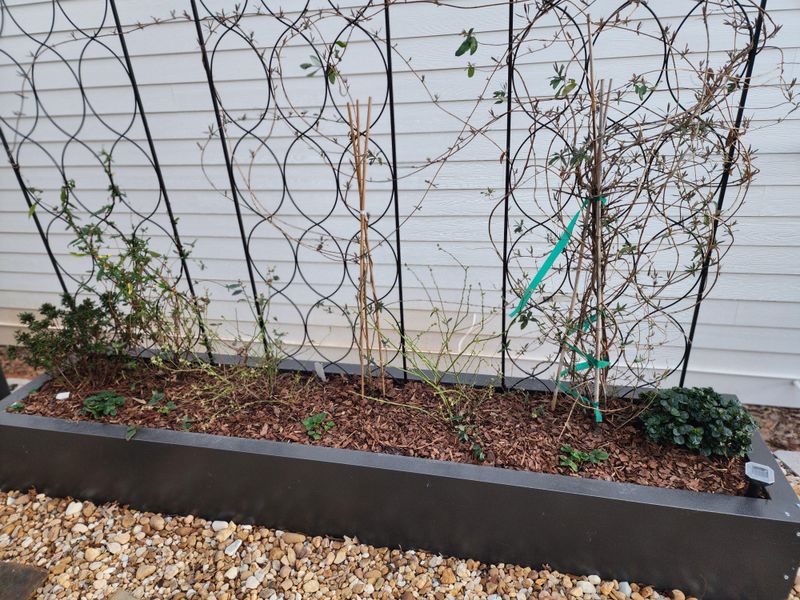
Mulch might seem optional, but for blueberries it is practically a necessity. Skipping this step is one of the most common blueberry planting mistakes among new growers, and the effects show up fast.
Blueberry roots are shallow and fibrous, sitting just a few inches below the soil surface. Without a protective layer on top, those roots dry out quickly in summer heat and freeze without protection in winter.
A good mulch layer holds moisture, moderates soil temperature, and slowly breaks down to feed the soil below. Pine bark, wood chips, or sawdust are all excellent choices that also help maintain that all-important acidic pH.
Apply mulch three to four inches deep around each shrub, keeping it a few inches away from the main stem. Piling mulch directly against the cane can trap moisture and invite rot at the crown.
Refresh your mulch layer every spring before the growing season kicks off. Over winter, it breaks down and compacts, losing much of its insulating and moisture-holding power.
Straw is another option, though it breaks down faster than wood-based materials and may need more frequent replacement. Pine needles work beautifully and add a natural acidity boost as they decompose.
Beyond soil health, mulch also suppresses weeds that compete for water and nutrients. Fewer weeds mean less time on your knees and more time enjoying the harvest.
Think of mulch as a year-round investment in your plant’s comfort. A few bags of pine bark now can mean dozens of extra pounds of fruit later.
Pruning Too Early Or Too Aggressively
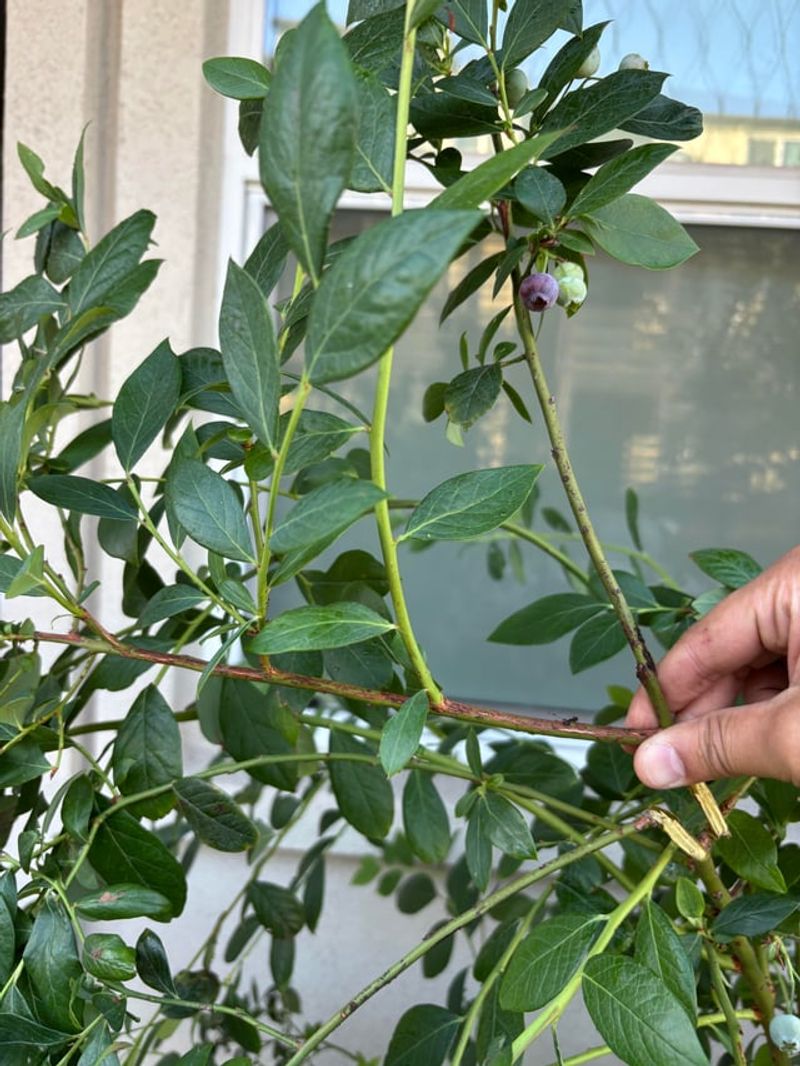
Grabbing your pruning shears too soon is a mistake that can set your blueberry harvest back by an entire season. New gardeners often prune in the first year out of habit, not knowing that young bushes need time to establish before any cutting begins.
For the first two years after planting, leave the shrub alone except to remove obviously damaged wood. Every branch you leave is energy the plant uses to build a stronger root system and frame.
Blueberries produce fruit on wood that is two to four years old. Cutting back healthy canes aggressively removes exactly the wood that would have given you the best fruit the following season.
Proper pruning season is late winter, right before new growth emerges. In Indiana, that usually means late February through mid-March, when the plant is still dormant but spring is approaching.
When you do prune, focus on removing the oldest, thickest canes at the base. Canes older than six years tend to produce smaller berries and less overall fruit than younger wood.
Aim to keep a balanced mix of young, medium, and older canes on each shrub. That balance keeps the plant productive without stressing it with too much removal at once.
Never remove more than one-third of the plant in a single pruning session. Aggressive cuts force the shrub to spend energy recovering rather than fruiting.
Patience with the shears pays off every summer. A well-timed, moderate prune keeps your bushes productive for twenty years or more.
Underestimating Spacing Requirements
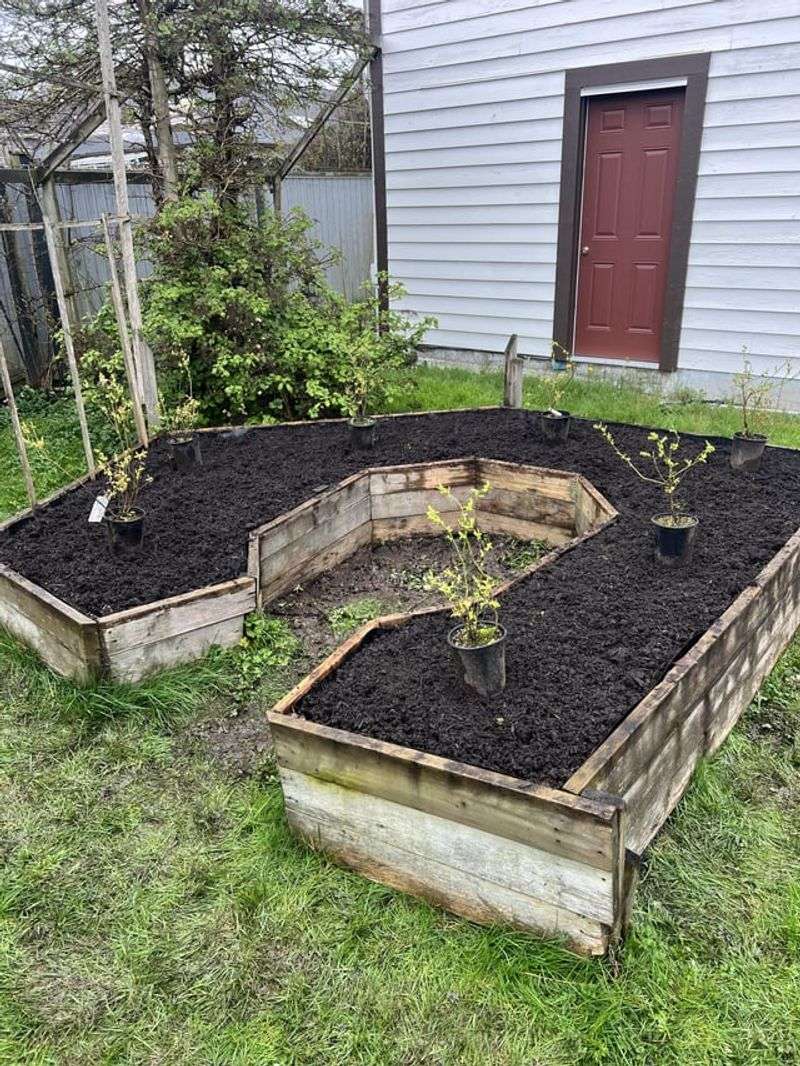
Cramming blueberry bushes together is tempting when you are excited to plant, but it creates problems that compound over time. Blueberries need real space to spread their roots and reach full productive size.
Highbush varieties grow four to six feet wide at maturity. Planting them two feet apart might look tidy at first, but within three seasons you will have a tangled mess of competing branches.
Poor airflow between crowded shrubs creates the perfect environment for fungal diseases like mummy berry and botrytis. Wet leaves that cannot dry out quickly invite fungal problems that spread through your whole bed.
Standard spacing for highbush blueberries is four to five feet between plants within a row. Between rows, allow eight to ten feet so you can walk through comfortably and work each plant without trouble.
Half-high varieties need a bit less room, typically three to four feet apart. Even so, resist the urge to plant them closer just because the tag says they stay compact.
Proper spacing also means each shrub gets full sun exposure across all its branches. Shaded interior branches produce fewer flower buds and smaller fruit than branches bathed in direct light.
Think long-term when you map out your bed. The bushes look small in the nursery pot, but a well-grown blueberry plant can live and produce for thirty years or more.
Give each plant the room it deserves from day one. Crowding now means untangling and transplanting later, and neither option is fun.
Expecting A Full Harvest In The First Year
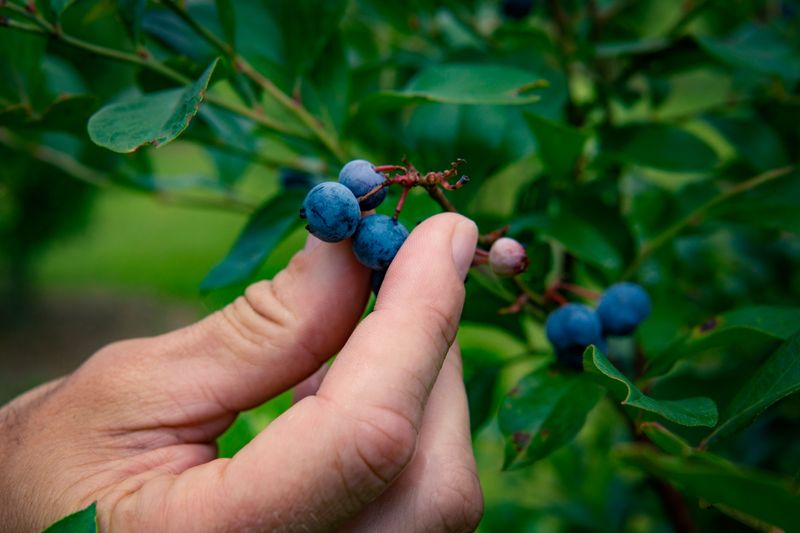
Patience is not just a virtue in blueberry growing, it is a requirement. One of the most disheartening blueberry planting mistakes is expecting a full fruit load from a brand-new plant.
In year one, your bushes are focused entirely on root development. Any flowers that appear should actually be pinched off to redirect that energy underground where it matters most right now.
Letting a young plant fruit too early stresses it and slows long-term development. A bush that is pushed to produce before it is ready often struggles for years before it hits its stride.
Year two brings modest progress, and you might allow a small amount of fruit to develop. But do not get too attached to those early clusters, because the real show is still a couple of seasons away.
By year three, most highbush varieties begin producing a meaningful harvest. By years four and five, a well-established and properly cared-for plant can yield five to ten pounds of berries per season.
Managing expectations protects both your plants and your enthusiasm. Gardeners who understand the timeline stick with it, while those who expect instant results often give up too soon.
Use those early years to perfect your soil, mulching, and watering routine. When the plants are ready to produce, you will have the foundation in place for a serious harvest.
These blueberry planting mistakes are all fixable, and every season is a chance to improve. Stick with it, and your backyard beds will reward you for decades to come.