The Watering Schedule That’s Making Ohio Yards More Tick-Friendly This Summer
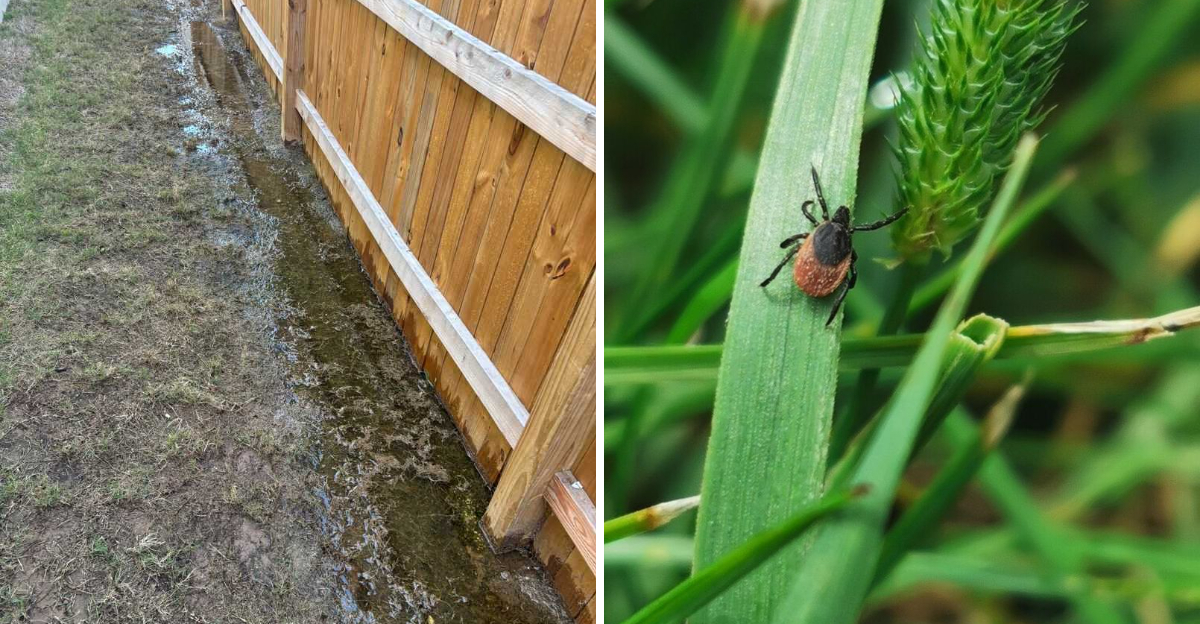
Watering the yard feels like responsible lawn care. You are keeping things green, protecting your investment, doing right by your plants through Ohio’s unpredictable summer stretches.
Nobody waters their yard thinking about what else they might be encouraging to move in. Ticks need moisture to survive.
Not standing water, not a swamp, just the kind of consistent ground-level humidity that a certain watering schedule creates and maintains without anyone realizing it.
Ohio summers already provide enough natural moisture to keep tick populations comfortable.
Some watering habits stack on top of that in ways that tip the balance further in their favor. Timing, frequency, and where water actually lands in a yard all factor into this more than most homeowners expect.
A few adjustments to an existing watering routine can make a yard measurably less hospitable to ticks without sacrificing the health of the lawn or garden beds.
1. Stop Watering Every Zone The Same Way
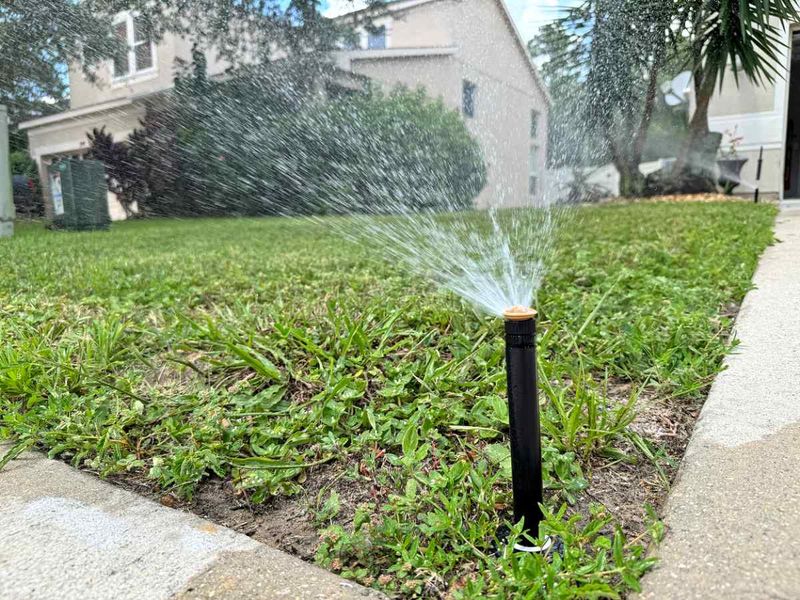
A sprinkler can make the front lawn look great while quietly soaking the same shaded corner every single morning. Sunny turf dries fast.
Shaded edges near trees, fences, and shrub lines can take much longer to dry out after each watering cycle.
Running every zone for the same amount of time ignores that basic difference. Open grass in full sun may need regular watering during a hot stretch.
A narrow strip along the north side of the house or under a dense canopy may still be damp from two days ago.
Zone-by-zone thinking helps here. Walk your yard after a watering cycle and press your hand into the soil in different spots.
If one area feels soggy while another feels dry, your schedule needs adjusting. Smart irrigation controllers let you set different run times for each zone.
Even without a smart controller, manually skipping certain zones on certain days can make a real difference. Shaded beds and wooded edges often need far less water than the main lawn.
Treating every zone the same is one of the most common watering mistakes, and fixing it costs nothing but a little attention.
2. Avoid Soaking Shady Lawn Edges Too Often
Shaded lawn edges are some of the slowest-drying spots in any yard. Areas running along fences, sheds, tree lines, and wooded borders can hold moisture for a day or two after watering, especially when air circulation is limited.
That extended dampness is not just a watering problem. It also keeps the soil soft, encourages thicker low growth, and creates the kind of sheltered, humid environment that ticks favor when moving through a yard.
Ticks are more likely to use areas with cover and consistent humidity than short, open, sunny turf that dries quickly.
The fix is simple but easy to overlook. Check those shaded edges before your next scheduled watering.
If the soil still feels moist an inch below the surface, skip that zone for the day. Most shaded edges in this state need less frequent irrigation than open lawn, particularly in the wetter months of late spring and early summer.
Your Ohio Garden Changes Every Week. Your Plan Should Too.
Gardening in Ohio changes quickly throughout the season. Every Friday you’ll receive a simple weekly plan showing exactly what to plant, prune, fertilize, harvest, and protect so you never miss the right timing.
Reducing how often you soak these areas will not harm your grass. It will simply let those spots breathe and dry the way healthy turf should.
Less dampness along those edges means less of the cover that makes certain yard corners more welcoming to ticks.
3. Let Grass Dry Between Deep Waterings
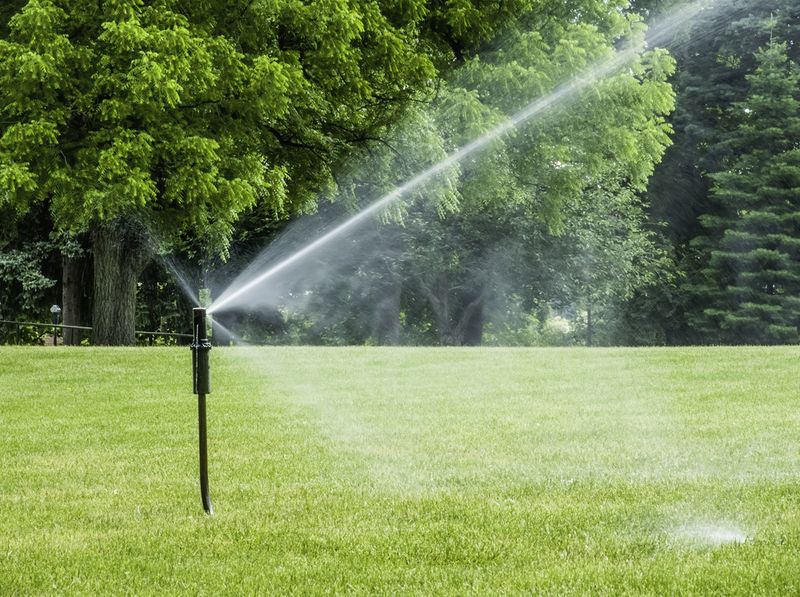
Deep, infrequent watering tends to build stronger root systems than daily shallow watering.
Most lawn experts, including those at Ohio State University Extension, recommend watering deeply and then allowing the soil to partially dry before watering again.
Constant shallow watering keeps the surface layer wet almost all the time. That steady surface moisture encourages dense, lush growth in spots that might otherwise stay manageable.
It also keeps the soil soft and cool in areas that already get limited sun. Those conditions can make neglected or low-traffic corners of the yard more sheltered and humid than necessary.
Giving your lawn proper drying time between cycles is good for the grass and good for the yard overall. Most established cool-season lawns in this state do fine with about one inch of water per week, applied in one or two sessions rather than small daily doses.
During real heat waves, you may need to adjust. But as a general rhythm, deep watering followed by a drying period keeps turf healthier and avoids the constant dampness that can build up in thick or shaded areas.
Check the soil before you water again, not just the calendar.
4. Stop Creating Damp Strips Along Fence Lines
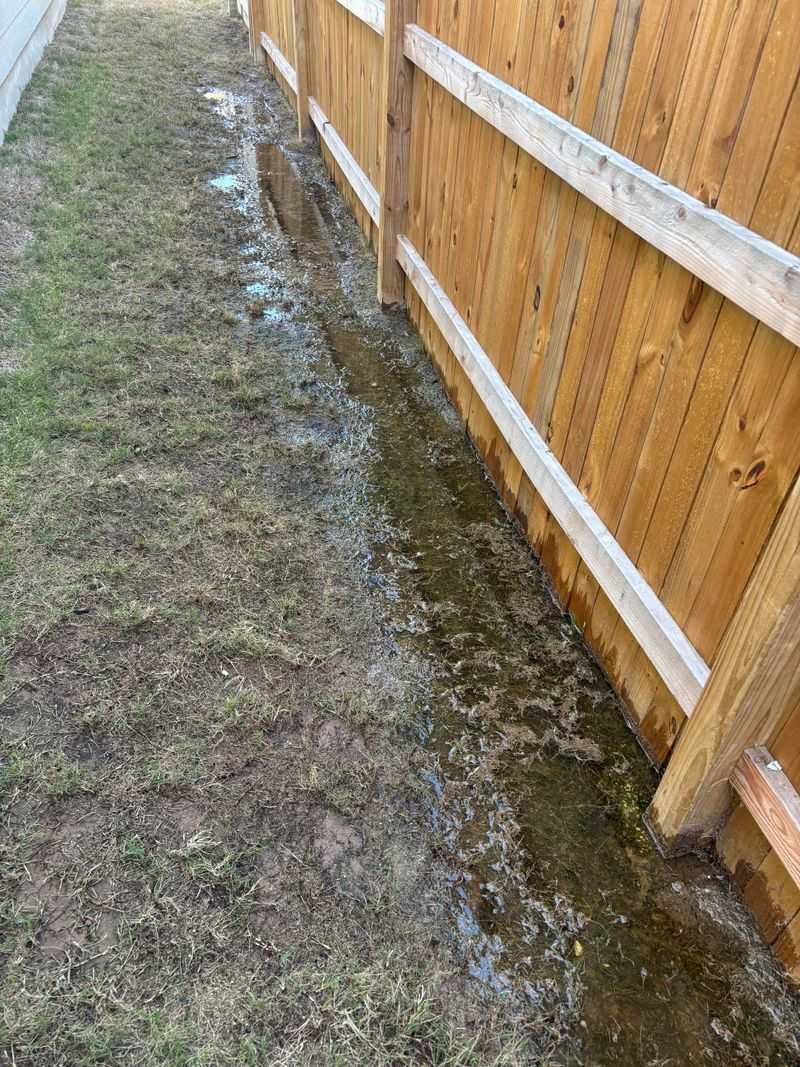
Sprinkler heads are designed to cover a radius, but they rarely stop exactly where the lawn ends. Fence lines, shrub borders, and narrow strips along structures often catch overspray from heads pointed at the main lawn.
Those narrow strips do not absorb water the same way open turf does. The soil is often compacted, shaded, or already holding moisture from a previous cycle.
Extra water hitting those spots can keep them consistently damp, which encourages weeds, thick low growth, and leaf buildup along the base of the fence.
Dense, sheltered strips along fence lines can become quiet travel routes for small wildlife moving through the yard, and ticks often move with those animals.
Adjusting your sprinkler heads is a straightforward fix. Walk the yard while the system runs and watch where the water actually lands.
Heads that throw water into fence corners or narrow strips can often be redirected or turned down in pressure. Some homeowners also find that hand-watering those narrow areas when truly needed gives them better control than relying on the main system.
Keeping fence-line strips trimmed, dry, and free of leaf buildup reduces their appeal as sheltered corridors through the yard.
5. Keep Overwatered Weeds From Turning Into Cover

Extra water does not just help your Ohio lawn and garden plants. It also feeds whatever else is growing in the low spots, corners, and edges of your yard.
Weeds respond quickly to consistent moisture, especially in areas that already get limited attention.
Dense weed growth in neglected corners creates a different kind of problem than a few weeds in the lawn. Thick, low cover near paths, patios, play areas, and pet routes creates cool, shaded, sheltered ground.
Ticks prefer that kind of cover over short, open, well-maintained grass. The issue is not the weeds alone.
It is the combination of consistent dampness and dense cover that makes those spots more hospitable.
Keeping weeds managed near the areas your family uses most is a practical step. That does not mean every corner needs to be perfectly manicured.
It means paying attention to the spots where dense growth is building up near high-traffic zones. Reducing irrigation in those corners can slow weed growth naturally.
Hand-pulling or trimming weeds near patios, swing sets, and garden paths removes the cover before it gets thick enough to matter. Consistent, light management is easier than tackling a fully overgrown corner at the end of summer.
6. Move Sprinklers Away From Brushy Borders

Brushy borders already do a lot on their own. They provide shade, hold moisture, and create sheltered spaces along the edges of a yard.
Adding regular irrigation on top of that can keep them more humid than the plants actually need.
Shrubs, ornamental grasses, and native plantings along Ohio yard borders often develop deep enough roots to handle less frequent watering once established.
Sprinkler heads aimed at the main lawn sometimes also hit those borders, keeping the base of the plants and the soil around them consistently wet.
That extra moisture at ground level encourages dense, low growth and keeps the border floor cool and damp longer than necessary.
A few simple adjustments can help. Redirect sprinkler heads that are currently soaking brushy borders along with the main lawn.
If those border plants need water, consider using a drip line or soaker hose targeted at the root zone rather than overhead spray across the whole area. Keeping a clean transition between the lawn and the border also helps.
A narrow strip of mulch or gravel along the edge of a brushy border can reduce the amount of damp, covered ground at the base. Trimmed, defined borders are easier to manage and less likely to become neglected over the course of a long summer.
7. Water Early So Grass Dries Before Evening
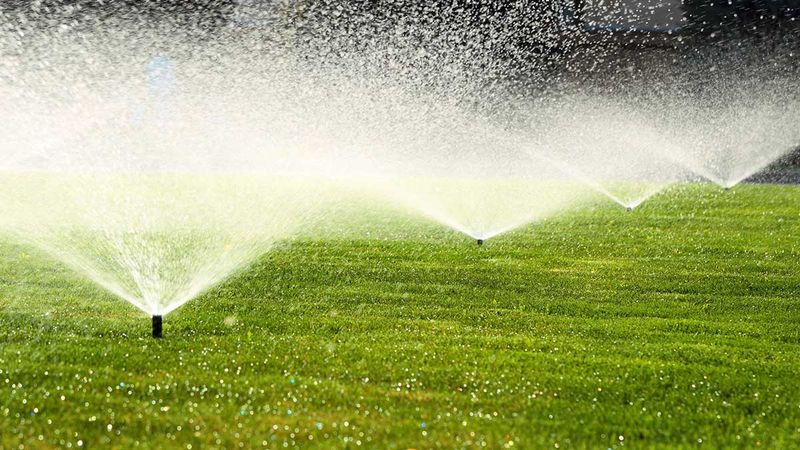
Early morning watering is one of the most consistent recommendations from university extension programs across the country. Local lawn-care conditions in this state support it strongly.
Watering between 5 a.m. and 9 a.m. gives moisture time to soak into the root zone before heat builds.
More practically, it gives the grass blades, soil surface, and low-lying areas time to dry out during the day. Surfaces that dry by midmorning do not stay damp through the afternoon and into the evening.
That matters most in shaded spots, dense plantings, and low areas where moisture tends to linger anyway.
Evening watering is not always harmful, and sometimes a busy schedule makes it the only realistic option. But when foliage and ground surfaces stay wet overnight, they stay wet longer than they would with morning watering.
That overnight dampness can be especially noticeable along shaded edges and in areas with limited airflow. Shifting your timer by even an hour or two can make a difference.
Most programmable irrigation timers allow easy schedule adjustments. Running the system at first light instead of after dinner is a small change.
It benefits both the health of the lawn and the overall moisture balance of the yard through the day.
8. Fix Leaky Hoses That Keep Corners Wet
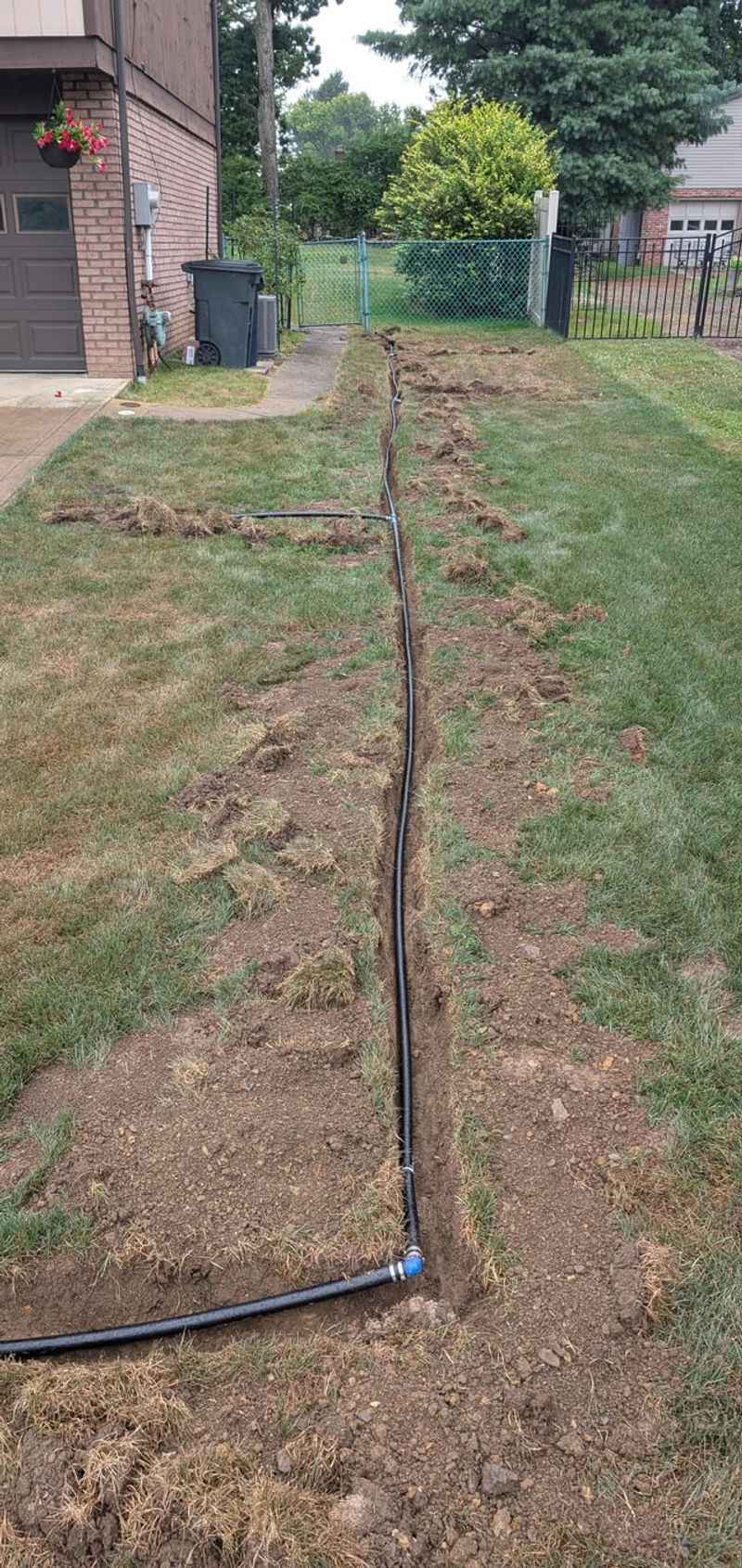
A slow drip from a garden hose connection or a poorly seated sprinkler fitting can keep one corner of the yard wet all summer without anyone noticing. It does not take a big leak to make a difference.
A consistent drip near a shed, fence corner, or porch foundation can keep that soil damp week after week.
Those persistently wet spots tend to grow thicker weeds and attract small wildlife looking for water or shelter. Wet corners near structures also tend to accumulate leaf litter and debris, which adds another layer of cover to an already damp area.
The combination of steady moisture, dense growth, and sheltered ground makes those spots worth addressing.
A quick inspection of hose connections, spigot fittings, and timer valves at the start of each season can catch small leaks before they become a summer-long problem.
Walk the yard after the irrigation system runs and look for pooling water, unusually green patches, or soggy soil in spots that should not be that wet.
Replace worn washers, tighten loose fittings, and reposition any drip lines that are depositing water in unintended spots. Fixing a small leak takes about five minutes and can make a noticeable difference in how dry certain corners stay through the season.