Your Indiana Watermelons Are Splitting, And Here Are The 10 Reasons Why
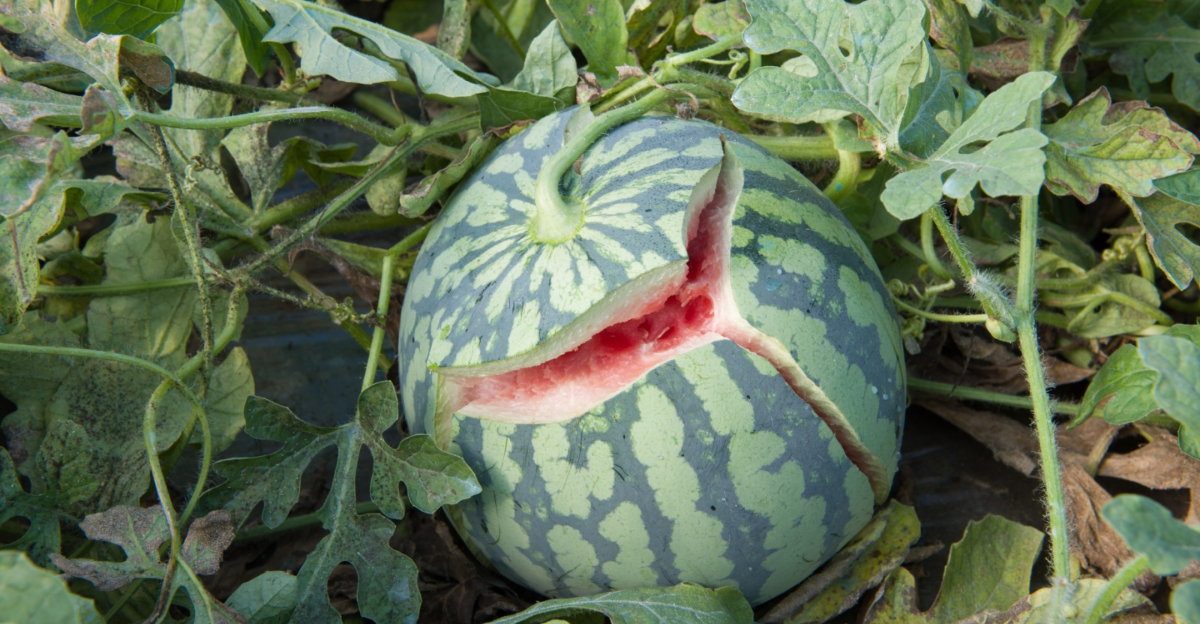
You checked on them every single morning. You dragged the hose out in the July heat, pulled weeds on your knees, and watched those Indiana melons grow rounder and heavier by the day.
I still remember the sinking feeling of finding one cracked wide open after months of careful tending. Splitting happens to more Indiana gardeners than anyone likes to admit.
The frustrating part? It is almost never bad luck.
There are real, specific reasons behind every split rind, and most of them are totally fixable. Turns out watermelons are picky little things, and once you know what they are silently complaining about, fixing it is actually pretty simple.
Each one comes with practical advice you can actually use before losing another melon. Stick around, because the answer to your splitting problem is probably closer than you think.
1. Uneven Watering Splits The Rind
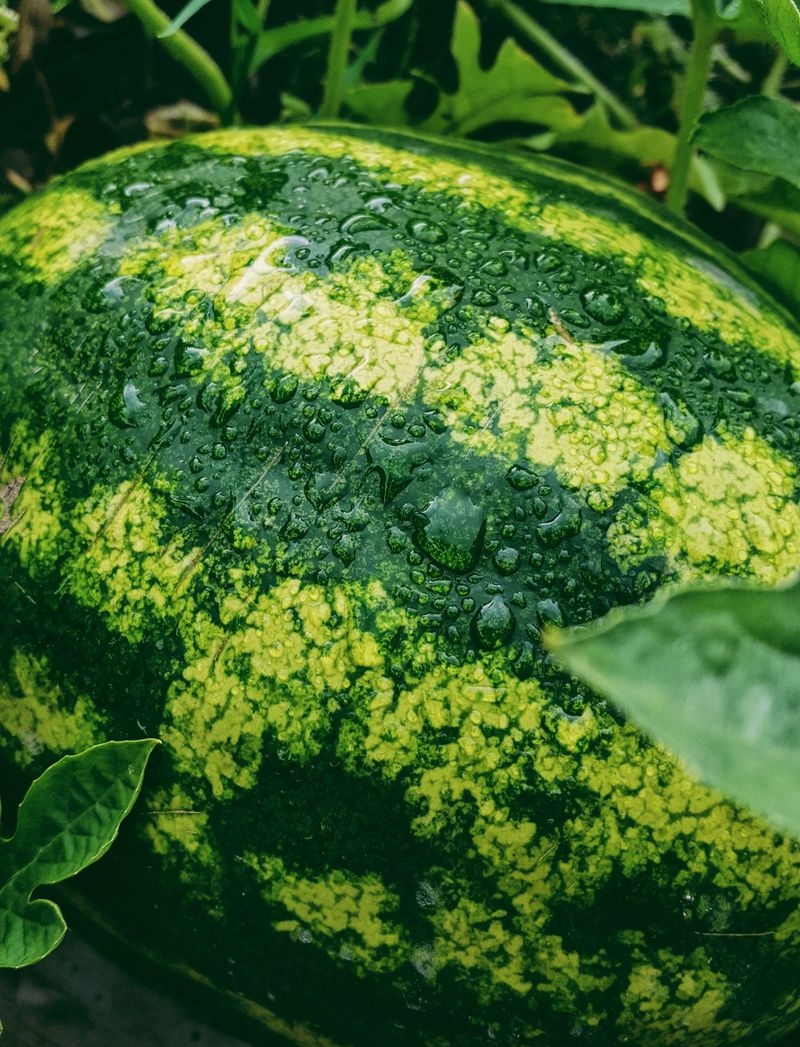
You forget to water for three days, then drench the garden to make up for it. That single habit is one of the leading causes of watermelon splitting before harvest.
When the plant suddenly gets a flood of water after a dry stretch, the inside of the fruit grows faster than the outer rind can stretch.
The rind is tough but not flexible enough to handle rapid expansion. Think of it like a balloon you blow up too fast.
It pops. The same physics apply to your watermelon sitting in the hot garden bed.
Consistent watering is the single most powerful thing you can do to prevent splits. Aim for about one to two inches of water per week, spread evenly across the growing season.
A soaker hose or drip irrigation system makes this much easier than hand watering. Skipping days and then overcompensating creates a pressure cycle inside the fruit that the rind simply cannot survive.
Set a watering schedule and stick to it, especially during the final three weeks before your expected harvest date.
2. Heavy Rain After Drought Cracks Skin
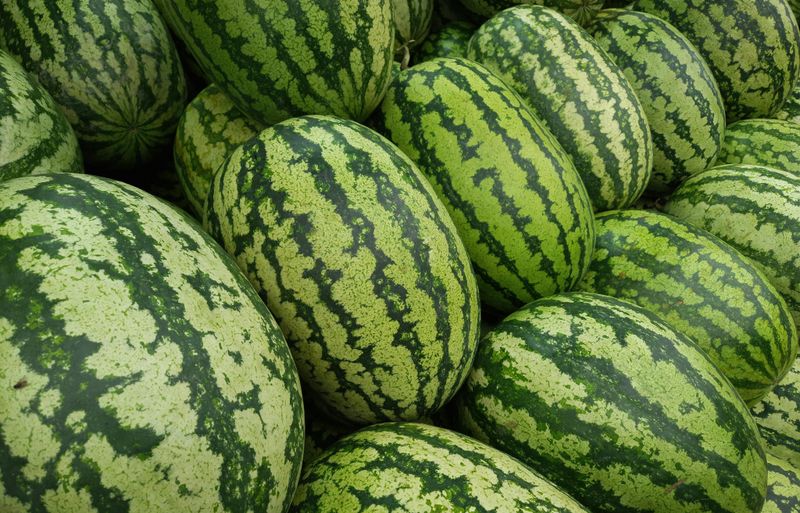
A thunderstorm rolling across Indiana in late July feels like relief after weeks of scorching heat. But for your watermelons, that sudden downpour after a long dry spell can be a disaster.
Nature does the same damage as careless watering, just faster and on a much larger scale.
During a drought, the rind firms up and becomes less pliable. When heavy rain saturates the soil in a matter of hours, the roots drink up moisture rapidly and push it straight into the fruit.
The internal pressure builds faster than the skin can adjust.
You cannot control the weather, but you can reduce the impact. Raised beds with well-draining soil help prevent waterlogging after a storm.
Adding a thick layer of mulch around your plants slows down water absorption so the roots take in moisture gradually rather than all at once. If a big storm is forecast and your watermelons are close to ripe, consider picking them a day or two early.
A slightly underripe watermelon on your counter beats a completely split one rotting in the field. Preparation is always smarter than regret.
Your Indiana Garden Changes Every Week. Your Plan Should Too.
Gardening in Indiana changes quickly throughout the season. Every Friday you’ll receive a simple weekly plan showing exactly what to plant, prune, fertilize, harvest, and protect so you never miss the right timing.
3. Watering Too Close To Harvest Swells Fruit
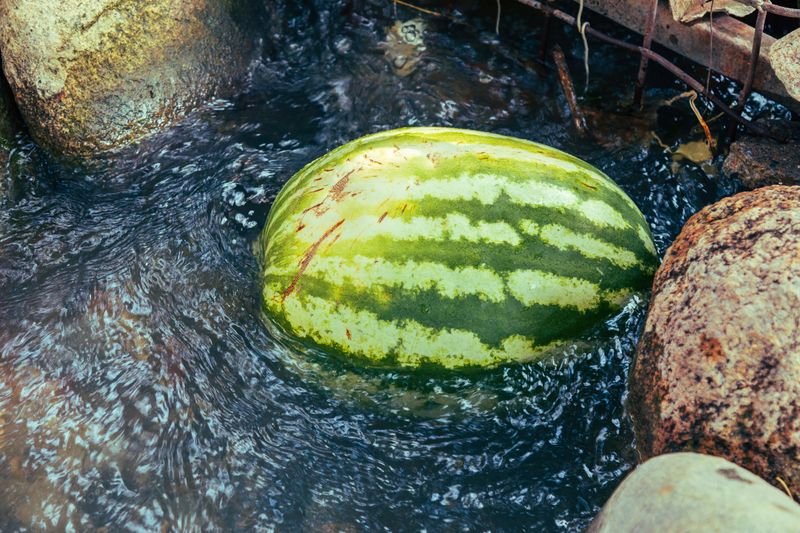
Watering feels like the safest thing you can do for your garden, until it isn’t. Once your watermelons are within two weeks of being fully ripe, reducing water is actually the smarter move.
Continuing to water heavily at this stage causes the fruit to swell beyond what the rind can handle.
At the end of the growing cycle, the rind stops expanding but the flesh keeps responding to water intake. That mismatch is exactly what causes that awful cracking sound in the garden.
You did everything right for months, and one late-season watering mistake undoes it all.
Taper your watering schedule as harvest approaches. Start cutting back about ten to fourteen days before you plan to pick.
The fruit has enough size and sugar development by that point that it does not need heavy irrigation to finish well. A little stress actually concentrates the sweetness.
Watch for the tendril closest to the fruit turning brown and dry, the belly spot turning creamy yellow, and a hollow thump when tapped. Those signs tell you the watermelon is ready, and backing off water helps it get there without splitting.
4. Overripe Fruit Left Too Long Splits
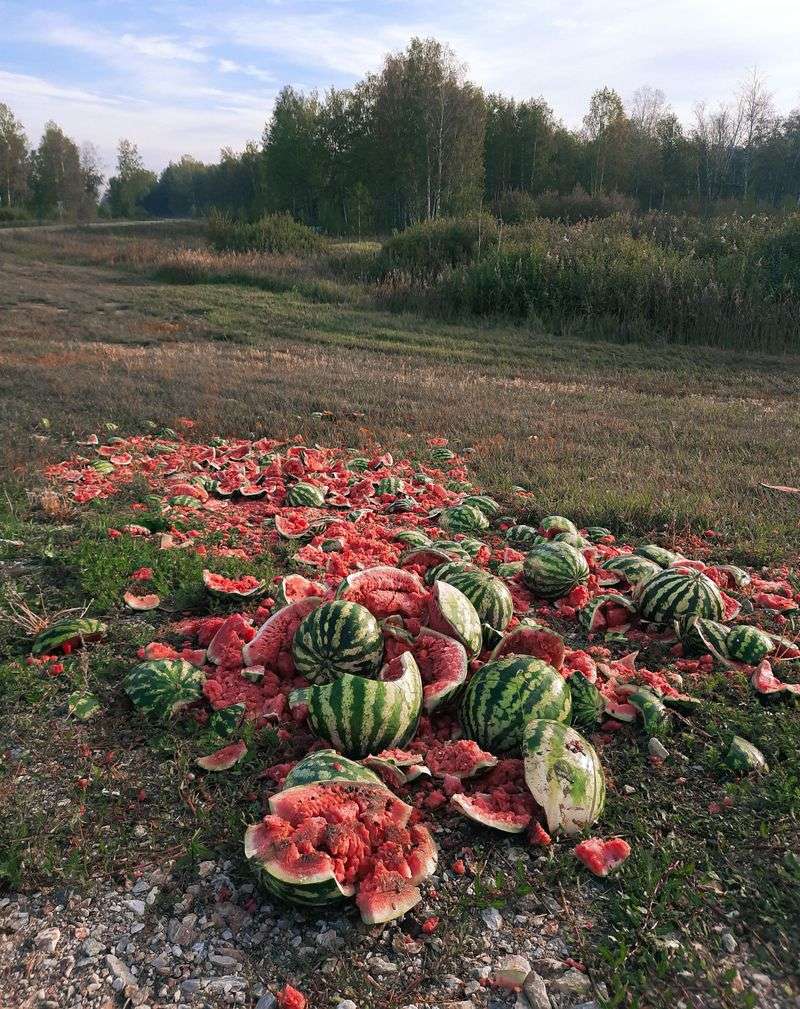
Leaving a watermelon on the vine past its peak is like leaving a pressure cooker running with no release valve. The fruit keeps accumulating sugars and water pressure even after it has reached full ripeness, and the rind has absolutely nowhere left to go.
Splitting becomes almost inevitable at that point.
Many home gardeners wait too long because they are nervous about picking too early. That hesitation is understandable, but it costs more melons than people realize.
Overripe watermelons split on their own even without any extra rain or watering.
Learning to read ripeness signals is the best protection against this problem. Check the ground spot where the melon rests on the soil.
When it shifts from white to a deep buttery yellow, the clock is ticking. The curly tendril near the fruit stem should be brown and shriveled.
Give the melon a firm knock with your knuckle and listen for a deep, resonant thud rather than a sharp ping. Once all three signs align, pick that melon the same day.
Do not wait until the weekend. Do not wait for company to arrive.
Pick it now and enjoy every sweet, dripping bite before the vine makes the decision for you.
5. Nitrogen-Heavy Fertilizer Pushes Growth Too Fast
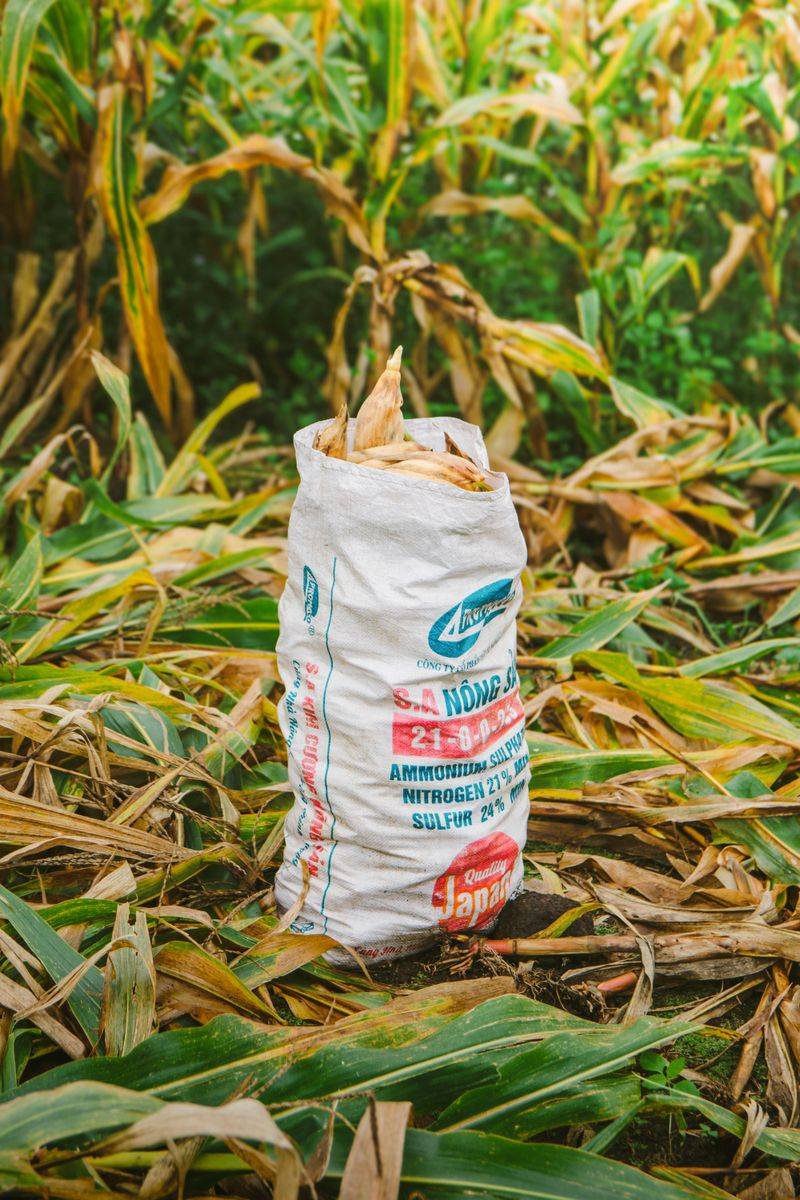
Fertilizer feels like a gift to your garden, but too much nitrogen is basically feeding the problem. Nitrogen drives leafy, green growth at an aggressive pace.
When watermelon vines get flooded with it, the fruit grows so fast that the outer rind cannot keep up with the interior expansion.
Nitrogen-heavy feeding is especially risky during the fruiting stage. Early in the season, nitrogen helps establish strong vines.
But once flowers appear and fruit begins to set, the plant needs phosphorus and potassium far more than nitrogen. Continuing to apply high-nitrogen blends past that point is a common and costly mistake.
Switch to a fertilizer with a lower first number on the NPK label once your plants start blooming. A ratio like 5-10-10 or similar supports fruit development without pushing reckless growth.
Compost is a gentler option that releases nutrients slowly and steadily. If you have already applied too much nitrogen and notice fruits growing unusually fast with thin, tight-looking skin, back off all feeding immediately and let the plant stabilize.
Soil testing before you plant next year will also help you avoid starting with excess nitrogen already baked into the ground. Balanced nutrition makes for balanced fruit.
6. Harvesting Too Late Makes Splitting Far More Likely
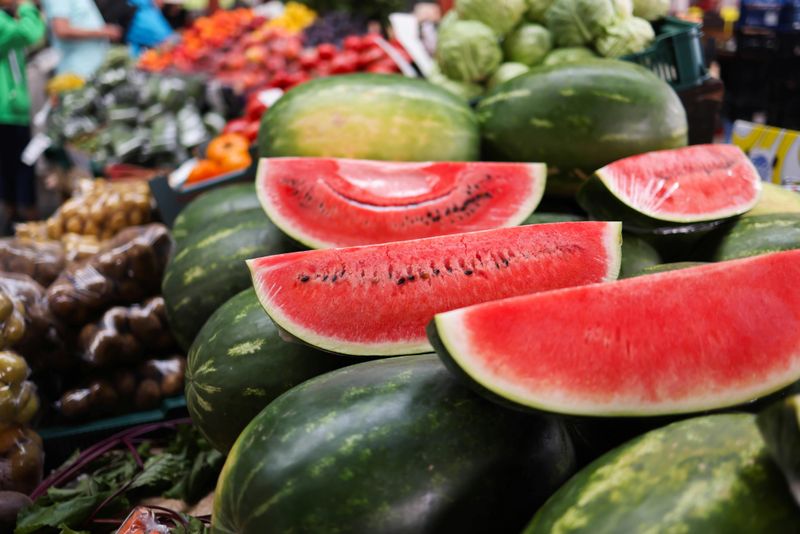
Procrastination has a price in the garden, and with watermelons, that price is a split fruit and a wasted summer. Harvesting too late is one of the most straightforward causes of splitting, yet it catches gardeners off guard every single season.
The fruit does not wait politely while you get around to picking it.
Once a watermelon hits peak ripeness, internal pressure continues to build. Sugar concentration rises, moisture keeps flowing in from the roots, and the rind begins to weaken from the inside out.
A hot afternoon or a brief rain shower is all it takes to push it over the edge.
Make a harvest calendar when you plant. Count forward from the expected days-to-maturity listed on your seed packet and mark that date.
Start checking the fruit five days before that target. Walk the garden every single morning once you are within that window.
The belly spot, the dried tendril, and the hollow thump are your three best tools. When two of those three signs are clearly present, pick the melon.
You can always let it sit on the counter for a day to finish, but you cannot un-split a watermelon that cracked overnight. Staying proactive is what separates a successful harvest from a heartbreaking one.
7. No Mulch Causes Moisture Swings
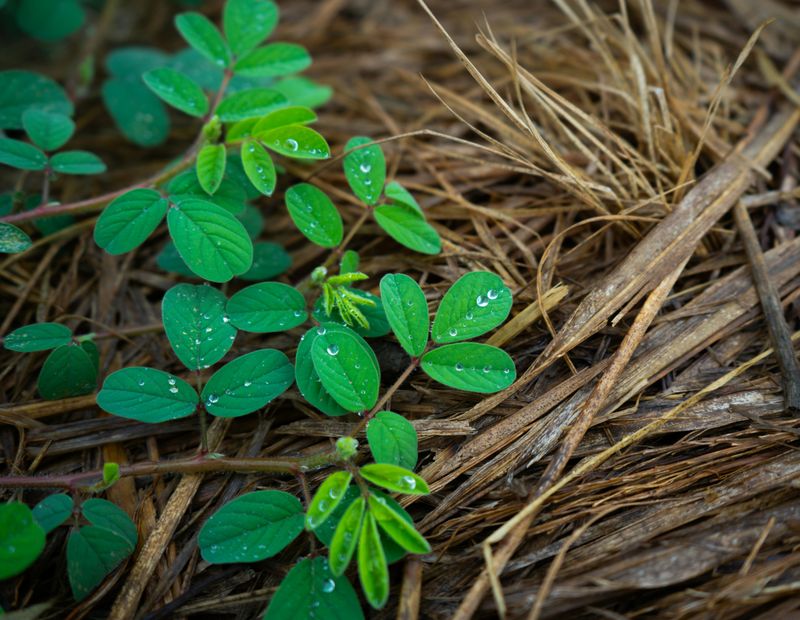
Bare soil is a silent enemy in the watermelon patch. Without a layer of mulch around your plants, the ground heats up fast, dries out quickly, and then swings to soaking wet after any rain or watering.
Those wild moisture swings are exactly the kind of stress that causes watermelons to split before harvest.
Mulch acts as a buffer between the weather and the soil. It holds moisture in during dry spells, slows down absorption after rain, and keeps soil temperatures more stable throughout the day.
That stability translates directly to steadier fruit development and a much lower risk of cracking.
Straw is one of the most popular mulch choices for watermelon beds because it is light, affordable, and easy to spread. Apply a layer about three to four inches thick around the base of each plant, keeping it a few inches away from the stem to prevent rot.
Black plastic mulch warms soil earlier, a real advantage in Indiana’s short growing window. Either way, get it down early and refresh mid-season for steady, reliable growth.
8. Late Planting Rushes Ripeness
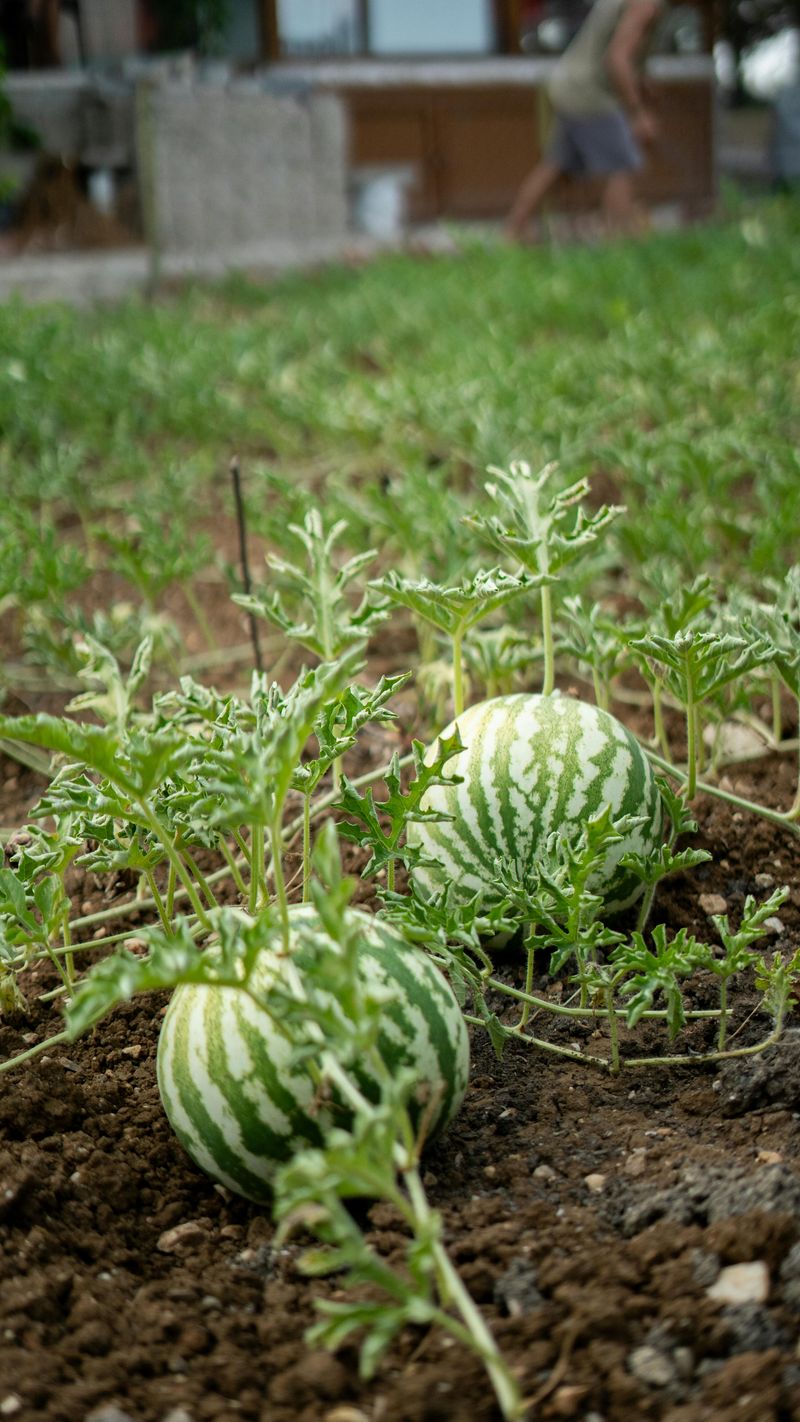
Planting watermelons too late in the season creates a race against time that the fruit almost always loses. When seeds go in the ground in late June instead of mid-May, the plant is still pushing toward ripeness as summer heat begins to fade and fall approaches.
That pressure to finish fast leads to uneven, rushed development inside the fruit.
Rushed ripening means the internal flesh develops faster than the rind can mature and toughen. The result is a fruit that looks ready on the outside but is under intense internal pressure.
One good rain or a hot afternoon is enough to cause a split that ruins weeks of work.
In Indiana, watermelons need between 70 and 90 days to mature depending on the variety. In southern Indiana, the last frost arrives around late April, giving gardeners a longer window.
In the north, the first fall frost can arrive by mid-October, tightening the timeline considerably. That math tells you the absolute latest safe planting date.
Starting transplants indoors two to three weeks before your outdoor planting date gives you a meaningful head start. Choosing an early-maturing variety like Sugar Baby or Blacktail Mountain also helps when the season feels tight.
Giving your watermelons enough time to develop slowly and steadily is the foundation of a split-free harvest.
9. Heat Spikes Cause Uneven Growth
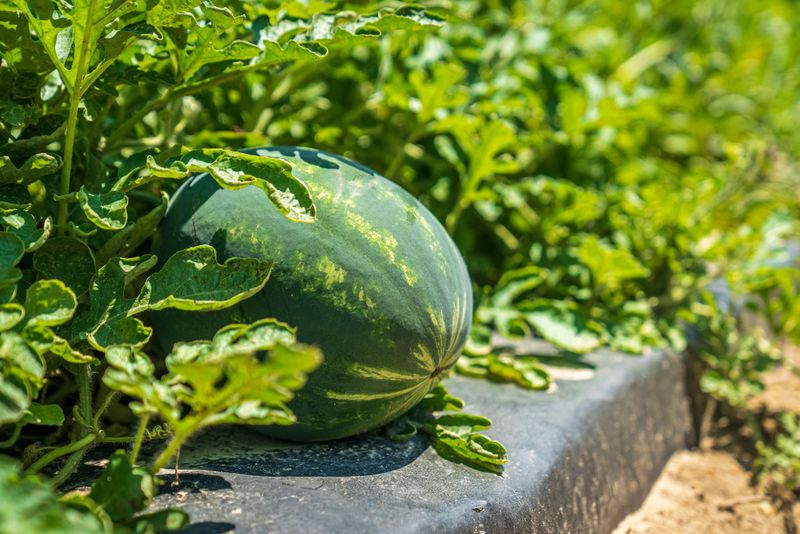
A string of 95-degree days followed by a cooler stretch might feel like a welcome break, but your watermelons experience those temperature swings very differently.
Extreme heat accelerates the biological processes inside the fruit, pushing growth faster than the rind can respond.
When temperatures then drop, that growth momentum does not stop immediately, creating a mismatch that leads to splitting.
Heat spikes are especially dangerous during the final weeks of fruit development when the rind is approaching its maximum stretch. The flesh keeps expanding while the outer skin has little elasticity left.
That combination is a recipe for cracked watermelons in the field.
Shade cloth can make a meaningful difference during brutal heat waves. A 30 to 40 percent shade cloth draped over the bed during peak afternoon hours reduces surface temperature without blocking enough light to hurt photosynthesis.
Deep, consistent watering during hot stretches also helps the plant regulate internal pressure more effectively. Avoid watering in the hottest part of the day since water applied to hot soil evaporates before the roots can use it.
Early morning watering gives the plant steady moisture to work with throughout the day. Managing heat stress proactively keeps your watermelons growing at a steady, controlled pace all the way through to a clean harvest.
10. Thin-Skinned Varieties Crack Easily
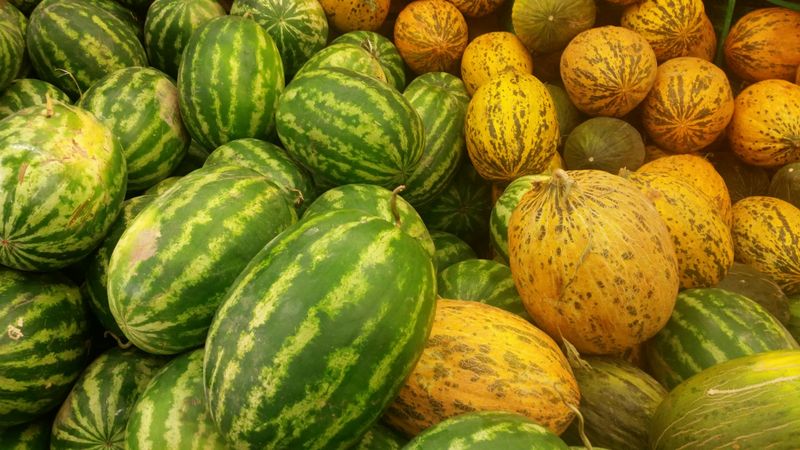
Some watermelons are just born to split, and it all comes down to genetics. Thin-skinned varieties produce incredibly sweet, tender fruit, but that same delicate rind offers very little resistance when internal pressure builds.
If you keep growing the same splitting-prone variety year after year, the problem will follow you no matter how perfectly you water and fertilize.
Heirloom varieties and some older hybrids were bred more for flavor than durability. They taste amazing at peak ripeness but have an extremely narrow window between perfectly ripe and split-open disaster.
That window can be as short as two or three days in hot Indiana summers.
Switching to a crack-resistant variety is one of the most impactful changes you can make. Look for varieties specifically labeled as split-resistant or with thick rind descriptions on the seed packet.
Jubilee, Allsweet, and Charleston Gray are known for tougher rinds that hold up better under pressure. If you love a thin-skinned variety for its flavor, plan to monitor it obsessively in the final week before harvest.
Pick it slightly early and let it rest indoors rather than gambling on one more day of vine time. Choosing the right variety from the start saves a whole season of watermelon splitting heartbreak.