The Fertilizer Mistakes California Citrus Owners Make Every Summer That Hurt Their Trees
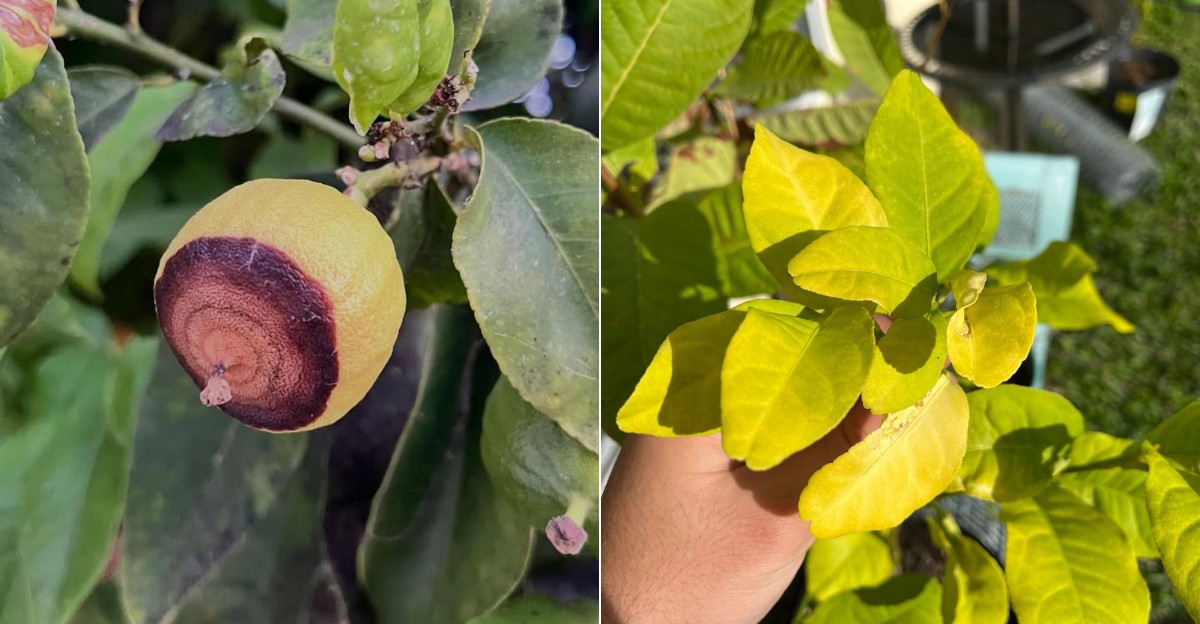
Citrus trees can look hungry in summer, but more fertilizer is not always the answer. In California, heat can make feeding mistakes show up fast.
A tree may push soft growth when it should be handling stress. Leaves may look off even when the owner thinks they are helping.
The problem is that citrus needs steady nutrition, not random heavy feeding. Timing matters.
So does watering before and after you apply anything. The wrong product can also throw the tree out of balance.
Summer is already demanding enough without forcing roots to deal with extra stress. Once you understand what citrus actually needs during hot weather, feeding becomes much simpler.
Avoid the common mistakes, and your tree has a better chance to stay strong through the season.
1. Fertilizing During A Heat Wave
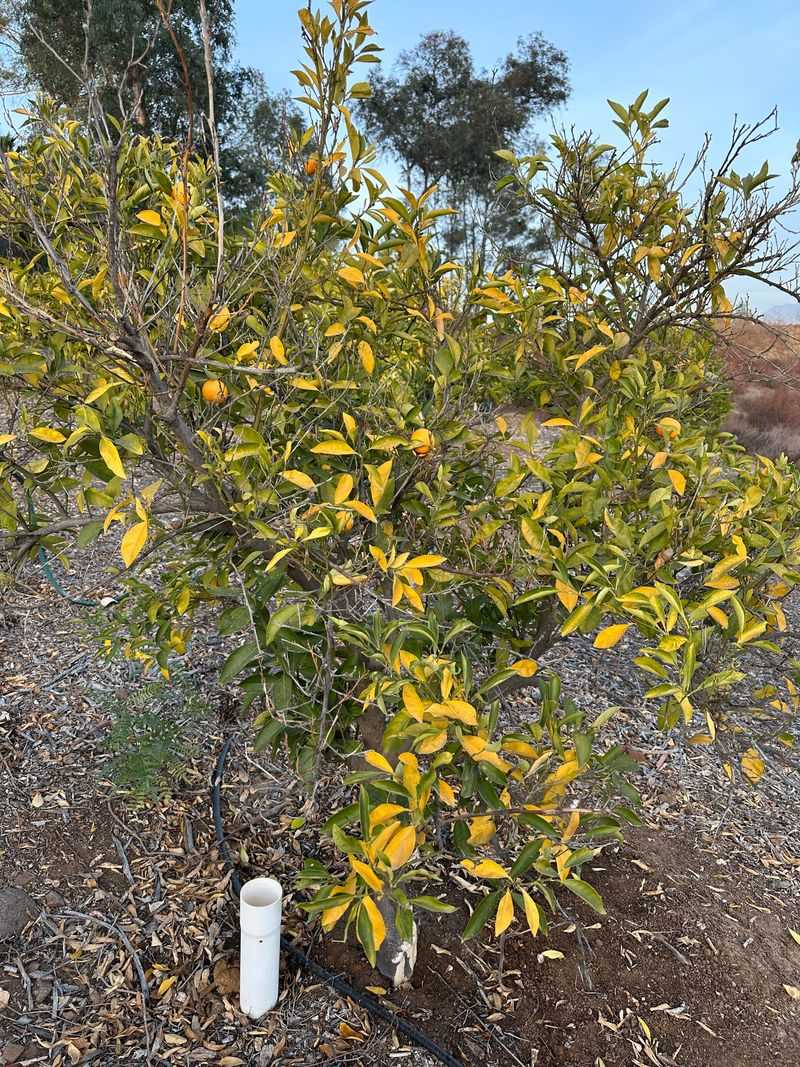
When temperatures soar past 95 degrees Fahrenheit in California, your citrus tree is already under serious stress. Adding fertilizer during a heat wave is one of the most damaging things you can do.
The roots are working overtime just to keep the tree hydrated, and they cannot properly absorb nutrients when the soil is that hot.
Fertilizer salts build up quickly in dry, overheated soil. This buildup draws moisture away from the roots instead of feeding them.
You might notice leaf edges turning brown or curling shortly after applying fertilizer during extreme heat, which is a sign of salt burn.
The smartest move is to check the forecast before you fertilize. Wait until temperatures drop below 90 degrees for at least a few days in a row.
Early morning applications on cooler days give nutrients the best chance of soaking in without causing harm.
Most citrus experts recommend fertilizing in late winter, early spring, and again in late summer when the worst heat has passed. Skipping a scheduled feeding during a heat wave is far better than pushing through and stressing the tree further.
A short delay in feeding will not hurt production nearly as much as salt-burned roots will. Patience here really does pay off at harvest time.
2. Feeding Before Watering Deeply
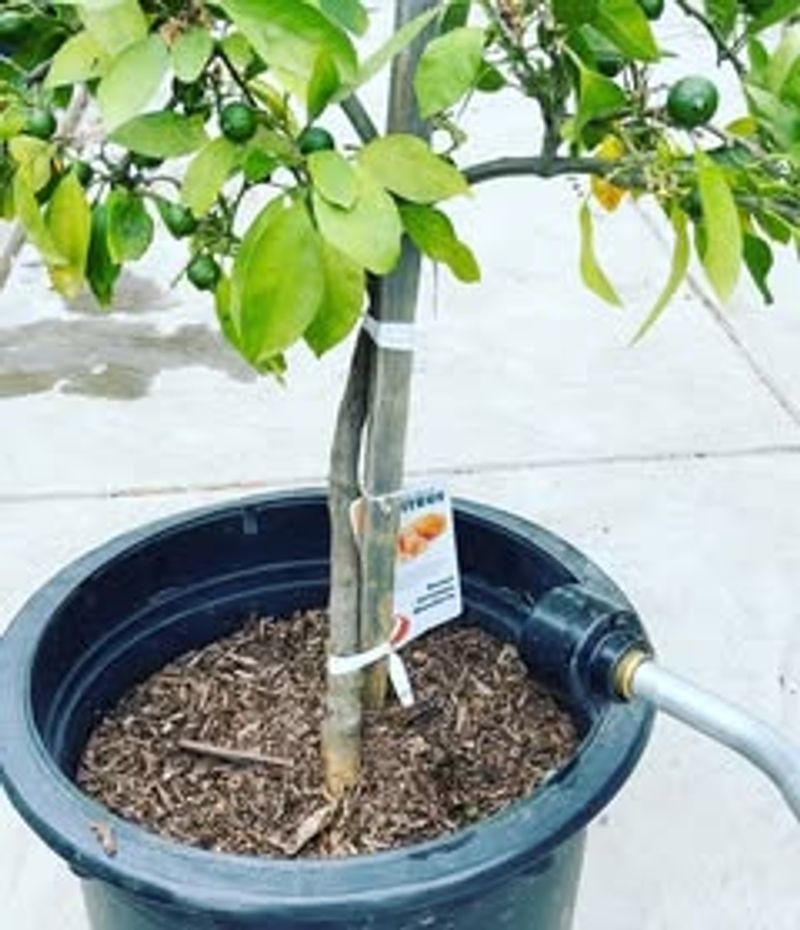
Fertilizer needs moisture to move through the soil and reach the roots where it can actually do some good. Applying it to dry ground is a common mistake that wastes product and can actually injure the tree.
Dry California soil causes fertilizer salts to concentrate near the surface, which can scorch feeder roots.
Always water your citrus tree deeply before you apply any fertilizer. A deep watering means letting water soak down at least 12 to 18 inches into the soil.
This gives roots access to moisture and prepares the ground to carry nutrients downward effectively.
After fertilizing, water again lightly to help move the product into the root zone. Think of it like a sandwich, with water on both sides of the fertilizer application.
This two-step watering method protects roots and maximizes how much of the fertilizer actually gets used by the tree.
Many homeowners fertilize right after a quick sprinkle or a light automated irrigation cycle. That is usually not enough moisture to prepare the soil properly.
Your California Garden Changes Every Week. Your Plan Should Too.
Gardening in California changes quickly throughout the season. Every Friday you’ll receive a simple weekly plan showing exactly what to plant, prune, fertilize, harvest, and protect so you never miss the right timing.
Check the soil by pushing a screwdriver or wooden dowel about six inches into the ground near the drip line. If it goes in easily and feels slightly moist, the soil is ready for feeding.
If it feels hard and dry, water more before adding anything.
3. Using Too Much Nitrogen At Once
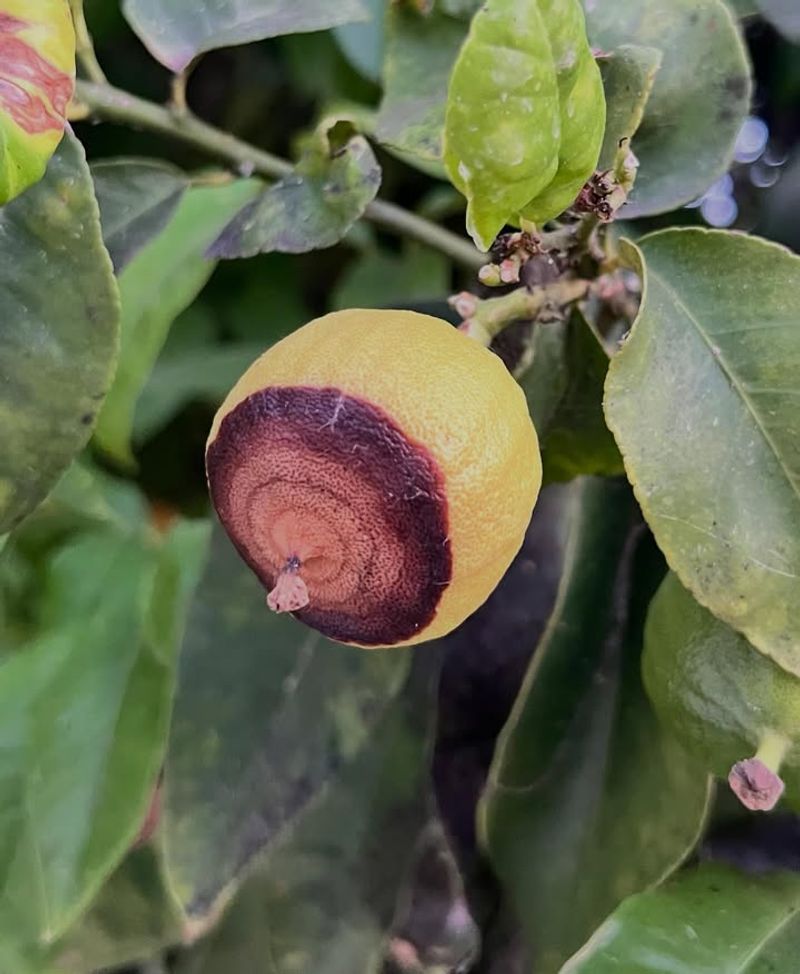
Nitrogen is the nutrient citrus trees need most, but more is definitely not better. Dumping a large amount of nitrogen all at once pushes the tree into a frenzy of leafy green growth.
That sounds good at first, but it actually diverts energy away from flowering and fruit development.
Too much nitrogen at once also raises the salt level in the soil very quickly. High salt concentrations pull water out of roots through a process called osmosis.
The result is that roots dry out even when there is plenty of water in the surrounding soil.
Splitting your nitrogen applications into smaller, more frequent doses is a much smarter approach. Instead of applying a full season’s worth in one go, break it into two or three smaller feedings spaced several weeks apart.
This keeps a steady, manageable supply available to the roots without overwhelming the system.
Slow-release nitrogen fertilizers are especially helpful for citrus in summer. They break down gradually over weeks or months, which means the tree gets a consistent low-level feeding rather than one big spike.
Look for fertilizers labeled as slow-release or controlled-release on the packaging. Brands formulated specifically for citrus trees already account for this balance, making them a safer choice than general-purpose fertilizers that can be harder to dose correctly.
4. Guessing Instead Of Measuring Actual Nitrogen
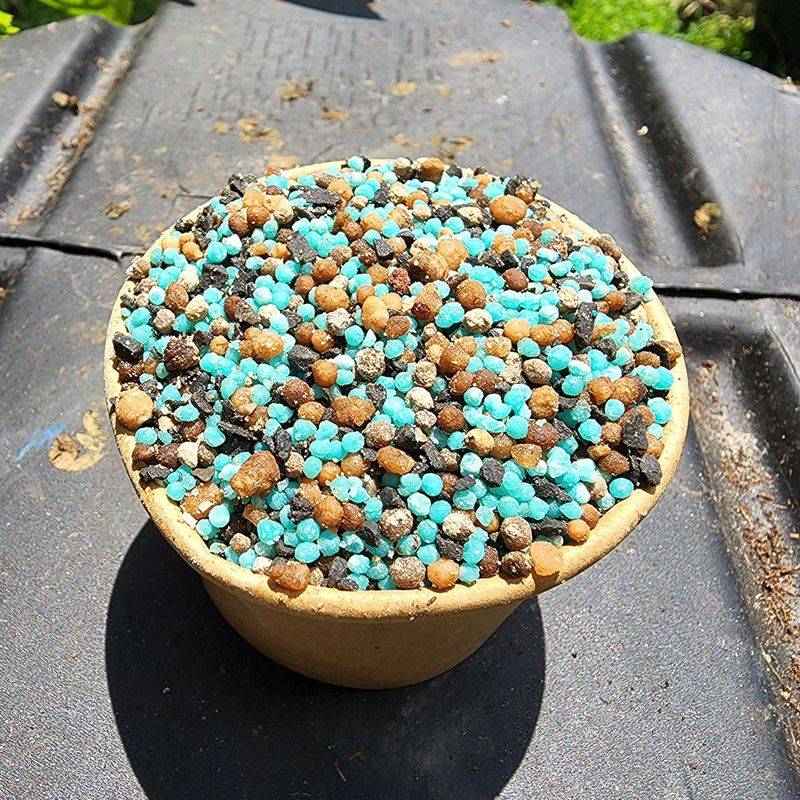
Eyeballing fertilizer amounts might feel like no big deal, but it leads to inconsistent results and often causes more harm than good. Applying too little means the tree misses out on nutrients it needs.
Applying too much risks root damage, excessive leafy growth, and poor fruiting.
Nitrogen recommendations for citrus are usually given in actual ounces of nitrogen, not ounces of fertilizer product. This is where a lot of confusion happens.
A fertilizer bag might say to use one cup per tree, but that measurement only works for that specific product’s nitrogen concentration.
Check the fertilizer label for the N-P-K numbers on the front of the bag. The first number represents nitrogen content as a percentage.
If a fertilizer is 10% nitrogen and you need one ounce of actual nitrogen, you would need to apply ten ounces of that product to hit your target amount.
Using a simple kitchen or postal scale makes measuring easy and accurate. Most mature California citrus trees in California need about one to one and a half pounds of actual nitrogen per year, split across multiple applications.
Young trees need significantly less. Writing down how much you apply each time helps you track patterns and adjust over the seasons.
Guessing might save a few seconds, but measuring saves the tree. Accurate feeding is one of the simplest ways to improve fruit quality and overall tree health year after year.
5. Fertilizing Young Trees Like Mature Trees
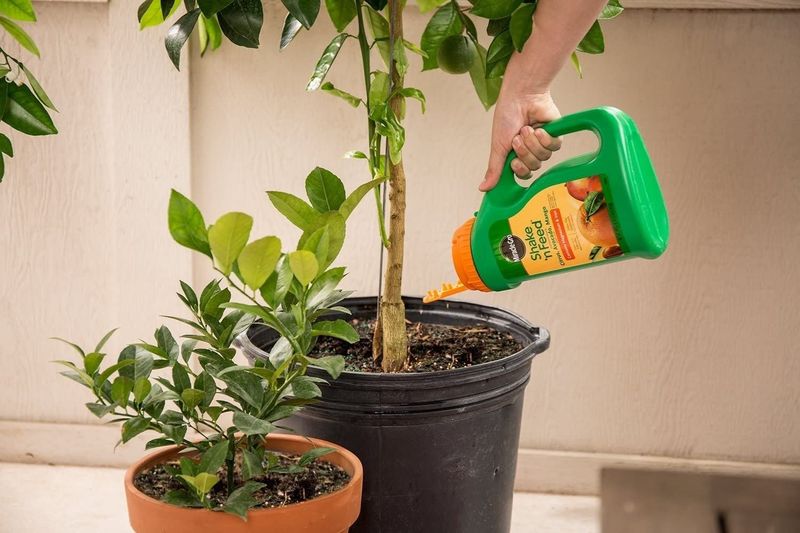
A tree that was planted six months ago has a completely different set of needs than one that has been in the ground for ten years.
Young citrus trees have small, delicate root systems that are easily overwhelmed by heavy fertilizer applications.
Treating them like mature trees is a mistake that sets back their development significantly.
For the first year after planting, most citrus trees benefit from very light, frequent feedings rather than large doses. A general rule is to apply about one-tenth of the mature tree rate during the first year.
That might seem like almost nothing, but young roots are very efficient and can be sensitive to excess salts.
Focus on helping young trees establish strong roots rather than pushing fast top growth. Nitrogen encourages leafy growth, which sounds appealing, but a tree with lots of leaves and weak roots struggles during hot, dry summers.
Root development is the real priority in the early years.
Citrus-specific fertilizers designed for young or newly planted trees are available at most garden centers.
These blends have lower nitrogen ratios and sometimes include beneficial microbes that help roots establish more quickly.
After the second or third year, you can gradually increase the feeding rate as the root system expands. Always increase slowly and watch how the tree responds before adding more.
Each tree is a little different, and paying attention is the best guide you have.
6. Ignoring Micronutrient Deficiencies
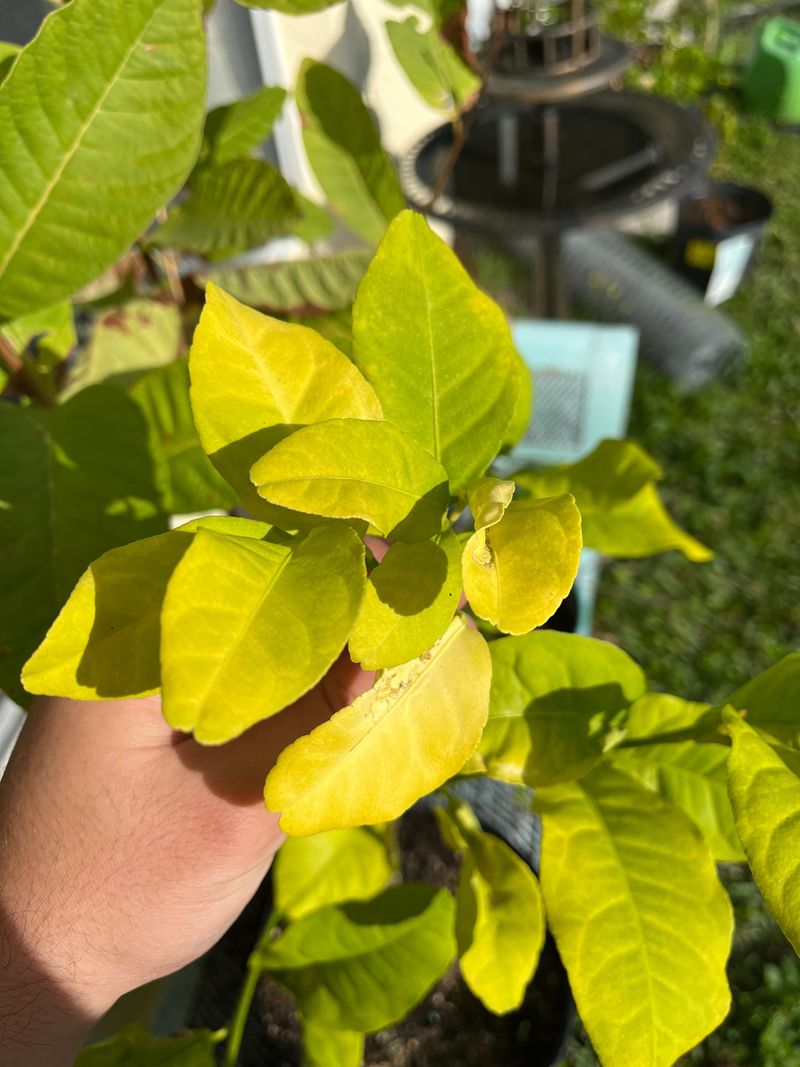
Most people focus on nitrogen, phosphorus, and potassium when they think about fertilizing citrus.
But there is a whole other group of nutrients that citrus trees need in smaller amounts called micronutrients.
Ignoring these can lead to some very obvious and frustrating problems.
Iron, zinc, manganese, and magnesium are the micronutrients citrus trees are most likely to run low on.
A lack of iron causes a pattern called interveinal chlorosis, where the leaf turns yellow but the veins stay green.
It is very recognizable and quite common in California’s alkaline soils.
Zinc deficiency shows up as small, mottled leaves and reduced fruit size. Manganese deficiency looks similar to iron deficiency but tends to affect older leaves first.
Magnesium shortages cause yellowing that starts at the edges of older leaves and works inward. Each deficiency has its own signature look if you know what to watch for.
Many citrus fertilizers include micronutrients in their formula, but not all of them do. Read the label carefully before buying.
If your tree shows signs of a specific deficiency, foliar sprays with chelated minerals can correct the problem faster than soil applications.
Chelated forms are better absorbed, especially in alkaline soils where regular mineral forms get locked up and become unavailable to roots.
Addressing micronutrient needs alongside regular feeding keeps citrus trees looking vibrant and producing well all summer long.
7. Using Lawn Fertilizer Too Close To Citrus
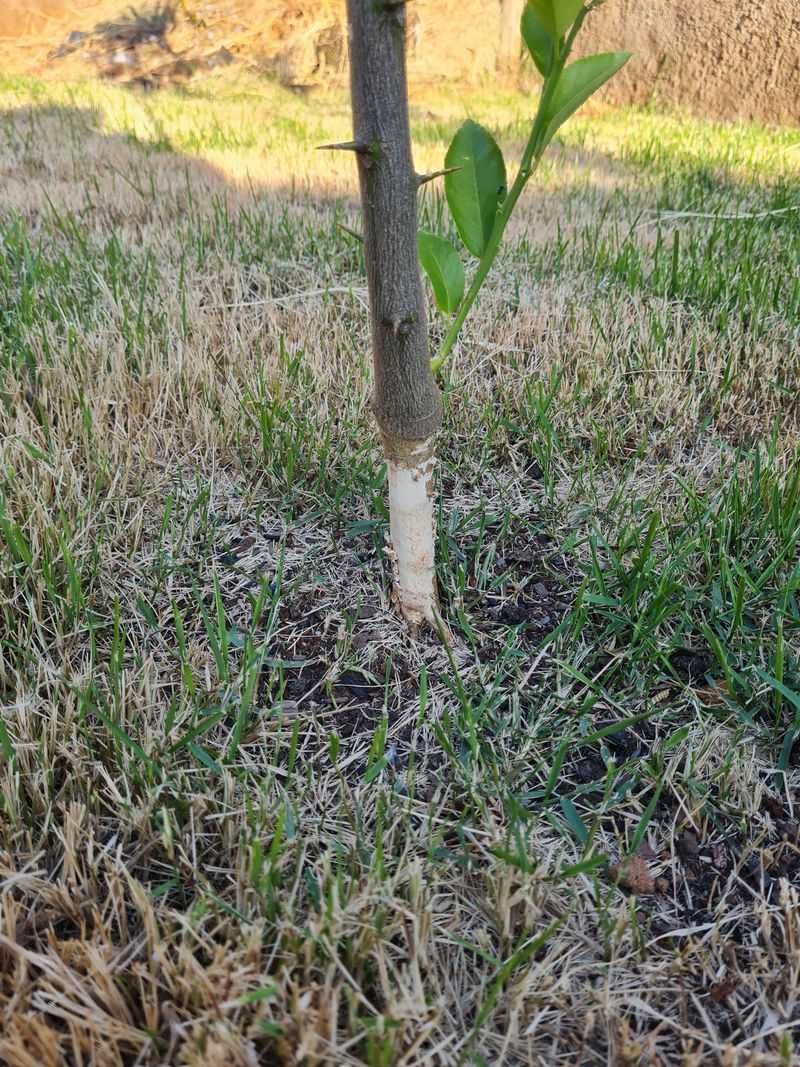
Lawn fertilizers are designed for grass, not fruit trees. Many California homeowners use a broadcast spreader for their lawn and end up coating the soil around their citrus trees without thinking twice about it.
That habit can cause real problems over time. Most lawn fertilizers have very high nitrogen ratios to push thick, fast grass growth.
Citrus trees exposed to these high nitrogen levels near their root zone respond by pushing out lots of leafy growth at the expense of fruit.
The tree looks lush, but fruit production drops noticeably.
Some lawn fertilizers also contain herbicides or weed-and-feed additives. These chemicals can damage or stress citrus roots, especially when applied repeatedly over several seasons.
The effects might not show up right away, which makes it easy to miss the connection between the product and the problem.
Keep a buffer zone of at least five to six feet between any lawn fertilizer application and the drip line of your citrus tree.
The drip line is the outer edge of the tree’s canopy, which is roughly where the feeder roots extend.
Feeder roots often stretch even further than that, so erring on the side of a wider buffer is always wise. Use a citrus-specific fertilizer within that zone instead, and apply it at the recommended rate.
Keeping lawn care and tree care separate protects both, and your fruit quality will reflect the difference.
8. Feeding A Tree That Is Dropping Leaves From Water Stress
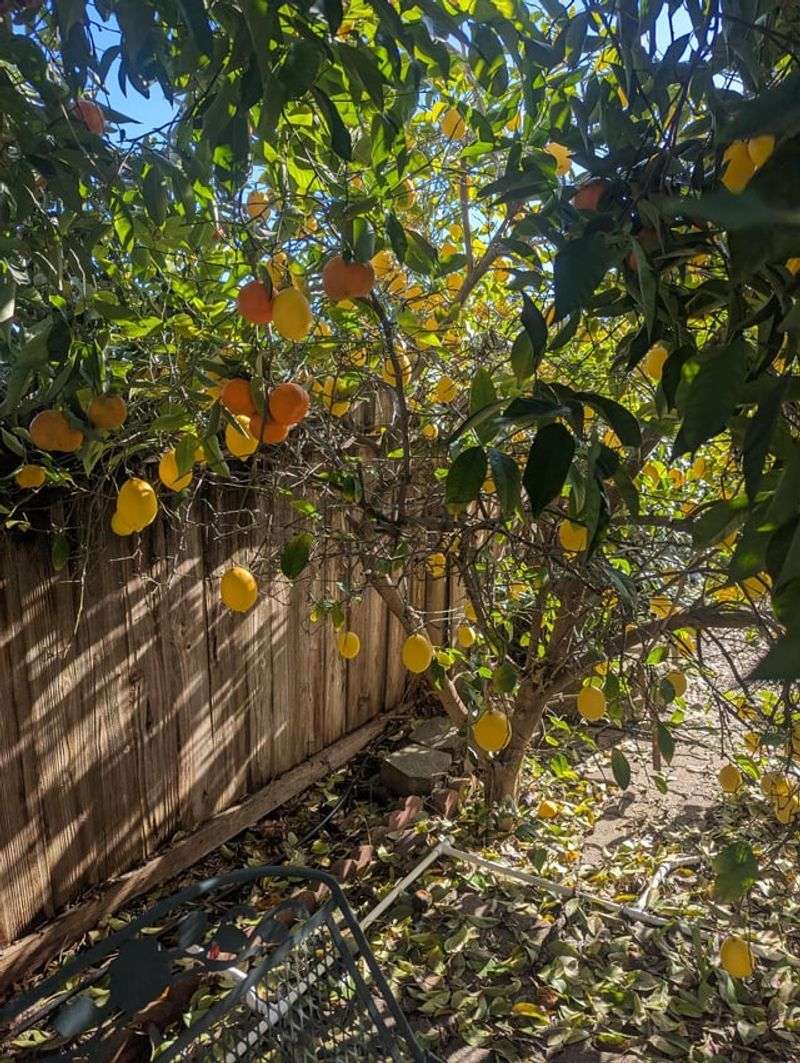
Leaf drop is one of the most alarming things a California citrus owner can see in summer. The natural instinct is to do something, anything, to help the tree recover.
But reaching for the fertilizer bag when a tree is dropping leaves due to water stress is one of the worst responses possible.
When a citrus tree is dehydrated, its root system shuts down. Roots in stressed, dry soil cannot absorb water efficiently, let alone nutrients.
Adding fertilizer at this point increases the salt load in the soil and makes it even harder for roots to pull in the moisture the tree desperately needs.
The only right first move when you see stress-related leaf drop is to water deeply and consistently. Give the tree a long, slow soak that reaches well below the surface.
Do this every few days and watch for signs of recovery before doing anything else. Leaves may not come back immediately, but new growth should appear within a few weeks if the watering issue is corrected.
Once the tree stabilizes and starts showing healthy new growth, you can resume a light fertilizer application. Waiting feels frustrating, but it is the approach that actually works.
A stressed tree cannot use fertilizer productively, so applying it just adds more pressure to a system that is already overwhelmed. Solve the water problem first, always.
Fertilizer is a tool for healthy trees, not a rescue remedy for struggling ones.
9. Applying Fertilizer Against The Trunk
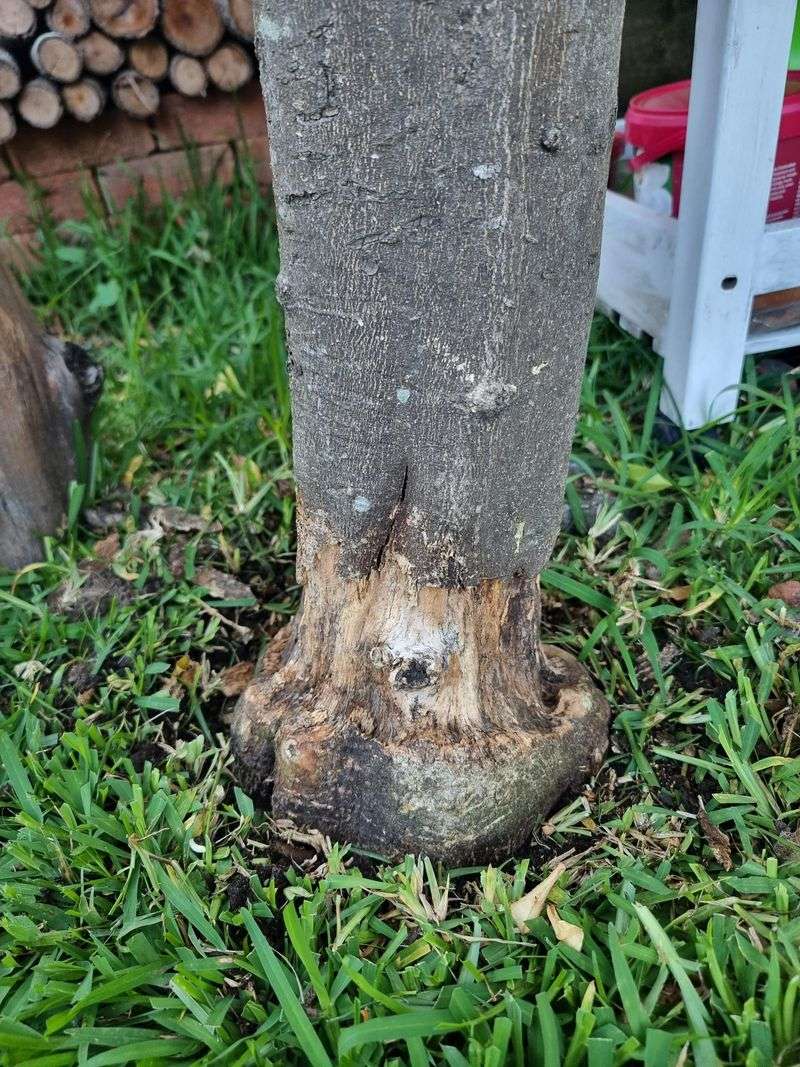
Piling fertilizer right up against the trunk of a California citrus tree is a mistake that many people make without realizing how much damage it causes. The bark near the base of the trunk is not designed to absorb nutrients.
Fertilizer sitting against bark traps moisture, encourages fungal growth, and can cause the bark to rot or crack over time.
Feeder roots, which are the thin roots responsible for absorbing water and nutrients, are not located near the trunk. They extend outward, often as far as the canopy reaches and sometimes even further.
Fertilizing near the trunk completely misses the target area where absorption actually happens.
The right place to apply fertilizer is along and just beyond the drip line of the tree. Spread it evenly in a wide ring around the tree, keeping at least 12 inches of clear space between the fertilizer and the trunk.
This puts the nutrients exactly where the feeder roots can access them.
After spreading the fertilizer in the correct zone, water it in thoroughly. This helps move the nutrients down into the root zone and prevents them from sitting on the surface where they can evaporate or wash away.
A common visual reminder is to think of the fertilizer ring like the brim of a hat, wide and even, with nothing touching the center.
Getting this placement right is one of the easiest adjustments you can make, and the results show up quickly in healthier, more productive trees.