Why Michigan Gardeners Are Pulling Out Miscanthus And Which Native Grasses They’re Choosing Instead
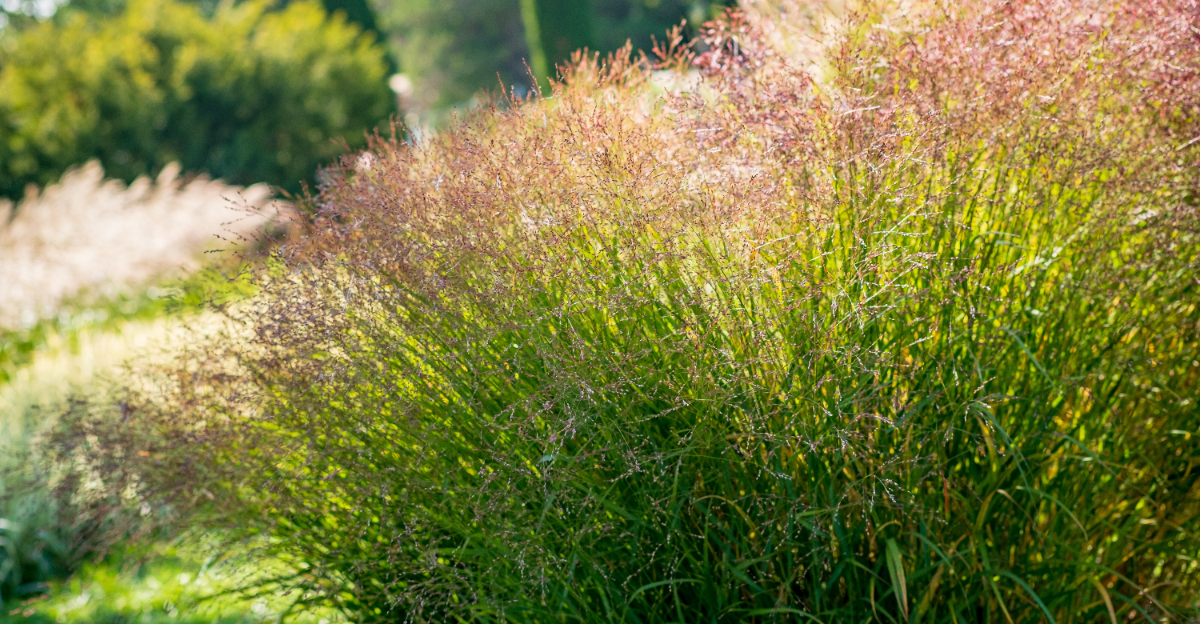
Miscanthus was once considered a nearly perfect ornamental grass for Michigan landscapes. It is dramatic, low maintenance, and provides strong late-season structure that carries through into winter.
The problem is that it has proven far more capable of spreading beyond garden boundaries than originally understood, and its behavior in natural areas across the Midwest has pushed Michigan gardeners and land managers to reconsider it seriously.
Removing established clumps is not a small task, but the gardeners who have done it are not finding themselves without good options.
Native grasses that match or exceed Miscanthus for visual presence, seasonal interest, and low maintenance requirements are increasingly available, and several of them support local wildlife in ways that Miscanthus never could.
1. Why Miscanthus Is Being Removed In Michigan
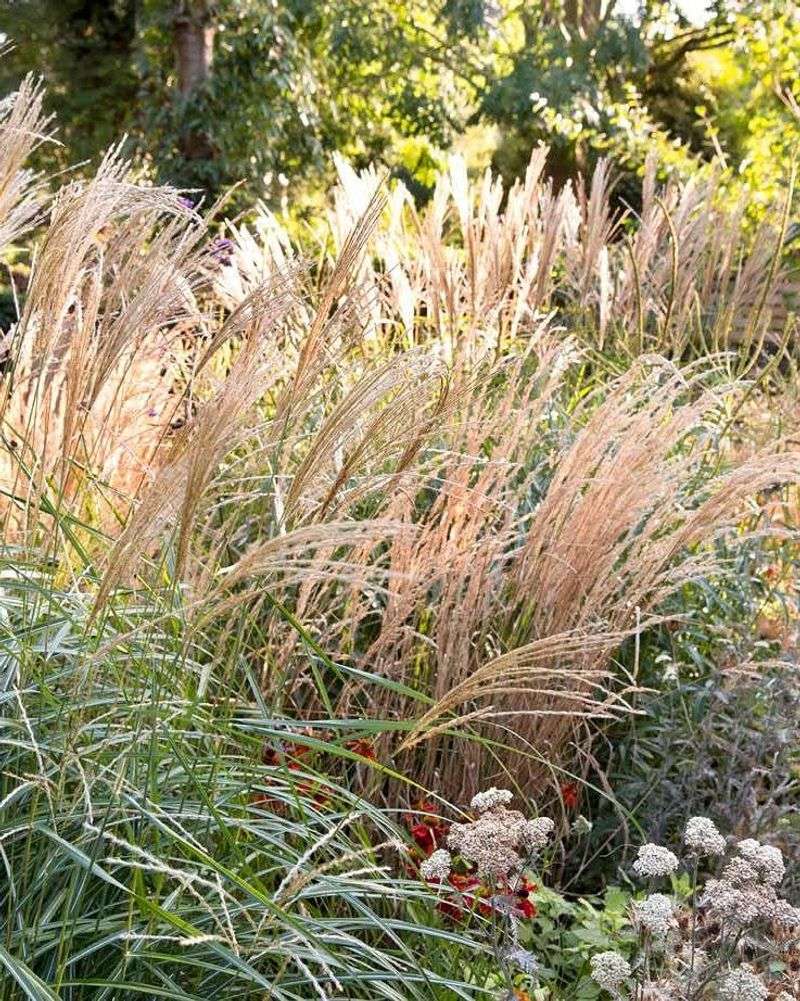
Miscanthus sinensis has long been a favorite in landscaping, and it is easy to see why. Its tall, feathery plumes and graceful arching leaves make it a showstopper in the fall garden.
But beneath that good-looking exterior, something problematic is happening.
Michigan gardeners are discovering that Miscanthus spreads far beyond where it was originally planted. Its seeds travel easily on the wind, landing in meadows, roadsides, and natural areas where it crowds out native plants.
Once established, it forms dense colonies that native wildlife simply cannot use for food or shelter.
The Michigan Natural Features Inventory has flagged several Miscanthus varieties as potentially invasive in the state.
Its rapid growth rate, large clumping size, and aggressive self-seeding behavior make it extremely difficult to manage once it escapes the garden. Some cultivars produce more viable seed than others, but the risk is real across the board.
Removing Miscanthus is no small task either. The root systems are tough and extensive, often requiring multiple seasons of effort to fully clear.
Gardeners who have gone through the process say the work is worth it, especially when they see native plants and pollinators return.
Choosing plants that support the local ecosystem rather than compete with it is becoming a priority for environmentally aware gardeners across the state.
2. Little Bluestem
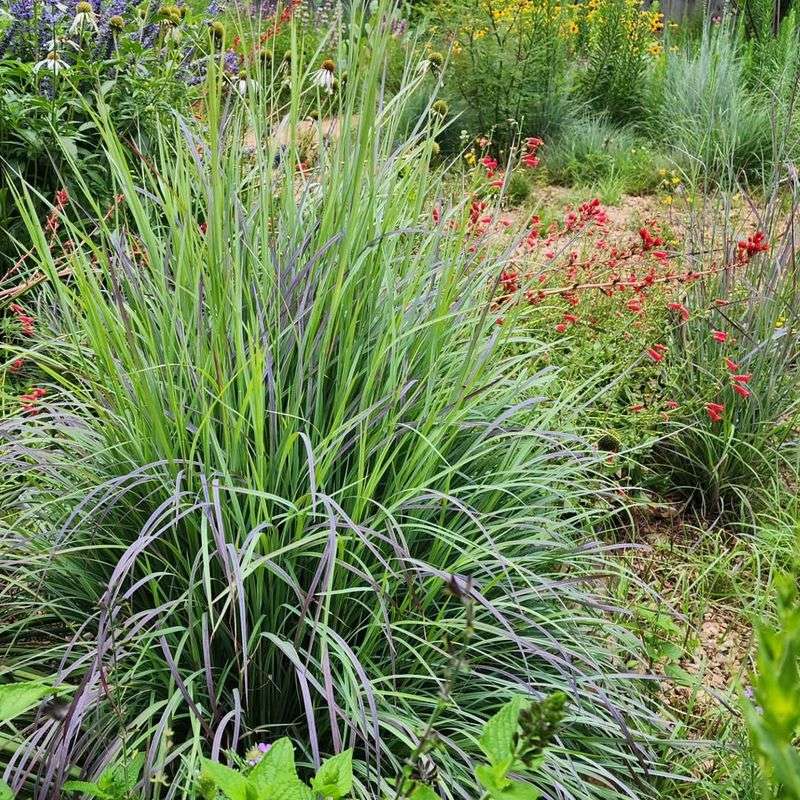
Few native grasses can match the seasonal drama of Little Bluestem. In summer, its upright clumps glow with a cool blue-green color that stands out beautifully in sunny borders and prairie-style plantings.
Come fall, the whole plant transforms into a brilliant blaze of red and orange that rivals any ornamental shrub.
Little Bluestem grows in a neat, clumping habit, which means it stays right where you plant it. There is no aggressive spreading, no unwanted seedlings popping up across the lawn, and no battle to keep it contained.
For gardeners tired of wrestling with Miscanthus, that kind of well-mannered growth is a genuine relief.
This grass reaches about two to four feet tall, making it perfect for middle-of-the-border placement or as a mass planting along a sunny slope. It thrives in poor, well-drained soils and actually performs better when you skip the fertilizer.
Rich soil causes it to flop, so lean conditions are your best friend here. Wildlife benefits are impressive too. Birds love the fluffy white seed heads that persist through winter, providing food during the coldest months.
Your Michigan Garden Changes Every Week. Your Plan Should Too.
Gardening in Michigan changes quickly throughout the season. Every Friday you’ll receive a simple weekly plan showing exactly what to plant, prune, fertilize, harvest, and protect so you never miss the right timing.
Skipper butterflies use Little Bluestem as a host plant for their larvae, adding real ecological value to any yard. It is a low-maintenance, high-reward grass that Michigan gardeners are embracing with enthusiasm.
3. Switchgrass
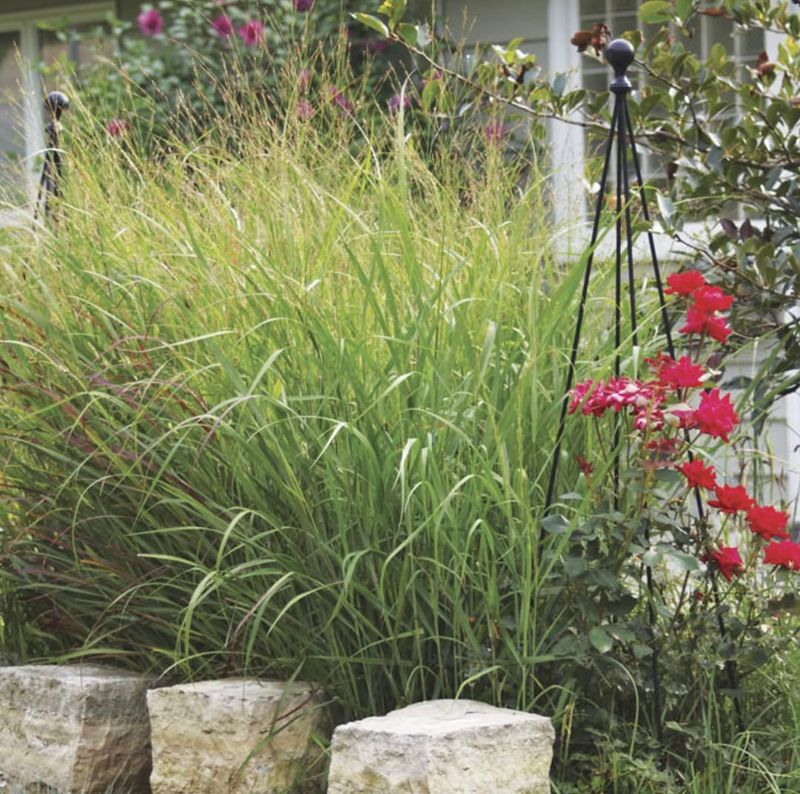
Switchgrass is the kind of plant that earns its keep in every single season. Spring brings fresh, upright green growth.
Summer adds a cloud of delicate, airy seed heads that shimmer in the breeze. Fall turns the whole plant reddish-gold, and even in winter, the dried stems and seed heads give the garden structure and movement.
One of the biggest reasons gardeners are choosing Switchgrass over Miscanthus is its incredible soil flexibility. It handles clay soils, sandy soils, wet conditions, and drought with equal ease.
That kind of adaptability is rare, and it makes Switchgrass a reliable performer in the wildly variable Michigan climate.
Pollinators flock to Switchgrass plantings, and birds are right behind them. Sparrows, juncos, and finches feed on the seeds through fall and winter, turning your garden into a busy wildlife hub.
The dense clumps also provide excellent nesting cover for ground-nesting birds and small mammals, boosting your yard’s biodiversity in a meaningful way.
Named cultivars like Shenandoah and Northwind give gardeners options for size and color, ranging from compact four-foot plants to bold six-foot specimens. Switchgrass clumps rather than spreads, so there is no invasive concern.
It is a workhorse native grass that delivers big visual impact while quietly supporting Michigan’s natural ecosystems season after season.
4. Prairie Dropseed
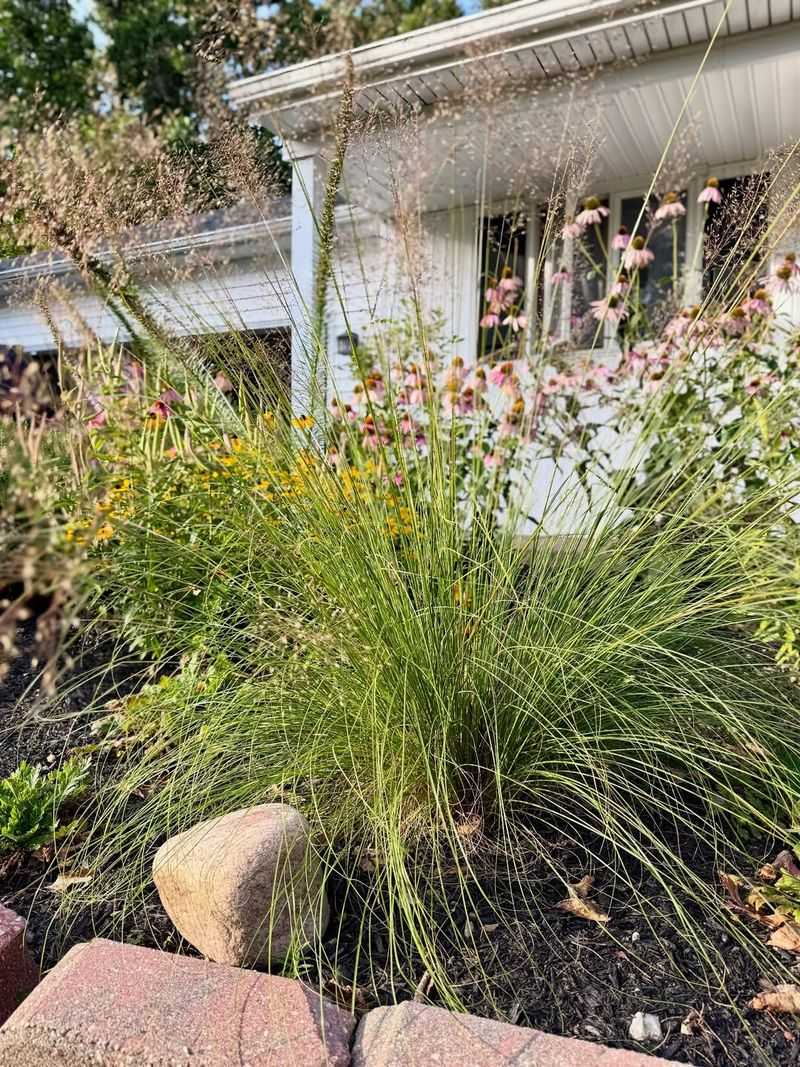
Prairie Dropseed is the kind of grass that garden designers quietly adore. Its incredibly fine-textured foliage forms soft, arching mounds that look almost like a fountain of green silk.
When late summer arrives, it sends up delicate, open seed heads that catch the light beautifully and carry a surprisingly sweet fragrance, sometimes described as buttery popcorn or coriander.
Slow to establish but long-lived once settled, Prairie Dropseed rewards patient gardeners with decades of low-maintenance beauty. It typically takes two to three years to reach its full size of about two feet tall and wide.
After that, it is essentially self-sufficient, needing little more than an annual trim in late winter to stay tidy and healthy.
This grass is native to Michigan’s original prairie landscapes, making it perfectly suited to the state’s climate and soils. It performs best in full sun with well-drained soil and shows excellent drought tolerance once established.
Unlike Miscanthus, it poses zero invasive risk and actually supports local ecosystems by providing seed for wildlife and habitat for beneficial insects.
In fall, the foliage shifts to warm golden and orange tones that glow in low autumn light. Mass plantings of Prairie Dropseed create a meadow-like effect that feels both natural and intentional.
For gardeners who want elegance without effort, this native gem is an easy and inspired choice worth every bit of the wait.
5. Canada Wild Rye
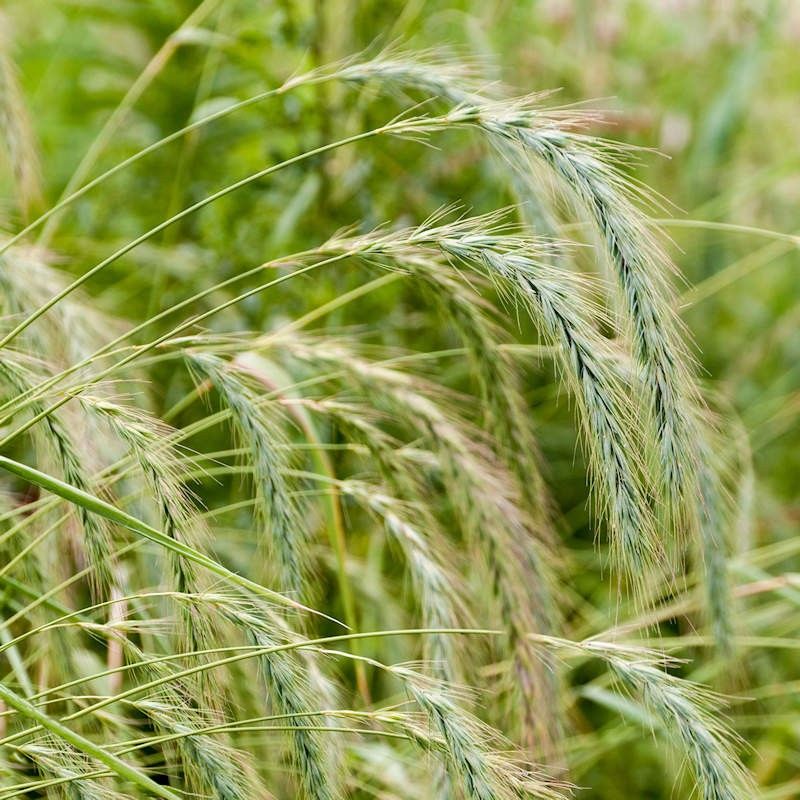
Canada Wild Rye is the fast starter of the native grass world. While other natives take years to settle in, this grass hits the ground running, establishing quickly from seed and filling in bare spots with impressive speed.
For gardeners restoring a garden bed after removing Miscanthus, that rapid establishment is incredibly welcome.
Growing three to five feet tall, Canada Wild Rye brings strong vertical interest to the garden.
Its arching stems and distinctive nodding seed heads give it a graceful, wild look that works beautifully in naturalistic plantings, rain gardens, and woodland edges.
The seed heads are genuinely ornamental, with a whiskered appearance that catches the eye all through summer and into fall.
Unlike Miscanthus, Canada Wild Rye is a cool-season grass, meaning it grows actively in spring and fall rather than summer.
This seasonal rhythm makes it a useful companion plant in mixed borders, providing structure and interest during the shoulder seasons when many other plants are slow to wake up or winding down.
Native birds love the seeds, and the dense clumps provide shelter for small wildlife throughout the year. Canada Wild Rye is also non-invasive in garden settings, behaving itself without requiring constant management.
It may self-seed lightly, but nothing approaching the aggressive spread of Miscanthus. For a tough, wildlife-friendly grass that establishes fast and looks great, this native is hard to beat in Michigan gardens.
6. Blue Grama
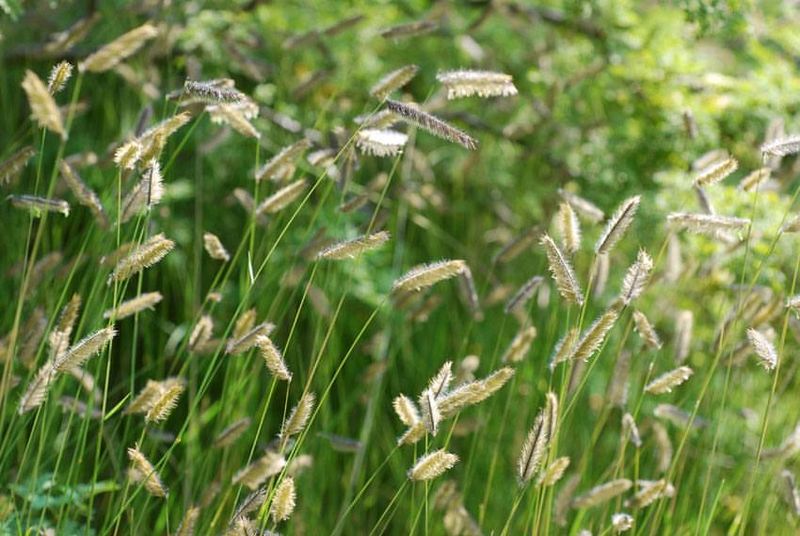
Blue Grama is one of those plants that makes people stop and stare, not because of its size, but because of its seed heads.
Those distinctive, curved seed heads look remarkably like tiny eyelashes or eyebrows held horizontally on slender stems, and they are unlike anything else in the garden. It is a real conversation starter during summer and fall.
Standing just one to two feet tall, Blue Grama is the shorter option in the native grass lineup, making it ideal for front-of-border placements, rock gardens, or mass plantings where you want texture without height.
It is also one of the most drought-tolerant native grasses available, thriving in full sun and lean, well-drained soils with minimal watering once established.
Michigan gardeners in sunnier, drier parts of the state will find Blue Grama especially rewarding. It handles the kind of hot, exposed conditions that challenge other plants, and it stays attractive through the entire growing season.
The fine-textured blue-green foliage turns warm tan in fall and holds its shape nicely into winter.
Pollinators visit the flowers, and birds feed on the seeds, so even a small planting contributes meaningfully to local wildlife.
Blue Grama spreads slowly and stays well-behaved in garden settings, making it a refreshing alternative to high-maintenance ornamental grasses.
For sunny, low-water gardens, it is a smart, beautiful, and ecologically responsible choice worth adding to any planting plan.
7. Indiangrass
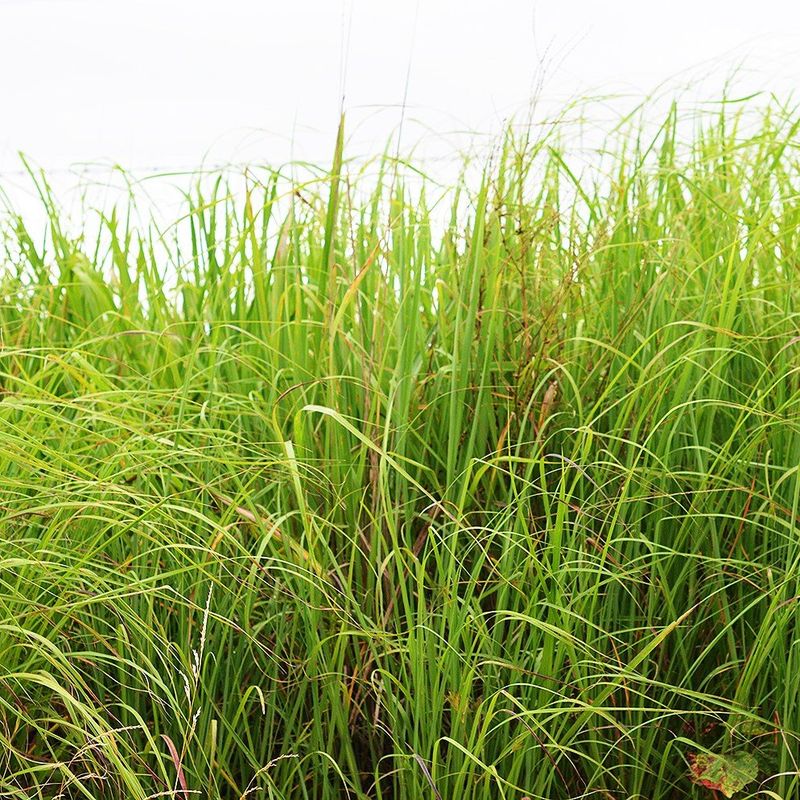
Indiangrass has been part of Michigan’s natural landscape for thousands of years, anchoring the great tallgrass prairies that once stretched across the lower part of the state.
Bringing it back into home gardens feels less like a trend and more like a homecoming. Its deep roots in Michigan’s ecological history make it one of the most authentic native choices a gardener can make.
Growing four to six feet tall, Indiangrass makes a bold statement in the landscape. Its most dramatic feature is its golden-bronze seed plumes that emerge in late summer and glow in the slanted light of early fall.
The effect is spectacular, especially when planted in groups where the plumes catch the breeze and shimmer together like a field of moving gold.
Drought tolerance is one of Indiangrass’s strongest qualities. Its deep root system, which can reach six feet or more into the soil, allows it to access moisture long after surface soils have dried out.
This makes it remarkably resilient through dry summers without any supplemental irrigation once it is properly established.
Wildlife benefits are substantial. Songbirds feed on the seeds throughout fall and winter, and the dense clumps provide excellent cover for ground-nesting birds and small animals.
Indiangrass is also a host plant for several skipper butterfly species, adding another layer of ecological value. For gardeners who want tall, dramatic, and ecologically meaningful native planting, Indiangrass delivers on every level.
8. Sideoats Grama
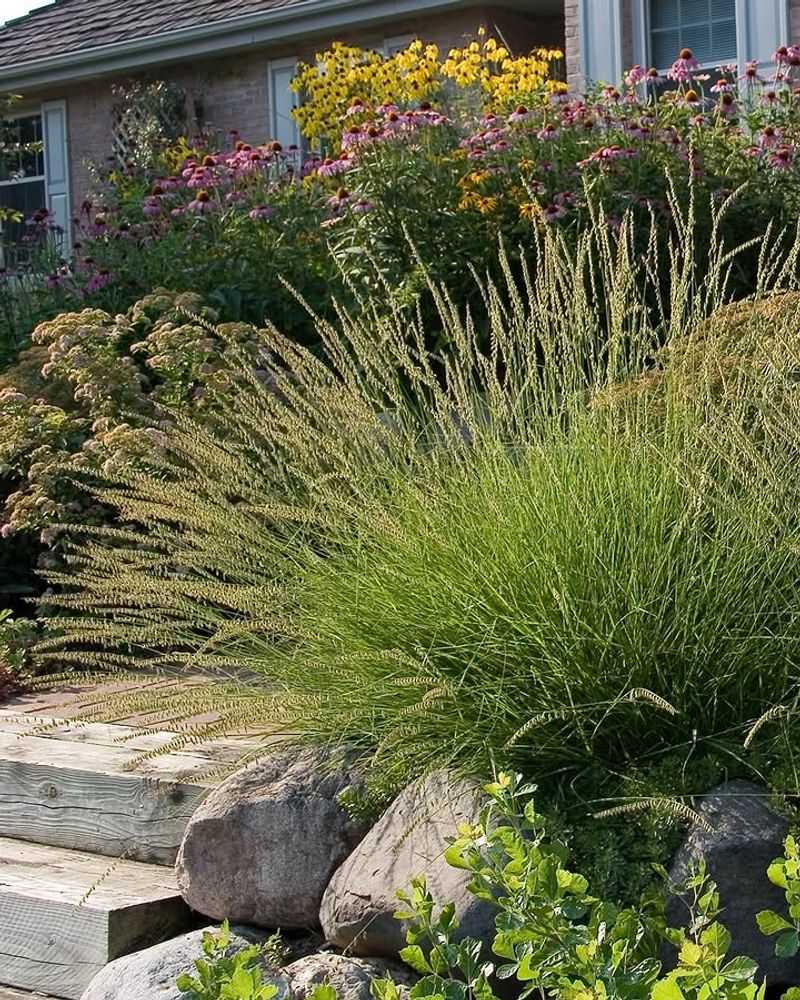
Sideoats Grama gets its charming name from one of the most distinctive seed head arrangements in the plant world.
Small, oat-like seeds hang in a neat row along just one side of each stem, creating a flag-like appearance that sways gracefully in the wind.
It is a subtle but genuinely beautiful detail that rewards anyone who looks closely at this native grass.
Reaching about two to three feet in height, Sideoats Grama fits comfortably into mixed borders, meadow plantings, and naturalistic garden designs.
It grows in an upright, moderately spreading clump that fills in nicely without becoming aggressive or invasive.
For gardeners who want some spread without the management nightmare of Miscanthus, it strikes a satisfying balance.
Full sun and well-drained soil are the keys to success with this grass. It handles drought confidently once established and actually looks better in lean soils than in rich, amended beds.
The foliage takes on warm orange and red tones in fall, and the persistent seed heads provide winter interest long after other plants have gone dormant.
Sideoats Grama is also the official state grass of Texas, which speaks to its toughness and adaptability across a wide range of climates.
In Michigan, it thrives in the southern part of the state and performs well in urban gardens where heat and reflected light can stress less resilient plants.
Birds and pollinators both benefit from its presence, making it a solid all-around choice for any sunny garden.
9. Virginia Wildrye
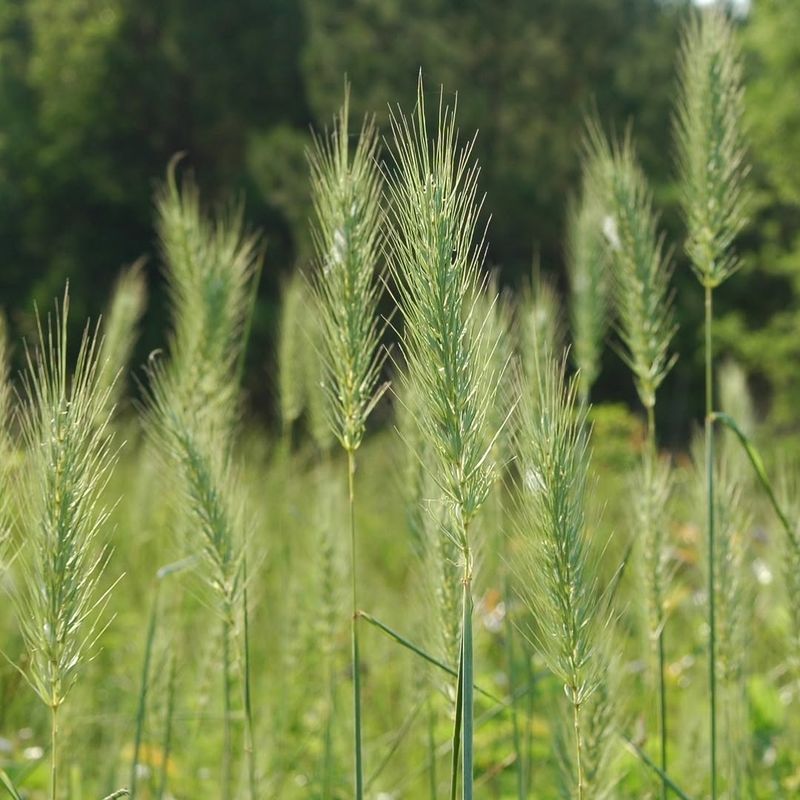
Shade is one of the trickiest conditions to handle in any garden, and finding a native grass that truly thrives in low light is a real win. Virginia Wildrye is exactly that plant.
It grows happily in partial to full shade, making it one of the few native grasses that can bring texture and movement to the darker corners of a Michigan yard.
Growing two to four feet tall in an upright, clumping form, Virginia Wildrye works beautifully beneath deciduous trees, along shaded fence lines, and in woodland garden settings.
Its slender, wheat-like seed heads emerge in summer and add quiet ornamental interest without demanding attention.
The overall effect is natural, relaxed, and genuinely lovely in a way that feels right at home in a woodland setting.
Ecologically, Virginia Wildrye earns high marks. Native sparrows and other seed-eating birds feed on the seed heads through fall and into winter.
The dense clumps provide nesting material and shelter for small wildlife, and the grass supports a range of native insects that form the base of the local food web.
Planting it in shaded areas where few other plants thrive multiplies its ecological impact considerably.
Establishment is relatively straightforward when you plant in moist, well-drained soil and provide consistent moisture through the first season. After that, Virginia Wildrye is largely self-sufficient and requires minimal care.
For Michigan gardeners dealing with shady spots that feel bare and lifeless, this native grass is a practical, beautiful, and ecologically sound solution.
10. Indian Woodoats
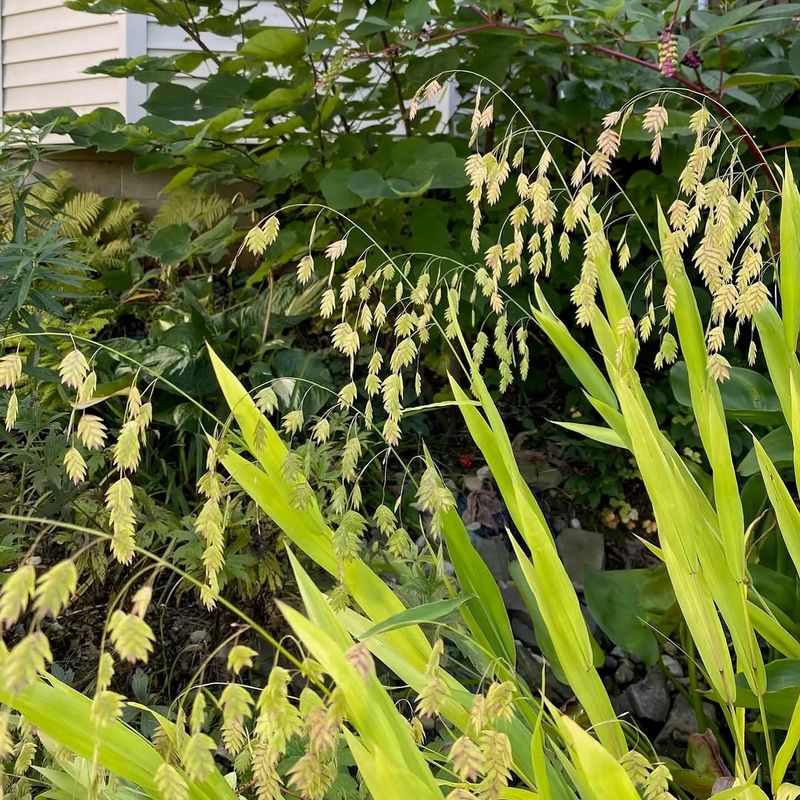
If you have ever walked past a plant and done a double-take because of its seed heads, you might have already met Indian Woodoats.
The flat, dangling, oat-shaped seed heads hang from arching stems like tiny green coins, catching light and swaying with every breath of air.
By fall they shift to a warm copper-bronze, and they persist beautifully through winter when most of the garden has gone quiet.
Indian Woodoats is one of the few ornamental grasses that genuinely loves shade. It thrives in partial to full shade and prefers moist, rich soil, making it a natural fit for rain gardens, stream banks, and shaded borders where other grasses struggle.
In Michigan gardens with heavy tree cover or low-lying wet spots, it fills a niche that few other plants can match.
Reaching two to four feet tall, it forms a graceful, arching clump that spreads slowly over time through rhizomes and self-seeding.
That spreading tendency is worth noting, as it can become moderately aggressive in ideal conditions, so giving it a defined space or managing it lightly is a smart approach.
Even so, it is far less problematic than Miscanthus and stays within the native plant community where it belongs.
Birds are drawn to the seed heads through fall and winter, and the dense foliage provides excellent cover for beneficial insects.
For Michigan gardeners looking for a shade-tolerant, visually striking, and ecologically valuable native alternative to Miscanthus, Indian Woodoats brings all of that in one elegant, reliable package.