The Grass Cutting Habits That Are Bringing More Ticks Into Texas Yards This Summer
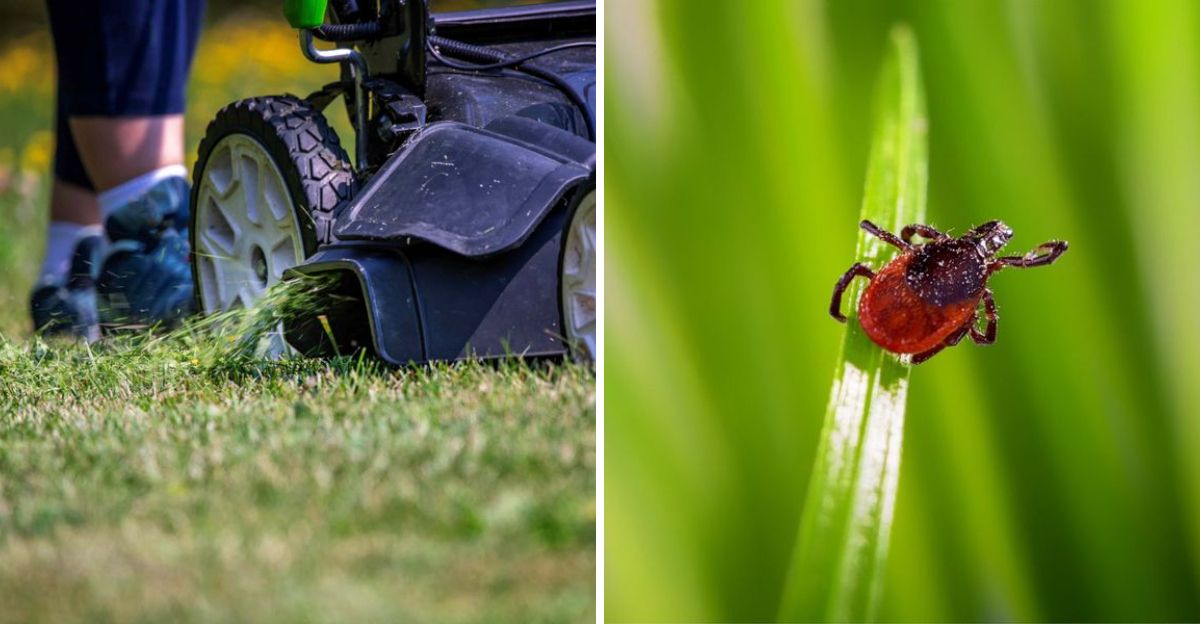
Lawn maintenance is one of the last things most Texas homeowners associate with tick pressure, but the way grass is cut has a more direct relationship with tick activity than most people realize.
Mowing habits influence tick habitat in ways that are specific and predictable, and some of the most common approaches to lawn care in Texas are quietly creating better conditions for ticks to establish, shelter, and wait for a passing host.
This is not about whether a yard is well-kept or neglected. It is about specific details in how and when cutting happens that make a meaningful difference in the environment at ground level.
Texas summers already create favorable tick conditions in terms of temperature and vegetation density, and certain mowing habits add to that advantage rather than reducing it.
Small adjustments to an existing lawn routine can shift the balance in the homeowner’s favor without changing what the yard looks like or how much time is spent maintaining it.
1. Cutting Grass Too Short
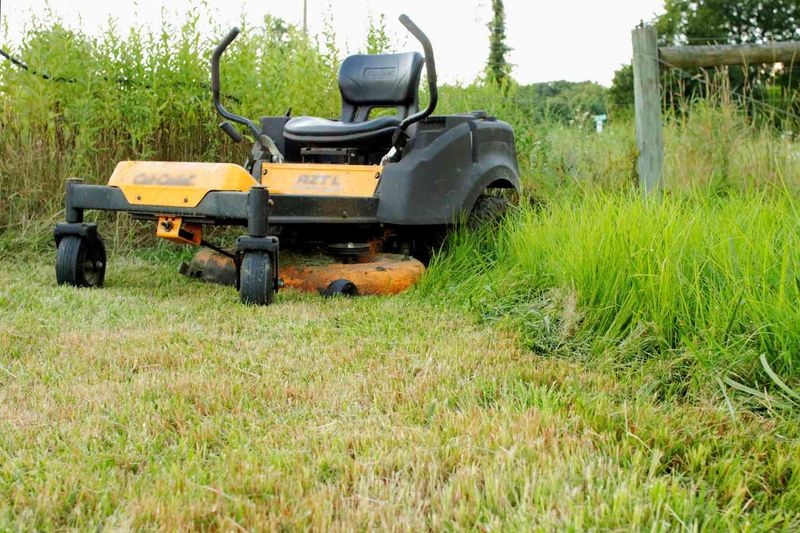
Scalping your lawn might seem like a time-saver, but it could be rolling out the welcome mat for ticks. When you cut grass way too short, the soil beneath gets exposed to sunlight and foot traffic.
That sounds harmless, but bare patches of soil are actually prime real estate for ticks looking for shelter and easy travel routes across your yard.
Ticks do not jump or fly. They crawl slowly and rely on ground-level cover to move around safely.
When your grass is cut down to almost nothing, ticks can actually navigate the yard more easily, moving from one area to another without getting caught in tall blades. Bare soil also stays cooler and slightly moist just below the surface, which ticks love.
Lawn experts generally recommend keeping grass at about three to four inches tall in Texas summers. That height is short enough to look neat and tidy, but tall enough to shade the soil and keep it from becoming a tick highway.
Scalping your yard also stresses the grass itself, making it harder to grow back thick and full.
Thin, patchy grass is much worse at keeping ticks out than a healthy, dense lawn. A strong turf acts almost like a natural barrier.
Try raising your mower blade a few notches and see how much healthier your lawn looks within just a couple of weeks. A thicker lawn is not only prettier, it is also a smarter defense against tick activity all summer long.
2. Infrequent Mowing
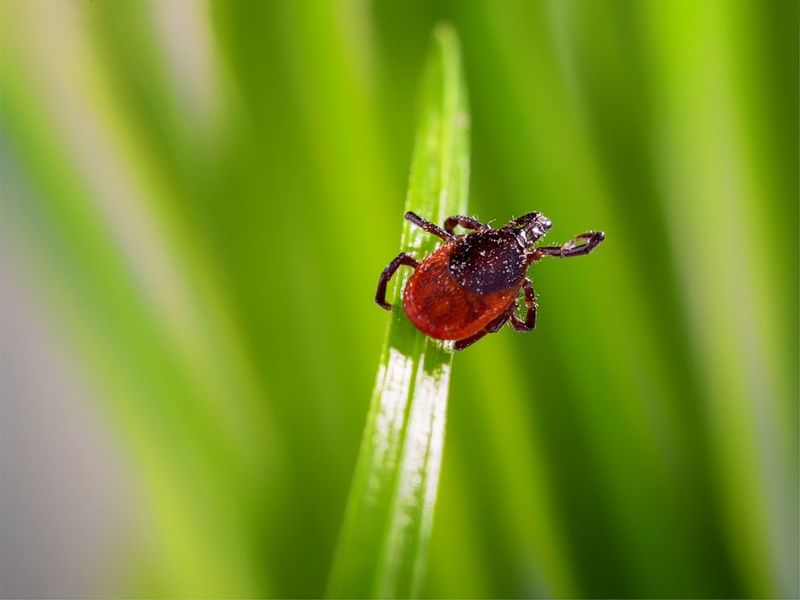
Picture this: it has been three weeks since you last mowed, and your backyard looks more like a meadow than a lawn. It might not seem like a big deal, but tall, overgrown grass is basically a five-star hotel for ticks.
They absolutely love the cool, shady, humid conditions that thick and dense grass creates close to the ground.
Ticks are sensitive to heat and dry air. When grass grows tall, it traps moisture near the soil and blocks sunlight from reaching the ground.
Your Texas Garden Changes Every Week. Your Plan Should Too.
Gardening in Texas changes quickly throughout the season. Every Friday you’ll receive a simple weekly plan showing exactly what to plant, prune, fertilize, harvest, and protect so you never miss the right timing.
That creates the perfect microclimate for ticks to survive and stay active even on the hottest Texas summer days. The longer the grass, the deeper and more comfortable that sheltered zone becomes.
Studies have shown that tick populations are significantly higher in areas with tall, unmaintained vegetation compared to regularly mowed lawns.
If you let your yard go for weeks at a time, you are essentially creating a habitat that supports more ticks and increases the chances of one latching onto a person or pet walking through.
A consistent mowing schedule makes a real difference. Most Texas lawns during summer need to be mowed at least once a week, sometimes every five days during peak growing season.
Keeping up with regular mowing removes that shady, humid layer that ticks depend on. It also helps you spot other lawn issues early, like fungus or pest damage.
Staying on schedule takes effort, but it is one of the simplest and most effective ways to reduce tick pressure in your outdoor space all summer long.
3. Mowing Only Certain Areas
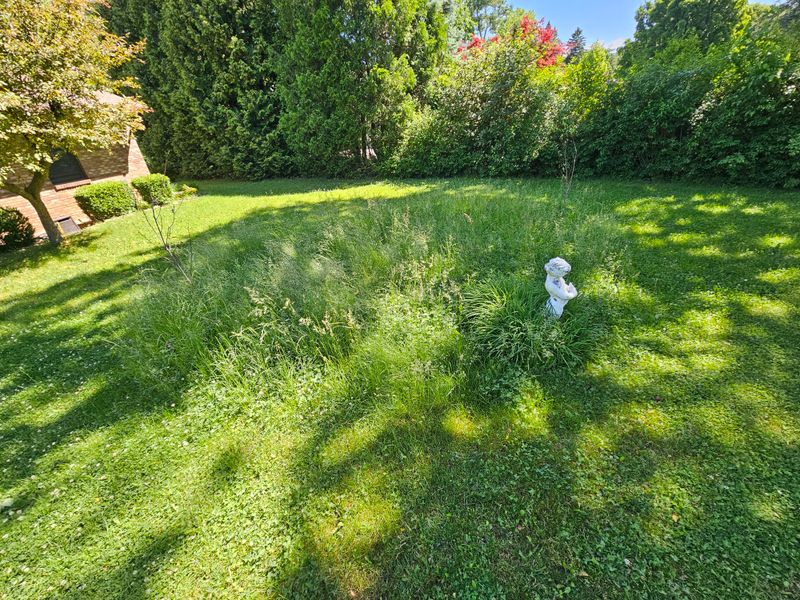
Plenty of homeowners mow the wide open parts of their yard and then skip the tricky spots. The edges along fences, the strip near the shrubs, the corners behind the shed.
It feels like those areas are out of the way and do not really matter. But those forgotten zones are exactly where ticks set up camp and wait for a host to walk by.
Ticks spend most of their time in what researchers call the transition zone. That is the area where a mowed lawn meets taller, brushier vegetation.
Fence lines, garden borders, and unmaintained edges are classic examples. Ticks position themselves at the tips of grass blades or low shrubs in these spots and wait in a behavior called questing, where they hold out their front legs ready to grab onto anything that passes.
When you only mow the middle of your yard, you are keeping ticks pushed to the edges but not actually reducing their numbers. Those untreated strips become a reservoir.
Ticks breed there, build up in population, and then slowly move inward toward the spaces where your kids and pets play most.
Make edge trimming and border mowing a regular part of your lawn care routine. Use a string trimmer along fence lines and around garden beds after each mow.
Pay special attention to any area where your lawn meets a wooded section, a neighbor’s overgrown yard, or a brushy drainage area.
Closing off those tick-friendly borders takes extra time, but it dramatically cuts down on how many ticks end up in the heart of your yard where your family spends time.
4. Leaving Grass Clippings In Piles
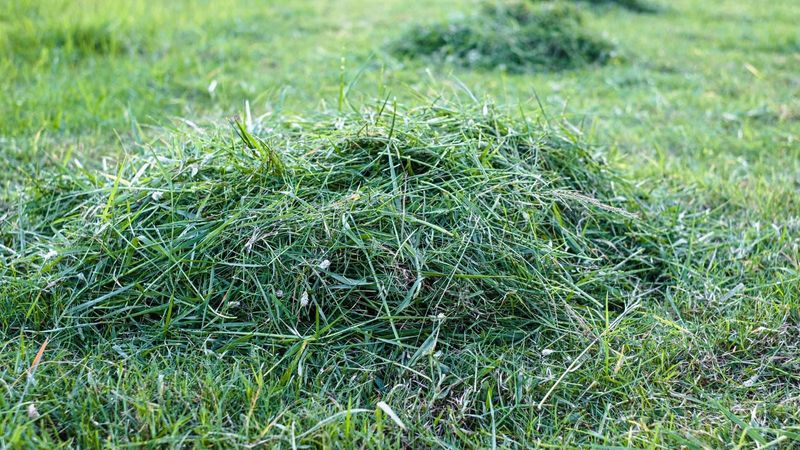
After a long mowing session, it is tempting to just leave big clumps of grass clippings where they fall and call it a day. But those piles are more than just an eyesore.
Thick mounds of fresh clippings trap moisture underneath them and create a dark, shaded environment that is almost perfectly suited for tick survival.
Ticks need humidity to stay healthy. When clippings pile up, they hold water and decompose slowly, creating a microenvironment that stays moist and cool even when the rest of the yard dries out under the Texas sun.
Ticks can hide in those piles, lay eggs, and stay protected from predators and the heat for much longer than they could out in the open.
From those clipping piles, ticks can then spread outward into the rest of your lawn. Kids or pets that run through the yard can easily brush past a pile and pick up a tick without anyone noticing.
The problem compounds over time if clippings are never properly managed, because each pile becomes a new launching point for tick movement.
The best approach is to either bag your clippings or spread them evenly across the lawn in a thin layer. A thin, even layer of clippings breaks down quickly in the heat and actually adds nutrients back to the soil without creating tick-friendly cover.
If you have a lot of clippings, consider composting them in a sealed bin away from play areas. Removing those dense piles from your lawn is a fast and easy habit change that can make a noticeable difference in tick activity around your home this summer.
5. Cutting Grass When Wet

Early morning mowing feels productive, especially before the Texas heat kicks in. But if there is still dew on the grass or it rained the night before, you might be doing more harm than good.
Mowing wet grass is not just rough on your equipment. It can actually help spread ticks and their eggs to parts of your yard that were previously clear of them.
When grass is wet, clippings clump together and stick to mower decks, wheels, and discharge chutes. If any ticks or tick eggs are hiding in that grass, they get picked up by the mower and carried across the lawn as you continue cutting.
Wet conditions also make it easier for ticks to attach to clothing and skin, so the person doing the mowing is at higher risk of picking up a tick during a wet-grass session.
Wet mowing also creates uneven cuts and leaves behind large, matted clumps of clippings that are even worse than normal piles when it comes to creating tick-friendly cover.
The clippings stick together in dense mats that take much longer to dry out and break down, giving ticks even more shelter to work with.
Waiting until the grass is fully dry before mowing is a simple but effective habit to adopt. In Texas, that usually means waiting until mid-morning or later, after the dew has burned off.
Yes, it will be hotter, but the tradeoff is a cleaner cut, less tick spreading, and a healthier lawn overall. Wearing light, protective clothing and checking yourself after mowing are also smart steps to take no matter when you decide to mow.
6. Using Mowers That Don’t Mulch

Not all lawn mowers are created equal, and when it comes to tick control, the type of mower you use actually matters more than most people realize. Standard side-discharge mowers push clippings out to the side in long, thick pieces.
Those clippings settle on top of the lawn and can take a long time to break down, especially if they land in shaded or lower-traffic areas of your yard.
Long clippings lying on the surface of your lawn act like a loose layer of mulch. They create small gaps and pockets at ground level that offer shade and humidity.
Ticks are small enough to hide comfortably in that kind of cover, and they can stay protected there while waiting for a passing host. The more clippings piled on the surface, the more potential hiding spots ticks have available.
Mulching mowers work differently. They chop clippings into very fine pieces and blow them back down into the base of the grass.
Those tiny pieces break down quickly, returning nutrients to the soil without leaving a thick layer of material on the surface. There is far less cover for ticks to exploit, and the lawn looks neater too.
Switching to a mulching mower or adding a mulching blade to your current mower is a worthwhile investment for Texas homeowners. Many standard mowers can be converted with an inexpensive mulching kit.
Combined with regular mowing and proper edge trimming, using a mulching mower is one of the smartest upgrades you can make to your lawn care routine this summer.
Fewer clippings on the surface means fewer places for ticks to hide and thrive right in your own backyard.