The Georgia Watering Habits That Are Doing More Harm Than Good This Summer
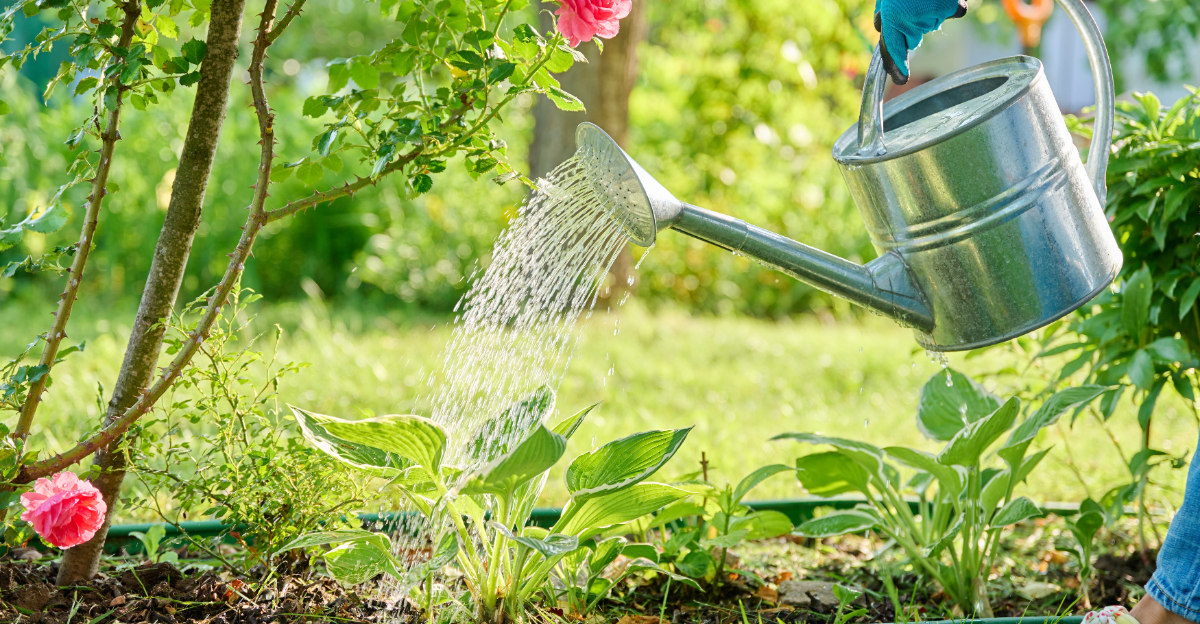
Few things create more confusion in summer than a plant that looks thirsty no matter what happens. Extra water goes down, the weather stays hot, and the yard still does not seem as healthy as it should.
It is frustrating because watering feels like the one task that should be helping, not creating more questions.
Many lawn and garden problems are blamed on heat alone. Summer certainly puts plants under pressure, but temperature is not always the whole story.
Habits that seem completely reasonable can sometimes work against the landscape without producing obvious warning signs right away. By the time the effects become noticeable, the connection is easy to miss.
Summer weather in Georgia makes watering especially important, but it also makes mistakes more costly. A few common habits may be doing far more harm than homeowners realize.
1. Watering Just Because The Surface Looks Dry
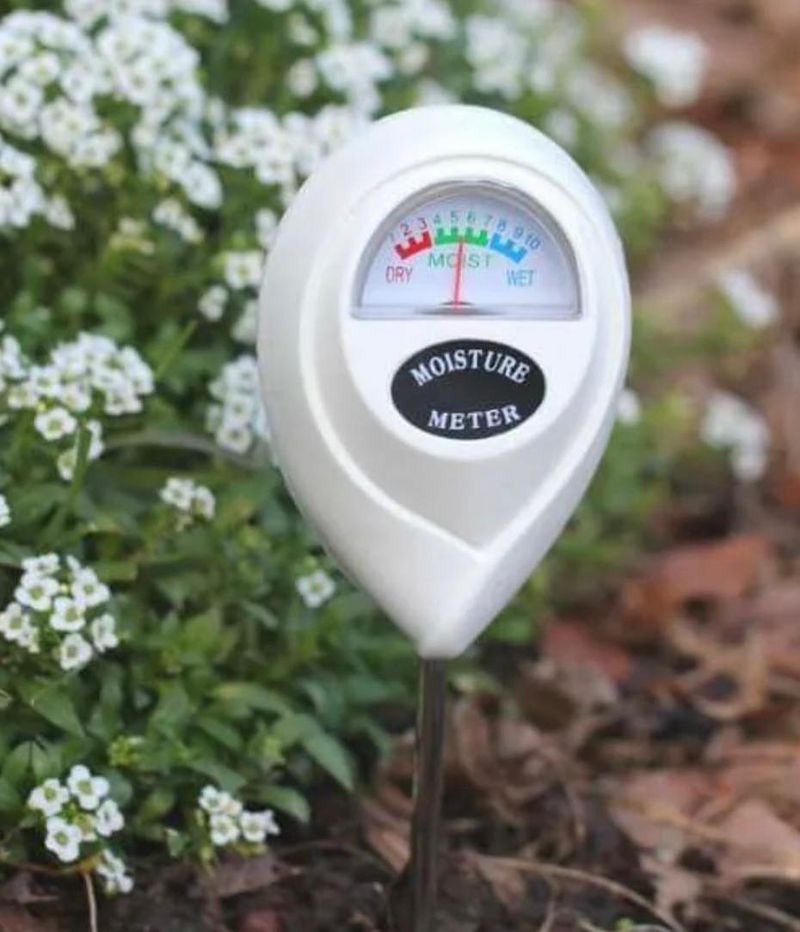
Dry soil on top means almost nothing about what is happening underneath. The surface can look bone dry within an hour of watering, especially during a hot Georgia afternoon.
That crusty top layer is not a reliable guide for what your roots actually need.
Roots sit several inches below the surface. Watering based on how the top looks often leads to shallow, frequent watering that never reaches the root zone.
Plants end up with weak root systems because they never have to reach deeper for moisture.
A simple fix is the finger test. Push your finger two inches into the soil.
If it feels moist down there, hold off on watering. If it feels completely dry at that depth, go ahead and water slowly and deeply.
Shallow watering trains roots to stay near the surface. Surface roots are more vulnerable to heat stress and drought.
Deep, infrequent watering encourages roots to grow downward where soil stays cooler and holds moisture longer.
Checking moisture at root depth takes less than ten seconds. It removes all the guesswork.
You stop wasting water and start giving your plants exactly what they need, when they actually need it.
2. Reaching For The Hose Every Hot Afternoon
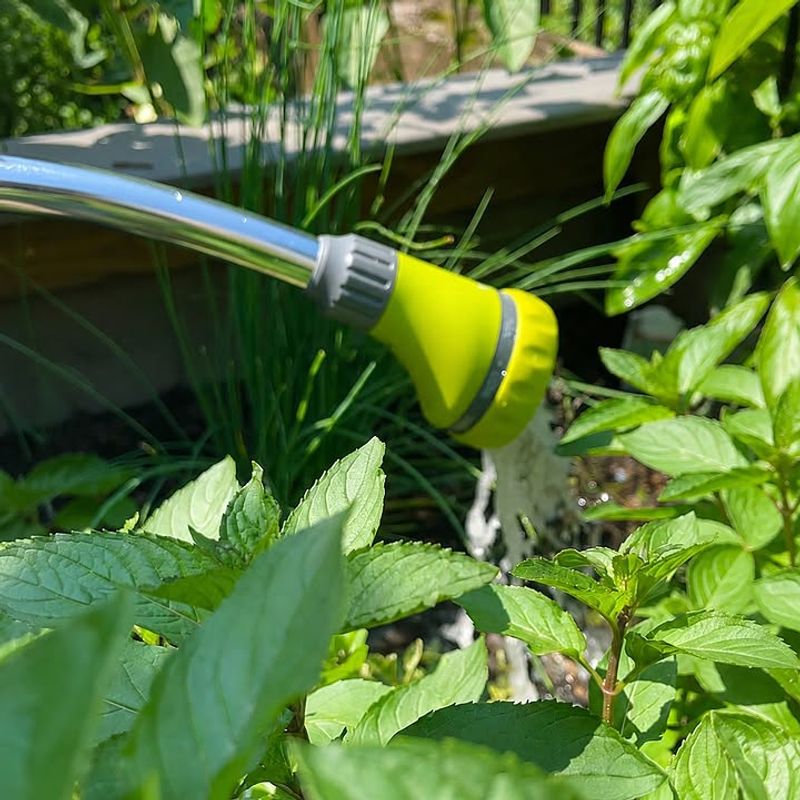
Afternoon watering is one of the most common mistakes made during summer. Water applied at peak heat evaporates before it ever soaks into the soil.
You end up using twice as much water for half the benefit.
Hot afternoon sun can also cause water droplets sitting on leaves to intensify heat, which can scorch foliage. Wet leaves heading into evening also encourage fungal growth.
Both outcomes weaken plants over time.
Morning is the best time to water. Soil is cooler, evaporation is slower, and plants have all day to absorb moisture before temperatures spike.
Watering between 6 and 10 in the morning gives the best results in most home gardens.
Evening watering is a second option, but leaves need time to dry before nightfall. Consistently wet foliage overnight creates the perfect conditions for mildew and root rot.
Morning watering avoids that risk entirely.
Changing your watering time costs nothing. No new tools or products are needed.
Your Georgia Garden Changes Every Week. Your Plan Should Too.
Gardening in Georgia changes quickly throughout the season. Every Friday you’ll receive a simple weekly plan showing exactly what to plant, prune, fertilize, harvest, and protect so you never miss the right timing.
Simply moving your routine to early morning can noticeably improve plant health within just a few weeks during the hottest stretch of summer.
3. Giving Every Plant The Same Amount Of Water
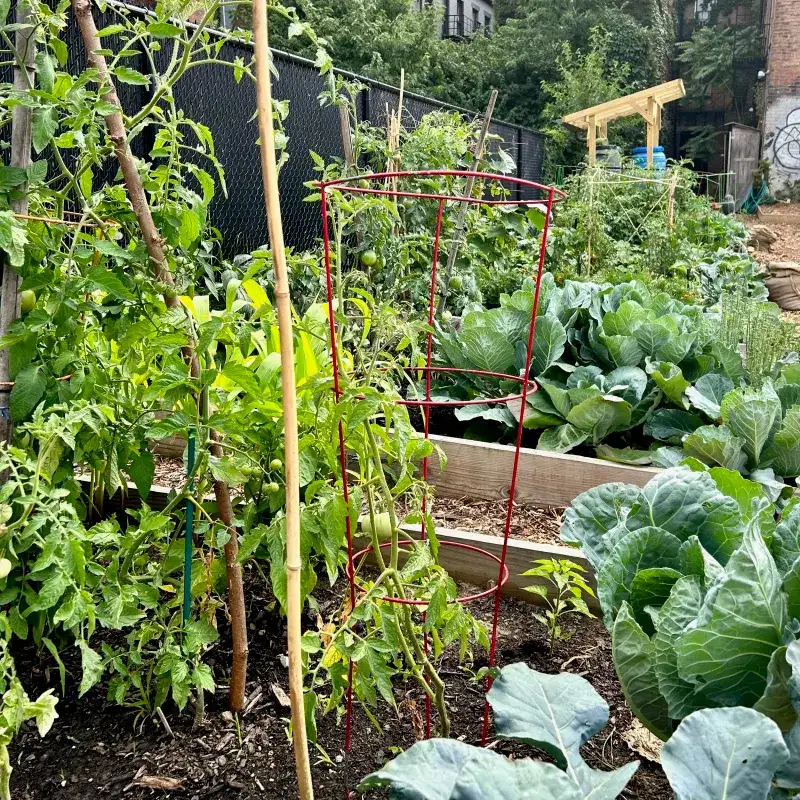
Not every plant in your yard wants the same thing. Tomatoes need consistent, deep moisture.
Lavender prefers dry conditions between waterings. Treating both the same way ends up hurting at least one of them.
Native and drought-tolerant plants that do well in the South are often overwatered by gardeners trying to be helpful. Too much water can cause root rot, yellowing leaves, and poor growth in plants that naturally prefer lean conditions.
Grouping plants by water needs makes the job easier. Put thirsty vegetables together and drought-tolerant plants in a separate zone.
Each group gets watered on its own schedule without guesswork or overlap.
Container plants dry out faster than in-ground plants. Raised beds drain differently than clay-heavy garden beds.
Soil type, sun exposure, and pot size all change how often each plant actually needs water.
Taking ten minutes to research each plant’s water preference pays off all season. You stop over-watering some plants and under-watering others.
Plants stay healthier, roots stay stronger, and you use less water overall without sacrificing results.
4. Assuming Rainfall Reached The Root Zone
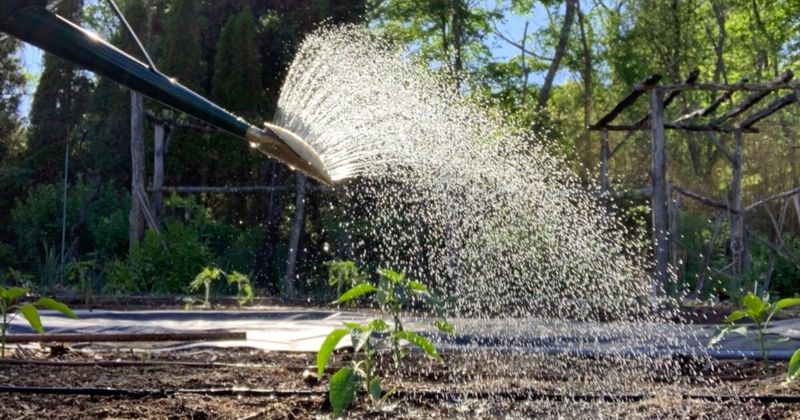
A summer rainstorm can feel like a blessing, but a quick shower rarely delivers enough moisture to matter. Light rain wets the surface and evaporates fast.
Roots sitting four to six inches down may stay completely dry.
Dense tree canopies and thick plant foliage can intercept rainfall before it ever hits the soil. A garden under a large tree might receive almost no water from a moderate rainstorm.
Assuming otherwise leads to unintentional drought stress.
A rain gauge is one of the most useful tools for any serious gardener. Placing one in an open part of the garden tells you exactly how much water fell.
Most plants need about an inch of water per week, and a gauge removes all the guessing.
After a rainstorm, check the soil at root depth before skipping your next watering. If the soil two to three inches down still feels dry, the rain did not do enough.
Water normally and do not rely on appearances alone.
Rainfall totals vary a lot across short distances during summer storms. One part of a yard can get soaked while another stays dry.
Never assume the whole garden got equal coverage from a single storm.
5. Adding More Water Instead Of More Mulch
When soil dries out fast, most people reach for the hose. But the real fix is often a few inches of mulch, not more water.
Mulch slows evaporation, keeps roots cooler, and reduces how often watering is needed.
Bare soil in summer loses moisture quickly. Direct sun bakes the top layer and pulls water upward through evaporation.
A two to four inch layer of mulch acts like a blanket that holds moisture in place far longer.
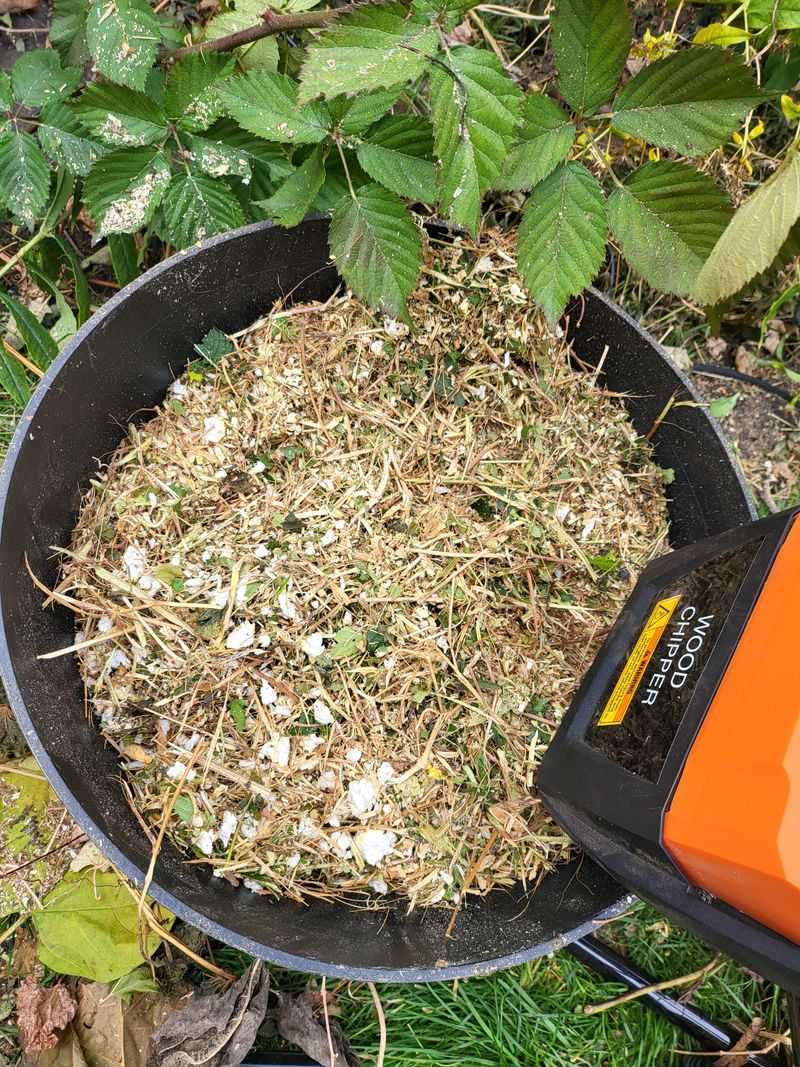
Wood chips, straw, and shredded leaves all work well as mulch. They break down over time and add organic matter to the soil.
That improves water retention even further as the season goes on.
Mulch also moderates soil temperature. Roots stay cooler under mulch than they would in exposed soil.
Cooler roots handle drought stress better and are less likely to suffer during heat waves.
Pull mulch a few inches away from plant stems and tree trunks to prevent rot. Apply it generously to open soil between plants.
One good mulching session at the start of summer can cut your watering frequency in half without any extra effort throughout the season.
6. Following The Same Schedule All Summer
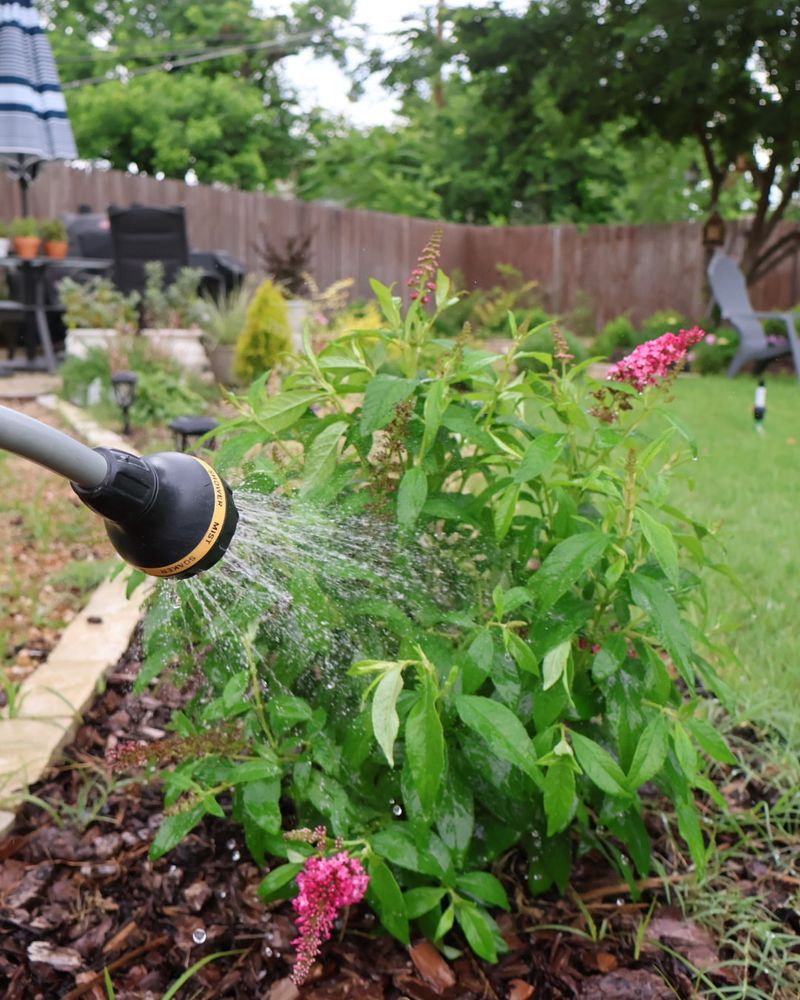
Sticking to a fixed watering schedule sounds organized, but summer weather does not stay fixed. Temperatures shift, cloud cover changes, and rainfall comes and goes.
A schedule that worked in June may be completely wrong by August.
Watering the same amount every week regardless of conditions leads to overwatering after rainy stretches and underwatering during brutal heat waves. Plants end up stressed either way, even when you think you are being consistent.
A flexible approach works much better. Check the weather forecast before watering.
If rain is coming within 24 hours, skip that session. If a heat wave is building, water slightly more and focus on morning application.
Soil type also changes how often watering is needed as summer progresses. Sandy soils dry out faster than clay soils.
As temperatures climb through July and August, even well-established plants may need more frequent deep watering than they did in spring.
Adjusting your schedule takes just a few minutes each week. Watch your plants, check the soil, and look at the forecast.
Responding to actual conditions instead of a fixed calendar keeps plants healthier and makes your watering efforts count every single time.
7. Ignoring Signs Of Overwatered Plants
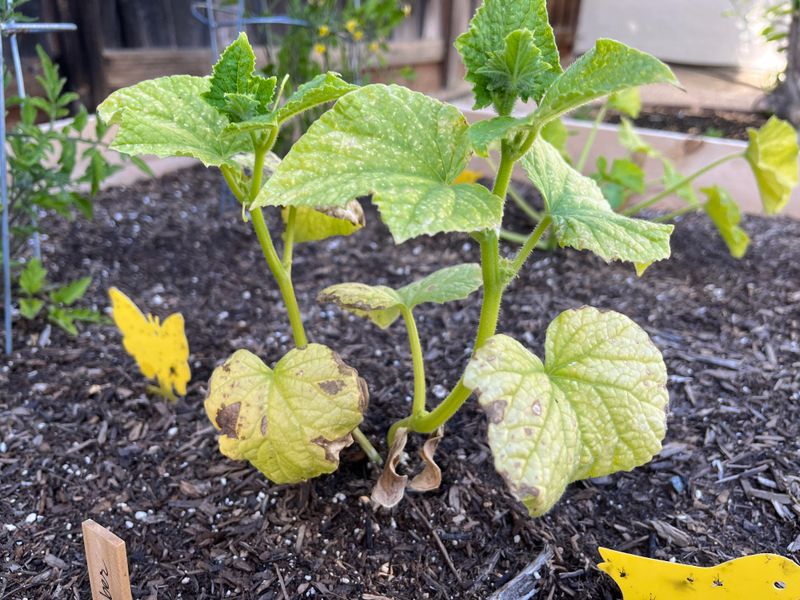
Overwatering is more common than most gardeners realize. Plants sitting in consistently wet soil struggle to get oxygen to their roots.
Without oxygen, roots weaken and the whole plant starts showing symptoms that look confusingly similar to drought stress.
Yellow leaves are one of the clearest signs of too much water. If lower leaves turn yellow and the soil feels wet, watering less is the right move.
Adding more water in that situation makes things worse, not better.
Mushy stems near the soil line, a sour smell from the soil, and fungus gnats hovering around the base of plants are all red flags. Each one points to excess moisture that roots cannot handle.
Checking drainage is a smart next step. Compacted soil or containers without drainage holes trap water around roots.
Loosening the soil or repotting into better containers can solve the problem without changing the watering schedule at all.
Letting the soil dry out between waterings is not neglect. Most plants benefit from a dry period that allows roots to breathe.
Recognizing overwatering early and adjusting quickly gives plants the best chance to recover before the end of the summer season.
8. Treating Wilting As A Watering Problem
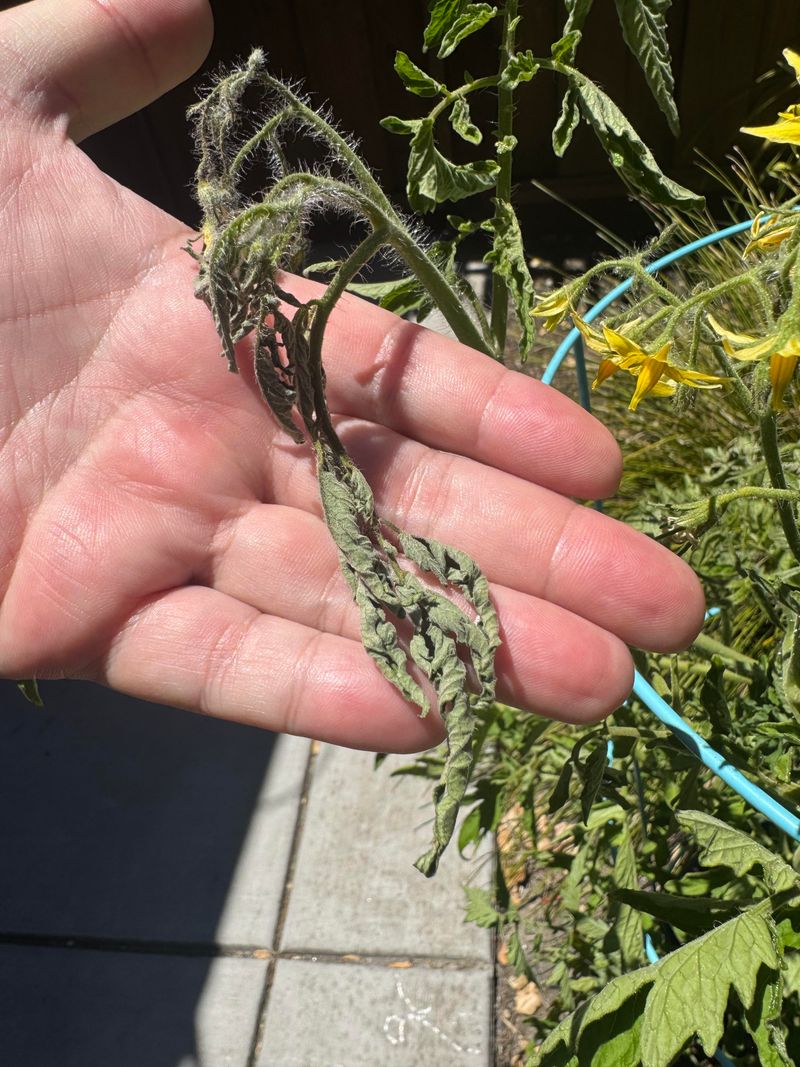
Wilting plants make most gardeners nervous, and the first instinct is always to water. But wilting is not always about thirst.
On extremely hot afternoons, even well-watered plants wilt temporarily as a way to reduce water loss through their leaves.
Check the soil before you water a wilting plant. If the soil at root depth feels moist, the plant is likely heat-stressed, not drought-stressed.
Adding water to already moist soil causes more harm than the wilt itself.
Heat-stressed plants often recover on their own once temperatures drop in the evening. Watch them after sunset.
If they perk back up without any watering, they were never short on moisture to begin with.
Root damage from overwatering, root rot, or soil compaction can also cause wilting. Roots that cannot function properly cannot move water upward no matter how wet the soil is.
Watering more in that situation does not fix the actual problem.
Consistent afternoon wilting followed by evening recovery is usually normal summer behavior in warm climates. Wilting that stays through the night or early morning is a stronger signal that something needs attention.
Reading the timing correctly prevents a lot of unnecessary overwatering throughout the hottest months of the year.