These Are The California Plants That Keep Soil Cool During Summer Heat Waves
Here is something that does not get talked about enough in California gardening circles: soil temperature.
While everyone is focused on air temperature during a heat wave, the soil surface in a sunny, exposed garden bed can get seriously hot, hot enough to stress roots, speed up moisture loss, and make life very difficult for any plant trying to get established.
Bare soil on a sunny slope or dry garden edge basically has no protection, and it shows.
The good news is that low-growing native plants and spreading groundcovers can do a surprisingly effective job of shading the soil once they fill in, which changes the whole dynamic underneath.
Add a good layer of mulch and some attentive watering while things get established, and those previously baked, struggling patches of ground can become something genuinely worth looking at.
1. Point Reyes Ceanothus Shades Bare Soil
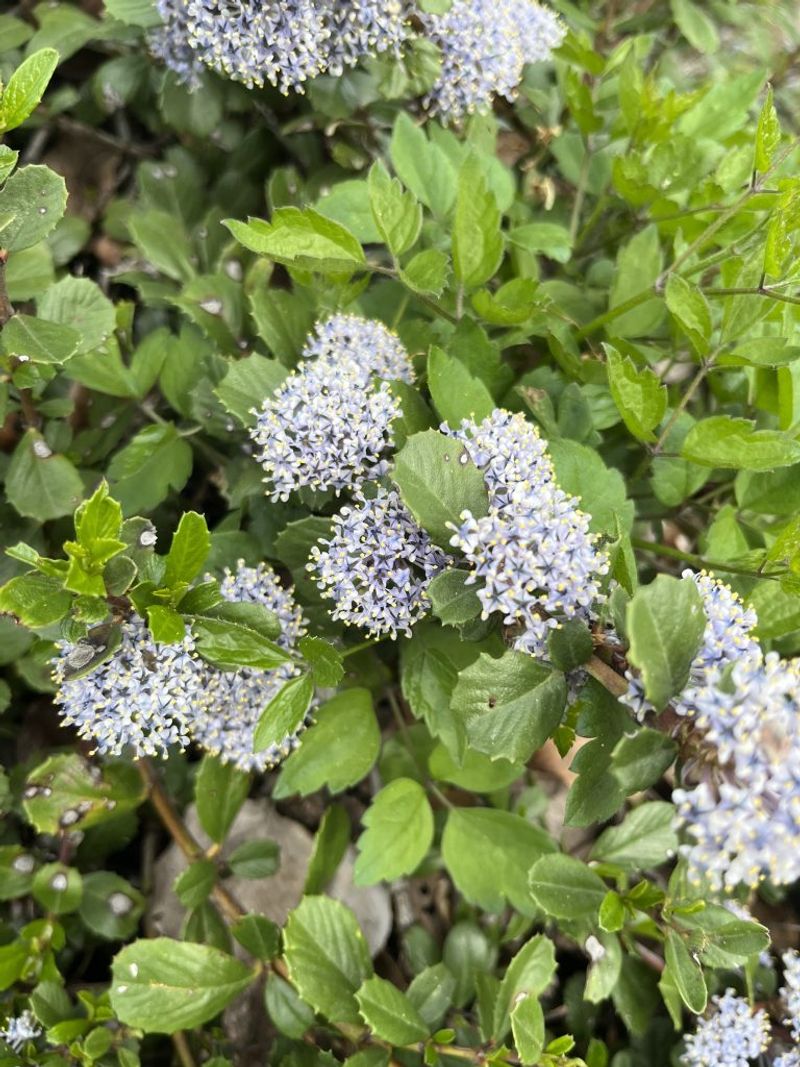
Bare soil on a sunny California hillside can reach surprisingly high temperatures during a summer heat wave, and that is exactly where Point Reyes Ceanothus tends to shine.
This low-growing native groundcover spreads out close to the ground, forming a dense mat of small, glossy green leaves that can shade the soil surface and help reduce how quickly moisture evaporates underneath.
Point Reyes Ceanothus is native to the coastal bluffs of Northern California, and it has developed a natural tolerance for dry summers, poor soils, and full sun exposure.
Once established, it typically needs very little supplemental water, making it a practical choice for low-water landscape beds and dry garden edges.
During the first season after planting, regular watering helps roots get settled before summer heat arrives. Spacing plants about four to six feet apart gives each one room to spread without crowding.
Over time, the overlapping foliage can cover a wide area, filling in gaps where bare soil would otherwise sit exposed.
It also produces beautiful small blue flowers in late winter and early spring, adding seasonal color to native plant beds while quietly doing the work of shading the ground below.
2. Yankee Point California Lilac Covers Sunny Ground
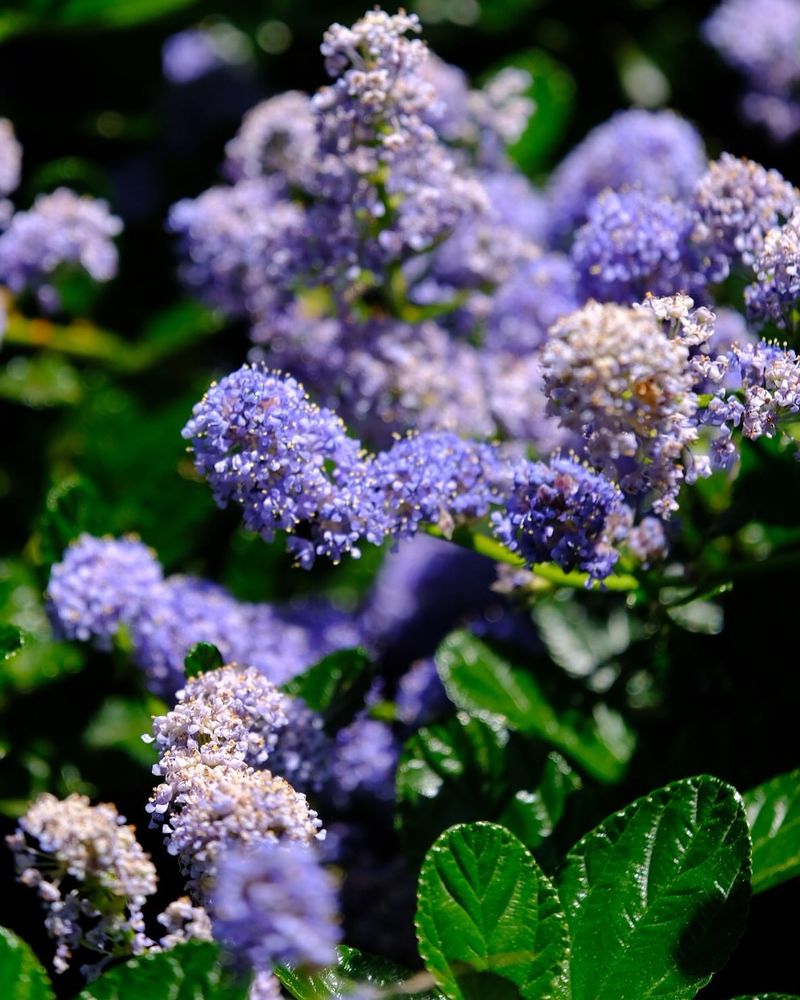
Few native groundcovers match the visual impact of Yankee Point California Lilac when it blooms in late winter, but its value during summer heat waves goes well beyond those stunning deep blue flowers.
This Ceanothus cultivar grows low and wide, spreading across sunny ground in a way that creates a layered canopy of dense, dark green foliage that shades the soil beneath it through the hottest months of summer.
Yankee Point can spread six to twelve feet wide while staying relatively low to the ground, which makes it especially useful for covering large areas of exposed soil on slopes, garden edges, or open low-water beds.
It handles full sun well and, once established, is quite tolerant of California dry-season conditions with minimal irrigation needed.
New plants benefit from consistent watering during their first year, particularly when summer temperatures climb.
Mulching around the base of each plant while they are still young helps retain moisture and keeps the root zone from overheating before the canopy has filled in.
Your California Garden Changes Every Week. Your Plan Should Too.
Gardening in California changes quickly throughout the season. Every Friday you’ll receive a simple weekly plan showing exactly what to plant, prune, fertilize, harvest, and protect so you never miss the right timing.
Gardeners in warmer inland California areas may notice that the foliage provides particularly meaningful shade to soil on west-facing slopes where afternoon sun is most intense.
3. Pigeon Point Coyote Brush Spreads Through Tough Spots
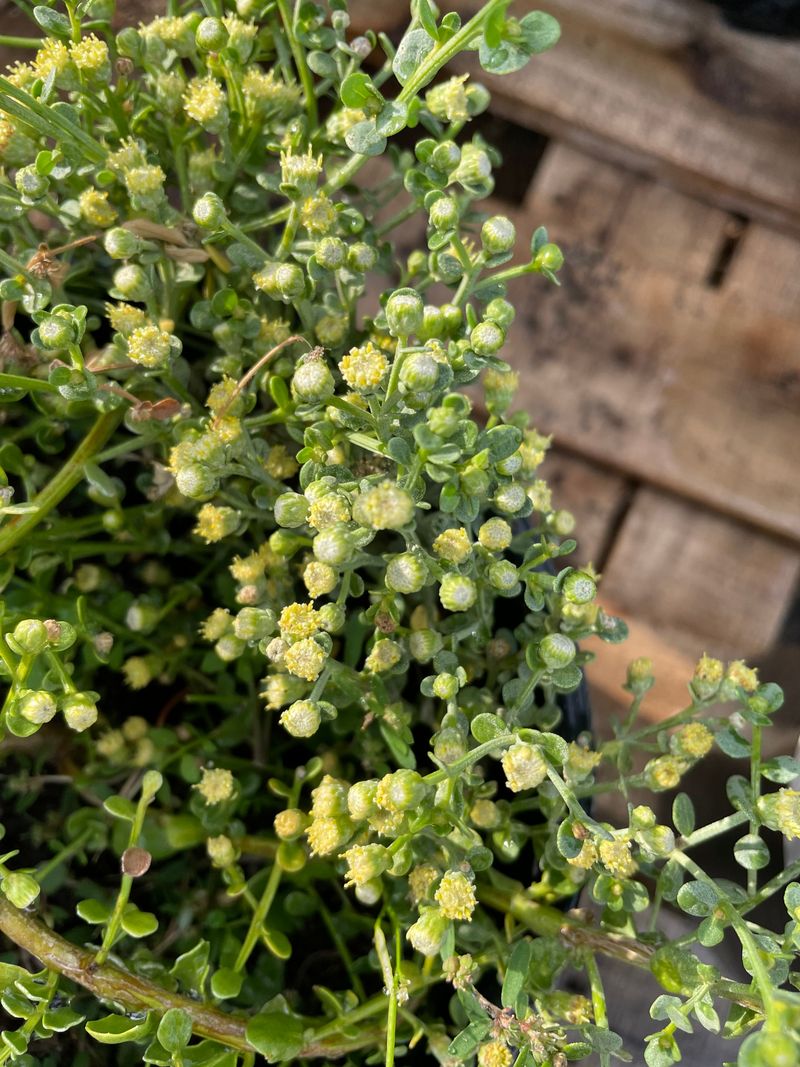
Some of the toughest spots in a California garden, such as steep dry slopes, compacted soil edges, and areas with poor drainage, are exactly where Pigeon Point Coyote Brush tends to do its best work.
This low-growing selection of the native Baccharis pilularis spreads steadily outward, creating a dense carpet of small green leaves that hugs the ground and helps shade the soil surface from direct summer sun.
Unlike some groundcovers that struggle in rough conditions, Pigeon Point handles heat, drought, and low-quality soils with relative ease once it has had time to establish its root system.
It typically stays under two feet tall while spreading several feet wide, making it a reliable choice for filling in bare areas that are difficult to irrigate or maintain.
During California summer heat waves, that low spreading foliage acts almost like a natural mulch layer, reducing how much direct sunlight reaches the ground below the plant.
New plantings should be watered regularly through the first dry season to help roots develop before the plant can sustain itself.
Gardeners should also keep an eye out for a few pest issues that can occasionally affect coyote brush, including a small gall-forming midge, though established plants typically handle these without serious trouble.
4. Bee’s Bliss Sage Creates A Soft Living Mulch
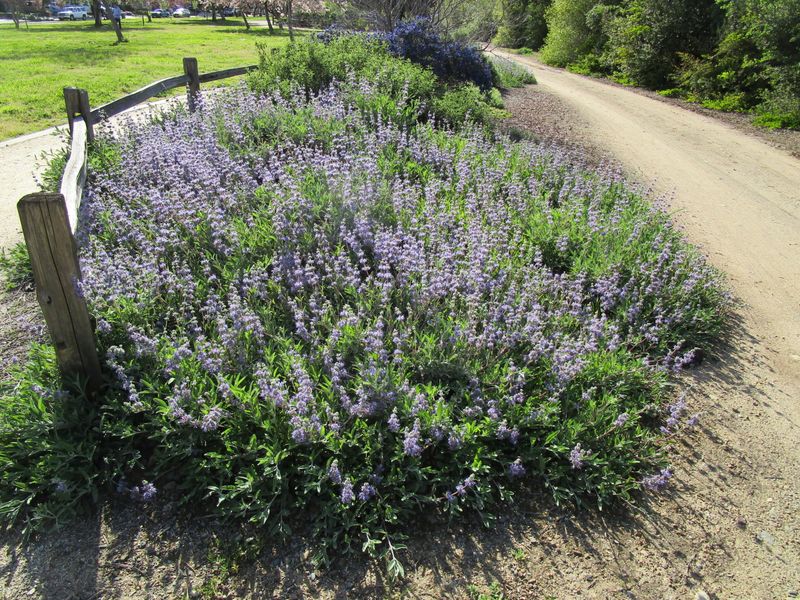
Walking past a well-established planting of Bee’s Bliss Sage during a California summer, you notice how the soft, silvery foliage seems to reflect heat rather than absorb it.
This cultivar of Salvia spreads broadly and low, creating what feels like a soft living mulch across the soil surface that helps buffer the ground from intense direct sun during summer heat waves.
Bee’s Bliss is a hybrid sage developed specifically for California garden conditions, and it has become a popular choice in low-water landscapes, pollinator gardens, and native plant beds across the state.
It can spread four to six feet wide while staying relatively low, and the aromatic gray-green leaves stay attractive through the dry season without much supplemental water once the plant is established.
The foliage coverage it provides helps reduce soil surface temperatures by blocking direct sunlight, which can also slow moisture loss from the ground below.
During establishment, regular watering through the first summer is important, especially during extended heat waves when young roots are most vulnerable.
Gardeners often find that pairing Bee’s Bliss with a two-to-three inch layer of mulch around new plants gives the best results until the foliage fills in enough to shade the surrounding soil on its own.
5. Creeping Sage Protects Dry Garden Edges
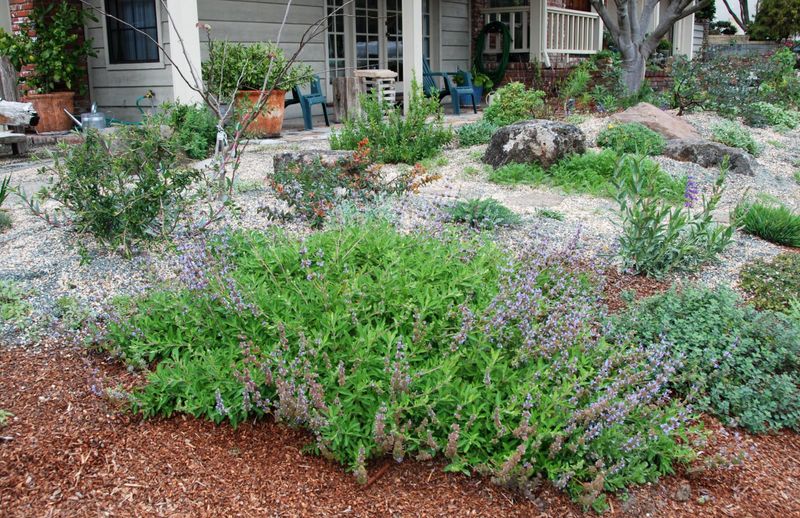
Garden edges along pathways, driveways, and fence lines are some of the most exposed spots in a California yard during summer, and bare soil in these areas can bake quickly under afternoon sun.
Creeping Sage, known botanically as Salvia sonomensis, is a mat-forming native that spreads low across these dry edges, putting down a layer of small, aromatic leaves that help shade the soil beneath.
This species is native to dry slopes and woodland edges in California, and it has adapted well to the kind of hot, dry conditions that many home gardeners deal with during summer heat waves.
It stays low to the ground, typically under a foot tall, but can spread several feet wide over time, filling in gaps along garden borders where bare soil tends to appear.
Creeping Sage works well in spots that receive full to partial sun and have well-draining soil, which is common in many garden settings.
During the first dry season after planting, consistent watering helps the roots settle in before the plant can handle drought on its own.
Once it matures, the dense foliage mat it forms along garden edges can meaningfully reduce how much direct sun hits the soil surface, especially during the long, hot afternoons that California summers are known for.
6. Point Reyes Manzanita Forms A Low Evergreen Mat
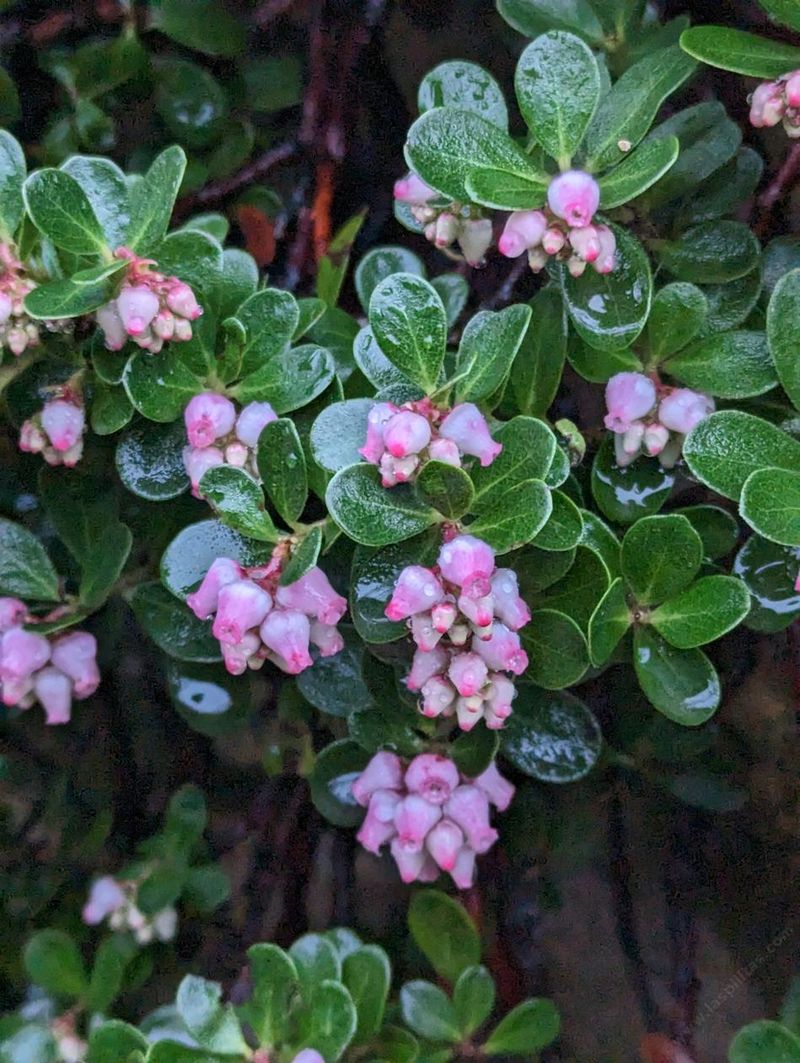
There is something quietly impressive about a manzanita that stays close to the ground instead of reaching upward.
Point Reyes Manzanita, a low-growing selection from the Arctostaphylos genus, forms a dense evergreen mat that can spread several feet across while staying under two feet tall, creating a reliable layer of shade over the soil surface during California summer heat waves.
The small, glossy leaves of this manzanita stay green year-round, which means the soil underneath has consistent protection from direct sun even during the driest months.
That persistent cover can help slow moisture loss from the soil and reduce surface temperature fluctuations that stress plant roots in exposed California garden beds.
Point Reyes Manzanita grows well in full sun and is adapted to the lean, well-draining soils found on many slopes and coastal bluffs.
Establishment watering during the first year is important, as the plant needs time to develop a strong root system before it can handle California dry seasons on its own.
Gardeners working with hot, west-facing slopes or open native plant beds often find this manzanita a reliable performer once it has settled in, as the spreading mat it forms gradually covers bare soil that would otherwise sit exposed to intense summer sun.
7. Emerald Carpet Manzanita Covers Hot Open Soil
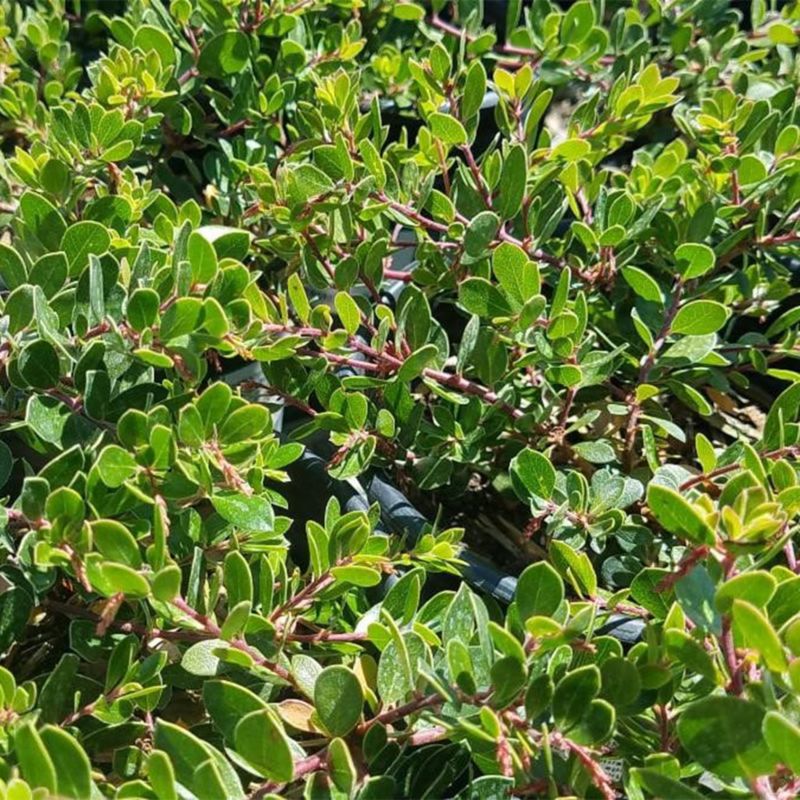
Open sunny areas with no tree canopy can be some of the hardest spots to manage in a California garden during a heat wave, especially when the soil is bare and there is little to block the afternoon sun.
Emerald Carpet Manzanita is a cultivar that seems purpose-built for exactly these conditions, spreading out in a dense, low carpet of bright green leaves that covers the soil and reduces how much direct sunlight reaches the ground below.
This Arctostaphylos cultivar is widely used in California low-water landscapes because of its reliable evergreen coverage, drought tolerance, and ability to thrive in full sun with minimal care once established.
It typically stays under one foot tall while spreading up to six feet or more, making it one of the more effective groundcovers for blanketing large open areas of exposed soil.
The dense mat it forms can help moderate soil surface temperatures by shading the ground throughout the day, which may also help slow water evaporation in beds with limited irrigation.
During the establishment period, regular watering through the first dry season is essential.
Mulching between plants while they are young helps bridge the gap until the foliage spreads enough to shade the soil on its own, which can take one to two growing seasons depending on spacing and conditions.
8. Beach Strawberry Cools Soil With Low Leaves
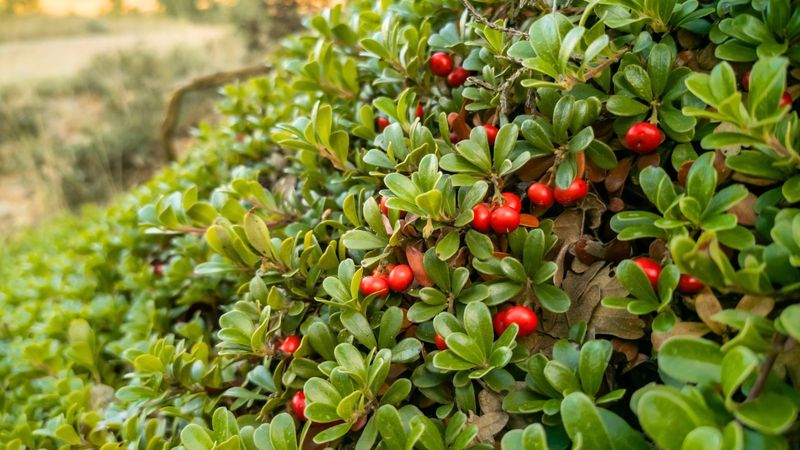
Not many groundcovers manage to look lush and inviting while quietly doing the practical work of shading the soil beneath them, but Beach Strawberry pulls it off with ease.
Fragaria chiloensis is a California native that spreads by runners, forming a low mat of dark green, leathery leaves that hug the ground closely and help shade the soil surface from direct summer sun.
Beach Strawberry is native to California coastal areas and is well suited to gardens along the coast and in milder inland zones where summer heat is intense but not extreme.
It grows best in partial to full sun and appreciates some summer water, especially during heat waves, since it is not as drought-tolerant as some other California native groundcovers.
What makes it particularly useful in garden beds is how quickly the runners spread to fill in bare soil gaps, creating a living cover that reduces direct sun on the soil surface and helps moderate ground temperature.
The low, overlapping leaves also slow wind across the soil, which can help reduce moisture loss on dry summer days.
Gardeners who want a soft, attractive groundcover that also supports pollinators will appreciate the small white flowers Beach Strawberry produces, which appear in spring and attract native bees to the garden.
9. Hummingbird Sage Helps Shade Dry Beds
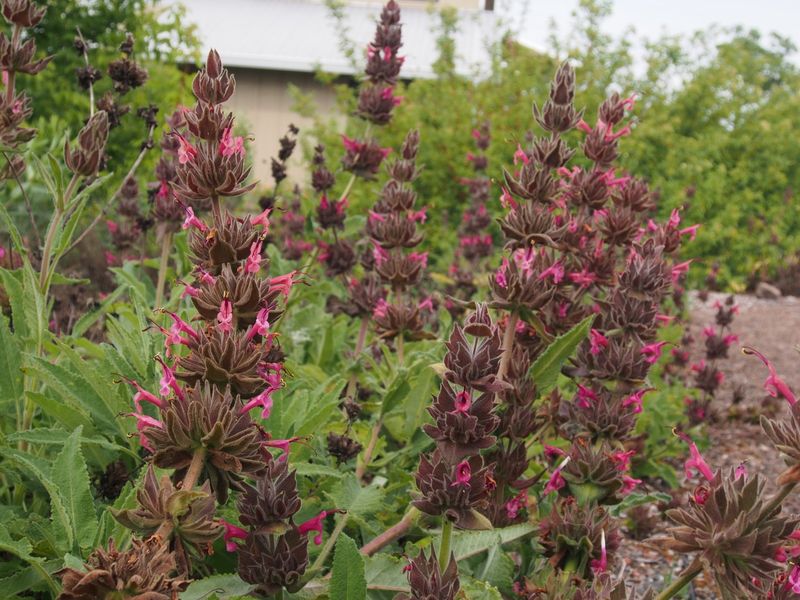
Shaded and semi-shaded dry beds are often overlooked when gardeners think about soil protection during California summer heat waves, but these spots can still experience significant soil heating when tree canopy is sparse or when the sun shifts in midsummer.
Hummingbird Sage, or Salvia spathacea, is a California native that spreads from underground rhizomes to form a broad patch of large, aromatic leaves that help shade the soil surface in these drier, partly shaded garden areas.
The leaves of Hummingbird Sage are notably large compared to most other California native groundcovers, and that generous foliage can provide meaningful shade to the soil below even in spots where the plant is not densely packed.
It tends to spread slowly but steadily over time, filling in dry beds under oaks, along north-facing slopes, and in other low-light garden settings where many other groundcovers struggle.
Hummingbird Sage is reasonably drought-tolerant once established, though new plants benefit from regular watering during their first dry season in California.
The tall magenta flower spikes it produces in spring are a favorite of hummingbirds, which adds a lively dimension to native plant beds.
Gardeners who want a low-maintenance plant that quietly shades dry soil while also supporting local wildlife will find Hummingbird Sage a genuinely rewarding choice.