This Rhode Island Wildflower Spreads On Its Own, And Turns A Patchy Lawn Into Something Worth Keeping
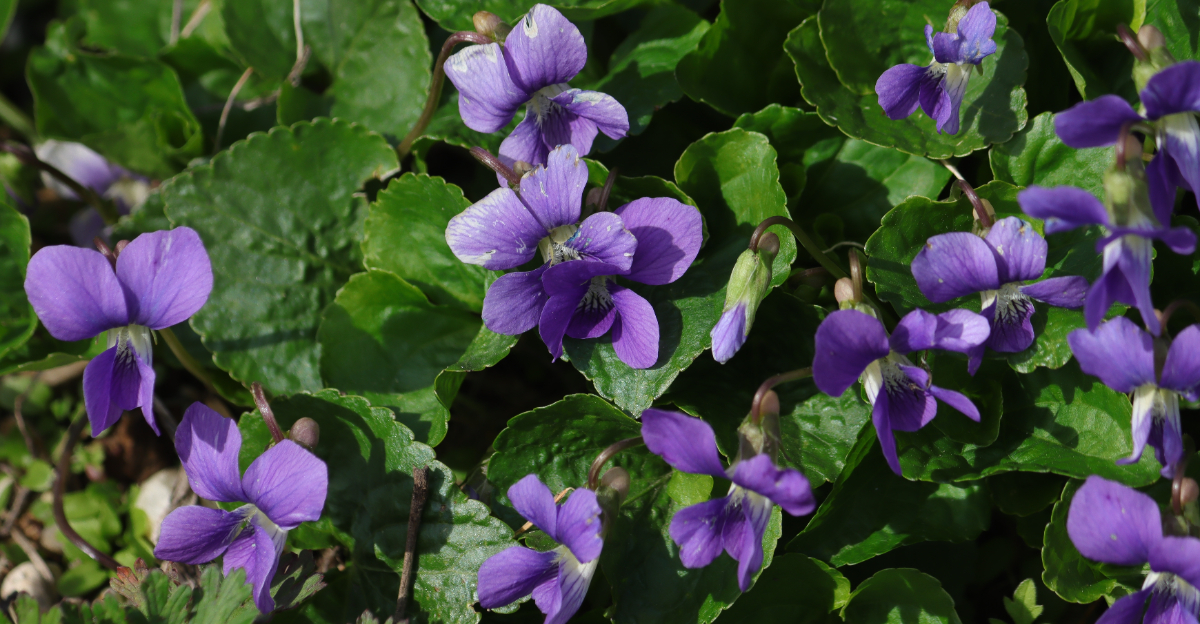
Rhode Island has an official wildflower, and there is a good chance it is already growing in your lawn right now.
It spreads on its own and comes back every spring without any help. Most homeowners have been pulling it out for years without realizing it was making their lawn look better, not worse.
Most people walk past it every single day without giving it a second thought.
The trick is knowing when to stop fighting it. A few small shifts in how you manage your lawn could turn what you thought was a nuisance into the most low-maintenance ground cover you never had to buy.
1. This Little Wildflower Has A Bigger Story Than Most People Realize
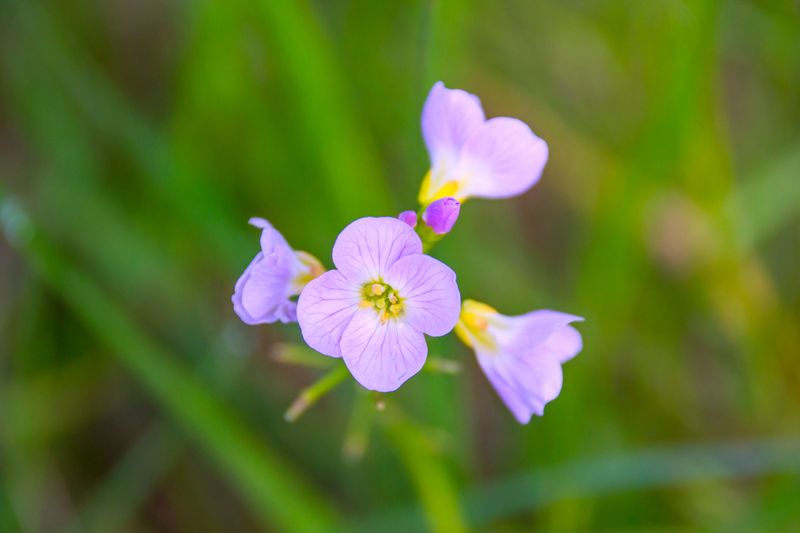
Most people walk past it without a second look. The Common Blue Violet has been quietly growing across New England lawns for centuries, and it carries a history most gardeners never hear about.
Native Americans used it for food and medicine long before lawns even existed. It was woven into early American culture in ways that go far beyond decoration.
Rhode Island actually named the violet its official state flower back in 1968. That is not a small honor for a plant most people treat like a weed.
The violet belongs to the genus Viola, a group with over 680 species found across the world. But this particular one, Viola sororia, is the one you are most likely to spot in a Northeast yard.
It thrives in places where other plants struggle. Compacted soil, partial shade, and dry summers are no match for this stubborn little bloomer.
Gardeners who research it often feel a shift happen. Once you know what it is and what it does, pulling it starts to feel like a mistake.
It is not just surviving in your lawn. It is actively improving it, feeding insects, and holding soil together in ways that a monoculture grass never could.
Understanding its background gives you a new lens. Suddenly that patchy corner with purple blooms looks less like a problem and more like a solution hiding in plain sight.
2. What This Low-Growing Wildflower Actually Looks Like
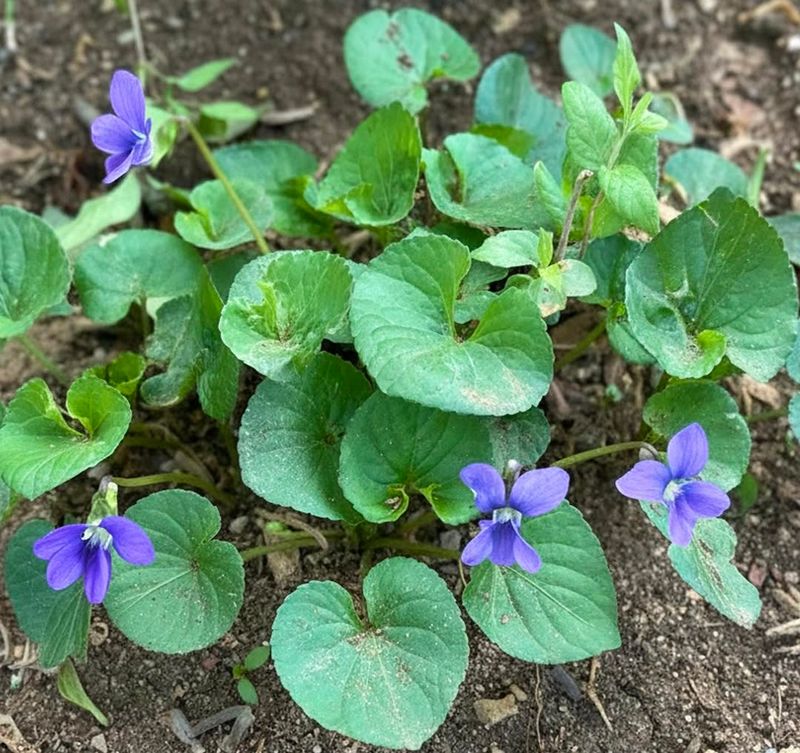
Spotting it for the first time feels like finding a hidden gem. The Common Blue Violet grows low, usually just three to five inches tall, with flowers that sit right above heart-shaped leaves.
The blooms are a soft blue-purple with five petals. The two lower petals often have thin dark lines that guide bees straight toward the center.
Those lines are called nectar guides, and they work like a landing strip for pollinators. The plant is not just pretty; it is purposefully designed.
Leaves are rounded, deeply notched at the base, and slightly waxy. They stay green long after the flowers fade, which keeps the lawn looking full even in summer.
Some plants produce a lighter lavender shade, while others lean more toward deep blue-purple. Color variation is part of what makes a violet-filled lawn so visually interesting.
In fall, the leaves can take on a reddish tint. That subtle seasonal shift adds texture to a yard that might otherwise look flat and uniform.
Your Rhode Island Garden Changes Every Week. Your Plan Should Too.
Gardening in Rhode Island changes quickly throughout the season. Every Friday you’ll receive a simple weekly plan showing exactly what to plant, prune, fertilize, harvest, and protect so you never miss the right timing.
The plant also produces a second type of flower you will never see. These hidden blooms, called cleistogamous flowers, never open but still produce seeds underground.
Knowing what to look for changes everything about how you see your lawn. That low-growing cluster of heart leaves near your sidewalk is not random; it is one of the most interesting plants in your yard.
3. How The Common Blue Violet Spreads Through Grass
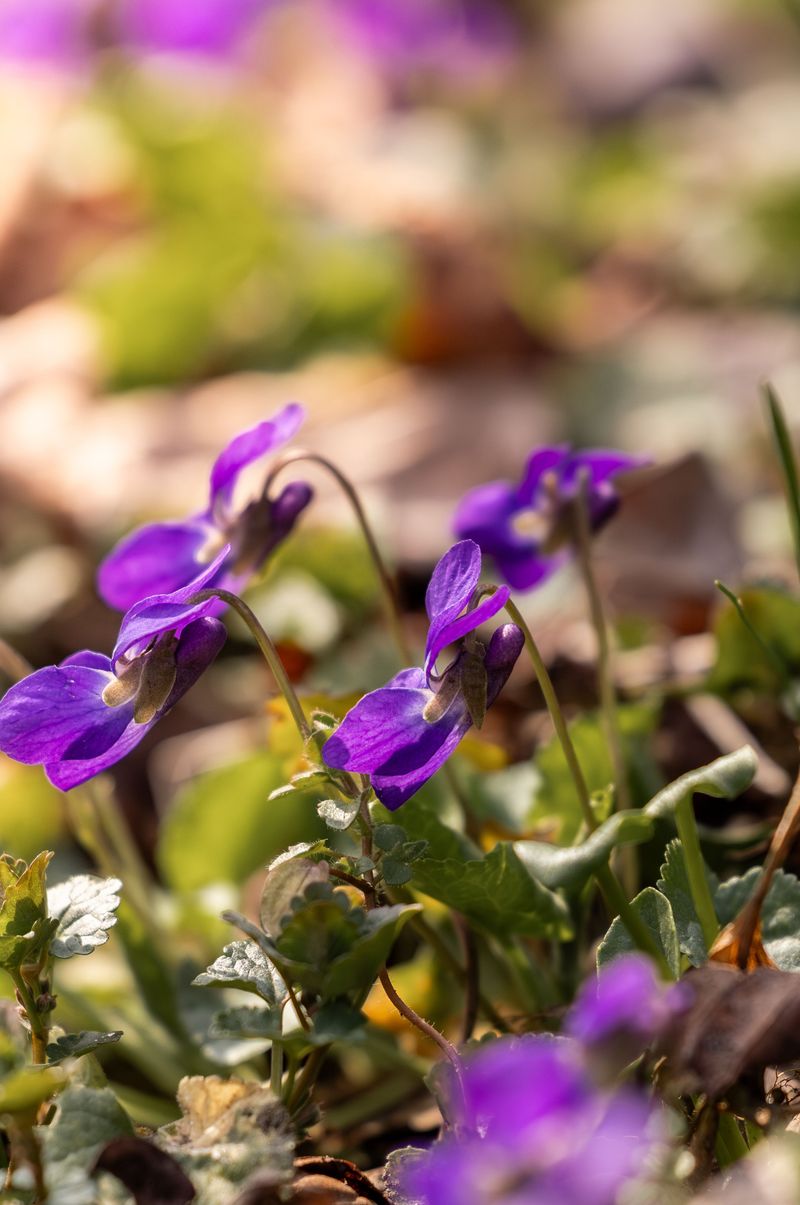
Here is where things get genuinely fascinating. The violet has two completely different ways to spread, and it uses both at the same time without any help from you.
The showy purple flowers you see in spring attract bees and other insects. Those insects carry pollen from plant to plant, creating seeds that drop into the lawn nearby.
But the real magic happens underground. Those hidden flowers mentioned earlier produce seed pods that literally pop open and fling seeds several feet away.
That self-propelled seed launch is called ballistic dispersal. It sounds dramatic because it actually is, and it is why violets show up in spots you never planted them.
Ants also play a role most people overlook. Violet seeds have a fatty coating called an elaiosome, which ants find irresistible and carry back to their tunnels.
The ants eat the coating and discard the seed underground. That buried seed then germinates in a new location, spreading the plant even further with no effort from you.
Rhizomes, which are underground stems, also allow the plant to creep slowly outward. This means a single violet can expand its footprint year after year.
All of this means one thing for a patchy lawn. Plant one violet, or let one grow, and give it a few seasons to quietly fill in the gaps you have been fighting for years.
4. The Reason People Stopped Pulling This One Out
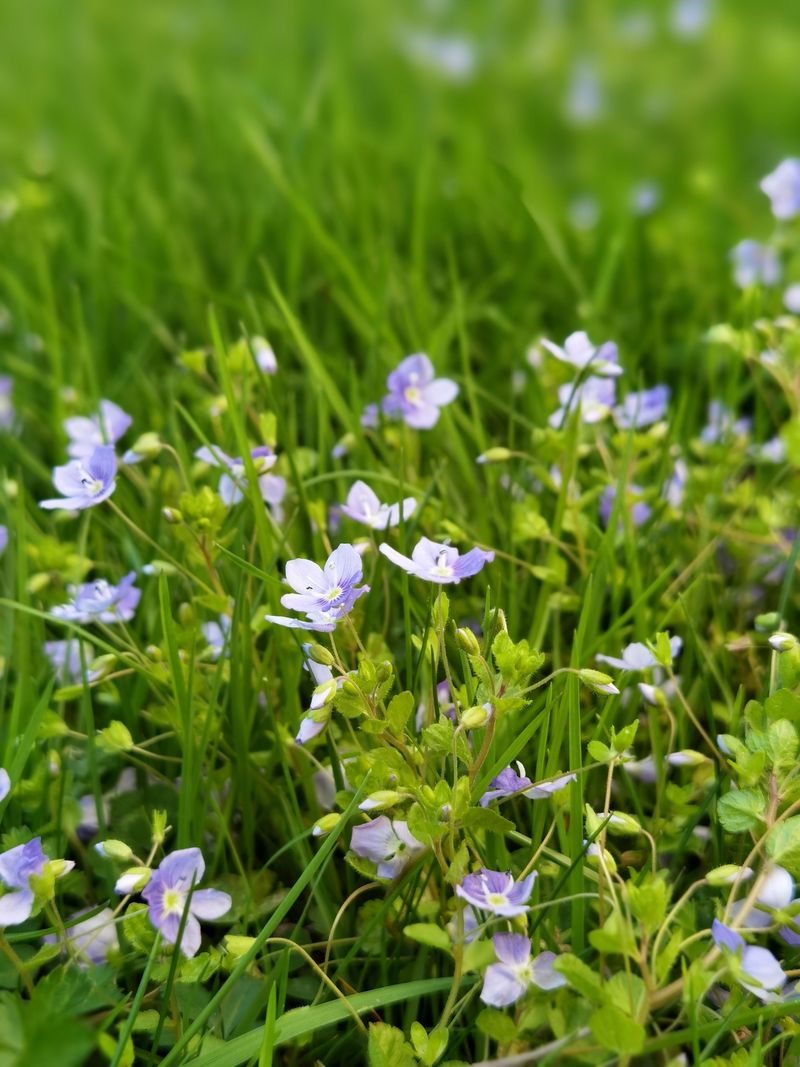
Something has shifted in the lawn care world. Professionals who once recommended herbicides for violets are now telling homeowners to leave them alone, and the reasons are solid.
Traditional lawn culture pushed for a single-species grass carpet. That monoculture ideal is now understood to be fragile, expensive, and hard on local ecosystems.
Violets fill bare spots without reseeding, watering, or fertilizing. For a homeowner dealing with thin turf under trees, that kind of self-sufficient coverage is genuinely valuable.
The plant is also drought-tolerant once established. During dry summers when grass turns brown, violets often stay green and hold the lawn together visually.
Lawn care professionals have started calling this approach a “low-mow” or “freedom lawn” strategy. The idea is to let native plants coexist with grass instead of constantly battling them.
Many university extension programs have begun supporting this shift. Research suggests that yards with diverse native plants tend to show better soil health and less erosion than single-species grass lawns.
Homeowners also report spending less money on lawn maintenance when they stop fighting native volunteers. Fewer herbicide applications mean lower costs and less chemical runoff.
The bigger picture is hard to argue with. A lawn that fills itself in, stays green through dry spells, and supports local wildlife is not a problem lawn; it is a smart one.
5. The Work This Wildflower Does Below And Above The Surface
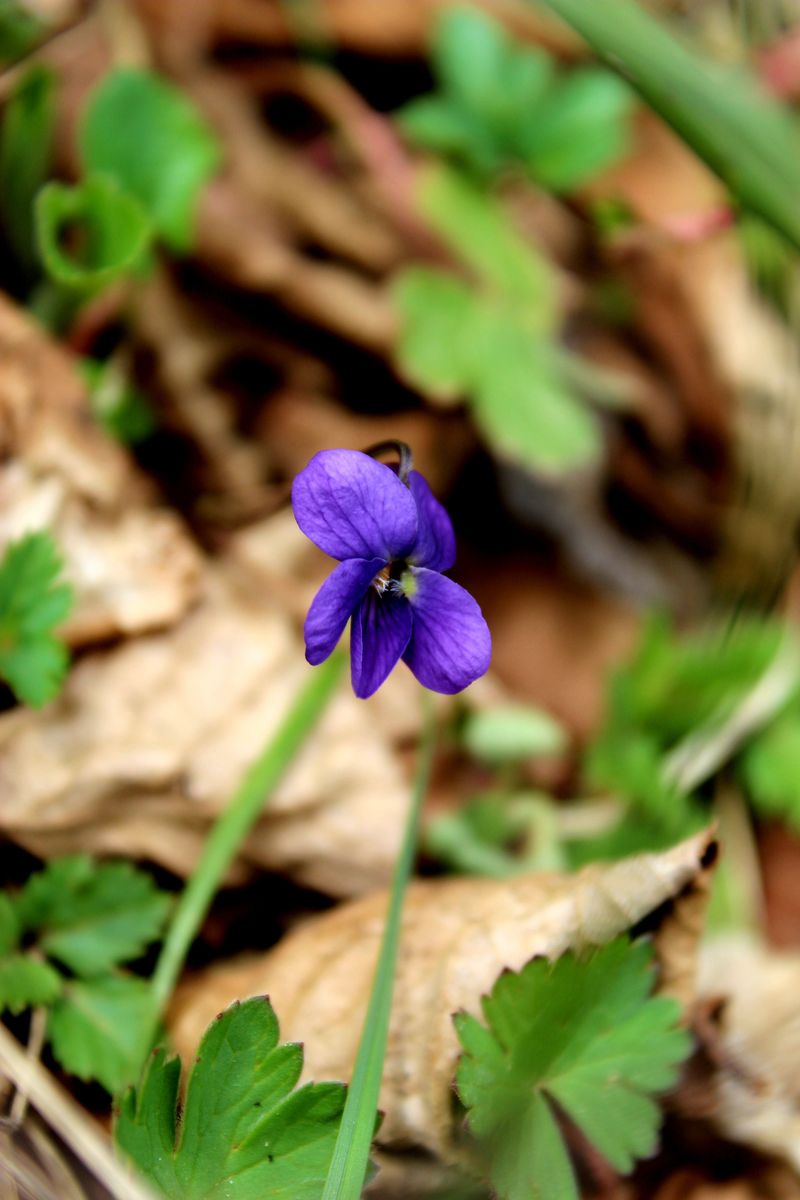
Pull back the curtain on any healthy yard and you will find a busy world below and above the surface. The Common Blue Violet plays a role in both layers, and it does it without being asked.
Above ground, the flowers are an early spring food source for bees emerging from winter. Many native bee species depend on early bloomers like this to survive the lean weeks before other flowers open.
Butterflies use the plant too, specifically as a host plant. The larvae of several fritillary butterfly species depend heavily on violet leaves to complete their life cycle.
Without violet plants in the yard, those butterfly populations cannot reproduce locally. That connection between one small plant and an entire butterfly species is a big deal in a small package.
Below ground, violet roots may help loosen soil over time as they grow and decompose, potentially improving the conditions for water and air movement through the upper layers.
This improves drainage in lawns that tend to puddle after rain. Better drainage means healthier grass roots and fewer muddy patches in low spots.
The plant also adds organic matter as leaves decompose each season. That slow buildup feeds soil microbes, which in turn feed the grass growing alongside the violets.
Every violet you leave in your yard is doing quiet, consistent work. The pollinators it feeds and the soil it improves make your entire outdoor space stronger, season after season.
6. The Right Way To Manage It Once It Moves In
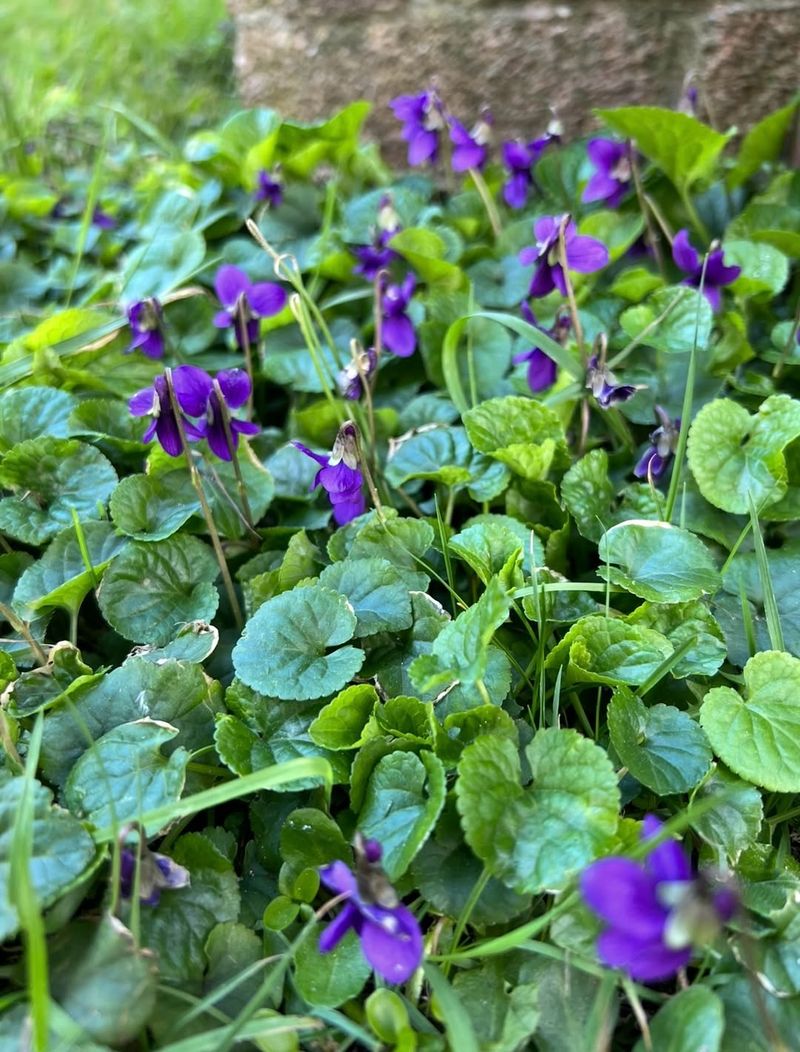
Balance is the word here. Violets are generous spreaders, and knowing how to guide that energy keeps your lawn looking intentional rather than overgrown.
Start by deciding where you want them. Shaded areas under trees, edges along fences, and thin strips between sidewalk and street are perfect spots to let violets run free.
For areas where you want more control, mow regularly at a height of three to four inches. Mowing removes seed pods before they launch, slowing the spread without eliminating the plant.
Avoid mowing in early spring before the flowers finish blooming. Giving pollinators those first few weeks of access makes a measurable difference for local bee populations.
If violets creep into flower beds, a simple hand-pull removes them easily while the soil is moist. Their roots are shallow, so removal takes seconds when timing is right.
You can also use edging along bed borders to create a clear boundary. A physical barrier stops underground rhizomes from crossing into areas where you want a cleaner look.
Watering deeply but infrequently encourages deep grass roots that compete better with spreading plants. A stronger grass base naturally limits how far violets expand into turf.
Managing violets is not a battle; it is a negotiation. Give them the right zones, keep a light hand on the mower, and they will reward you with a lawn that practically takes care of itself.