9 Reasons Coastal Yards In Rhode Island Struggle More Than Inland Gardens In July
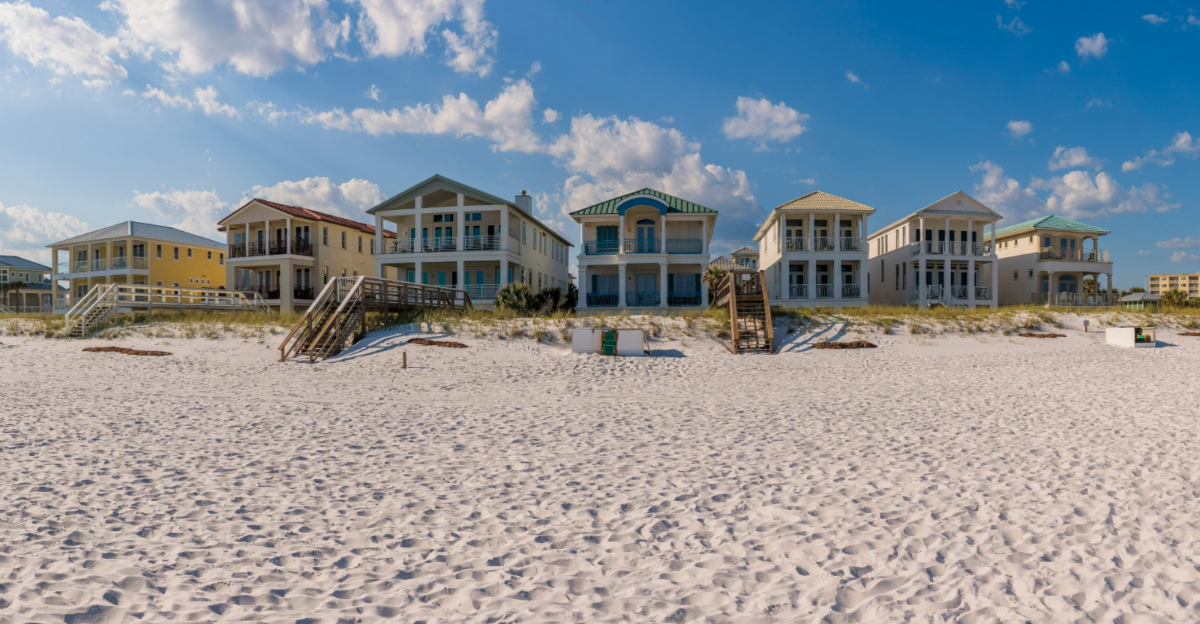
Salt air looks romantic in photos. It tells a different story once you’re the one tending a yard next to it.
That’s the truth every Rhode Island beach house owner learns eventually. Usually around the second week of July. That’s when the hydrangeas start curling.
The lawn turns patchy despite constant watering. Coastal soil doesn’t hold water the way inland soil does. Wind doesn’t just blow here. It moves differently, faster and more constant.
And the bugs that show up in a Rhode Island yard a few blocks from the water are often nothing like what your cousin deals with twenty miles inland.
Most people blame bad luck or a lack of gardening skill. Really, it comes down to physics and chemistry: sand drains too quickly, salt spray dries out leaves, and steady gusts make it harder for young roots to settle in.
None of this means coastal gardening is out of reach. It just means the rules are different. Here’s a look at the reasons your July garden struggles near the ocean, and what actually helps with each one.
1. Salt Spray Damages Leaves Near The Coast
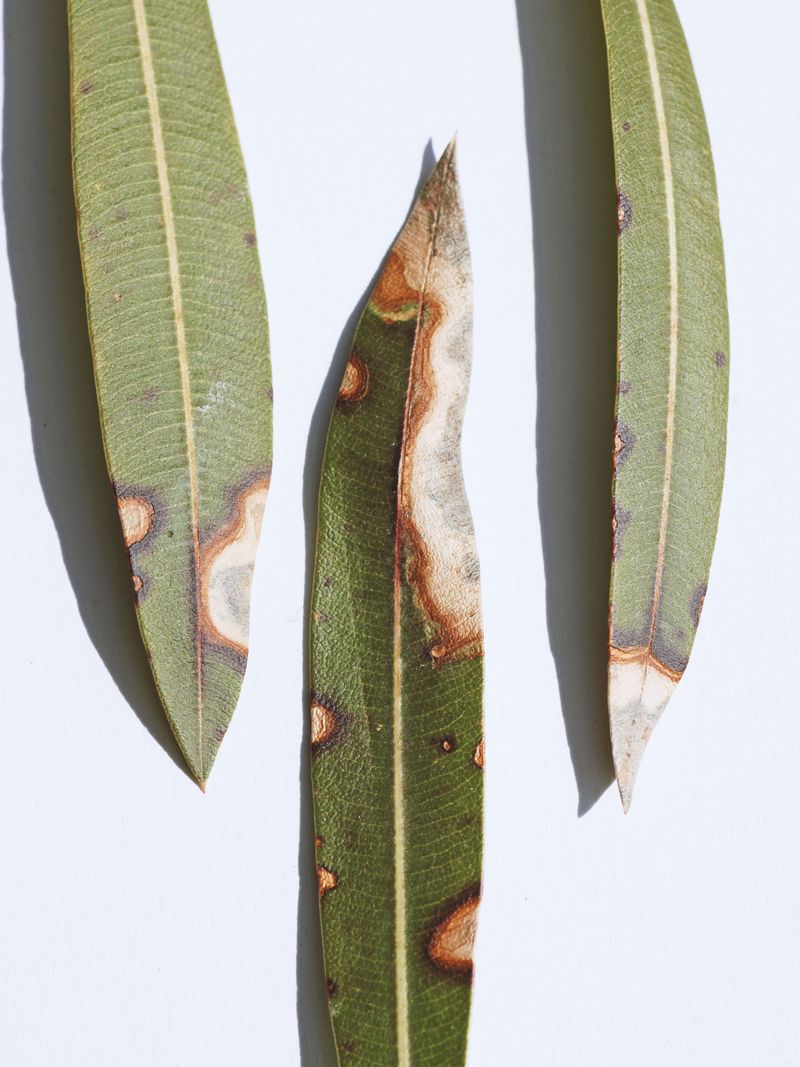
Walk outside after a windy July morning at your Rhode Island beach house, and your plants will tell you everything. Salt spray is airborne moisture loaded with sodium chloride, and it lands directly on your leaves.
That salty coating pulls moisture out of plant tissue fast. Leaves start showing brown edges, called leaf scorch, within days of heavy exposure.
The damage looks a lot like drought stress, which confuses many homeowners. Telling the two apart matters because the solutions are completely different.
Salt spray is worst during and after storms, but even calm summer days push fine mist inland. Plants closest to the shoreline typically take the hardest hit. Thick, waxy, or fuzzy leaves tend to hold up better against this kind of stress.
Rinsing foliage with fresh water after windy days helps flush salt residue off leaf surfaces. Installing a windbreak hedge or fence significantly reduces the amount of spray reaching your garden.
Beach plum, rugosa rose, and bayberry are tough enough to handle regular salt exposure without falling apart.
Inland yards almost never deal with airborne salt damage. That makes this one of the most uniquely coastal problems Rhode Island beach house owners face in July, and it catches first-time shore gardeners completely off guard every single season.
2. Sandy Soil Drains Too Fast For Most Plants
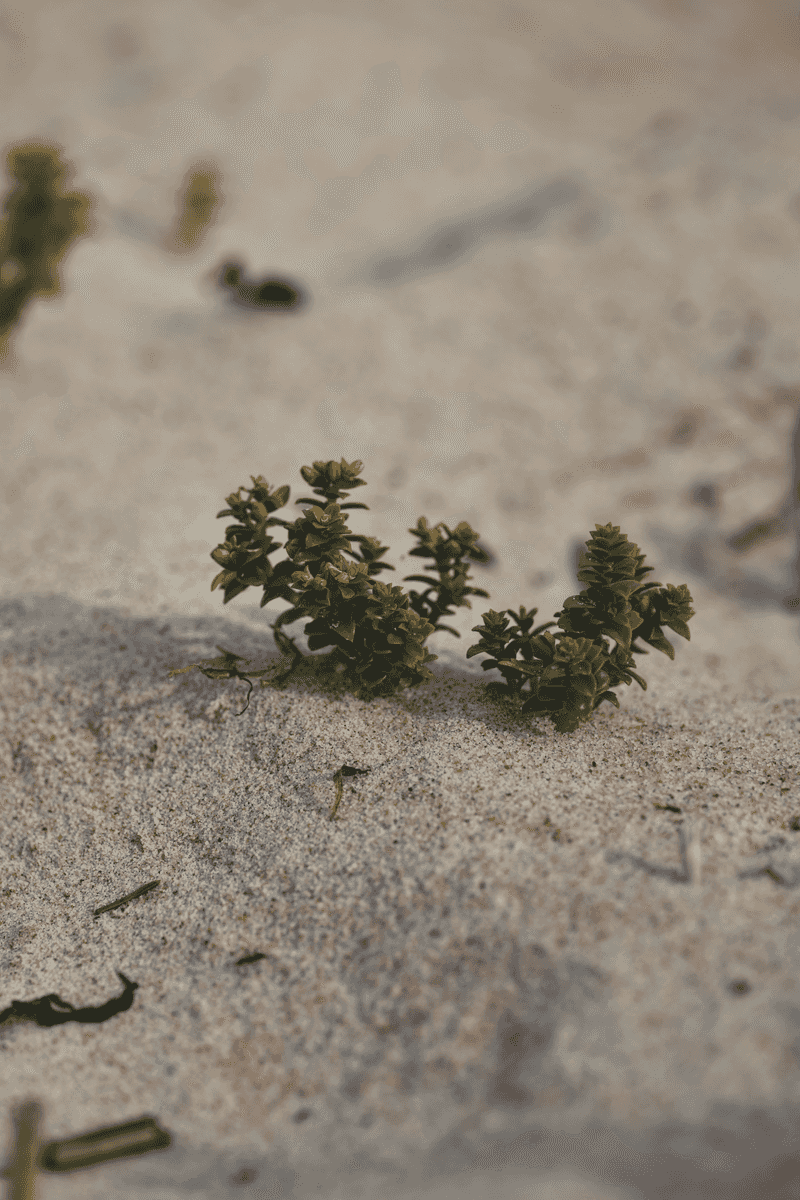
Sandy soil near the Rhode Island shoreline looks harmless enough, but it behaves like a sieve. Water pours straight through it before roots ever get a real drink.
Most garden plants need soil that holds moisture for at least a few hours after watering. In July, when temperatures climb and evaporation speeds up, sandy soil becomes an even bigger problem.
You can water your beds in the morning and find bone-dry ground by noon. That cycle exhausts plants and frustrates gardeners who feel like they are watering constantly for no reward.
Your Rhode Island Garden Changes Every Week. Your Plan Should Too.
Gardening in Rhode Island changes quickly throughout the season. Every Friday you’ll receive a simple weekly plan showing exactly what to plant, prune, fertilize, harvest, and protect so you never miss the right timing.
Nutrients also wash out fast in sandy conditions. Fertilizer you apply one week may be completely gone the next.
That means coastal gardens often need more frequent feeding than inland gardens to maintain healthy growth.
Mixing compost into sandy beds improves moisture retention significantly. Organic matter acts like a sponge, slowing drainage and giving roots time to absorb what they need.
Mulching thickly on top of the soil also slows surface evaporation during hot July afternoons.
Choosing plants naturally adapted to fast-draining ground is another smart move. Lavender, sedum, and ornamental grasses thrive in conditions where other plants struggle.
Rhode Island beach house owners who work with their sandy soil instead of fighting it end up with far healthier, lower-maintenance gardens along the shore.
3. Strong Ocean Winds Dry Out Foliage Quickly
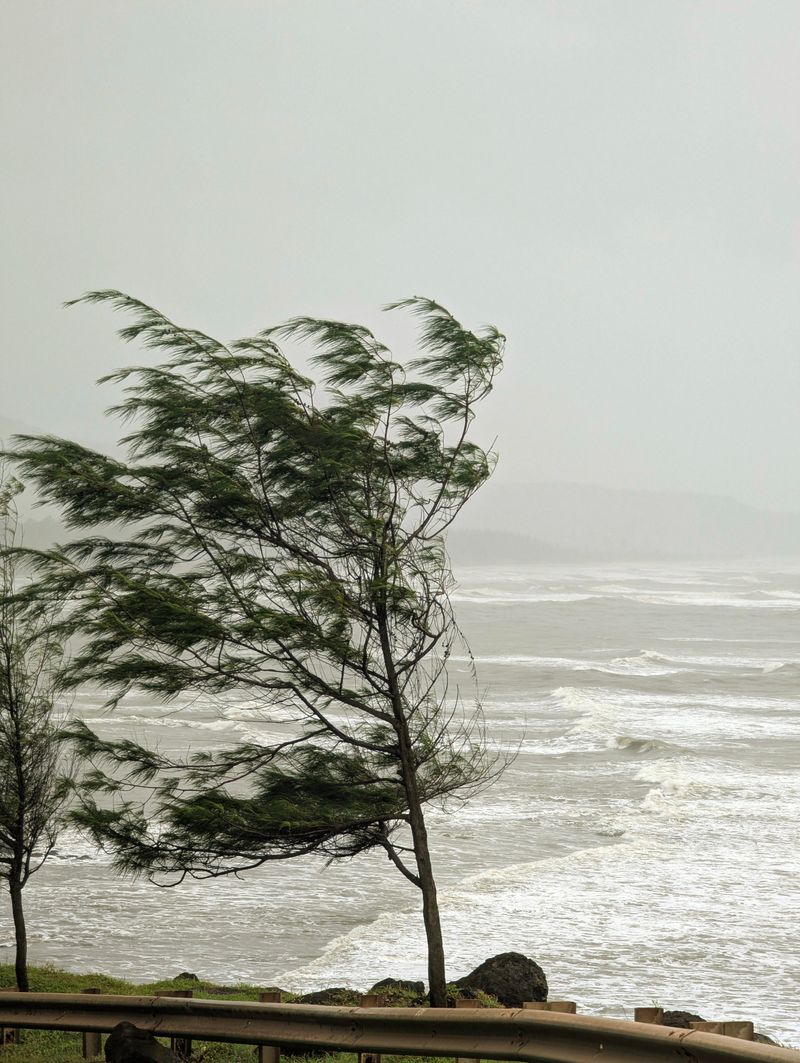
Ocean winds at a Rhode Island beach house are not gentle breezes. July brings persistent gusts that can feel strong enough to stress plants on many afternoons.
Those winds strip moisture from leaves faster than roots can pull it up from the soil below. The process is called desiccation, and the wind gradually draws moisture out through the leaf surface.
Leaves curl, tips turn brown, and stems weaken under constant wind pressure. Tall, upright plants suffer more than low-growing ground covers because they catch more of the moving air.
Staking plants helps prevent physical breakage, but it does nothing to stop moisture loss. Wind barriers make a much bigger difference for overall plant health.
A solid fence or a row of dense, salt-tolerant shrubs can cut wind speed dramatically on the sheltered side.
Choosing compact, low-profile plants naturally resists wind damage without extra effort. Plants that hug the ground stay below the strongest gusts and dry out far less quickly.
Native coastal species have evolved to handle this exact pressure, which is why they perform so much better than traditional garden plants. Inland gardeners rarely think about wind as a major plant stressor in July.
For Rhode Island beach house owners facing different July problems than inland yards, managing wind exposure is one of the most impactful decisions you can make for your entire landscape.
4. Humidity Invites Fungal Problems Along The Shore
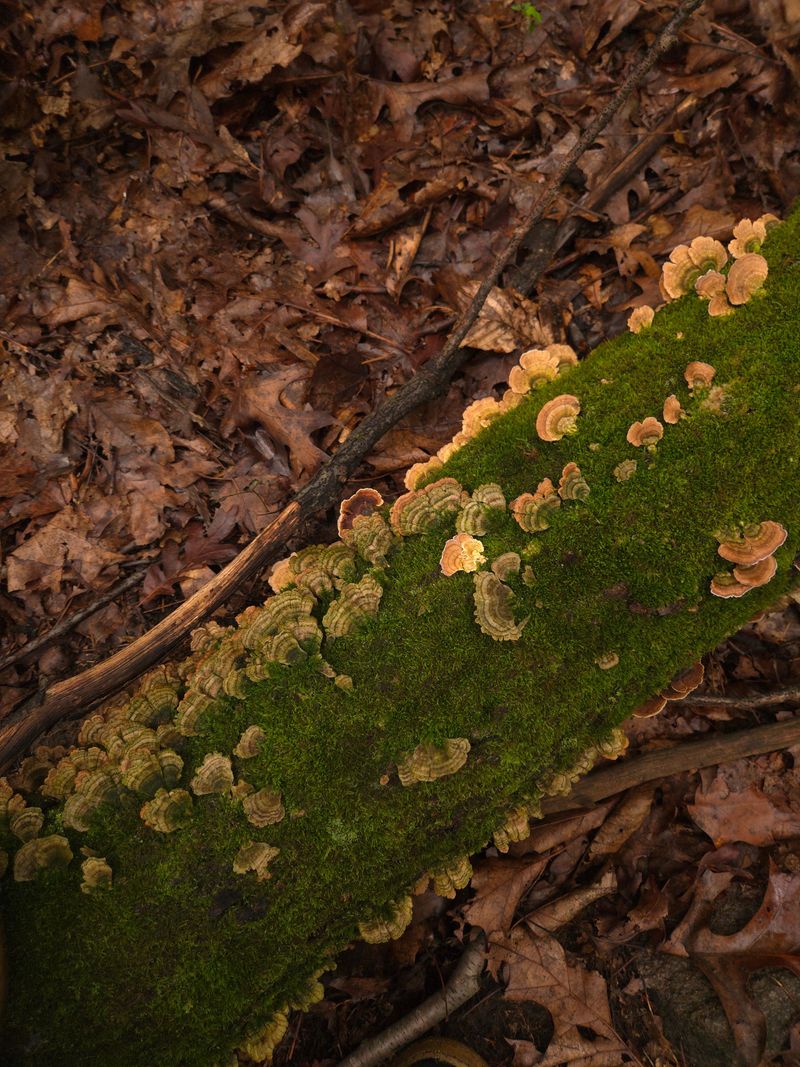
Coastal air in July feels thick and heavy because it genuinely is. Relative humidity near Rhode Island’s shoreline regularly runs higher than inland areas, especially overnight and in the early morning.
That persistent moisture on leaf surfaces creates a perfect environment for fungal diseases.
Powdery mildew is one of the most common problems beach house gardeners encounter. It shows up as a white powdery coating on leaves, and it spreads quickly when nights stay warm and humid.
Black spot, downy mildew, and botrytis are other fungal threats that thrive in the same conditions.
Spacing plants generously improves air circulation between stems and leaves. Good airflow helps foliage dry out faster after morning dew or overnight humidity.
Crowded beds hold moisture longer and give fungal spores exactly the damp conditions they need to take hold.
Watering at the base of plants rather than overhead keeps foliage drier. Drip irrigation is a smart choice for coastal gardens because it delivers moisture directly to roots.
Fungicide sprays can help manage outbreaks, but prevention through good spacing and watering habits works far better.
Inland yards deal with humidity too, but the coastal layer of salt-laden air adds an extra layer of stress.
Rhode Island beach house owners face different July problems than inland yards precisely because this combination of salt, heat, and humidity hits plants from multiple directions at once.
5. Erosion Affects Plantings Close To The Water
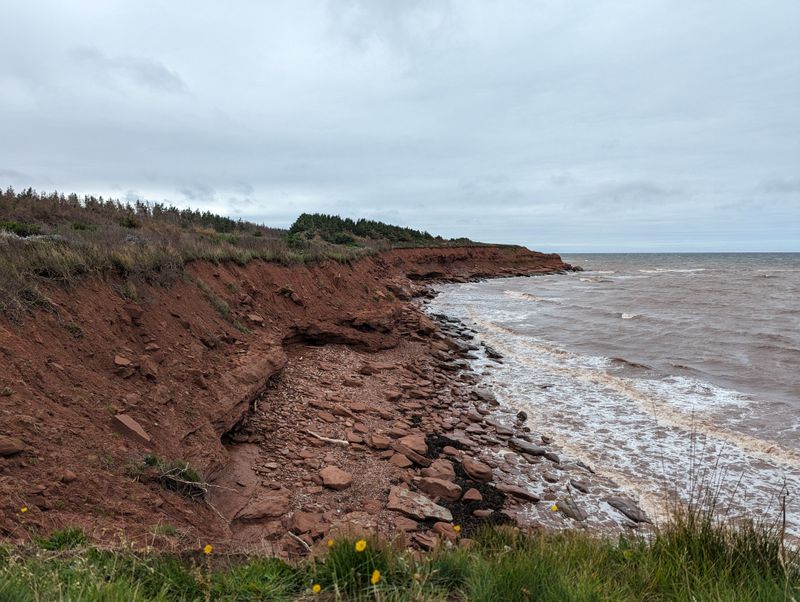
Planting close to the water at a Rhode Island beach house feels rewarding until a storm rolls through.
Waves, runoff, and wind-driven rain move sand constantly along the shoreline. Roots that were well-anchored last week can be half-exposed by the following morning.
Erosion is not just a storm problem either. Slow, steady wave action and tidal movement gradually pull sand away from planted areas all summer long.
Plants that lose soil contact around their roots cannot absorb nutrients or moisture effectively and decline fast.
Ground covers with deep, fibrous root systems are the best natural defense against erosion. Beach grass, bearberry, and bayberry all spread aggressively and bind sandy soil together.
Their roots form dense mats that hold ground in place even when water moves across the surface.
Retaining walls and natural stone borders also help protect planting beds near the water. They slow runoff and give soil a physical barrier to rest against.
Combining structural support with deep-rooted plants gives your coastal garden the best chance of staying put through July storms.
Inland gardeners deal with occasional runoff, but their soil rarely shifts the way shoreline sand does.
Erosion management is a uniquely coastal challenge that Rhode Island beach house owners must plan for before planting, not after watching their garden slide toward the water one storm at a time.
6. Storm Surge Risk Shapes What Can Be Planted
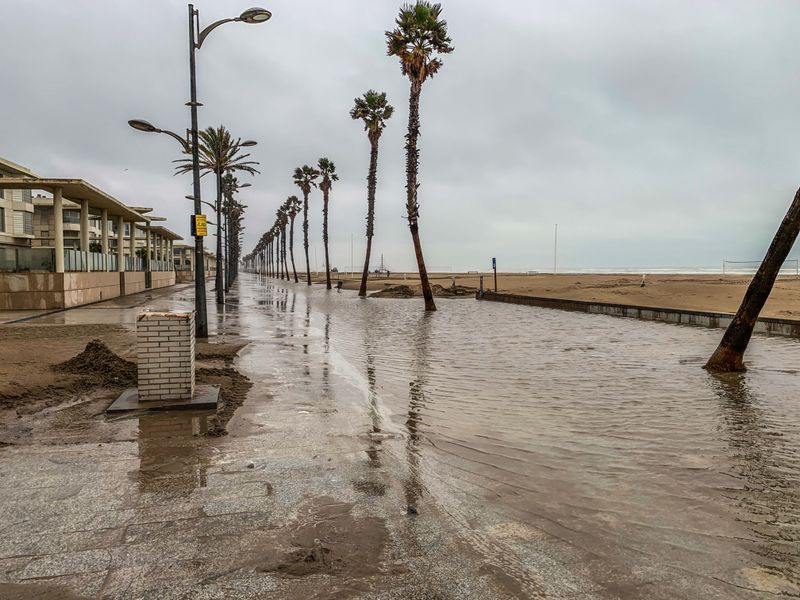
Storm surge is not just a hurricane-season worry for Rhode Island beach house owners. July storms can push significant water inland quickly.
A garden that looks perfectly safe one afternoon can be sitting under several inches of saltwater by evening.
Saltwater flooding is far more damaging to plants than freshwater flooding. The sodium in seawater disrupts how roots absorb nutrients and moisture.
Even a brief submersion in saltwater can set back salt-sensitive plants severely, and repeated flooding over a season often causes them to decline beyond recovery.
Smart coastal gardeners plan their plant selection around flood risk zones. Plants closest to the water must be able to tolerate both salt and temporary submersion.
Cordgrass, salt meadow hay, and seaside goldenrod are examples of species tough enough to withstand regular salt exposure.
Raised planting beds help protect more delicate plants from ground-level flooding. Elevating your soil by a modest amount can make a real difference during surge events.
Pairing raised beds with good drainage channels around the perimeter keeps excess water moving away from roots quickly.
Inland yards flood too, but freshwater drains away without leaving salt deposits behind. The combination of salt damage and physical flooding makes storm surge one of the most serious and uniquely coastal problems.
Rhode Island beach house owners face this challenge differently than their inland counterparts every July.
7. Limited Soil Depth Restricts Root Growth
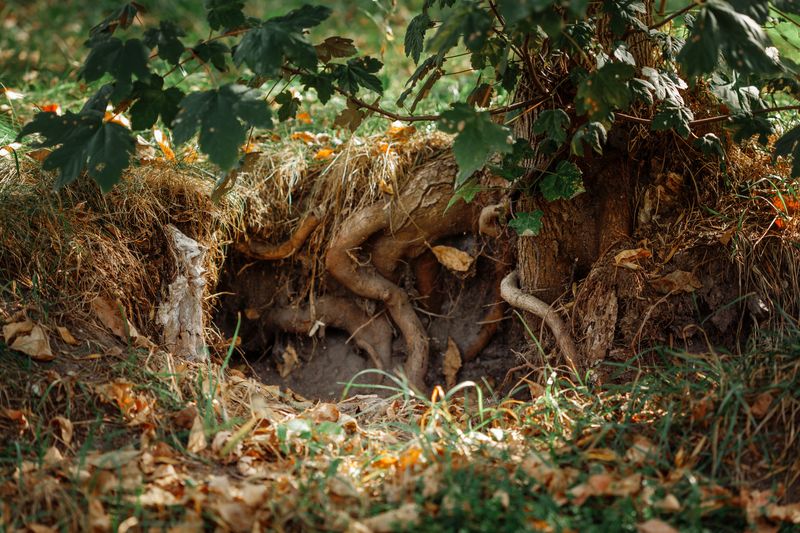
Dig down more than a few inches in many Rhode Island coastal yards and you hit sand, hardpan, or rock almost immediately.
Shallow soil depth is a common frustration for beach house gardeners trying to grow anything with a serious root system. Trees and large shrubs need depth that simply is not there.
Shallow roots make plants more vulnerable to wind toppling, drought, and physical damage. A tree with roots spreading only six inches down offers almost no wind resistance.
That same tree inland, with roots reaching two feet or more, stands up to storms with far greater stability.
Raised beds solve this problem beautifully for vegetables and perennials. Building up instead of digging down gives roots the depth they need without fighting the native soil. Fill raised beds with a mix of compost and quality topsoil for the best results.
For in-ground planting, choosing naturally shallow-rooted species makes much more sense. Creeping juniper, beach heather, and low-growing sedums spread wide rather than deep.
Their growth habit matches the available soil profile instead of fighting against it. Inland gardeners rarely think about soil depth as a limiting factor.
For Rhode Island beach house owners facing different July problems than inland yards, understanding exactly how deep your soil goes before hitting an impenetrable layer is one of the most useful things you can know about your property.
8. Salt-Tolerant Species Become The Smartest Option
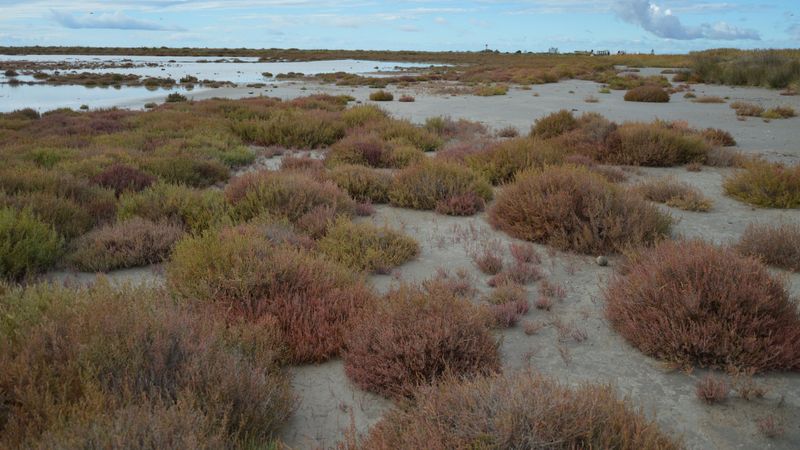
After a few failed seasons at a Rhode Island beach house, most gardeners reach the same conclusion. You cannot grow whatever you want near the ocean, no matter how much you baby it.
Salt, wind, sandy soil, and humidity narrow your plant palette down to a specific group of survivors.
Rugosa roses are a coastal garden staple for good reason. They handle salt spray, sandy soil, and harsh wind without missing a beat.
Their tough, wrinkled leaves and thorny canes shrug off conditions that would cause a hybrid tea rose to struggle within days.
American beach grass is the backbone of many shoreline landscapes. It stabilizes sand, tolerates salt flooding, and comes back reliably every year.
Pair it with seaside goldenrod and beach plum for a layered, naturalistic look that actually thrives in July conditions.
Native plants almost always outperform non-native choices in coastal settings. They evolved alongside these exact conditions over thousands of years.
Choosing natives reduces maintenance, supports local wildlife, and gives your garden a fighting chance against every challenge the coast throws at it.
Inland gardeners enjoy a much wider plant selection because their conditions are far more forgiving.
For Rhode Island beach house owners facing different July problems than inland yards, accepting and embracing salt-tolerant species is a smart, practical gardening decision along the shore.
9. Coastal Pests Differ From Typical Inland Threats
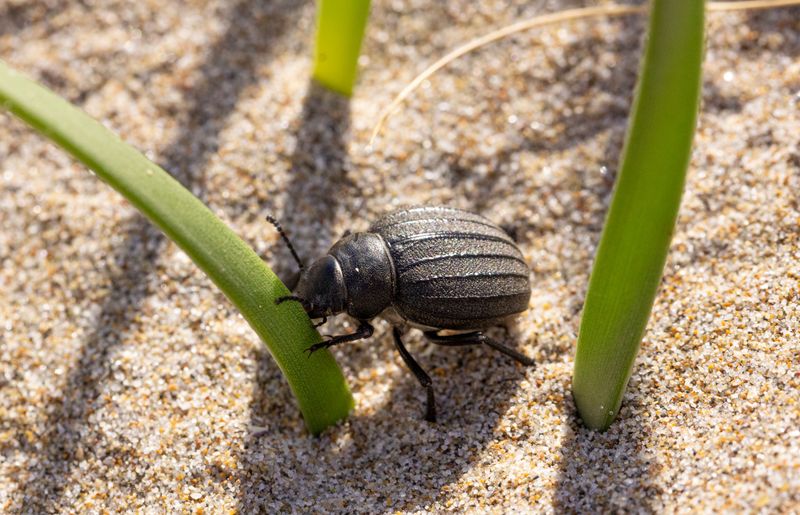
Coastal pest pressure at a Rhode Island beach house is a completely different experience from what inland gardeners deal with in July. Greenhead flies are a notorious shore pest that swarms beach properties during midsummer.
They bite hard and make outdoor gardening genuinely miserable on calm, humid afternoons.
Deer can be a persistent presence near coastal areas in many parts of Rhode Island. They move freely through beach communities and strip unprotected plants overnight.
Installing deer fencing or choosing deer-resistant species is not optional near the shore, it is essential.
Spider mites thrive in hot, dry, salty conditions and attack stressed coastal plants aggressively. They are tiny and hard to spot until the damage is already severe.
Checking the undersides of leaves regularly gives you a head start on catching infestations before they spread.
Japanese beetles, aphids, and scale insects also show up along the coast, but their behavior can differ from inland populations. Stressed plants weakened by salt and wind are far more attractive to opportunistic insects.
Healthy, well-fed plants resist pest pressure much more effectively than struggling ones. Inland gardeners have their own pest lists, but the coastal combination of biting flies, bold deer, and stress-seeking insects is uniquely demanding.
Rhode Island beach house owners facing different July problems than inland yards know that managing pests near the ocean requires a strategy built specifically for shore conditions.