8 Reasons You Should Grow Lemon Balm By Your Rhode Island Patio
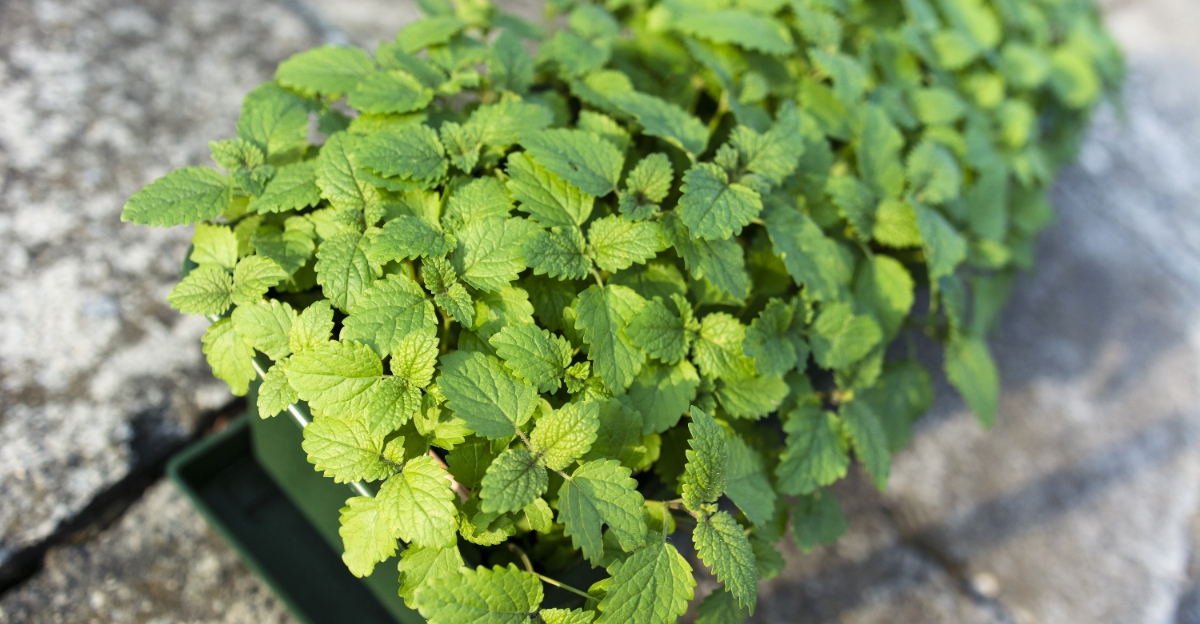
Rhode Island summers are generous with warmth and sunshine, but they are equally generous with mosquitoes. If your patio evenings have started feeling more like an endurance test than a chance to unwind, lemon balm deserves a spot in your plans.
This mint-family herb grows with almost stubborn ease, smells like someone squeezed a lemon over a handful of fresh herbs, and quietly handles more garden jobs than most plants twice its size.
It draws in bees when you want company of the buzzing, beneficial kind. It discourages the insects you absolutely do not want. Crush a leaf between your fingers on your way inside and the scent follows you like something good.
Rhode Island gardeners who have grown it near their patios tend to wonder why they waited so long. Eight reasons explain exactly why.
1. Mosquitoes Would Rather Be Somewhere Else
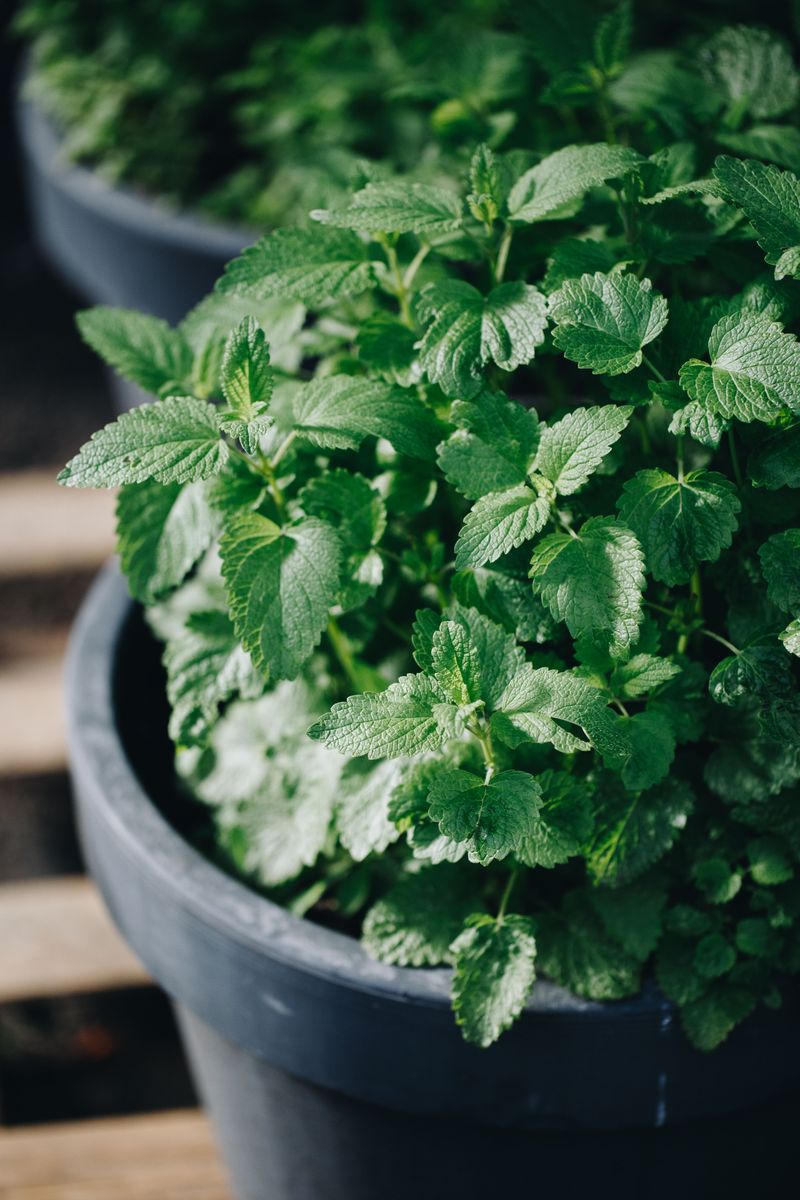
Nobody wants to swat bugs all evening while trying to enjoy their patio. Lemon balm contains a compound called citronellal, and mosquitoes genuinely dislike it.
When you brush against the leaves, they release a sharp, lemony scent into the air. That smell is pleasant to humans but tends to discourage biting insects from lingering nearby.
Planting a few pots near your seating area creates a natural scent barrier. You are not spraying chemicals or lighting anything on fire.
Research suggests that lemon balm essential oil has some mosquito-repelling properties, though it works best when applied directly to the skin rather than simply growing nearby.
Crushing a few fresh leaves and rubbing them on your skin adds an extra layer of protection. It works fast and smells far better than store-bought repellent.
Rhode Island summers bring humidity, and humidity brings mosquitoes in force. Having a natural deterrent right outside your back door changes the whole outdoor experience.
Guests will notice the difference even if they cannot explain why the yard feels more comfortable. The herb does its job quietly and without any fuss.
One or two established plants near your chairs can make a noticeable difference by midsummer. Your patio becomes a noticeably more comfortable place to spend time on warm evenings.
2. Bees and Butterflies Will Find Their Way To Your Yard
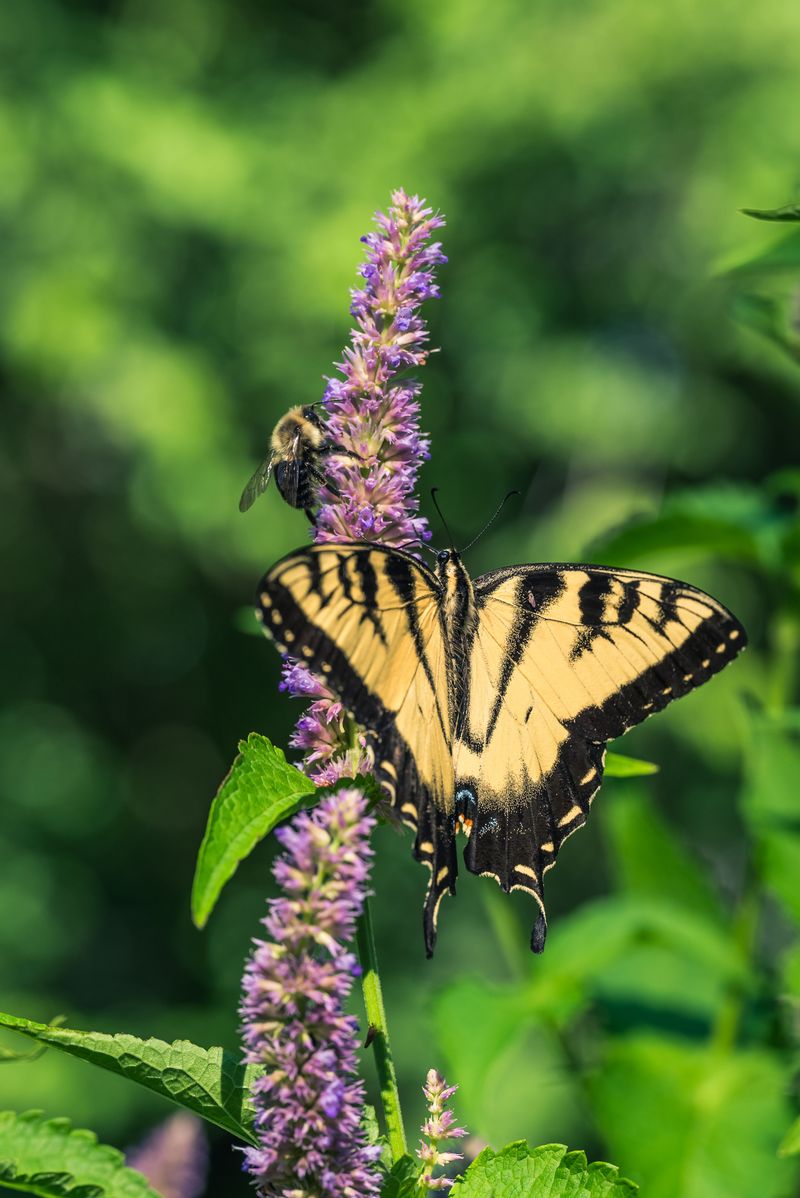
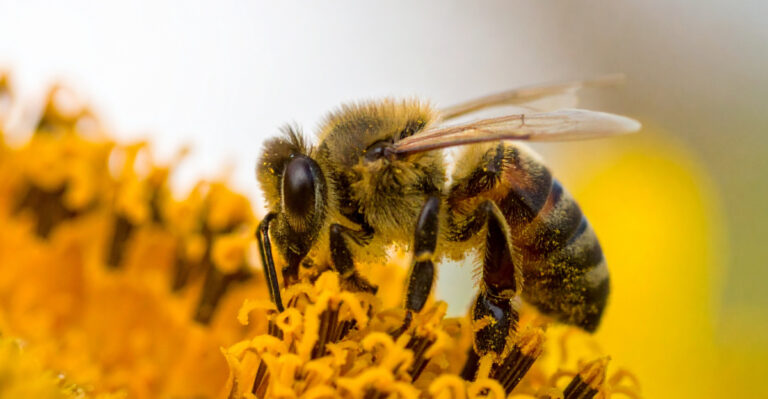
Pollinator populations have been declining across parts of North America, and even a small backyard planting can make a difference. Lemon balm flowers are small, but bees absolutely love them.
When this herb blooms in summer, it produces tiny white flowers loaded with nectar. Honeybees, bumblebees, and native bees all show up like it is an open invitation.
Ancient beekeepers used to rub lemon balm inside empty hives to attract wild swarms. The plant has been drawing pollinators for thousands of years.
Butterflies are also regular visitors once the plant is established. Watching them drift from flower to flower while you drink your morning coffee is a genuinely satisfying experience.
A yard that supports pollinators also supports a healthier local ecosystem overall. Your tomatoes, peppers, and flower beds will benefit from the extra pollinator traffic.
Your Rhode Island Garden Changes Every Week. Your Plan Should Too.
Gardening in Rhode Island changes quickly throughout the season. Every Friday you’ll receive a simple weekly plan showing exactly what to plant, prune, fertilize, harvest, and protect so you never miss the right timing.
Rhode Island has several native bee species that are struggling to find food sources in suburban yards. Lemon balm gives them something reliable and nutritious right in your neighborhood.
You do not need a large garden to make a difference. Even two or three pots of lemon balm near your patio can become a meaningful pit stop for local wildlife.
Letting just a few stems go to flower instead of harvesting everything creates a pollinator buffet. The trade-off between harvest and habitat is absolutely worth making.
3. Rhode Island Summers Are No Match For This Herb
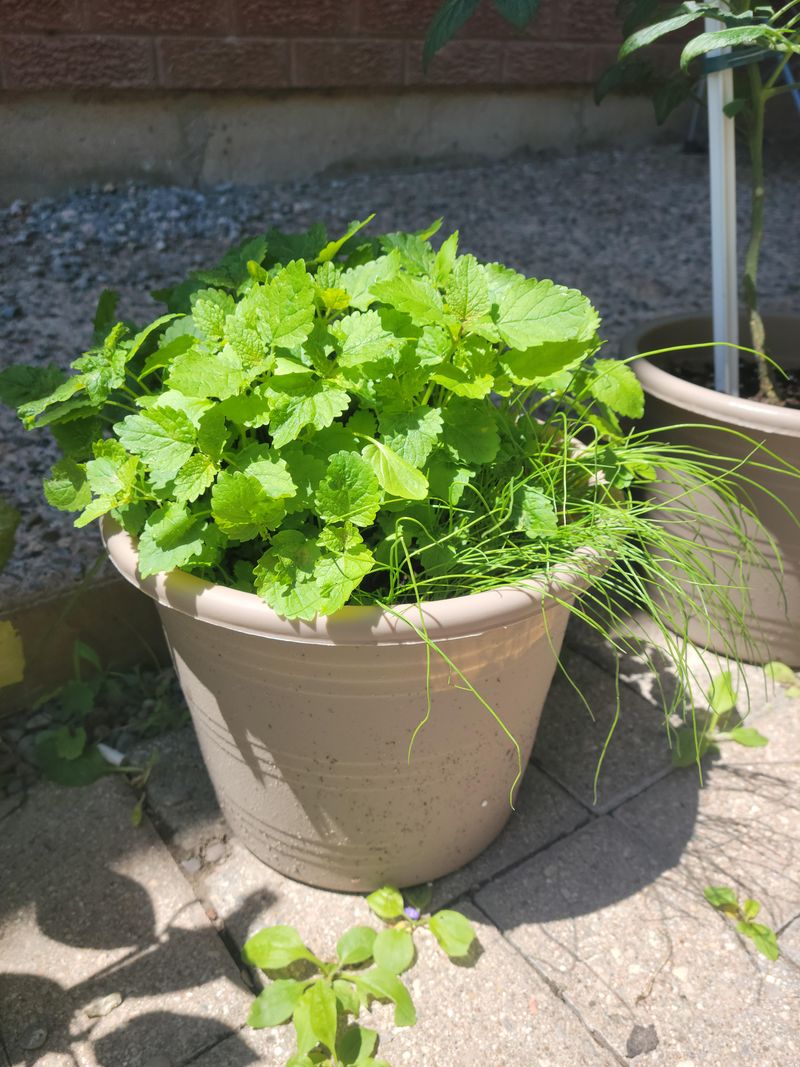
Rhode Island summers can be unpredictable, swinging between soggy weeks and blazing dry spells. Lemon balm handles both without complaining.
This herb is surprisingly tough for something that looks so soft and leafy. It tolerates heat, bounces back from drought, and shrugs off humidity like a champ.
Lemon balm is hardy through USDA Zone 4, which means Rhode Island winters, the state sits mostly in zones 6 to 7, are well within its comfort range.
Coastal areas near Narragansett Bay sometimes deal with salty air and shifting temperatures. Lemon balm handles these conditions without much trouble.
During hot stretches, a good deep watering once or twice a week keeps it growing strong. It does not demand daily attention the way some herbs do.
If a summer storm beats it down, the plant springs back up within a few days. There is a resilience to it that feels almost stubborn in the best possible way.
Lemon balm grows reliably throughout Rhode Island, from inland gardens all the way to the coastline. The plant fits the New England climate like it was designed specifically for it.
When other herbs in your garden start to struggle in August heat, lemon balm keeps producing fresh leaves. That kind of reliability is exactly what a patio garden needs.
4. Poor Soil Is Actually Where This Plant Shines
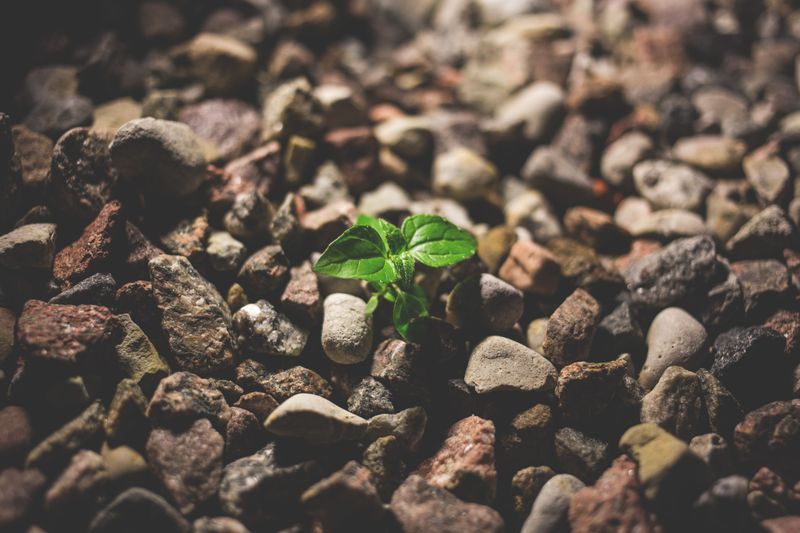
Most gardeners assume that good plants need perfect soil. Lemon balm respectfully disagrees with that idea.
This herb actually prefers soil that is not too rich. Give it overly fertilized ground and it grows fast but loses much of its signature scent and flavor.
Sandy, rocky, or clay-heavy soil suits it just fine. Rhode Island yards near the coast often have sandy, nutrient-light soil that would frustrate other plants.
Lemon balm does not need amendments, compost piles, or special fertilizers to grow well. It asks for decent drainage and a spot with some sunlight, and that is about it.
If you have a corner of your yard where nothing else seems to thrive, this herb is worth trying there first. It has a quiet confidence in difficult conditions.
Slightly acidic to neutral pH levels suit it best, and most New England soils already fall into that range. No soil testing kits required before you get started.
Avoiding overly wet spots is the main thing to watch for, since waterlogged roots are one of its few weaknesses. Good drainage matters more than soil quality here.
The fact that it thrives where other plants struggle makes it a practical first choice for beginning gardeners. Starting with a plant that does not need babying builds real confidence fast.
5. The Scent Alone Is Reason Enough To Grow It
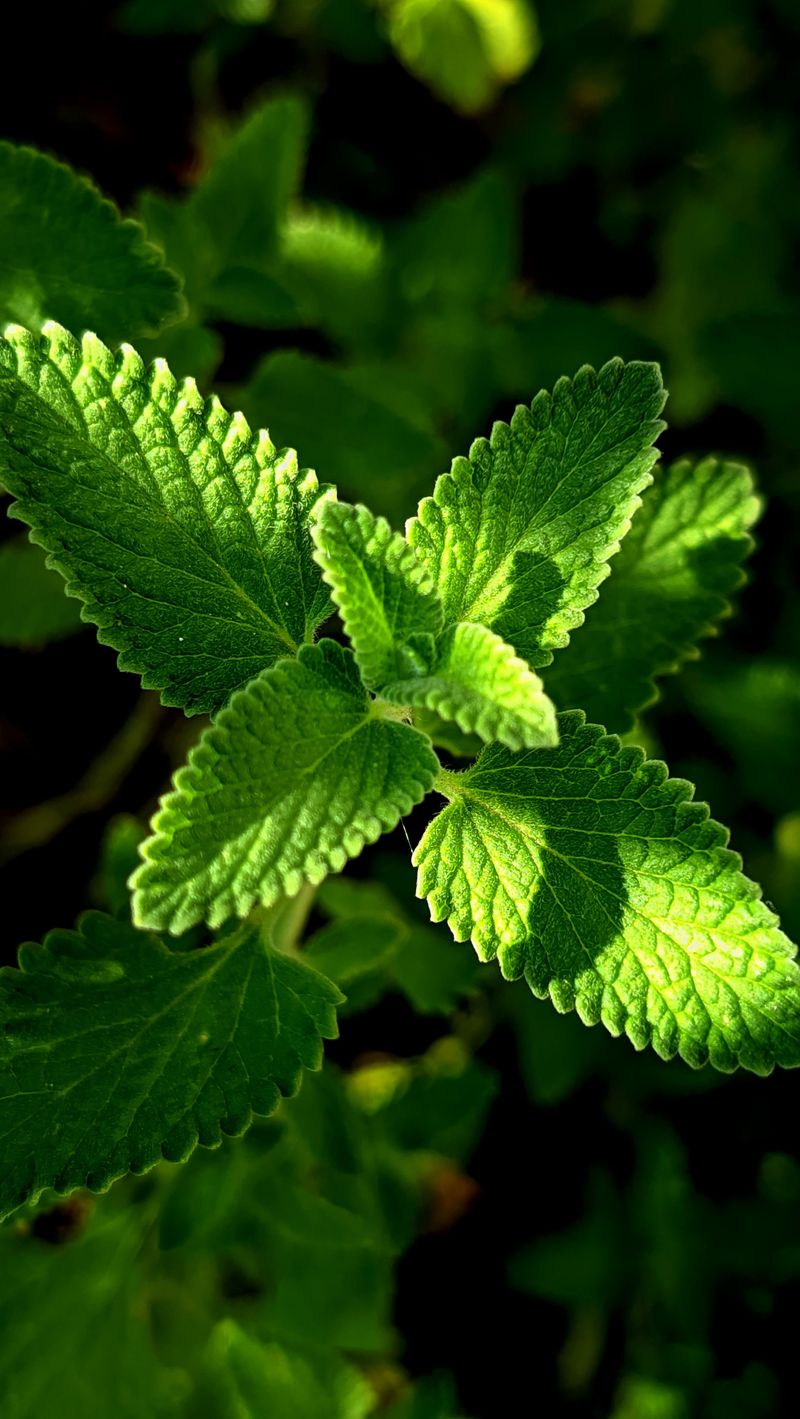
Close your eyes and imagine something that smells like fresh lemon zest mixed with green garden air. That is exactly what lemon balm delivers the moment you brush past it.
The fragrance is not sharp or overwhelming. It is clean, soft, and surprisingly calming in a way that synthetic lemon scents never quite manage to replicate.
Aromatherapy research supports what gardeners have known for centuries. Lemon balm has been studied for its calming properties, with research suggesting it may help reduce stress and support mood when consumed as a tea or extract.
Placing it near a patio door means every time you step outside, you get a small natural mood boost. That is a pretty good return on one of the most affordable plants at any garden center.
On warm evenings, the fragrance drifts through the air without needing to crush any leaves. The heat alone releases enough of the essential oils to fill the space around you.
Guests who sit near a pot of it often comment that the yard smells wonderful without knowing why. The source is usually right at knee height, quietly doing its job.
Lemon balm has been used in perfumes and sachets for hundreds of years across Europe. There is a long, documented history of humans finding this scent genuinely irresistible.
Growing lemon balm by your patio turns an ordinary outdoor space into something that engages all your senses. A yard that smells this good is a yard you actually use.
6. Fresh Leaves Have More Uses Than You Might Expect
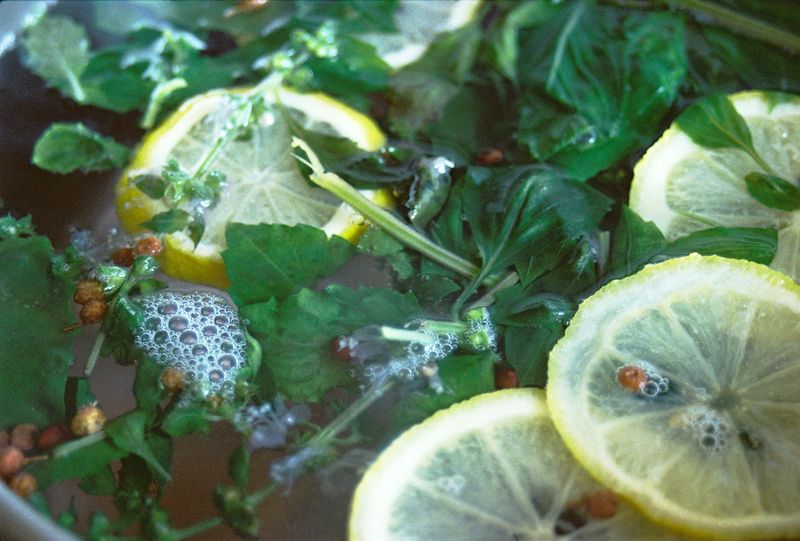
Most people plant lemon balm and then have no idea what to do with it once it starts growing. The list of uses is actually longer than most herb guides bother to mention.
Steep fresh leaves in hot water for five minutes and you have a calming herbal tea. It has a mild lemon flavor that does not need sugar to taste good.
Add a handful of leaves to a pitcher of cold water with cucumber and mint for a refreshing summer drink. It elevates a simple glass of water into something genuinely special.
Chop the leaves and fold them into salad dressings, marinades, or compound butter. The citrus note pairs beautifully with grilled fish and roasted chicken.
Blend fresh lemon balm into homemade pesto for a twist on the classic recipe. The result has a lighter, brighter flavor that works well on pasta or flatbread.
The leaves can also be used in baked goods like scones, shortbread, or lemon cake. Fresh herb flavors in baking feel sophisticated but are incredibly easy to pull off.
Lemon balm contains compounds that have shown mild antimicrobial activity in laboratory studies, which is why some people use a cooled lemon balm tea as a gentle skin rinse.
Having a fresh supply just steps from your back door means you actually use it instead of forgetting it in the back of a drawer. Fresh beats dried every single time.
7. Once Planted, It Comes Back Every Year On Its Own
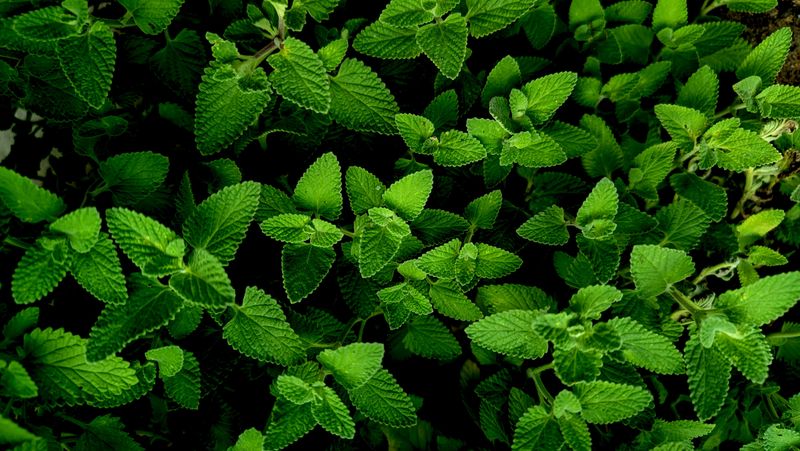
Planting something once and watching it return year after year is one of the quiet joys of perennial gardening. Lemon balm is one of those plants that makes that joy easy to access.
After the first growing season, the root system establishes itself underground. When spring arrives, new growth pushes up without any help from you.
In Rhode Island, you can expect to see fresh shoots emerging by mid-April in most years. That early green growth feels like a genuine sign that the season has finally turned.
The plant does spread over time, which is worth knowing before you put it in the ground. Keeping it in a container or trimming the edges prevents it from taking over a bed.
Dividing the clump every two or three years actually makes it healthier and more productive. You can share the divisions with neighbors or move them to new spots around your yard.
Unlike annual herbs that need replanting every spring, lemon balm reduces your yearly gardening workload. Spending less time replanting means more time actually enjoying the patio.
The plant also self-seeds if you let it flower and drop seeds in late summer. New seedlings often appear nearby the following spring, giving you free plants without any effort.
A perennial that feeds pollinators, repels pests, and grows back on its own is a rare find. Lemon balm earns its spot in the garden many times over.
8. Containers And Garden Beds Are Both Fair Game
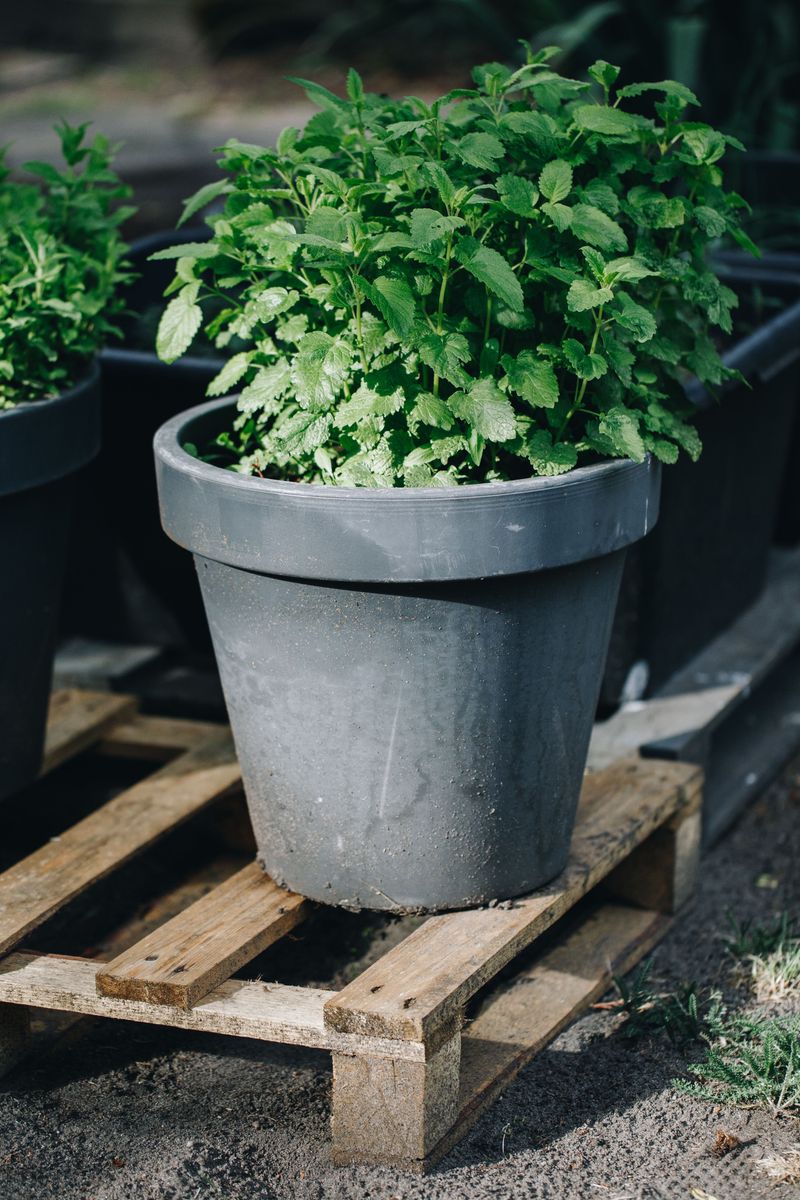
Not every yard has the same setup, and lemon balm does not care either way. It grows just as happily in a pot as it does in the ground.
For small patios or apartment balconies, a twelve-inch container works well for a single plant. Make sure the pot has drainage holes, and you are basically set.
Growing lemon balm in containers also gives you control over where it spreads. The mint family is known for wandering, and a pot keeps that energy focused.
In a garden bed, it fills in quickly and creates a lush, full look by midsummer. Pairing it with lavender or rosemary makes for a fragrant, low-maintenance herb section.
Raised beds work especially well because the drainage is usually excellent. Lemon balm roots stay happy and the plant tends to grow even more vigorously in that environment.
Window boxes near a patio railing can hold a smaller plant that still delivers fragrance and a few harvests. Even a modest amount of growing space is enough to enjoy the benefits.
Moving containers around the patio lets you position the plant wherever you need it most. Mosquito problem near the grill? Slide the pot right over and let it work.
Whether your outdoor space is a sprawling backyard or a modest balcony, lemon balm fits the situation. Growing lemon balm by your patio is one of those decisions that works no matter what you are working with.