This Fragrant Plant Handles Texas Heat And Makes Every Patio Smell Amazing All Summer
Most fragrant plants sold for Texas patios look promising at the nursery in April and start looking stressed by July, dropping blooms or going dormant right when the outdoor living season is fully underway.
Finding a fragrant plant that actually holds up through Texas summer heat while continuing to produce the kind of scent that makes a patio feel worth spending time on is a more specific challenge than it first appears.
There is a plant that handles it better than almost anything else available for Texas container and patio use, pushing out fragrance through the most intense stretch of summer without the decline that ends the performance of most competitors. Texas heat does not just fail to stop it.
In many ways the warmth enhances what this plant does, intensifying the scent during the hours when a patio is most used and keeping it going from late spring well into fall. Getting this one right changes what the outdoor space feels like through the entire season.
Rosemary Handles Texas Heat And Smells Amazing
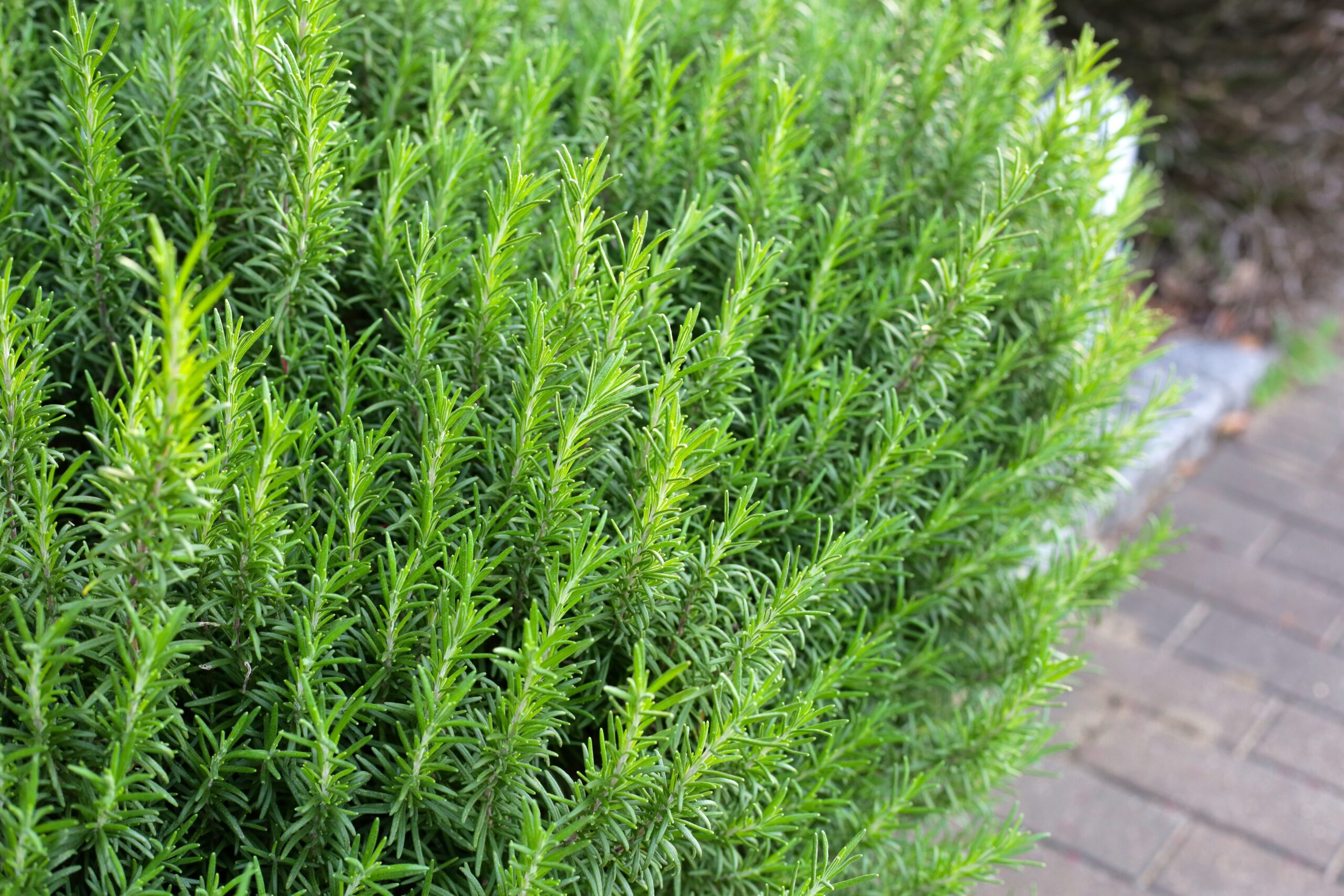
Walk past a rosemary plant on a hot Texas afternoon, and you will immediately understand why so many gardeners swear by it. That bold, fresh, piney scent hits you right away, and it only gets stronger when the sun is blazing.
Rosemary originally comes from the Mediterranean coast, where rocky, dry, sun-drenched hillsides are the norm. Texas summers feel right at home for this plant.
Rosemary has been grown for thousands of years, not just for cooking but also for its incredible fragrance. Ancient Greeks and Romans used it in ceremonies and medicine.
Today, Texas gardeners are rediscovering just how well it performs in tough southern climates. It does not just survive the heat. It absolutely thrives in it.
One of the best things about rosemary is its dual purpose. You get a stunning, evergreen shrub that looks polished and neat in any landscape, plus an herb that can go straight from your garden into your kitchen.
Fresh rosemary on roasted potatoes or grilled chicken? Absolutely delicious. The plant comes in several varieties, including upright types that grow several feet tall and trailing types that spill beautifully over the edges of pots and raised beds.
Both work great on Texas patios. The trailing variety is especially popular for hanging baskets and container gardens where space is limited but style is important.
For Texas homeowners who want a low-effort, high-reward plant that delivers fragrance, beauty, and practical use all at once, rosemary checks every single box. It is a smart choice from spring all the way through the hottest days of summer and beyond.
It Thrives In Texas Heat
Most plants start looking sad and wilted by mid-July in Texas, but rosemary just keeps going strong. Full sun and high heat are not problems for this tough herb.
In fact, rosemary actually prefers those conditions. Give it six to eight hours of direct sunlight each day, and it will reward you with lush, fragrant growth all season long.
Your Texas Garden Changes Every Week. Your Plan Should Too.
Gardening in Texas changes quickly throughout the season. Every Friday you’ll receive a simple weekly plan showing exactly what to plant, prune, fertilize, harvest, and protect so you never miss the right timing.
Once rosemary gets established in your garden or container, it becomes incredibly drought-tolerant. The plant develops deep roots that pull moisture from the soil even during dry spells.
This means you do not have to water it every day like you would with many other plants. A good soak once or twice a week during the hottest months is usually enough to keep it healthy and thriving.
Did you know rosemary can survive temperatures well above 100 degrees Fahrenheit without skipping a beat? That makes it one of the most heat-resilient herbs you can grow anywhere in the Lone Star State.
From El Paso to Houston, rosemary handles it all without complaint. The key to success is making sure your soil drains well. Rosemary does not like sitting in wet, soggy soil.
Sandy or loamy soil works best. If your yard has heavy clay soil, planting rosemary in a raised bed or container with well-draining potting mix is the smartest move you can make.
Texas summers are no joke, but rosemary is built for exactly this kind of challenge. It is the kind of plant that makes you look like a gardening pro without requiring a lot of extra effort or constant attention on your part.
Rosemary Has Fragrant Foliage
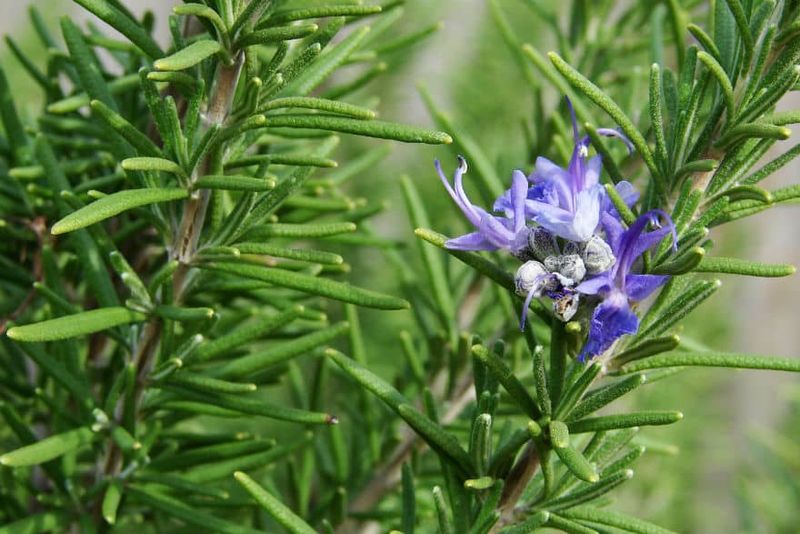
There is something almost magical about brushing your hand against a rosemary plant on a warm evening. The leaves instantly release a rich, herbal scent that fills the air around you.
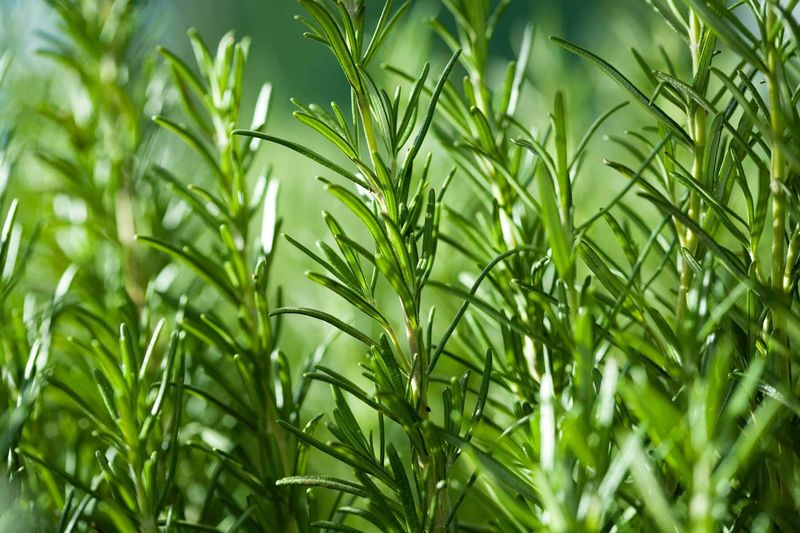
That smell comes from natural oils locked inside the needle-like leaves. Heat and touch both trigger the release of those oils, which is why rosemary smells even more amazing on a hot Texas day.
The fragrance has been described as a mix of pine, lemon, and a hint of camphor. It is clean, fresh, and energizing.
Many people say it reminds them of the outdoors, of hiking through forests or cooking in a cozy kitchen. Placing rosemary near a seating area on your patio means you get to enjoy that scent every single time a breeze rolls through.
Pruning rosemary regularly not only keeps the plant looking neat and full, it also boosts the fragrance output. When you trim back the stems, the plant responds by producing new growth that is packed with aromatic oils.
So the more you tend to it, the better it smells. That is a pretty great deal for any gardener. Beyond the patio, you can bring that fragrance indoors too.
Freshly cut rosemary sprigs placed in a vase or tied in a bundle and hung to dry will keep your home smelling wonderful for weeks.
Some people even tuck dried sprigs into closets or drawers as a natural alternative to synthetic air fresheners.
Few plants offer this level of sensory reward with so little effort. Rosemary turns your outdoor space into a place that genuinely feels good to spend time in, no matter how hot the Texas summer gets.
It Attracts Pollinators
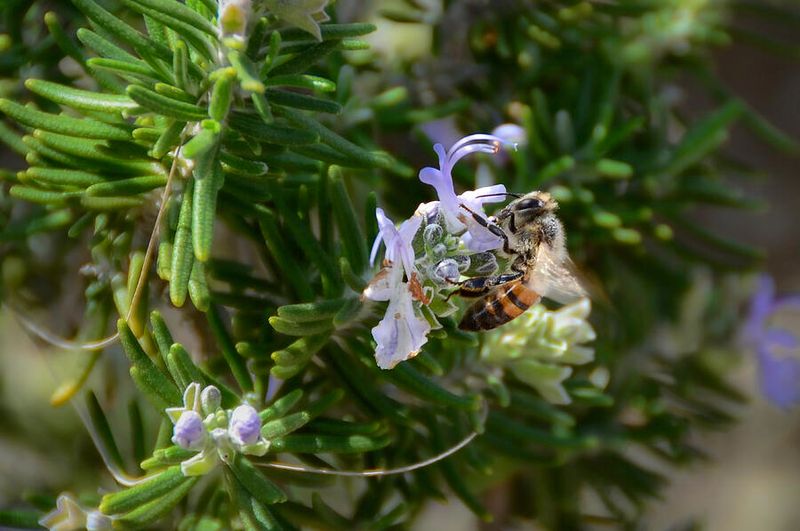
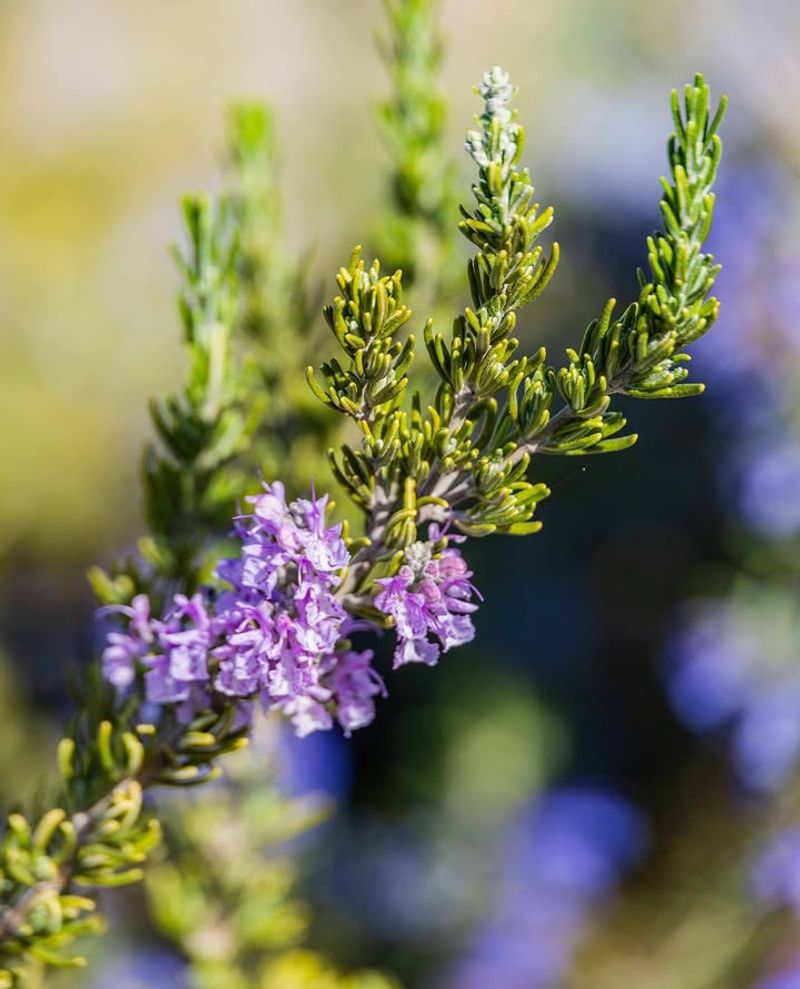
Every spring and into summer, rosemary bursts into bloom with tiny flowers that range from soft lavender to deep blue. Those small blossoms might not look like much from a distance, but up close they are absolutely buzzing with life.
Bees love them. Butterflies flock to them. Even hummingbirds have been spotted visiting rosemary blooms in some Texas gardens.
Pollinators are incredibly important for a healthy garden. Without bees and butterflies doing their work, many fruits, vegetables, and flowers would never develop properly.
By planting rosemary on your patio or in your garden beds, you are actively supporting local wildlife and helping the entire ecosystem around your home stay balanced and productive.
What makes rosemary especially valuable for pollinators is its long blooming season. Unlike some plants that flower for just a couple of weeks, rosemary can produce blooms for months.
In mild Texas winters, it may even flower year-round. That means a steady food source for bees and butterflies when other plants are not blooming.
Watching pollinators work their way through a rosemary plant is genuinely entertaining. Sit outside with your morning coffee and you might spend twenty minutes just watching the bees zip from flower to flower.
It adds a whole new layer of life and energy to your outdoor space. If you grow vegetables or fruit nearby, having rosemary close by can actually improve your harvest. More pollinators in the area means better fertilization for your plants.
So rosemary is not just a pretty, fragrant addition to your patio. It is a hardworking team player that benefits everything growing around it.
Rosemary Requires Minimal Care
For anyone who loves the idea of a beautiful garden but does not have a ton of time to spend on it, rosemary is basically a dream come true. Once it is planted and settled in, this herb asks for very little in return.
No complicated fertilizer schedules, no daily watering routines, and no constant pest battles. Rosemary just grows.
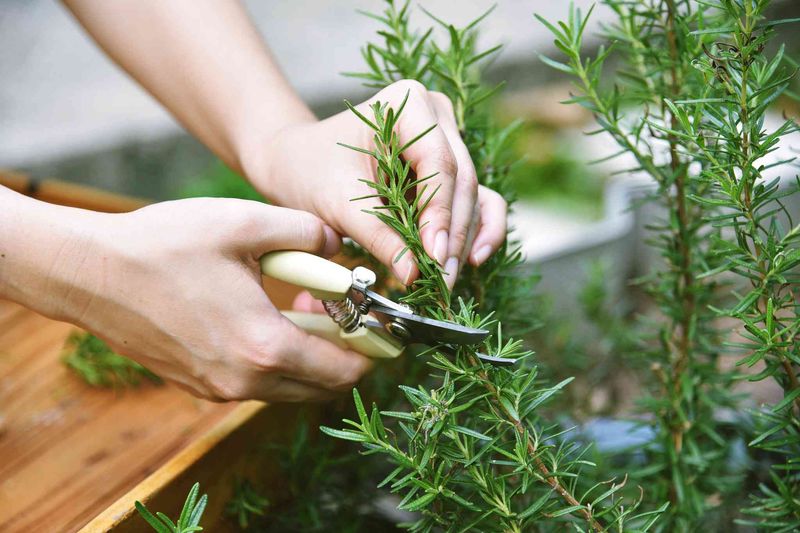
Occasional pruning is really the main task you need to stay on top of. Trimming the plant back a few times each season keeps it looking full and bushy rather than woody and leggy.
Use clean garden shears and cut just above a set of leaves. The plant bounces back quickly and often looks even better after a good trim than it did before.
Pests and diseases rarely bother rosemary in Texas. The strong aromatic oils in the leaves actually repel many common garden insects.
Aphids, spider mites, and other nuisance bugs tend to avoid it entirely. Root rot can be an issue if the soil stays too wet, but as long as you plant in well-draining soil and avoid overwatering, you should not run into any problems.
Rosemary grows well in containers, raised beds, or directly in the ground. Container growing is especially practical for Texas patios because you can move the plant to a shadier spot during extreme heat waves if needed.
Use a pot with drainage holes and a quality potting mix designed for herbs or Mediterranean plants for best results.
Gardening should feel enjoyable, not like a second job. Rosemary is the kind of plant that fits perfectly into a relaxed, low-maintenance lifestyle while still delivering impressive results season after season.
Tips For Patio Planting
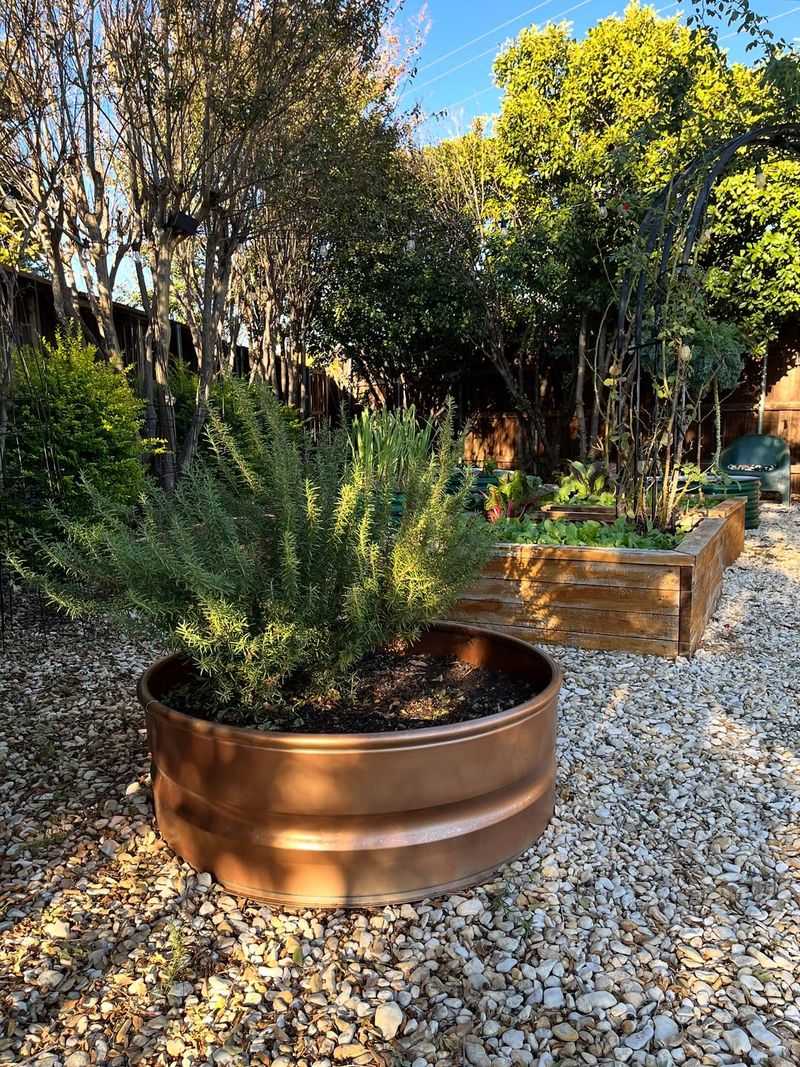
Getting the most fragrance and beauty out of your rosemary starts with smart placement. Putting it near a seating area, walkway, or doorway means you and your guests will brush against it naturally and release that amazing scent throughout the day.
Raised beds along a patio edge work beautifully, and large decorative containers make a real style statement while keeping the plant portable.
Pairing rosemary with other heat-tolerant plants can turn your patio into a stunning sensory garden. Try combining it with lavender for a purple-and-green color scheme that also doubles the fragrance.
Salvia, lantana, and ornamental grasses all thrive in Texas heat and look gorgeous planted alongside rosemary. The variety of textures and colors makes the space feel professionally designed.
Harvesting rosemary regularly keeps the plant healthy and productive. Snip fresh sprigs whenever you need them for cooking.
Use rosemary in marinades, roasted vegetables, breads, and infused oils. You can also bundle fresh cuttings and hang them near your grill for a natural, smoky-herb aroma while you cook outdoors. That is a trick that impresses every backyard guest.
Aromatherapy fans will love knowing that rosemary essential oil is one of the most popular options for stress relief and mental clarity. Growing your own means you always have fresh material on hand for homemade sachets, bath soaks, or simple room sprays.
Just steep fresh sprigs in warm water and pour into a spray bottle for an easy, natural air freshener.
Starting with a healthy transplant from a local nursery gives you the best head start. Look for a variety labeled as heat-tolerant or Texas-adapted for the smoothest growing experience on your patio this summer.