The Real Meaning Of A Fox Visiting Your Maine Yard
A fox trots across your yard at dusk, pauses for a second, and disappears into the tree line. It happens fast, but it leaves you with questions.
Maine homeowners encounter foxes more often than they expect, especially as neighborhoods push closer to wooded edges and open fields.
Most people assume the visit means something dramatic. Usually it does not. Foxes are strategic animals, and when one shows up in your yard, it is almost always following a very specific logic.
Understanding that logic changes how you see the visit entirely, and it can help you decide what, if anything, to do next.
Your Yard Is Likely A Good Food Source For Foxes
Foxes are opportunists, plain and simple. When a fox shows up in your yard, the first thing to ask yourself is what you might be offering without realizing it.
Bird feeders are one of the biggest culprits. Seed scattered on the ground attracts mice and squirrels, and those small animals are exactly what a fox is hunting for.
Unsecured garbage cans, compost bins, and fallen fruit from trees are also irresistible. A fox has a remarkably sharp nose and can detect food sources from a surprisingly long distance away.
Pet food left outside overnight is another silent invitation. If you feed your cat or dog on the porch, that bowl is basically a neon sign for local wildlife.
Vegetable gardens attract rabbits and voles, which then attract foxes looking for an easy meal. The fox is not coming for your tomatoes directly, but it is absolutely coming for the animals eating them.
Lawns with healthy grub populations under the grass are also prime hunting grounds. You might notice a fox sniffing the turf carefully or pouncing with its front paws, which is called mousing.
Knowing your yard is a food source is actually empowering. Once you identify what is drawing the fox in, you have the power to reduce those attractants and manage how often it visits.
What Actually Brings Them Into Residential Areas
Spotting a fox near your home is not random. There are specific, predictable reasons these animals show up, and most of them make total sense once you think about it.
Habitat pressure is a big factor. As neighborhoods expand and forests shrink, foxes have fewer wild spaces to hunt and shelter, so backyards become part of their territory.
Water sources draw them in too. A birdbath, a low-lying puddle, or a small garden pond can be enough to bring a thirsty fox around during dry stretches.
Denning season is another reason. Female foxes, called vixens, scout for safe, sheltered spots to raise their kits in spring, and a quiet corner under a shed or deck can look very appealing to them.
Curiosity also plays a role, especially in younger foxes. A juvenile fox exploring its new territory for the first time may wander into unfamiliar spaces simply because it has not learned boundaries yet.
Your Maine Garden Changes Every Week. Your Plan Should Too.
Gardening in Maine changes quickly throughout the season. Every Friday you’ll receive a simple weekly plan showing exactly what to plant, prune, fertilize, harvest, and protect so you never miss the right timing.
Prey movement patterns matter a lot. If chipmunks, rabbits, or field mice are active in your yard, the fox is simply following the food chain straight to your door.
Seasonal changes in food availability push foxes closer to human spaces too. When natural prey is harder to find in late fall or winter, suburban yards suddenly look like a well-stocked pantry.
Understanding these motivations helps you see the fox not as a threat, but as a smart animal doing exactly what it needs to survive.
What Time Of Year You See A Fox Matters

Timing tells you a lot about why a fox is in your yard. Each season brings different fox behavior, and recognizing the pattern helps you understand what is actually going on.
Winter sightings usually mean the fox is hungry and expanding its search radius. Natural food sources get buried under snow, so the animal pushes into new territory looking for anything it can find.
Spring is denning season, and this is when fox activity near homes tends to increase noticeably. A vixen looking for a safe spot to raise her kits will scout yards carefully, often returning multiple times before choosing a location.
Late spring and early summer is when you might spot multiple foxes together. Young kits begin venturing out from the den and learning to hunt, so seeing a family group near your yard is actually a sign of a healthy local population.
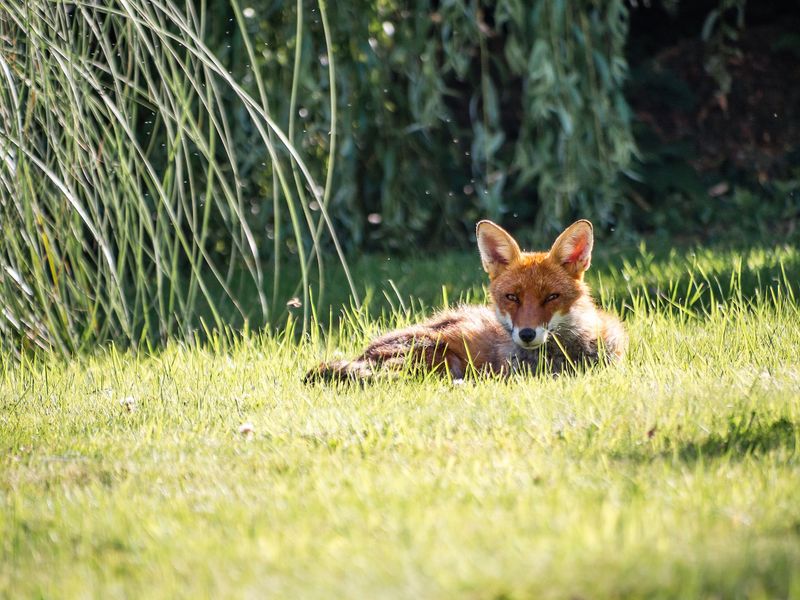
Summer sightings tend to happen at dawn or dusk. Foxes are most active during these cooler parts of the day, and they are usually focused on hunting rather than exploring.
Fall is a transitional time when juvenile foxes disperse and establish their own home ranges. A young fox passing through your yard in October may simply be looking for a new place to settle.
Knowing the season helps you make smart decisions about what to do next. A fox in January means something very different than a fox in April, and your response should match the situation.
Not All Foxes In Maine Are The Same

Not every fox is the same, and knowing which species paid you a visit adds a whole new layer of meaning to the encounter. Two species are common in the northeastern United States: the red fox and the gray fox.
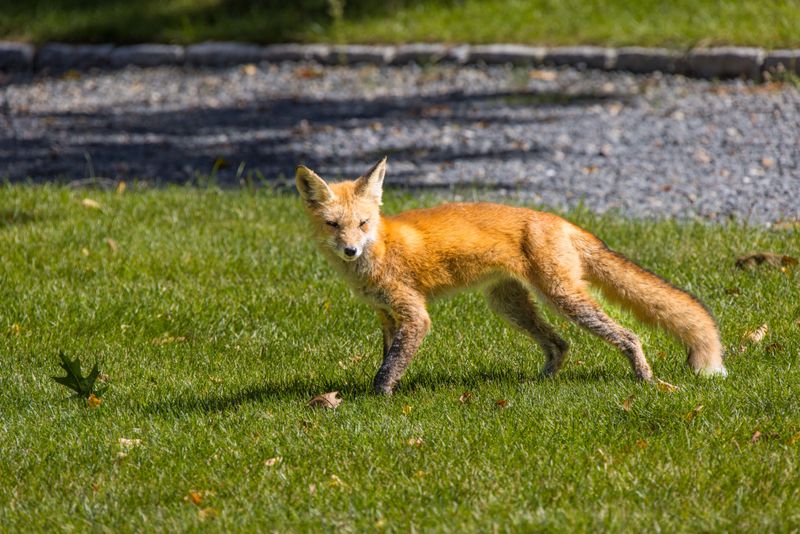
Red foxes are the ones most people picture. They have bright rusty-orange fur, a white-tipped tail, and black legs that look almost like they are wearing stockings.
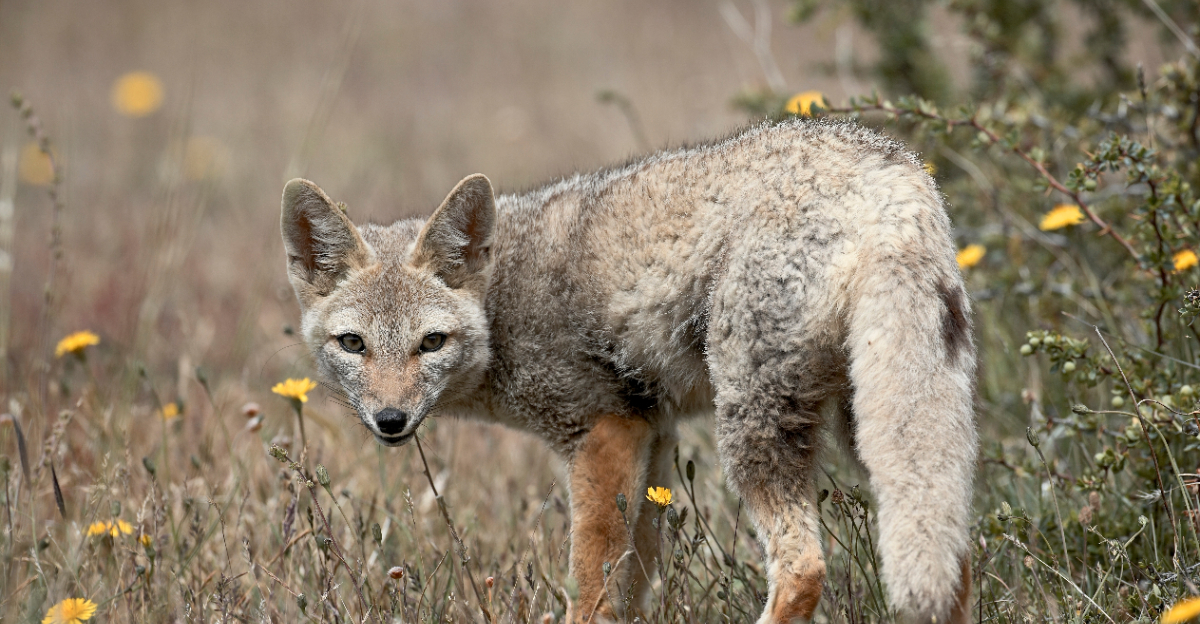
Gray foxes are subtler in appearance. Their coat is a salt-and-pepper mix of gray, rust, and white, and their tail has a distinctive black stripe running along the top.
Behavior differs between the two as well. Gray foxes are the only member of the dog family that can climb trees, so if you see a fox in or near a tree, it is almost certainly a gray fox.
Red foxes tend to be bolder and more adaptable to suburban environments. They are more likely to trot through open yards in broad daylight without much hesitation.
Gray foxes prefer denser cover and are more secretive by nature. Spotting one usually means you live near wooded habitat or have thick shrubs and brush piles on your property.
Both species are native to the region and play an important role in keeping rodent populations in check. Whichever one visited your yard, you got a glimpse of a truly remarkable wild neighbor.
What Fox Behavior In Your Yard Is Actually Telling You

Watching how a fox behaves in your yard is like reading a short story about its life. Each action gives you a clue about what the animal needs and how it feels about being near you.
A fox that moves quickly and keeps its head low is hunting. It is using its ears to detect movement underground and will often pause, tilt its head, and then pounce.
A fox that walks slowly and sniffs everything methodically is scouting. This behavior often means it is mapping out the area for future visits or looking for a denning spot.
If a fox sits down and stares at your house, it is likely watching for activity. This is not aggression, it is simply a curious animal trying to figure out if you are a threat.
A fox that barks or makes a screaming sound is communicating. During breeding season in winter, foxes are famously vocal, and that distinctive sound at night is usually a mating call.
A fox that appears disoriented, stumbles, or acts fearless around humans is a concern. That kind of behavior can sometimes indicate illness, and you should contact your local animal control office.
Most healthy foxes tend to be cautious around people. If the one in your yard keeps a respectful distance and moves away when you step outside, you are looking at a perfectly normal, well-adjusted wild animal.
How To Discourage Them From Returning
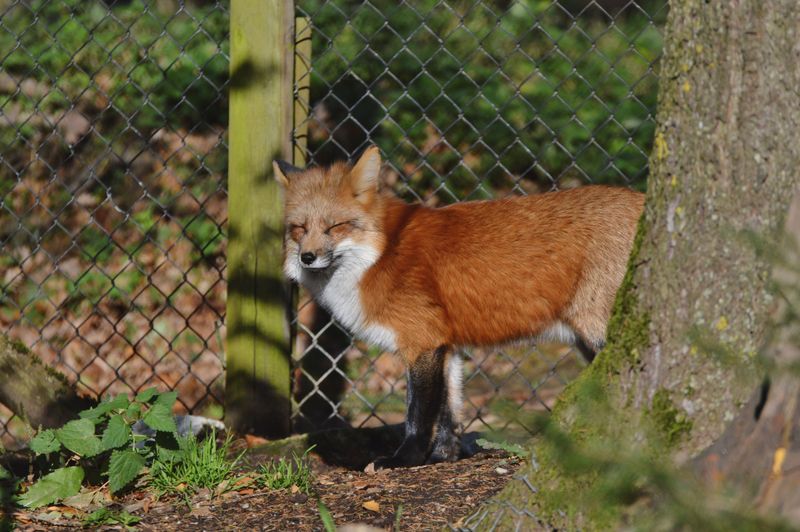
Sometimes a fox visit is a one-time thing, and sometimes it becomes a habit. If you would rather the visits stop, there are practical, humane steps you can take right away.
Start by removing food attractants. Bring pet food inside at night, secure your garbage cans with bungee cords, and clean up any fallen fruit from trees near your yard.
Eliminate potential den sites before spring arrives. Block access under decks, sheds, and porches with hardware cloth buried a few inches into the ground to prevent digging.
Motion-activated lights are surprisingly effective. Foxes prefer darkness and cover, so a sudden bright light in the middle of the night is a strong deterrent.
Motion-activated sprinklers work even better for persistent visitors. A burst of cold water at 2 a.m. sends a clear message without harming the animal at all.
Scent deterrents like predator urine or commercially available fox repellents can be sprinkled around garden borders. Reapply after rain for best results.
Keeping your yard tidy matters more than most people realize. Tall grass, brush piles, and wood stacks all create hiding spots that make your property more attractive to foxes and the prey they hunt.
Discouraging a fox from your yard does not require hostility or panic. A few consistent changes to your outdoor space send a clear signal that your yard is not the easy opportunity it once seemed.