What It Means When A Mourning Dove Visits Your Maine Yard
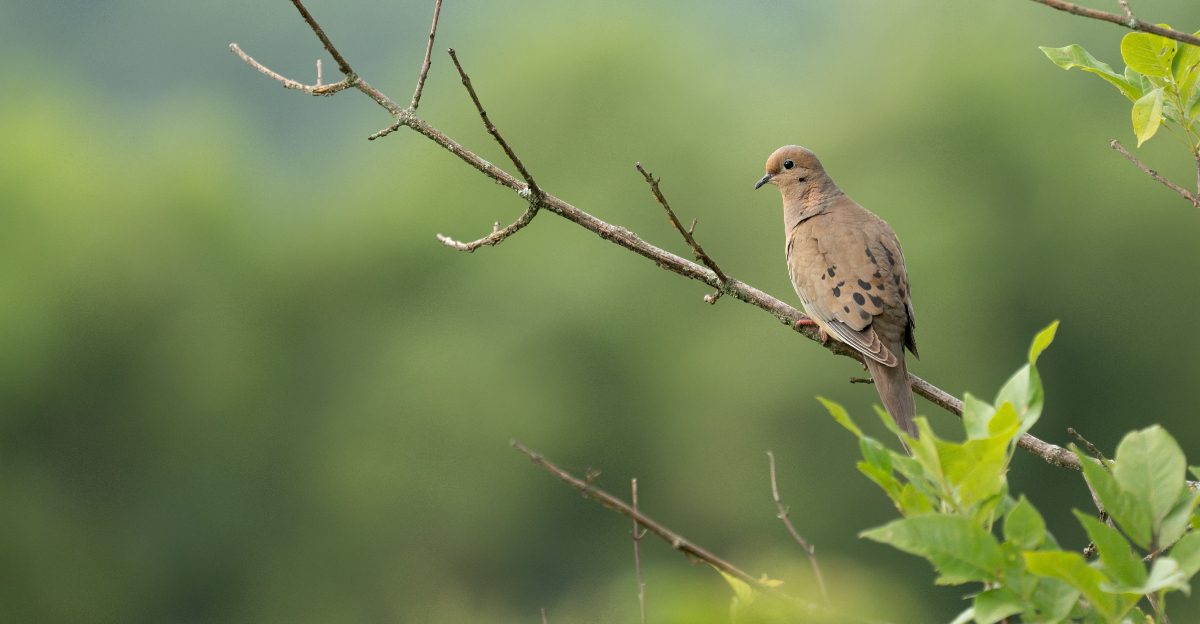
A low, hollow coo drifts through the yard before you even know where to look. Then you find it perched on the fence post, round and still, unbothered by the world moving around it.
Mourning doves have a way of making everything slow down. They do not arrive with fanfare like jays or woodpeckers.
They simply appear, quiet and deliberate, as if they weighed their options and picked your yard on purpose. The truth is, they kind of did.
Mourning doves are selective about where they spend their time. They gravitate toward yards that offer specific conditions, and when one shows up in Maine, it is rarely by accident.
What drew them in says more about your yard than you might expect.
A Mourning Dove Chose Your Yard For A Reason
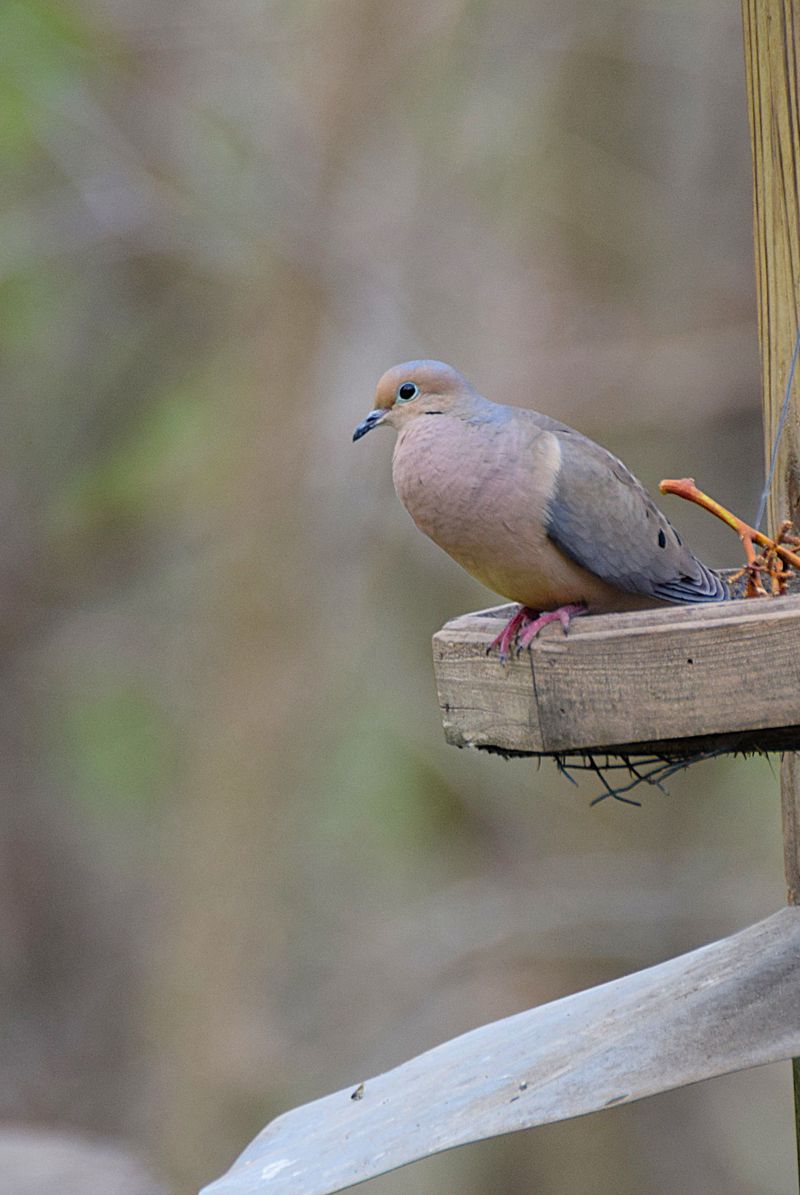
Your yard passed a test you did not even know was being given. Mourning doves are selective about where they spend their time, and showing up on your property is a quiet compliment.
These birds prefer calm, open spaces with easy access to food and water. A yard with scattered seed, a birdbath, or low shrubs checks nearly every box on their list.
They also gravitate toward peaceful environments. If your yard is free from aggressive pets or constant noise, that sends a welcoming signal to these sensitive birds.
Mourning doves are creatures of habit. Once they find a spot they trust, they often return regularly, sometimes for months at a time.
Maine’s quieter suburban yards tend to attract them more than busy urban spaces. Less foot traffic, more open ground, and fewer disturbances all work in your favor.
Spotting one in your yard is not random luck. It means your outdoor space offers something genuinely valuable to wildlife, and that is worth celebrating.
The fact that a mourning dove chose your yard also hints at the broader health of your local ecosystem. These birds thrive in balanced environments with native plants, open soil, and minimal chemical use.
Their visit can tell you something real about the habitat quality your yard provides. A mourning dove visit to your Maine yard is a sign you are doing something right, and a gentle nudge to keep going.
How To Identify A Mourning Dove
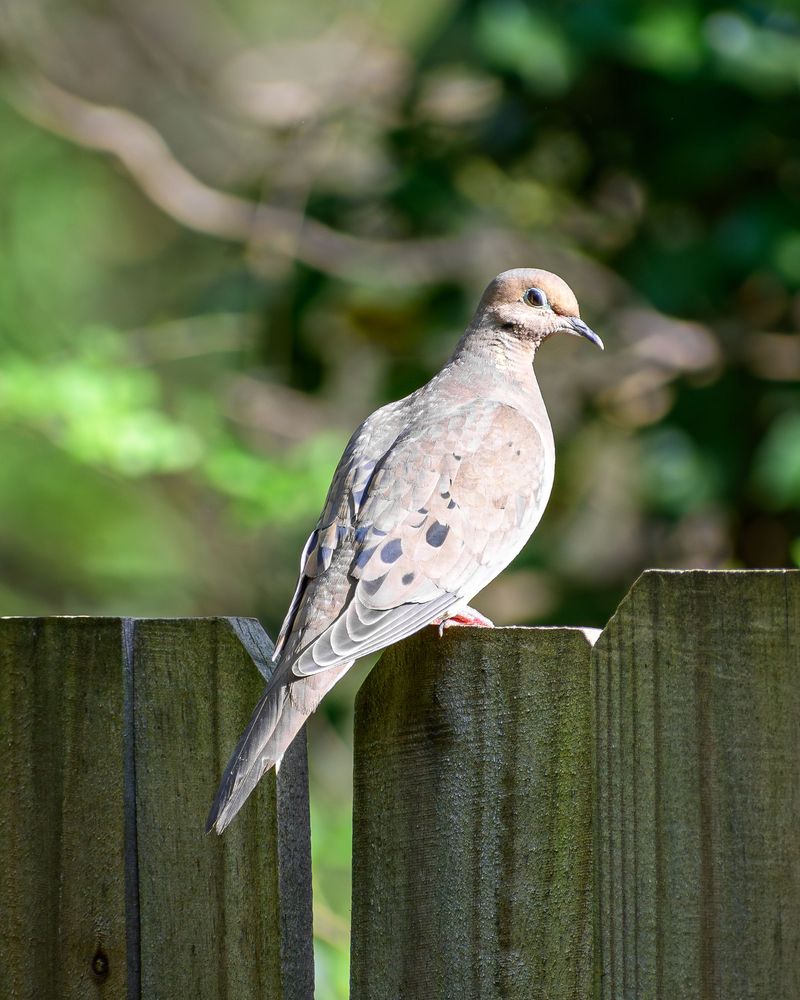
Spotting a mourning dove is easier than you might think. These birds have a look that is distinctly their own, and once you know what to watch for, you will recognize them instantly.
Their body is a warm blend of tan, gray, and pale brown. The feathers have a soft, almost velvety appearance that catches light beautifully in the morning sun.
One of the most reliable features is the small black spot just below each eye. That tiny mark sets them apart from similar species like the Eurasian collared dove.
Their tail is long and pointed, which is unusual among backyard birds. When they fly away, you will notice white-tipped outer tail feathers flashing like little flags.
Your Maine Garden Changes Every Week. Your Plan Should Too.
Gardening in Maine changes quickly throughout the season. Every Friday you’ll receive a simple weekly plan showing exactly what to plant, prune, fertilize, harvest, and protect so you never miss the right timing.
Mourning doves are medium-sized birds, roughly the length of a robin but slimmer in build. They tend to walk along the ground with a gentle bobbing motion that looks almost rhythmic.
Their wings make a distinctive whistling sound when they take off. That sharp, whirring noise is actually caused by air rushing through their feathers, not a vocal call.
Male and female mourning doves look nearly identical, though males tend to show a faint rosy blush on the chest. Learning to identify them adds a satisfying layer of awareness to your daily outdoor moments.
Where And When To Spot Them In Maine
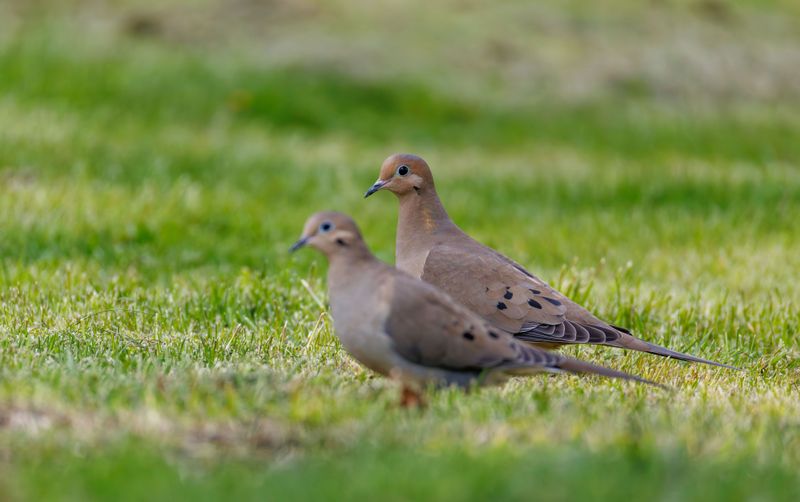
Maine offers mourning doves a surprisingly welcoming landscape. Open fields, suburban lawns, forest edges, and even coastal areas all provide the kind of habitat these birds prefer.
You are most likely to see them in the warmer months, from April through October. Some doves do stay through the winter, especially in southern parts of the state where food sources remain accessible.
Early morning is prime spotting time. Mourning doves are among the first birds active at dawn, often foraging on the ground before most people have finished their first cup of coffee.
They also appear again in the late afternoon, making a second round of feeding before settling in for the evening. Watching for them during these two windows dramatically increases your chances of a sighting.
Ground-level viewing is key. Unlike many songbirds that prefer high branches, mourning doves spend a lot of time walking along the earth, picking up seeds one by one.
Look near open areas with short grass, gravel driveways, or bare patches of soil. These spots make it easier for the birds to spot fallen seeds and feel safe while feeding.
Patience pays off every time. Once you start noticing them in one spot, you will quickly realize how often a mourning dove visit to your Maine yard actually happens throughout the day.
Seeds, Soil, And the Mourning Dove Diet
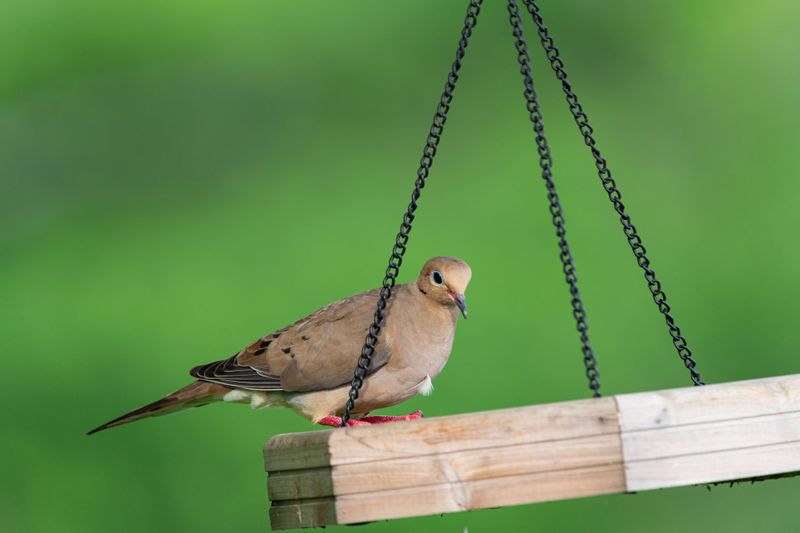
If you want mourning doves to keep coming back, food is your most powerful tool. These birds are seed lovers through and through, and they are not picky about where those seeds land.
Millet is their absolute favorite. Scatter white proso millet on the ground or in a low platform feeder, and mourning doves in the area may start appearing within days.
Sunflower seeds, cracked corn, and safflower seeds also rank high on their preferred menu. Offering a mix of these options keeps the feeding station active and appealing throughout the season.
Unlike many birds, mourning doves are ground feeders by nature. They prefer to eat at ground level rather than from hanging tube feeders, so spreading seed directly on a flat surface works best.
Fresh water is just as important as food. A shallow birdbath placed near your feeding area gives them a place to drink and bathe, making your yard a complete habitat package.
Native plants add another layer of attraction. Grasses and wildflowers that produce natural seeds extend your yard’s appeal well beyond what any feeder alone can offer.
Reducing lawn chemicals also matters more than most people realize. A yard with natural soil and minimal pesticide use supports the insect life and seed production that keeps mourning doves and other birds well-fed and returning season after season.
Decoding That Soft, Mournful Cooing Sound
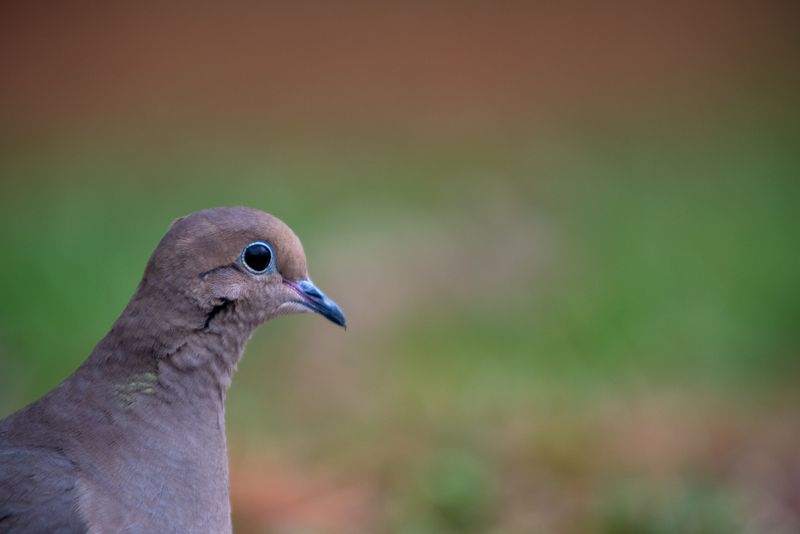
That low, echoing coo is one of the most recognized sounds in North American backyards. It travels far, feels almost haunting, and has inspired the bird’s name for good reason.
The call consists of a series of soft, breathy notes that rise and fall in a slow rhythm. Many people describe it as melancholy, though the bird itself is anything but sad.
Male mourning doves produce this sound primarily to attract mates and mark their territory. It is a confident declaration wrapped in a gentle package, which is a pretty impressive combination.
Females also make softer vocalizations, but the long, drawn-out coo you hear most often comes from the males. Recognizing this helps you understand what is happening in your yard on a deeper level.
The sound carries a meditative quality that many people find calming. Some research on nature sounds suggests that low, rhythmic bird calls may help reduce stress and slow the heart rate.
Some cultures associate the mourning dove’s call with reflection, peace, or the presence of loved ones. Whether or not you lean into the symbolism, the sound itself invites a moment of stillness.
Next time you hear that familiar coo drifting across your yard, pause and listen fully. That small act of attention has a way of turning an ordinary morning into something worth remembering.
Simple Ways To Welcome More Mourning Doves Back
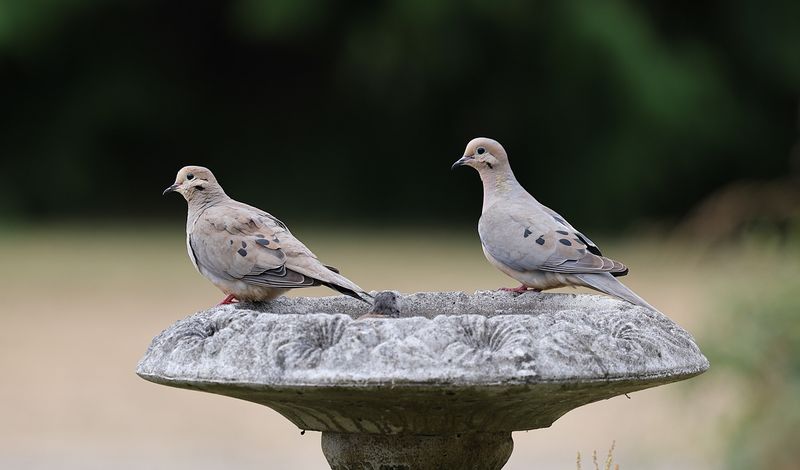
Making your yard more dove-friendly does not require a major renovation. A few simple changes can turn an ordinary backyard into a place these birds genuinely prefer over your neighbors’ yards.
Start with a low platform feeder or simply scatter millet directly on the ground. Mourning doves are ground feeders, so the closer the food is to the earth, the more comfortable they feel.
Add a shallow birdbath with fresh water changed every couple of days. Clean water is a powerful attractant, especially during dry stretches when natural water sources become scarce.
Plant native grasses and wildflowers that go to seed naturally. Species like sunflowers, coneflowers, and native millet grasses provide food long after your feeder runs empty.
Reduce or eliminate pesticide use in your yard. Chemicals can harm the small insects and natural seeds that supplement a mourning dove’s diet and overall health.
Create open ground space where birds can forage freely. A small patch of bare or lightly covered soil near your feeder gives them the kind of foraging area they naturally seek out.
Consistency is the single most effective strategy you have. Refill feeders regularly, keep water fresh, and maintain a calm environment, and your yard will earn a permanent spot on the mourning dove visit circuit for seasons to come.