Spring Yard Cleanup Mistakes That Make Ohio’s Tick Season Start Earlier Than It Should
Spring cleanup in Ohio feels incredibly satisfying, and rightfully so. Fresh start, tidy beds, the whole yard looking like it has its act together for the first time in months.
But here’s something worth knowing before you grab the rake and call it done: a few very common cleanup habits can quietly make your yard a much more comfortable place for ticks before the season even gets going.
And ticks, for the record, do not need much encouragement.
Damp leaf litter, tall grass, shaded edges, brushy corners: these are not just aesthetic issues, they are exactly the kinds of conditions ticks are drawn to.
Ohio yards that border wooded areas or overgrown lawn edges tend to feel the effects earliest in spring.
A few small adjustments during cleanup can make a surprisingly meaningful difference for your family and pets all season long.
1. Leaving Leaf Litter Along Lawn Edges
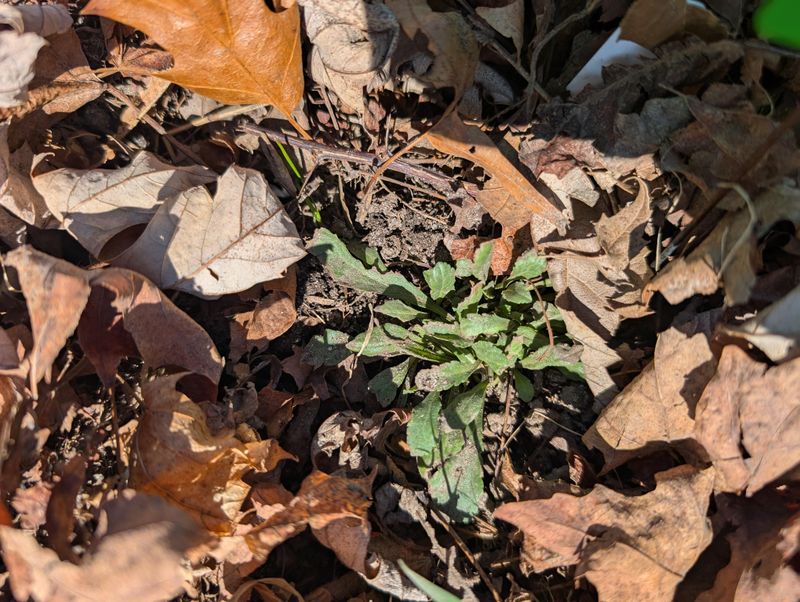
Damp leaves left along the lawn edge after winter create one of the most overlooked tick-friendly spots in an Ohio yard.
As spring temperatures begin to climb, leaf litter holds moisture and stays cooler than the surrounding lawn, giving ticks a sheltered environment that suits them well.
Many Ohio homeowners rake the open lawn first and leave the edges for later, but those border piles along fences and garden beds are exactly where tick activity tends to concentrate.
Leaf litter along lawn edges also attracts small rodents like mice, which are known to carry ticks and move along yard perimeters. Clearing these edges early in spring, before you start spending time outdoors, can help reduce how close ticks get to high-use areas.
Focus on spots where the lawn meets a fence line, a shrub row, a garden bed, or a wooded edge.
Raking and bagging leaf debris from these transition zones does not have to mean stripping every inch of your yard bare. A few inches of dry mulch in garden beds is fine.
The goal is to remove the thick, wet, matted leaf piles that stay damp and shaded for weeks at a stretch.
2. Letting Tall Grass Stay Near The House

Few yard habits invite tick encounters as quietly as letting grass grow tall right next to the house. Grass that stays unmowed near the foundation, along walkways, or beside the garage creates a sheltered corridor where ticks can rest and wait for a passing host.
In Ohio, spring lawn growth can get ahead of homeowners quickly, especially after a wet April.
Tall grass traps humidity at ground level and stays shaded longer than short, open turf. That combination of moisture and shade is appealing to ticks looking for a spot to survive warm afternoons.
Keeping grass trimmed to a reasonable height, especially within the first ten feet of the house, walkways, and outdoor seating areas, is one of the more practical steps Ohio homeowners can take.
The transition zone between the mowed lawn and any unmowed or brushy area is where tick encounters happen most often.
If you have a strip of tall grass running along a fence, beside a shed, or behind a raised garden bed, that strip deserves attention early in the season.
Your Ohio Garden Changes Every Week. Your Plan Should Too.
Gardening in Ohio changes quickly throughout the season. Every Friday you’ll receive a simple weekly plan showing exactly what to plant, prune, fertilize, harvest, and protect so you never miss the right timing.
Mowing it down and keeping it short through spring and summer reduces the habitat ticks rely on close to your home.
3. Keeping Brush Piles In Shady Corners
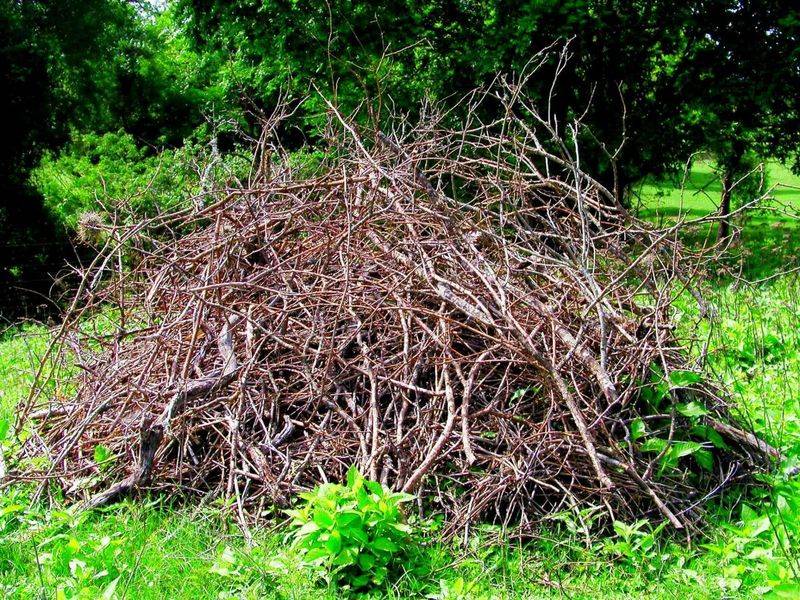
Brush piles feel like a sensible way to hold yard debris until yard waste pickup day, but leaving them in shaded corners through the early spring months is like building a small tick resort.
Sticks, branches, and old leaves stacked together stay moist underneath, and that damp interior stays cooler than the rest of the yard.
Ticks are drawn to exactly that kind of microhabitat.
Ohio yards with trees or privacy fences often have a corner or two that gets little direct sun.
Those spots stay damp longer after rain, and brush piles left there through March and April can become surprisingly active tick zones by the time your family starts using the yard again.
The issue is not the brush pile itself so much as its location and how long it sits.
Moving debris to a sunnier, drier spot or breaking it down more quickly can help. If you are holding branches for compost or garden use, keeping the pile away from high-traffic areas like play spaces, patios, and garden paths makes a real difference.
Processing brush piles promptly and choosing open, dry locations for temporary debris storage are both reasonable steps for Ohio homeowners managing spring yard cleanup.
4. Skipping Cleanup Around Shrub Borders

Shrub borders are among the most neglected spots during spring yard cleanup, and they tend to collect a season’s worth of leaf debris, fallen stems, and clumped organic matter at their base.
That buildup stays damp and shaded beneath the shrub canopy, creating conditions that are well suited to ticks waiting for activity nearby.
Ohio yards with dense foundation plantings or mixed shrub borders are especially prone to this issue.
The base of shrubs like arborvitae, yews, or ornamental grasses can hide a surprising amount of accumulated debris that never fully dries out.
Ticks do not need a large area to find a suitable spot, and the narrow strip between a shrub row and the lawn is one of the first places they may appear in spring.
Pulling out old debris, trimming damaged lower branches, and improving airflow at the base of shrubs can help those areas dry faster after rain.
The goal is not to reshape every shrub bed from scratch. Removing the matted leaf layer and any clumped, wet organic material from the soil surface beneath the shrubs is usually enough.
Doing this before outdoor activity picks up in April or May gives Ohio homeowners a head start on keeping those border zones less hospitable to ticks.
5. Leaving Yard Clutter Near Garden Beds

Garden beds attract a lot of attention during spring cleanup, but the clutter that tends to accumulate nearby often goes unnoticed.
Old pots, overturned trays, coiled hoses, forgotten bags of mulch, and stacked edging materials all create small pockets of shade and moisture near the ground.
Those spots may not look like much, but ticks can use them as resting points close to areas where people regularly bend down and work.
In Ohio, the stretch of yard between a garden bed and the lawn is often a busy transition zone in spring. Gardeners move back and forth, kneel near beds, and brush against low plantings without thinking much about tick exposure.
Keeping that area clear of clutter and debris reduces the number of shaded, damp hiding spots available to ticks in a high-contact area.
Storing garden supplies in a shed or garage rather than leaving them near beds through the spring season is a straightforward habit that pays off.
It also makes the garden area easier to maintain and reduces the chance of pests and moisture problems around the beds themselves.
For Ohio gardeners who spend a lot of time near raised beds and perennial plantings, clearing nearby clutter is a small step with a meaningful payoff.
6. Storing Firewood In Damp Shaded Spots

Firewood storage might not be the first thing that comes to mind during spring yard cleanup, but where and how wood is stacked matters more than most Ohio homeowners realize.
Wood stored directly on the ground in a shaded, damp location stays moist underneath and can attract small rodents that carry ticks.
The combination of a sheltered wood pile, nearby moisture, and rodent activity creates a tick-friendly setup close to the house.
Spring is a good time to reassess where your firewood is stored, especially if the pile sat through winter in a low-drainage area or under tree cover.
Moving the stack to a sunnier, drier location and getting it off the ground with a simple rack or pallets helps reduce moisture at the base.
Keeping the area around the pile clear of leaves and debris also makes it less attractive as a small animal shelter.
Ohio homeowners who stack firewood close to the back door or near a patio for convenience may want to keep just a small amount nearby and store the main supply farther from high-use areas.
This is not about eliminating firewood storage, just about being thoughtful with placement.
A dry, elevated, open-air stack in a sunny part of the yard is a much better setup than a damp pile tucked into a shaded corner.
7. Placing Play Areas Too Close To Brush

Where a swing set or sandbox sits in the yard has a bigger impact on tick exposure than most parents consider during spring setup.
Play equipment placed near shrub borders, overgrown corners, or brushy edges puts children in close contact with the areas where ticks are most likely to be active.
Ohio yards with established play areas near naturalized plantings or wooded edges may be worth a second look before the outdoor season gets going.
Children tend to run through yard borders, reach into shrubs, and roll in leaf piles, which raises their chance of picking up a tick compared to adults who mostly stay on the lawn.
Positioning play structures in the center of a well-maintained, open lawn area, away from tall grass, dense plantings, and brush, is one of the more practical tick-exposure reduction steps for Ohio families with young children.
If moving equipment is not realistic, clearing the ground around it thoroughly each spring, removing leaf litter, trimming back nearby shrubs, and keeping the grass short in a wide radius around the play area can help.
Adding a layer of dry wood chip mulch beneath and around the play set also creates a surface that is less hospitable to ticks than bare soil or matted grass.
Small adjustments in placement and maintenance can make a real difference.
8. Forgetting A Dry Barrier Near Wooded Edges
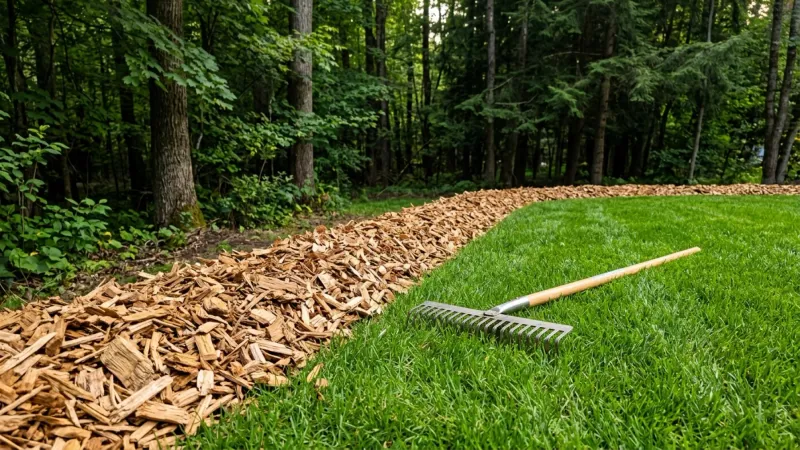
Yards that back up to woods, overgrown fields, or naturalized areas in Ohio have a natural tick migration pathway right at the edge of the lawn.
Ticks can move from wooded or brushy areas into maintained yard spaces, and that transition zone is where the most tick encounters tend to happen.
Skipping any kind of physical or visual barrier at that edge during spring cleanup leaves the pathway wide open.
A dry barrier, typically a strip of wood chip mulch or gravel about three feet wide, placed along the edge where the lawn meets the wooded area can discourage tick movement into the yard.
Ticks prefer moist, shaded environments and tend to avoid crossing dry, open surfaces.
Even a modest barrier can create enough of a boundary to reduce how far ticks travel into high-use lawn areas during the spring and summer months.
This step is easy to overlook because it requires a bit more work than standard cleanup, but it is worth adding to the spring to-do list for Ohio homeowners with wooded or brushy property edges. The barrier does not need to be elaborate.
A simple mulched strip that is maintained and kept dry through the season is enough to create a meaningful transition between the wooded edge and the places where your family spends time outdoors.
9. Letting Patios And Paths Border Leafy Growth

Patios and garden paths feel like safe, open spaces, but when leaf debris and low-growing plants creep right up to the edge of the pavers or stones, they bring tick habitat closer than most people expect.
Ohio homeowners who spend time sitting on a patio or walking a garden path may brush against leafy edges or step through ground-level growth without realizing how close they are to areas where ticks can be active in spring.
Keeping a clean edge between hardscape surfaces and garden plantings is a practical step that makes a real difference.
Pulling back ground covers, clearing leaf buildup from the gaps between pavers, and trimming plants that overhang path edges all help keep the transition zone dry and open.
Ticks tend to stay in areas with ground-level moisture and shade, so a clean, dry edge around a patio or path is less appealing to them than a leafy, overgrown one.
Spring is the ideal time to address these edges before outdoor entertaining season begins.
A few hours spent clearing debris from patio borders, sweeping out leaf material from between pavers, and trimming back any plants that crowd the path goes a long way.
It can noticeably reduce tick-friendly conditions around the spaces where Ohio families spend the most time relaxing and moving through the yard.