Georgia Gardeners Are Moving Away From Plastic Edging And Using These Natural Borders Instead
Trends in gardening come and go, but some changes are easy to spot once they start appearing in more yards.
Features that once seemed like the obvious choice slowly begin disappearing, replaced by options that feel more natural and fit better into the landscape.
That is happening with garden edging. Plastic borders were once a common sight around flower beds and walkways.
They offered a quick way to create neat lines, but many homeowners have grown less enthusiastic about the look over time. Weather, shifting soil, and simple wear can make them less appealing than they once seemed.
As a result, more gardeners are exploring alternatives that blend into the landscape rather than stand out from it. In Georgia, natural borders are becoming a popular choice.
They bring texture, character, and a softer appearance that many homeowners now prefer around their planting beds.
1. Ajuga Fills Bed Edges With Dense Low-Growing Foliage
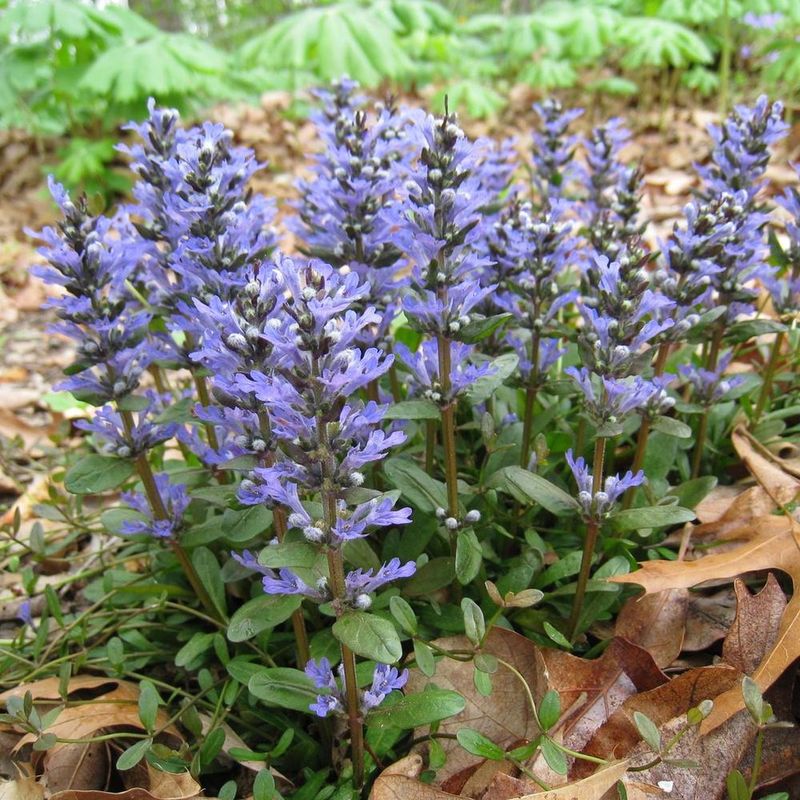
Ajuga is one of those plants that surprises people. It looks delicate, but it handles shade, clay soil, and summer heat without much complaint.
Planted along a bed edge, Ajuga spreads by runners and fills gaps quickly. You get a tight, weed-suppressing mat that keeps the lawn from creeping into your beds.
It works especially well under trees where grass refuses to grow. The foliage stays low, usually under six inches, so it never blocks views or overwhelms neighboring plants.
Spring brings upright purple flower spikes that add a nice pop of color before summer heat settles in.
After blooming, the foliage keeps doing its job all season long.
Varieties like ‘Chocolate Chip’ have narrow, dark leaves that contrast beautifully against lighter mulch. ‘Burgundy Glow’ adds a splash of pink and cream to the mix.
Watering needs drop significantly once Ajuga is established. In well-draining soil with part shade, it practically manages itself.
Ajuga spreads steadily over time, which is part of what makes it so effective as a living border. Giving it a quick trim along the edges now and then helps maintain a clean, defined look.
Its low-growing habit also creates a smooth transition between planting beds and nearby pathways.
2. Society Garlic Brings Color And Structure To Garden Borders
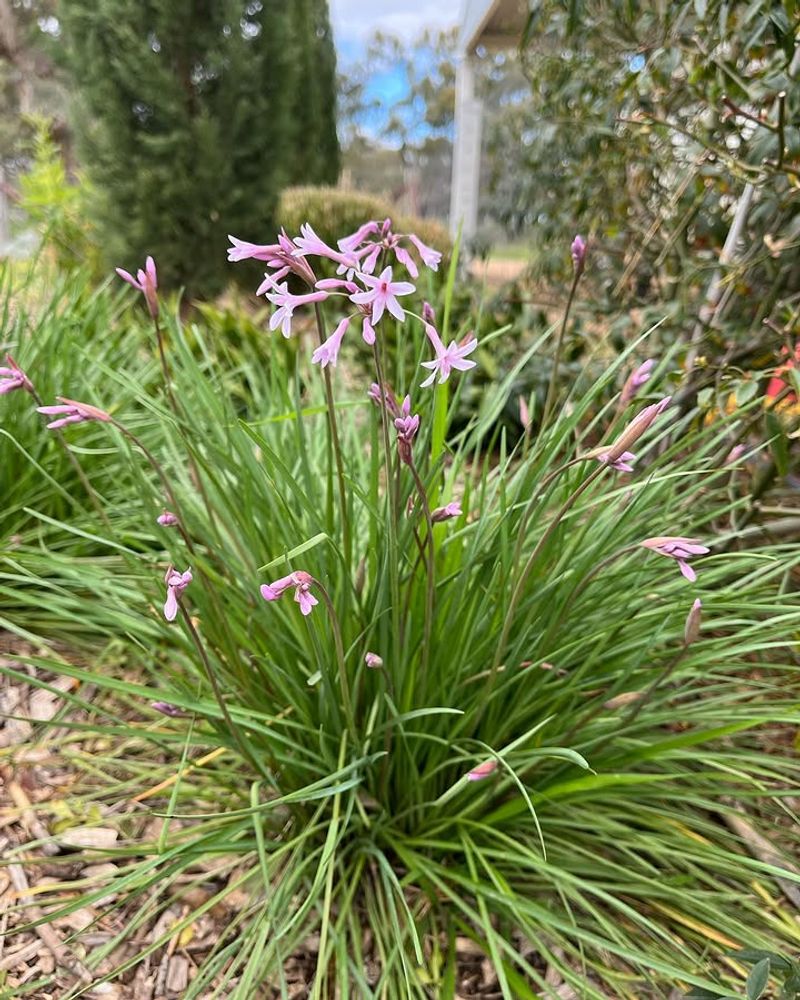
Few border plants bloom as reliably through summer heat as Society Garlic. It pushes out clusters of soft lavender-purple flowers from late spring well into fall.
The upright strap-like leaves stay green and structured even when temperatures climb past 95 degrees. That kind of heat tolerance is genuinely useful in the South.
Society Garlic grows to about two feet tall, making it a mid-height border option rather than a ground-hugging edger. It works best as a defined row along the front of a bed.
Crush a leaf and you get a faint garlic scent. It is not overwhelming outdoors, but some gardeners find it helps deter deer from browsing nearby plants.
It prefers full sun and well-draining soil. Once established, it handles dry spells reasonably well, though consistent moisture during the first season helps it settle in faster.
Your Georgia Garden Changes Every Week. Your Plan Should Too.
Gardening in Georgia changes quickly throughout the season. Every Friday you’ll receive a simple weekly plan showing exactly what to plant, prune, fertilize, harvest, and protect so you never miss the right timing.
Dividing clumps every two to three years keeps plants vigorous and prevents overcrowding. It is a simple task that pays off in better flowering and neater growth.
Variegated forms with cream-edged leaves add extra interest even when the plant is not in bloom.
That foliage alone justifies a spot along a sunny border.
Society Garlic is a low-drama plant that consistently delivers. For a structured, colorful border that holds up through a long Southern summer, it is hard to beat.
3. Dwarf Yaupon Holly Adds Year-Round Shape Around Planting Areas
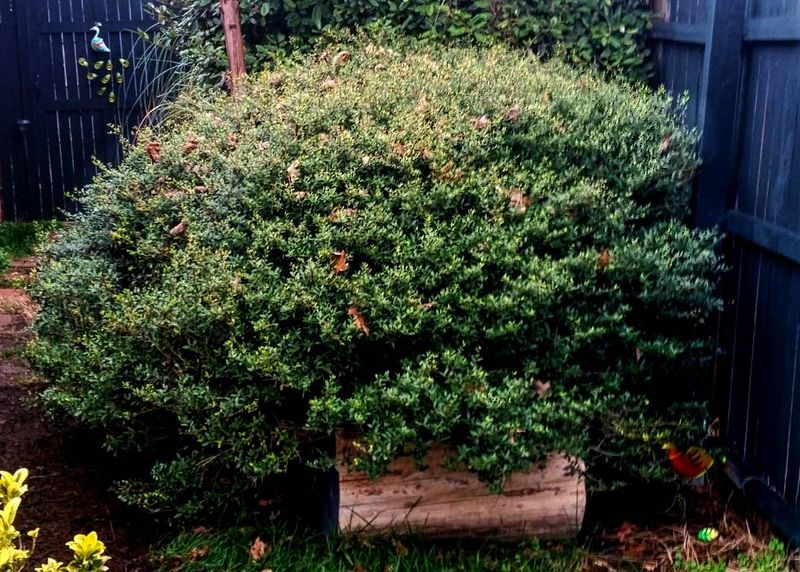
Plastic edging loses its shape over time. Dwarf Yaupon Holly never does.
This compact native shrub holds a tidy, rounded form with almost no effort. It does not need constant trimming to look intentional, which is a real advantage in busy yards.
Dwarf Yaupon is one of the toughest plants available for Southern landscapes. It tolerates drought, poor soil, salt spray, and high humidity without skipping a beat.
Planted in a row along a bed edge, it creates a low living wall that separates lawn from planting areas cleanly. Growth typically stays between two and three feet tall and wide.
Because it is evergreen, you get structure and definition twelve months a year.
Winter is when a lot of garden borders lose their shape, but Yaupon holds the line.
It grows in full sun or part shade, which makes it flexible for different spots around the yard. Few border plants offer that kind of adaptability.
Birds appreciate the small red berries that appear on female plants in fall and winter. That wildlife value is something plastic edging simply cannot offer.
Dwarf Yaupon is also native to the Southeast, so it supports local ecosystems in ways that non-native options do not. Choosing native plants matters more than most people realize.
If you want a border that looks sharp year-round without a lot of fuss, this shrub is a dependable choice.
4. Dwarf Abelia Fits Neatly Along Bed Edges Without Overgrowing
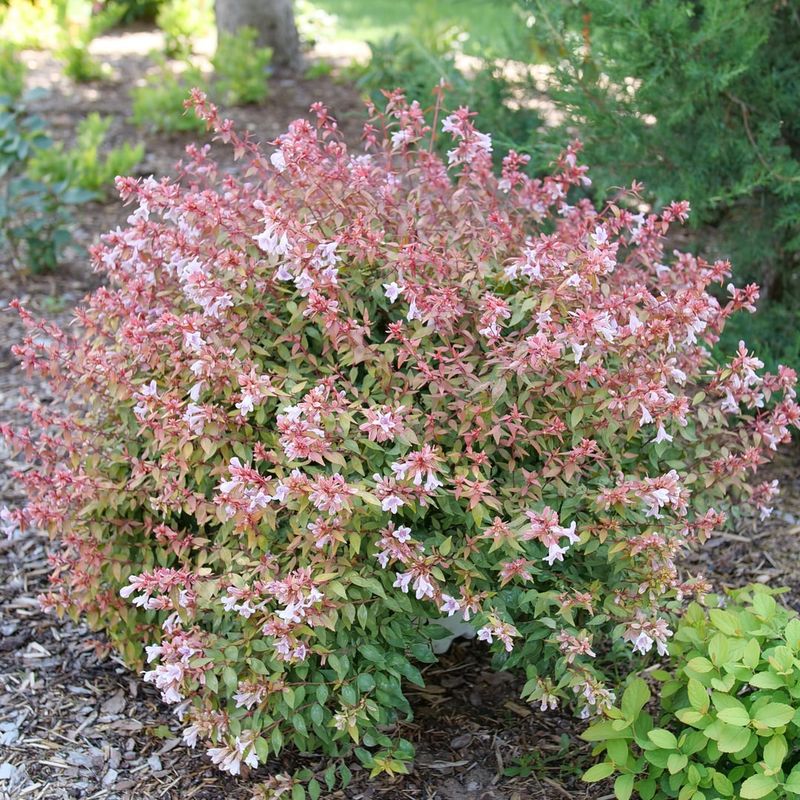
Abelia has been in Southern gardens for decades, but the dwarf forms are where things get really useful for bed edging. They stay compact without much pruning.
Varieties like ‘Rose Creek’ and ‘Little Richard’ top out around two to three feet.
They fit neatly along bed edges without crowding walkways or overwhelming smaller perennials nearby.
The foliage is semi-evergreen in most parts of the South. Leaves may drop in a hard freeze, but plants recover quickly and push fresh growth as temperatures warm back up.
Small tubular flowers appear from late spring through fall. They attract hummingbirds and pollinators consistently, which makes Abelia useful beyond just its visual role as a border plant.
Full sun brings the best flowering, but Dwarf Abelia tolerates part shade reasonably well. That flexibility makes it easier to place throughout different areas of the yard.
Soil drainage matters more than soil type with this plant. It adapts to clay or sandy ground as long as water does not pool around the roots after heavy rain.
Light shearing after the first big flush of blooms keeps plants tidy and encourages another round of flowering.
This is optional, not required, so it fits a low-maintenance approach.
For gardeners who want a border plant that looks intentional, blooms for months, and does not demand constant attention, Dwarf Abelia is a genuinely smart pick for Southern beds.
5. Liriope Holds A Defined Edge Through Heat And Humidity
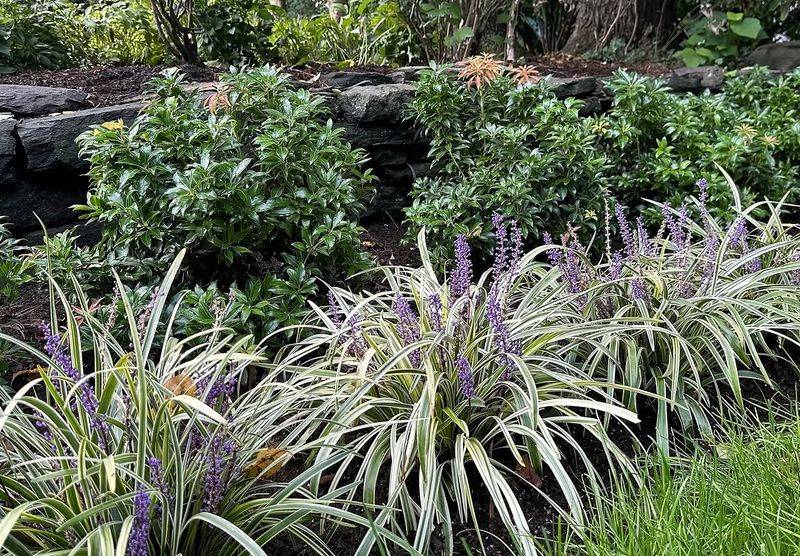
Ask any experienced Southern gardener what they plant along a bed edge, and Liriope comes up almost every time. It has earned that reputation honestly.
Heat, humidity, drought, shade, and poor soil are all conditions that Liriope handles without complaint. Very few border plants cover that range of challenges as reliably.
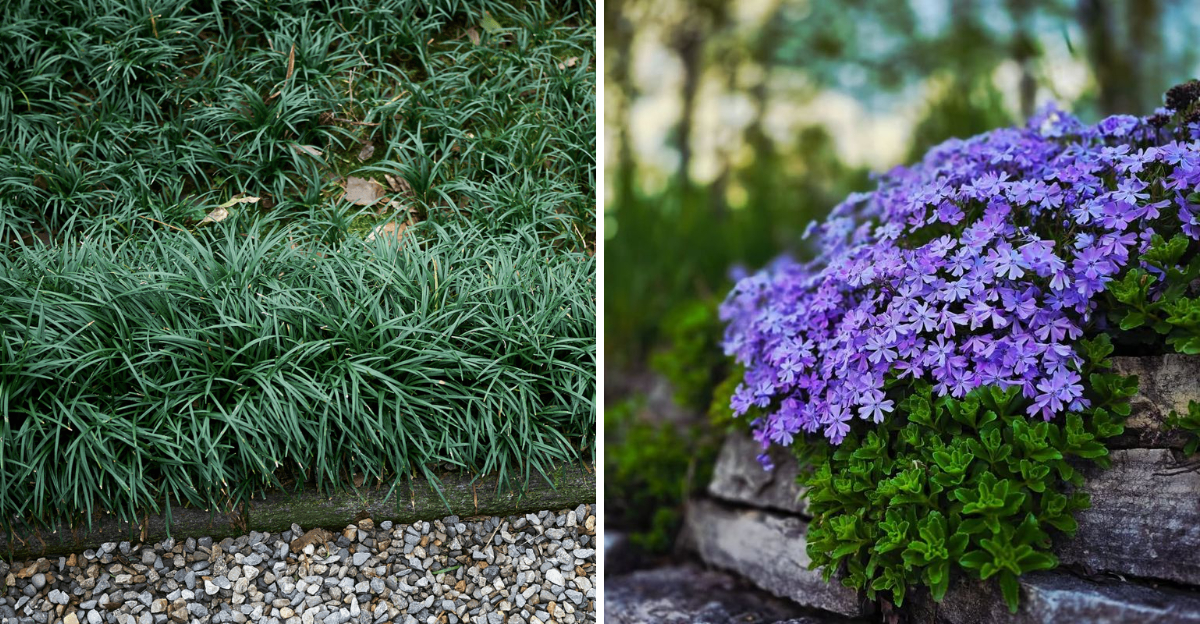
It forms tidy clumps of dark green, arching foliage that stay between one and two feet tall.
Along a bed edge, it creates a clean visual boundary that holds through every season.
Late summer brings purple or white flower spikes that rise above the foliage.
They add a nice moment of interest during a time when many garden plants are looking tired.
Variegated varieties like ‘Silvery Sunproof’ add cream-edged leaves that brighten shaded spots. Plain green forms work better in sunny areas where bold contrast is less needed.
Cutting Liriope back to about three inches in late winter refreshes the foliage before new growth emerges. Left uncut, old leaves can make plantings look ragged by midsummer.
Clumps expand slowly over time. Dividing every three to four years keeps plants vigorous and gives you free divisions to extend the border without spending money.
Liriope is not glamorous. It does not stop people in their tracks the way a blooming Phlox might.
But for consistent, reliable, year-round structure along a garden edge, it is one of the most dependable plants available in the South.
6. Creeping Phlox Spreads Across Borders With Seasonal Blooms
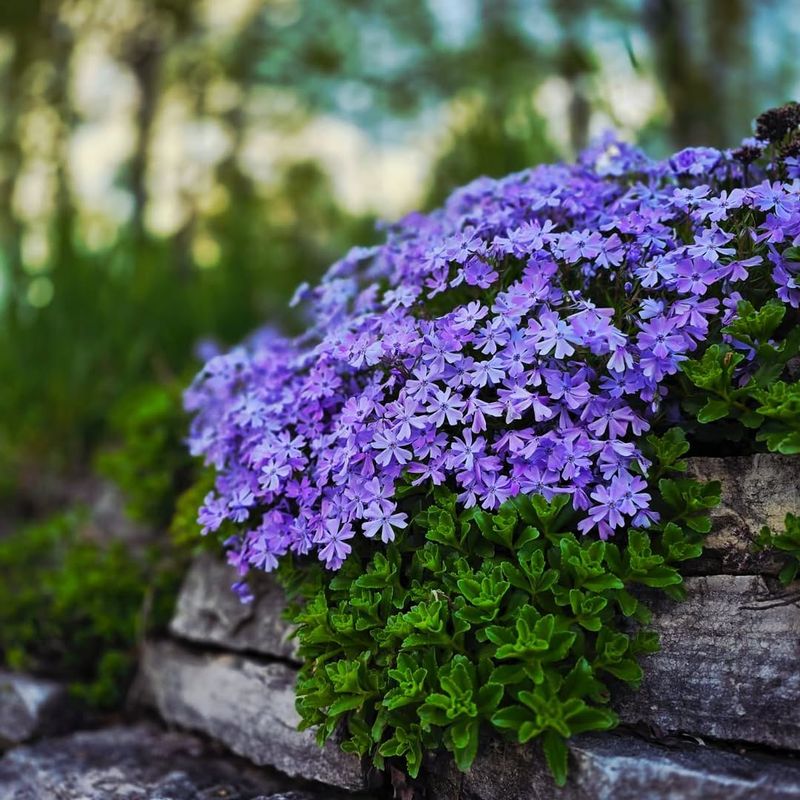
Every spring, Creeping Phlox turns a plain garden edge into something worth stopping to look at. The bloom display is genuinely impressive for such a small plant.
Flowers come in shades of pink, purple, white, and lavender.
They cover the foliage so completely that the plant almost disappears under its own blooms for several weeks.
After flowering, the evergreen needle-like foliage stays low and dense. It continues to suppress weeds and hold the edge through summer, fall, and winter without fading out.
Creeping Phlox works especially well on slopes, along retaining walls, or cascading over raised bed edges. It softens hard lines in a way that plastic edging never could.
Full sun and excellent drainage are non-negotiable for this plant.
In poorly drained spots or heavy shade, it can develop fungal issues that reduce its vigor over time.
Once established, it handles dry periods with minimal intervention. In sandy or well-amended soil with good sun exposure, it is a remarkably self-sufficient border plant.
Shearing lightly after bloom encourages denser growth and keeps the mat from getting woody in the center. This takes about ten minutes per plant and pays off noticeably.
Spacing plants twelve to eighteen inches apart gives them room to spread naturally. Within two to three seasons, gaps fill in and the border looks intentional and full.
Few plants deliver this kind of seasonal impact at such a low cost of upkeep.
7. Dwarf Loropetalum Brings Colorful Foliage To Garden Borders
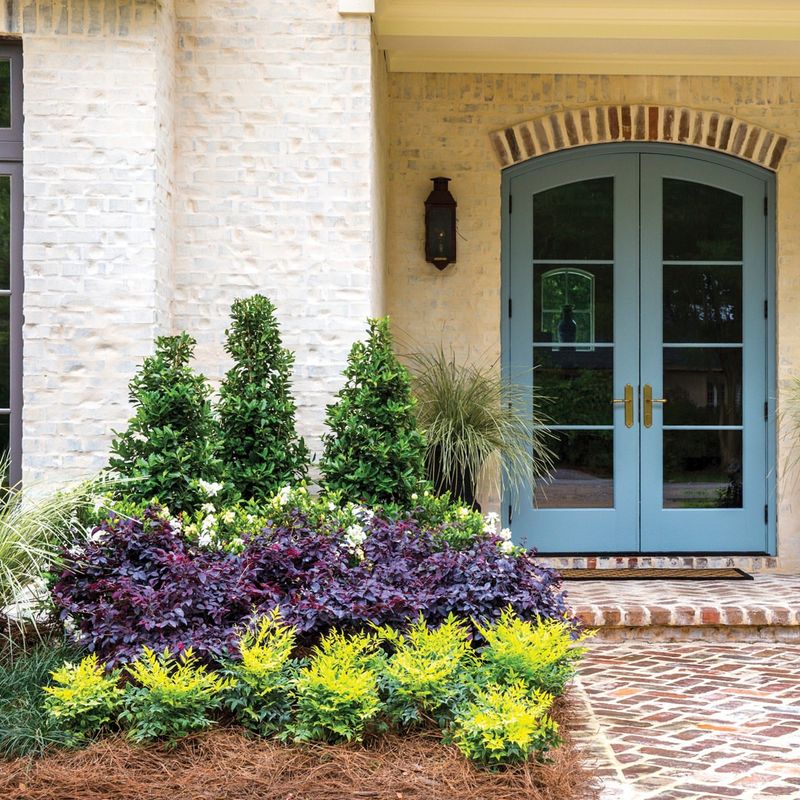
Bold foliage color is something most border plants cannot offer year-round. Dwarf Loropetalum delivers burgundy-purple leaves in every season, not just when it blooms.
Spring brings a flush of hot pink, fringe-like flowers that contrast sharply against the dark foliage. It is one of the more visually striking combinations you can find in a compact shrub.
Dwarf varieties like ‘Purple Pixie’ and ‘Jazz Hands Mini’ stay under three feet tall and wide. They fit along bed edges without overwhelming the space or requiring constant trimming.
Full sun produces the richest foliage color. In shadier spots, the leaves shift toward a more muted green-purple, which is still attractive but less dramatic than a sun-grown plant.
Well-draining, slightly acidic soil is where Loropetalum performs best.
Georgia’s native soil is often naturally acidic, which gives local gardeners a head start with this plant.
Established plants handle summer heat well. During the first season, consistent moisture helps roots settle in, but overwatering in heavy clay can cause stress, so drainage matters.
Pruning is rarely necessary beyond removing any wayward branches. The natural mounded form stays tidy on its own, which simplifies maintenance considerably.
Few shrubs at this size offer as much visual punch as Dwarf Loropetalum.
Color, texture, seasonal flowers, and compact growth combine into a border plant that looks intentional and designed.
8. Mondo Grass Creates Clean Edges Along Beds And Walkways
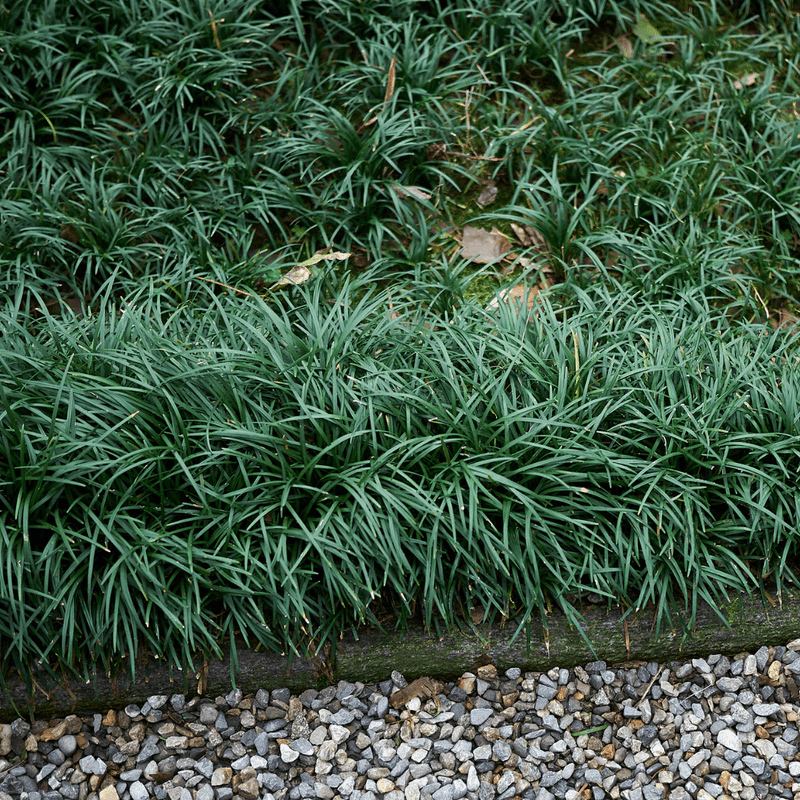
Mondo grass is the quiet overachiever of Southern gardens. It does not bloom dramatically or spread wildly, but it creates some of the cleanest, most reliable edges you will find.
Plant it along a walkway or bed edge and it forms a tidy ribbon of dark green that holds its shape season after season. No staking, no cutting back, no drama.
Black Mondo grass is especially striking. The near-black foliage creates sharp contrast against light-colored mulch, gravel paths, or pale concrete.
It grows slowly, which can feel frustrating at first.
Spacing plants six to eight inches apart speeds up coverage, and within two seasons you have a solid, defined edge.
Shade is where Mondo grass truly shines. Under trees, along shaded pathways, or beside north-facing walls, it stays lush where other plants struggle.
Drought tolerance improves significantly after the first year.
During establishment, regular watering helps, but mature clumps handle dry spells without visible stress.
Mondo grass rarely needs dividing or trimming. Once it is where you want it, it stays there without constant management.
That reliability is exactly what makes it worth planting.
Slugs can be a minor issue in very wet conditions, but this is not a common problem in well-maintained beds with good drainage.
For a low-maintenance, long-lasting border with a polished look, Mondo grass remains a Southern garden staple.