Why Georgia Squash Plants Are Facing Vine Borers Earlier Than Gardeners Expect
The squash plants looked perfect on Monday.
By Wednesday, something was wrong. By Friday, the whole vine had collapsed, and no amount of water was going to fix it.
Georgia gardeners who grow squash know this sequence too well. The frustrating part is that by the time the collapse happens, the problem has usually been building for weeks inside the stem, hidden from view.
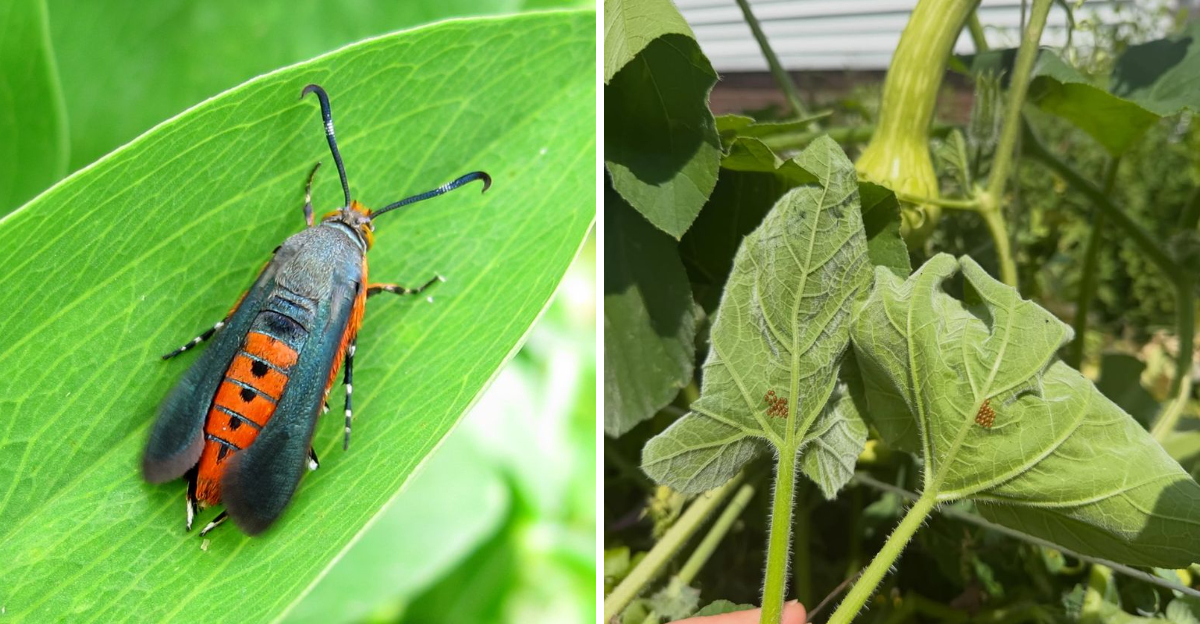
Squash vine borers do not announce themselves. The adult moth looks enough like a wasp that many gardeners pass right by it. The eggs are smaller than a sesame seed and pressed flat against the stem.
Georgia’s warm spring speeds up this cycle faster than many national pest guides suggest. The timeline that works in Ohio or Pennsylvania does not always fit here.
That is why you need to understand the hidden timing before the first vine folds.
1. Georgia Warmth Starts The Season Fast
Warm weather is Georgia’s most celebrated gardening advantage, and it is also the reason squash vine borers show up earlier here than national pest guides suggest they should.
Borers do not operate on a calendar. They follow soil temperature and air temperature, and Georgia delivers both ahead of schedule every single spring.
By late April, and sometimes as early as mid-April across parts of the state, conditions are already favorable for borer activity to begin.
A gardener planning their response based on a general guide written for northern states may be working from a timeline that puts them two to four weeks behind where Georgia’s actual pest pressure begins.
The combination of mild winters and hot sunny springs creates a runway that accelerates emergence.
A garden that looks completely healthy on a warm April morning can already have eggs present near stem bases before most gardeners have started their first scouting pass of the season.
The practical adjustment is simple but requires a shift in timing. Scouting for vine borer activity needs to start earlier in Georgia than intuition suggests. Local weather patterns, not national averages, are the relevant reference point.
Keeping a personal record of when adult moth activity first appears each spring builds a reference that improves every subsequent season.
The first spring you track this, the information is useful. By the third spring, it starts to feel like a genuinely unfair advantage over the borers.
2. Overwintered Cocoons Wait In Old Squash Beds
Last year’s squash bed looks like bare soil right now. It is not only bare soil.
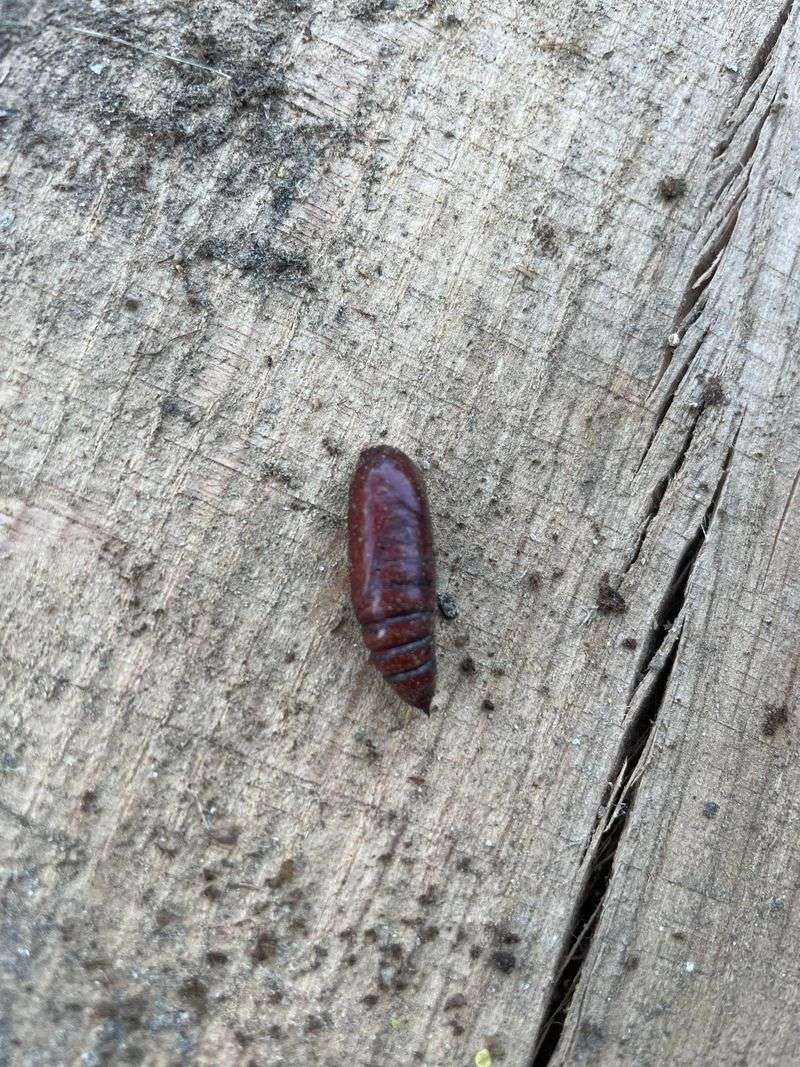
Squash vine borers spend winter inside silky cocoons buried one to two inches underground in the same beds where the previous season’s plants grew.
They are dormant, patient, and timed to emerge exactly when spring warmth signals that a new growing season is beginning above them.
This overwintering habit is one of the primary reasons Georgia gardeners get caught off guard.
The gardener who grew squash in a particular bed last summer and returns fresh transplants to the same location in spring is essentially delivering a new crop directly on top of a waiting pest population.
Your Georgia Garden Changes Every Week. Your Plan Should Too.
Gardening in Georgia changes quickly throughout the season. Every Friday you’ll receive a simple weekly plan showing exactly what to plant, prune, fertilize, harvest, and protect so you never miss the right timing.
Crop rotation is the most accessible response to this situation. Moving squash plantings to a different area of the garden each year puts physical distance between overwintering cocoons and new plants.
The cocoons do not follow. They emerge where they overwintered, find no suitable host nearby, and the population in that location does not successfully reproduce.
Turning over the soil in old squash beds before spring planting exposes cocoons to birds and weather rather than leaving them undisturbed in their preferred protective environment.
Neither step eliminates vine borer pressure entirely. Both reduce the starting population that new plants face each season, and that reduction matters more as the season progresses and pressure builds from multiple directions.
3. Adult Moths Appear Before Damage Shows
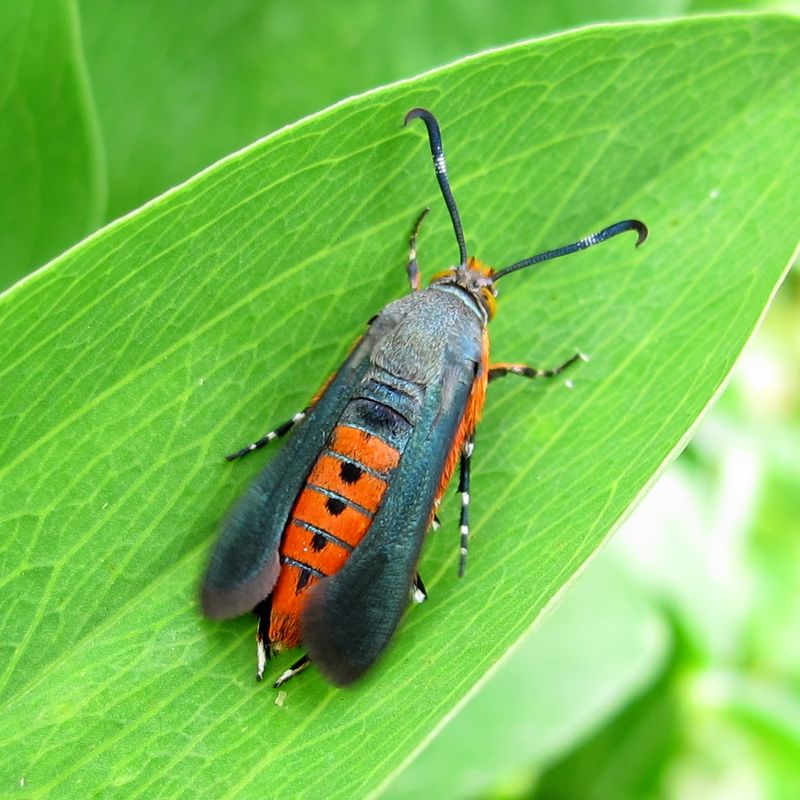
The adult squash vine borer moth does not look like a pest. It looks like a wasp, with bright red and black markings and a darting flight pattern that reads as harmless to most gardeners walking through the garden.
That resemblance to something non-threatening is one of the main reasons the pest moves through the egg-laying phase completely undetected.
Adults begin flying and laying eggs before any visible damage appears on plants.
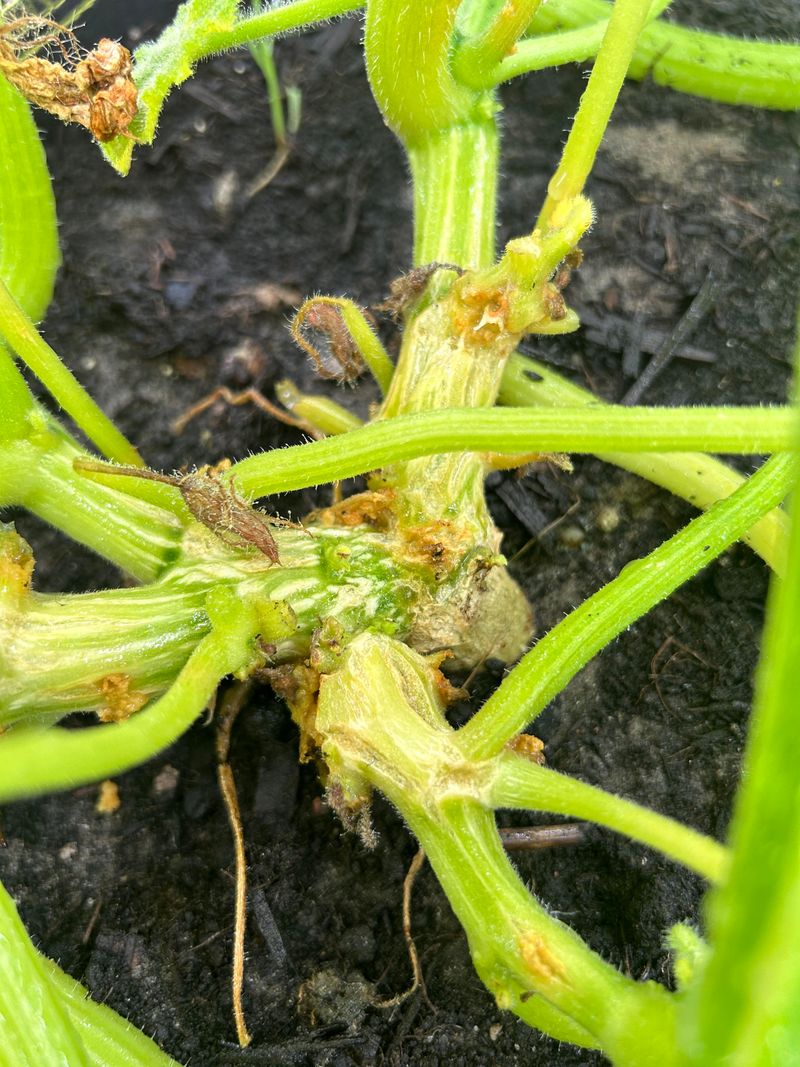
By the time a stem starts to wilt or sawdust-like frass appears near the base, the eggs have already hatched and larvae are already tunneling through interior stem tissue.
The gap between adult activity and visible damage is short, sometimes as little than a week or two.
Watching for adult moth activity provides the earliest practical warning available in the garden. Yellow sticky traps placed near squash plants catch and help identify adults during peak flight periods.
Row cover fabric applied over plants physically blocks moths from reaching stems for egg laying, with the cover removed only when flowers need pollinator access.
Spotting one adult moth hovering near squash stems is the signal to immediately check every stem base for eggs. That single observation, acted on quickly, represents the best intervention window in the entire pest cycle.
The moth is trying to be invisible. Yellow sticky traps make that considerably harder to pull off.
4. Eggs Land Near Tender Stem Bases
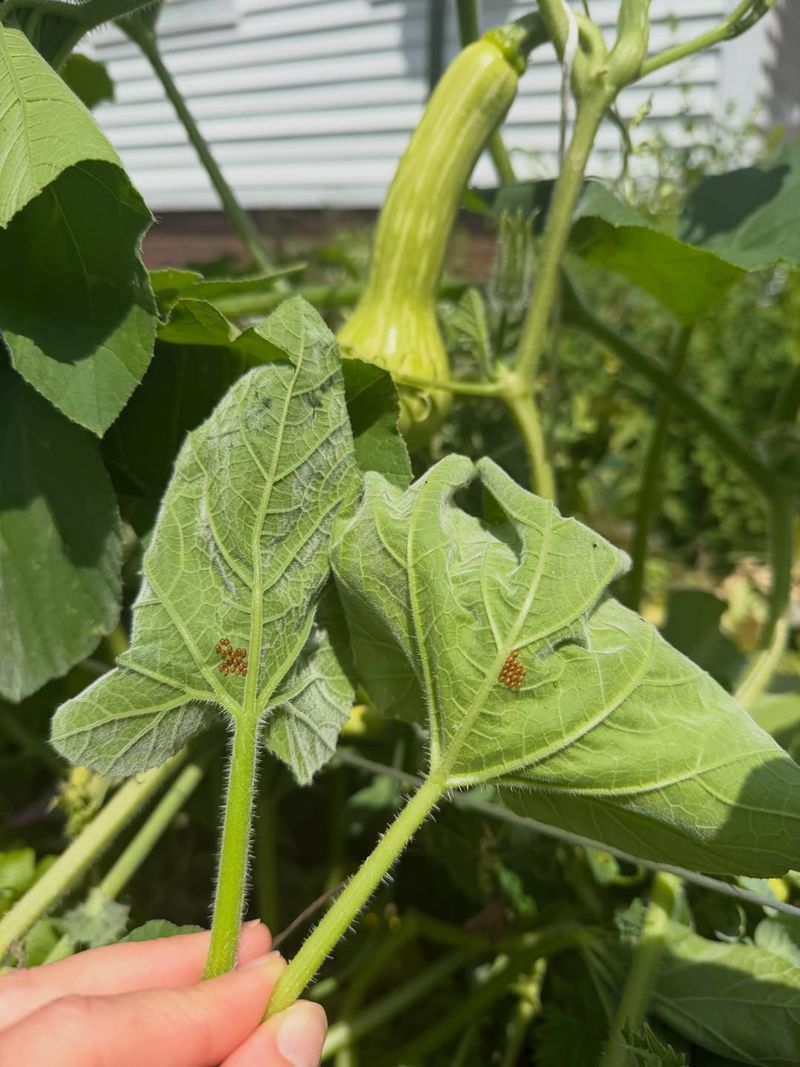
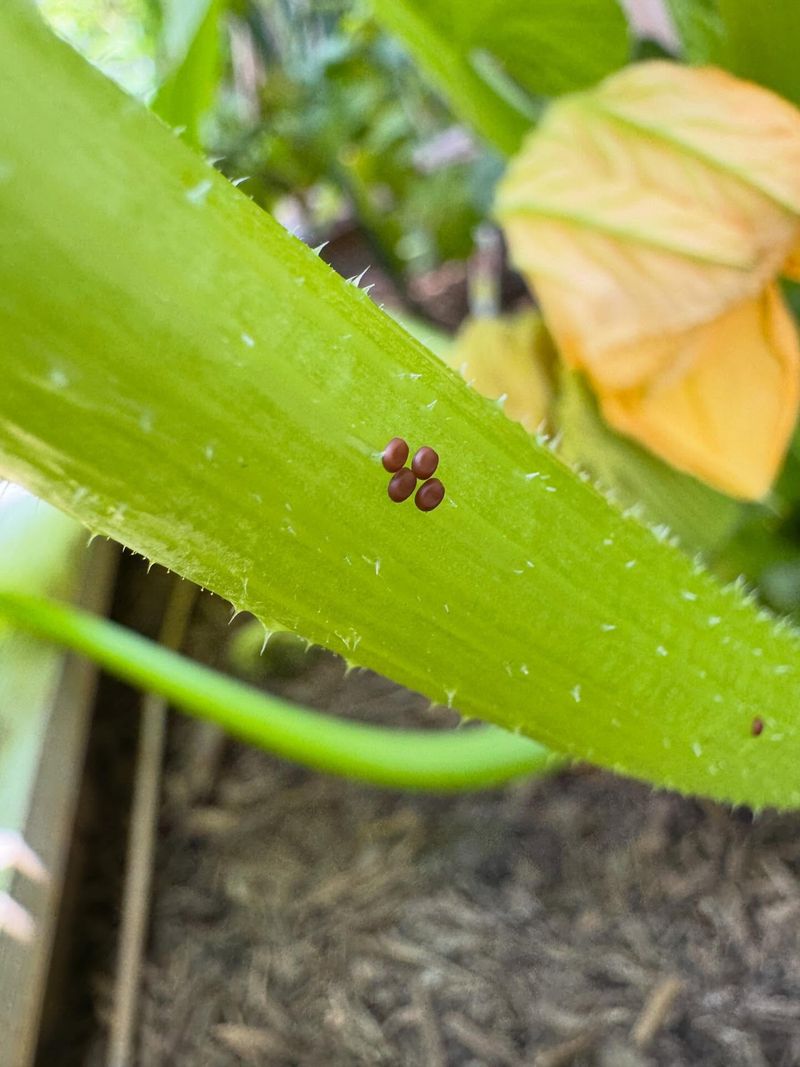
Squash vine borer eggs are flat, reddish-brown, and approximately the size of a sesame seed.
Female moths press them individually against the base of squash stems, right at or just above soil level, where they sit flush against the stem surface in a spot that requires deliberate inspection to find.
Once an egg hatches, the larva burrows immediately into the stem. There is no period of surface activity where it could be spotted and removed.
It goes directly inside and begins feeding on the vascular tissue that moves water and nutrients through the plant.
That internal feeding is why the first symptom many gardeners notice is sudden wilting despite moist soil and no obvious external damage.
Checking stem bases every few days during the adult flight period is one of the most effective habits in the Georgia squash garden.
A hand lens or magnifying glass makes the inspection considerably easier and faster. Eggs found before hatching can be removed carefully with a piece of tape or a damp cloth.
Wrapping the lower stem loosely with aluminum foil creates a surface that is harder for moths to attach eggs to, and it costs almost nothing to apply to young transplants at the start of the season.
Finding eggs before they hatch is the cleanest intervention available in the whole vine borer management process. Everything that comes after hatching involves working around a problem that is already inside the plant.
5. Young Squash Growth Lines Up With Pest Timing
Planting schedules and pest schedules do not coordinate with each other, but in Georgia they have a genuinely frustrating tendency to align.
Gardeners who set squash transplants in the ground in April or early May are placing tender, thin-stemmed young plants into the garden during the same window when adult vine borer moths are actively flying and searching for egg-laying sites.
Young squash plants are the most vulnerable targets available to a searching moth. The stems are soft, thin-walled, and easy for newly hatched larvae to penetrate.
An older plant with a thicker, more developed stem can sometimes sustain partial borer damage without complete collapse because there is more tissue to compensate for the loss.
A young transplant with a pencil-thin stem has almost no margin once a larva establishes itself inside.
Two planting strategies address this timing problem in different ways. Planting very early, before adult moth activity begins, allows plants to develop some stem thickness before the highest-risk period arrives.
A second succession planting in midsummer, after the first borer generation has passed, avoids peak pressure by working around the pest calendar rather than into it.
Keeping a simple garden journal that records when adult moths first appear each spring builds a personal reference that improves planting decisions over multiple seasons.
The first year the information is useful. By the fourth year it starts to feel like an unfair advantage, and at that point the borers are the ones who should be worried.
6. Standard Yellow Squash Draws Heavy Pressure
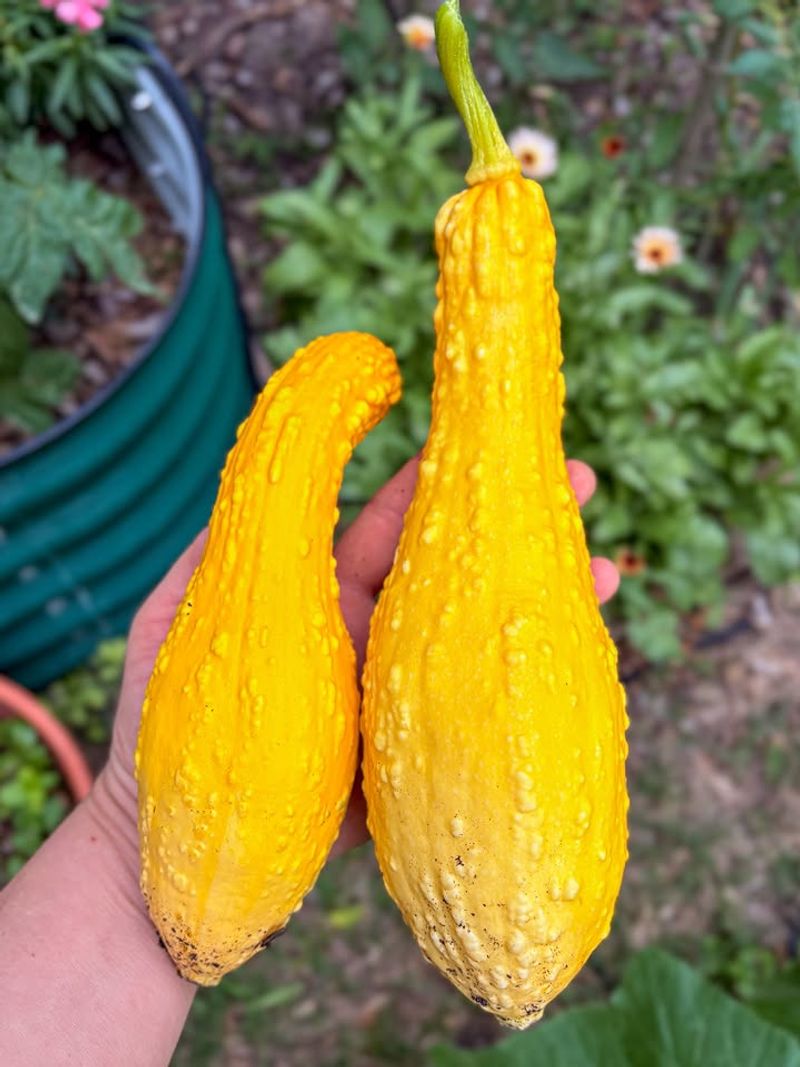
Yellow squash is one of the most popular home garden vegetables in Georgia, and it is also one of the most reliably attacked by vine borers.
That combination is not a coincidence and it is not bad luck. It reflects a genuine biological difference in susceptibility between squash species that has practical implications for planting decisions.
Standard yellow crookneck and straight-neck squash along with traditional green zucchini belong to the species Cucurbita pepo.
This species consistently shows higher susceptibility to vine borer attack than others. Butternut squash belongs to Cucurbita moschata and carries stronger natural resistance, partly because its stems are denser and harder for newly hatched larvae to penetrate successfully.
Knowing this difference does not require abandoning yellow squash. It requires protecting it more actively and deliberately than other cucurbit types.
Row covers, consistent scouting, and timely egg removal matter more for Cucurbita pepo varieties than for more resistant options growing in the same garden.
Planting a more resistant butternut alongside susceptible yellow squash provides a practical form of harvest insurance.
The butternut acts as a backup crop that continues producing even if vine borer pressure overwhelms the yellow squash plants early in the season.
Mixing species types in the garden distributes risk across multiple biological targets rather than concentrating it in one highly susceptible population.
That distribution is a strategy, not a compromise, and the harvest numbers at season’s end tend to reflect the difference clearly.
7. Nearby Zucchini And Pumpkins Keep Hosts Available
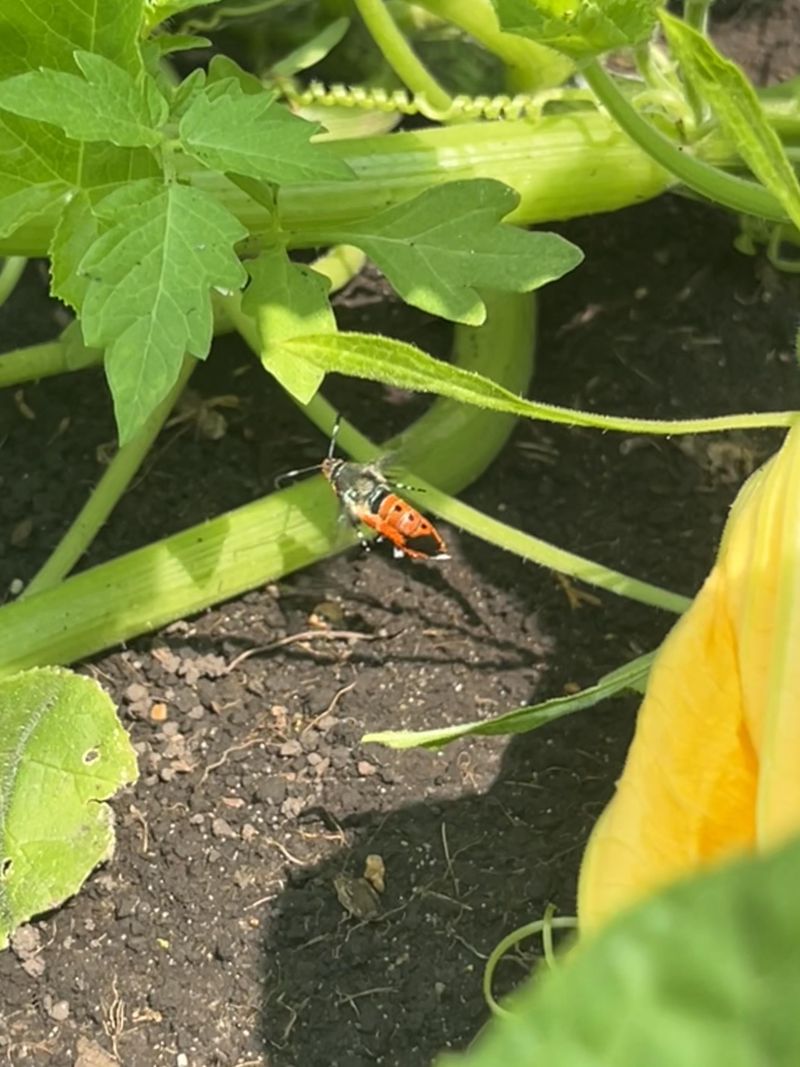
Squash vine borer moths are not specific about which cucurbit plant they approach first.
Zucchini, yellow squash, small pumpkins, and certain gourds all represent acceptable egg-laying sites. A garden that contains several of these species simultaneously gives adult moths multiple targets spread across a wider area.
When pressure from one plant type causes visible decline, moths shift attention toward other cucurbit hosts that are still actively growing nearby.
This movement between host plants extends the productive season for the pest population well beyond what a single cucurbit planting would support.
The borer pressure in a mixed cucurbit garden does not peak once and fade. It persists as long as suitable hosts remain available.
Scouting all cucurbit types in the garden rather than focusing only on yellow squash gives a more accurate picture of where population activity is concentrated at any given point.
Missing one plant type allows a developing population to build undetected and move back toward plants that appeared safe.
Spacing cucurbit crops apart from each other rather than clustering them in a single area of the garden makes moth movement between hosts slightly less convenient and makes the scouting process considerably more organized.
Checking distinct, separated areas is faster and more systematic than working through a tangled mass of overlapping vines from multiple species.
Garden layout decisions made before a single seed goes in the ground affect pest pressure all season without requiring any additional intervention after planting. That kind of passive advantage is worth planning for specifically.