The Ohio Summer Flower That Blooms Harder The More You Ignore It
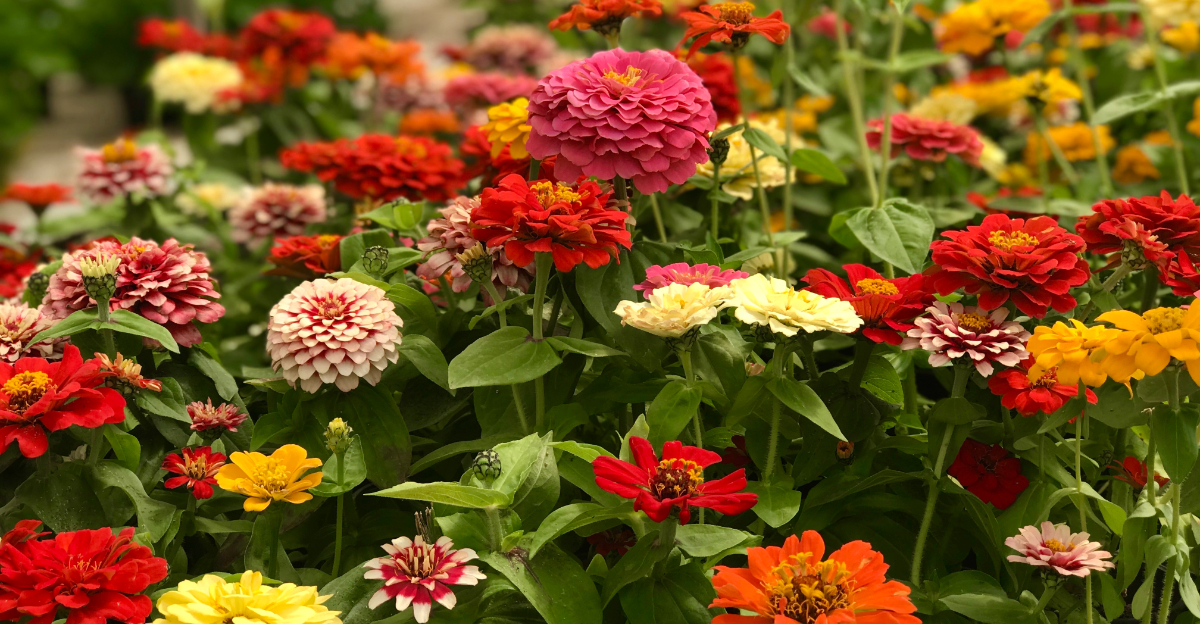
Most Ohio summer flowers reward attention. Trim them, feed them, water on schedule, and they perform.
Neglect them for a stretch and they show it. The garden keeps score and most plants are not shy about letting you know when the care has slipped.
Then there is this one. An Ohio summer flower that reads neglect as a signal to push harder.
Less fussing, more blooms. Skip the trimming, it finds a way.
Miss a watering, it digs in. The kind of plant that seems almost personally motivated to outperform every expectation a gardener sets for it.
Ohio summers are unpredictable. Vacations happen, schedules get away from people, and garden attention comes and goes.
A flower that responds to that reality by blooming harder rather than sulking is the kind of plant that earns a permanent spot without ever having to ask for one.
1. Grow Zinnias Where Summer Sun Hits Hard
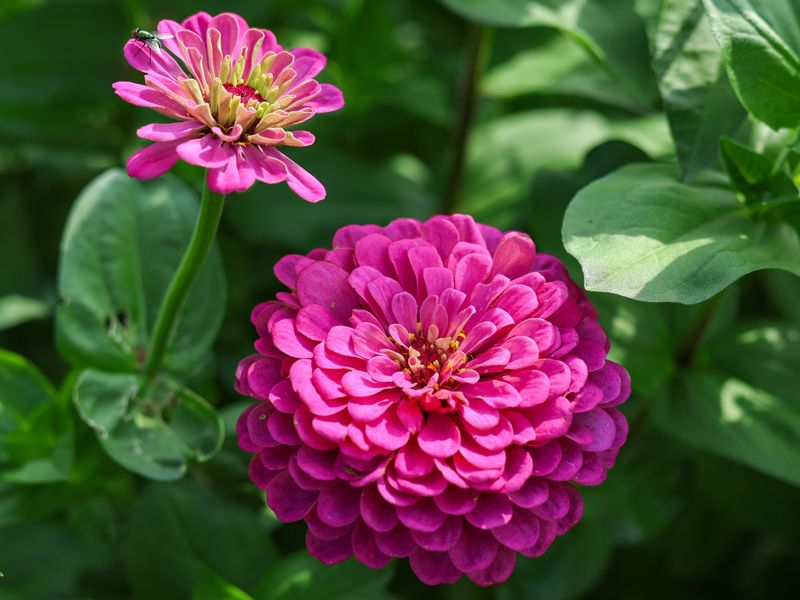
A flower that loves July does not need pampering, but it does need the brightest spot you can give it. Full sun means at least six hours of direct sunlight each day, and zinnias genuinely perform better with eight or more.
Beds that face south or west and stay open to the sky all afternoon are ideal growing spots for these plants.
When zinnias get planted in too much shade, they stretch toward the light and produce fewer blooms. The stems become thin, the plants lean awkwardly, and the flower count drops noticeably.
A dim corner under a tree or beside a tall fence is not where these plants belong.
Sunny cutting Ohio gardens, open borders along driveways, and raised beds in full-sun yards are much better choices. The extra heat that bounces off pavement or a south-facing wall actually helps zinnias settle in faster during early summer.
Regional summers here tend to be warm and humid, which suits these plants well once they are established in a sun-soaked spot.
If your yard has limited sunny space, prioritize zinnias in the brightest area you have. Even a narrow strip of full-sun ground along a fence line can support a strong row of zinnia plants through the whole season.
2. Skip Rich Soil That Pushes Leaves Over Flowers
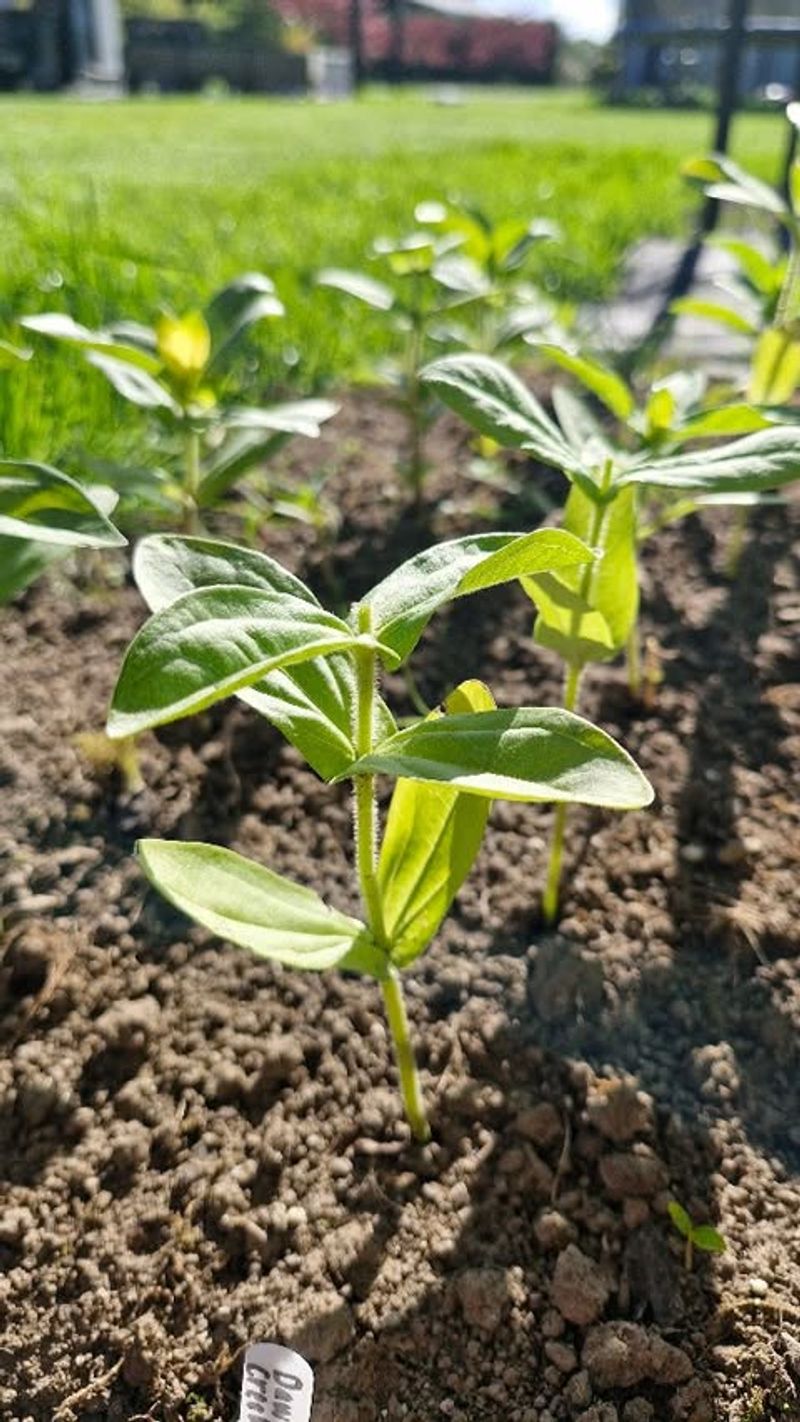
Not every flower wants the richest soil in the yard. Zinnias are one of those plants that can actually produce fewer blooms when the soil is too fertile.
When nitrogen levels run high, plants put their energy into producing large, lush leaves rather than pushing out new flower buds.
Decent, well-drained garden soil is the sweet spot for these plants. You do not need to load beds with compost before planting or mix in heavy doses of balanced fertilizer at the start of the season.
Average soil with good structure and reasonable drainage gives zinnias what they need without tipping the balance toward leafy growth.
Heavy clay soils that hold water can cause root problems, especially during wet summers. Raised beds or gently amended garden soil with some added organic matter for drainage work better than dense, waterlogged ground.
Your Ohio Garden Changes Every Week. Your Plan Should Too.
Gardening in Ohio changes quickly throughout the season. Every Friday you’ll receive a simple weekly plan showing exactly what to plant, prune, fertilize, harvest, and protect so you never miss the right timing.
Sandy soils dry out fast and may need a bit more organic material worked in to hold some moisture during dry spells.
A simple soil test from your local extension office can tell you what your ground actually needs before you add anything. Skipping unnecessary amendments is not laziness.
For zinnias, it is often the smarter move that leads to a stronger, flower-heavy plant by midsummer.
3. Water Deeply, Then Let The Soil Breathe
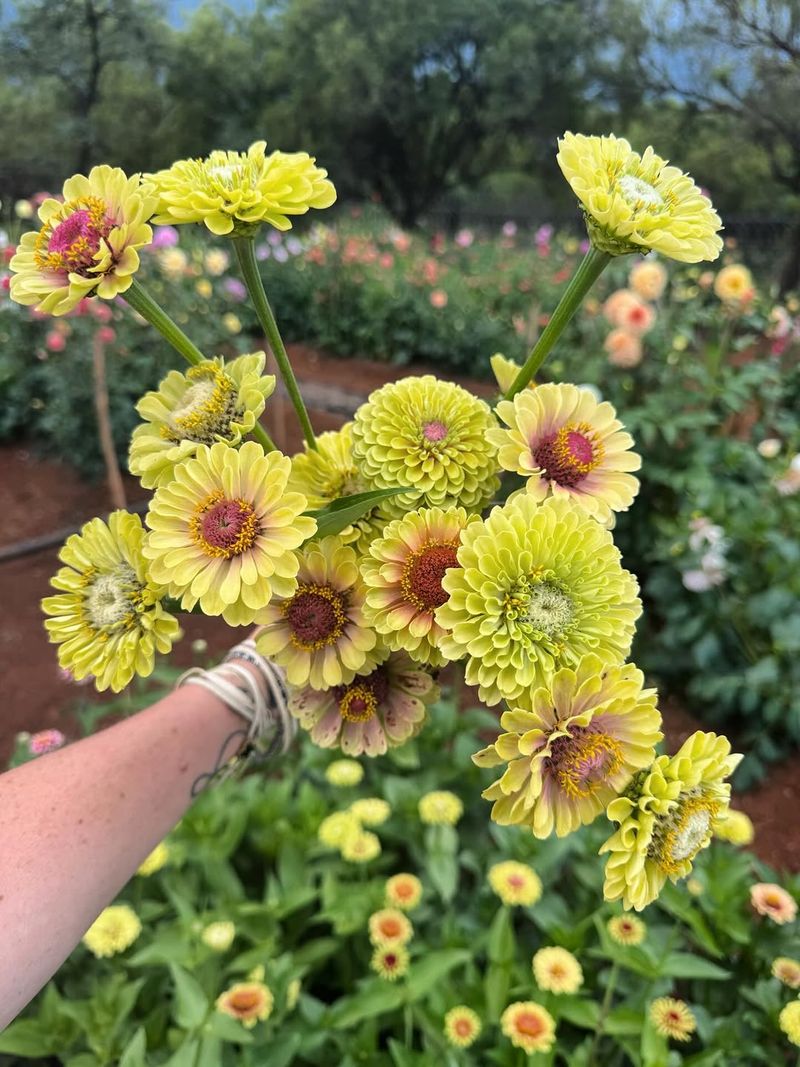
A dry spell in July does not have to mean struggling zinnias, but it does mean paying attention to how and when you water. These plants need moisture, especially when they are young and just getting established after transplanting or germination.
Consistent watering during the first few weeks after planting helps roots develop properly.
Once established, zinnias prefer deep, infrequent watering over a little bit of water every day. Watering deeply encourages roots to grow downward, which makes plants more resilient during dry stretches.
Letting the soil surface dry out somewhat between sessions is better than keeping the ground constantly moist.
How you water matters as much as how often. Overhead sprinklers that soak the leaves can encourage fungal problems, especially during warm and humid stretches of summer.
Watering at the base of the plant with a soaker hose or watering can keeps foliage drier and reduces the risk of leaf disease.
Soggy soil is not what these plants want. If water pools around zinnia stems after rain or irrigation, drainage is likely the problem rather than too little water.
Improving soil structure or moving plants to a better-draining spot will help more than cutting back on watering alone. Keep moisture consistent but never excessive.
4. Cut Blooms Often For More Color
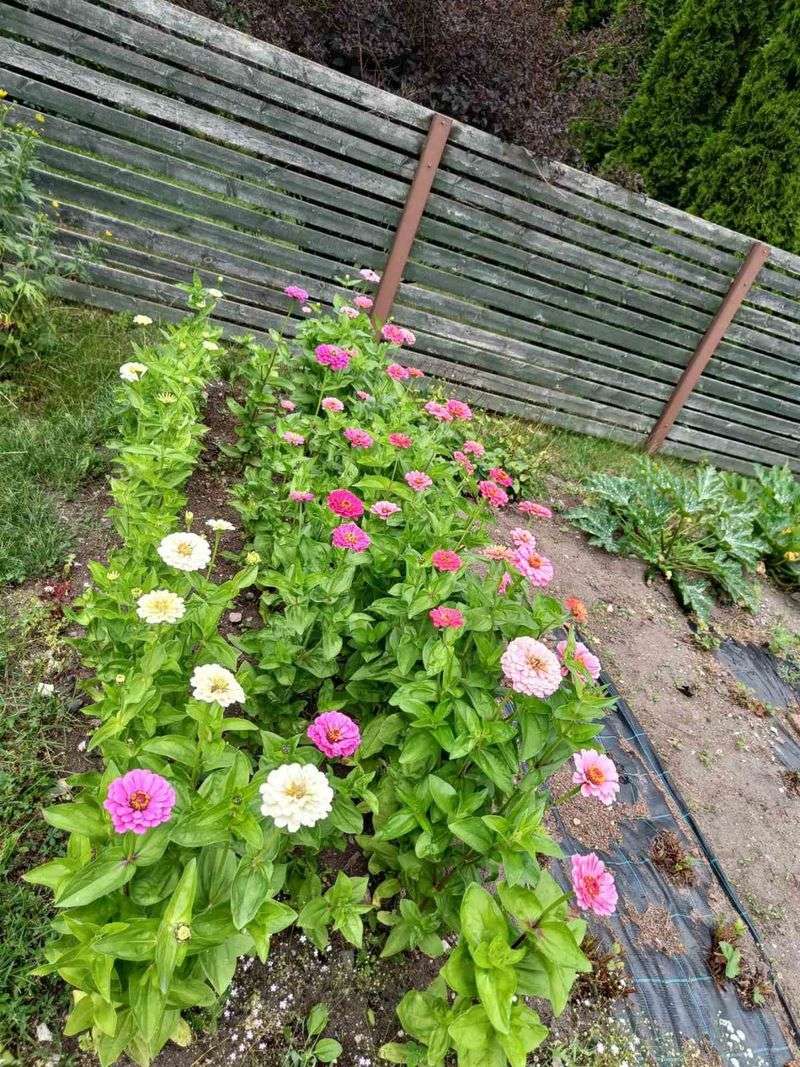
A vase full of zinnia stems is not just a decoration. It is also one of the most effective ways to keep plants producing more flowers all season long.
Cutting blooms regularly signals the plant to send up new flowering stems, which means the more you harvest, the more color you get in return.
Use clean, sharp scissors or pruners when cutting zinnia stems. Dirty or dull tools can damage stems and introduce disease.
Cut stems long, at least twelve inches when the plant size allows, and make the cut just above a leaf node or lateral branch. This encourages the plant to branch outward and produce multiple new stems from that point.
The best time to cut is early morning when stems are fully hydrated and temperatures are cooler. Cut blooms when the flowers are just fully open but not yet fading.
Blooms cut at the right stage last longer in a vase and leave the plant in better shape for producing the next round of flowers.
Even if you are not interested in cut flowers for indoor arrangements, removing stems before they fade keeps the plant looking tidy and productive. A zinnia left to fully finish and go to seed on the plant will slow down its flowering pace.
Regular cutting is the single most reliable way to extend the bloom season well into fall.
5. Trim Spent Flowers Before Seed Takes Over
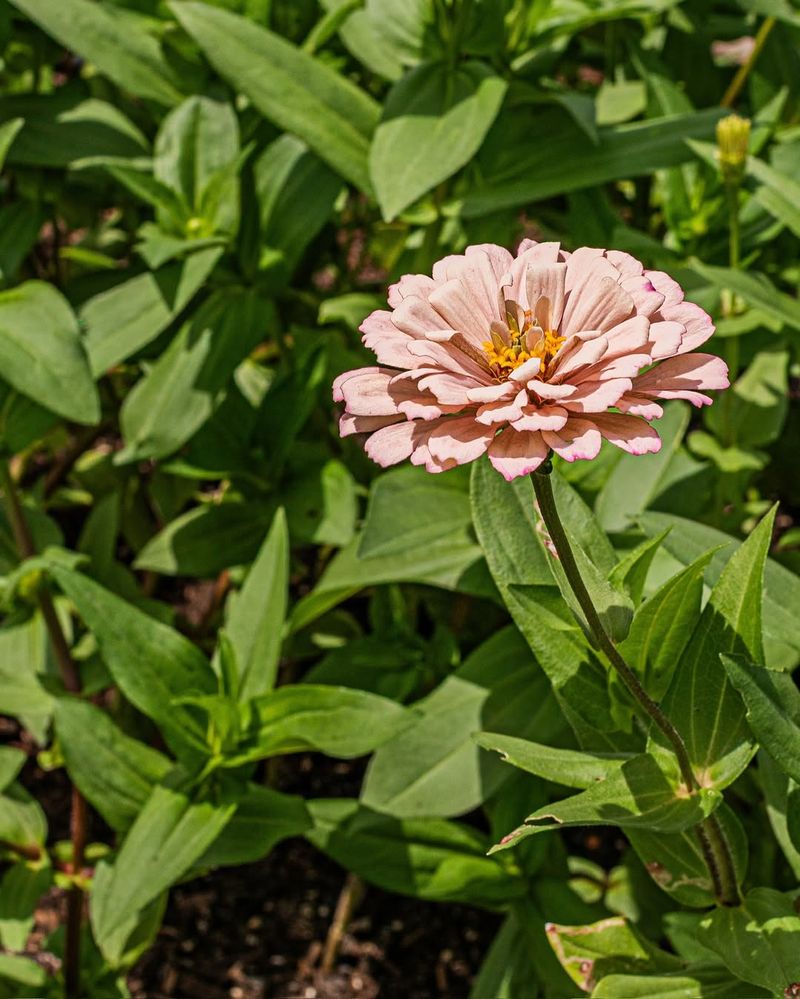
Once a zinnia flower fades and starts to look papery or brown at the edges, the plant begins putting energy into forming a seed head. That shift in energy is natural, but it can slow down flower production if spent blooms are left on the plant for too long.
Trimming, which means removing those faded flowers before seeds fully develop, helps redirect the plant’s energy back into producing new buds.
The process is simple. Pinch or snip spent blooms off just below the flower head, or cut the whole stem back to a healthy leaf node lower on the plant.
Either method works, though cutting back to a node tends to encourage stronger branching and more flowering stems over time.
Trimming every week or two during peak bloom season makes a noticeable difference in how long plants stay productive.
Plants that are regularly trimmed often continue flowering into September and sometimes into early October in local Ohio gardens, well past what neglected plants manage.
Late in the season, leaving a few seed heads on the plant is a reasonable choice. Some gardeners collect zinnia seeds for the following year, and dried seed heads can attract finches and other seed-eating birds in fall.
Saving a handful of seed heads from your best-performing plants is a practical way to extend your investment from one season to the next.
6. Give Zinnias Airflow, Not Constant Fussing
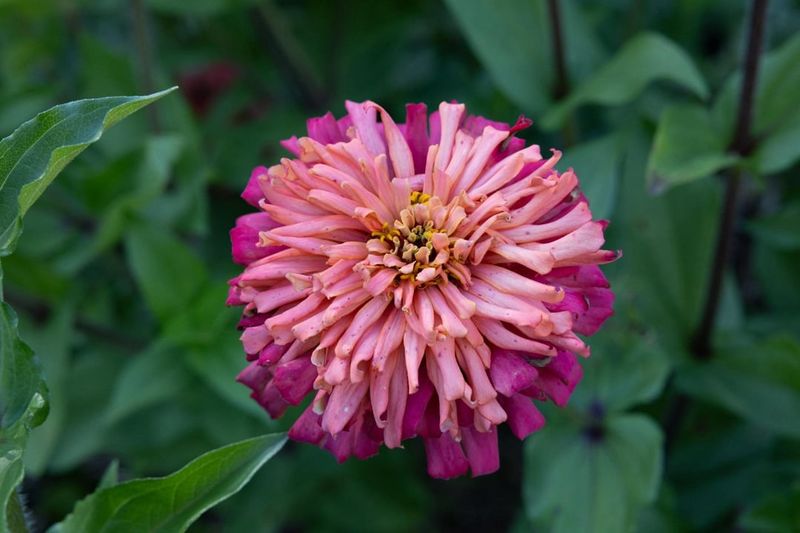
Crowded plants and wet leaves are a recipe for powdery mildew, one of the most common problems zinnia growers encounter in humid summer conditions. Powdery mildew shows up as a white or grayish dusty coating on the leaves and stems.
It does not always stop flowering right away, but it weakens plants over time and makes them look rough through the back half of summer.
Spacing plants properly from the start is the most effective prevention. Most zinnia varieties do well with nine to twelve inches between plants, and larger varieties may need up to eighteen inches.
That open space between stems allows air to circulate freely, which helps foliage dry faster after rain or irrigation.
Overhead watering, especially in the evening, leaves leaves wet overnight and creates exactly the conditions that encourage fungal issues.
Watering at the base of the plant in the morning gives foliage the best chance to stay dry through the day and reduces disease pressure significantly.
No spacing or watering strategy guarantees disease-free plants, especially during long stretches of warm, humid weather. Some zinnia varieties have better resistance to powdery mildew than others.
Checking seed packet descriptions or variety notes before planting can help you choose plants that hold up better in humid regional summers. Giving plants room to breathe is the simplest and most practical step you can take before problems begin.
7. Avoid Overfeeding Plants That Already Bloom Strong
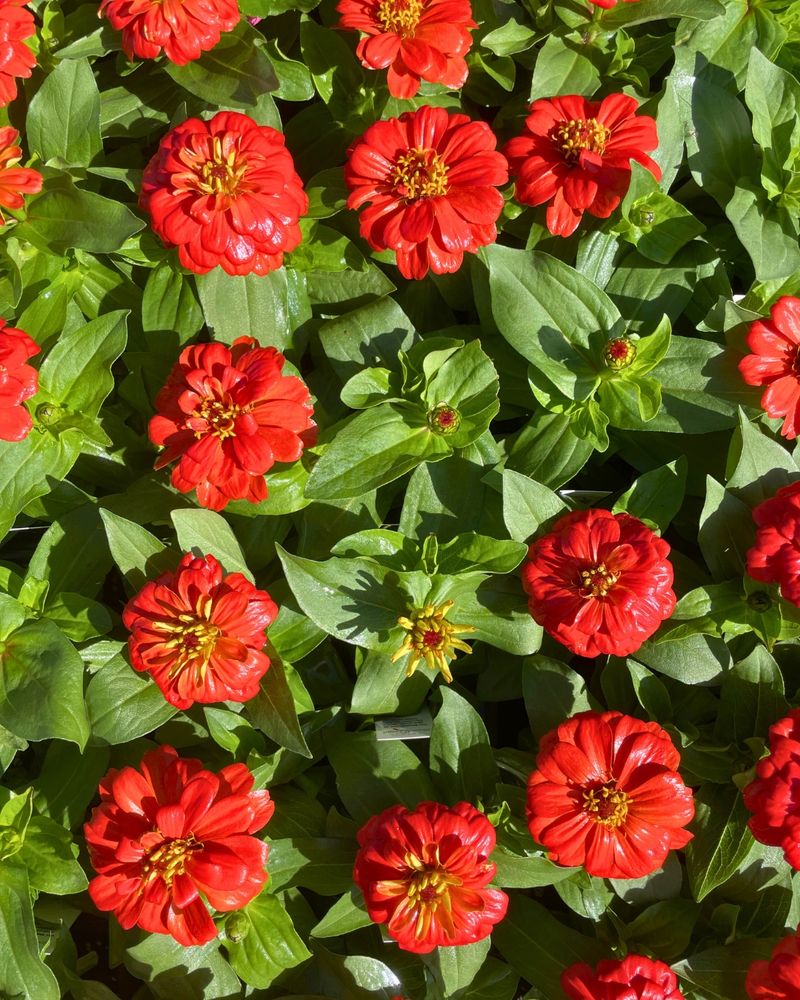
More fertilizer does not always mean more flowers. With zinnias, the opposite can be true.
Plants that receive too much nitrogen often respond with vigorous leafy growth. This is especially true with synthetic fertilizers applied frequently through the season, and flower production can drop noticeably.
The foliage looks lush and full, but the blooms become sparse and disappointing.
When zinnias are planted in reasonably decent soil, they often need very little additional feeding to perform well. A light application of a balanced, slow-release fertilizer at planting time is usually enough to support the plant through much of the season.
Repeated feeding every few weeks is generally not necessary and can cause more problems than it solves.
If your soil is genuinely poor or sandy, a modest feeding once or twice during the season can support flower production. Use a product lower in nitrogen and higher in phosphorus to avoid pushing excessive leafy growth.
A soil test from your local cooperative extension office is the most reliable way to know what your ground actually needs before adding anything.
Following label directions carefully matters more than applying extra product. Fertilizer labels include rate and frequency guidelines for a reason.
When plants are already blooming well and looking healthy through July and August, the best move is often to leave them alone. Let them keep doing what they are already doing without interference.
8. Let Heat Bring Out Their Best Summer Show
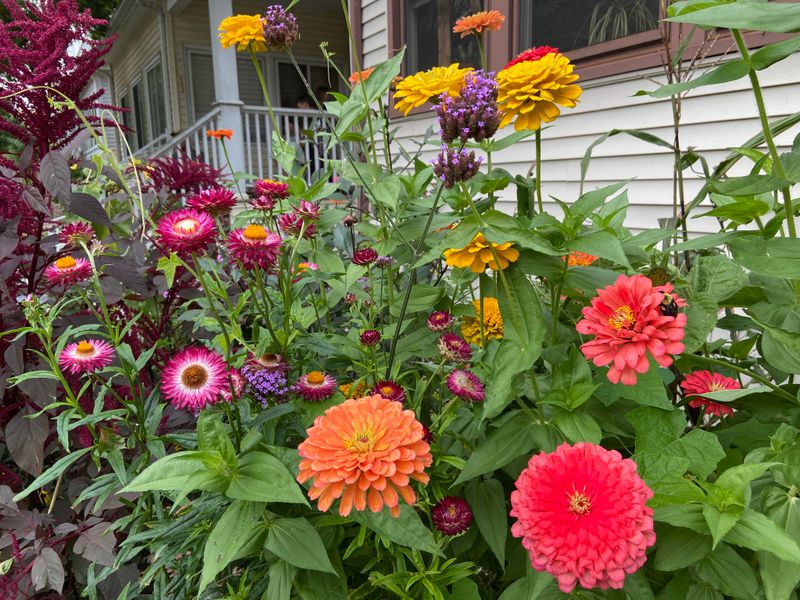
By the time August arrives and most Ohio gardens start looking tired from the heat, zinnia beds are often just hitting their stride. These warm-season annuals were built for summer conditions.
They slow down in cool spring weather and can look a little underwhelming in June. Once temperatures climb and stay up, they respond with some of the best color in the garden.
Heat tolerance is one of the reasons zinnias have become so popular in local cutting gardens and home landscapes.
While other annuals sulk or stop blooming during hot stretches, zinnias keep producing as long as they have sun, reasonable moisture, and enough airflow to stay healthy.
They are not indestructible, but they are genuinely well-suited to the kind of summers this region delivers.
The plants do still need water during dry spells, even when they look tough. Extended drought without any irrigation will slow them down and reduce flowering.
Consistent moisture at the roots, combined with full sun and good drainage, keeps plants pumping out blooms through the hottest weeks of the season.
Planting zinnias in a spot that gets afternoon sun and good heat reflection from nearby pavement or a light-colored wall can push performance even further.
The combination of summer heat, strong sunlight, regular cutting, and decent drainage is what makes these plants thrive.
That is what makes them look like they bloom harder the more you step back and let summer do its work.