7 Native North Carolina Spreaders That Crowd Out Weeds Along Driveways Better Than Liriope
Liriope has been the default answer for North Carolina driveway edges for decades.
It looks fine in the nursery. It survives. It mostly stays where it is planted.
It also lets weeds slip through, looks tired by midsummer, and offers very little to the wildlife moving through the yard.
For a plant that takes up permanent space along one of the most visible edges of the property, that is not much of a return.
North Carolina has native groundcovers that bring more to the job. They spread with purpose, cover bare soil, handle tough edges, and support the local ecosystem instead of simply filling space.
Some bloom for weeks. Some stay low and tidy. Some soften shade, clay, slopes, or awkward strips that never looked finished in the first place. Several start earning their spot in the first season.
For gardeners still replanting liriope or pulling weeds along the same driveway edge year after year, the better answer may already be growing close to home.
1. Plant Green-And-Gold Along Edges
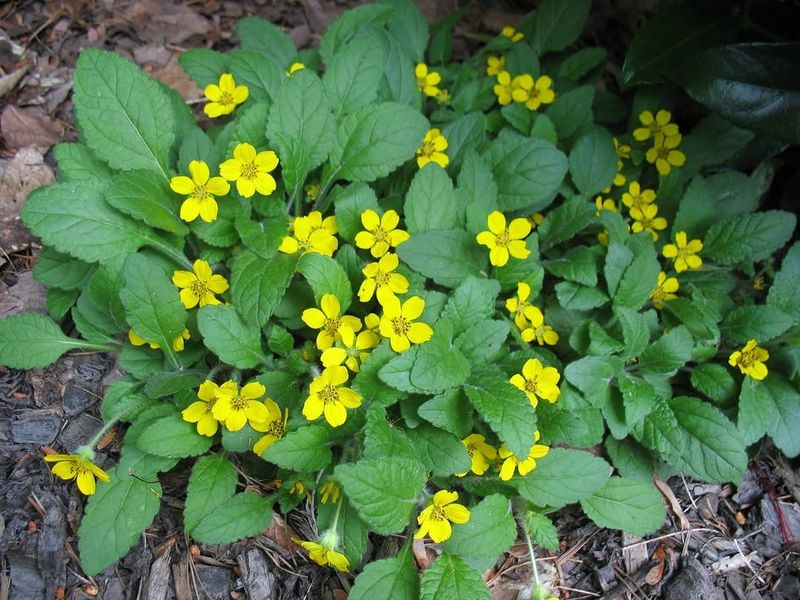
Weeds love a driveway edge that gets overlooked for a few weeks. Green and Gold does not give them that opening.
Chrysogonum virginianum forms a dense, evergreen mat that covers bare soil before anything unwanted can establish.
The coverage stays low and tight, which is exactly the behavior a driveway border needs from a groundcover.
It does not flop, it does not gap, and it does not invite the volunteer seedlings that more open plantings constantly require attention to manage.
This North Carolina native thrives in partial to full shade, which makes it a practical choice for the shaded side of a driveway running under trees or along a fence line.
It spreads steadily through runners and occasional self-seeding, filling gaps over two seasons without becoming aggressive or escaping into beds where it does not belong.
The bright yellow daisy-like flowers bloom from early spring through late fall, which is an unusually long performance for a groundcover. That extended bloom period provides consistent pollinator support through most of the growing season.
Green and Gold handles average to moist, well-drained soil and develops reasonable drought tolerance once established. Plant it about twelve inches apart for coverage that fills in reliably by the second growing season.
No fertilizer required. No trimming needed. No particular drama to manage.
The weeds will have to find a different driveway to bother.
2. Use Creeping Phlox For Sunny Strips
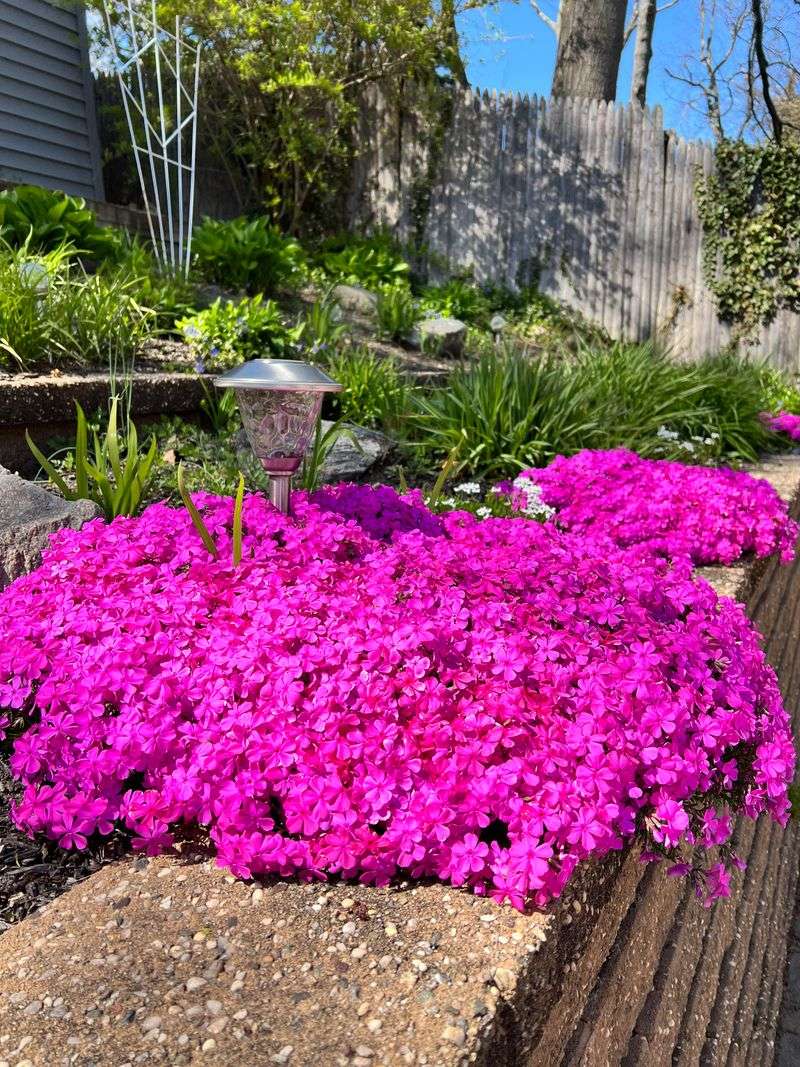
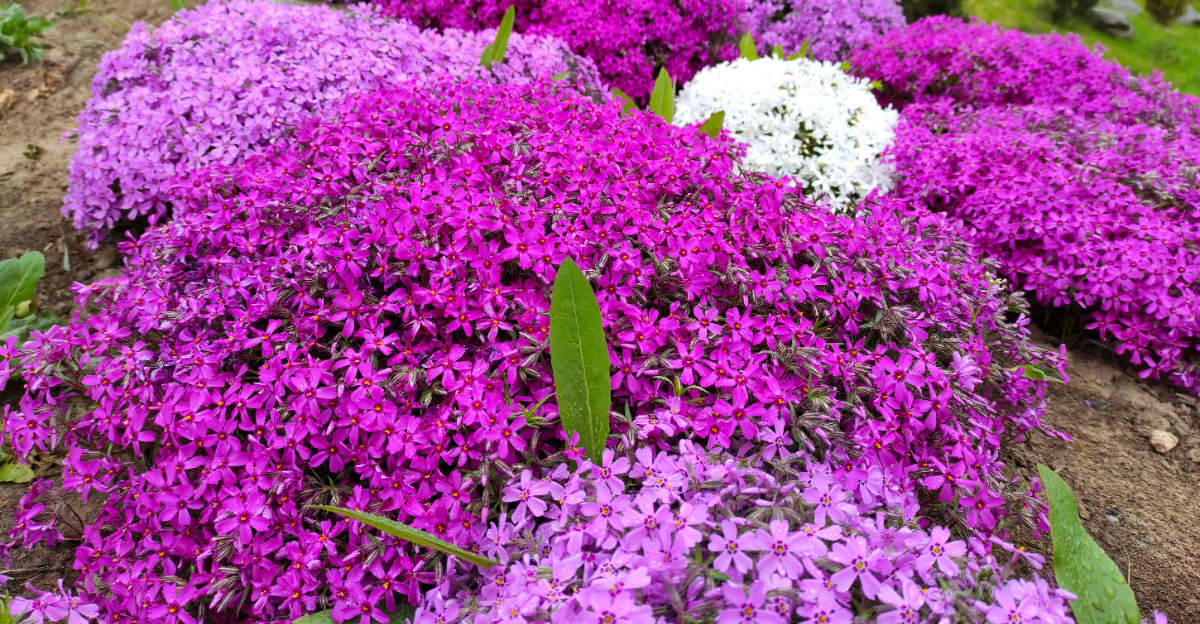
Some driveway edges get full sun all day and reflect heat off the pavement into the planting strip. Most groundcovers struggle in that exposure. Creeping Phlox was built for it.
Phlox subulata produces a thick carpet of pink, purple, or white flowers every spring that covers the ground so completely that weeds have nowhere to land.
The bloom period runs for several weeks and is visually striking enough that neighbors actually slow down to look.
After the flowers fade, the dense, needle-like foliage continues suppressing weeds through the rest of the growing season without any assistance.
Each plant grows only four to six inches tall but spreads up to two feet wide, which means a modest initial planting fills a driveway edge faster than most alternatives.
Your North Carolina Garden Changes Every Week. Your Plan Should Too.
Gardening in North Carolina changes quickly throughout the season. Every Friday you’ll receive a simple weekly plan showing exactly what to plant, prune, fertilize, harvest, and protect so you never miss the right timing.
The spreading habit is the whole point. Space plants about eighteen inches apart in well-drained soil and let the expansion do the work.
The one genuine requirement is drainage. Creeping Phlox does not perform in soggy ground or heavy clay without amendment. Given the right planting site, it develops strong drought tolerance once roots establish through the first season.
Beyond weed suppression, it feeds early pollinators including native bees and butterflies at the moment in early spring when nectar sources are most scarce.
Compared to liriope in a sunny strip, Creeping Phlox offers dramatically better visual interest, more reliable weed coverage, and something liriope never contributed: actual flowers that pollinators remember.
3. Try Partridgeberry In Shady Spots
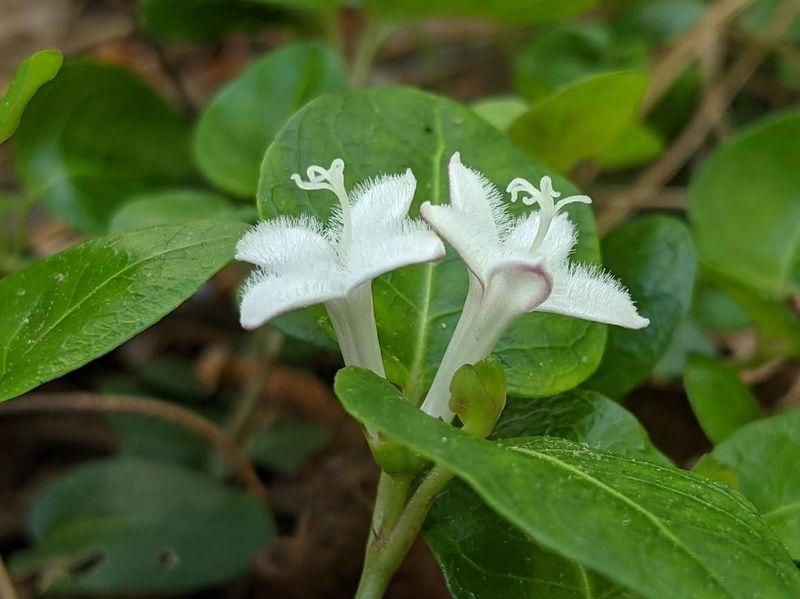
Some driveway edges sit under mature oaks or hemlock canopies where light barely reaches the ground. Most groundcovers fail there. Partridgeberry treats those conditions as a preferred address.
Mitchella repens grows only two to three inches tall and spreads through trailing stems that root wherever they contact moist soil.
The glossy, dark green leaves stay attractive and evergreen through North Carolina winters, which means the driveway edge holds its appearance even during the months when the rest of the yard looks dormant and tired.
In summer, pairs of small white flowers appear across the mat. By fall, those flowers develop into bright red berries that persist through winter and attract songbirds consistently.
A deeply shaded driveway edge planted with Partridgeberry quietly becomes one of the more active wildlife spots in the yard between November and February.
This plant performs best in moist, acidic, humus-rich soil under heavy shade, matching the conditions found under large established trees in many North Carolina properties.
It does not tolerate foot traffic or compacted soil, so keeping it in areas away from regular foot contact protects the trailing stems that drive its spread.
Patience is part of the arrangement here.
Partridgeberry spreads more slowly than some other groundcovers on this list. But the finished product is a refined, forest-floor appearance that liriope cannot replicate regardless of how long it has been in the ground.
Rich, leafy soil and consistent moisture are the primary requirements. After that, this plant largely handles itself.
4. Let Wild Ginger Fill Moist Shade
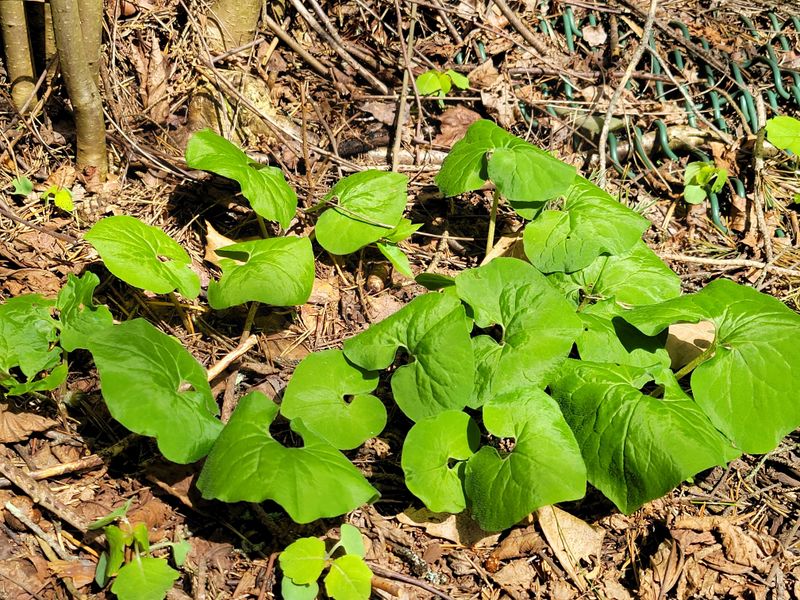
Moist shade along a driveway feels like a problem that resists every solution. Chickweed appears. Wood sorrel appears. Whatever gets planted looks marginal by midsummer. Wild Ginger reframes the entire situation.
Asarum canadense produces large, overlapping, heart-shaped leaves that form one of the most effective weed-smothering mats available in native plantings.
The leaves are wide enough and the colony dense enough to block meaningful sunlight from reaching soil level. Once an established colony is in place, very little comes up from below with enough energy to push through.
Wild Ginger spreads through underground rhizomes at a moderate pace, expanding outward gradually without jumping into unwanted areas or requiring containment.
The growth pattern is controlled and steady rather than aggressive, which makes it a comfortable choice for defined driveway borders where predictable behavior matters.
The best sites are consistently moist, humus-rich, and slightly acidic with partial to full shade. Driveway edges that run alongside wooded areas, rain gardens, or downspout drainage paths where moisture collects regularly are the ideal match.
The plant goes dormant in winter across most of North Carolina, but its spring return is fast and the foliage quickly becomes dense again.
No serious pest issues. No fertilizer needs. No trimming required.
For shaded, moist driveway borders where liriope looks defeated and weeds keep returning, Wild Ginger provides deep green coverage that actually holds its ground season after season. The weeds had a good run. This one ends it.
5. Use Foamflower For Woodland Driveways
Driveway edges that wind through wooded lots create a specific design challenge.
The zone between pavement and tree line receives dappled light, falls into dry pockets near tree roots, and never quite fits what typical groundcover recommendations suggest.
Foamflower was built for exactly that in-between situation.
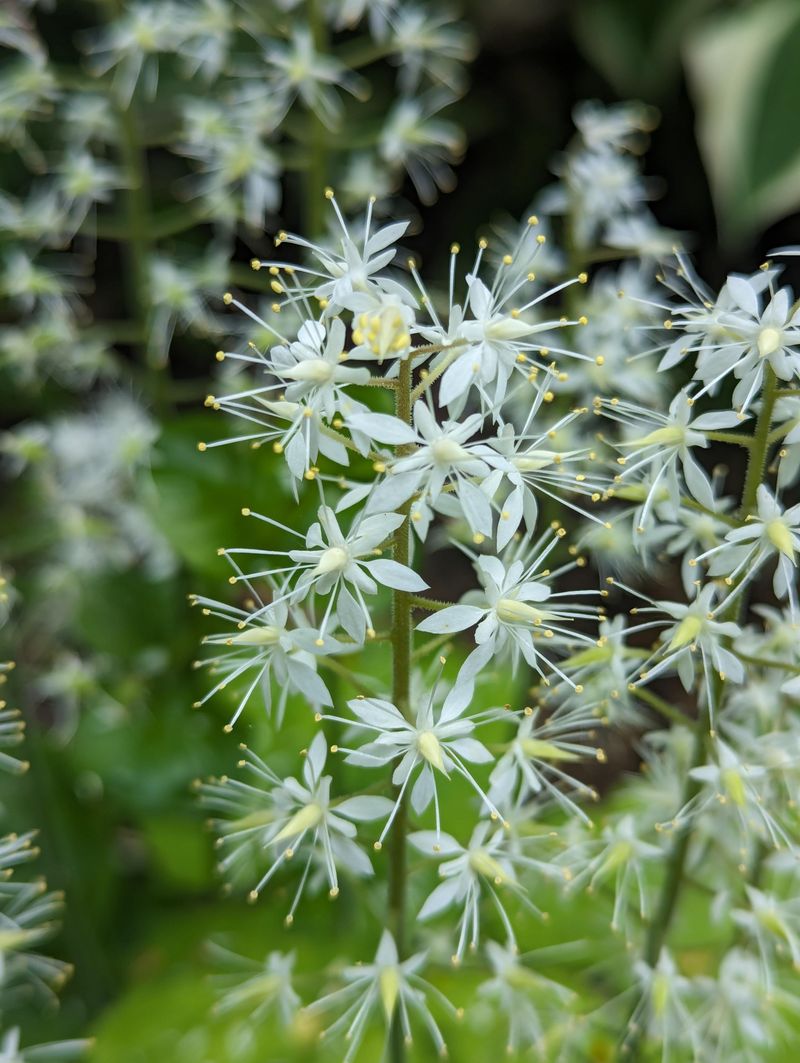
Tiarella cordifolia produces lobed, maple-like leaves with reddish markings that spread outward from each clump and create a soft, layered texture that contrasts well against the hard edge of pavement.
In spring, delicate white to pale pink flower spikes rise above the foliage and attract early native bees before most other plants have leafed out.
The combination of distinctive foliage and spring flowers makes this one of the more visually interesting groundcovers on this list even outside the bloom period.
Foamflower spreads through stolons, sending out runners that root and form new plants nearby. Coverage builds steadily over two to three seasons into a weed-resistant layer that requires very little management once it fills in.
The best sites offer part shade with moist, well-drained, organically rich soil. Heavy clay or areas with standing water after rain are not appropriate placements.
This plant is native across North Carolina from the mountains to the Piedmont, which means it is genuinely adapted to the range of conditions that state presents rather than just tolerating them.
It supports native pollinators through the spring season and asks almost nothing in return after establishment.
Foamflower is doing more work in a woodland driveway edge than most people realize when they walk past it.
6. Plant Golden Ragwort For Fast Spring Cover
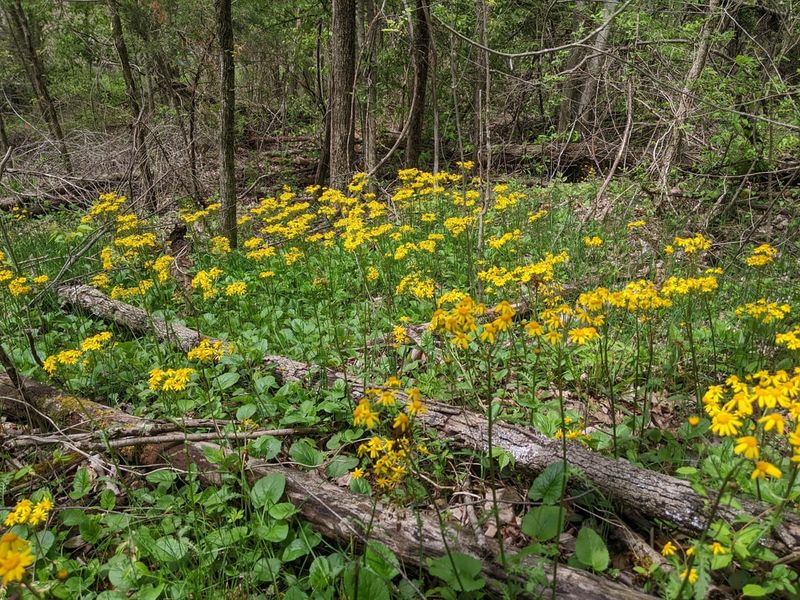
Speed matters when weeds are already moving. Golden Ragwort is one of the fastest-spreading native groundcovers in North Carolina, and it starts that spread before most weeds have even germinated for the season.
Packera aurea holds its basal leaves through winter. When temperatures begin climbing in early spring, it is already positioned and ready while weeds are still in seed.
That head start translates directly into coverage that claims the soil before competition arrives rather than fighting for space after weeds are already established.
By late March and into April, the plant sends up clusters of bright yellow flowers on stems reaching twelve to eighteen inches tall.
The flowering display is cheerful and substantial. After the bloom period ends, the stems fade back and the low foliage mat takes over, staying dense and tidy through the rest of the growing season.
Golden Ragwort handles both part shade and full sun, and it performs well in average to moist soil including edges that collect runoff.
That combination of light tolerance and moisture adaptability gives it more placement flexibility than many other native groundcovers.
It spreads through both rhizomes and self-seeding, which means a small planting expands into a meaningful colony within two to three seasons without requiring additional intervention.
Plant it in fall for the strongest spring performance. The early yellow flowers support pollinators at exactly the point in the season when nectar sources are scarce and native bees are just becoming active.
Liriope does not bloom in late March. Golden Ragwort does, and it is already suppressing weeds while it does it.
7. Try Pennsylvania Sedge For Soft Edges
Not every driveway edge needs flowers or bold foliage to look finished.
Sometimes a soft, grass-like texture is exactly the right choice, and Pennsylvania Sedge delivers that refined, understated look with almost no ongoing effort.
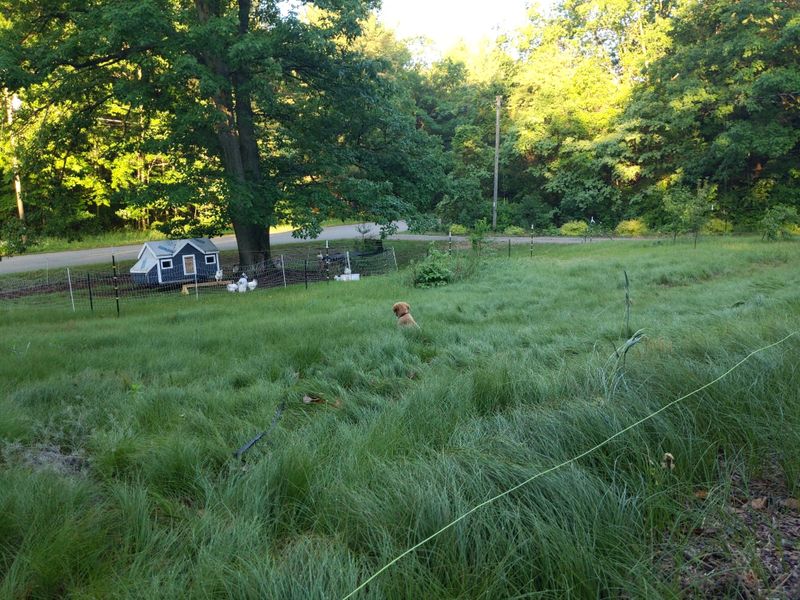
Carex pensylvanica grows six to ten inches tall with slender, arching blades that sway gently in light movement and create a texture that reads as intentional rather than neglected.
It spreads through rhizomes to form a loose but weed-suppressing mat that mimics the appearance of a short, natural lawn without any mowing requirement.
The foliage stays semi-evergreen through mild North Carolina winters, keeping the driveway edge presentable during the months when other plants have gone completely dormant.
The most valuable characteristic of Pennsylvania Sedge in a driveway situation is its performance in dry shade under mature trees.
Very few plants hold up reliably in that combination of conditions. This one does, and it does so without fertilizer, without irrigation after establishment, and without trimming to maintain its appearance.
Space plants twelve to eighteen inches apart. Coverage develops steadily over the first two growing seasons as the rhizomes spread and new shoots emerge between initial plants.
Beyond weed suppression, Pennsylvania Sedge supports ground-nesting native bees and provides habitat structure for small insects and birds. The ecological contribution is modest but genuine and consistent.
For homeowners who want a clean, natural-looking driveway edge in a shaded location without the ongoing maintenance that most edging plants require, Pennsylvania Sedge is the option that keeps delivering.
It is the quiet one at the party that actually does all the work.