8 Places In Your Maine Yard Where Ticks Hide All Season Long

You pull a tick from behind your knee after a quick walk through your Maine backyard. No tall grass.
No hiking trail. Just your own lawn. You checked your arms. You checked your legs. You still missed that one. Ticks are not waiting where you expect them.
They hide in leaf litter, along fence lines, and tucked beneath your deck through every warm stretch of the year. You have probably walked past a hundred without knowing.
How many did your dog drag inside this week? Maine rewards the curious and punishes the careless, especially when it comes to tiny, patient hitchhikers.
Most people scan the obvious spots after yard work and call it good. You are not most people.
The places where ticks actually spend the season are specific, surprising, and completely fixable once you know where to look. Your yard is about to give up its secrets.
1. The Yard And Woods Edge

The strip where your lawn meets the treeline is the single most active tick zone in your yard. The yard and woods edge is hands down the most active tick zone in any Maine yard.
Ticks love this boundary strip because it gives them everything they need. It has shade, moisture, passing wildlife, and tall vegetation all packed into one narrow corridor.
White-tailed deer, mice, and chipmunks travel this edge constantly. Every animal that brushes through drops ticks or picks them up, turning the border into a living tick highway.
The grass here is often a little longer and damper than the open lawn. That combination creates near-ideal conditions for blacklegged ticks to stay hydrated and find a host.
Creating a wood chip or gravel barrier between your lawn and the woods can help slow tick movement. Even a three-foot-wide dry buffer makes a real difference in reducing how many ticks cross into your yard.
Mow as close to the treeline as your mower can safely reach. Keeping that transition zone short and dry removes the shelter ticks count on to survive between feedings.
Walk this edge in long pants tucked into your socks after any outdoor activity. Catching ticks before they find skin is always the smartest move you can make.
2. Tall Grass And Unmowed Areas

Tall grass is a tick’s favorite waiting room, and they are incredibly patient guests. Ticks climb grass blades and hold their front legs out in a behavior called questing, waiting for a warm body to brush by.
Unmowed patches in your yard are basically a standing invitation. Any area where the grass reaches above ankle height becomes a prime spot for ticks to hang out all season.
The humidity inside tall grass stays higher than in short, open turf. Ticks need moisture to survive, so that thick, shady grass gives them a protective microclimate they absolutely depend on.
Corners of yards, areas near fences, and spots the mower misses are common culprits. These forgotten patches can harbor surprising numbers of ticks even in a well-maintained yard.
Your Maine Garden Changes Every Week. Your Plan Should Too.
Gardening in Maine changes quickly throughout the season. Every Friday you’ll receive a simple weekly plan showing exactly what to plant, prune, fertilize, harvest, and protect so you never miss the right timing.
Mowing regularly is one of the easiest tick control steps a homeowner can take. Keeping grass under three inches tall removes the shelter ticks need and exposes them to drying sunlight.
Pay special attention to areas your kids and pets frequent the most. A quick trim around play equipment, garden borders, and pathways can dramatically lower tick encounters in high-traffic zones.
Consider using a tick tube or targeted spray along the edges of any areas you cannot mow. Combining mowing with targeted treatment gives you the best chance of keeping tick numbers low all season long.
3. Leaf Litter And Debris Piles

Raking leaves might feel like a chore, but skipping it turns your yard into one of the most hospitable tick habitats on your property. Leaf litter is one of the most overlooked tick habitats in any yard.
Fallen leaves trap moisture, block sunlight, and create a cool, dark environment at ground level. Ticks, especially in their tiny nymph stage, thrive in exactly this kind of protected space.
Nymph ticks are about the size of a poppy seed and nearly impossible to spot on skin. They hide in leaf litter through winter and emerge hungry in spring, ready to find a host.
Debris piles from pruning, storm cleanup, or general yard work create the same problem. Branches, old plant stems, and garden waste all pile up into cozy tick shelters without much notice.
Clearing leaf litter away from the house foundation and play areas is a smart first step. Moving debris piles to the far edges of your property reduces tick exposure near the spaces you use most.
Bagging leaves instead of mulching them in place removes a key tick habitat. If you prefer composting, keep the pile well away from the main yard and check yourself after working near it.
A clean yard in autumn pays off big the following spring. Removing that protective leaf layer forces overwintering ticks into harsher conditions and cuts down the population before warm weather even arrives.
4. Firewood And Brush Piles

That woodpile stacked against the house looks cozy, but something uninvited might be living in it. Firewood and brush piles are classic tick hiding spots that most homeowners never suspect.
The gaps between logs and branches create a dark, sheltered network of tiny tunnels. Ticks nestle into these spaces for protection from heat, cold, and dry air throughout the entire year.
Mice are the bigger problem here, honestly. They nest in brush and woodpiles and are one of the primary tick hosts, meaning ticks feed on them and then scatter throughout the surrounding area.
A brush pile near the house attracts mice and the ticks that feed on them, keeping it close means both move freely through the spaces your family uses most. Keeping woodpiles away from the home and off the ground breaks up this cycle significantly.
Store firewood on a raised rack at least twenty feet from the house when possible. Elevating the pile exposes it to more sunlight and airflow, making it far less attractive to both mice and ticks.
Clear old brush piles in early spring before tick season fully ramps up. Wearing gloves and long sleeves during cleanup protects you while you disrupt the habitat.
Check yourself thoroughly after handling firewood or breaking down a brush pile. Ticks that have been waiting in those gaps can transfer to your clothing or skin faster than you expect.
5. Stone Walls And Old Fences

Old stone walls are a beautiful piece of New England character, and ticks think so too. The gaps, crevices, and shaded base of a stone wall create a near-perfect tick environment.
Moisture collects along the base of stone walls where the ground stays cool and shaded. Ticks exploit this microhabitat aggressively, especially during the hottest and driest parts of summer.
Old wooden fences present a similar issue, particularly where the posts meet the soil. Rotting wood holds moisture, attracts insects, and gives ticks a layered hiding place close to ground level.
Chipmunks and mice love to run along stone walls and fences too. Their regular travel routes deposit ticks all along these structures, essentially spreading them from one end of the yard to the other.
Keeping vegetation cleared away from the base of walls and fences reduces tick habitat significantly. Trimmed grass and bare soil along these structures remove the moisture and shade ticks need to survive.
Applying a targeted tick spray along the base of stone walls once the ground warms helps reduce populations before they build.
Repeating the treatment in late spring to early summer covers the peak window of active nymphs.
If you have grandchildren or pets that play near stone walls, make that zone a priority for regular checks. Beautiful as they are, those old walls deserve a little more attention than most people give them.
6. Garden Beds And Borders

Garden beds are one of the most personal spaces in a yard, which makes finding ticks there especially unsettling. Mulch, dense plantings, and moist soil create a habitat that suits ticks surprisingly well.
Thick mulch layers hold moisture and block sunlight at ground level, mimicking the conditions of a forest floor. Ticks, especially nymphs, move through mulched garden beds with ease and in significant numbers.
Perennial borders with overlapping foliage are particularly risky. Leaves touching the soil create natural bridges that ticks use to climb onto nearby plants and wait for passing hosts.
Gardening without checking yourself afterward is a common way people pick up ticks without realizing it.
You kneel down, pull weeds, plant seedlings, and ticks simply transfer to your clothing or skin during the process.
Keeping mulch layers under two inches deep reduces the moisture retention that ticks prefer.
Cedar mulch is sometimes suggested as a natural deterrent, though the field evidence is limited and it works best as one part of a broader tick management plan.
Trim plants so foliage does not rest directly on the soil or trail along garden edges. Creating a little airflow and light exposure at ground level makes the bed less hospitable to ticks overall.
Wear gloves and long sleeves when working in beds near wooded areas or stone walls. Checking your arms and legs before going back inside is a habit that pays off all season long.
7. Shaded And Damp Areas Under Decks And Trees
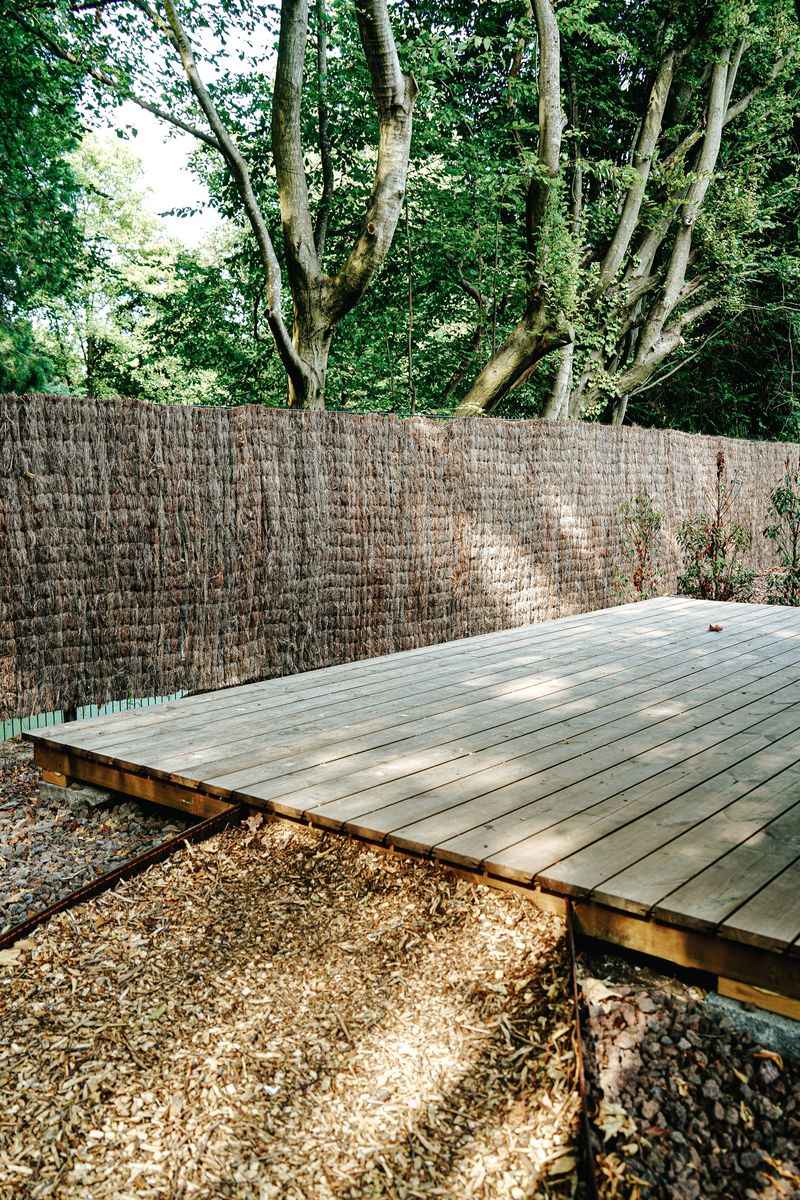
Flip over a piece of damp wood under your deck and you might find more than you bargained for. Shaded, damp areas are among the most tick-friendly spots in any yard year-round.
Under decks, porches, and large trees, sunlight rarely reaches the ground. That persistent shade keeps soil moist and temperatures cool, which is exactly the environment ticks need to stay active and hydrated.
Ticks cannot survive in hot, dry, sunny conditions for long. They migrate toward shade instinctively, which is why the north side of your house and the undersides of structures often harbor the highest concentrations.
Leaf litter tends to accumulate under decks and in shaded corners without much notice. That combination of trapped debris and constant moisture creates a year-round tick refuge right next to your living spaces.
Cleaning out debris under decks at least twice a year disrupts this habitat meaningfully. Improving drainage and adding gravel under deck structures also helps dry out the soil ticks depend on.
Trimming tree canopies to allow more sunlight to reach the ground is another effective step. Even partial sun exposure can reduce tick populations in shaded zones by lowering moisture levels significantly.
Kids and dogs spending time under or near decks are at higher risk than most parents realize. Building a habit of checking these areas first after outdoor play can catch a tick before it finds skin.
8. Bird Feeders And Deer Paths
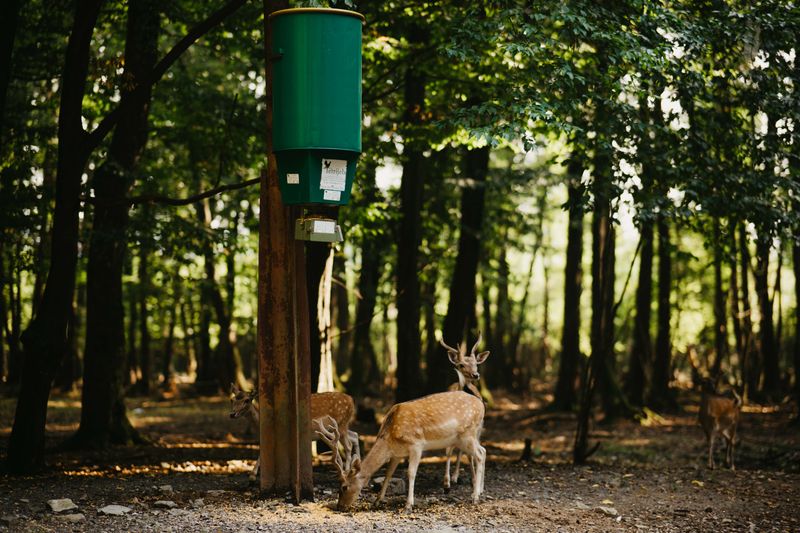
That bird feeder bringing cardinals to your yard is also rolling out the welcome mat for ticks.
Deer paths and wildlife feeding areas are two of the most active tick hot spots in any Maine yard. Deer are the primary reproductive host for adult blacklegged ticks.
A single deer can carry dozens to hundreds of ticks at peak season, and every engorged female that drops off is capable of laying up to 2,000 eggs in the surrounding soil.
Deer paths cut through yards in predictable patterns, often following the same route night after night. These trails become heavily tick-infested corridors that cross directly through the spaces your family uses every day.
Bird feeders attract more than songbirds, unfortunately. Spilled seed draws mice, squirrels, and chipmunks, all of which are major tick hosts that scatter the parasites throughout the feeding area and beyond.
Moving feeders away from the house and high-traffic areas reduces the concentration of wildlife near your living spaces.
Placing feeders in open, sunny spots well away from wooded edges, dense shrubs, and play equipment limits the tick-carrying wildlife that gather nearby.
Fencing can reduce deer access to your yard, though it requires a tall barrier to be effective. Even a partial fence or natural deer deterrent planting along property lines can shift deer traffic away from your main yard.
Checking the ground around feeders and known deer paths is a smart addition to your regular tick management routine. Staying alert in these spots all season long makes a real difference in keeping ticks where they hide.