The Invasive Tree Maine Homeowners Must Recognize Before It Reaches Their Yard
You scratched the bark and gagged. That smell hit you like rotting peanut butter mixed with something forgotten, and suddenly your Maine backyard felt less peaceful.
A towering weed had been quietly outsmarting you for years. It arrived from China in the 1700s and never left.
It does not ask permission before splitting your pavement or crowding your garden. Have you ever watched something beautiful quietly overwhelm everything around it?
This uninvited guest does exactly that, threading through Maine soil with chemical competition your native plants cannot withstand.
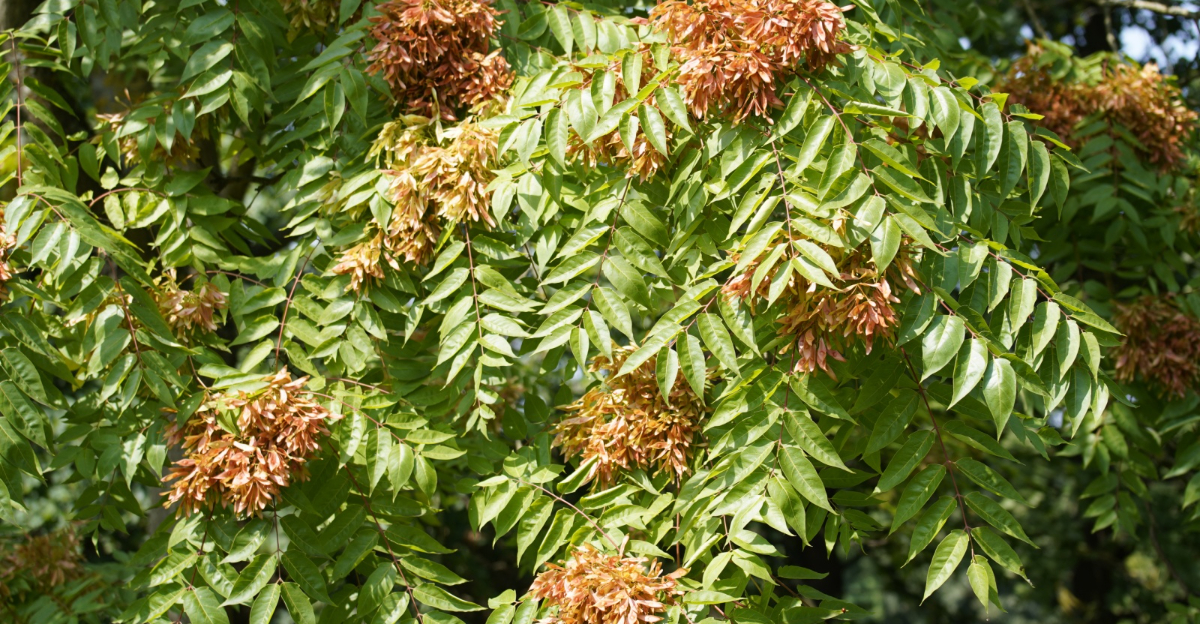
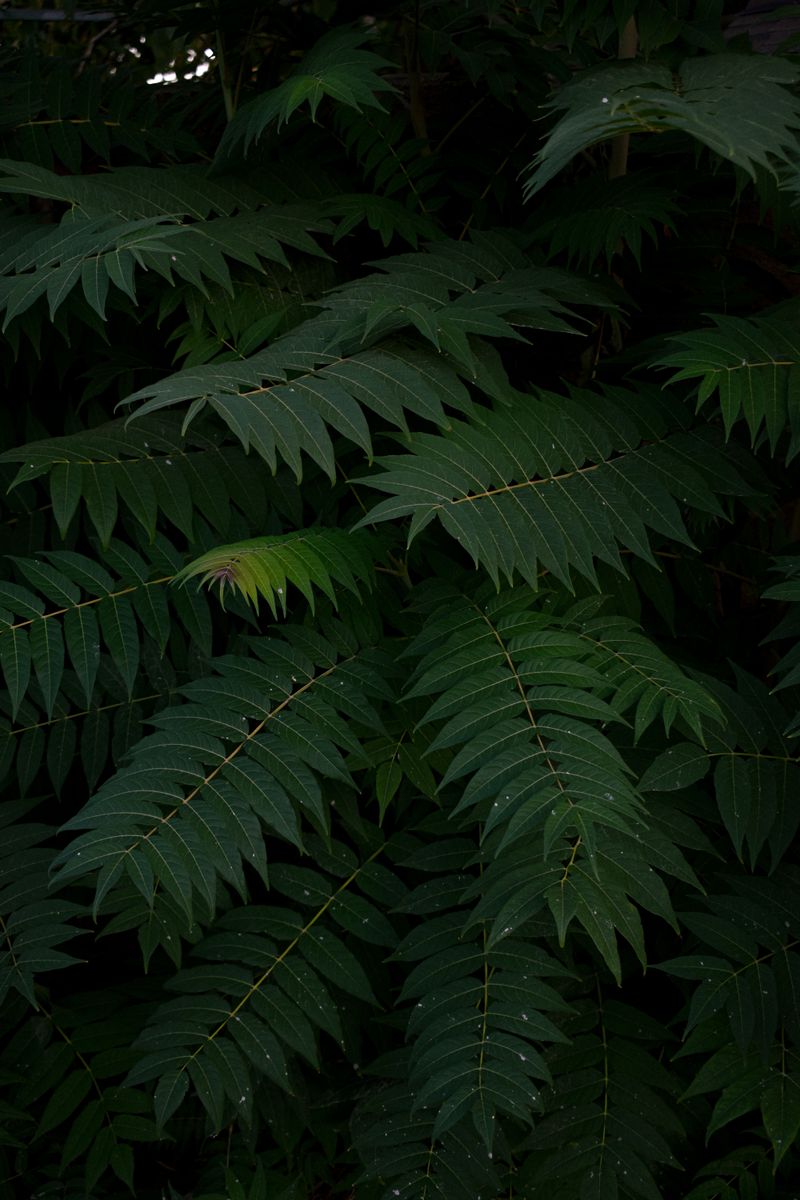
The compound leaves stretch four feet long, the seeds travel by wind, and the roots laugh at casual removal attempts.
Ignore it once and you will spend thousands fixing what one persistent plant decided to claim as its own territory. Your yard is already on its list, and it started making moves long before you noticed.
Nearly Impossible To Remove Once Established
Pull it once and it resists you. This is one of the most stubborn invasive plants homeowners will ever face, and that is not an exaggeration.
When you cut it down, it sends up a dozen new sprouts from the stump. Those sprouts grow fast, sometimes several feet in a single season.
The root system runs deep and wide before the tree even looks mature. By the time you notice it is a problem, the roots have already anchored themselves firmly underground.
Mechanical removal alone almost never works. Studies show that cutting without follow-up treatment causes the plant to resprout more aggressively than before.
Chemical treatment is usually required, and even that takes multiple applications over several growing seasons.
Homeowners who try a one-and-done approach often find a thicket of new growth by the following spring. Professional removal can cost hundreds to thousands of dollars depending on size.
Catching this invasive tree early is the only way to avoid that expense. Maine residents who spot a young sapling should act immediately.
A two-inch seedling today becomes a nearly unmanageable removal project within just a few years. Early identification is your single greatest tool against it.
Seeds Spread By The Hundreds Of Thousands Annually
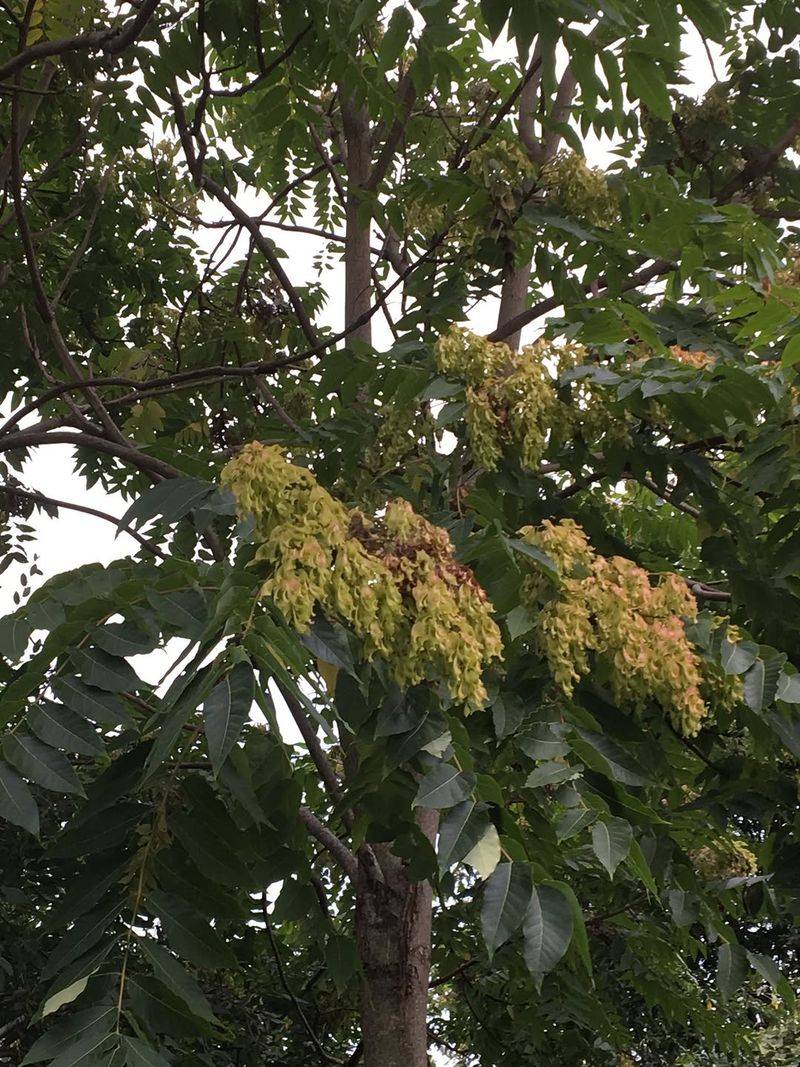
One mature tree can produce more than 300,000 seeds every single year. Let that number sink in for a moment.
Each seed is wrapped in a papery wing called a samara. Wind carries these seeds far from the parent tree, sometimes hundreds of feet away.
A single tree left unmanaged in a neighbor’s yard can seed your entire property within one season. You may not even see the seedlings at first because they blend in with other young plants.
The seeds germinate quickly in disturbed soil, roadsides, fence lines, and garden beds. They do not need rich soil or careful conditions to sprout successfully.
Female trees begin producing seeds within two or three years of sprouting. A tree reaches that point faster than most homeowners expect.
Birds and wind work together to carry seeds across neighborhoods and into wooded edges. Once a seed lands in a sunny spot with any soil, germination can begin quickly.
Your Maine Garden Changes Every Week. Your Plan Should Too.
Gardening in Maine changes quickly throughout the season. Every Friday you’ll receive a simple weekly plan showing exactly what to plant, prune, fertilize, harvest, and protect so you never miss the right timing.
Homeowners often do not connect the seedlings popping up along their fence to a tree two streets over. That is exactly how this plant expands its territory so efficiently.
Monitoring your yard every spring for new seedlings is a smart habit to build. Pulling them young takes seconds, but waiting even one season makes the job significantly harder.
Suppresses Surrounding Soil Through Allelopathy
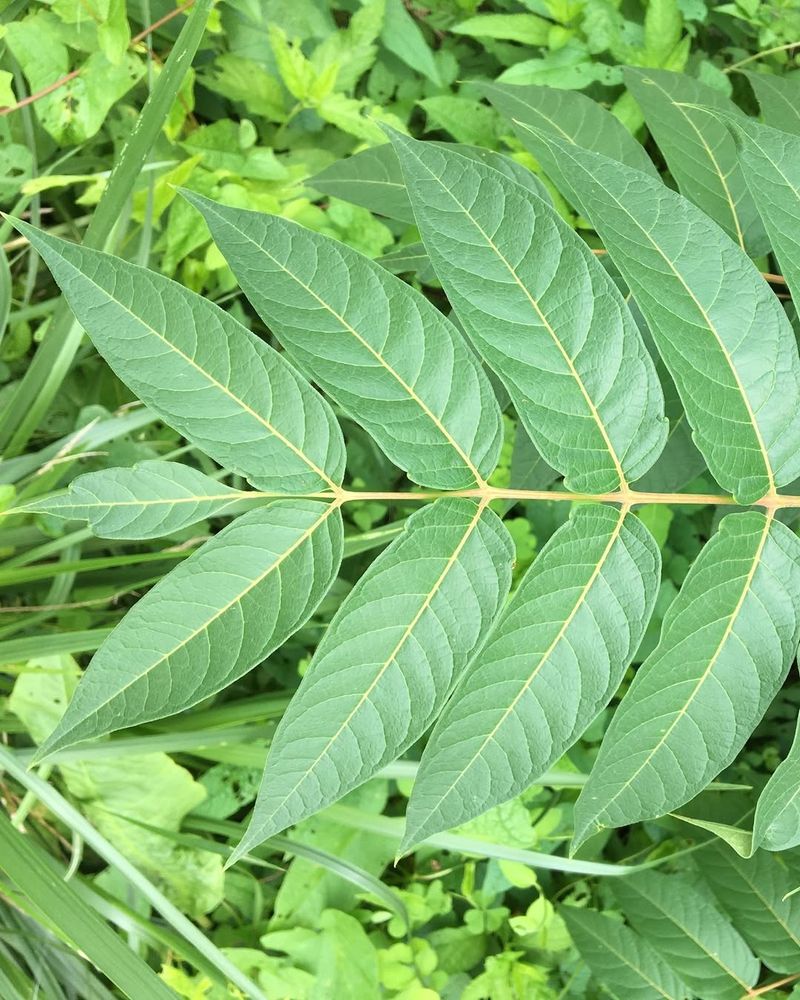
Some plants compete by growing fast. This one competes by chemically suppressing everything nearby. This process is called allelopathy.
It means the tree releases toxic compounds directly into the surrounding soil, giving it a clear advantage over neighboring plants.
Compounds called ailanthones seep from the roots and fallen leaves into the ground beneath and around the tree. Native wildflowers, grasses, and garden plants struggle to grow in that chemically altered soil.
Gardeners often notice that nearby plants look stunted, yellowed, or simply fail to thrive. They blame poor soil or too much shade, not realizing chemical competition is occurring in the soil beneath them.
Even after you remove the tree, those compounds can persist in the soil. Duration varies by soil type, and there is no precise consensus on how long recovery takes. Replanting too soon often leads to disappointing results.
The effect creates a feedback loop that benefits this plant. Less competition means more sunlight, more water, and more space for its own seedlings to establish.
Soil amendment is usually needed before native plants can reclaim the area. The right approach depends on your soil composition, so testing after removal gives you a clearer picture of what you are working with.
Understanding this chemical side of the problem helps homeowners plan smarter restoration efforts. Healthy soil means healthy native plants, and that is your best long-term defense.
Roots Can Damage Pavement, Sewer Lines, And Foundations
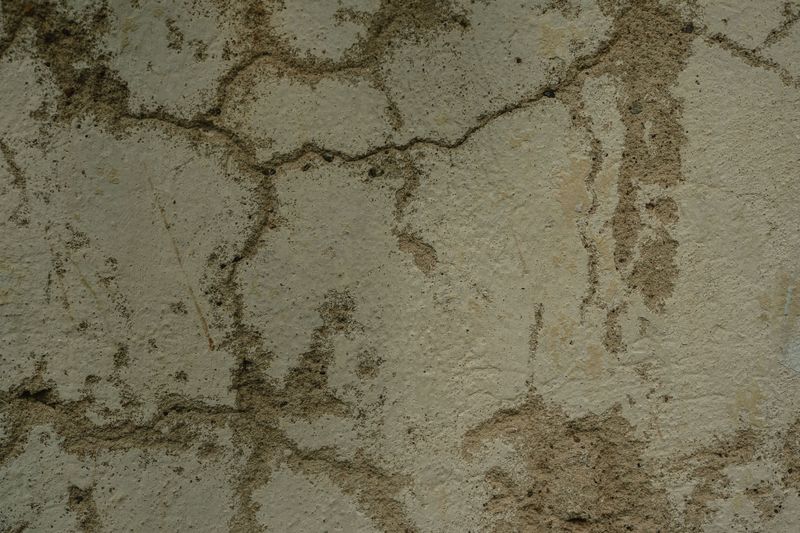
Forget the leaves for a second. The real threat is happening underground where you cannot see it.
The root system of this invasive tree is aggressive, wide-spreading, and actively seeking moisture. Sewer lines, water pipes, and foundation walls can all be vulnerable to encroaching root systems.
Root intrusion into sewer lines is a documented problem with invasive trees. When it occurs, homeowners often have no idea what caused the blockage until a camera inspection reveals the source.
Always consult a professional to confirm the cause in your specific situation. Driveways and sidewalks near established trees frequently show heaving and cracking within just a few years.
The roots grow close to the surface and push upward with surprising force. Among the costliest potential consequences is foundation damage. Repair costs vary widely by region and severity.
Getting a professional assessment early is a genuinely smart financial decision. The tree thrives in urban environments precisely because it exploits every crack and gap in hard surfaces.
A tiny sidewalk seam becomes an entry point for roots seeking soil and water. Homeowners sometimes spot this plant growing directly out of a wall or pavement crack and assume it is harmless.
That small stem represents a root system already working against your property. Protecting your home means acting before the roots reach critical infrastructure.
This is not just a garden nuisance. It is a structural concern worth taking seriously.
Attracts And Harbors The Invasive Spotted Lanternfly
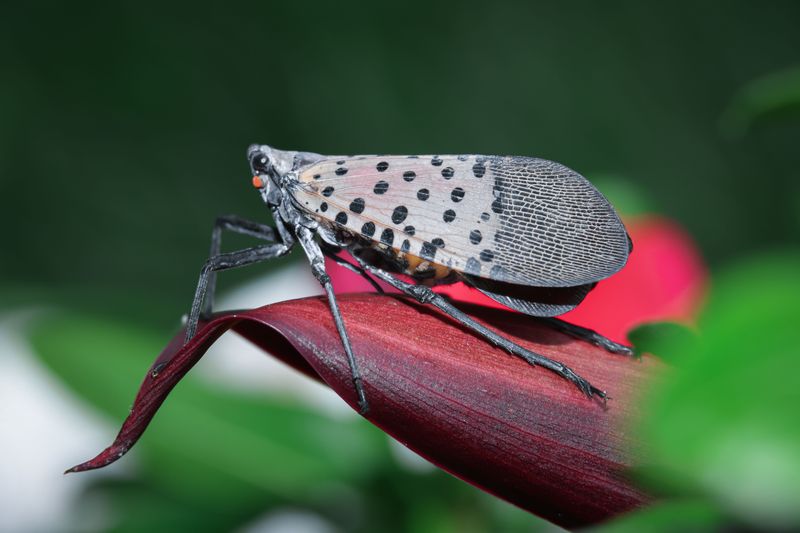
This tree does not just affect your yard on its own. It also creates favorable habitat for another destructive invader.
The spotted lanternfly, an invasive insect from Asia, has a strong preference for this tree as its host plant. Where one shows up, the other often follows.
Spotted lanternflies feed on the sap of dozens of plants, including fruit trees, grapevines, and hardwood trees. Their feeding weakens plants and leaves behind a sticky waste called honeydew that promotes mold growth.
Orchards and vineyards in affected mid-Atlantic states, particularly Pennsylvania and New Jersey, have reported economic losses linked to both species. For backyard gardeners, the damage shows up as wilting, oozing, and declining fruit production.
The spotted lanternfly has not yet established in Maine, but a breeding population was confirmed in neighboring Massachusetts in June 2025.
Maine remains on high alert, and the window for prevention is narrowing. Allowing this tree to grow unchecked creates ideal conditions that could accelerate that spread.
Egg masses from spotted lanternflies are laid on flat surfaces including tree bark, lawn furniture, and vehicles. Moving infested wood or plant material unknowingly helps spread this pest to new areas.
Removing this tree from your property reduces the attractiveness of your yard to this insect. It is one of the most direct actions a homeowner can take to slow the lanternfly’s advance.
Addressing both species together is far more effective than tackling them separately. Removing their preferred host plant is a powerful first step toward protecting your garden and your neighbors.
Spreads Underground Up To 50 Feet From The Parent Tree
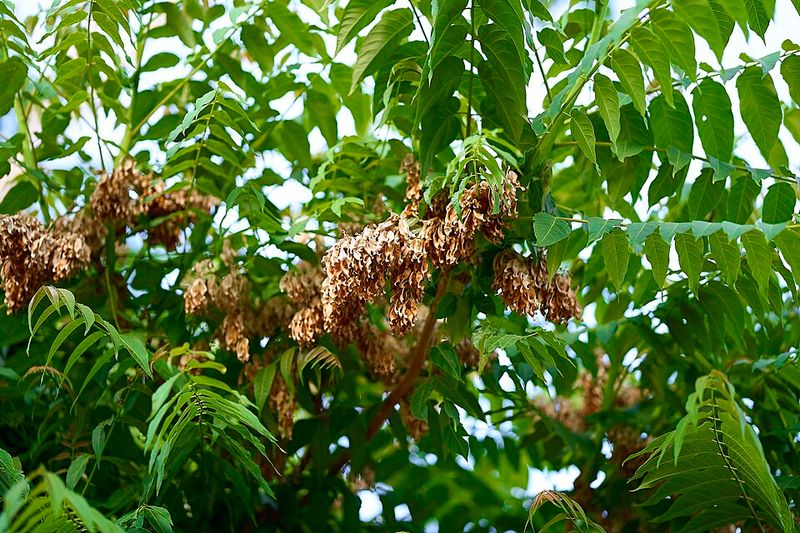
You cut down the tree in your yard and think the problem is solved. Then two seasons later, sprouts appear across your lawn, along your fence, and in your flower beds.
This plant spreads not just by seed but also through its root system. Root sprouts can emerge up to 50 feet away from the original trunk.
These sprouts, called suckers, are genetically identical to the parent plant. They share the same deep root network and are just as vigorous and difficult to eliminate.
Homeowners who remove a visible tree without treating the roots often create a worse situation. Cutting stimulates the root system to produce even more suckers as a survival response.
This underground spread means your neighbor’s tree is also your problem. Roots do not respect property lines, and suckers can emerge on your side of the fence from a tree that never stood in your yard.
Mapping the extent of root spread before removal helps professionals plan the most effective treatment strategy. Skipping this step often leads to months of frustrating regrowth.
The 50-foot spread zone means a single tree in a small suburban lot can affect multiple neighboring properties at once. Coordinated removal efforts between neighbors make a real difference in outcomes.
Managing it effectively requires neighborhood-wide awareness and a willingness to act together. No fence or property line will slow it down on its own.