One Habit That Quietly Weakens Your Christmas Cactus During Summer
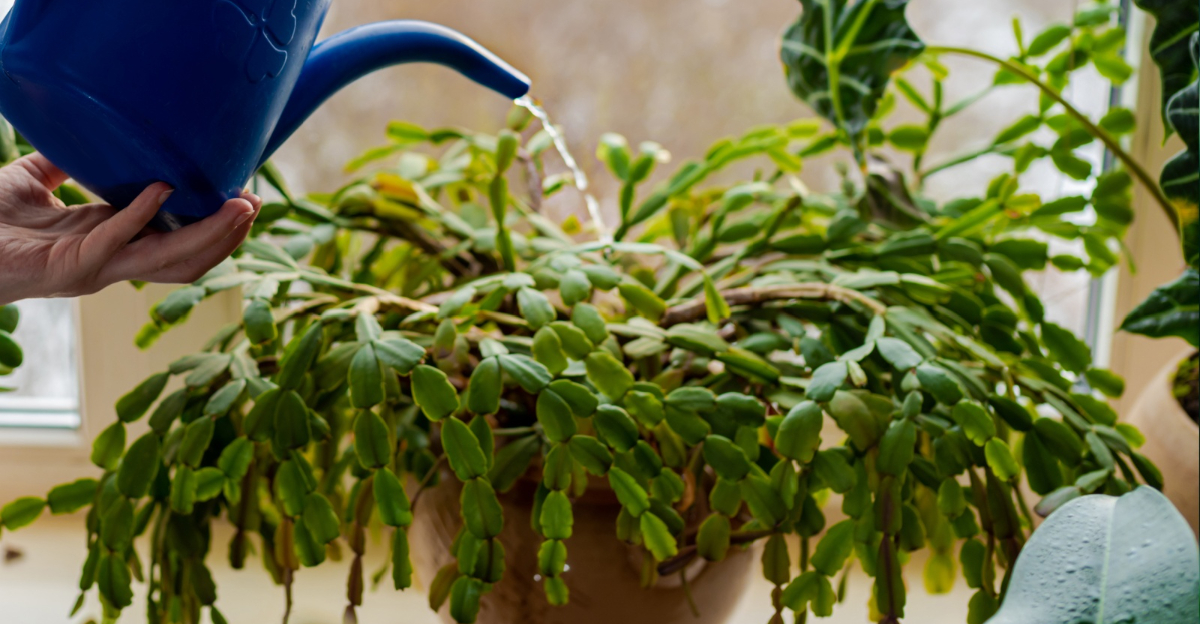
Your Christmas cactus looked full of life just a few weeks ago. Now the stems feel soft, the leaves look dull, and nothing you try seems to make a difference.
You did everything right, and somehow the plant still suffered. Christmas cacti are built differently from most houseplants. They slow down during warm months and need far less than summer makes you think.
What feels like generous, loving plant care can quietly work against you without a single warning. Something is happening beneath the soil that most plant lovers never suspect.
It starts before any visible sign appears, moves slowly, and by the time most people notice, it has often already been going on for weeks. Does your cactus look slightly off but nothing obvious explains it?
The answer has been hiding in plain sight inside your daily routine. And once you see it, your whole approach to summer plant care will shift completely.
The Summer Watering Mistake That Starts The Damage
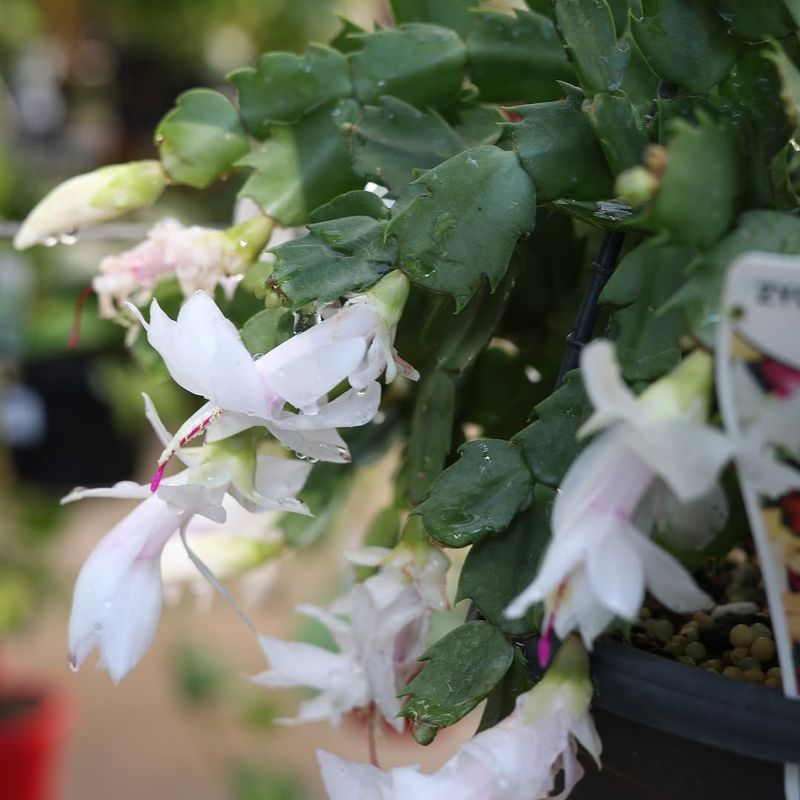
Too much water is the single biggest threat to a Christmas cactus in summer. Most people treat it like a tropical plant, watering on a regular schedule no matter what.
Roots need air just as much as moisture to stay strong. When soil stays soggy, oxygen cannot reach the roots, and they begin to struggle almost immediately.
Root rot sets in quietly beneath the surface, breaking down healthy tissue before you see any warning signs above soil. By the time you notice, the damage has already spread.
A wilting plant in wet soil is a red flag that most gardeners misread as thirst. Adding more water at that point makes the situation significantly worse.
Leaves turn yellow and develop soft dark spots as the plant struggles to pull nutrients through damaged roots. Stems go mushy and lose their firm, waxy feel entirely.
A sour or earthy smell rising from the pot signals active decay happening underground. That smell means the roots are breaking down and the plant needs immediate attention.
Buds drop before they can bloom when the plant redirects its energy toward survival instead of growth. With fast action and dry soil, most Christmas cacti recover well.
The First Warning Sign Usually Starts Below The Soil
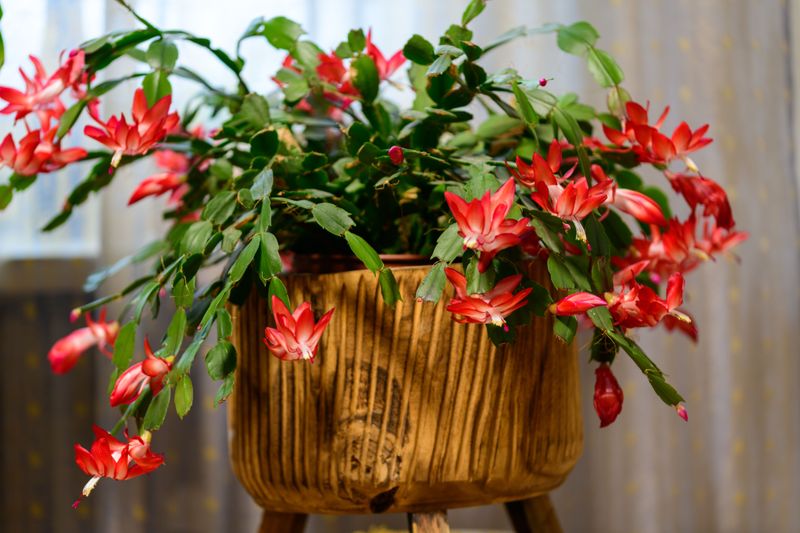
Check below the surface first. Root rot is the sneakiest consequence of overwatering a Christmas cactus.
When soil stays wet too long, oxygen disappears from the root zone. Without air, roots break down, turn black, and go soft.
Healthy roots feel firm, pale, and slightly springy. Rotted ones smell sour and fall apart when touched. By the time the plant looks off, root rot may already be advanced.
The damage happens underground, invisible until things get serious. Gently slide the plant from its pot and inspect the root ball.
Trim away dark, mushy sections with clean scissors, then repot in fresh, well-draining mix. After repotting, hold off on watering for three to four days.
That dry window lets freshly cut roots begin healing without more moisture pushing in. The right soil mix matters just as much as your watering schedule.
A blend of standard potting mix and perlite drains fast and keeps roots from sitting in water. Some gardeners swear by terracotta pots for this reason.
The porous clay pulls moisture away from the soil between waterings. Prevention is simpler than treatment, and it starts with one habit.
Before you water, poke your finger an inch into the soil and feel for moisture. Catching root rot early gives your plant a real shot at recovery. Wait too long, and that window closes fast.
Why A Wet Plant Can Still Look Thirsty
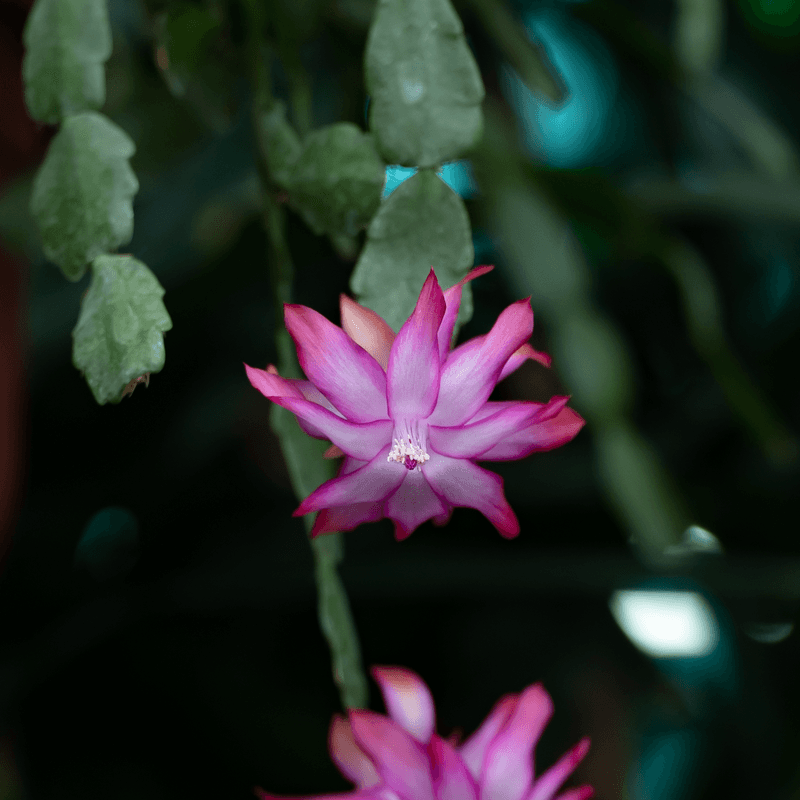
Your plant is drooping, and your first instinct is to grab the watering can. That instinct will make things much worse.Wilting in an overwatered Christmas cactus happens for a counterintuitive reason.
Rotted roots lose the ability to push moisture upward, so stems go limp even in soaked soil. Press your finger about an inch into the potting mix. Wet soil plus a drooping plant means stop watering immediately.
This symptom mirrors the look of underwatering, which is what makes it so tricky. The difference is the soil: dry means thirsty, wet means roots in trouble.
Let the mix dry out before watering again. Bright indirect light and good airflow will help speed things along. Moving the plant to a spot with better circulation makes a real difference.
A gentle breeze from an open window helps the soil surface dry faster between sessions. Some gardeners add a layer of gravel to the top of the pot to improve airflow.
That small step keeps moisture from pooling right around the base of the stem. Once the soil dries and you resume watering, do it slowly and evenly.
Pour water in a steady stream around the edges of the pot, not directly onto the base. A limp plant in wet soil is sending a clear SOS. Listen to it before the damage spreads further.
Yellow Segments Mean The Stress Is Spreading
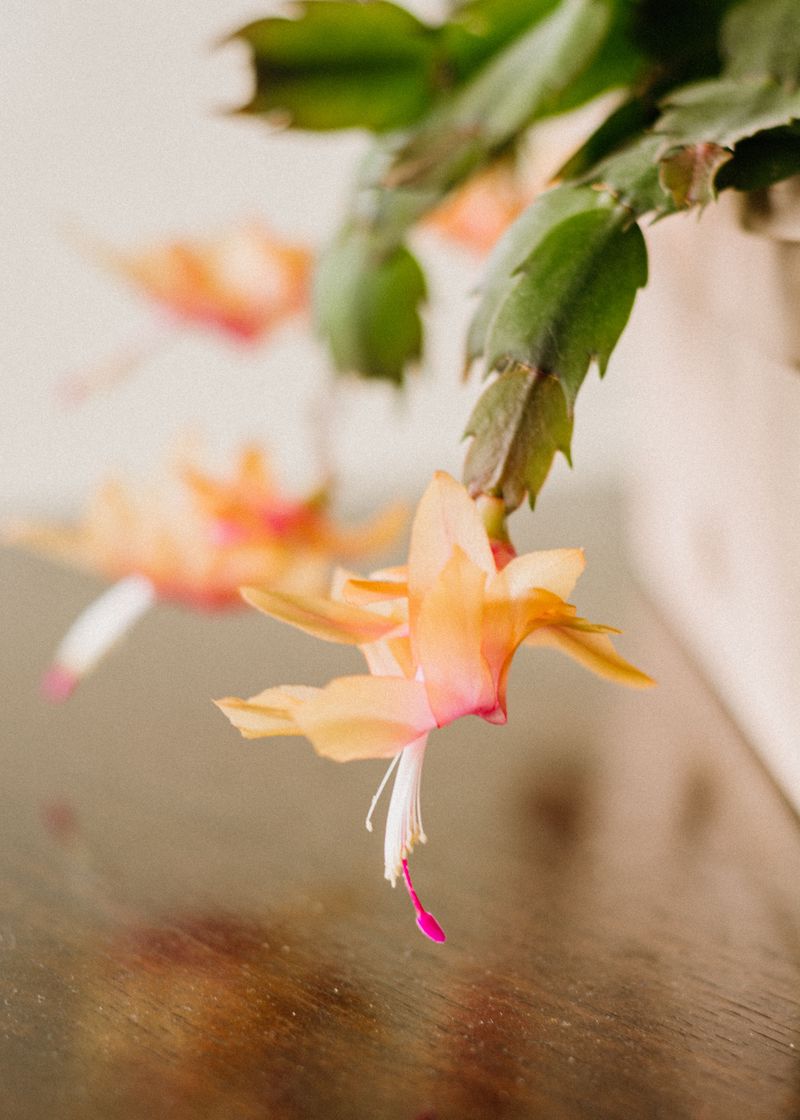
Yellow leaves are not a phase. On an overwatered Christmas cactus, they are a flag. Excess moisture causes cells inside the leaves to break down from within.
Yellowing starts at the base of segments, often paired with brownish or black lesions on the surface.
Those spots signal active tissue breakdown, not a cosmetic issue. Sustained overwatering is the cause, and fertilizing won’t fix it.
Some gardeners see yellow leaves and add plant food, hoping for a boost. Adding fertilizer to a stressed, soggy plant only makes the situation worse.
The fix begins with the watering schedule. Only water when the top inch of soil feels dry, no exceptions.
Pull off any fully yellowed segments to redirect the plant’s energy. Leaving them attached draws resources away from the healthy green growth that remains.
Check your watering container too, because cold tap water can shock tropical roots. Room-temperature water is gentler and less likely to cause additional leaf stress.
Keep the plant away from heating vents and drafty windows while it recovers. Stable temperatures and consistent indirect light give it the best shot at bouncing back.
Spring is also a good time to check for pests, since stressed plants attract them. Spider mites and mealybugs love a weakened Christmas cactus.
Yellow leaves with spots are your Christmas cactus waving a white flag. Adjust now, and fresh green growth will follow within weeks.
Segments Drop Off With Almost No Force
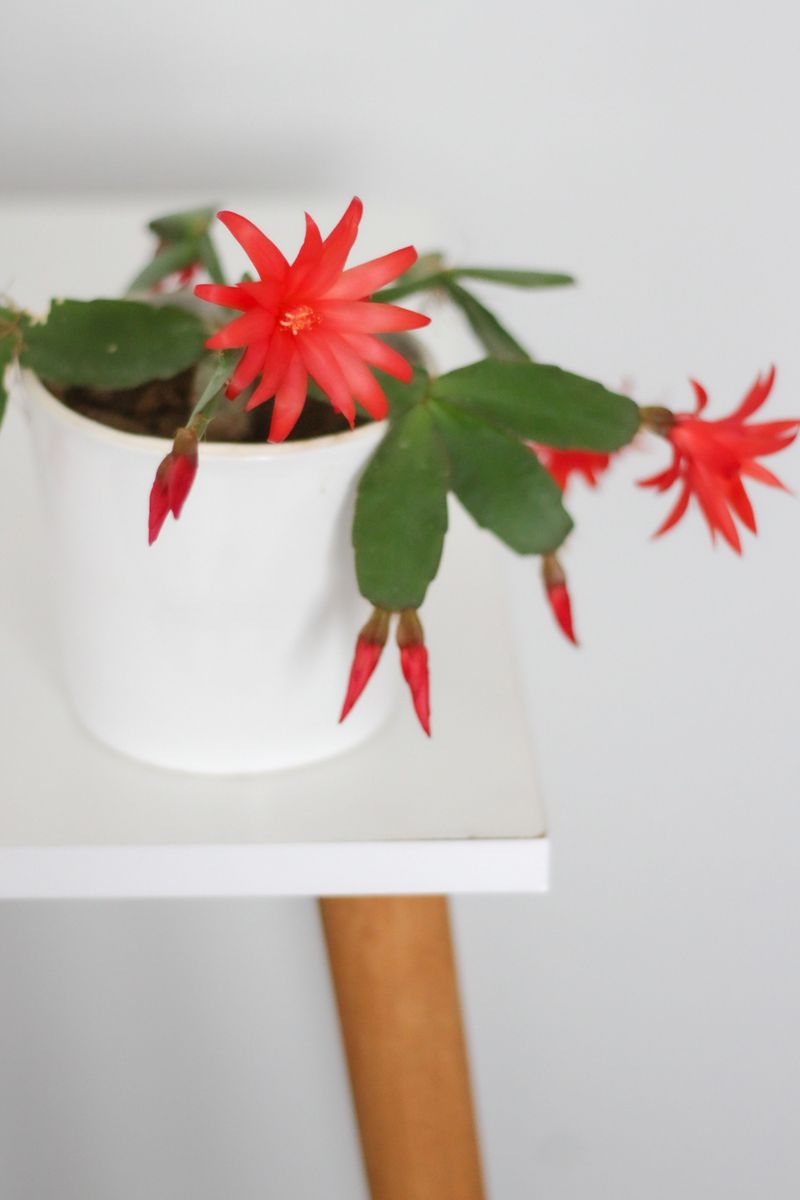
Touch a segment and it falls right off. That’s not normal, and it’s one of the clearest signs of overwatering a Christmas cactus.
Healthy segments are firmly attached. They flex slightly when nudged but won’t detach without a deliberate twist.
When stems stay saturated too long, the joints between segments weaken. The tissue softens, loses its grip, and pieces start falling at the lightest touch.
This symptom often shows up alongside yellowing and wilting. All three appearing together means the plant is under serious stress.
Remove any loose segments from the soil surface right away. Left in place, they can introduce fungal growth to an already struggling plant.
Interestingly, dropped segments can sometimes be saved as cuttings. Let them air-dry for a day, then press the cut end into fresh, barely moist cactus mix.
New roots can form within a few weeks if conditions are right. Indirect light, warm temperatures, and minimal watering give cuttings the best chance.
Back on the main plant, reduce watering immediately and check drainage. A pot without proper holes traps moisture and accelerates the joint-weakening process.
It also helps to examine the pot size at this stage. A pot that is too large holds excess moisture around roots and speeds up joint weakening.
Segment drop is the Christmas cactus equivalent of a distress signal. Move quickly, and a full recovery is still within reach.
Loose Segments Are A Sign The Plant Is Struggling

Something fuzzy and white is colonizing your potting mix. It is a fungal problem rooted in chronically wet conditions.
Mold on the soil surface means moisture lingers far too long between waterings. Damp, stagnant soil is exactly what fungal spores need to thrive.
Left alone, that growth can spread to the base of the plant. It also signals your drainage setup needs a serious look.
Check your pot immediately. No drainage holes means water pools at the bottom with nowhere to go.
Scrape off visible mold and swap out the top inch of soil with fresh mix. Then reassess your watering frequency and make sure every session ends with water draining freely.
Terra cotta pots are worth considering if you tend to overwater. The porous walls pull moisture away from the soil, helping it dry out between waterings faster.
Room humidity plays a role in how fast mold takes hold. In humid summers, a small fan near the plant helps airflow around the pot.
After scraping the mold, let the surface dry for a full day before resuming any watering. That reset gives beneficial microbes a chance to reestablish before fungi can return.
Mold on the surface is your soil sending a message. Fix the conditions underneath it, and it won’t return.
Surface Mold Means The Pot Is Staying Too Damp
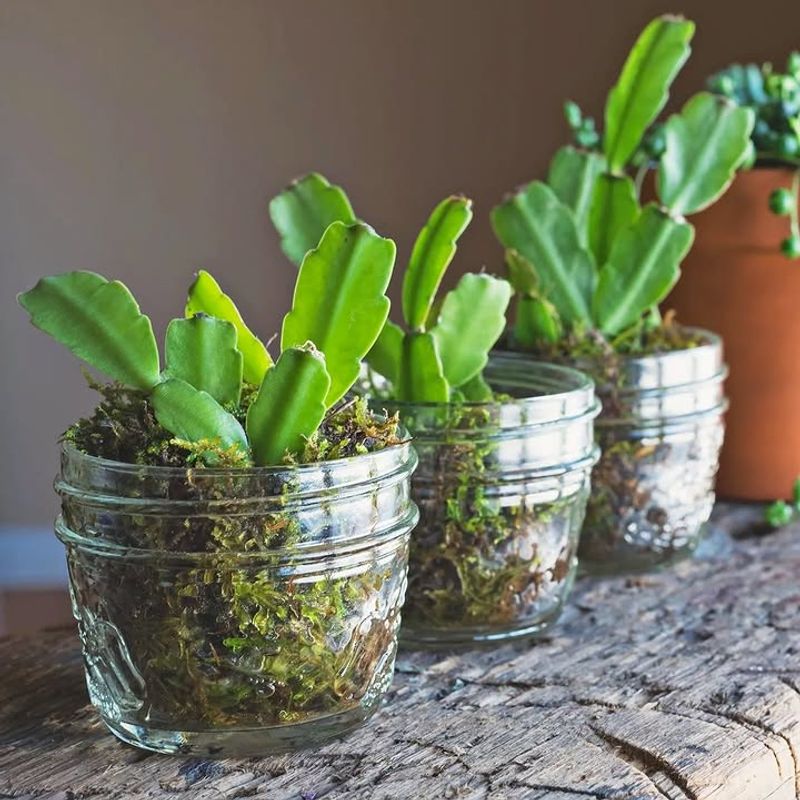
No flowers in December, after a whole year of tending your Christmas cactus. That’s a genuinely frustrating outcome.
Chronic overwatering weakens the plant at a cellular level. A stressed plant has nothing left for holiday blooms.
Flowering needs healthy roots, strong stems, and the right seasonal cues. Waterlogged roots can’t deliver the nutrients bud development requires.
Even if the plant survives, bud drop is common. Buds that form often fall before they open, leaving bare stems through the holidays. To encourage blooms next season, get your watering habits sorted by late summer.
Water only when the top inch feels dry, and give the plant six to eight weeks of 12 to 14 hours of darkness each night from late September.
During those darker weeks, keep the plant in a room that stays around 60 to 65 degrees. Cool nighttime temperatures are one of the key triggers that tell the plant to form buds.
Avoid moving it once buds appear, because even a small shift can cause them to drop. Consistency in light and temperature is everything during that final stretch before flowering.
A light feeding with a low-nitrogen fertilizer in early spring supports root recovery. Stronger roots going into fall means a better chance at a full, vibrant bloom come December.
A bloomless Christmas cactus is the final proof that overwatering has been an issue all along. Fix it now, and next December will look completely different.
How To Help Your Christmas Cactus Recover Before Bloom Season
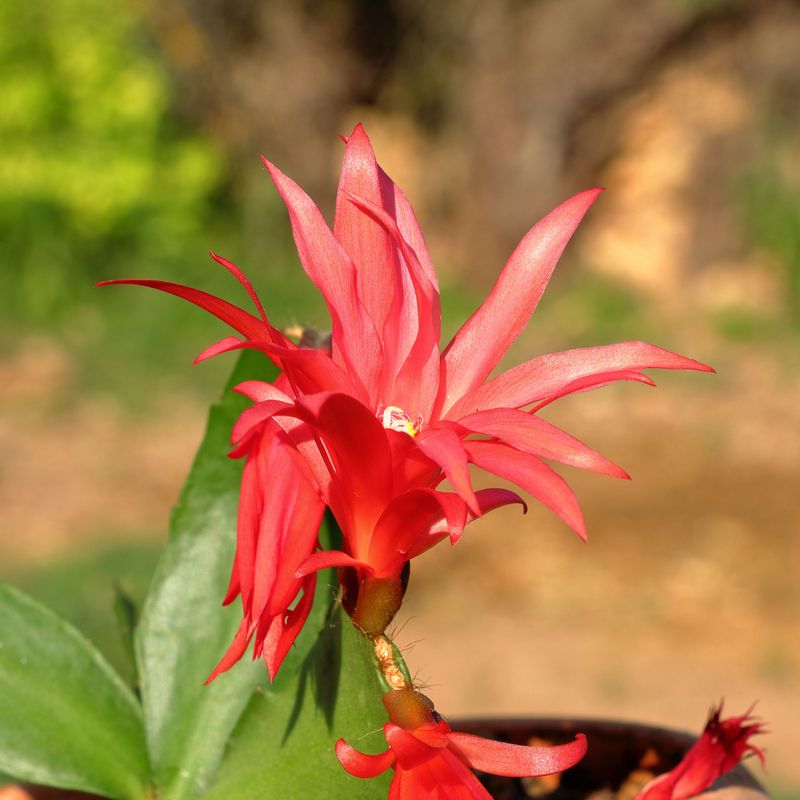
Recovery is possible, and summer is exactly the right time to start. A Christmas cactus that looked nearly finished just weeks ago can rebuild its strength before fall arrives.
Begin by pulling the plant from its pot and inspecting the roots honestly. Trim away anything dark, mushy, or foul-smelling, and repot into a clean container with fresh, fast-draining mix.
Let the plant settle without water for three to four days after repotting. That brief dry period gives cut root ends a chance to callous before moisture returns.
Move it to a bright spot out of direct sun, somewhere with steady warmth and gentle air circulation. Avoid windowsills with strong afternoon rays, which can scorch already-stressed segments.
Resume watering only when the top inch of soil feels completely dry. Use room-temperature water and pour it slowly around the edges of the pot, letting it drain fully each time.
Skip fertilizer for at least a month while the roots reestablish. Once you see firm new growth appearing at the tips, that’s your signal the plant is ready for a light feed.
A diluted, balanced fertilizer applied once in midsummer gives recovering roots a gentle boost without overwhelming them. Stop feeding by late August so the plant can begin its natural slowdown toward dormancy.
By early fall, a well-recovered Christmas cactus should have firm, glossy segments and a stable root system ready to respond to the darkness and cool temperatures that trigger blooming.
That recovery window between now and September is shorter than it feels. Start today, stay consistent, and the plant that struggled through summer will be the one lighting up your home come December.