The Easiest Michigan Shrubs To Root From Cuttings So You Never Have To Buy Them Again
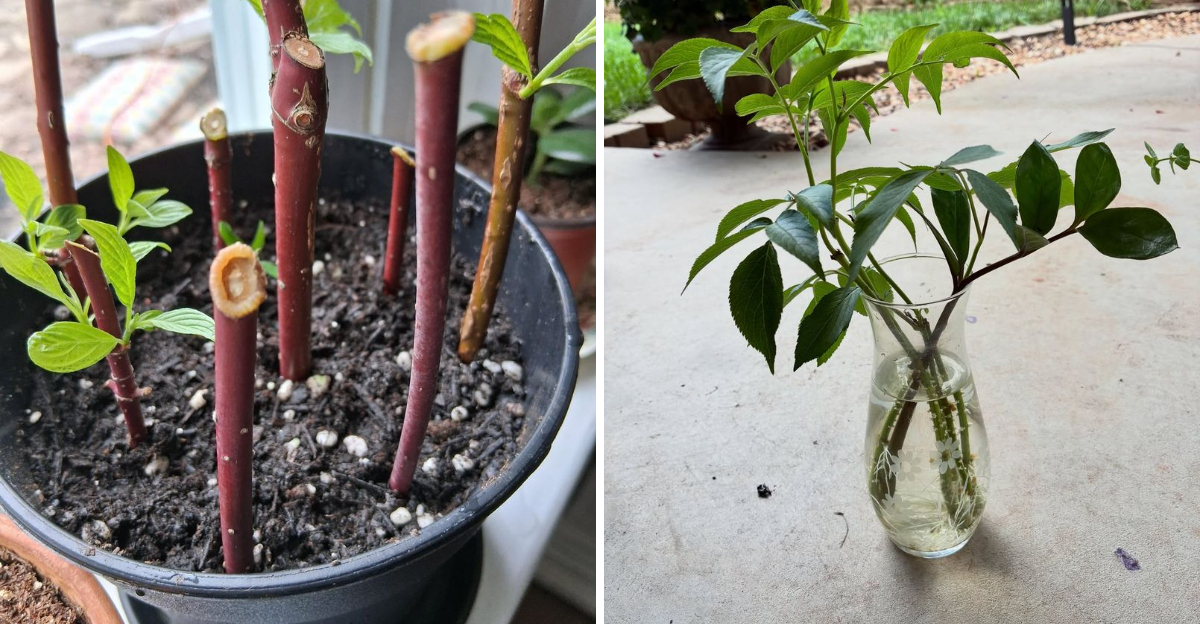
Buying shrubs every time you want to expand a border or fill a new area of the yard adds up quickly.
Still, most Michigan gardeners do not realize how many of the shrubs already growing on their property can be propagated from simple cuttings with very little equipment or expertise required.
The propagation window for several of the most popular and useful shrubs in Michigan landscapes falls within a specific seasonal range.
Working within that window makes the difference between cuttings that root reliably and ones that fail before they ever get started.
Once you have successfully rooted even one or two shrubs from material you already own, the idea of paying nursery prices for the same plants becomes genuinely difficult to justify going forward.
1. Ninebark
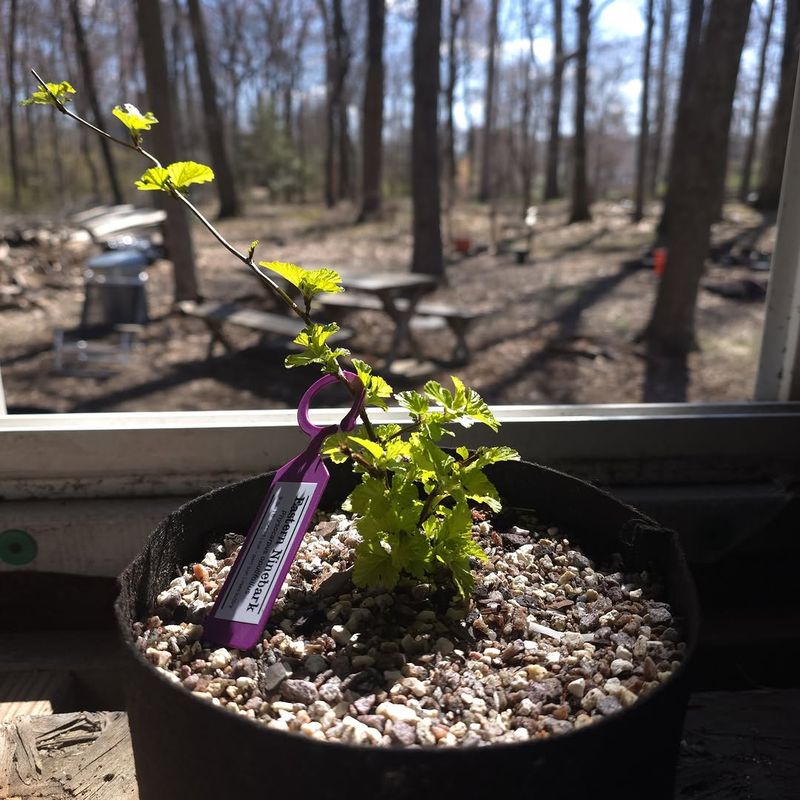
Few Michigan native shrubs are as forgiving and rewarding to propagate as Ninebark. Take softwood cuttings in late spring or early summer, right when the new growth is fresh and flexible, and you will be amazed at how quickly roots develop.
This shrub practically wants to grow for you, which makes it a perfect starting point for anyone trying propagation for the first time. Ninebark forms beautiful multi-stemmed clumps that bring real structure to a yard.
Its papery, peeling bark is genuinely interesting to look at even in winter, and the clusters of white or pink flowers in late spring attract bees and butterflies like crazy.
There are also stunning purple-leaf varieties that add bold color contrast to any garden bed.
To get started, snip a 4-to-6-inch cutting just below a leaf node, remove the lower leaves, and dip the cut end in rooting hormone powder.
Stick it into a pot of moist perlite or potting mix, cover it loosely with a plastic bag to hold humidity, and set it somewhere with bright, indirect light.
Roots usually form within three to five weeks. Ninebark tolerates clay, sandy, and loamy soils equally well, which means once your rooted cuttings are ready to transplant, almost any spot in your Michigan yard will work.
It is drought-tolerant once established and rarely needs much maintenance beyond occasional shaping.
2. Northern Bush Honeysuckle
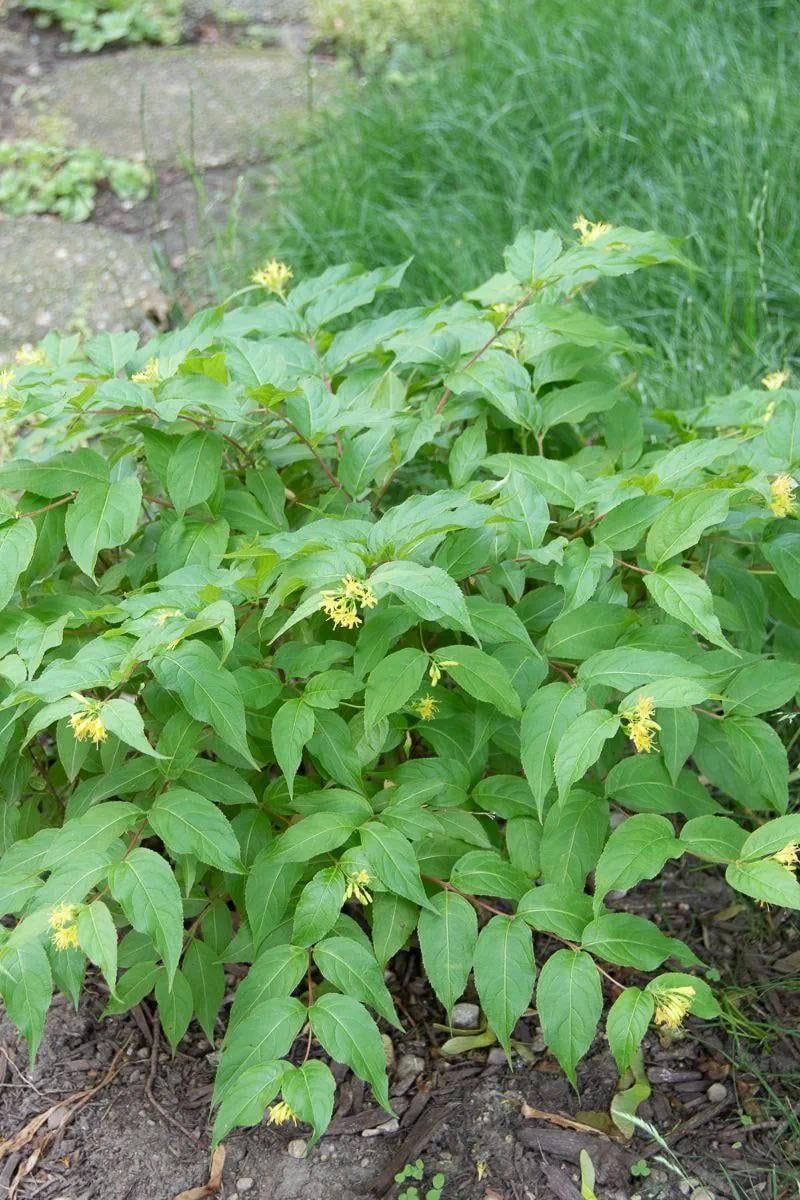
Not to be confused with the invasive Japanese honeysuckle, Northern Bush Honeysuckle is a well-behaved Michigan native that pollinators absolutely love.
It produces cheerful yellow trumpet-shaped flowers from mid-summer onward, and its foliage often picks up gorgeous reddish tones in fall.
Best of all, it spreads naturally by suckering and roots easily from softwood cuttings, making it one of the most generous plants in any Michigan native garden.
Take cuttings in late spring or early summer when the new growth is soft but not floppy. A 4-to-5-inch cutting with two or three leaf pairs works best.
Strip the lower leaves, dip in rooting hormone, and place in a well-draining propagation mix. Keep it consistently moist and out of direct harsh sun while roots develop, which usually takes about four to six weeks.
What makes Northern Bush Honeysuckle stand out is how tough it is once established. It handles dry, rocky, or poor soils that would challenge most other shrubs, and it spreads into a dense, weed-smothering clump over time.
Your Michigan Garden Changes Every Week. Your Plan Should Too.
Gardening in Michigan changes quickly throughout the season. Every Friday you’ll receive a simple weekly plan showing exactly what to plant, prune, fertilize, harvest, and protect so you never miss the right timing.
That makes it fantastic for erosion control on slopes or for filling in bare areas along walkways and property edges.
Bumblebees are especially fond of the flowers, and the shrub supports several native bee species throughout its bloom period.
It stays compact, topping out at around two to four feet, so it fits naturally into smaller spaces without constant pruning. If you want a low-effort, high-reward native that takes care of itself, this shrub is a top pick.
3. Smooth Arrowwood
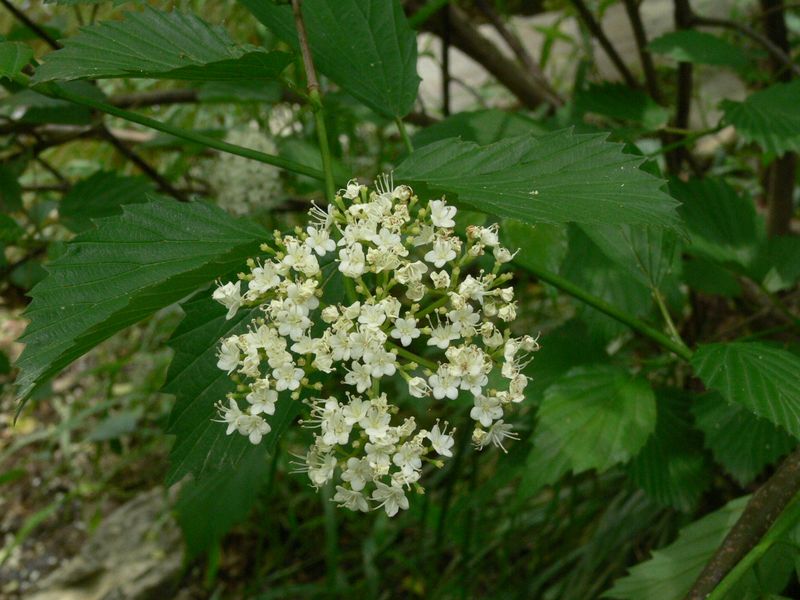
Native Americans historically used the straight, smooth stems of this shrub to craft arrow shafts, which is exactly how it got its memorable name.
Today, Smooth Arrowwood earns its place in Michigan gardens for completely different reasons, mainly its incredible ease of propagation, its lush foliage, and the dark blue-black berries that birds go absolutely wild for in late summer and fall.
Softwood cuttings taken in late spring or early June root reliably with minimal fuss.
Prepare your cuttings at about 4 to 6 inches long, remove leaves from the bottom half, and treat the cut end with a rooting hormone gel or powder before placing them in a moist propagation medium.
Keep them under a humidity dome or plastic tent and check moisture levels every couple of days. You should see solid root development within four to six weeks.
Smooth Arrowwood grows into a rounded, multi-stemmed shrub reaching 6 to 10 feet tall and wide, so give it room to spread and it will reward you generously.
The flat-topped white flower clusters in late spring are magnets for native bees and butterflies, and the glossy green foliage transitions to shades of red, orange, and burgundy in fall.
It adapts well to both full sun and partial shade, and while it prefers moist, well-drained soil, it handles occasional dry spells once established.
For Michigan wildlife gardens and natural hedgerows, few shrubs deliver this much seasonal beauty and ecological value with such little effort from the gardener.
4. Redtwig Dogwood
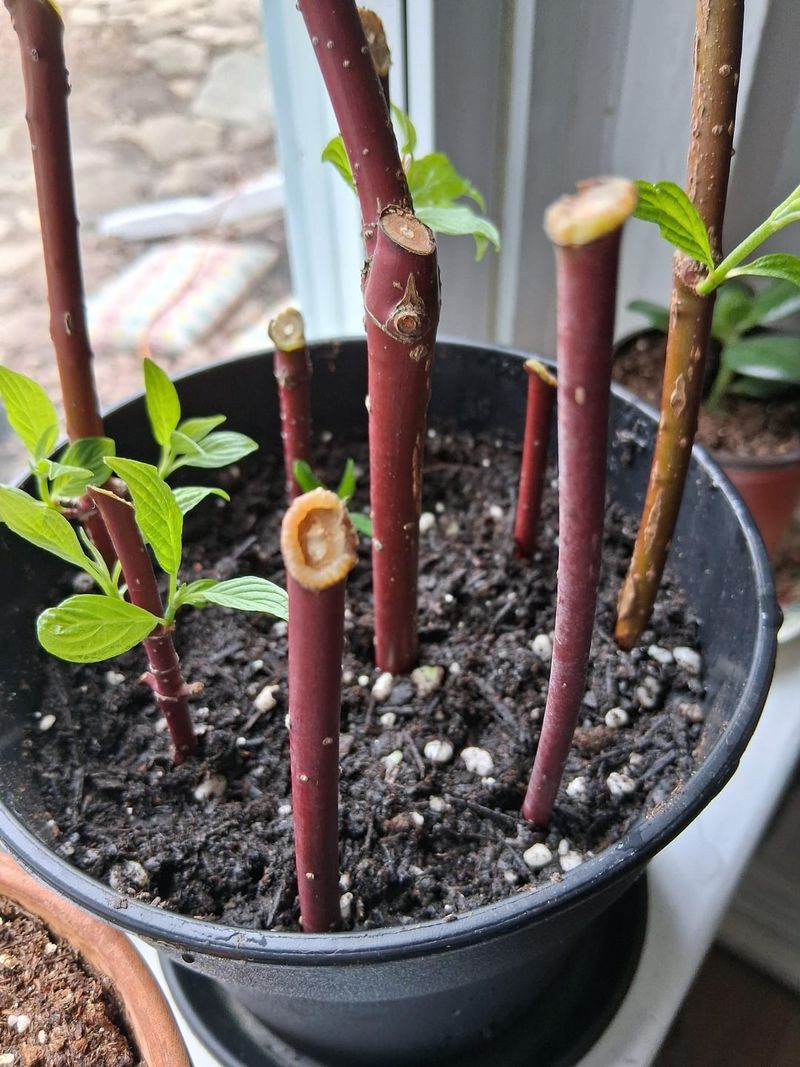
Imagine looking out your window on a gray Michigan winter day and seeing a burst of brilliant red stems glowing against the snow.
That is exactly what Redtwig Dogwood delivers, and the best part is you can grow as many of these showstoppers as you want from cuttings.
Both softwood cuttings in summer and hardwood cuttings in late fall root reliably, giving you two separate windows of opportunity each year. For softwood cuttings, aim for late June through July when stems are still slightly pliable.
For hardwood cuttings, wait until the plant goes dormant in November or December, then bundle your cuttings and store them in barely moist peat in a cool garage until spring planting.
Both methods work well, so choose whatever fits your schedule best.
Beyond its legendary winter color, Redtwig Dogwood earns its place in Michigan gardens through sheer versatility. It thrives in wet areas, making it a natural fit for rain gardens and low-lying spots where other shrubs struggle.
Its white spring flowers and white berries feed birds throughout the season. The foliage turns a soft reddish-purple in fall before dropping, giving you three full seasons of visual interest.
Plant it in groups of three or more for maximum impact, and cut one-third of the oldest stems back each spring to keep those new red stems coming in strong.
This is a shrub that genuinely rewards your attention with something beautiful every single month of the year.
5. Blackhaw Viburnum
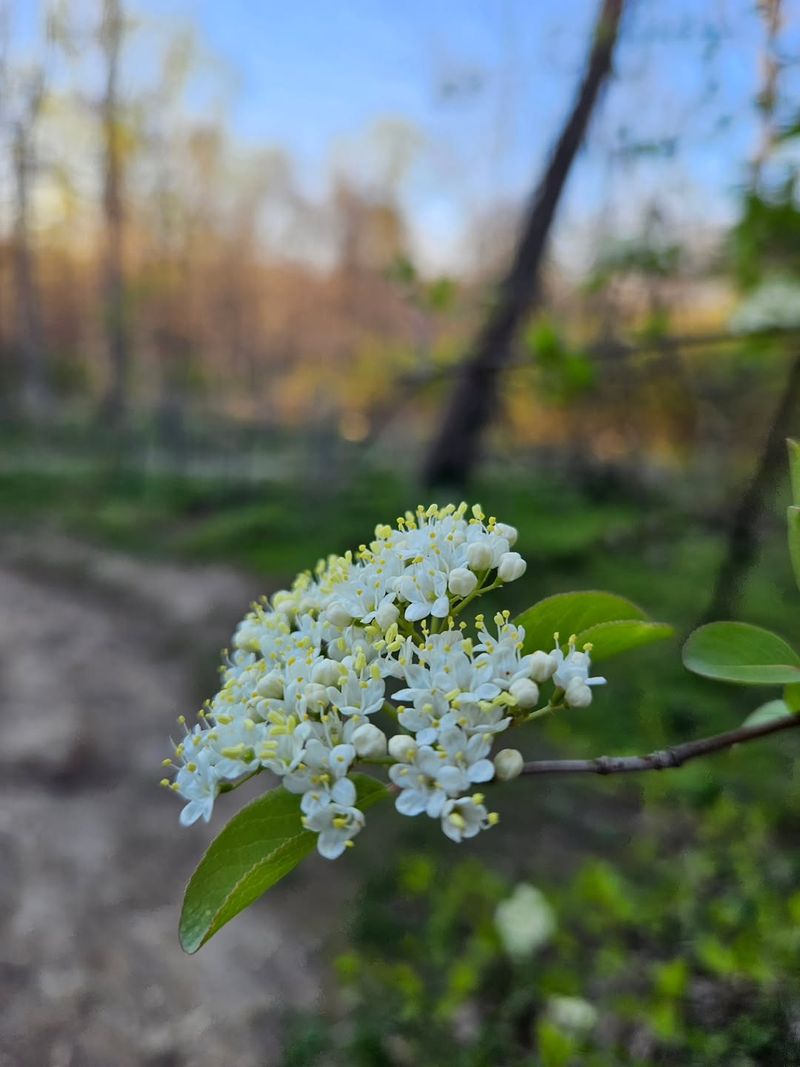
Spring flowers, summer fruit, and fiery fall foliage all packed into one tough Michigan native shrub — Blackhaw Viburnum is genuinely one of the most seasonally interesting plants you can grow.
It functions beautifully as a large shrub or small tree, reaching anywhere from 12 to 15 feet tall over time.
Propagating it from semi-hardwood cuttings taken in mid-to-late summer gives you a reliable path to multiplying this stunning plant without spending a cent.
Semi-hardwood cuttings are taken after the new spring growth has started to firm up but before the wood becomes fully mature.
Aim for cuttings around 4 to 6 inches long, treat them with rooting hormone, and place them in a well-draining propagation mix.
Maintaining consistent moisture and humidity is key during the rooting period, which can take six to eight weeks. Patience pays off handsomely with this one.
Once established, Blackhaw is remarkably tough. It tolerates drought, clay soil, and partial shade better than many other viburnums, which makes it particularly well-suited to the varied conditions found across Michigan yards.
The creamy white flower clusters in spring draw in native pollinators, while the blue-black fruit that ripens in late summer feeds birds, foxes, and other wildlife. Fall color ranges from glossy red to deep purple, making it a genuine four-season performer.
If you want a shrub that earns its spot in the landscape every single month of the growing season while also being a habitat powerhouse, Blackhaw Viburnum belongs at the top of your propagation list.
6. Spicebush
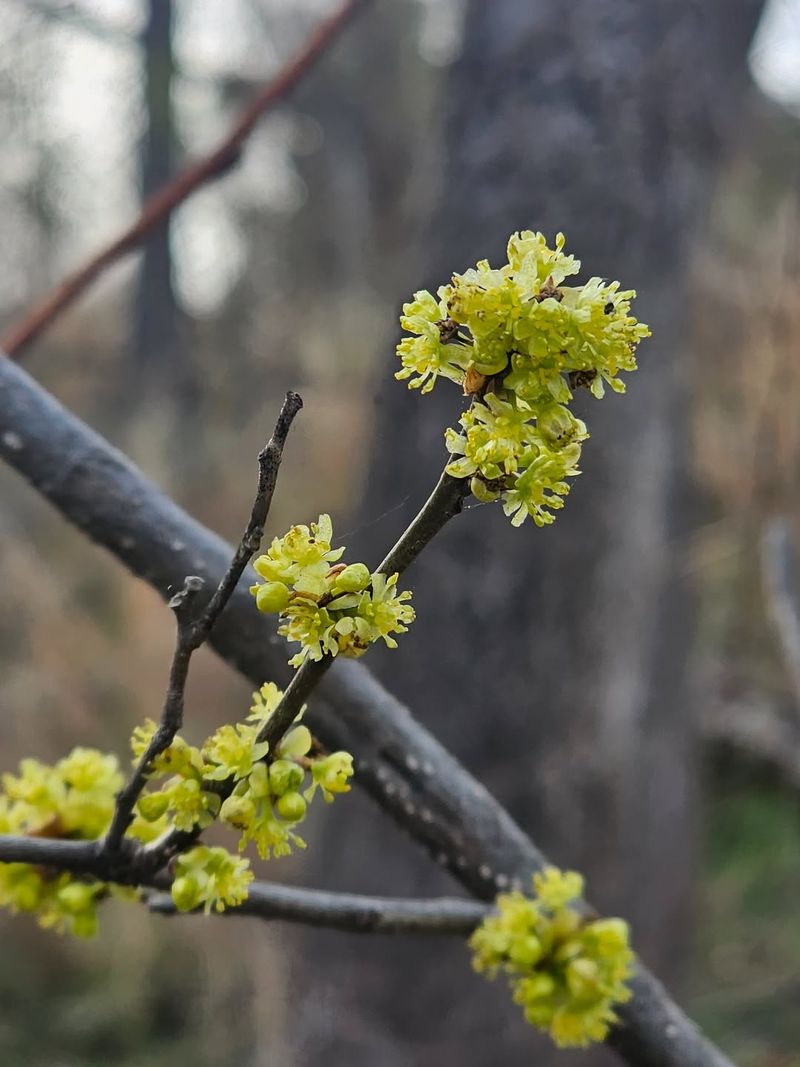
Crush a leaf between your fingers and you get a spicy, citrusy scent that is completely unforgettable.
Spicebush is one of those plants that gardeners fall in love with the moment they encounter it, and growing your own from cuttings makes the whole experience even more satisfying.
It takes a little more attention than some other shrubs on this list, but the reward is absolutely worth the extra care.
Take semi-hardwood cuttings in mid-to-late summer, around July or August, when the new growth has firmed up slightly.
Use a sharp, clean blade to take 4-to-6-inch cuttings, dip generously in rooting hormone, and place them in a moist perlite and peat mix.
Humidity control is especially important with Spicebush, so keep a plastic dome or bag over the cuttings and mist regularly. Rooting can take eight to ten weeks, so do not give up too soon. The payoff for your patience is a genuinely spectacular shrub.
In very early spring, before most other plants have even thought about waking up, Spicebush bursts into bloom with clusters of tiny golden-yellow flowers that feed queen bumblebees emerging from winter.
Female plants produce bright red berries in fall that Spicebush Swallowtail butterflies and migrating thrushes depend on heavily.
The aromatic foliage turns a rich butter yellow in autumn, making it a beautiful addition to woodland garden edges, shaded borders, and rain garden margins.
Plant both male and female plants to ensure berry production and full ecological benefit.
7. Buttonbush
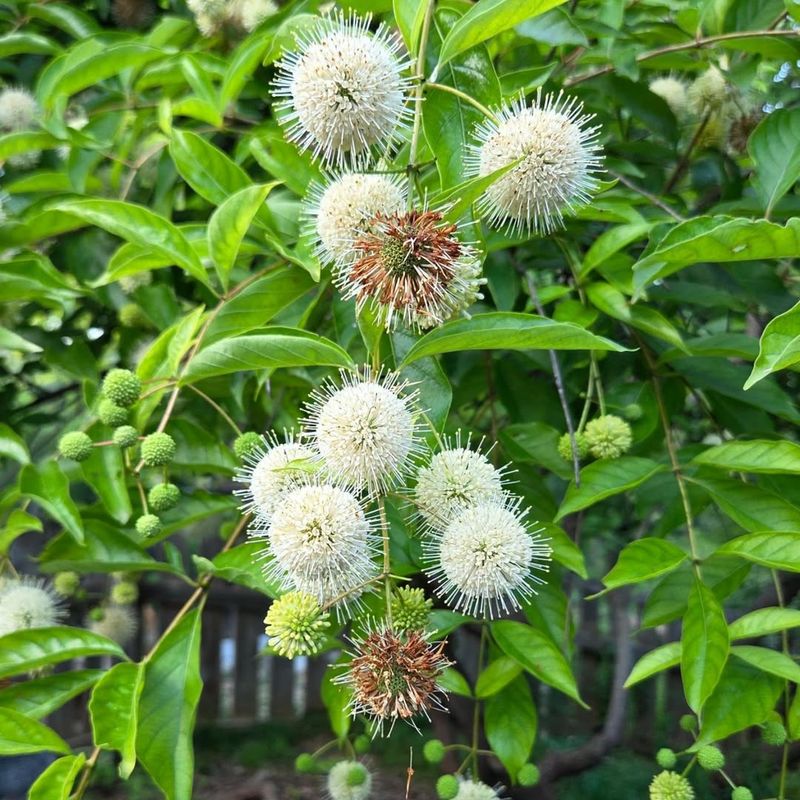
There is no other flower quite like a Buttonbush bloom. Those perfectly round, white pincushion spheres look almost otherworldly, and when they open in mid-summer, every pollinator in the neighborhood shows up to the party.
Hummingbirds, bumblebees, tiger swallowtails, and dozens of other species visit regularly, making this shrub one of the most ecologically valuable plants you can grow in a Michigan garden.
Buttonbush roots readily from softwood cuttings taken in late spring or early summer, making propagation straightforward and satisfying.
Take 4-to-6-inch cuttings from vigorous new growth, remove the lower leaves, and dip in rooting hormone before inserting into a moist propagation mix.
Because Buttonbush naturally grows in wet areas, keeping the propagation medium consistently moist actually mimics its preferred habitat and encourages faster rooting. Expect roots within three to five weeks.
One of the most practical things about Buttonbush is where it thrives. Rain gardens, pond edges, low-lying spots, and consistently wet areas that challenge most other shrubs are exactly where Buttonbush feels most at home.
It can even tolerate standing water for extended periods, which is a genuinely rare trait among landscape shrubs.
It grows 5 to 12 feet tall depending on moisture levels and light, and while it drops its leaves in fall, the round seed heads persist through winter and provide food for ducks and waterfowl.
For Michigan gardeners with a wet corner of the yard they have struggled to plant successfully, Buttonbush is the answer they have been looking for all along.
8. Common Elderberry
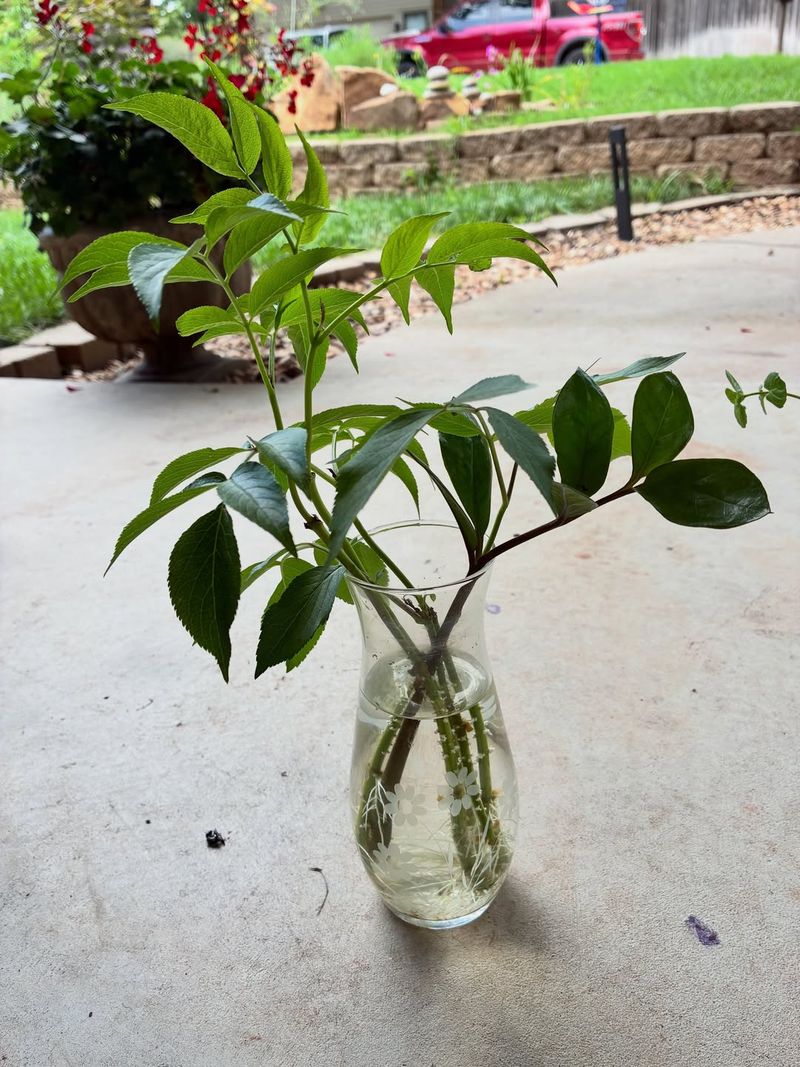
Walk past a blooming Elderberry on a warm summer day and the sweet, honey-like fragrance of those giant flat flower clusters will stop you in your tracks.
Common Elderberry is one of the most generous plants in the Michigan landscape, offering food and shelter to over 50 species of birds and countless insects throughout the season.
Growing your own from cuttings is almost embarrassingly easy, making it a must-try for any gardener looking to expand their native plant collection for free.
Both softwood cuttings in late spring and hardwood cuttings in late fall work well for Elderberry.
Softwood cuttings root the fastest, typically in three to four weeks, while hardwood cuttings can be stored bundled in moist peat through winter and planted out in early spring.
Either way, treat cuttings with rooting hormone and keep moisture consistent during the rooting period for best results.
Elderberry grows fast, sometimes putting on 6 to 8 feet of growth in a single season under good conditions, which means rooted cuttings can become full-sized shrubs in just a couple of years.
The flat-topped white flower clusters that appear in June are edible and popular for making elderflower cordials, syrups, and teas.
The dark purple-black berries that follow in late summer are beloved by birds and are also used by people to make elderberry syrup, jam, and wellness drinks.
Plant Elderberry in a sunny to partly shaded spot with moist soil and it will practically take care of itself, rewarding you generously every single season.