The Georgia Plants Painted Buntings Spend The Most Time Around In Summer
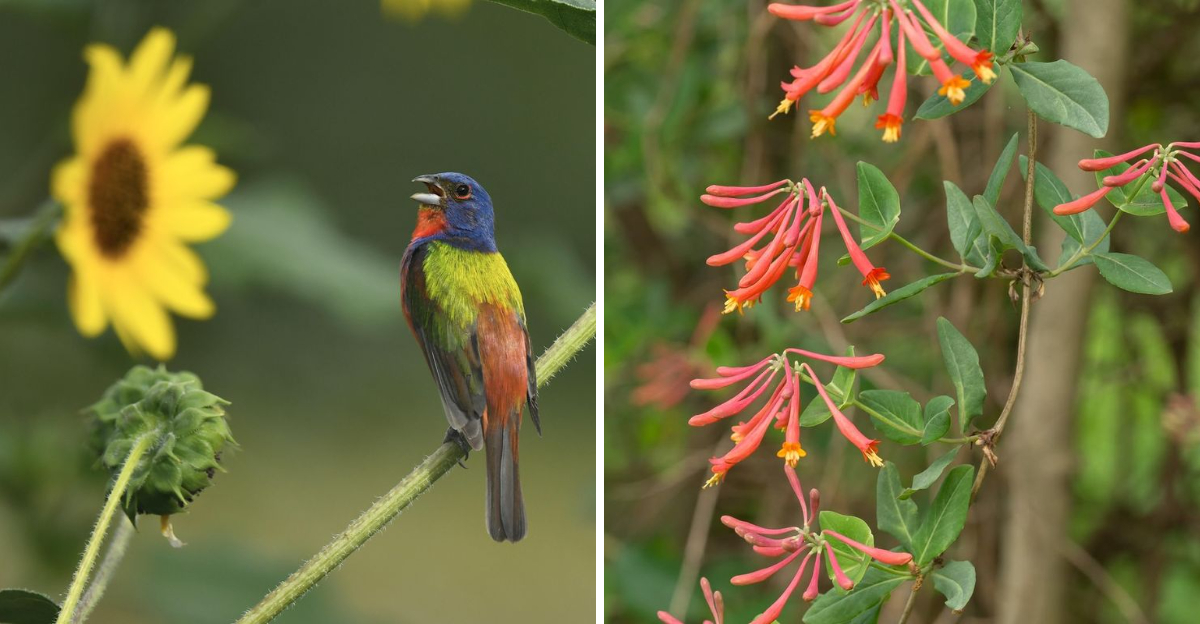
Spotting a painted bunting never gets old. Even people who know exactly what the bird looks like often stop what they are doing for a second look when those bright colors appear in the yard.
A quick visit can easily become the highlight of the day, especially during summer when these beautiful birds are most active.
Many homeowners spend time adding feeders, fresh water, and other features in hopes of attracting more birds. While those things can certainly help, they are only part of the picture.
Birds pay close attention to their surroundings, and some areas of a yard naturally hold their attention longer than others. The places they return to again and again are not always what people expect.
Georgia is home to painted buntings throughout the summer months. Certain plants consistently provide the food, cover, and comfort that encourage these colorful visitors to spend more time nearby.
1. American Beautyberry Offers Shelter Near Feeding Areas
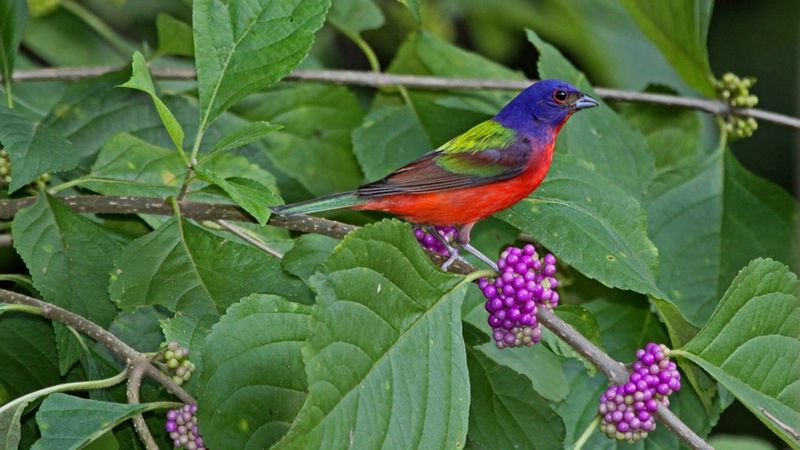
American beautyberry is one of those shrubs that earns its keep in multiple seasons. During summer, the berries have not ripened yet, but the plant still pulls its weight.
Its arching branches and broad leaves create shaded pockets that painted buntings use for quick retreats.
Buntings feeding in open grassy areas nearby will dart into beautyberry cover when startled. That behavior shows up repeatedly in yards where both open seed areas and dense shrubs exist close together.
Beautyberry acts almost like a safety net positioned near the buffet.
Insects also gather under and around beautyberry foliage during summer. Buntings supplement their seed diet with protein-rich insects, especially when raising young.
A shrub that reliably hosts bugs becomes a regular stop on their daily route.
Beautyberry grows vigorously in partial shade, which suits the understory edges where buntings often move. It can handle full sun too, but growth tends to be more compact and manageable in light shade.
Either way, it fills in quickly and provides real structure within a season or two.
Pruning it hard in late winter encourages fresh arching growth that stays dense through summer. Skip the pruning and you get a more open, leggy shape that offers less cover value.
A well-pruned beautyberry is noticeably more useful to birds than a neglected one.
Pair it with low grasses nearby for best results.
2. Wax Myrtle Creates Dense Protective Cover
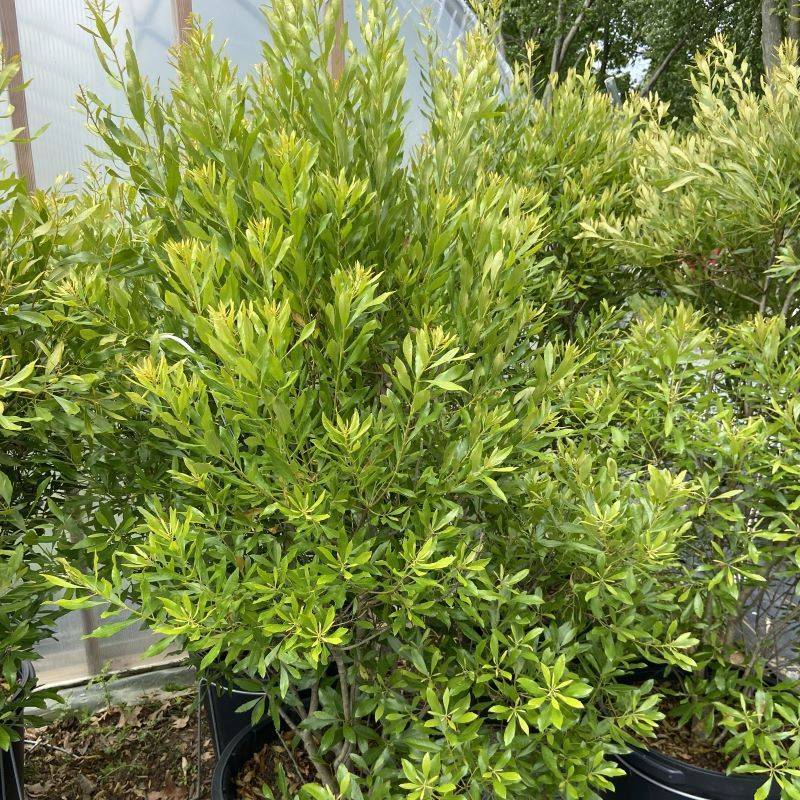
Wax myrtle might be the single most reliable cover shrub for painted buntings across the coastal plain and piedmont. It grows fast, stays evergreen, and forms thickets dense enough to shelter birds from hawks, cats, and other threats.
Buntings are not subtle about their preference for it.
During summer, males use wax myrtle thickets as singing perches and escape cover. Females nest in or near these dense shrubs fairly regularly.
The combination of nesting potential and daily shelter makes wax myrtle a genuinely important plant in bunting territory.
Small waxy berries develop through the growing season and ripen later in the year. Even before ripening, the shrub hosts insects among its fragrant foliage.
Your Georgia Garden Changes Every Week. Your Plan Should Too.
Gardening in Georgia changes quickly throughout the season. Every Friday you’ll receive a simple weekly plan showing exactly what to plant, prune, fertilize, harvest, and protect so you never miss the right timing.
Buntings pick insects from branches and leaf surfaces during their daily foraging rounds.
Wax myrtle tolerates wet soil, dry soil, salt spray, and part shade. That flexibility makes it easy to establish in a wide range of backyard conditions.
Few native shrubs are this forgiving while still providing meaningful habitat value.
Left unpruned, it forms a large multi-stemmed shrub or small tree. Kept trimmed, it stays compact and thick.
For bird cover purposes, a slightly wild and unpruned form is more useful than a neatly manicured shape.
Plant several together rather than just one. A single wax myrtle offers limited cover.
A loose grouping creates the kind of layered shelter that buntings actively seek out during the busiest weeks of summer.
3. River Oats Thrive Along Favorite Feeding Routes
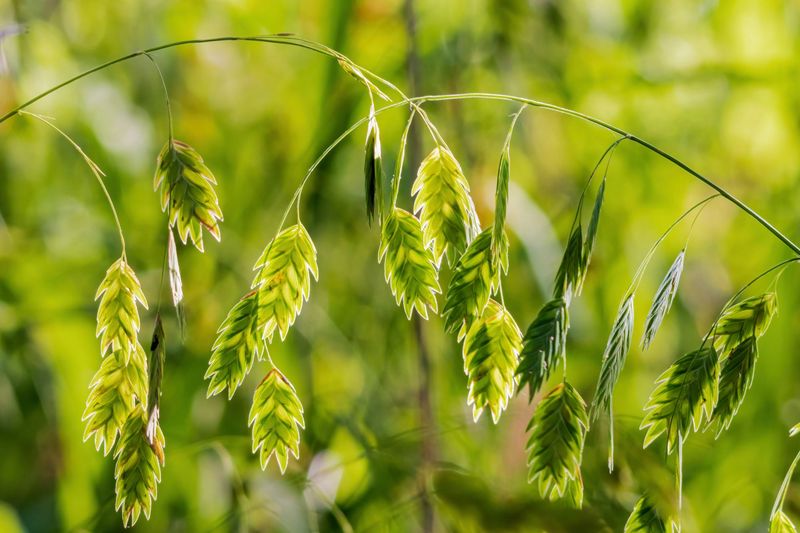
River oats is one of those grasses that looks almost decorative but pulls serious weight as a wildlife plant. Its flat, oat-like seed clusters hang from arching stems and ripen through mid to late summer.
Painted buntings zero in on these seeds with real consistency.
Unlike upland grasses that prefer dry open ground, river oats thrives in part shade and moist conditions. Streamside edges, shaded garden beds, and low spots near trees are all fair game.
That shade tolerance makes it useful in spots where other seed grasses struggle.
Buntings tend to forage along linear corridors rather than staying in one fixed spot. River oats often grows in natural ribbons along creek banks and trail edges, which aligns perfectly with how buntings move through a landscape.
They follow those corridors and feed as they go.
Established clumps spread slowly by rhizomes and reseed modestly. Once you have it growing, it generally maintains itself without much help.
Aggressive thinning is rarely needed unless it starts crowding out smaller plants you want to keep.
River oats pairs naturally with coral honeysuckle, beautyberry, and wax myrtle in shaded garden edges. That combination of cover shrubs plus seed grass creates a layered habitat corridor that buntings find genuinely attractive.
Planting them together rather than separately pays off quickly.
Keep at least some stems standing through late summer so seeds remain accessible. Cutting too early removes the food before buntings have finished using it.
4. Elderberry Supports Busy Summer Feeding Activity
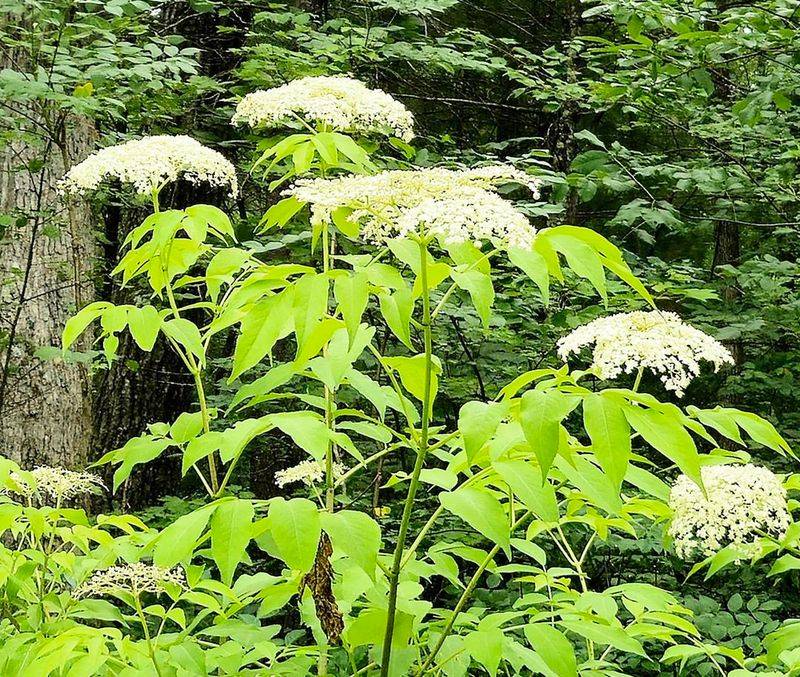
Elderberry moves fast in summer. By mid to late July, clusters of dark purple berries weigh down the branch tips, and birds show up quickly once ripening begins.
Painted buntings are among the regulars, though they share elderberry with catbirds, thrashers, and bluebirds.
Buntings tend to feed at elderberry briefly and move on rather than camping out on the shrub for long periods. They are cautious feeders and prefer having escape cover within a short flight.
Planting elderberry near denser shrubs or a brushy edge increases how often buntings actually use it.
Elderberry also hosts an impressive number of insects on its leaves, stems, and flower clusters. Aphids, beetles, and caterpillars all use the plant at various points through summer.
Buntings hunting for protein actively pick through elderberry foliage between seed and berry feeding sessions.
It grows vigorously in full sun to part shade and handles moist soils better than most fruiting shrubs. Poorly drained spots that challenge other plants are often where elderberry performs best.
That makes it a practical choice for low areas in a yard or garden.
Prune older woody stems out every few years to keep the plant productive. Elderberry fruits most heavily on younger wood, so removing old growth encourages fresh, berry-bearing stems.
Skip pruning too long and fruit production drops noticeably.
Plant two or more shrubs together for better cross-pollination and heavier fruit set. A single isolated plant often produces far fewer berries than a small grouped planting.
5. Partridge Pea Draws The Insects They Search For
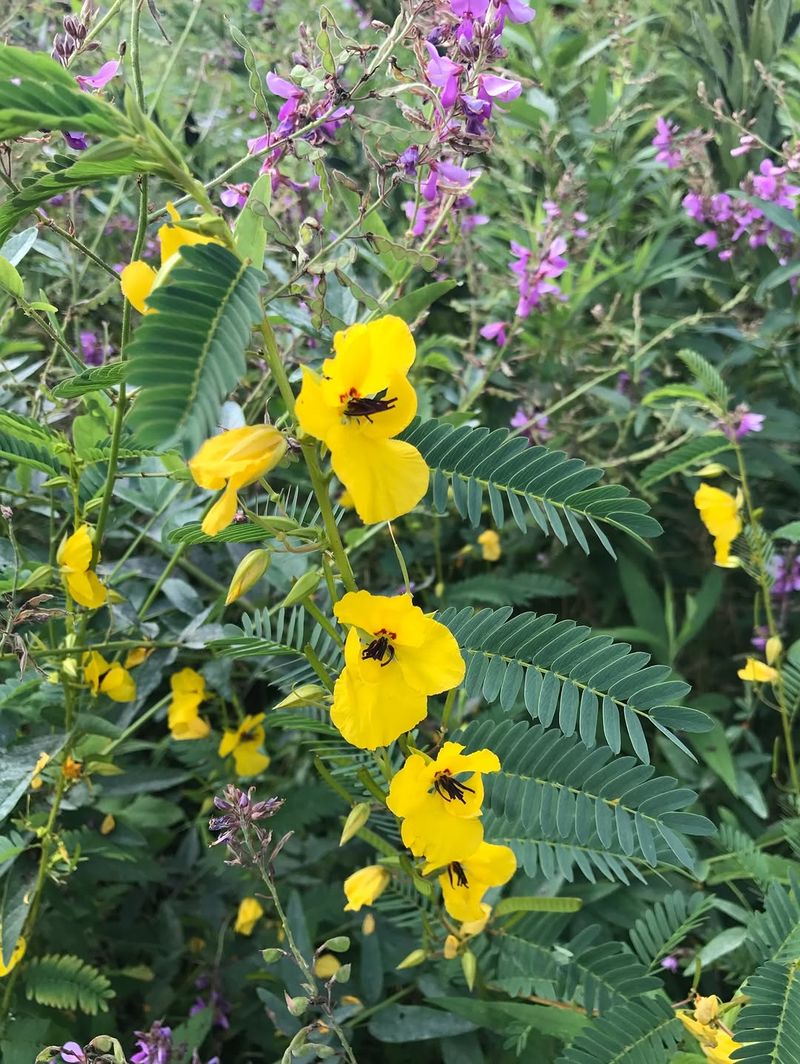
Partridge pea does something most plants do not. Its leaves produce nectar from small glands along the stem, and that nectar draws in a constant stream of insects.
Buntings are not after the plant itself. They are after everything crawling on it.
During summer, painted buntings spend a notable amount of time foraging through low wildflower patches. Partridge pea grows in exactly the kind of sunny, open ground they prefer.
It stays low, spreads in loose colonies, and keeps insects moving through it all season long.
Later in the season, partridge pea produces small, narrow seed pods. Buntings have been recorded feeding on these seeds in late summer and early fall.
So the plant serves first as an insect magnet, then transitions into a direct seed source as the season progresses.
It grows best in poor, sandy, or disturbed soils with full sun exposure. Rich garden soil tends to produce leggy, floppy plants that do not perform as well.
Lean conditions suit it naturally, which makes it easy to establish along sunny edges, driveways, or open patches without much preparation.
Partridge pea reseeds readily once established. Allow seed pods to mature and drop naturally rather than cutting the plant back in fall.
That self-seeding behavior keeps the colony going year after year without replanting.
Combine it with little bluestem or native sunflowers for a sunny open patch that draws buntings reliably. That mix covers both insect foraging and seed feeding in one compact area.
6. Coral Honeysuckle Provides Cover And Summer Food
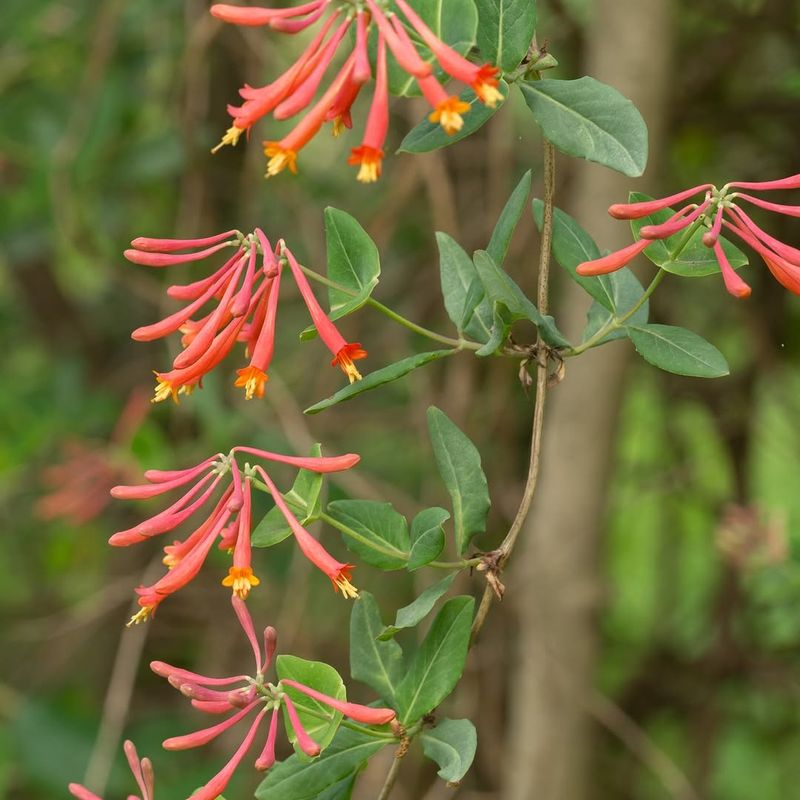
Few vines work harder for wildlife than coral honeysuckle during a Georgia summer. Unlike its invasive Japanese cousin, coral honeysuckle is native and well-behaved.
It climbs fences, trellises, and shrub edges without smothering everything around it.
Painted buntings use it in two key ways. First, the dense twining stems offer quick cover when a predator passes nearby.
Second, the red tubular flowers attract insects, and buntings actively hunt those insects during nesting season.
Later in summer, coral honeysuckle produces small red berries. Buntings have been observed feeding on these berries, though seeds from grasses remain their top food source.
Still, having berries available adds nutritional variety during a demanding season.
Plant coral honeysuckle near a fence line or along a garden edge. It handles partial shade well, which matters in wooded backyards.
Full sun gives you the heaviest bloom, but dappled light still works fine.
Water it regularly during the first growing season to help roots establish. After that, it handles dry spells reasonably well without much intervention.
Avoid heavy fertilizing since that tends to push leafy growth over flower production.
Buntings seem especially comfortable near this vine when it grows alongside low grasses. That combination of vertical cover and open ground nearby matches exactly the kind of habitat they prefer during the warmer months.
7. Little Bluestem Provides Shelter Near Open Ground
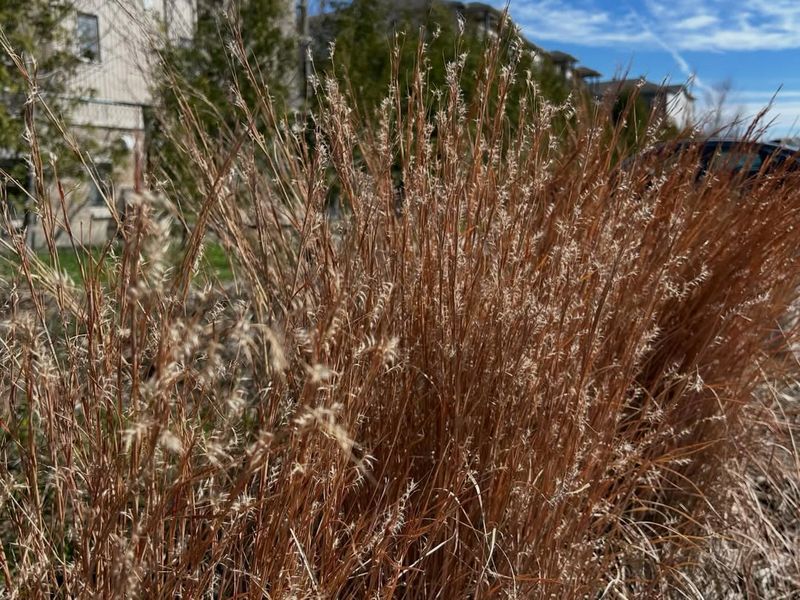
Little bluestem is a warm-season native grass that painted buntings return to with real regularity. It grows in clumps rather than spreading mats, which creates exactly the kind of open-but-sheltered structure buntings prefer.
Seeds develop through late summer and remain available well into fall.
Male buntings often perch on little bluestem stems to survey open ground before dropping down to feed. That behavior suggests they use it as both a lookout point and a feeding station.
A grass that serves two purposes in a bird’s daily routine tends to get used heavily.
Little bluestem thrives in full sun and well-drained soil. It handles drought well once established, which matters during Georgia’s hot, dry summer stretches.
No irrigation is usually needed after the first growing season, making it one of the lower-maintenance native grasses available.
Plant it in loose groupings rather than tight rows. Scattered clumps with open ground between them mimic the natural meadow structure buntings evolved alongside.
Tight, uniform plantings look tidier but provide less of the edge habitat these birds actively seek.
Avoid cutting it back during summer. Seed heads need time to develop fully before buntings can use them.
Wait until late winter to cut old growth back, which also protects any overwintering insects sheltering at the base of the clumps.
Pair little bluestem with partridge pea or native sunflowers in a sunny spot. That combination creates a productive, low-maintenance patch that supports buntings from midsummer through early fall without much ongoing effort.
8. Native Sunflowers Supply Seeds Later In The Season
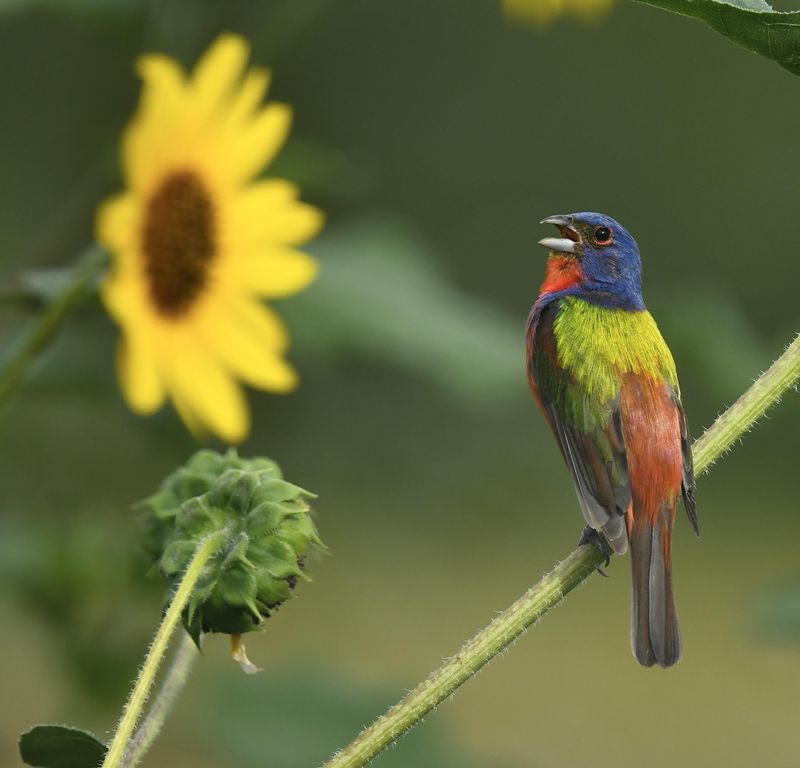
Late summer is when native sunflowers really start earning attention from painted buntings. Swamp sunflower and narrow-leaf sunflower are two species that thrive across much of the Southeast and begin producing seeds right when buntings need reliable calories before fall migration.
Buntings are seed specialists. Their thick, conical bills are built for cracking open small seeds efficiently.
Native sunflower seeds are a strong match for that feeding style, and buntings will work through a seed head methodically once they locate it.
Wild sunflowers also attract a steady stream of insects during bloom. That protein source matters especially for adults still feeding late-season young.
A single sunflower patch can serve double duty as both a seed station and an insect foraging spot.
Plant native sunflowers in full sun with decent drainage. They are not fussy about soil quality and actually perform better in lean soils than rich ones.
Overly rich soil pushes tall, floppy growth that can fall over before seeds fully develop.
Allow seed heads to remain on the plant rather than cutting them back. Buntings feed directly from standing stalks, not from the ground.
Cutting spent flowers removes exactly the food source you are trying to provide.
A loose cluster of native sunflowers near a brushy edge gives buntings both feeding access and nearby cover. That combination is more productive than sunflowers planted in an open, exposed area with no retreat nearby.