How Much Water Does Your Georgia Lawn Actually Need In June
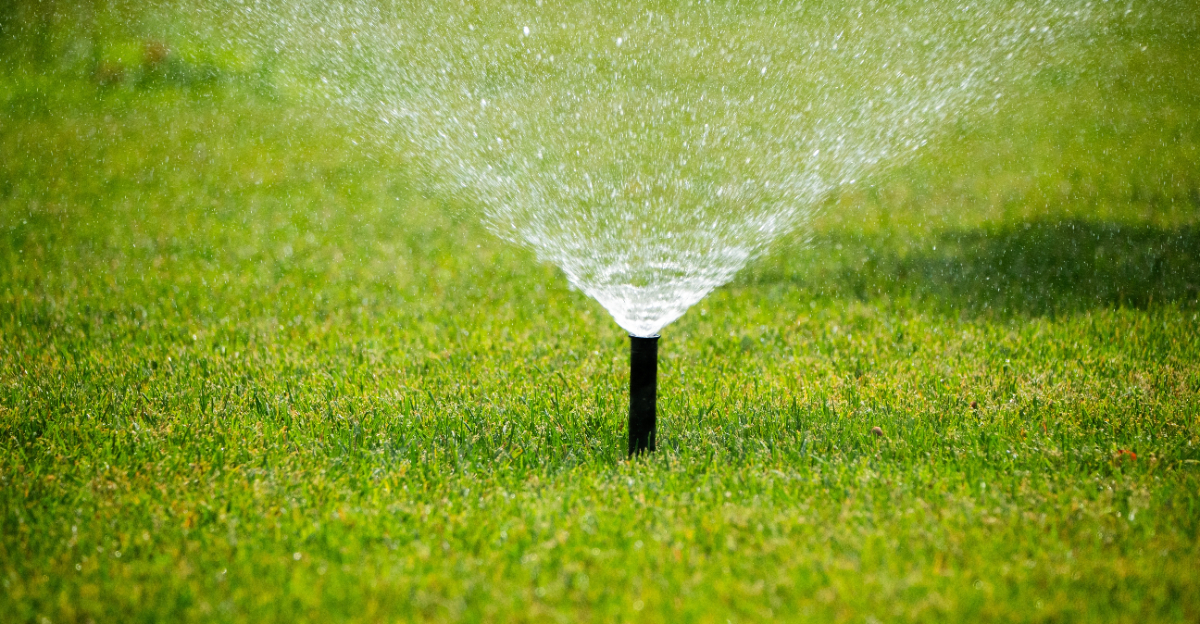
June can be a frustrating month for lawn care. One week the grass looks thick and healthy.
The next, patches may start looking dry even though the sprinkler has been running regularly. It is a situation many Georgia homeowners run into as summer conditions become more intense.
The challenge is that lawns do not always need as much water as people think. Adding more can seem like the obvious solution when grass starts looking stressed.
In some cases, though, that approach can create a different set of problems.
That is why watering becomes such a common source of confusion this time of year. Weather conditions, soil moisture, and grass type all play a role in how a lawn responds.
Understanding what the grass truly needs can help reduce guesswork and keep the lawn looking its best through the weeks ahead.
1. One Inch Per Week Meets Most Lawn Water Needs
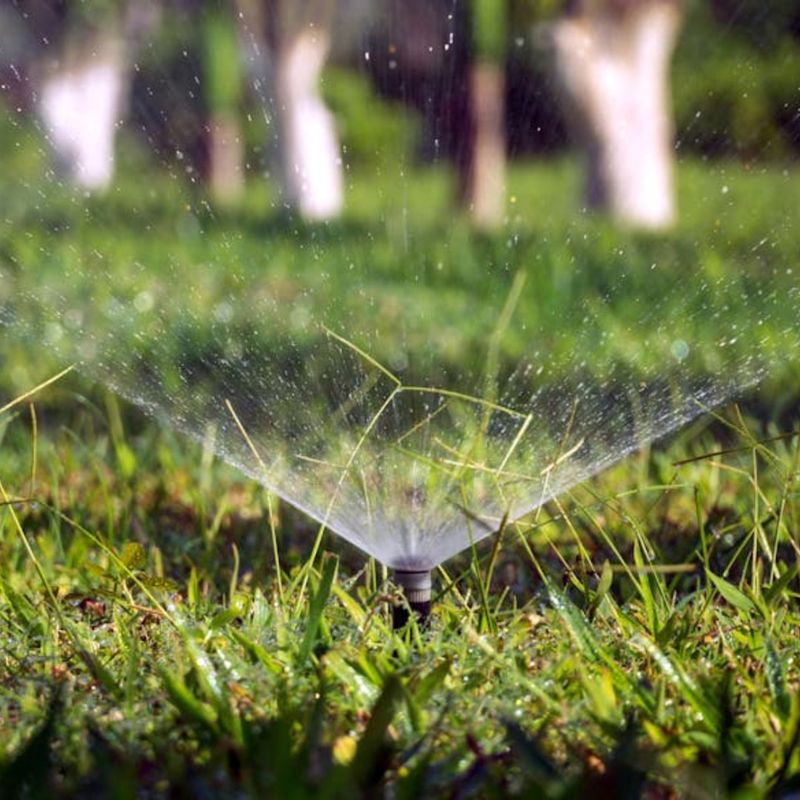
One inch per week is the number most lawn experts agree on for warm-season grasses during summer. It sounds simple, but hitting that target consistently takes a little planning.
Bermuda and Zoysia grasses are common across the South, and both do well with about one inch of water spread across the week. Splitting it into two watering sessions works better than dumping it all at once.
A cheap rain gauge stuck in your yard takes all the guesswork out of tracking how much water actually hits the ground. You might be surprised how often you over or under-water without realizing it.
Hot, dry weeks in June can push that need slightly higher, especially on exposed or sloped yards. Bump up to 1.25 inches if you see the grass blades starting to curl or fold inward.
Folded blades are a stress signal, not an emergency. Catching it early and adjusting your schedule keeps the lawn recovering quickly without wasting water.
Consistency matters more than perfection.
Lawns that get steady, reliable moisture week after week build stronger root systems than those that get soaked one week and ignored the next.
Stick to a schedule and your lawn will reward you for it.
2. Early Morning Watering Makes Every Drop Count
Watering at 6 a.m. is one of the smartest moves you can make for your lawn in June. Cool air and calm winds mean less evaporation before water soaks into the soil.
Midday watering loses a significant amount of moisture to evaporation before it ever reaches the roots. On a hot June afternoon, that loss adds up fast and your lawn pays the price.
Evening watering is another trap. Water sitting on grass blades overnight creates the perfect setup for fungal problems like brown patch, which spreads quickly in warm, humid conditions.
Morning watering gives the grass time to dry before temperatures peak.
Dry blades heading into afternoon heat are far less prone to fungal issues than wet ones that never fully dried out.
Most irrigation timers can be set to run before sunrise. Programming your system to finish by 8 a.m. gives the turf the full benefit of the water without fighting the sun for every drop.
Your Georgia Garden Changes Every Week. Your Plan Should Too.
Gardening in Georgia changes quickly throughout the season. Every Friday you’ll receive a simple weekly plan showing exactly what to plant, prune, fertilize, harvest, and protect so you never miss the right timing.
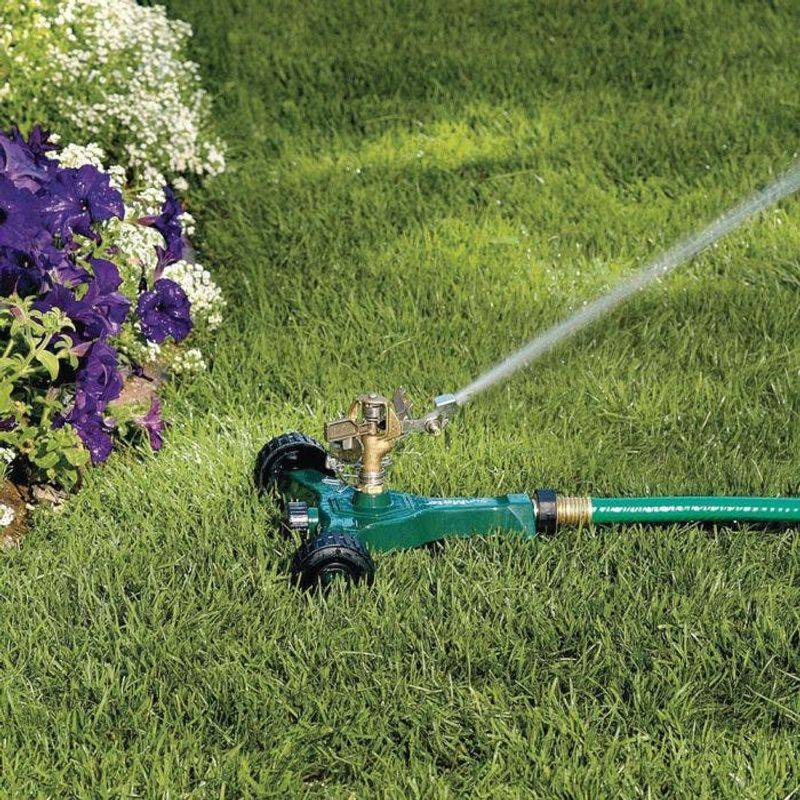
Hand watering works too if you do not have a system. Get out early with a hose and sprinkler attachment before the day heats up.
It takes more effort, but the results are just as good when you stay consistent with your timing each day.
3. Deep Watering Encourages Roots To Grow Lower
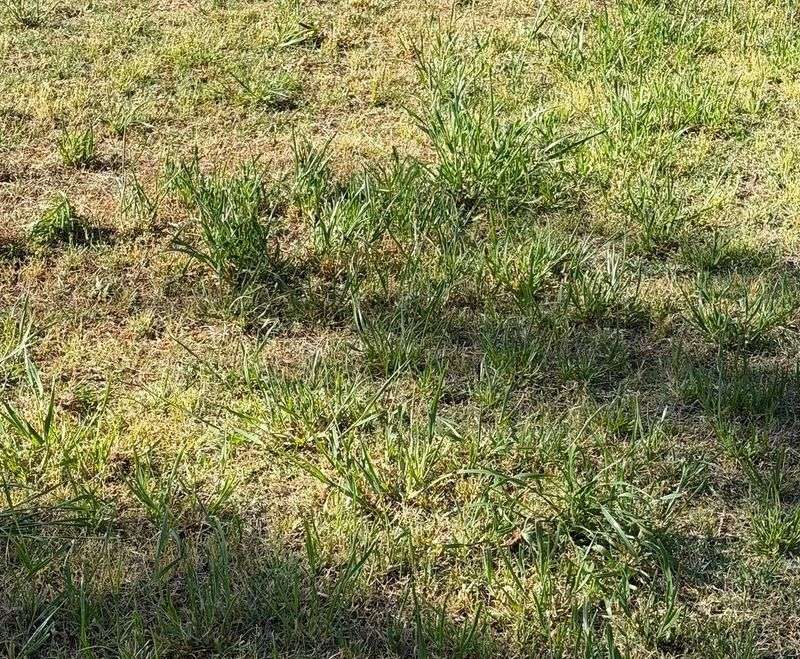
Shallow watering creates shallow roots. Shallow roots mean your lawn dries out faster and struggles more during hot, dry stretches in June and July.
Watering deeply two or three times a week pushes moisture down into the soil profile.
Roots follow that moisture downward, anchoring the grass in cooler, more stable ground.
A good deep watering soaks the soil about six inches down. You can test this by pushing a screwdriver into the ground after watering.
It should slide in easily to that depth without much resistance.
Light daily watering does the opposite. Roots stay near the surface chasing the small amount of moisture, leaving the grass vulnerable the moment conditions turn dry and hot.
Run each irrigation zone long enough to fully saturate the root zone rather than just wetting the surface. For most sprinkler heads, that means running each zone for 20 to 30 minutes depending on output rate.
Lawns with deep roots handle summer stress better. They bounce back faster after a dry spell and need fewer emergency waterings.
Building that root depth takes a few weeks of consistent deep watering, but the long-term payoff for your yard is worth every minute of patience and planning.
4. Sandy Soil Requires More Frequent Irrigation
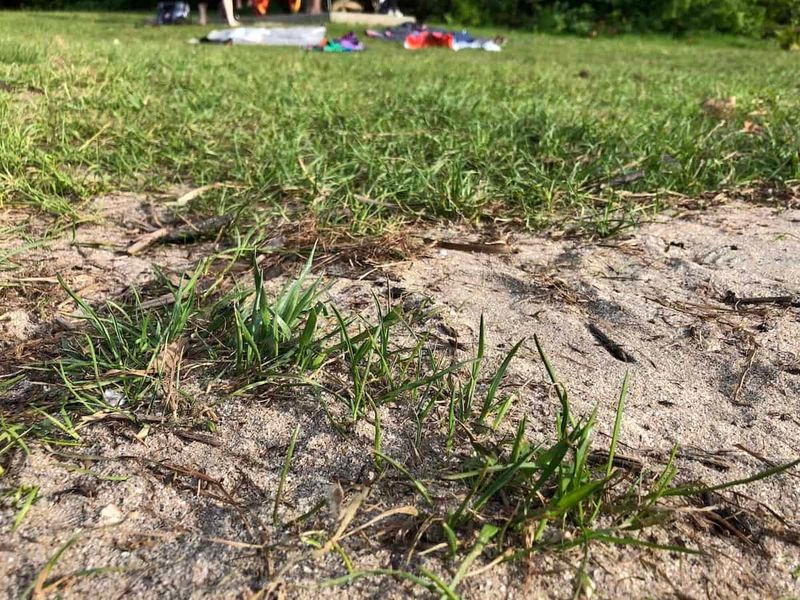
Sandy soil drains fast. Water moves through it quickly, which means the root zone dries out sooner than it would in heavier soils.
Lawns sitting on sandy ground in Georgia often need watering three times a week in June instead of the standard two. Spacing those sessions evenly through the week keeps moisture available without waterlogging the area.
You can identify sandy soil pretty easily. Grab a handful of moist soil and squeeze it.
Sandy soil crumbles apart instead of holding its shape, which tells you water retention is low.
Applying smaller amounts of water more frequently works better than trying to dump a large volume all at once. Sandy soil simply cannot hold large amounts at one time, so excess water drains past the roots before they can absorb it.
Adding organic matter to sandy soil over time improves its water-holding ability.
Topdressing with compost in the fall helps build soil structure gradually, making June watering more efficient in future seasons.
Tracking your watering frequency by feel and observation beats following a rigid schedule. Check soil moisture a few inches down before every session.
If it feels dry, water. If it still feels slightly moist, skip that day and check again tomorrow.
Sandy soil rewards attentive lawn care more than any strict calendar routine.
5. Clay Soil Stays Moist Longer After Watering
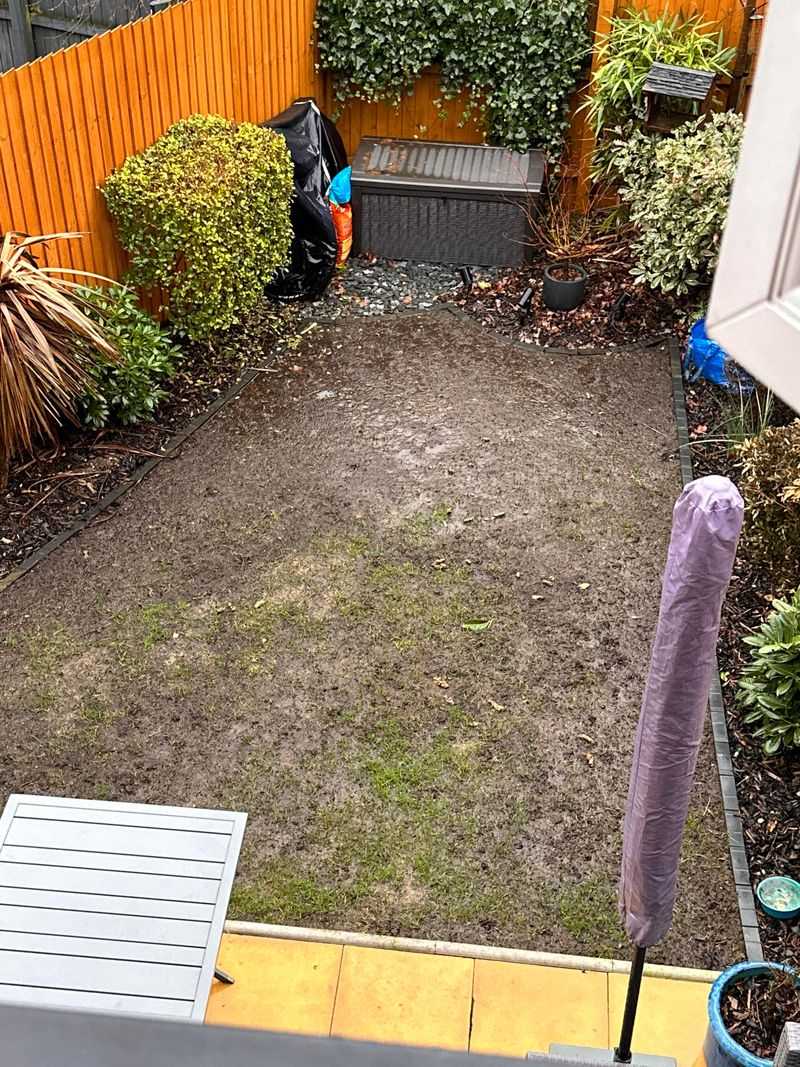
Clay soil holds water much longer than sandy ground. That sounds like a benefit, but it comes with its own set of challenges during a hot and humid June.
Overwatering clay-heavy lawns is a common mistake. Water applied too frequently has nowhere to go and pools near the surface, which can suffocate roots and encourage fungal growth.
Watering once or twice a week is usually enough for clay-based lawns in June. Let the soil dry slightly between sessions to allow oxygen back into the root zone.
Clay soil also absorbs water more slowly. Applying water too fast causes runoff before it can soak in.
Running sprinklers in shorter cycles with breaks in between lets water penetrate without washing off the surface.
Cycle and soak is the term pros use for this method.
Run a zone for ten minutes, pause for thirty minutes, then run it again.
Doing this two or three times during one watering session gets moisture deeper without triggering runoff.
Compaction is another issue with clay. Heavy foot traffic packs it tight and makes absorption even harder.
Aerating your lawn in spring helps break up compaction and lets water reach roots more effectively. Pairing aeration with a smart watering schedule keeps clay-heavy lawns healthier through the toughest summer months without much extra effort.
6. Full Sun Areas Need More Water Than Shady Spots
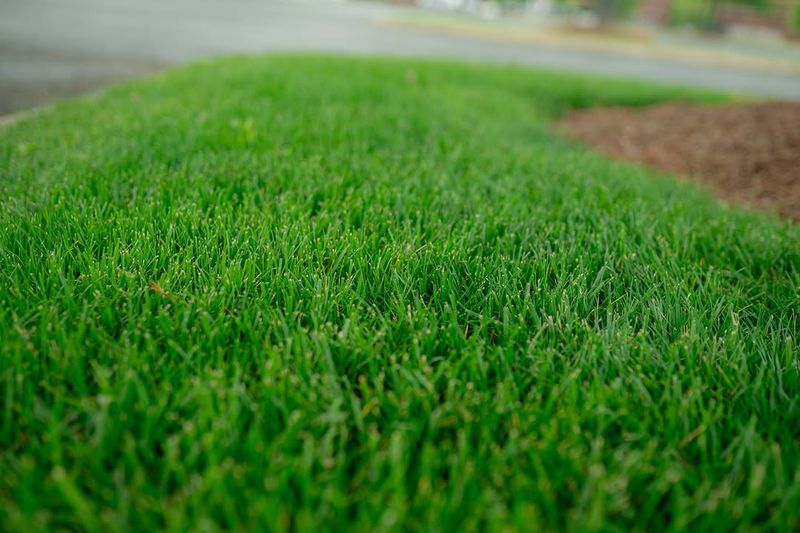
Sun exposure changes everything about how fast your lawn dries out. A patch of grass baking in full sun all day loses moisture at a completely different rate than turf tucked under a tree canopy.
Full sun areas in June can dry out in as little as two days after watering. Shaded spots may still hold moisture four or five days later without any additional input.
Watering your whole yard on the same schedule ignores this reality. Overwatering shaded spots while trying to keep sunny patches green is a recipe for fungal problems in the areas that never fully dry out.
Smart irrigation controllers with multiple zones let you customize run times by location. Set sunny zones to run longer or more frequently than shaded zones to match actual moisture needs across the yard.
No irrigation system? No problem.
Hand water the dry sunny patches between scheduled sessions rather than running the whole system again. Targeted watering saves water and keeps moisture levels balanced across different parts of the lawn.
Grass type matters here too. Some varieties handle full sun stress better than others.
Bermuda grass, common across Georgia, tolerates intense sun and heat well when watered correctly.
Matching your grass type to your yard conditions and adjusting your watering zones accordingly gives every section of turf the best possible chance to stay healthy all summer long.
7. Recent Rainfall Should Change Your Watering Schedule
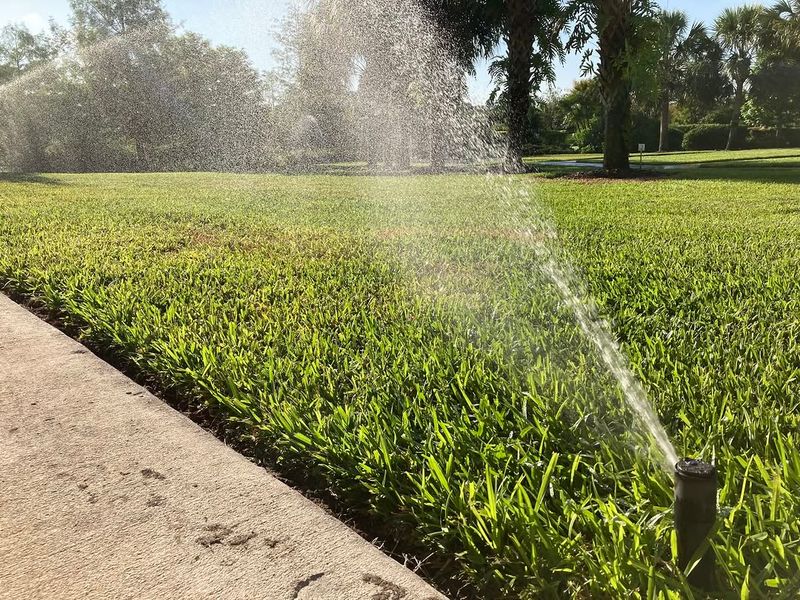
Skipping a watering session after a good rain is not laziness. It is smart lawn care that saves water and protects your grass from too much moisture at once.
Half an inch of rain counts toward your weekly inch target. Track rainfall with a simple gauge so you know exactly how much natural moisture your lawn already received before you turn on the sprinklers.
Ignoring recent rainfall and watering anyway is one of the most common and wasteful mistakes homeowners make in summer. Soggy soil after a storm plus another round of irrigation creates the same problems as overwatering on a dry day.
Weather-based irrigation controllers, sometimes called smart controllers, adjust your watering schedule automatically based on local rainfall and temperature data.
They are worth the investment if you have an in-ground system and want to stop guessing.
Manual scheduling still works fine with a little attention. Check your rain gauge after every storm.
If you got at least half an inch, push your next watering back by two or three days and reassess from there.
June weather in the South can shift fast. A dry week can follow two rainy ones without warning.
Staying flexible and adjusting your schedule based on actual conditions, rather than habit, keeps your lawn in better shape than any fixed routine ever could. Watch the sky, check the gauge, and water accordingly.