Summer Heat Means Nothing To These 8 Resilient Oklahoma Plants
Your yard is holding out on you. It looks like nothing can handle an Oklahoma summer. That is simply not true. Some plants were shaped for this exact climate.
Scorching heat cracks the ground open, yet these natives barely flinch. Can your garden say the same?
Most homeowners watch their yards give up by July, patching brown spots and hauling out wilted plants. You do not have to be one of them.
Tough, beautiful, drought-proof plants already exist for this region. Golden wildflowers blaze through August.
Ornamental grasses bend without breaking under a relentless sun. Native perennials return stronger each season, no coddling required.
Every plant on this list was chosen for one reason: endurance without compromise. These are not consolation prizes for a difficult climate. What grows here belongs here, and what belongs here looks stunning.
1. Black-Eyed Susan
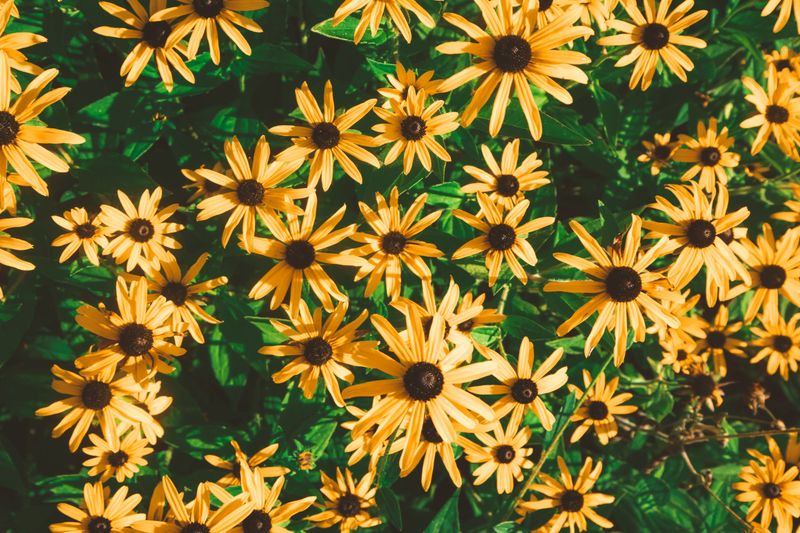
Picture this: it is 104 degrees outside, and your garden looks like a ghost town. Black-Eyed Susan is still standing tall, petals blazing yellow like tiny suns.
This cheerful wildflower is a true North American native that grows naturally across Oklahoma, thriving in poor, dry soils where pampered garden plants would quickly give up.
It loves full sun and actually performs better when the rainfall is scarce. That sounds almost unbelievable, but it is completely true.
Black-Eyed Susan grows about two to three feet tall, making it a great mid-border plant. Its bold yellow petals surround a rich chocolate-brown center that pollinators absolutely adore.
Bees, butterflies, and goldfinches all flock to it throughout the season. Planting is straightforward even for beginners.
Toss seeds in fall or early spring, give them a sunny spot, and mostly leave them alone. Overwatering is actually the biggest mistake most gardeners make with this plant.
The blooms appear from June all the way through September, giving you months of color during the hottest stretch of the year. Few flowers can match that kind of stamina in summer heat.
Removing spent flowers encourages even more blooms, but skipping it means the birds get a free meal from the seedheads.
Black-Eyed Susan also naturalizes beautifully, spreading gently year after year without becoming invasive. Once established, it practically takes care of itself.
If low-maintenance beauty is what you are after, this golden wildflower deserves the top spot in your garden plan.
2. Purple Coneflower
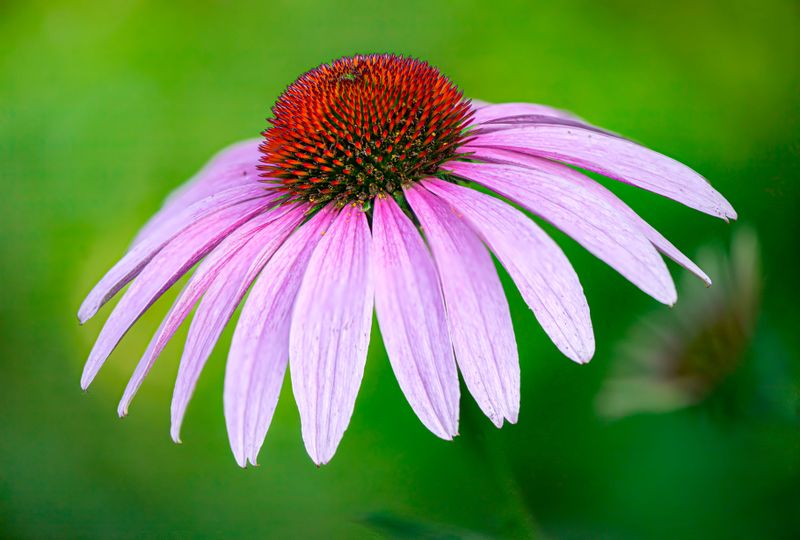
Some plants earn their reputation the hard way, and Purple Coneflower has been doing it for centuries.
Native tribes across the Great Plains used related Echinacea species medicinally long before the genus became a garden staple.
Known scientifically as Echinacea, this plant is as tough as it is beautiful. It shrugs off heat, drought, and clay-heavy soils that would suffocate most flowering plants.
Summer heat means nothing to a coneflower with established roots. The blooms are stunning, featuring rosy-purple petals that sweep back from a spiky, copper-colored center cone.
They appear in early summer and keep going strong through August. Each flower head can measure up to five inches across, making a bold visual statement in any yard.
Your Oklahoma Garden Changes Every Week. Your Plan Should Too.
Gardening in Oklahoma changes quickly throughout the season. Every Friday you’ll receive a simple weekly plan showing exactly what to plant, prune, fertilize, harvest, and protect so you never miss the right timing.
Purple Coneflower grows two to four feet tall and spreads slowly into attractive clumps over time.
It pairs beautifully with Black-Eyed Susan and ornamental grasses for a natural prairie look. That combination is practically a wildlife buffet for butterflies and native bees.
Watering deeply but infrequently trains the roots to grow downward, building drought resistance naturally. Once the plant hits its second year, it barely needs any supplemental water at all.
Mulching around the base helps retain soil moisture during the worst heat spells. Leave the seedheads standing in fall and winter for visiting birds, especially goldfinches who treat them like a five-star restaurant.
Purple Coneflower rewards patience and minimal fuss with maximum beauty. Honestly, it might be the most hardworking flower in your entire yard.
3. Indian Blanket
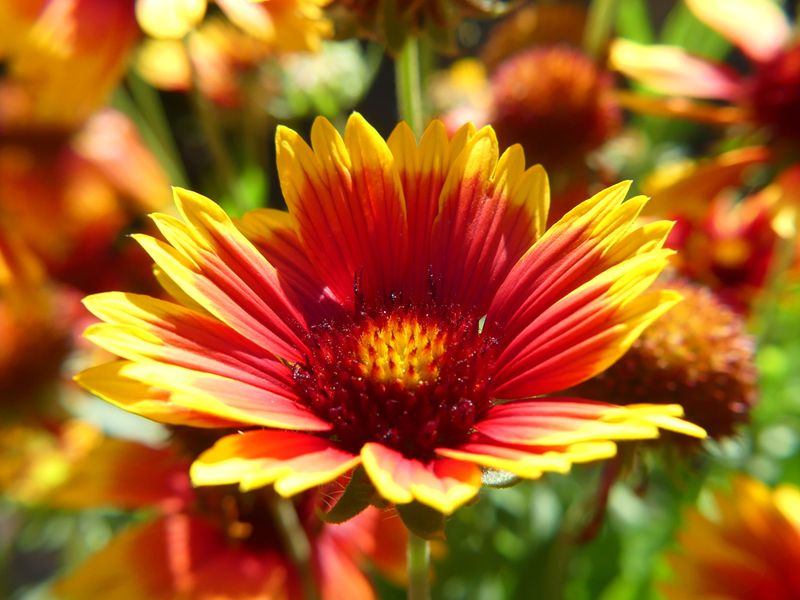
If a flower could wear a sunset, it would look exactly like Indian Blanket. This vivid wildflower paints roadsides and prairies across the state every single summer.
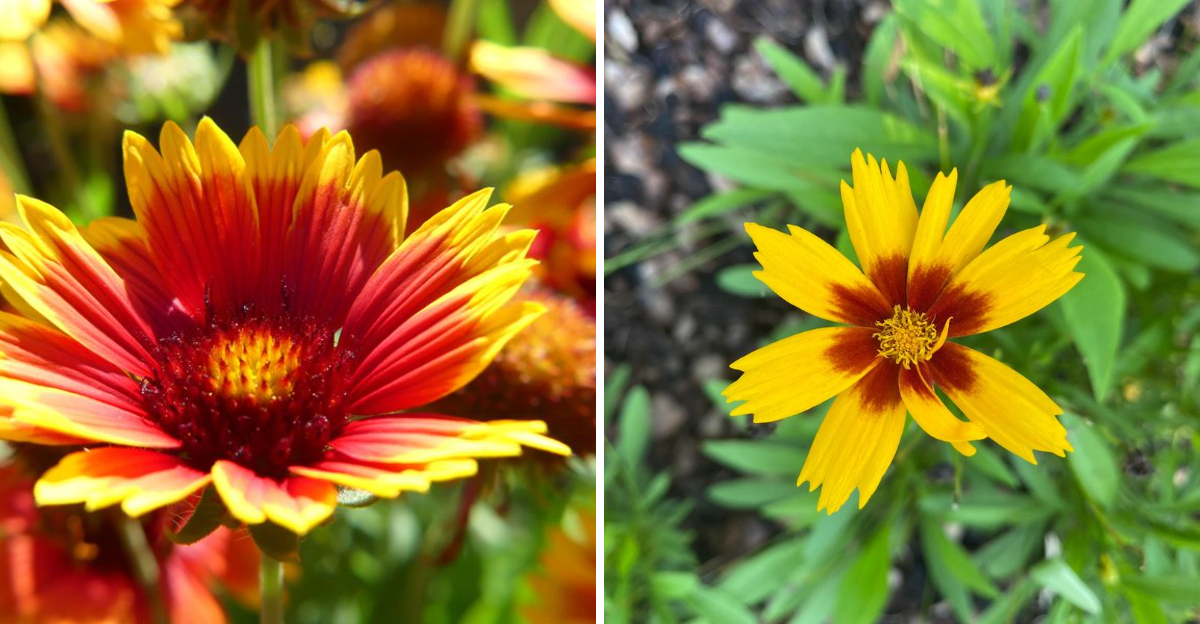
Also called Gaillardia, Indian Blanket produces bold red and yellow petals arranged in eye-catching rings around a deep burgundy center.
It is so striking that it was named the state wildflower of Oklahoma back in 1986. That honor is well deserved.
What makes it truly special is its exceptional tolerance for heat and drought. Indian Blanket actually blooms longer and more vigorously when conditions get harsh.
Poor, sandy, or rocky soils suit it just fine, which makes it perfect for spots where nothing else will grow.
Plants typically reach one to two feet tall and spread outward in a casual, relaxed way. They work wonderfully as ground-level color in rock gardens, along walkways, or scattered across a wildflower meadow.
Hummingbirds and butterflies visit the blooms constantly throughout the season. Starting from seed is easy and inexpensive.
Scatter seeds in a sunny, well-drained spot in early spring and water lightly until germination. After that, step back and let the summer heat do its thing.
Indian Blanket blooms from late spring all the way through the first frost, giving you an impressively long show.
Removing encourages continuous flowering, though letting some seedheads mature means free plants next year.
Few wildflowers offer this much color with this little effort, making it an absolute must-have for any Oklahoma garden.
4. Mealycup Sage
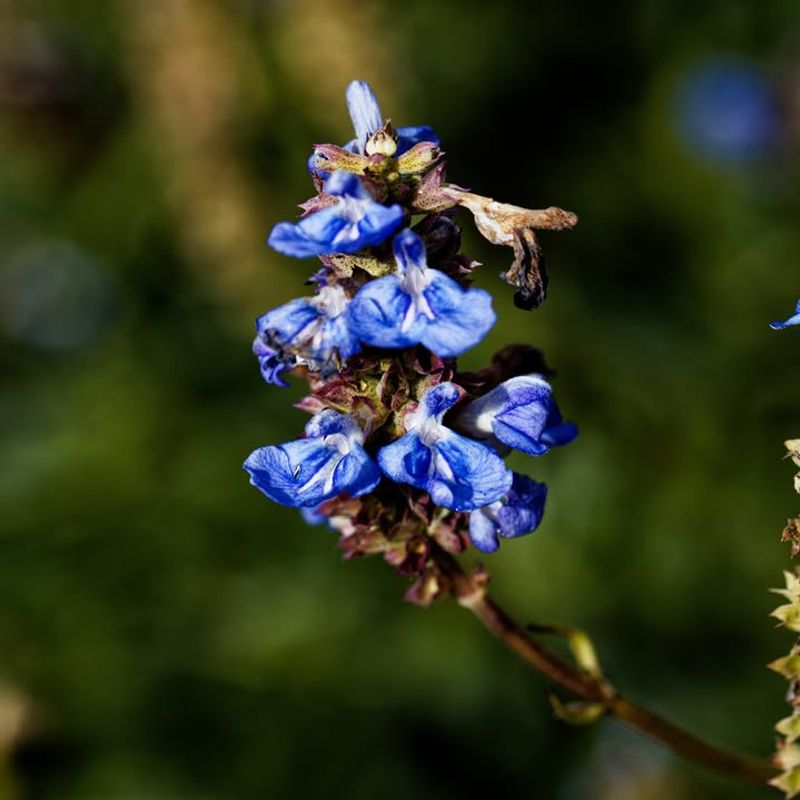
Blue is a rare color in the summer garden, which makes Mealycup Sage feel like a cool drink of water on a scorching afternoon. Those vivid violet-blue flower spikes are genuinely hard to look away from.
Salvia farinacea, as botanists call it, is a workhorse plant that handles blazing sun and dry conditions without complaint. It thrives in the same brutal summer heat that sends most plants into survival mode.
Gardeners across the southern plains have relied on it for good reason. The flower spikes rise two to three feet above silver-green foliage, creating a strong vertical element in the landscape.
Blooms appear in late spring and continue nearly continuously until frost arrives, which is an impressive run by any measure. Butterflies and hummingbirds treat those blue spikes like a favorite neighborhood diner.
Mealycup Sage prefers well-drained soil and full sun, though it tolerates partial shade better than most drought-tough plants.
Watering once a week during the hottest months keeps it looking sharp without encouraging rot. Avoid heavy clay soils or areas where water tends to pool after rain.
In most of Oklahoma (zones 6b–7b), Mealycup Sage behaves as an annual and will not reliably overwinter. Treat it as a long-blooming seasonal and replant each spring for best results.
Cutting the spent spikes back by about a third encourages a fresh flush of blooms within a few weeks. This simple trick keeps the plant looking tidy and producing flowers right through September.
Pair it with yellow or orange flowers like Indian Blanket for a stunning color contrast. Mealycup Sage is also deer-resistant, which is a bonus in areas where deer browse freely.
Its silvery foliage looks attractive even when it is not in bloom. This plant earns every inch of garden space it occupies.
5. Little Bluestem
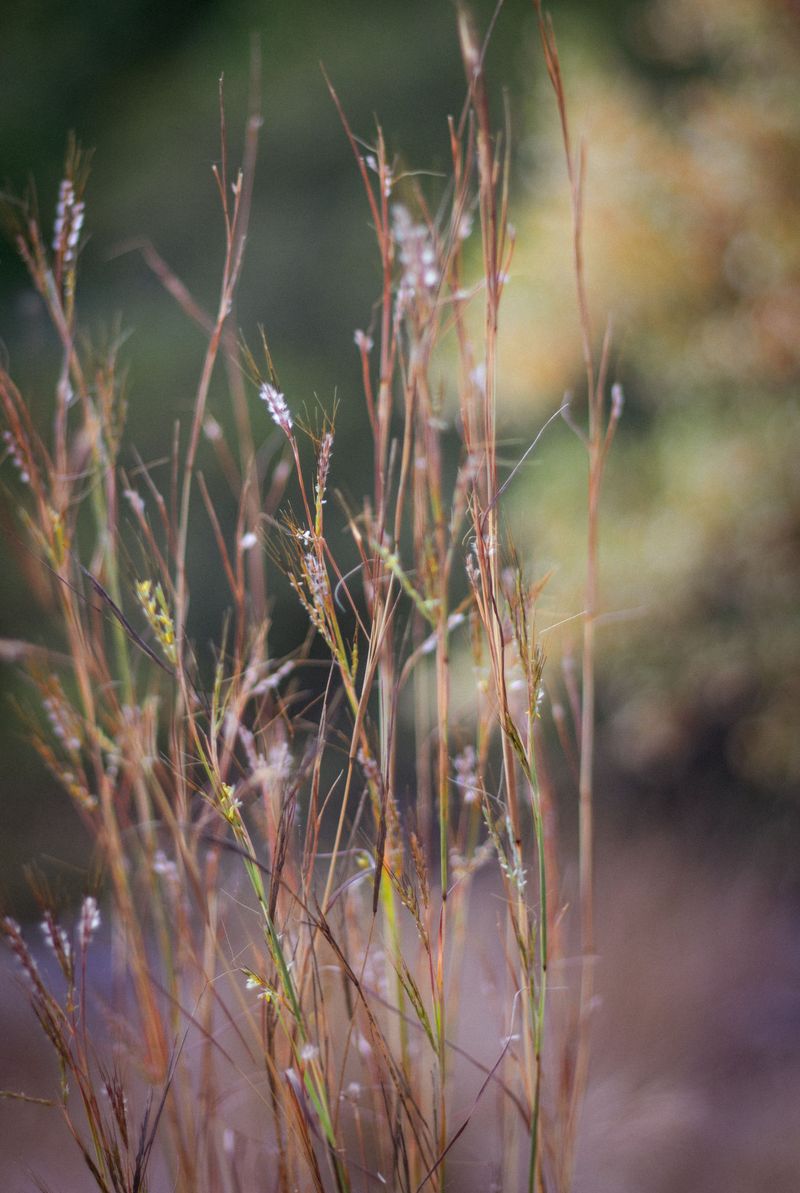
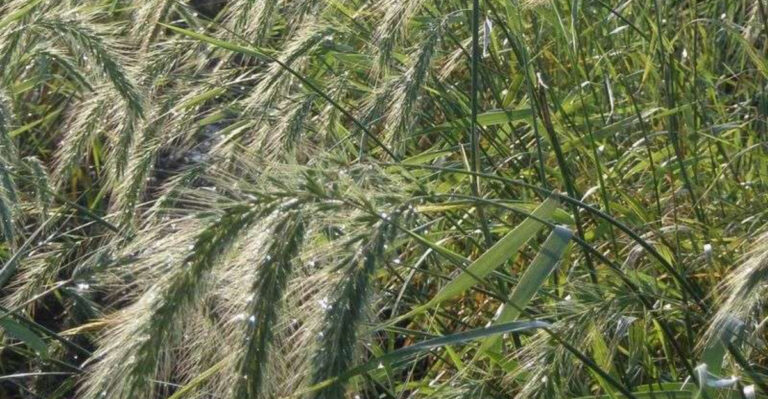
Not every garden hero wears flowers. Little Bluestem is a native grass that brings texture, movement, and year-round beauty to landscapes that would bore most other plants into dormancy.
This clump-forming grass starts the season with striking blue-green stems that catch the eye immediately.
As summer heat cranks up, those stems deepen into shades of copper, rust, and burgundy that are genuinely breathtaking. Few plants offer that kind of seasonal color shift without any effort from the gardener.
Little Bluestem grows two to four feet tall and forms tidy, upright clumps that never flop or sprawl. It thrives in poor, dry soils and actually looks worse when over-fertilized or overwatered. Less attention truly means better results with this particular plant.
The feathery white seedheads that appear in fall and winter catch morning light in a way that looks almost magical. Birds feed on the seeds throughout the cold months, making it a valuable wildlife plant.
Leaving the clumps standing through winter adds structure to an otherwise bare landscape.
Planting Little Bluestem in groups of three or five creates a natural, prairie-inspired look that feels intentional rather than accidental.
It pairs well with wildflowers like Purple Coneflower and Indian Blanket for a full-season native planting. That combination requires almost no maintenance once established.
Cut clumps back to about four inches in late winter before new growth begins. This simple annual task keeps the plant looking fresh and vigorous.
Little Bluestem proves that grasses can be every bit as exciting as flowers in the right garden.
6. Autumn Sage
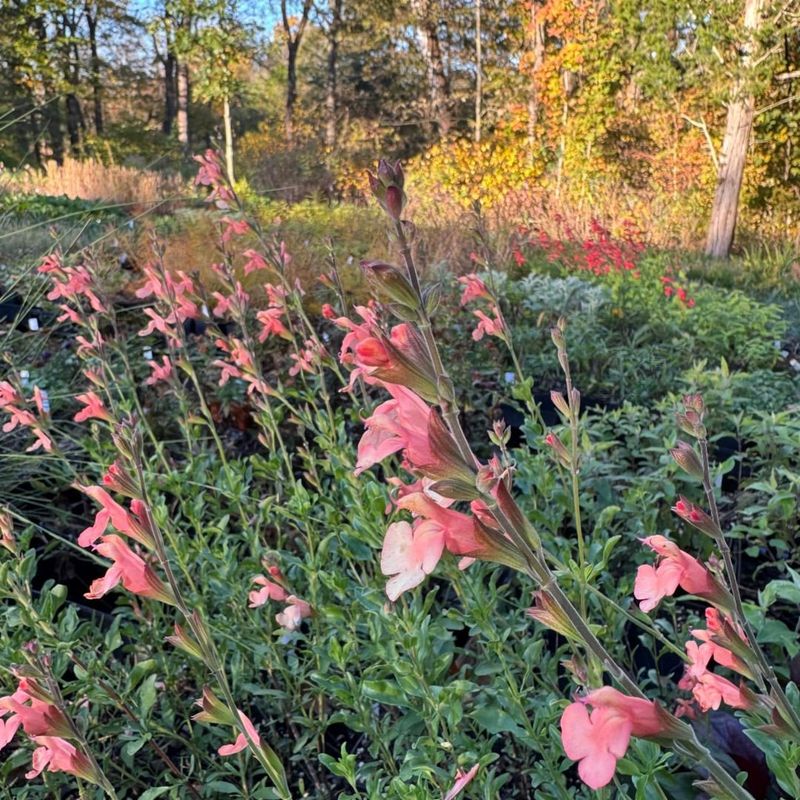
Autumn Sage might have autumn in its name, but it starts putting on a show in late spring and refuses to stop until frost shuts it down. That is a seriously impressive performance schedule.
Salvia greggii is a compact, shrubby perennial that produces clusters of tubular flowers in shades of red, pink, coral, and white.
Hummingbirds are absolutely wild about those nectar-rich blooms and will visit repeatedly throughout the day. Watching them hover at the flowers is one of summer gardening’s simple pleasures.
The plant grows one to two feet tall and wide, making it ideal for borders, containers, or low hedges.
It handles extreme heat, drought, and rocky soils with impressive ease. Full sun and good drainage are really the only non-negotiable requirements it has.
Autumn Sage is semi-evergreen in the warmer parts of the state, meaning it holds its foliage through mild winters. Even after a hard freeze, it bounces back from the roots with surprising speed.
Gardeners in colder zones can treat it as a reliable returning perennial without worry. Shearing the plant back by about a third after each bloom cycle keeps it tidy and triggers fresh flowering within weeks.
This approach can give you three or even four distinct bloom cycles in a single season. That kind of repeat performance makes it one of the most rewarding plants for the effort involved.
Autumn Sage also resists deer browsing, which matters in suburban and rural yards alike. Its aromatic foliage is part of what keeps browsers away. Plant it near a patio or walkway so you can enjoy that pleasant scent on warm evenings.
7. Buffalo Grass
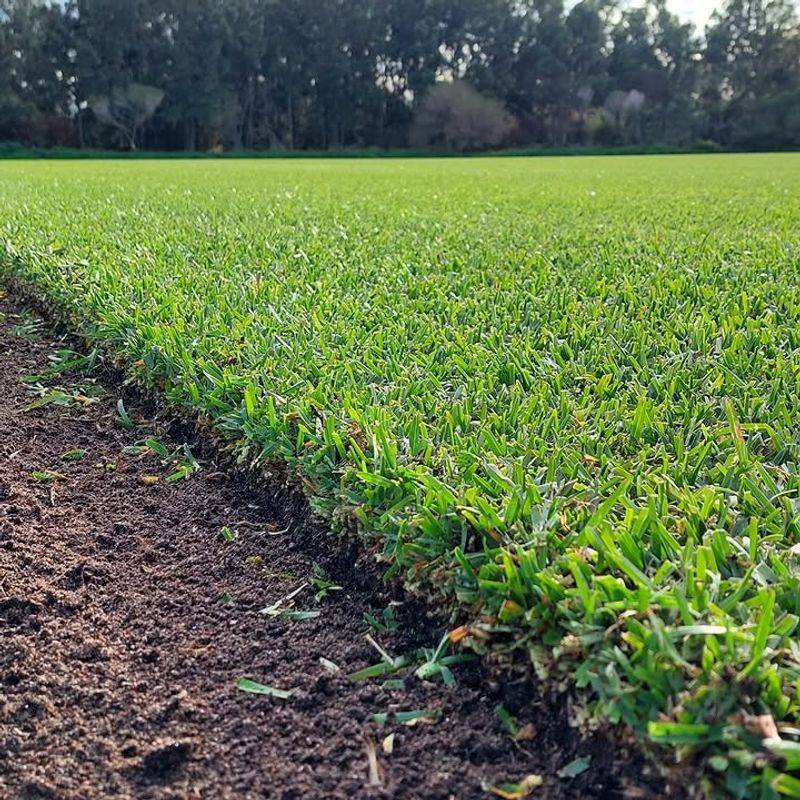
Forget fighting your lawn through a brutal summer with endless watering and expensive treatments. Buffalo Grass is the native turf solution that makes the whole struggle unnecessary.
This low-growing, fine-textured grass is one of the only turf grasses native to the North American Great Plains, and it evolved specifically to handle scorching summers and dry spells.
It goes semi-dormant during the worst heat but snaps back to green the moment any moisture arrives. That survival strategy is genuinely clever.
Buffalo Grass grows only four to six inches tall at its maximum, meaning far less mowing than traditional turf grasses require.
Some homeowners skip mowing entirely and let it form a soft, natural-looking meadow. That approach saves time, fuel, and money all at once.
Establishing Buffalo Grass from sod or plugs gives faster results than seeding, though seed is a budget-friendly option.
Water regularly during the first season to help roots establish deeply. After that first year, rainfall alone handles most of its needs in a typical season.
It handles foot traffic reasonably well, making it suitable for family yards where kids and pets play. However, it does not perform well in shaded areas, so heavily treed yards may need a different approach.
Full sun exposure is where this grass truly shines. Buffalo Grass also needs minimal fertilizer, which keeps maintenance costs low and reduces runoff into waterways.
Choosing it over water-hungry alternatives is genuinely good for the environment. If summer heat means anything to your water bill, this grass is the smartest swap you can make.
8. Tickseed
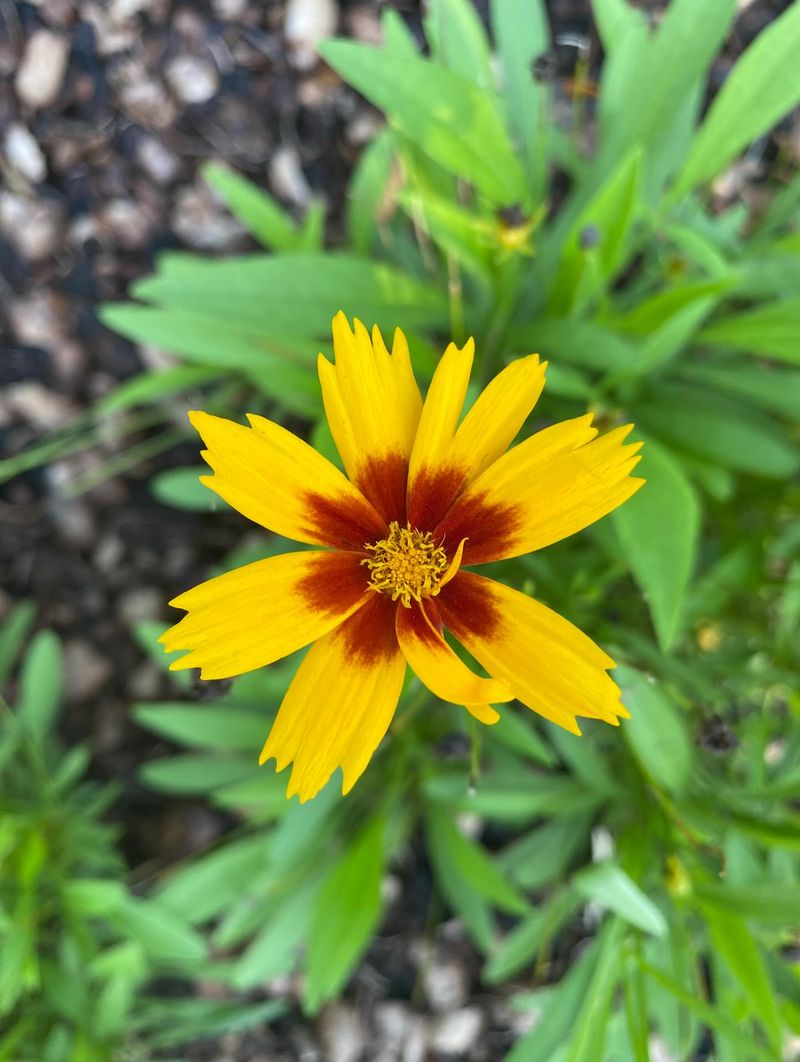
Some plants just want to make you happy, and Tickseed is absolutely one of them. It bursts into clouds of cheerful yellow blooms right when summer heat is at its most intense.
Coreopsis, commonly called Tickseed, is a native wildflower that spreads into wide, flowering mounds covered in daisy-like blossoms.
The blooms are a warm, golden yellow that brightens any garden space instantly. Even on the hottest, most punishing days, those flowers keep opening without missing a beat.
Most varieties grow one to two feet tall and spread outward naturally over time. They prefer full sun and well-drained soil but tolerate a surprising range of conditions once established.
Sandy or rocky spots that frustrate other plants are practically ideal for Tickseed. Butterflies flock to the blooms in impressive numbers throughout the season.
Planting a mass grouping creates a pollinator hotspot that is genuinely exciting to watch on a summer afternoon. The ecological value alone makes this plant worth growing.
Removing spent flowers regularly extends the bloom season well into fall. If you get tired of removing, simply shear the whole plant back by half in midsummer for a fresh flush of growth and flowers.
Either approach keeps the plant looking vibrant rather than tired. Tickseed is also extremely long-lived, returning reliably year after year with almost no attention.
It self-seeds gently, slowly filling in gaps without becoming aggressive or weedy. For gardeners who want resilient Oklahoma plants that deliver nonstop summer color, Tickseed is the golden standard worth planting today.