These Texas Garden Plants Naturally Deter Scorpions And Look Beautiful Doing It
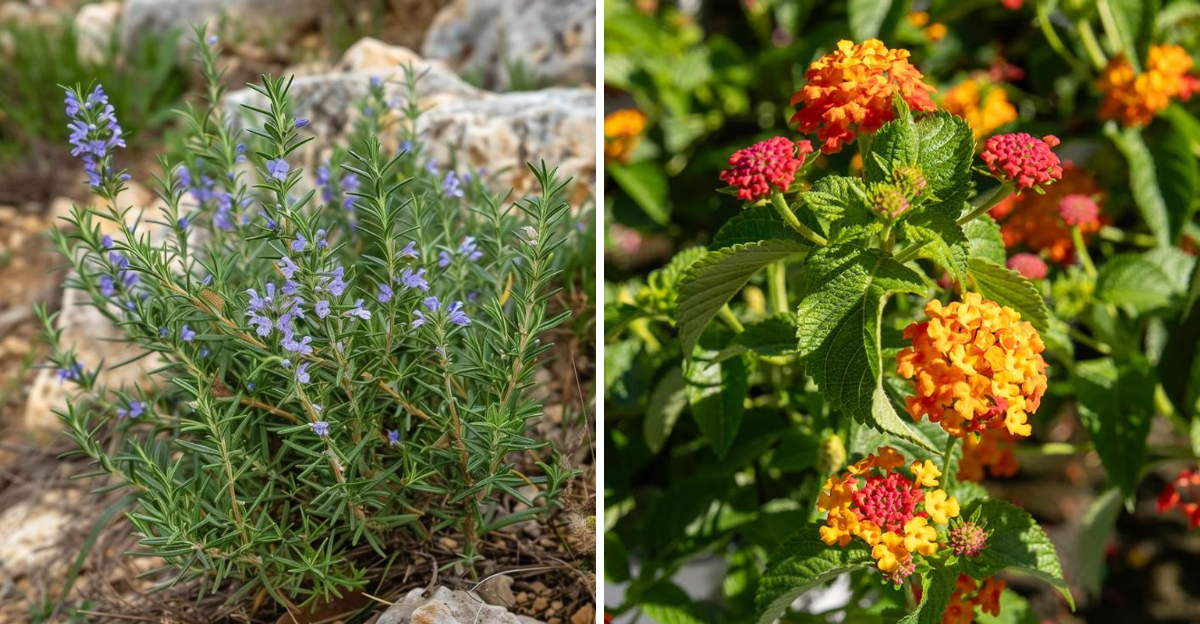
Scorpion management in Texas typically runs on two tracks, sealing entry points around the home and using barrier treatments around the perimeter.
Both of those approaches have their place, but neither addresses what the surrounding landscape is doing to make a yard attractive to scorpions in the first place.
Certain Texas garden plants create conditions that scorpions actively avoid, producing scents and oils that interfere with the sensory environment these pests depend on for navigation and shelter-seeking.
When positioned thoughtfully around patios, foundations, and the areas where people spend time outdoors, they add a deterrence layer that works passively through the entire season.
Texas heat intensifies the aromatic compounds in many of these plants, which actually works in the gardener’s favor, making them more effective here than in cooler regions.
Getting pest deterrence as a built-in feature of beautiful, well-suited garden plants is exactly the kind of outcome worth planning a Texas landscape around.
1. Texas Sage
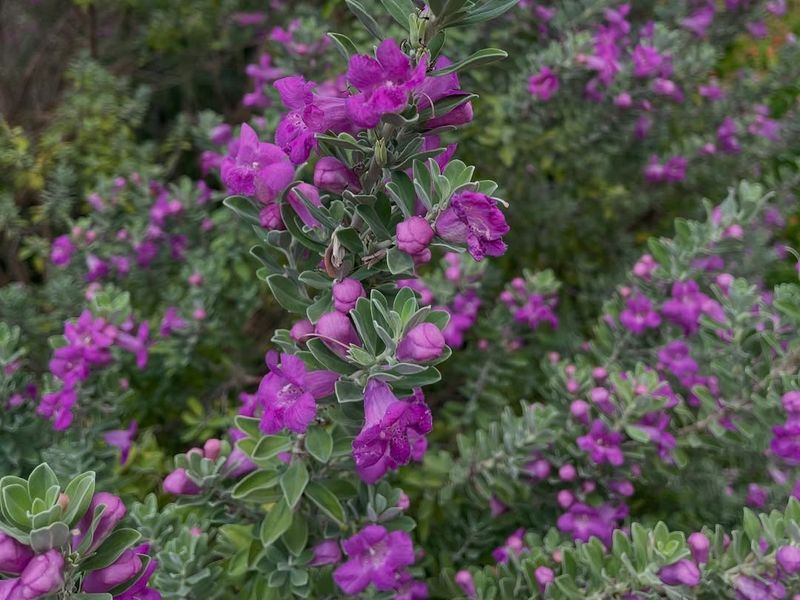
Walk through any Texas neighborhood in late summer and you will likely spot this beauty glowing silver and purple along fences and driveways.
Texas Sage, sometimes called Cenizo or Purple Sage, is one of the most iconic plants in the Lone Star State. It blooms after rain, which has earned it the nickname “barometer bush.”
Beyond its good looks, Texas Sage is a smart choice for scorpion deterrence. Its dense, bushy growth habit leaves very little open ground beneath it.
Scorpions love loose soil, rock crevices, and shady gaps where they can hide during the day. Texas Sage fills those spaces naturally, making your yard far less welcoming to them.
The silvery leaves reflect sunlight beautifully and give the plant a soft, almost glowing appearance throughout the year. When the purple blooms pop out after a good rain, the contrast is absolutely stunning.
Pollinators like bees and butterflies flock to it, adding even more life to your garden. Texas Sage is incredibly easy to care for. It thrives in full sun and well-drained soil, and it handles drought like a champ.
Overwatering is actually its biggest enemy, so plant it in a spot where water does not pool. Trim it lightly after blooming to keep its shape tidy.
Plant Texas Sage along borders, near entryways, or as a low hedge around your home’s foundation. Grouping several together creates a thick wall of foliage that looks polished and purposeful.
It is one of those rare plants that gives you maximum beauty with minimum effort, making it a true Texas garden staple.
2. Rosemary
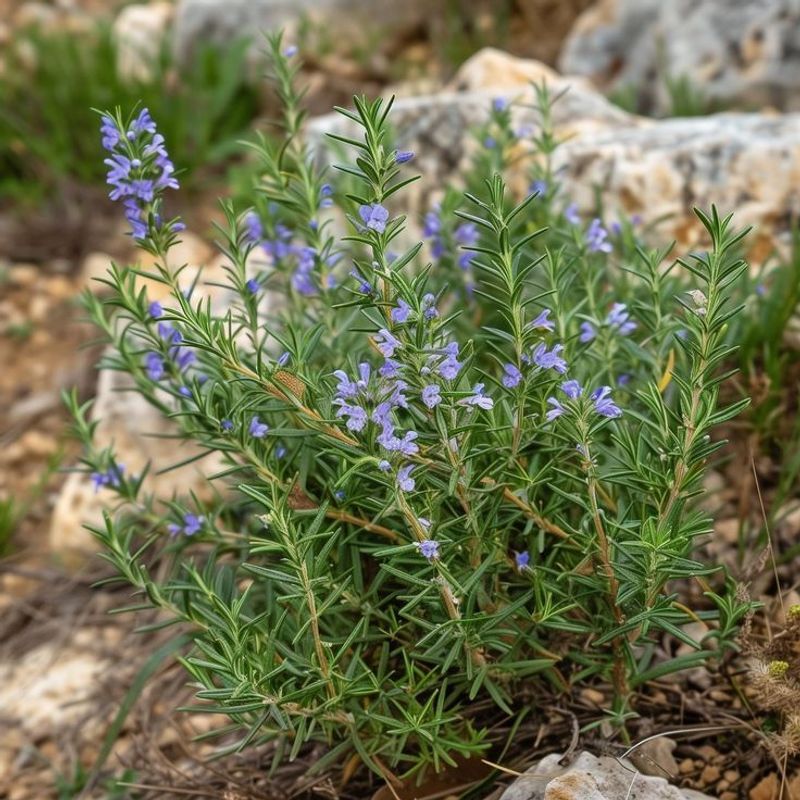
Few plants pull off the combination of delicious smell, practical use, and pest-repelling power quite like rosemary. Most people know it from the kitchen, but this tough little herb is a serious garden workhorse in Texas.
Its strong, piney fragrance is not just pleasant for humans. Scorpions, along with many other pests, find it overwhelming and tend to stay far away.
Rosemary grows into a dense, woody shrub over time. Its needle-like leaves pack tightly together, and the stems become thick and tangled as the plant matures.
Your Texas Garden Changes Every Week. Your Plan Should Too.
Gardening in Texas changes quickly throughout the season. Every Friday you’ll receive a simple weekly plan showing exactly what to plant, prune, fertilize, harvest, and protect so you never miss the right timing.
That compact, layered structure is exactly what makes it so effective at blocking off the ground-level hiding spots that scorpions love. Planting it near your home’s foundation or along garden edges creates a fragrant, living barrier.
The small blue or purple flowers that appear in late winter and early spring are a bonus. They are subtle but charming, and pollinators absolutely adore them.
Bees are often seen buzzing around rosemary blooms before most other garden flowers have even opened.
Growing rosemary in Texas is genuinely easy. It loves full sun, handles heat well, and does not need much water once it is established.
Sandy or rocky soil actually suits it better than rich, moist soil. Avoid planting it in low spots where water collects after rain.
You can trim rosemary into neat hedges or let it sprawl naturally for a more relaxed look. Either way, it stays evergreen and fragrant year-round.
Snip some for cooking anytime you like. Honestly, rosemary might be the most useful plant you ever add to your Texas garden.
3. Lantana
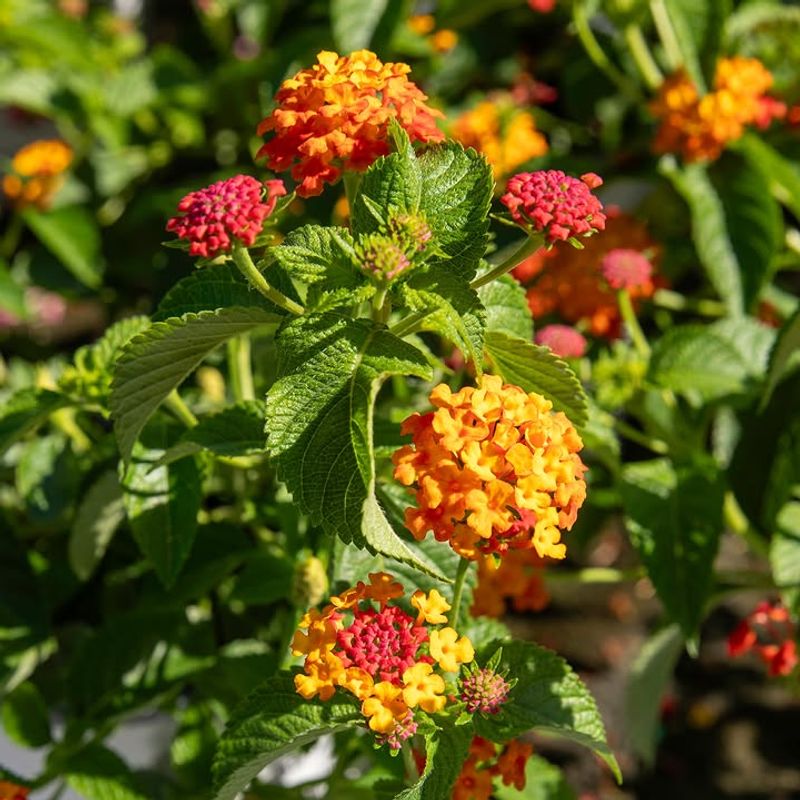
There is something almost cheerful about lantana. Its clusters of tiny flowers shift between yellow, orange, and red in a single bloom head, creating a kaleidoscope effect that makes any garden feel lively and vibrant.
Native lantana varieties like Lantana urticoides are especially well-suited to Texas because they evolved here and know exactly how to handle the heat.
Lantana spreads low and wide, covering bare ground quickly and efficiently. That spreading habit is one of its biggest advantages when it comes to scorpion deterrence.
Scorpions prefer open, loose soil and shaded gaps under rocks or debris. Lantana’s dense, ground-hugging growth fills those spaces in fast, leaving fewer places for scorpions to tuck themselves away during daylight hours.
The rough, slightly sticky texture of lantana’s leaves is another layer of protection. Most crawling pests find the surface unpleasant to move across.
Combined with its thick stem structure and full coverage, lantana creates a ground-level environment that scorpions simply do not prefer.
Caring for lantana is refreshingly simple. It thrives in full sun, tolerates poor soil, and bounces back from drought without complaint.
Once established, it barely needs watering. Cutting it back in late winter encourages a fresh flush of growth and even more blooms come spring.
Use lantana as a colorful groundcover along walkways, slopes, or garden borders. It pairs beautifully with other Texas natives and attracts butterflies all season long.
Hummingbirds are fans too. Few plants offer this much color, coverage, and wildlife appeal while quietly doing the practical work of making your yard less appealing to scorpions.
4. Flame Acanthus
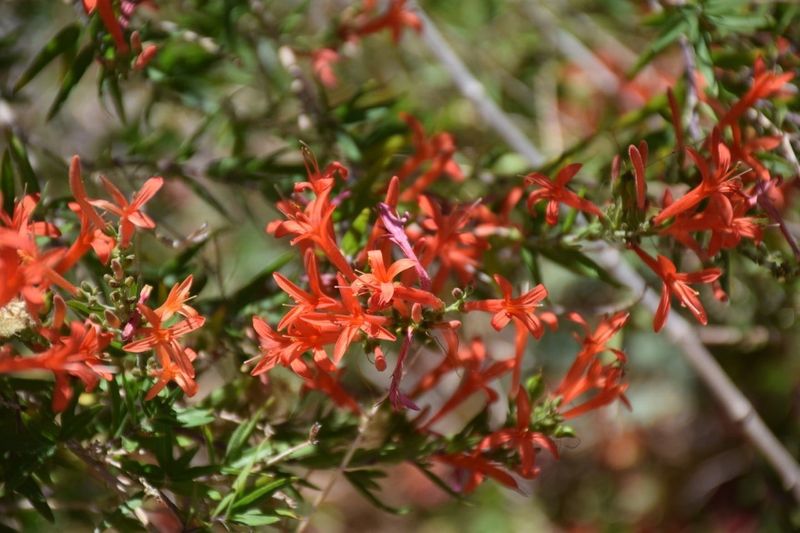
If you want a plant that looks like it is literally on fire in the best possible way, Flame Acanthus is your answer. This Texas native shrub erupts in a blaze of narrow, tubular orange-red flowers from midsummer straight into fall.
Hummingbirds absolutely cannot resist it, and watching them dart between blooms is one of the great small joys of a Texas summer garden.
Flame Acanthus grows tall and full, reaching anywhere from three to five feet in height. That upright, bushy structure is a real asset when it comes to keeping scorpions at a distance.
The dense foliage creates a layered, thick canopy that shades the ground beneath it heavily. Scorpions tend to avoid areas where they cannot easily move around or find comfortable hiding spots, and the tightly packed stems of Flame Acanthus make the ground underneath much less appealing.
This plant is remarkably heat-tolerant. It handles full sun in Texas without flinching and survives on very little water once it gets going.
Rocky or clay soils that would challenge many other plants are no problem for Flame Acanthus. It is the kind of plant that actually looks better when conditions get tough.
Cut it back hard in late winter and it will return with fresh, vigorous growth. That renewal cycle keeps the plant tidy and encourages maximum blooming during the warmer months.
Plant Flame Acanthus in mixed borders, along fences, or as a dramatic focal point in a native garden design. It adds serious height, structure, and seasonal drama while naturally working to reduce scorpion-friendly habitat around your home.
5. Coral Honeysuckle
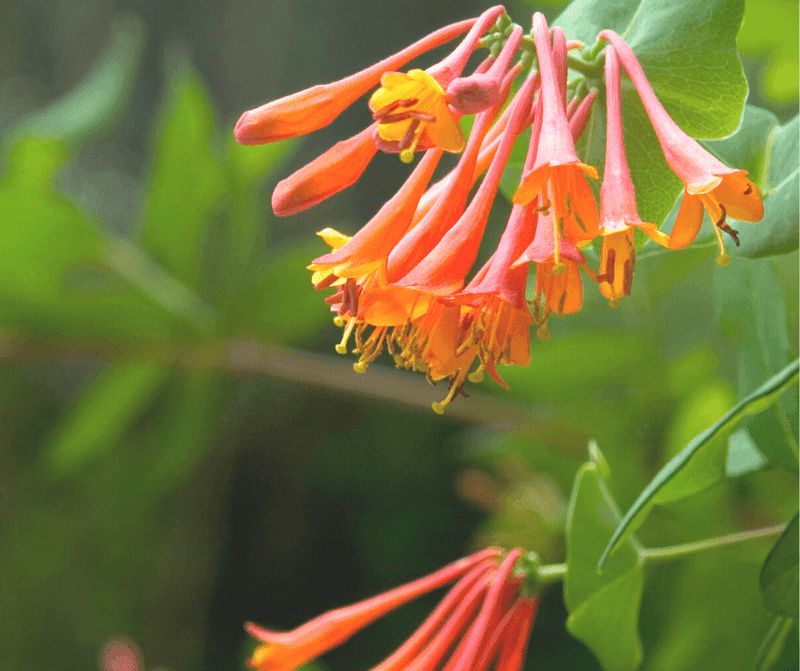
Not every scorpion deterrent has to sit at ground level. Coral Honeysuckle proves that vertical gardening can be both gorgeous and practical.
This native climbing vine produces clusters of slender, red tubular flowers that hummingbirds visit constantly from spring through summer. Unlike the invasive Japanese honeysuckle, this native version plays nicely in Texas ecosystems without taking over.
Training Coral Honeysuckle up a trellis, fence, or arbor near your home creates a beautiful living barrier that serves a real purpose. When scorpions are looking for ways to enter a structure, they often travel along the ground near walls and foundations.
A healthy, well-established vine covering a fence or trellis interrupts that path and makes the area around your home less navigable at ground level.
The vine’s semi-evergreen foliage stays lush through most of the Texas year, offering color and coverage even when it is not in bloom. The red flowers give way to small red berries in fall that birds love, adding another layer of wildlife interest to your garden.
Coral Honeysuckle grows best in full sun to partial shade and handles Texas heat and drought well once it is rooted in. It does not need rich soil or heavy fertilizing.
Prune it lightly after blooming to keep it from getting too leggy. One of the most appealing things about this vine is how effortlessly elegant it looks. It softens hard structures like fences and walls with flowing greenery and bright color.
Few plants manage to be this attractive, this wildlife-friendly, and this strategically useful all at the same time in a Texas garden setting.
6. Blackfoot Daisy
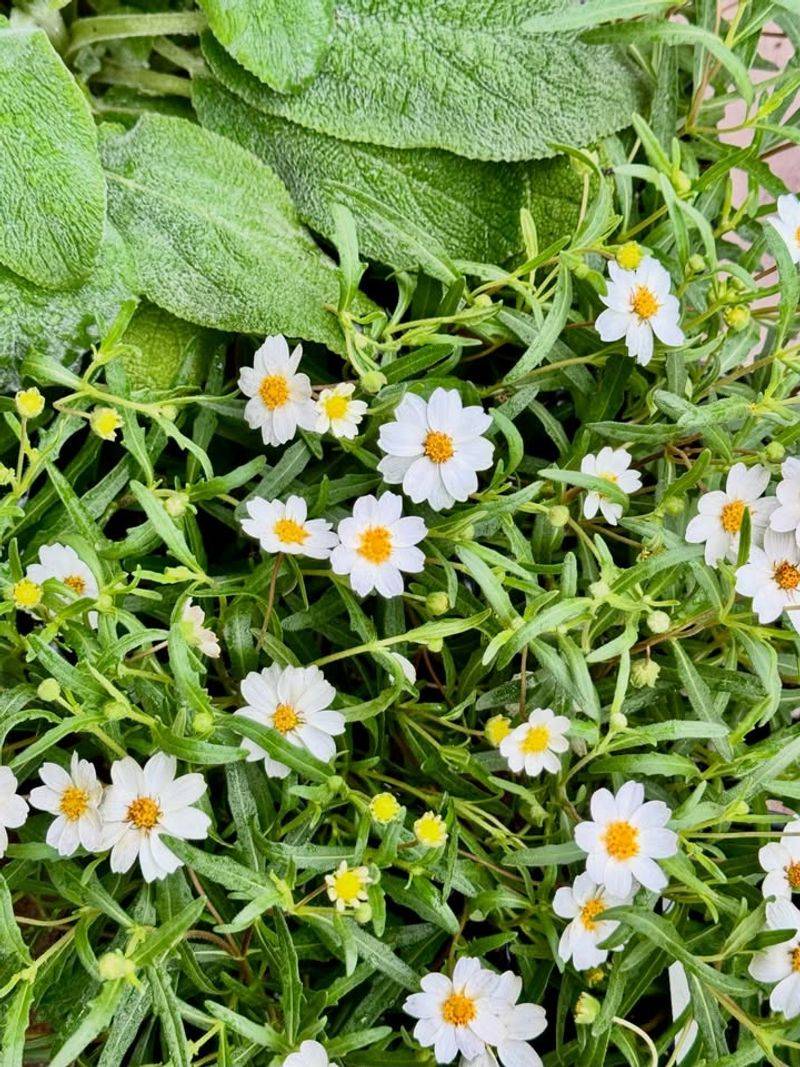
Small but mighty, Blackfoot Daisy is one of those plants that punches way above its weight in the garden.
The cheerful white blooms with bright yellow centers look like something out of a wildflower painting, and they keep appearing from early spring all the way through the first frost. For a plant this pretty, it asks for almost nothing in return.
The dense, low mounding habit of Blackfoot Daisy is exactly what makes it so useful for scorpion control. It grows in tight clumps that hug the ground, covering bare soil efficiently and leaving very little open space for scorpions to settle into.
Scorpions are ground-level creatures that rely on loose, undisturbed soil and hidden gaps. Blackfoot Daisy takes those options away without you having to do anything extra.
This plant is perfectly adapted to the rocky, alkaline soils found across much of Texas. It actually performs better in lean, well-drained conditions than in rich, moist garden beds.
Overwatering is the fastest way to shorten its lifespan, so plant it somewhere that dries out between rains.
Full sun is essential. Give it that, and it will reward you with months of non-stop blooming. The flowers have a faint honey-like scent that is pleasant up close, and pollinators appreciate it too.
Use Blackfoot Daisy along rock garden edges, in xeriscape designs, or as a border plant along paths and driveways.
Grouping several plants together creates a thick, flower-covered mat that looks both natural and intentional. It is one of the most charming and hardworking native plants available to Texas gardeners.
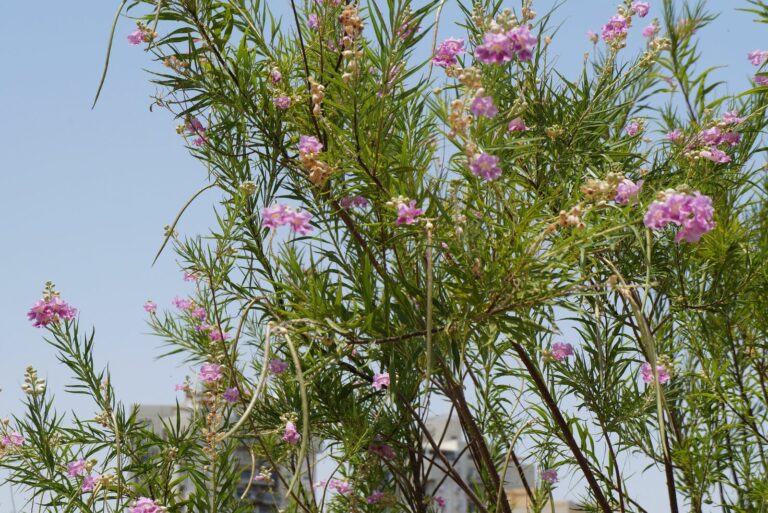
7. Desert Willow
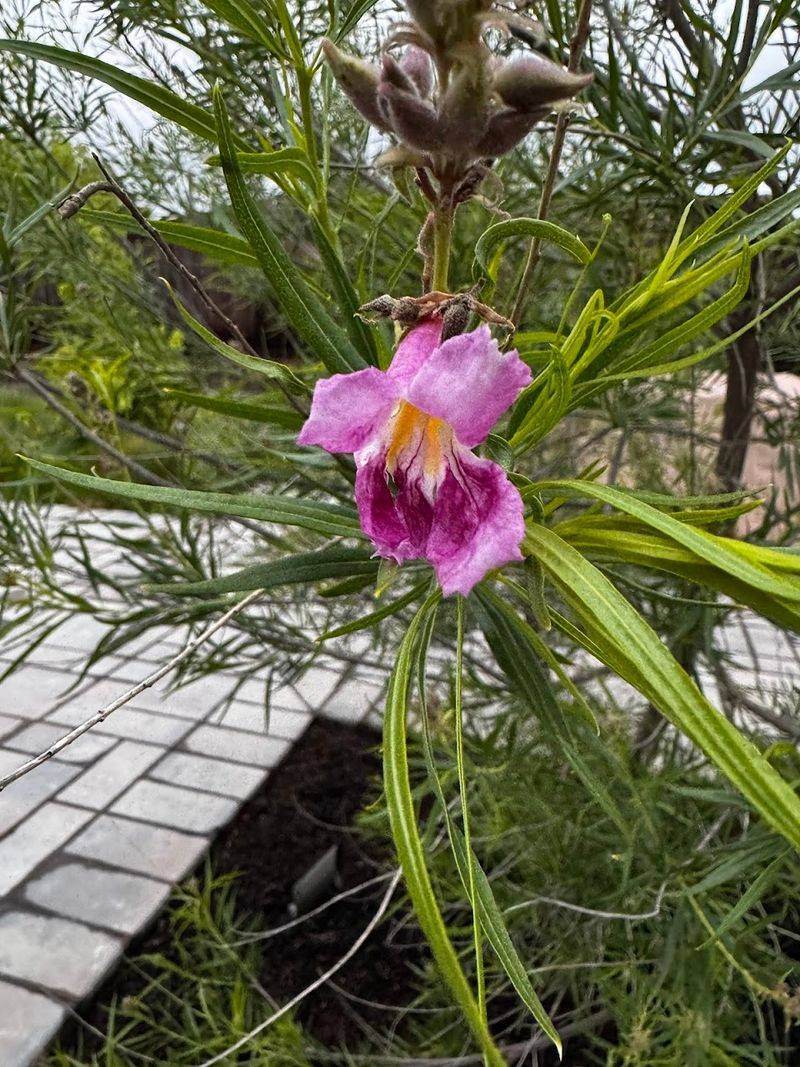
Picture a slender, graceful tree swaying in a warm Texas breeze, covered in trumpet-shaped blooms in shades of pink, lavender, and white. That is Desert Willow, and it is one of the most underused trees in Texas landscaping.
Despite its name, it is not actually a willow at all. It belongs to the same plant family as catalpa trees, and its flowers have a similarly dramatic, tropical flair.
Desert Willow adds vertical structure to your garden, which matters when you are thinking about scorpion deterrence. Scorpions tend to gather in shaded areas at ground level, especially under dense low shrubs and loose debris.
A well-placed Desert Willow creates filtered shade with an open, airy canopy that does not provide the dark, cluttered conditions scorpions prefer. The area beneath it stays relatively open and less hospitable to them.
The blooms appear in late spring and continue through summer, attracting hummingbirds and butterflies in impressive numbers. Long, slender seed pods follow the flowers and add interesting visual texture through fall and winter.
Growing Desert Willow in Texas is straightforward. It thrives in full sun, tolerates poor and rocky soil, and handles drought exceptionally well once established.
It does not like wet feet, so make sure it has good drainage. Prune it in late winter to shape it and encourage vigorous new growth. Plant it near patios, along driveways, or as a focal point in a native garden design.
Its combination of elegant form, stunning seasonal blooms, and natural scorpion-discouraging structure makes Desert Willow a standout choice for any Texas homeowner wanting beauty with real purpose.