Arizona Tree Watering Schedules Most Homeowners Get Wrong Every Summer
Watering a tree seems like one of the simplest parts of yard care. Turn on the hose, run the irrigation system, and move on to the next task.
Yet many homeowners are surprised to learn that trees often struggle because of how they are watered rather than how much attention they receive.
Summer can make the situation even more confusing. Rising temperatures naturally lead people to think trees need water more often.
While that sounds reasonable, watering schedules that seem helpful on the surface do not always match what trees actually need during the hottest part of the year.
That is why tree watering becomes such a common source of frustration. Signs of stress can appear even when a tree is being watered regularly.
Many Arizona homeowners discover that timing and frequency matter just as much as the amount of water being applied. A few common mistakes may be doing more harm than expected.
1. Deep Watering Matters More Than Frequent Watering
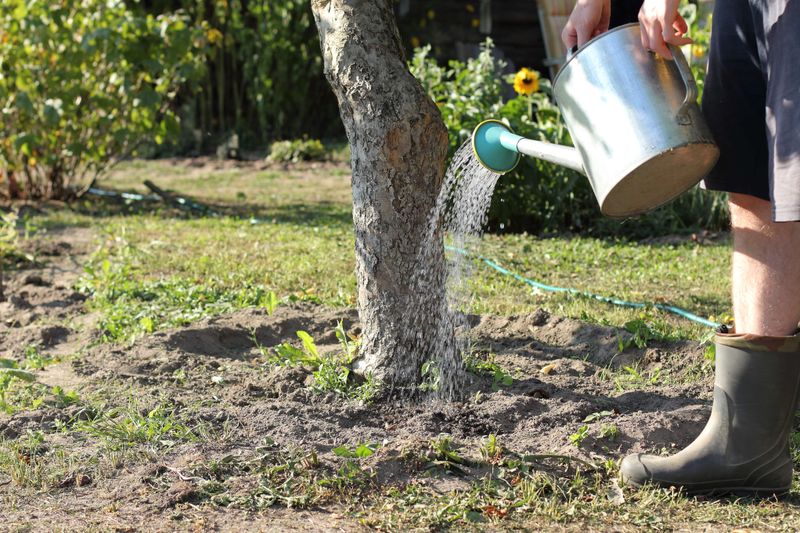
Shallow sprays do almost nothing for established trees. Water needs to reach 18 to 24 inches below the surface to actually feed the root system where it matters most.
Roots chase moisture. If water only dampens the top few inches of soil, roots stay near the surface and struggle during peak heat.
Deep watering forces roots to grow downward, making trees more stable and resilient over time.
A slow soak works far better than a quick blast. Use a drip emitter or a garden hose set to a trickle, and let it run for 30 to 45 minutes in one spot before moving it around the base of the tree.
Frequency matters less than depth here. Watering deeply twice a week during summer gives most established desert trees what they need.
Watering lightly every day keeps roots shallow and stressed.
Check your work by pushing a metal rod or wooden dowel into the soil after watering. It should slide in easily to about 18 inches.
If it hits resistance much sooner, the water did not penetrate far enough and your schedule needs adjusting.
2. Daily Irrigation Encourages Shallow Root Growth
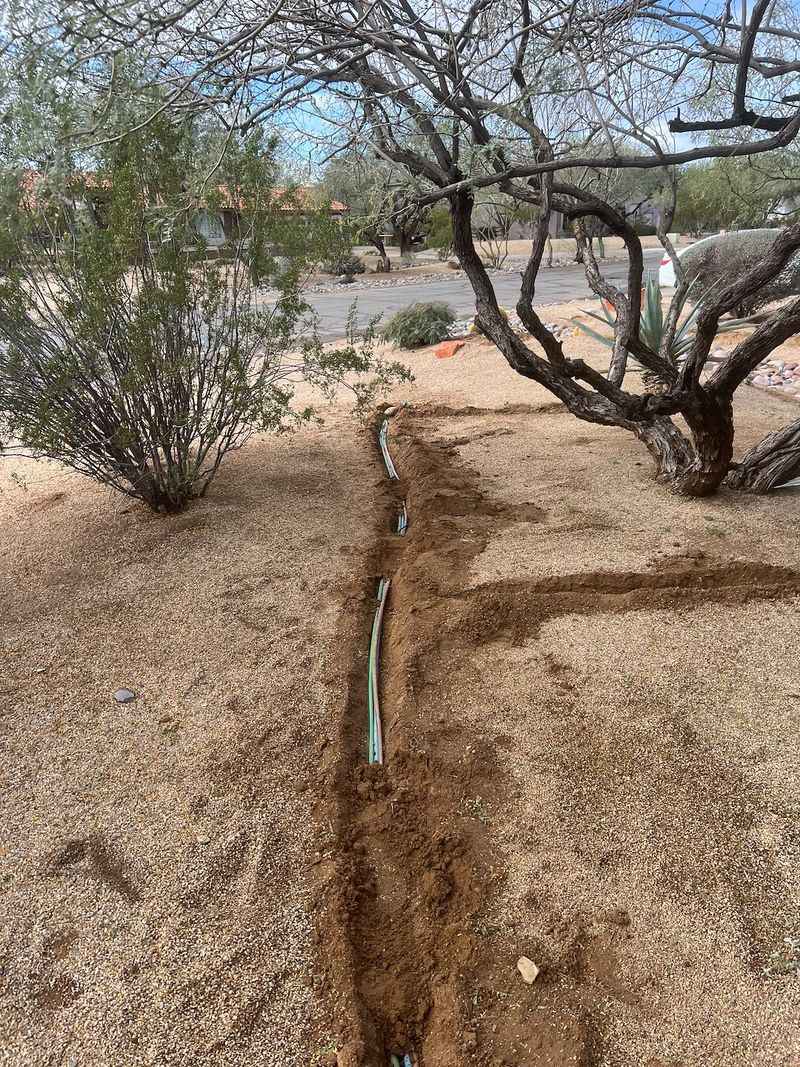
Watering every single day seems responsible, but it actually trains roots to stay lazy near the surface. Roots grow toward water, so if moisture never goes deep, roots never go deep either.
Shallow roots create real problems during summer. Heat radiates off the ground in the desert, and surface soil can reach scorching temperatures.
Roots sitting just a few inches down are constantly stressed by that heat.
Spacing out watering sessions changes root behavior over time. When the top layer dries out between waterings, roots are pushed to search deeper for moisture.
That natural searching builds a stronger, more heat-tolerant root system.
A good rule of thumb: let the top two to three inches of soil dry out before watering again. That drying period signals the tree to dig deeper, not wider.
Overwatering also reduces oxygen in the soil. Roots need air just as much as water.
Your Arizona Garden Changes Every Week. Your Plan Should Too.
Gardening in Arizona changes quickly throughout the season. Every Friday you’ll receive a simple weekly plan showing exactly what to plant, prune, fertilize, harvest, and protect so you never miss the right timing.
Soil that stays soggy from daily irrigation becomes compacted and oxygen-poor, which weakens the tree from the ground up.
Cutting back to two or three deep waterings per week during summer is usually enough for most established trees in the region. New transplants need more attention, but even they benefit from deep, spaced sessions over daily shallow sprays.
3. Sandy Soil Dries Out Faster Between Waterings
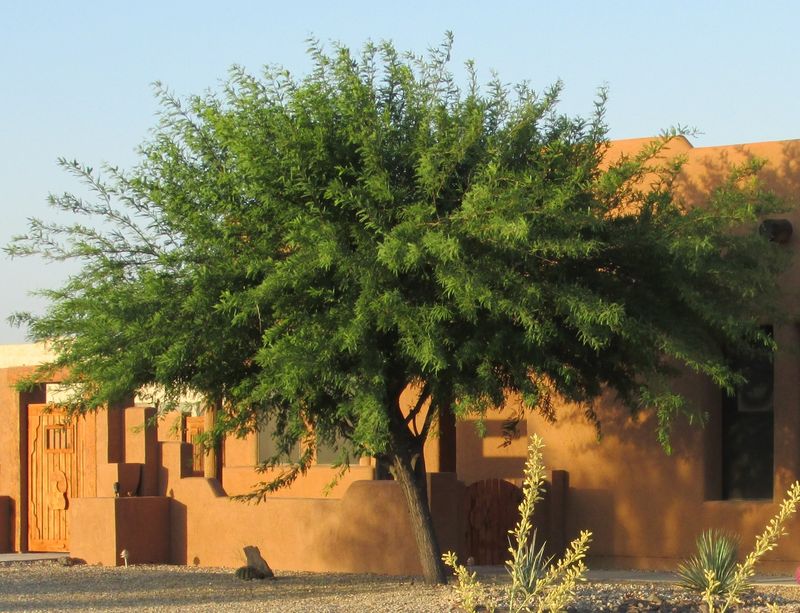
Sandy soil does not hold water the way clay-heavy soil does. Water moves through it fast, sometimes draining past the root zone before roots even have a chance to absorb it.
Homeowners with sandy yards often think they are watering enough when they are actually falling short. The surface looks moist briefly, but the water drains down quickly and the roots end up dry within hours.
Watering frequency needs to increase with sandy soil. Two to three sessions per week during summer may not cut it if your yard drains extremely fast.
Some sandy lots need watering every other day during the hottest stretches.
Adding organic mulch around the tree helps slow drainage and retain moisture longer. A three to four inch layer of wood chip mulch spread across the root zone can significantly reduce how fast the soil dries out between sessions.
Avoid piling mulch directly against the trunk. Keep it pulled back about six inches from the base.
Mulch against the trunk traps moisture and heat right where you do not want it.
Testing your soil type is simple. Grab a handful of moist soil and squeeze it.
Sandy soil crumbles apart immediately. If it holds a shape, there is more clay content present.
Knowing your soil type helps you build a watering schedule that actually matches what your trees need.
4. Extreme Heat Increases Water Demand Across The Root Zone
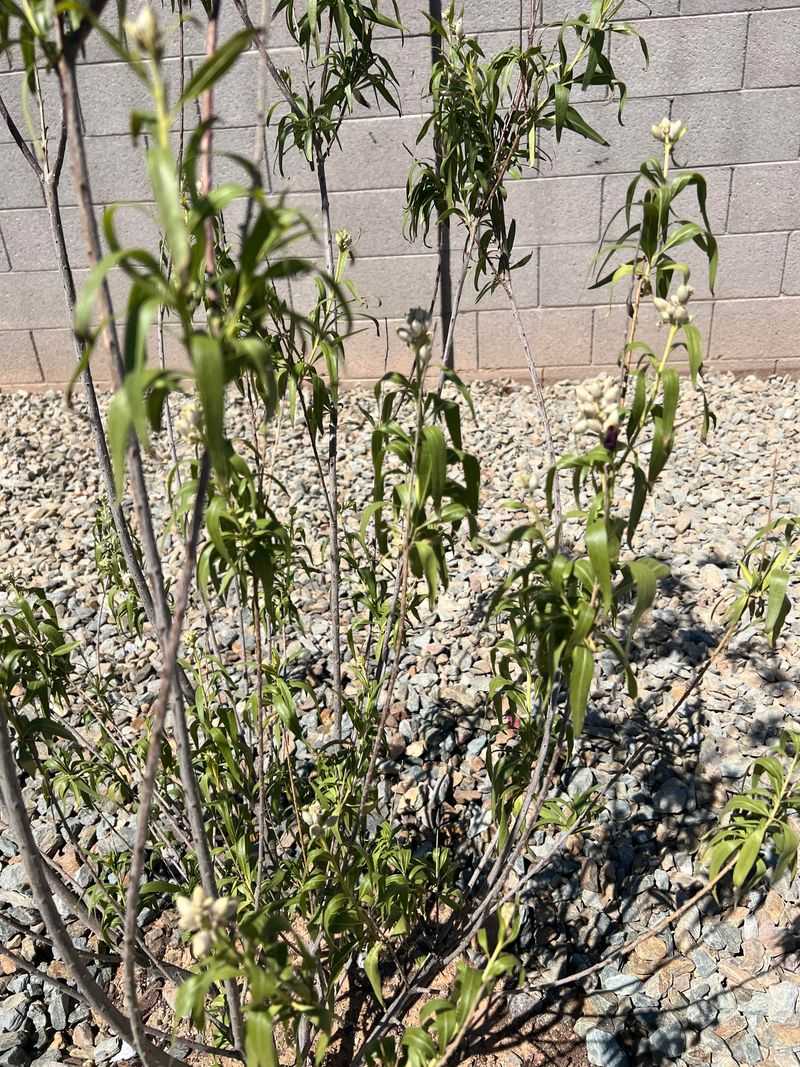
When temperatures push past 105 degrees, trees are working overtime just to stay cool. Water demand spikes during heat waves, and a schedule that worked fine in June may fall completely short by late July.
Trees release moisture through their leaves in a process called transpiration. Hotter air pulls that moisture out faster.
During extreme heat, a tree can lose significantly more water per day than it does in milder conditions.
Watching your trees gives you real-time feedback. Leaves that curl, droop, or look dull during the morning hours before peak heat are a sign the tree is already stressed.
Afternoon wilting alone is normal, but morning symptoms signal a deeper problem.
Adjust your watering schedule during heat waves rather than sticking to a fixed routine. Adding one extra deep watering session per week during stretches above 108 degrees can make a real difference for stressed trees.
Water timing also matters. Early morning watering, before 8 a.m., allows moisture to penetrate the soil before heat accelerates evaporation.
Watering in the evening works too, but morning is generally preferred in dry desert climates.
Avoid watering in the middle of the afternoon. Evaporation rates peak between noon and 4 p.m., which means much of that water never reaches the roots.
Shifting your schedule by just a few hours can improve water efficiency significantly.
5. Mature Trees Need Water Beyond The Trunk Area
Most people water right at the trunk and call it done. That instinct feels logical, but it sends water to exactly the wrong place.
Mature trees spread their feeder roots far beyond the trunk. These fine roots are responsible for absorbing water and nutrients.
They extend outward to roughly the same distance as the canopy spread, sometimes even farther in sandy soil.
Watering only at the base of the trunk means the feeder roots stay dry. The trunk itself does not absorb water.
Constantly wetting the trunk can actually invite rot and pest problems over time.
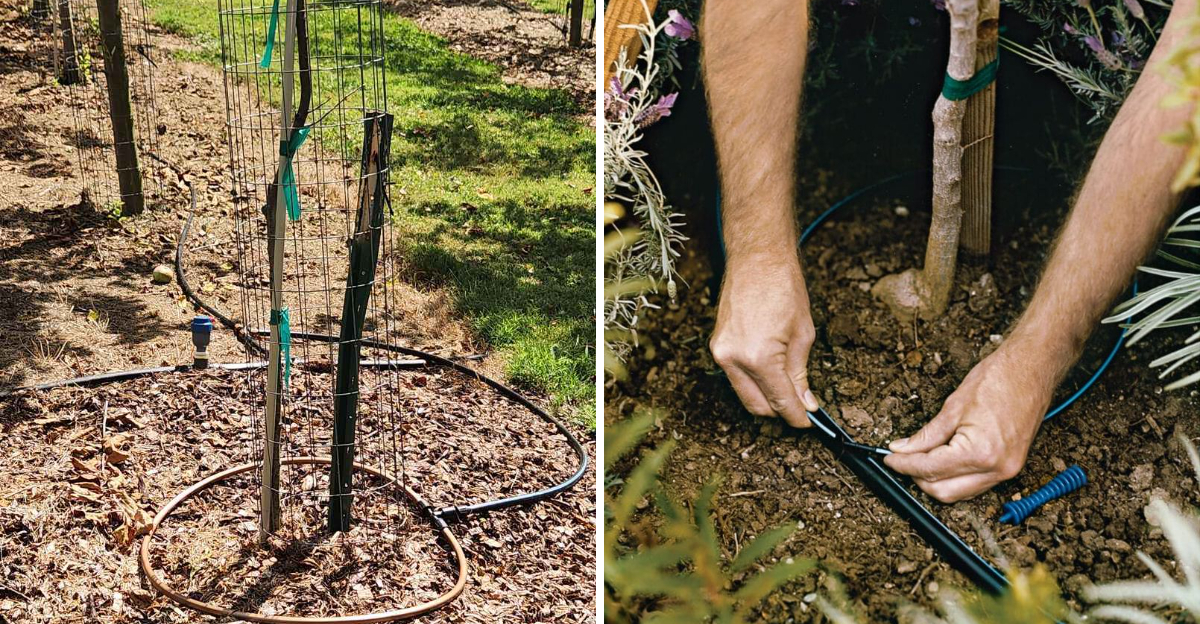
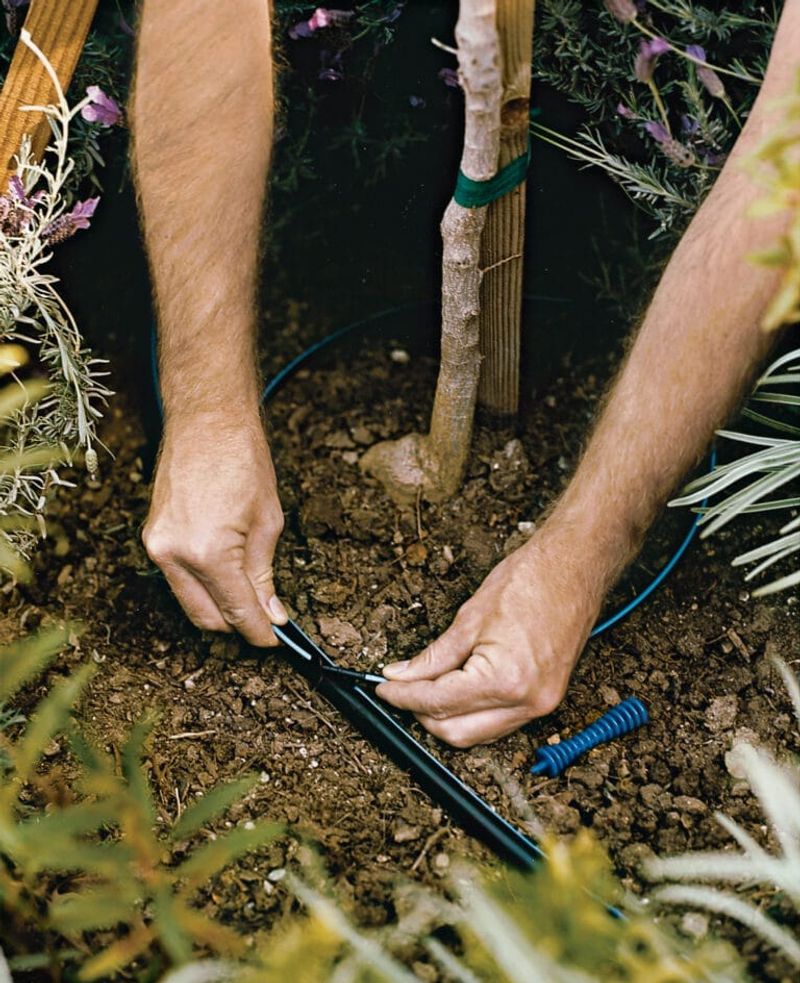
Move your drip emitters or soaker hose out toward the drip line, which is the outer edge of the tree canopy. That zone is where feeder roots are most active and where watering does the most good.
For large trees, place multiple emitters in a ring around the canopy perimeter. Space them evenly so the entire root zone gets coverage.
One emitter near the trunk is not enough for any mature tree.
Walk around your tree and look up at the canopy spread. That circle overhead roughly maps where your water should land below.
Adjusting emitter placement alone can make a noticeable difference in how a tree handles intense summer conditions in the desert Southwest.
6. Monsoon Rain Should Change Your Watering Schedule
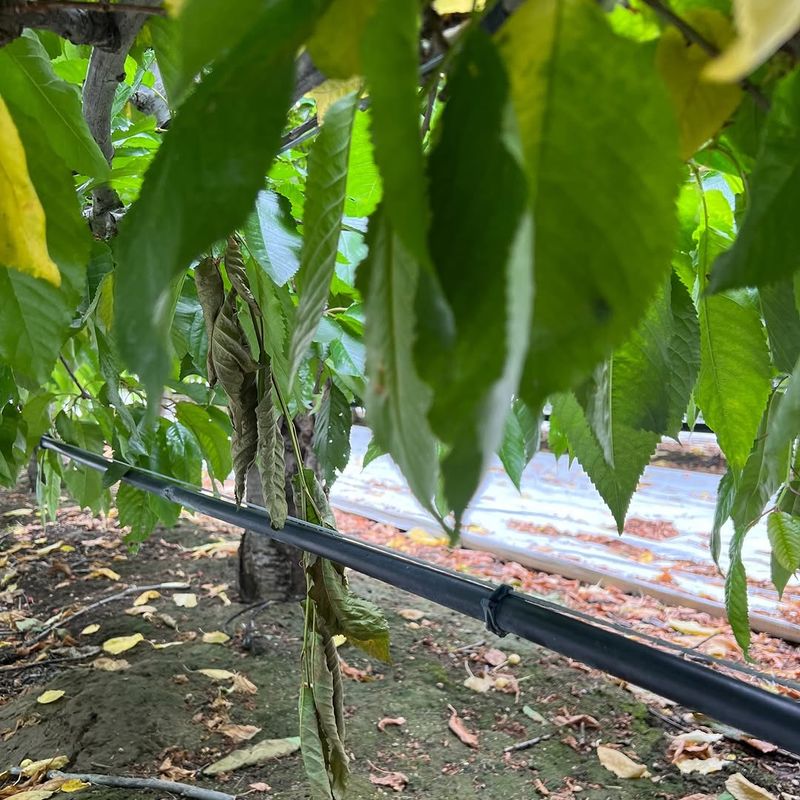
Monsoon season brings fast, heavy rain that can drop an inch or more in under an hour. Homeowners who keep their irrigation timers running through those storms end up overwatering without realizing it.
Overwatered trees in monsoon season face real risks. Soggy soil combined with high winds creates unstable ground.
Roots that sit in waterlogged soil lose their grip, making trees more vulnerable to tipping during strong monsoon gusts.
Shut off your irrigation system during active monsoon weeks. Most modern irrigation controllers have a rain delay or weather-based sensor option.
Using those features saves water and protects your trees at the same time.
Not all monsoon rain counts equally. A brief 10-minute shower barely wets the surface.
A slow, steady 45-minute rain soaks in much deeper. Check soil moisture after each storm before deciding whether to skip your next watering session.
A simple moisture meter costs less than $15 and takes the guesswork out completely. Push the probe 6 to 8 inches into the soil near the root zone.
If it reads moist, hold off watering for another day or two.
Monsoon season typically runs from mid-June through September across much of the desert Southwest.
Adjusting your schedule during those months and then ramping irrigation back up in October is one of the smartest things you can do for long-term tree health in this region.
7. Larger Trees Need Water Across A Wider Root Zone
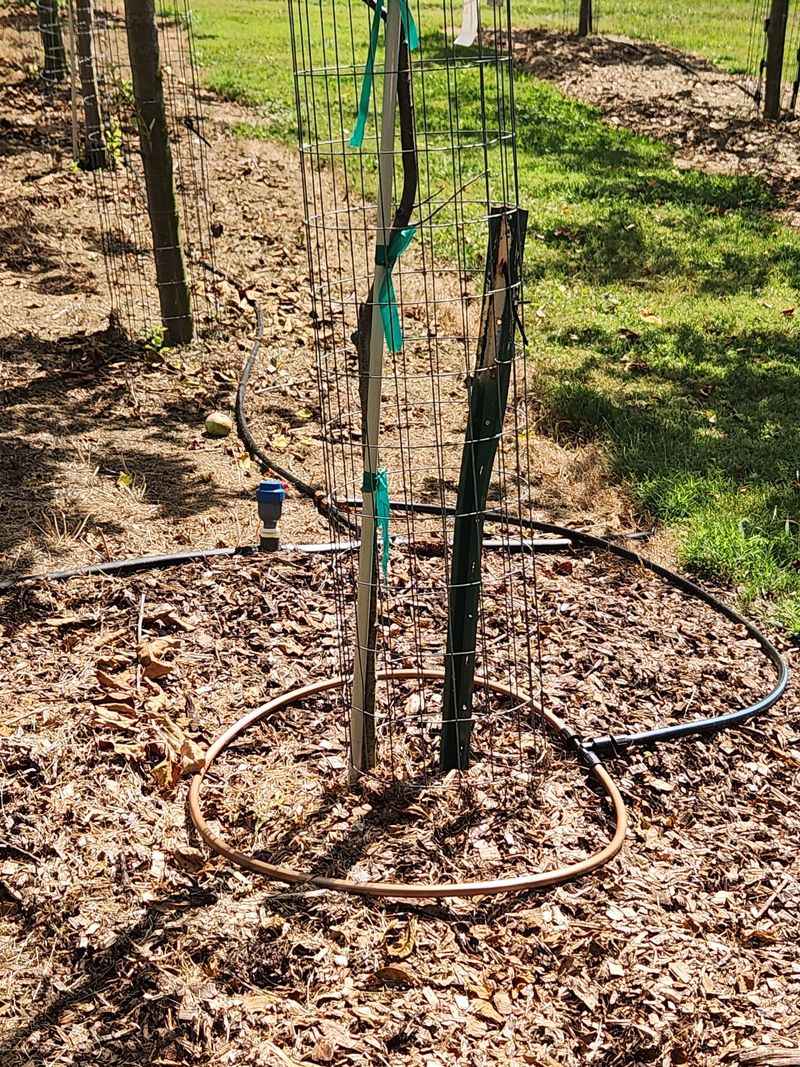
Big trees have big roots. That seems obvious, but most homeowners still water them the same way they water a young sapling, clustered near the trunk with one or two emitters.
Root systems on large trees can extend 20 to 30 feet or more from the trunk. Covering that entire zone with water is not realistic for most home setups, but getting water out to at least the canopy drip line is absolutely essential.
One drip emitter delivers only a small circle of moisture. Large trees need multiple emitters placed strategically around the root zone to ensure even coverage.
A single emitter near the trunk creates one wet spot while the rest of the roots stay dry.
Calculate how many gallons your tree needs based on trunk diameter. A rough estimate used by many arborists is 10 gallons per inch of trunk diameter per watering session.
A tree with a 6-inch diameter trunk needs around 60 gallons each time you water.
Running emitters longer achieves this. A 2-gallon-per-hour emitter needs 30 hours of runtime to deliver 60 gallons.
Splitting that across multiple emitters shortens the runtime considerably.
Check emitter output ratings before setting your timer. Many homeowners set timers without knowing actual flow rates, which means trees get far less water than intended throughout the summer season.