The Backyard Water Features Arizona Homeowners Use To Bring In More Dragonflies
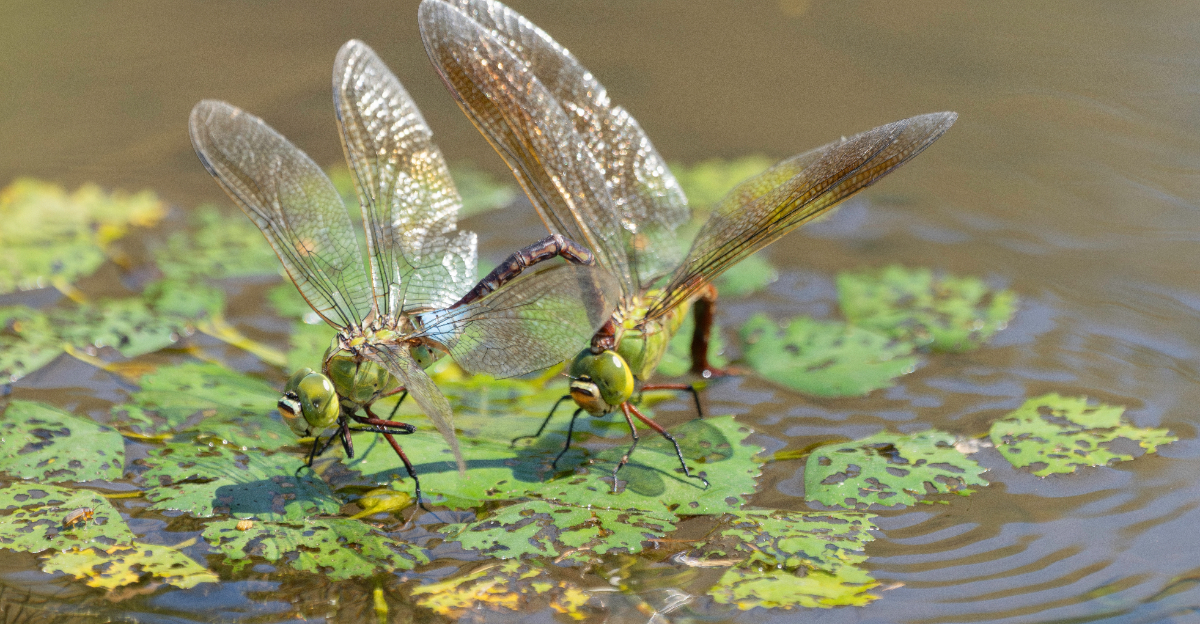
Some of the most interesting visitors to a backyard are not always the ones people plan for. A garden can suddenly feel more alive when colorful insects begin appearing around plants, trees, and outdoor living spaces.
Among the most noticeable are dragonflies, which often catch attention with their fast flight and constant movement.
Many homeowners enjoy seeing them around the yard, but dragonflies do not appear randomly. Like other forms of wildlife, they are drawn to certain conditions and tend to spend time where their basic needs are met.
Small changes to the landscape can sometimes make a bigger difference than expected.
That is one reason water features continue to grow in popularity. In Arizona, many homeowners are using them to create more inviting outdoor spaces for wildlife.
Some water features are especially effective at attracting dragonflies and encouraging them to spend more time around the yard throughout the warmer months.
1. Small Garden Ponds Support Dragonflies From Egg To Adult
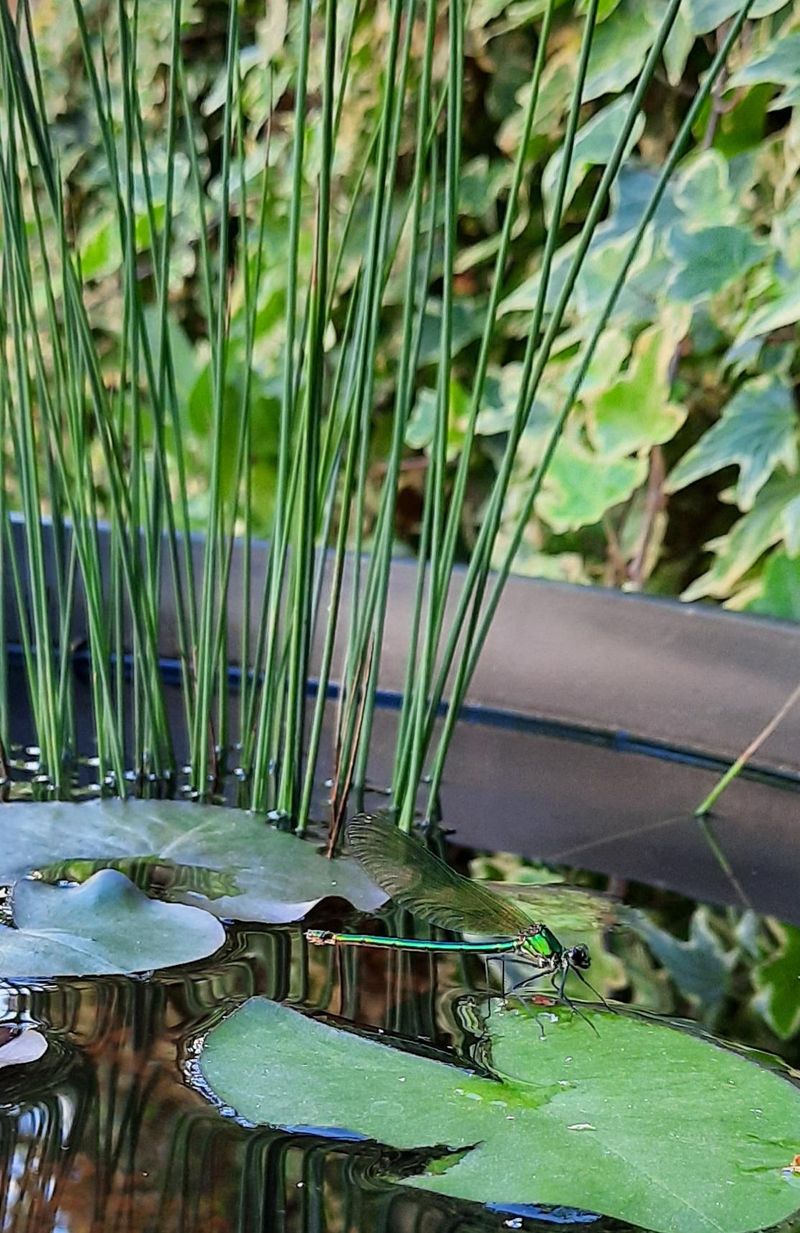
A small pond does more than look good. It gives dragonflies a place to lay eggs, grow as nymphs, and emerge as adults.
That full life cycle all happens in one spot.
Dragonfly nymphs live underwater for months, sometimes over a year. Shallow zones with submerged plants give them places to hide and hunt.
Without that underwater habitat, nymphs struggle to survive.
Aim for a pond at least two feet deep in the center. Shallower edges, around four to six inches, help nymphs climb out when they are ready to emerge.
Native aquatic plants like rushes and sedges work well along the margins.
Skip the aggressive filtration systems. Strong pumps can pull nymphs into the filter and harm them.
A gentle recirculating pump is enough to keep water from going stagnant.
Locate your pond where it gets morning sun and afternoon shade. Full sun in the summer heat can cause water temperatures to spike too high.
Some shade helps keep the water cooler and more stable.
Algae growth is normal and actually beneficial. It supports the small aquatic insects that dragonfly nymphs eat.
Resist the urge to scrub every surface clean.
Even a small pond, just four by six feet, can support multiple dragonfly species. Patience is key.
Dragonflies typically find new water sources within one season.
2. Stock Tank Ponds Hold Water Through The Hottest Months
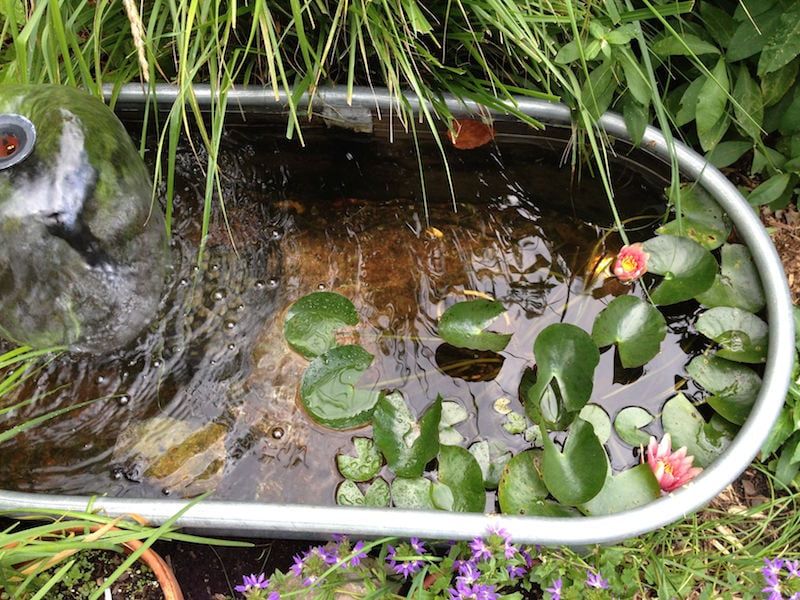
Stock tanks were built for livestock, but backyard gardeners have figured out they make excellent ponds. Tough, deep, and long-lasting, they hold water reliably even during brutal summer heat.
Galvanized steel tanks come in sizes from 50 to 300 gallons. Larger tanks hold temperature better, which matters when air temps climb past 110 degrees.
Smaller tanks can overheat quickly without some afternoon shade.
Drill a drainage hole near the bottom before filling. Add a simple bulkhead fitting so you can drain and refresh the water without hauling buckets.
Partial water changes every few weeks keep conditions stable for aquatic life.
Plant native water plants directly in mesh baskets filled with aquatic soil. Water lilies, water hyacinth, and horsetail all work well.
Your Arizona Garden Changes Every Week. Your Plan Should Too.
Gardening in Arizona changes quickly throughout the season. Every Friday you’ll receive a simple weekly plan showing exactly what to plant, prune, fertilize, harvest, and protect so you never miss the right timing.
Plants shade the water and give dragonfly nymphs places to cling and climb.
Place a few smooth rocks inside so emerging nymphs have a surface to crawl up on. Without a rough surface, they can struggle to pull themselves out of the water when transitioning to adults.
Stock tanks fit almost any backyard layout. Position one near a seating area and you will likely see dragonflies hovering just a few feet away during warmer months.
Many homeowners in the Southwest use stock tanks because they are affordable and easy to set up. One tank, a few plants, and some patience can bring in multiple dragonfly species reliably.
3. Water Lily Ponds Provide Perches Above The Water Surface
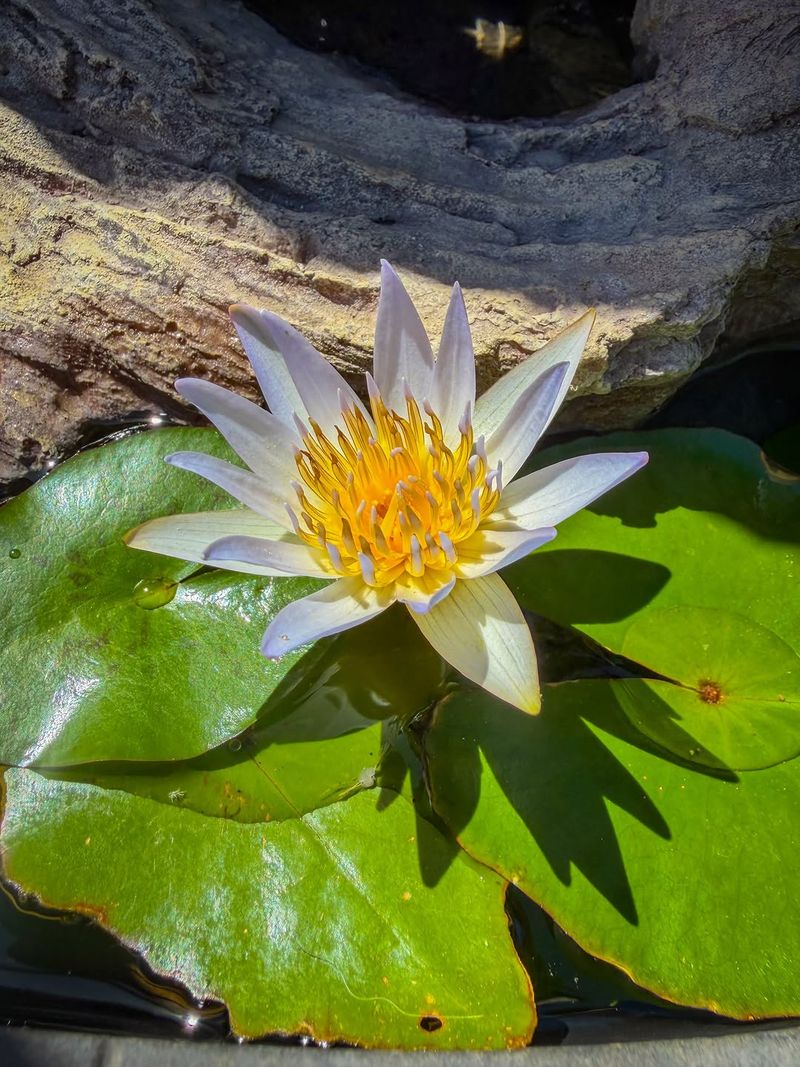
Flat lily pads do something most people overlook. They give dragonflies a landing platform right above the water, which is exactly where these insects like to rest and scan for prey.
Water lilies grow best in still or slow-moving water. Hardy varieties handle heat reasonably well, though tropical water lilies actually thrive in warm water temperatures common across the Southwest.
Plant water lilies in wide, shallow containers submerged at the bottom of your pond. Keep the crown of the plant just below the water surface.
Crowns buried too deep produce fewer pads and flowers.
Fertilize with aquatic plant tablets once a month during the growing season. Well-fed plants spread faster and produce more pads.
More pads mean more perch spots for dragonflies.
Watch for aphids on the pads and flowers. A strong rinse with the hose usually knocks them off without chemicals.
Avoid pesticides near the pond since they affect the aquatic insects dragonfly nymphs depend on for food.
Pair water lilies with vertical plants like pickerelweed or blue flag iris along the pond edge. Dragonflies use tall stems for perching and egg laying, while lily pads give them a resting surface over open water.
A pond with both vertical plants and floating pads attracts a wider range of dragonfly species. Variety in the habitat structure matters more than pond size in many cases.
4. Rain Gardens Collect Runoff After Summer Storms
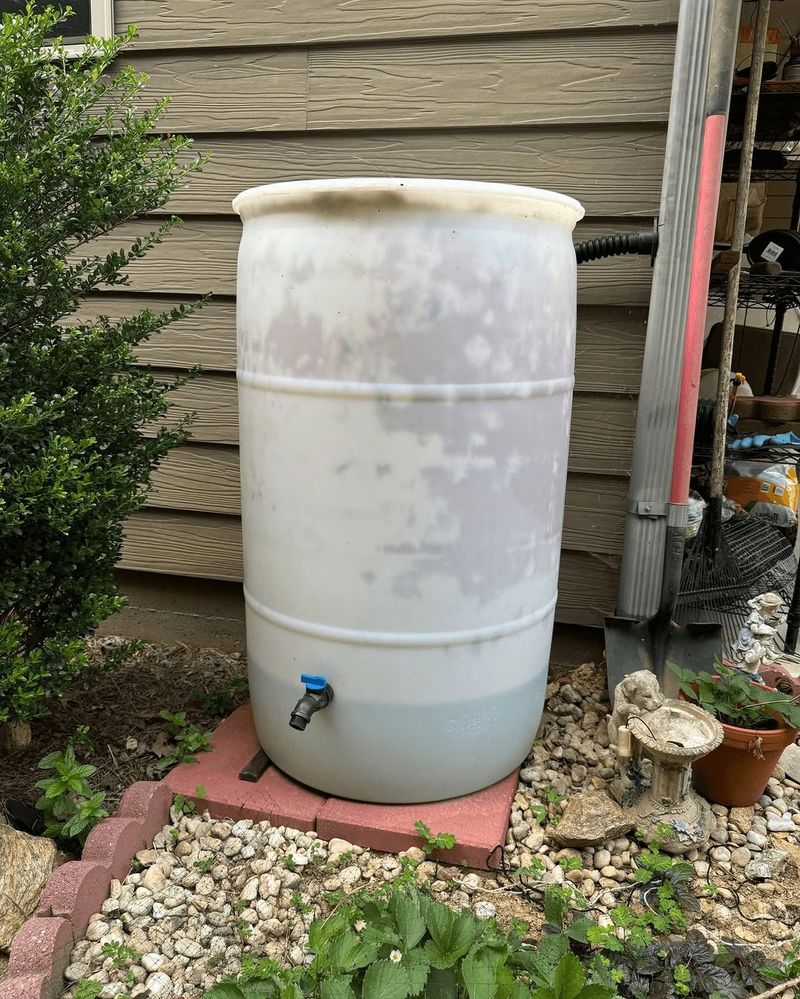
Monsoon season brings sudden heavy rain across much of the region. Rain gardens are designed to capture that runoff and hold it long enough for the soil to absorb it slowly.
A well-built rain garden stays wet for 24 to 72 hours after a storm. That window is enough to attract dragonflies looking for temporary water sources.
Some species actively seek shallow, seasonal pools for egg laying.
Choose a low spot in your yard where water already tends to collect. Dig the basin about six to twelve inches deep with gently sloped sides.
Flat, hard-packed bottoms slow drainage and keep water present longer.
Plant native species that tolerate both dry spells and temporary flooding. Desert willow, spikerush, and yerba mansa handle these conditions well.
Roots from native plants also help stabilize the basin edges over time.
Line the inlet area with gravel or river rock to slow incoming water and reduce erosion. Avoid lining the entire basin with rock since bare soil absorbs water more effectively than gravel-covered ground.
Rain gardens require almost no maintenance once established. Native plants handle drought between storms on their own.
Occasional weeding and light mulching in spring are usually enough.
During active monsoon months, a rain garden can hold water multiple times per week. Consistent moisture events through summer and early fall create reliable dragonfly activity in your yard without any ongoing effort.
5. Recirculating Streams Extend Wet Habitat Across The Yard
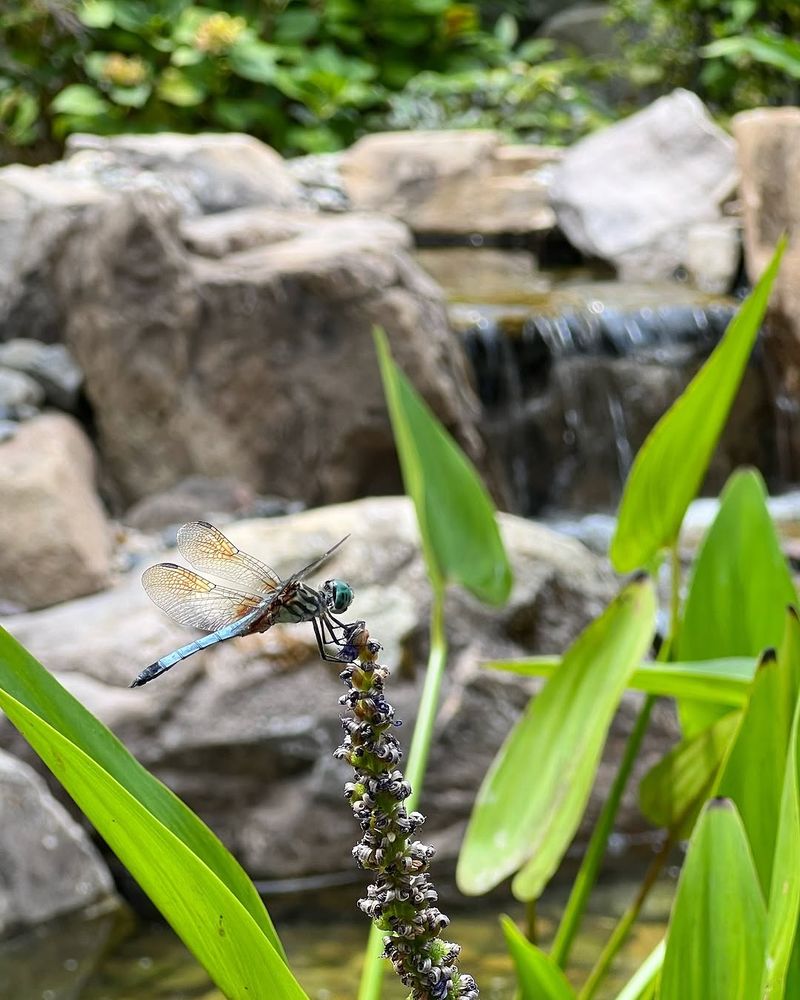
Moving water draws dragonflies in fast. A recirculating stream gives them a long corridor of wet habitat instead of just one small spot, spreading activity across a bigger area of your yard.
Streams work by pumping water from a reservoir at one end up to a source point at the other. Gravity does the rest, carrying water back down over rocks and through planted sections.
A quality submersible pump keeps the flow steady.
Build the stream with varied depth. Deeper sections near the reservoir hold stable water for nymphs.
Shallower, rocky riffles along the middle stretch mimic natural creek conditions that many dragonfly species prefer.
Use smooth river rock for the streambed rather than sharp gravel. Smooth surfaces are easier for emerging nymphs to climb.
Rough or jagged rock can make that process harder than it needs to be.
Plant low-growing native plants along the stream banks. Water-loving species like blue-eyed grass, rush, and native sedge fill in quickly and stabilize the edges.
Dense plantings also give adult dragonflies shelter from wind.
Run the pump continuously rather than on a timer. Stagnant sections develop algae blooms and can attract mosquitoes instead of dragonflies.
Consistent flow keeps water oxygenated and conditions healthier overall.
A stream as short as eight feet can make a noticeable difference. Longer streams simply offer more habitat variety.
Either way, moving water is one of the strongest signals dragonflies respond to when searching for new territory.
6. Shallow Pond Edges Help Young Dragonflies Emerge
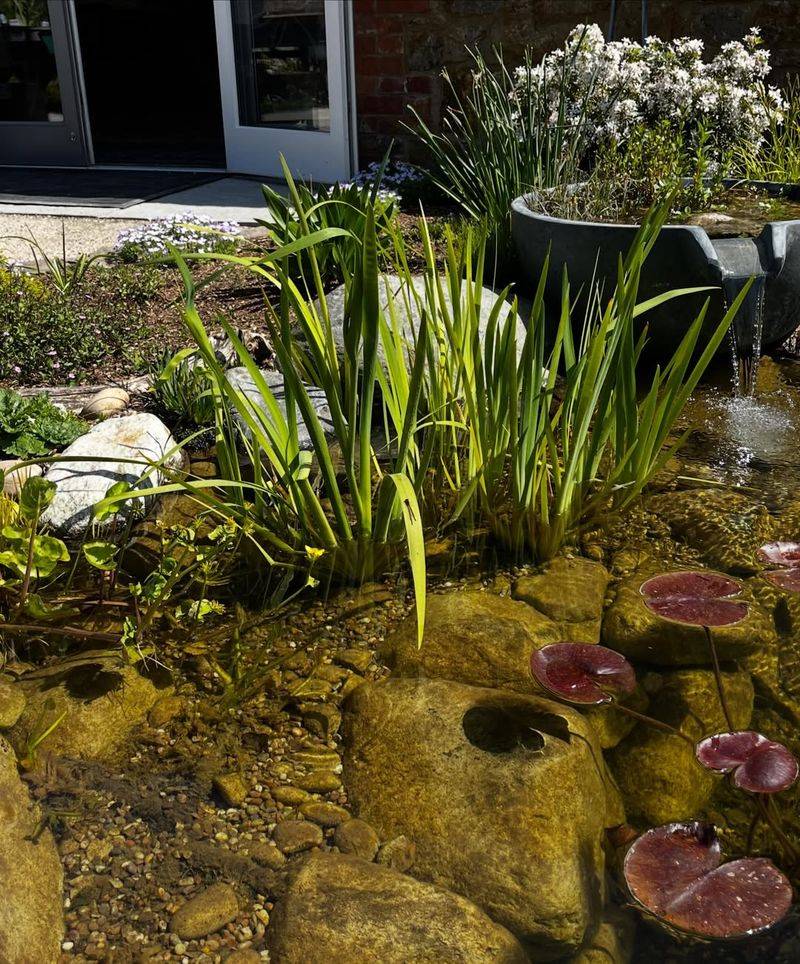
Most people focus on the center of a pond. The edges are actually where the magic happens for dragonflies.
Shallow zones are where nymphs make their final climb out of the water.
Nymphs need a gradual slope to crawl from water to land. Steep pond walls trap them underwater and prevent emergence.
A slope of about one inch of depth per foot of horizontal distance works well.
Line shallow edges with small gravel or smooth pebbles. Avoid fine sand, which can shift and bury emerging nymphs.
Stable substrate gives them secure footing during a physically demanding process.
Plant upright stems directly in the shallow zone. Nymphs grip plant stems and pull themselves upward before splitting their exoskeleton and emerging as adults.
Without tall stems, emergence rates drop significantly.
Rush, horsetail, and water iris are all good choices for the shallow edge. These plants stay upright even in wind, giving nymphs a reliable climbing surface.
Plant them in clusters rather than spreading them out.
Check the shallow edges in the morning during late spring and summer. Shed nymph skins, called exuviae, cling to plant stems after emergence.
Spotting them confirms dragonflies are actively using your pond.
Keeping the shallow zone free of aggressive plants like cattails prevents overcrowding. Cattails spread fast and can choke out the open water and stem access that nymphs depend on.
Trim them back seasonally to keep the area functional.
7. Container Water Gardens Fit Smaller Outdoor Spaces
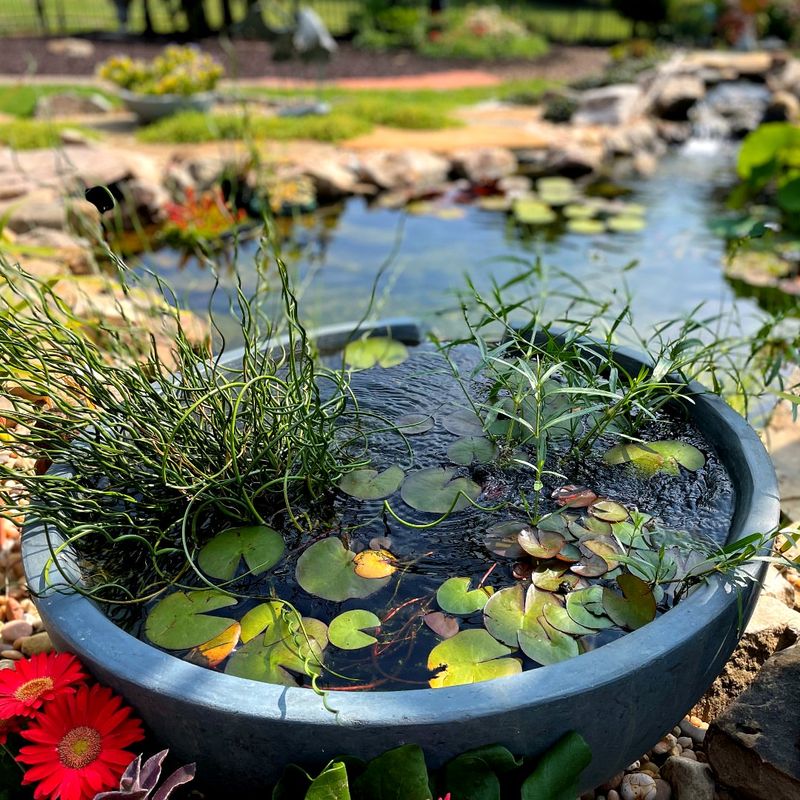
Not every yard has room for a full pond. Container water gardens solve that problem without giving up much.
Even a single large container can attract dragonflies if it is set up right.
Choose containers that hold at least 15 to 20 gallons. Smaller containers lose water fast in desert heat and require constant refilling.
Larger containers also support more plant variety, which makes them more attractive to dragonflies.
Glazed ceramic pots, half wine barrels, and large plastic tubs all work well. Avoid unglazed terracotta since it absorbs water quickly and can crack from temperature swings.
Dark-colored containers absorb more heat, so position them carefully.
Add a mix of submerged, floating, and emergent plants. A submerged oxygenating plant like hornwort keeps the water clear.
A small water lily or floating lettuce shades the surface. A vertical plant like miniature cattail or dwarf papyrus gives structure.
Place a few smooth rocks or a small piece of driftwood so it extends above the waterline. Dragonflies use elevated perches near water constantly.
Even a simple rock sticking out of the container surface gives them a landing spot.
Skip mosquito fish in containers you want dragonflies to use. Fish eat dragonfly nymphs quickly.
A natural balance with just plants and a small amount of beneficial bacteria keeps the water healthy without fish.
Container gardens work on patios, balconies, and tight side yards across the region. They are low-cost, low-effort, and surprisingly effective at pulling in dragonfly activity.