Pennsylvania Homeowners Are Shocked To Discover These Beloved Plants Are Now Illegal
Pennsylvania has been tightening its approach to invasive plants with a seriousness that has caught a lot of homeowners completely off guard, and the plants showing up on the restricted and prohibited list are not obscure species that most people have never heard of.
Several of them are genuinely beloved, showing up in gardens across the state, sold regularly at nurseries, and recommended in mainstream gardening content without any mention of the legal picture that has been shifting around them.
The ecological damage these plants cause beyond the garden is well documented, spreading into natural areas, crowding out native vegetation, and altering habitats in ways that are costly and difficult to reverse.
Pennsylvania’s response has been regulatory, and homeowners who discover that a plant they have been growing for years is now on the prohibited list are finding out the hard way that familiar and harmless are not always the same thing.
1. Japanese Honeysuckle
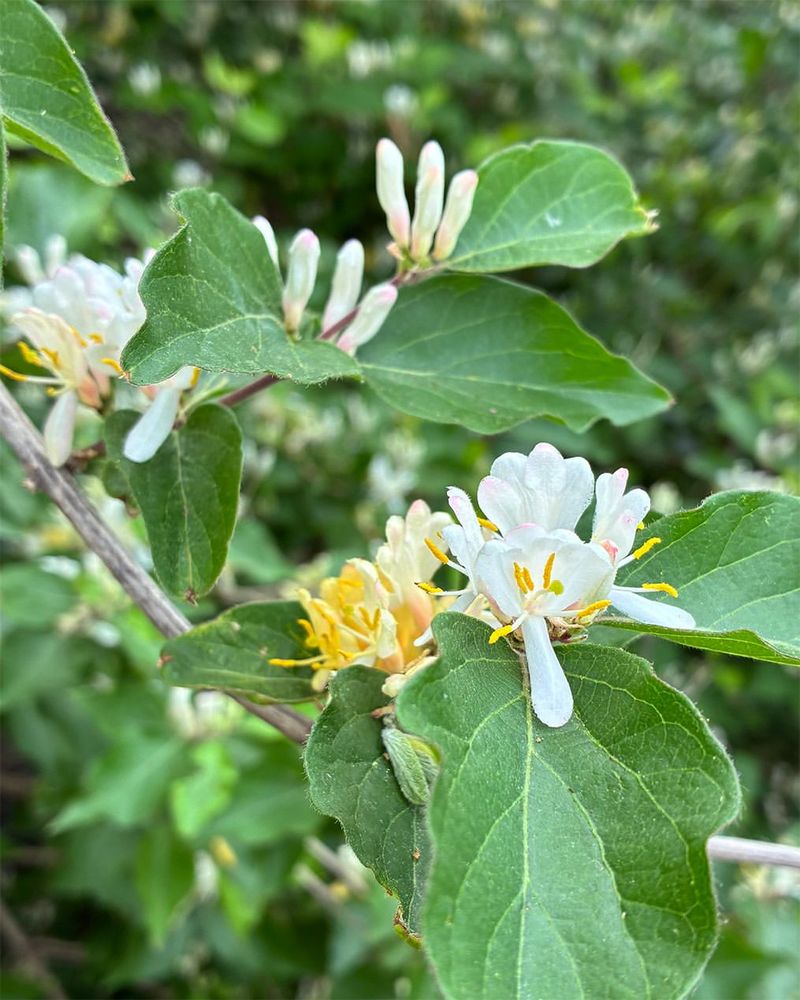
You might remember the sweet smell of Japanese Honeysuckle drifting through warm summer evenings as a kid. That nostalgic scent has made this vine a backyard favorite for generations of Pennsylvania homeowners.
But underneath that lovely fragrance is a plant that causes serious problems for local ecosystems.
Japanese Honeysuckle grows incredibly fast. It can climb over fences, trees, and shrubs, blocking sunlight from reaching the plants below.
Native wildflowers and young trees often cannot survive when this vine takes over. It spreads through both seeds and underground runners, making it very hard to remove once it gets established.
In Pennsylvania, selling or planting Japanese Honeysuckle is restricted in several counties. The state has listed it as an invasive species because of the damage it causes to natural areas, forests, and parks.
Many homeowners are stunned to find out that a plant they have grown for years is now under legal restrictions.
If you have this vine in your yard, there are steps you can take. Manual removal works best when the plant is young.
For larger infestations, consulting a local extension office for guidance is a smart move. Replacing it with native alternatives like coral honeysuckle, which is actually a Pennsylvania native, gives you beautiful blooms without the ecological damage.
Native plants support local pollinators, birds, and insects that depend on them for food and shelter. Making the switch does not have to be difficult or expensive.
Many local nurseries now carry a wide range of native options that look just as stunning in a home garden.
2. Oriental Bittersweet
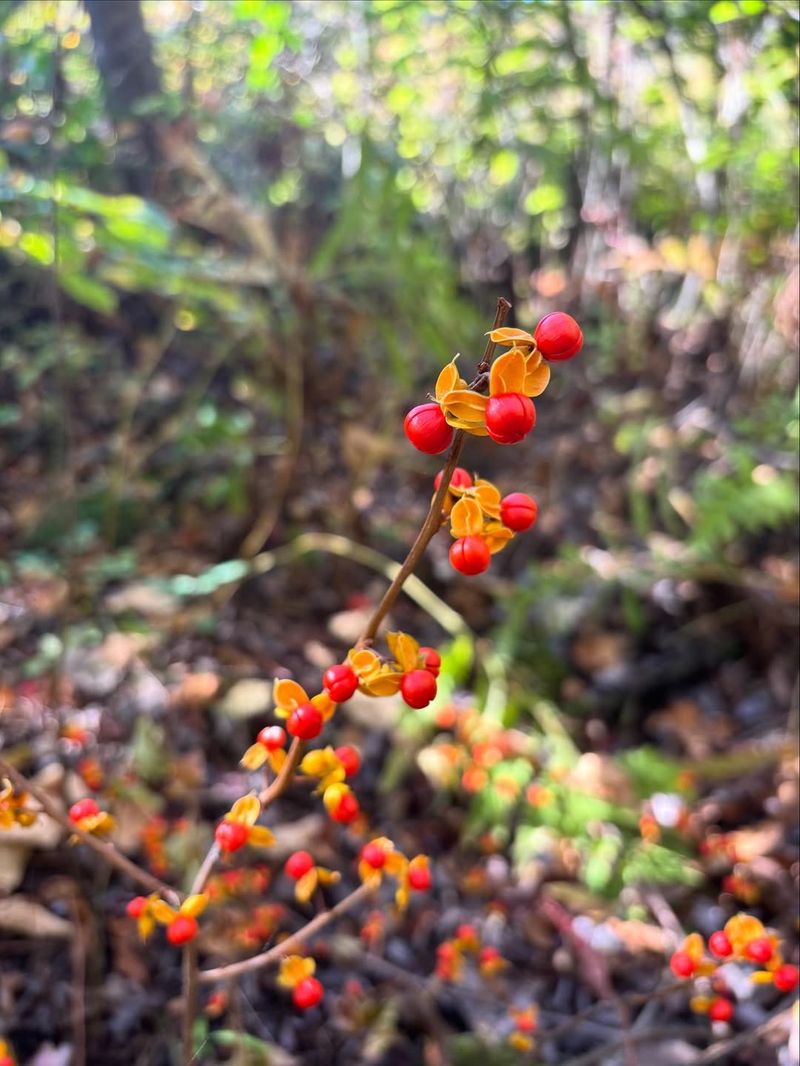
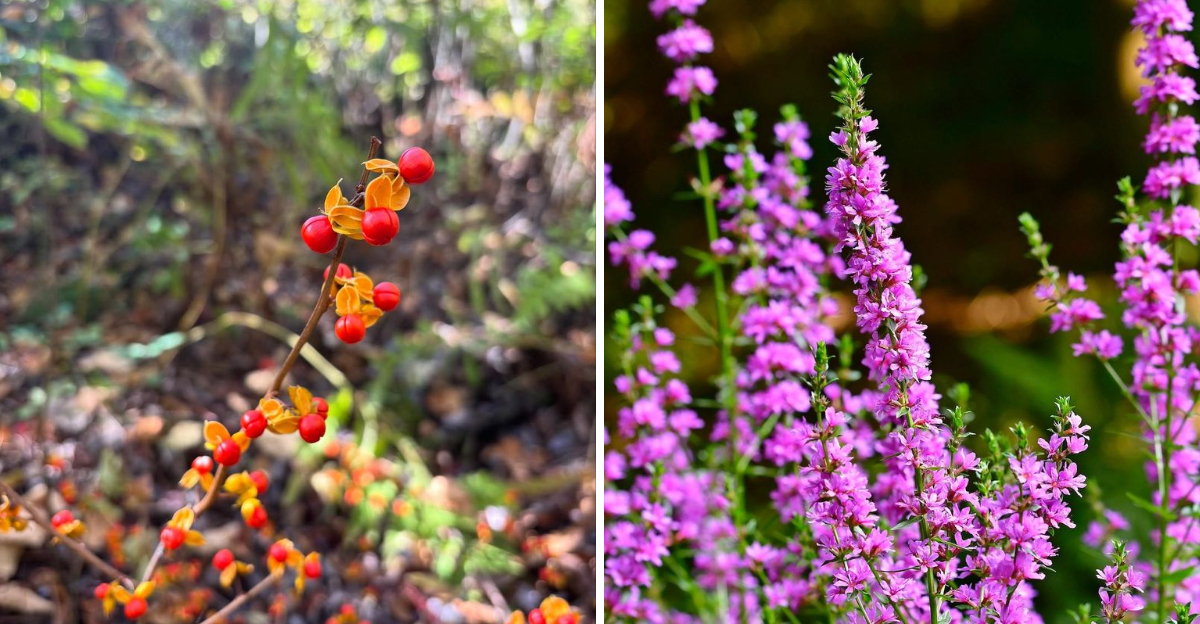
Walk through almost any Pennsylvania woodland edge and you will likely spot Oriental Bittersweet without even realizing it.
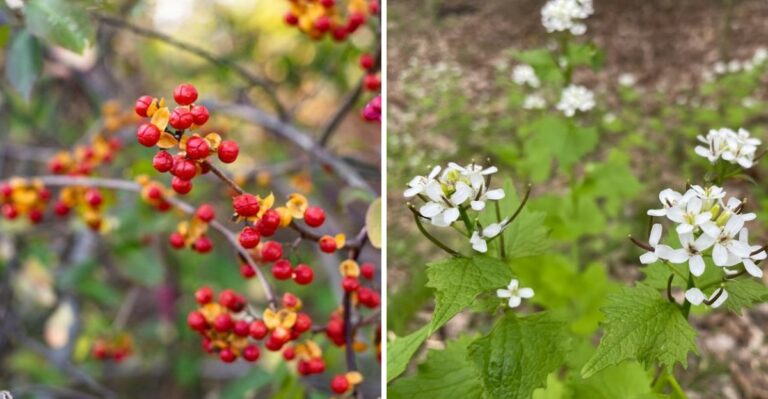
Its cheerful orange and red berries make it look festive, and for years people even used it in holiday wreaths and fall decorations. That decorating habit, it turns out, helped spread this plant far and wide across the state.
Oriental Bittersweet is a twining vine, which means it wraps itself around trees and shrubs as it grows. Over time, it tightens its grip and cuts off the flow of nutrients through the bark.
Your Pennsylvania Garden Changes Every Week. Your Plan Should Too.
Gardening in Pennsylvania changes quickly throughout the season. Every Friday you’ll receive a simple weekly plan showing exactly what to plant, prune, fertilize, harvest, and protect so you never miss the right timing.
Large trees can be seriously weakened by this vine after just a few years of heavy growth. It is not a slow process either. This plant can grow several feet in a single season under the right conditions.
Pennsylvania has placed heavy restrictions on this species because of its rapid spread and the enormous damage it causes to forests and natural areas.
Birds love the berries, which sounds harmless, but it actually means seeds get carried far from the original plant and sprout in new locations constantly. That makes controlling it a real challenge for land managers across the state.
Homeowners who spot this vine should act quickly. Cutting it at the base and removing as much of the root system as possible gives the best results.
Never put the berries in a compost pile because the seeds can still sprout. Bag everything securely before disposal.
Replacing Oriental Bittersweet with native American Bittersweet is a great option. It looks almost identical but plays nicely with the local ecosystem and supports native wildlife without causing harm.
3. Norway Maple
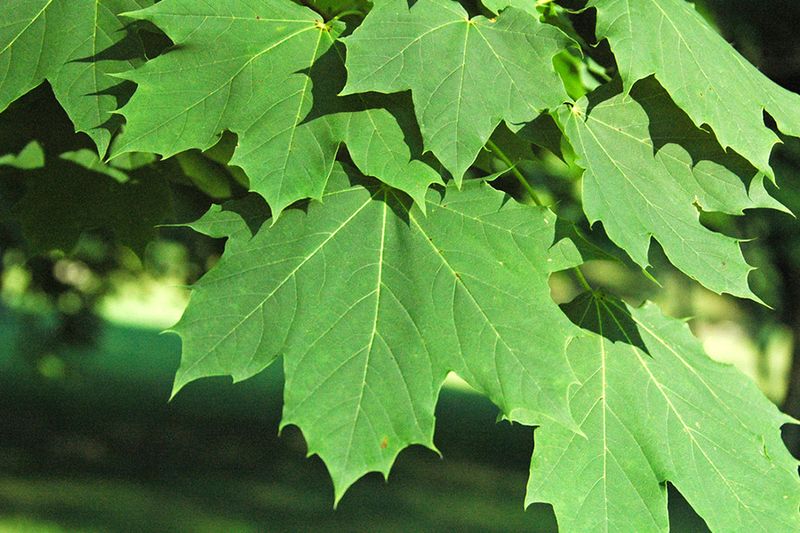
For decades, Norway Maple was considered one of the best shade trees a homeowner could plant. It grows quickly, tolerates urban conditions like pollution and compacted soil, and puts on a gorgeous show of yellow leaves each fall.
City planners and landscapers planted them everywhere across Pennsylvania neighborhoods. Now, the story has taken a very different turn.
Norway Maple is native to Europe and western Asia, not North America. When it was introduced here, nobody anticipated how aggressively it would spread into natural forests.
Its seeds, shaped like little helicopter wings, travel far on the wind and sprout easily in a wide range of conditions.
Once established, Norway Maple creates such deep shade that almost nothing can grow beneath it, not even native understory plants that forests depend on.
Pennsylvania has moved to restrict Norway Maple in certain areas to protect native ecosystems. Native maples like sugar maple and red maple are being outcompeted in forests where Norway Maple has taken hold.
This threatens not just the trees themselves but also the animals and insects that rely on native maple species for survival.
If you have a Norway Maple in your yard, removal may not be immediately required depending on your county. However, it is worth checking with your local municipality or conservation district for the latest guidelines.
Planting native maples as replacements is strongly encouraged by environmental groups and state agencies.
Sugar maples, in particular, are a wonderful alternative. They provide brilliant fall color, support local wildlife, and actually belong in Pennsylvania’s natural landscape. Making the switch helps protect forests for future generations.
4. Burning Bush
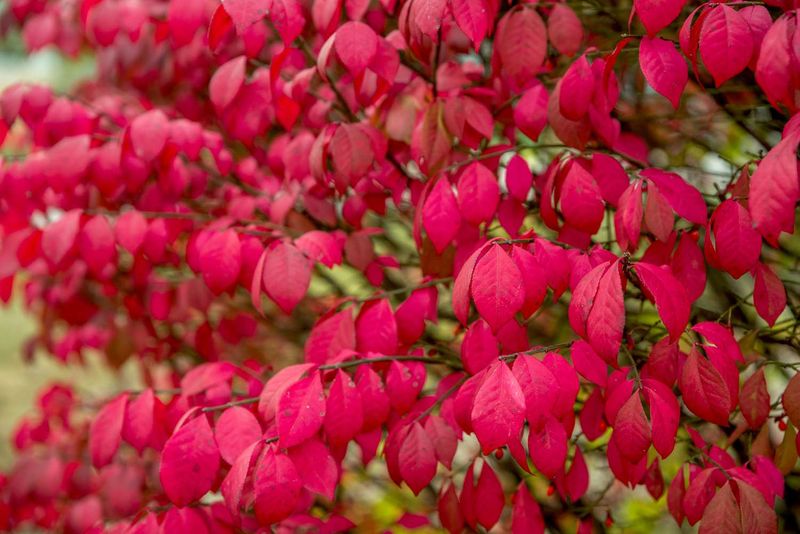
Every autumn, Burning Bush puts on one of the most eye-catching displays in any garden. The leaves turn a blazing, brilliant red that practically glows against a gray October sky.
It is easy to understand why so many Pennsylvania homeowners have planted it along driveways, fences, and walkways over the years. The problem is what happens after that stunning show ends.
When those vivid leaves drop, Burning Bush leaves behind clusters of small red berries. Birds flock to eat them and then carry the seeds into nearby forests, meadows, and natural areas.
Once those seeds sprout, Burning Bush spreads quickly and crowds out native plants that local wildlife depends on. It is hardy, adaptable, and very difficult to remove once it takes hold in the wild.
Pennsylvania has flagged Burning Bush as an invasive species, and restrictions on selling and planting it have been growing stricter in recent years. Several neighboring states have already issued outright bans.
Pennsylvania is moving in that direction as well, and many nurseries have already stopped carrying it voluntarily.
Homeowners who love the dramatic fall color Burning Bush provides do not have to give up that look entirely.
Native alternatives like Fothergilla, Virginia Sweetspire, and Itea all produce stunning red and orange fall foliage. These plants actually support pollinators and birds in ways that Burning Bush never could.
Swapping out Burning Bush for a native alternative is one of the most impactful things a Pennsylvania homeowner can do for the local environment.
The color payoff is just as impressive, and you get the added bonus of knowing your garden is helping, not harming, the ecosystem around you.
5. Purple Loosestrife
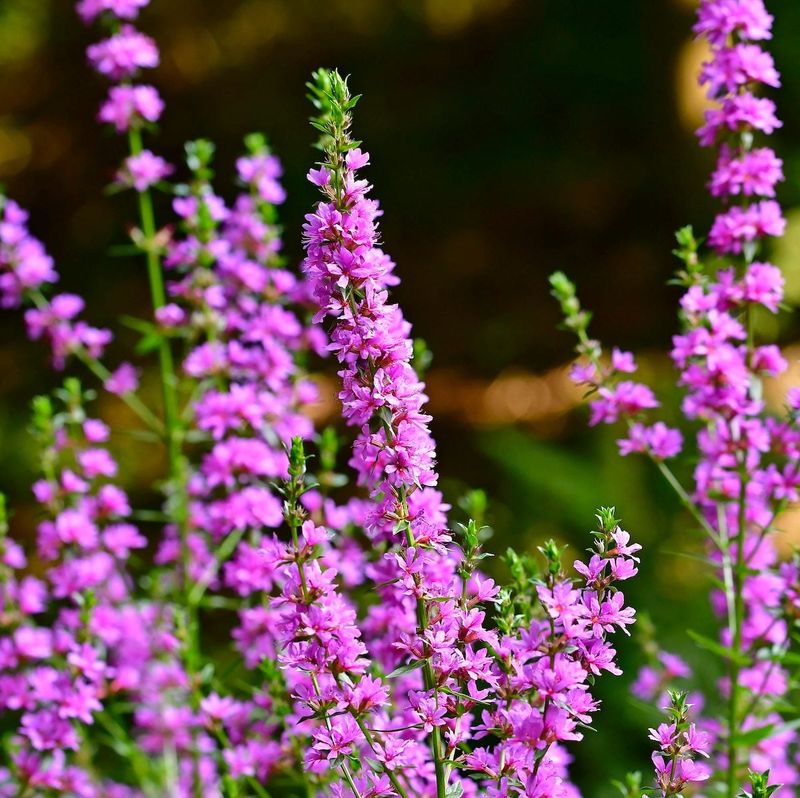
Standing at the edge of a Pennsylvania wetland in midsummer, it is hard not to be mesmerized by Purple Loosestrife. Tall spikes of rich purple flowers stretch across entire marshes, creating a view that looks almost too beautiful to be a problem.
That beauty is exactly what made it so popular in gardens for so long, and exactly what made it so dangerous.
Purple Loosestrife is originally from Europe and Asia, and it arrived in North America in the 1800s. Without the natural predators that kept it in check back home, it exploded across wetlands all over the continent.
A single mature plant can produce up to two million seeds per year. Those seeds travel easily on water, wind, and even on the muddy boots of hikers.
Pennsylvania has officially banned Purple Loosestrife because of the catastrophic damage it causes to wetland ecosystems. It forms dense, impenetrable stands that push out native plants like cattails, sedges, and marsh grasses.
When those native plants disappear, the birds, amphibians, and insects that depend on them have nowhere left to go. Wetlands essentially lose their ecological function when Purple Loosestrife takes over completely.
If you spot Purple Loosestrife growing near a wetland or water source on your property, reporting it to your local conservation district is the right move.
Removal efforts are ongoing across Pennsylvania, and volunteers are often welcomed to help with control projects.
For garden lovers who want that purple color near water features, native alternatives like Blue Vervain and Swamp Milkweed offer stunning blooms while actively supporting butterflies, bees, and wetland birds. They are every bit as gorgeous without the ecological cost.
6. Bradford Pear
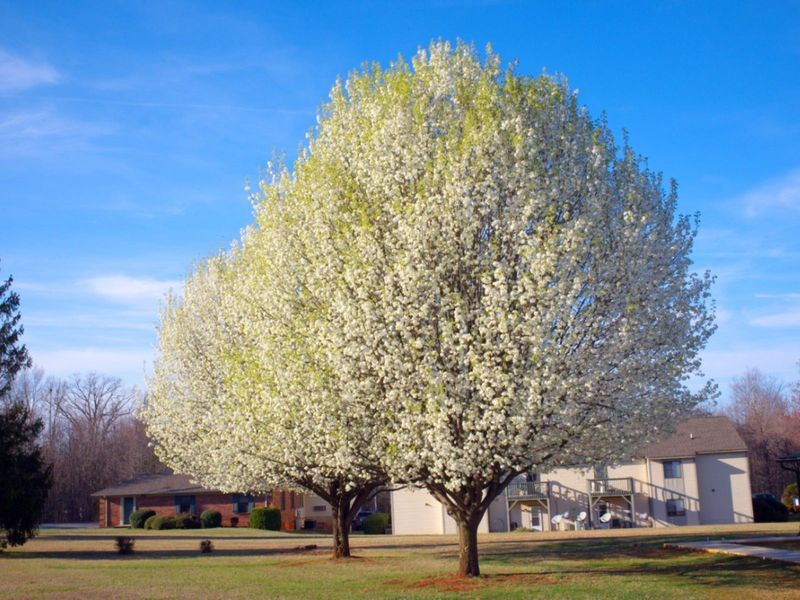
Every spring, Bradford Pear trees explode into clouds of white blossoms that line streets and driveways across Pennsylvania. For a couple of weeks, they look absolutely spectacular.
Developers and landscapers planted them by the thousands because they were affordable, fast-growing, and reliably showy. For a long time, they seemed like the perfect yard tree. Then the problems started showing up.
Bradford Pears were originally marketed as sterile, meaning they would not produce fruit or spread seeds. That turned out to be wrong in a significant way.
When multiple Bradford Pears grow near each other, they cross-pollinate and produce small fruits loaded with viable seeds. Birds eat those fruits and deposit the seeds across fields, roadsides, and forest edges.
The resulting thickets are dense, thorny, and nearly impossible to clear without serious effort.
Pennsylvania has moved to restrict Bradford Pear because of how aggressively it invades open land and forest edges. The thickets it forms crowd out native trees and shrubs, reducing biodiversity in areas that were once thriving natural habitats.
Several other states, including Ohio and South Carolina, have already issued outright bans on selling or planting this tree.
Another issue with Bradford Pears is their structural weakness. The tree has a naturally poor branch structure that makes it prone to splitting apart in storms, often after just 20 years of growth. Homeowners frequently end up with a hazardous mess right in their front yard.
Swapping Bradford Pear for native alternatives like Serviceberry or Eastern Redbud gives you beautiful spring blooms, better structural strength, and the satisfaction of knowing your yard supports local birds and pollinators all season long.