The Meaning Behind Seeing A Hummingbird Moth In Your Ohio Garden
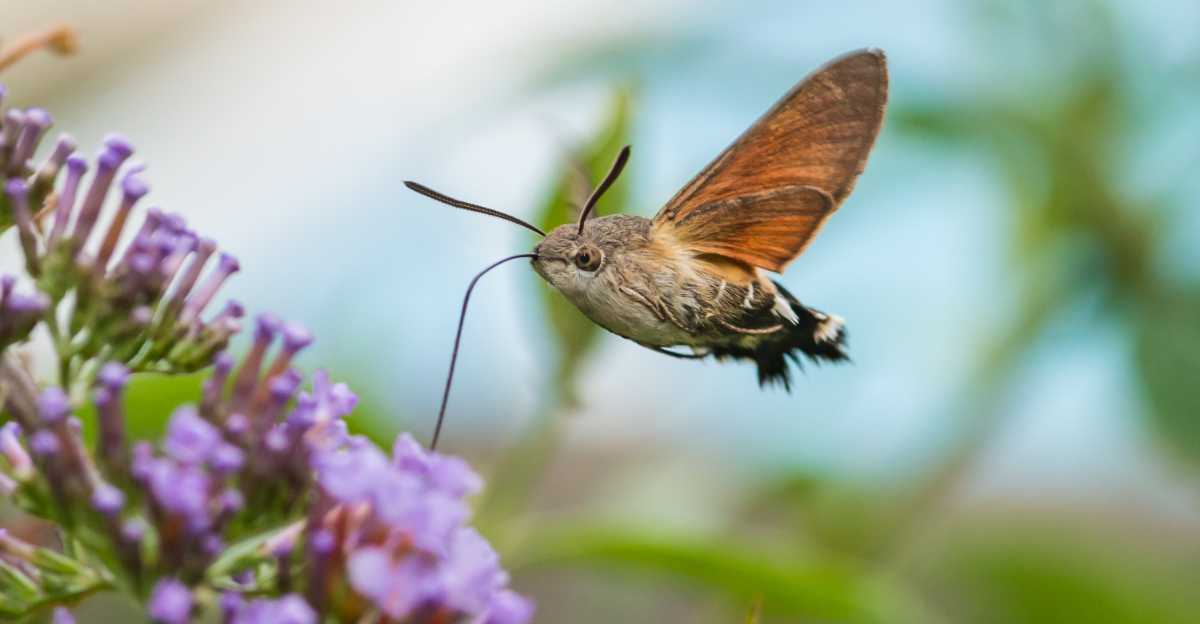
A hummingbird moth working your Ohio garden stops people cold. The hovering flight, the rapid wingbeat, the way it moves from flower to flower with uncanny precision.
Most people see one and spend several seconds genuinely unsure what they are looking at. Insect or bird.
The answer is not immediately obvious. But a hummingbird moth does not show up just anywhere.
Its presence says something specific about the plants you grow and the habitat your yard has become. The natural history behind this creature is fascinating on its own.
Layer in the folklore and symbolic meaning different traditions have attached to it, and a single garden sighting carries more weight than most realize. What visited your garden is worth knowing fully.
1. A Hummingbird Moth Means Your Garden Has Nectar Worth Finding
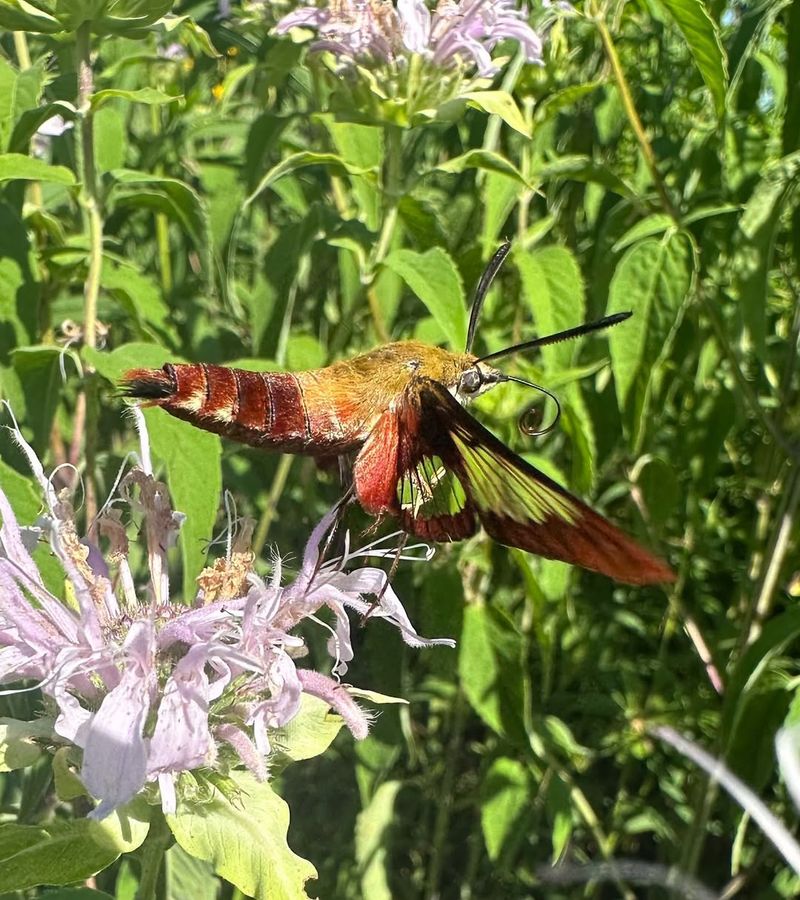
A blur beside the bee balm can make even a steady gardener stop mid-step and stare. That hovering, darting motion near your flowers is not random.
Hummingbird moths seek out nectar, and they tend to return to gardens where flowers offer a reliable supply.
These moths feed by hovering in front of a bloom and extending a long tongue called a proboscis to reach the nectar inside. The visit is quick, but the reward is real.
A garden with varied, nectar-rich plantings can attract repeat feeding stops across a single afternoon.
No single flower guarantees a sighting. What draws these moths is a combination of bloom density, flower structure, and the overall availability of food in your yard.
Gardens that offer a steady bloom cycle from late spring through early fall tend to support more pollinator activity in general.
Seeing one of these moths near your flowers is a sign that your garden is producing enough nectar to be worth seeking out. That is something to feel good about.
It means the effort you put into planting and tending your beds is showing up as real habitat value for the insects around you.
2. Fast Wings Can Make This Visitor Feel Almost Magical
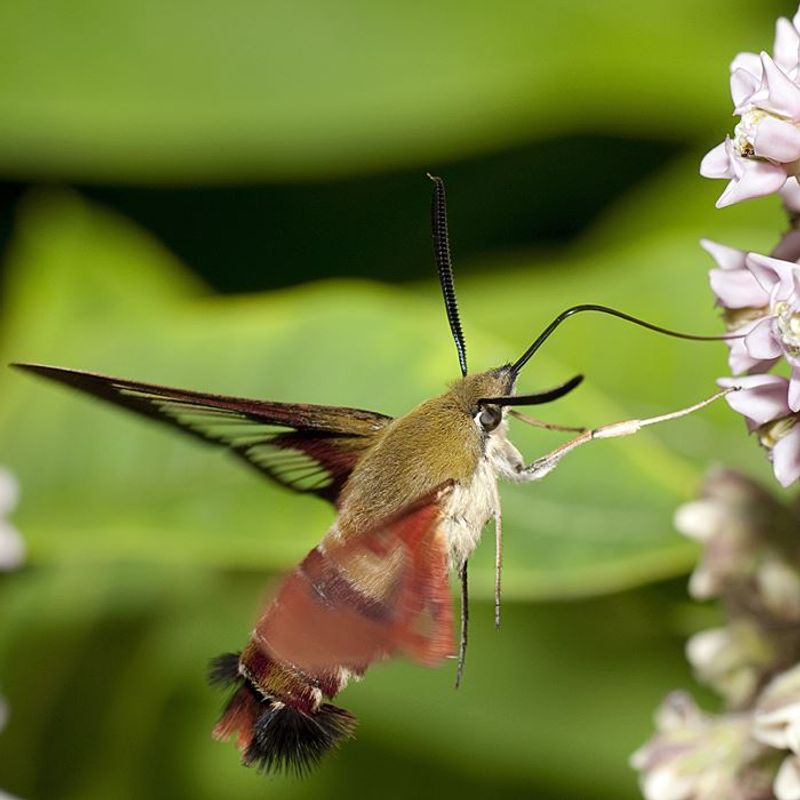
Standing on a patio and watching something hover perfectly still in midair while feeding is a striking experience. The wings of a hummingbird moth beat so rapidly they become nearly invisible, creating a soft hum that adds to the birdlike effect.
Many people see one for the first time and genuinely believe it is a tiny hummingbird.
The resemblance is not accidental in a biological sense, but it is coincidental in terms of design. Both hummingbirds and these moths evolved to hover and feed from flowers, which led to similar body movements and feeding habits.
Scientists call this convergent evolution, where unrelated animals develop similar traits because they fill similar roles.
What makes the sighting feel so striking is the combination of fast movement, mid-air stillness, and unexpected size. Most people are not watching for moths in the middle of the afternoon, so the encounter catches them off guard in the best way.
The wonder you feel when watching one is completely valid. At the same time, the behavior has a clear purpose.
Your Ohio Garden Changes Every Week. Your Plan Should Too.
Gardening in Ohio changes quickly throughout the season. Every Friday you’ll receive a simple weekly plan showing exactly what to plant, prune, fertilize, harvest, and protect so you never miss the right timing.
Every hover, dart, and wing beat is part of an efficient feeding strategy that keeps the moth fueled and moving through your garden.
3. Tubular Flowers May Be Bringing It Back For More
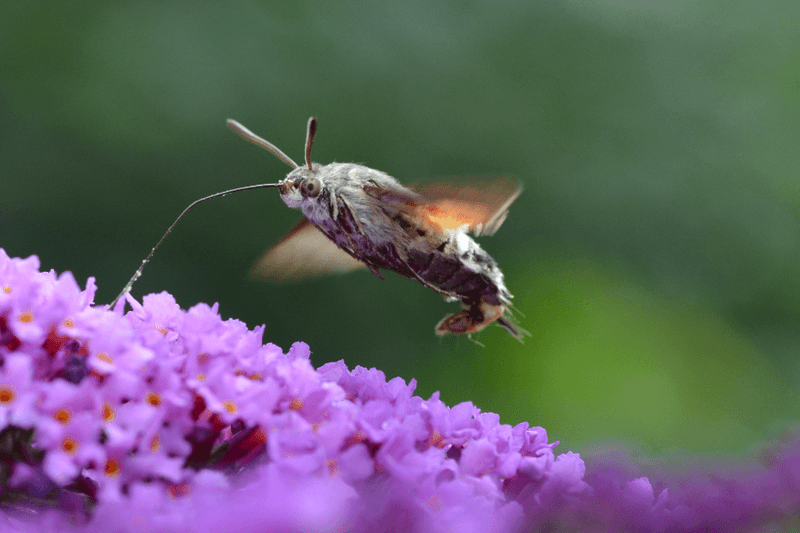
Not every Ohio flower is equally useful to a hovering nectar feeder. Tubular blooms, ones shaped like narrow tubes or trumpets, tend to match the feeding style of hummingbird moths especially well.
The long proboscis these moths carry can reach deep into a bloom where other insects cannot easily go.
Bee balm is a strong example of a tubular flower that attracts hummingbird moths in local gardens. Phlox, trumpet honeysuckle, blazing star, verbena, and petunias are also frequently visited.
These plants vary in their native status, but many are well-suited to regional growing conditions and bloom during the warmer months when moths are most active.
Planting a mix of tubular flowers that bloom at different times through the season can extend the feeding window for visiting moths.
A garden that offers early-season phlox, mid-summer bee balm, and late-season verbena gives nectar feeders more reason to stay in the area.
If you have noticed a hummingbird moth returning to the same spot more than once, look at what is blooming there. The flower shape and nectar supply are likely the reason it keeps coming back.
That repeat behavior is a useful clue about which plants in your garden are doing the most work.
4. Sunny Beds Give Hummingbird Moths Better Feeding Spots
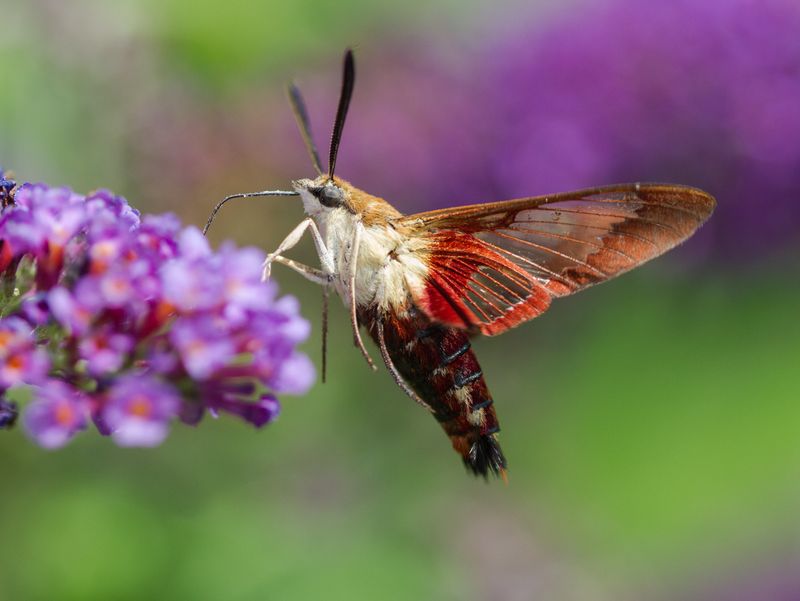
Warm, sun-filled garden beds tend to attract more daytime pollinator activity than shaded corners. Hummingbird moths are most active in sunlight, and they tend to visit flowers that are fully open and warmed by direct light.
Placing nectar-rich plants in your sunniest spots gives these visitors the conditions they prefer.
Beds near a patio, a garden path, or the edge of a vegetable plot are especially good locations. When flowers grow close to where people spend time outdoors, moth sightings become much easier to notice.
You do not have to go looking for them. They come to you.
Sun also helps flowers produce more nectar, which makes warm beds doubly useful for feeding insects. A shaded bloom may still attract some visitors, but a fully sunlit flower in peak bloom is often the stronger draw.
This is worth keeping in mind when you plan where to place new plantings.
Practical Ohio garden layout matters more than many people realize. A border that gets six or more hours of direct sun per day, filled with blooming plants in a range of heights, creates an active feeding zone.
That kind of setup can bring hummingbird moths close enough to watch from a lawn chair, which is a reward all its own.
5. Host Plants Nearby Could Be Supporting The Next Generation
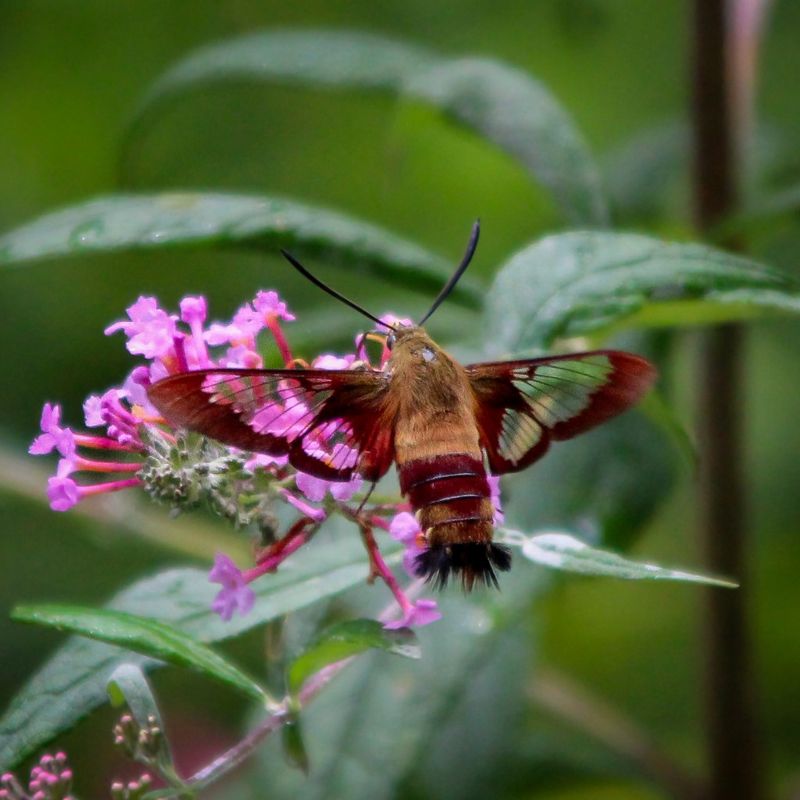
Adult hummingbird moths get most of the attention, but the caterpillar stage is just as important to the life cycle. Female moths lay eggs on specific plants that the caterpillars can feed on after hatching.
These are called host plants, and their presence near your garden may be part of why you are seeing adults in the area.
The host plants that support hummingbird moth caterpillars vary depending on the species. Several different clearwing moth species go by the common name hummingbird moth.
That makes it worth being cautious about naming specific host plants without knowing which species is present. Some species use native shrubs, vines, or herbaceous plants as hosts.
To support the full life cycle of these moths, research which clearwing species are most likely in your region. Then verify their host plant needs through a reliable source.
Ohio State University Extension and resources like Ask Extension are good places to start that search.
Seeing an adult moth in your yard does not automatically mean host plants are present nearby.
But if you have a mix of native and naturalized shrubs, vines, or meadow plants in or around your property, you may already be providing more support than you realize.
That kind of layered habitat is what helps insect populations persist over time.
6. A Daytime Visit Means You Caught A Pollinator At Work
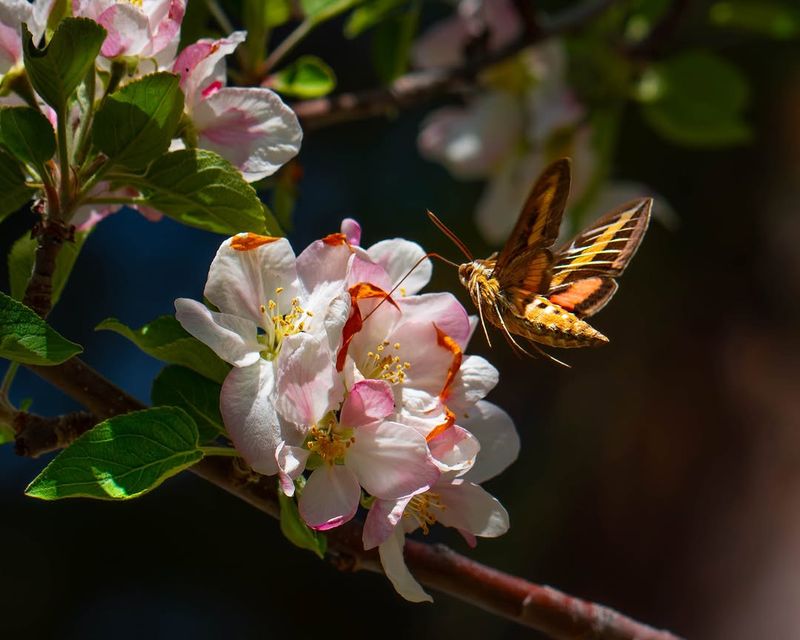
Most moths are creatures of the night, slipping past porch lights and into darkness before anyone notices them. Hummingbird moths are different.
Several species in this group are active during daylight hours, which means you can actually watch them feed in real time from just a few feet away.
That daytime activity is one reason these moths feel so surprising. You are outside in full sun, going about your usual garden tasks, and suddenly a fast-moving insect is hovering right in front of your flowers.
The encounter is unplanned and vivid in a way that a nighttime moth sighting rarely is.
From a pollinator perspective, daytime feeding means these moths are moving pollen between flowers while the sun is up. They are not the most efficient pollinators compared to bees, but they do contact flower structures as they feed.
Any pollen transfer that happens during those visits contributes to the broader pollinator activity in your garden.
Catching a hummingbird moth at work is also a reminder that your garden supports more than just the insects you actively manage. Pollinators find gardens on their own when the habitat is right.
A daytime sighting is one of the clearest signals that your outdoor space is functioning as part of a larger, living landscape.
7. Fewer Harsh Sprays Help Keep These Visitors Around

One of the quietest threats to garden pollinators is routine insecticide use. Sprays applied to control one pest can affect a wide range of other insects.
That includes moths, caterpillars, and beneficial beetles that never caused any harm in the first place. Reducing unnecessary chemical applications around flowering plants and host vegetation is one of the most practical steps a gardener can take.
This does not mean abandoning all pest management. It means being selective.
Spot-treating a specific problem rather than blanket-spraying an entire bed gives beneficial insects a better chance of surviving and returning. Timing also matters.
Spraying in the early morning or late evening, when pollinators are less active, reduces the chance of direct contact.
Hummingbird moths and their caterpillars are both vulnerable to insecticides. The adult moth can be affected by contact sprays on flowers.
The caterpillar can be affected by treatments applied to host plants. Protecting both stages of the life cycle means thinking about the whole yard, not just the blooming border.
The Xerces Society and university extension programs both offer guidance on reducing pesticide use in ways that support pollinators without ignoring real pest problems.
Starting with those resources can help you make decisions that work for your garden and for the insects that visit it.
8. One Hovering Moth Points To A Garden Full Of Life
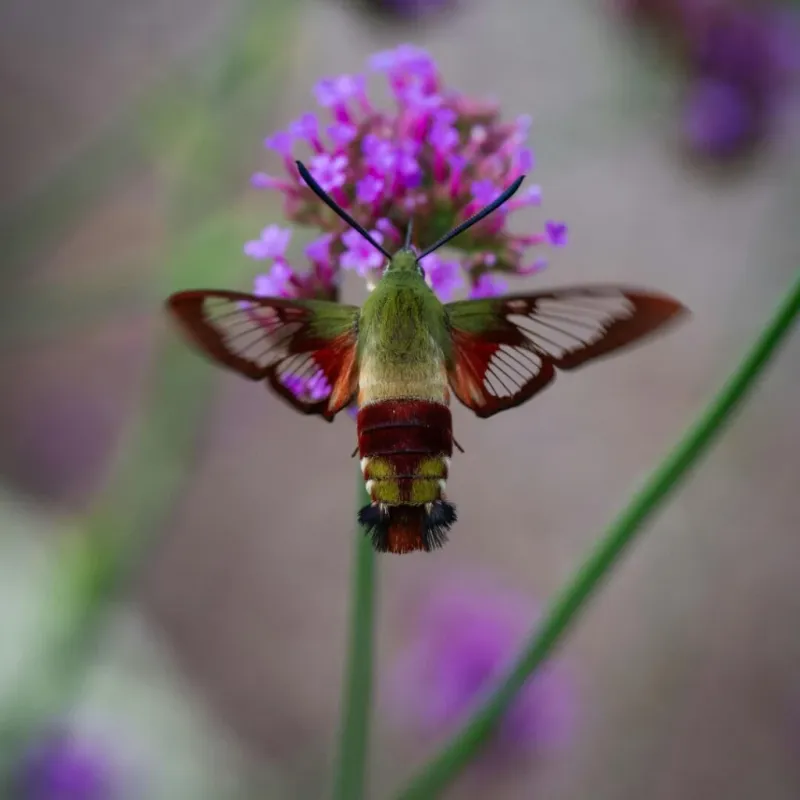
There is something that feels genuinely exciting about watching a hummingbird moth work its way through your garden. The sighting is brief, the wings are a blur, and then it is gone.
But what it leaves behind is a sense that your outdoor space is doing something right.
A single visit does not prove your garden is perfect habitat. What it does suggest is that at least some of the conditions these moths need are present.
Nectar is available. Sun reaches the flowers.
The surrounding landscape offers enough cover and food to support active insect movement through the area.
That kind of ecological signal matters. Gardens that attract one type of active pollinator often support others as well.
Bees, butterflies, beetles, and native wasps all respond to similar habitat cues. A yard that brings in a hummingbird moth is likely doing well for a broader community of insects too.
The emotional side of the sighting is real and worth honoring. Watching something hover so precisely, feed so efficiently, and move so confidently through your garden is a moment that stays with you.
It is a reminder that even a modest backyard can become part of a living, connected landscape. That is not a small thing.
That is the whole point of gardening with nature in mind.