The One August Mistake That Makes Michigan Cucumbers Bitter Before You Pick Them
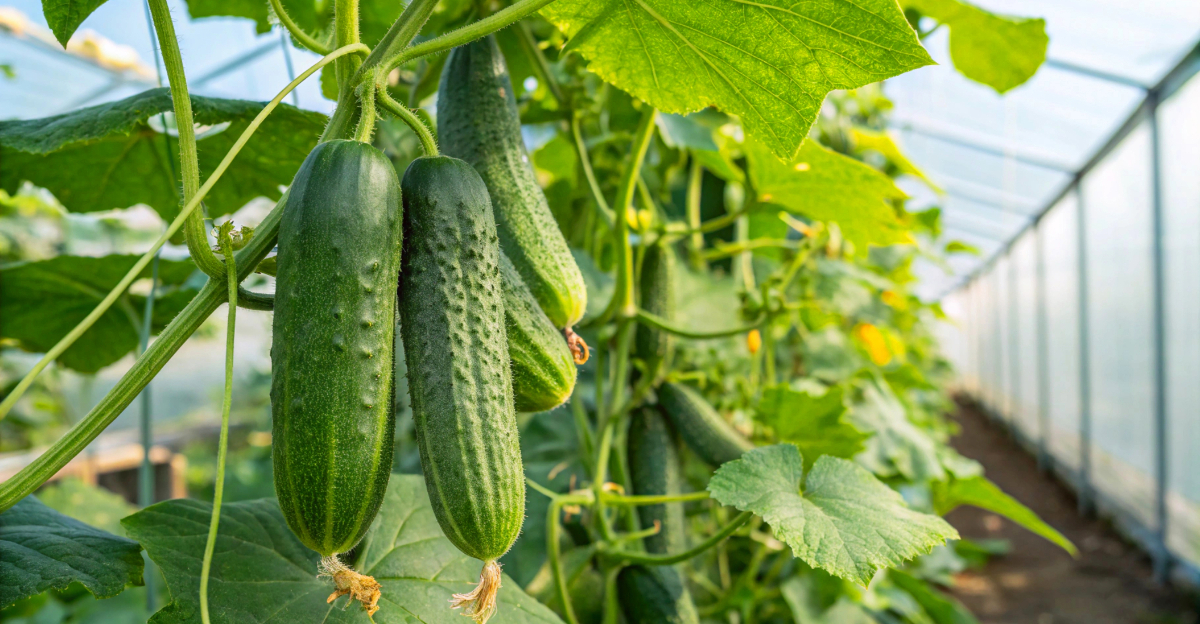
Bitter cucumbers are a harvest disappointment that feels random until the pattern behind it becomes clear, and in Michigan August that pattern almost always traces back to one specific mistake made during a narrow window in the plant’s development.
The compound responsible for cucumber bitterness is not present at consistent levels throughout the fruit.
It builds up in response to a specific type of stress common during Michigan’s hot Augusts. Worse, one common garden habit this month pushes cucumbers over the bitterness threshold, making them bitter when they otherwise would have stayed mild.
Identifying and stopping that habit immediately changes what comes off the vine for the rest of the season in a way that is both noticeable and immediate.
1. Letting Soil Moisture Swing Is The Big August Mistake
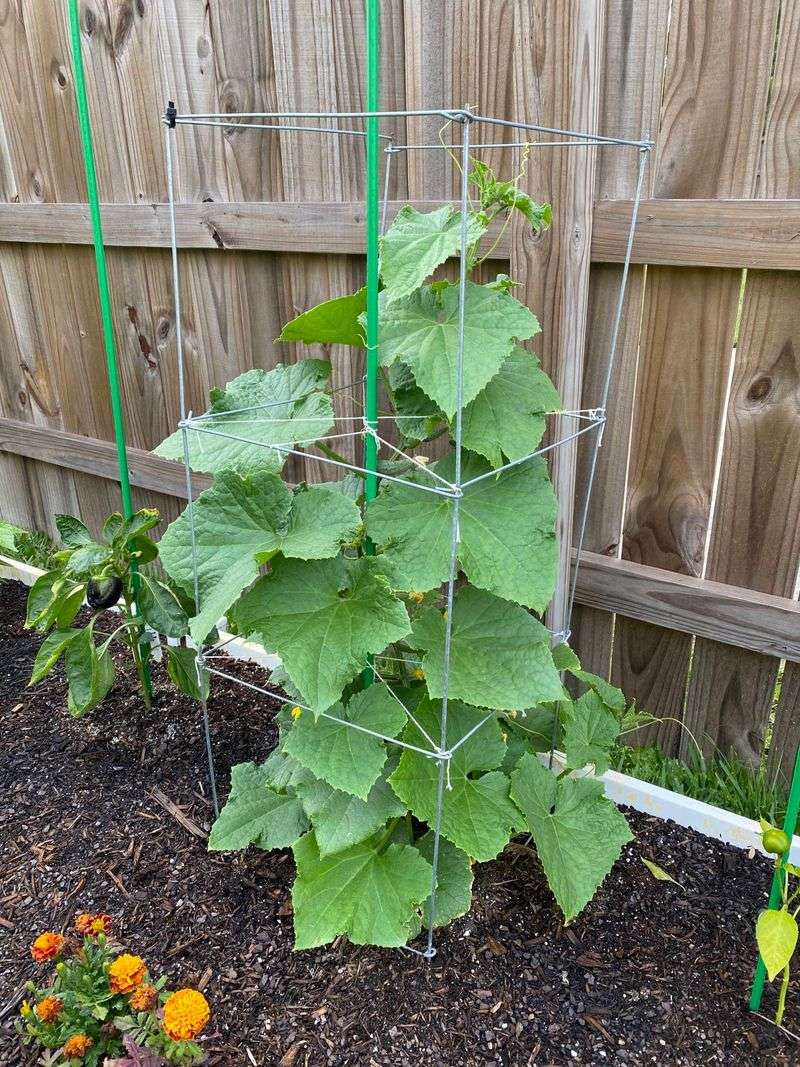
Picture this: your cucumber vines look healthy in the morning, the soil gets bone dry by afternoon, and then you soak everything that evening. That pattern, repeated day after day through August, is the single biggest mistake Michigan cucumber growers make.
The soil swings from too dry to heavily soaked and back again, and that rollercoaster ride stresses the plant in ways that show up as bitterness inside the fruit.
Cucumbers are not forgiving when it comes to moisture swings. The plant produces a natural compound called cucurbitacin when it feels stressed, and that compound is what makes your cucumbers taste unpleasantly sharp or bitter.
You might blame the seeds or the variety, but most of the time the real problem is the watering schedule.
August in Michigan is prime cucumber-forming time, and the fruits develop rapidly during those hot weeks. When moisture levels in the soil keep changing dramatically, the plant cannot focus its energy on producing sweet, crisp fruit.
Steady, consistent moisture is what cucumbers need most during this stage.
Good news: fixing this mistake does not require expensive equipment or a lot of extra time. Checking soil moisture consistently, watering on a regular schedule, and applying mulch can make a dramatic difference.
The goal is to keep the root zone at a steady, comfortable moisture level throughout the week, not just right after you water. Small daily habits beat one big weekly soak every single time.
2. Dry Soil Triggers Plant Stress
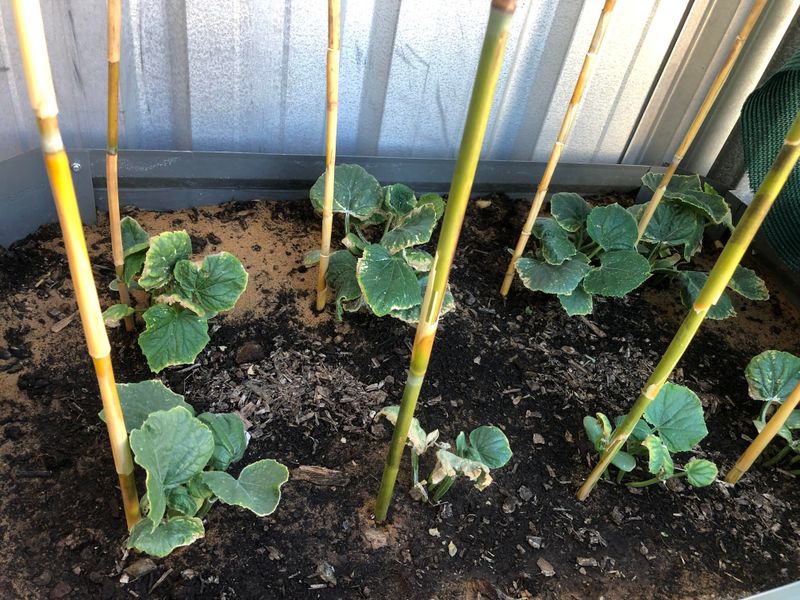
Cucumbers are thirsty plants. Seriously, they rank among the heaviest water feeders in a typical home vegetable garden, and their root systems are always searching for consistent moisture below the surface.
When the root zone dries out, even for a short stretch, the plant shifts into survival mode. That shift triggers the production of cucurbitacin, the bitter compound that makes your cucumbers taste unpleasant before they ever reach the kitchen.
Here is something that surprises a lot of gardeners: the vine itself might still look green and upright while the roots are already under stress. You cannot always see the problem from above ground.
The leaves might not wilt right away, but down where the roots are working, dryness can already be affecting how the fruit develops. Waiting until the plant looks wilted means the stress has already started.
Your Michigan Garden Changes Every Week. Your Plan Should Too.
Gardening in Michigan changes quickly throughout the season. Every Friday you’ll receive a simple weekly plan showing exactly what to plant, prune, fertilize, harvest, and protect so you never miss the right timing.
Misshapen cucumbers are another clue that dry soil has been a problem. When moisture is inconsistent, the fruit does not grow evenly, and you often end up with curved, knobby, or narrowed cucumbers that also tend to taste bitter at the stem end.
Both bitterness and odd shapes trace back to the same root cause. Checking soil moisture a few inches below the surface every morning gives you an early warning before the plant reaches that stressed state.
Use your finger or a simple moisture meter to feel what is happening where the roots actually live.
That quick daily check can save your entire August cucumber harvest from turning into a bitter disappointment.
3. Sudden Heavy Watering Does Not Undo The Stress
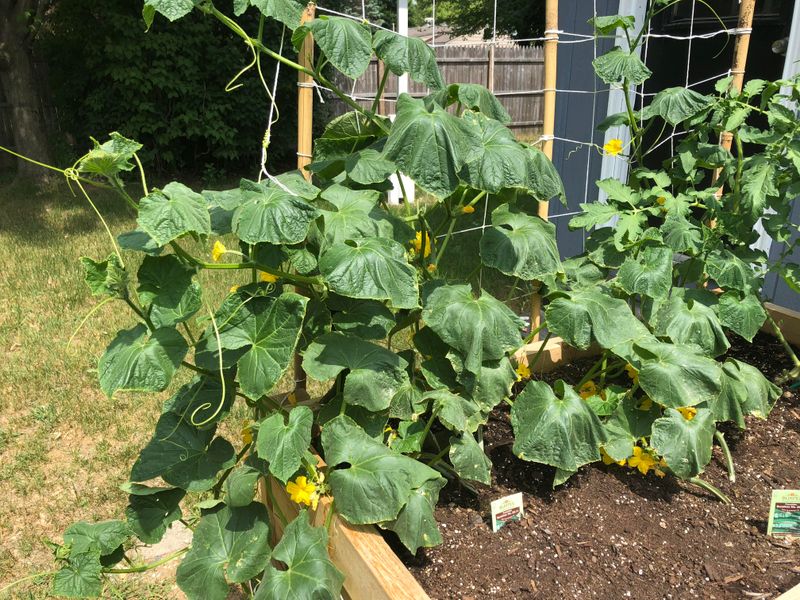
Reaching for the hose the moment cucumber vines start to droop feels like the right move, and honestly it is a very human reaction. But soaking the soil only after the plant has already wilted is not the same as keeping moisture steady from the start.
The stress has already happened, and a flood of water after a dry spell does not erase what the plant went through during those dry hours or days.
Think of it like skipping meals all day and then eating a huge dinner. Your body notices the gap.
Cucumber plants work the same way. The root zone experienced drought stress, the plant responded by producing bitter compounds, and now even though water is back, the fruit that formed during that dry stretch has already been affected.
You cannot reverse bitterness that has already developed inside the cucumber.
There is also a secondary problem with rescue watering. Soaking dry soil all at once can cause the outer soil to absorb water while the deeper root zone stays dry.
Water moves through soil in complex ways, and a single heavy pour after a long dry period does not always reach the roots evenly. The plant may look better on the surface while deeper moisture remains inadequate.
The smarter approach is to water before stress shows up, not after. Consistent, moderate watering every day or every other day keeps the root zone at a stable level.
Morning watering works best in Michigan summers because it gives moisture time to soak in before afternoon heat pulls it back out.
4. August Heat Makes The Problem Happen Faster
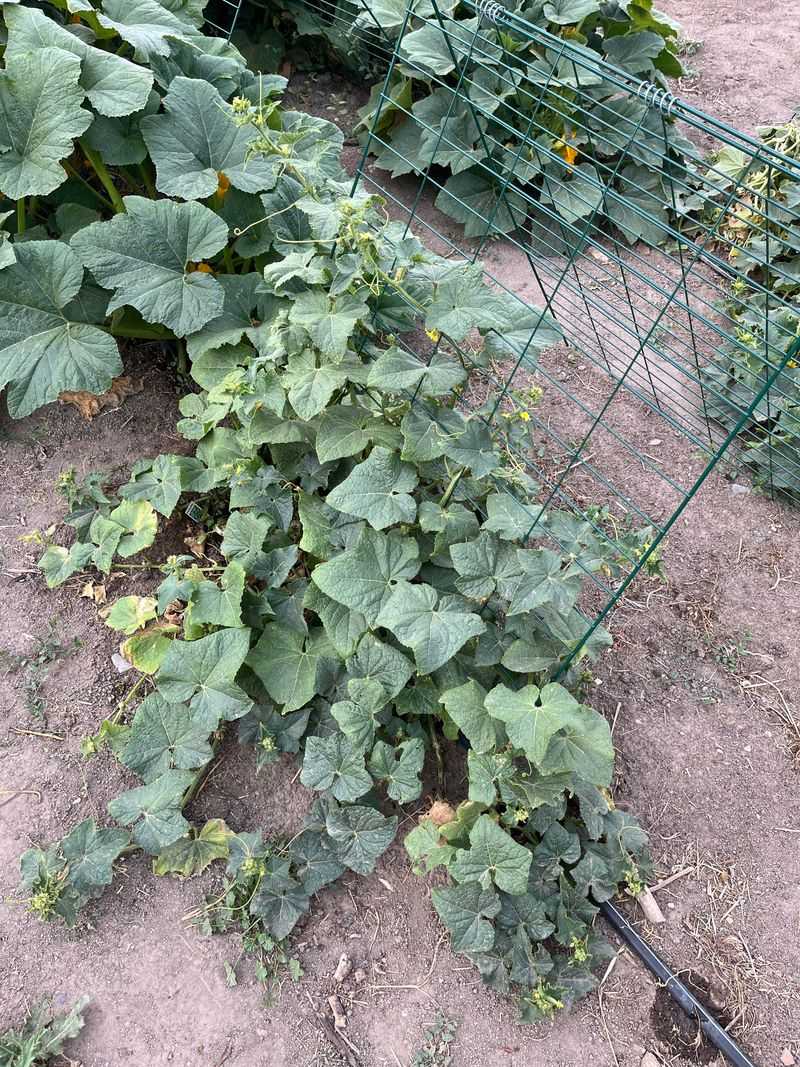
August in Michigan can be relentlessly hot, and that heat changes the game for cucumbers in a very specific way. High temperatures speed up every process happening inside the plant, including the stress response that leads to bitter fruit.
What might take a week of dry soil to cause in cooler months can happen in just two or three days during a Michigan August heat wave.
When temperatures climb into the high 80s or low 90s, soil moisture evaporates much faster than it does in June. The top inch or two of soil can go from damp to bone dry within hours on a blazing afternoon.
If you are only watering every few days or relying on rain, there is a very good chance the root zone is experiencing repeated dry spells without you realizing it.
Cucumbers forming during hot, dry stretches are especially vulnerable. The fruit develops quickly in heat, which means it also picks up bitter compounds quickly if moisture is not steady.
A cucumber that takes two weeks to grow in cooler weather might mature in ten days during August, and every one of those days matters for flavor quality.
Watering in the morning before the heat of the day builds is one of the best habits a Michigan gardener can develop in August. It gives the soil a chance to absorb moisture before the sun starts pulling it away.
Pairing morning watering with a good layer of mulch keeps the root zone cooler and more stable even when temperatures outside feel brutal.
5. The Root Zone Matters More Than The Soil Surface
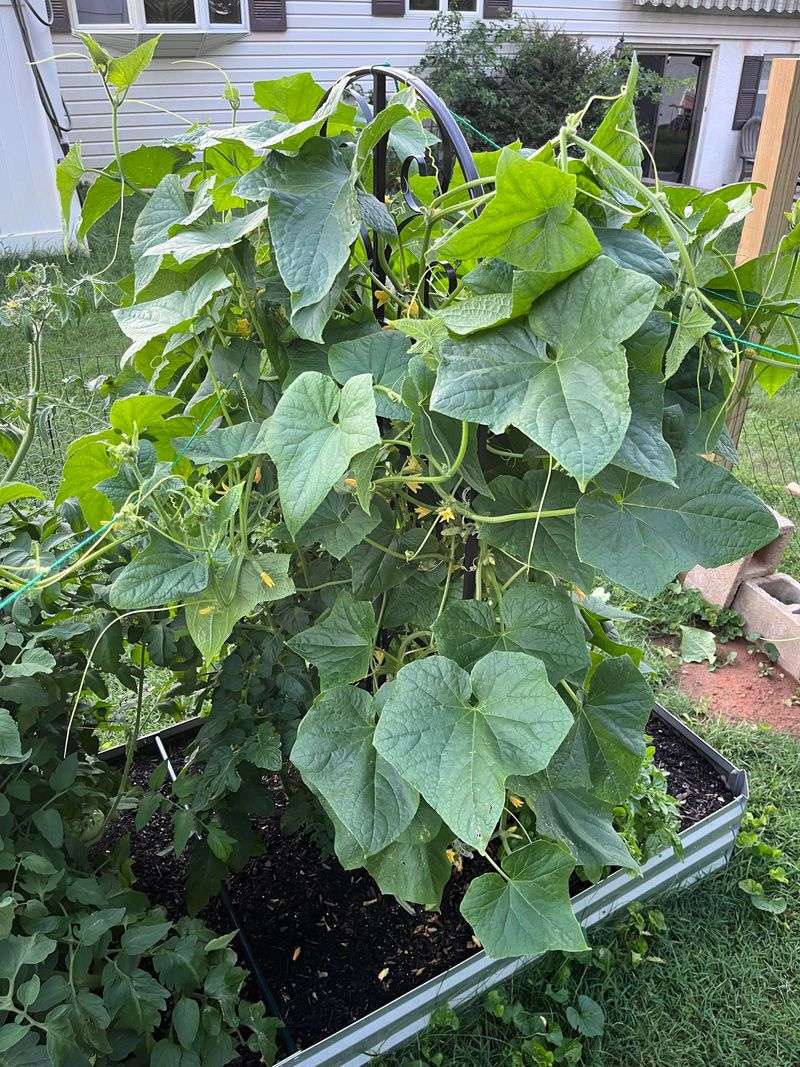
Most gardeners glance at the top of the soil, see that it looks a little dry, and either water or move on. But the surface is one of the most misleading parts of your garden when it comes to cucumber care.
The top inch or two can dry out fast in August sun while the root zone several inches below still holds adequate moisture. Or it can look slightly damp after a quick sprinkle while the roots are completely parched.
Cucumber roots typically extend four to eight inches deep in a healthy garden bed. That is where moisture decisions actually matter.
If you are only reading what the surface looks like, you are essentially trying to judge a book by its cover while the important story is happening much deeper down. Surface conditions and root zone conditions are often completely different in August.
A simple finger test works well for most home gardens. Push your finger or a wooden dowel two to three inches into the soil near the base of the plant.
If it feels dry at that depth, the plant needs water soon. If it still feels cool and slightly moist, you have a little more time.
This takes about ten seconds per plant and gives you real information instead of guesswork.
Moisture meters are another affordable option that take the guesswork out of the process entirely. They measure actual moisture at root depth and show you a reading on a simple dial.
For gardeners who tend to either overwater or underwater, a moisture meter can be a genuinely helpful tool that pays for itself in saved cucumbers all season long.
6. Mulch Helps Keep Moisture More Even
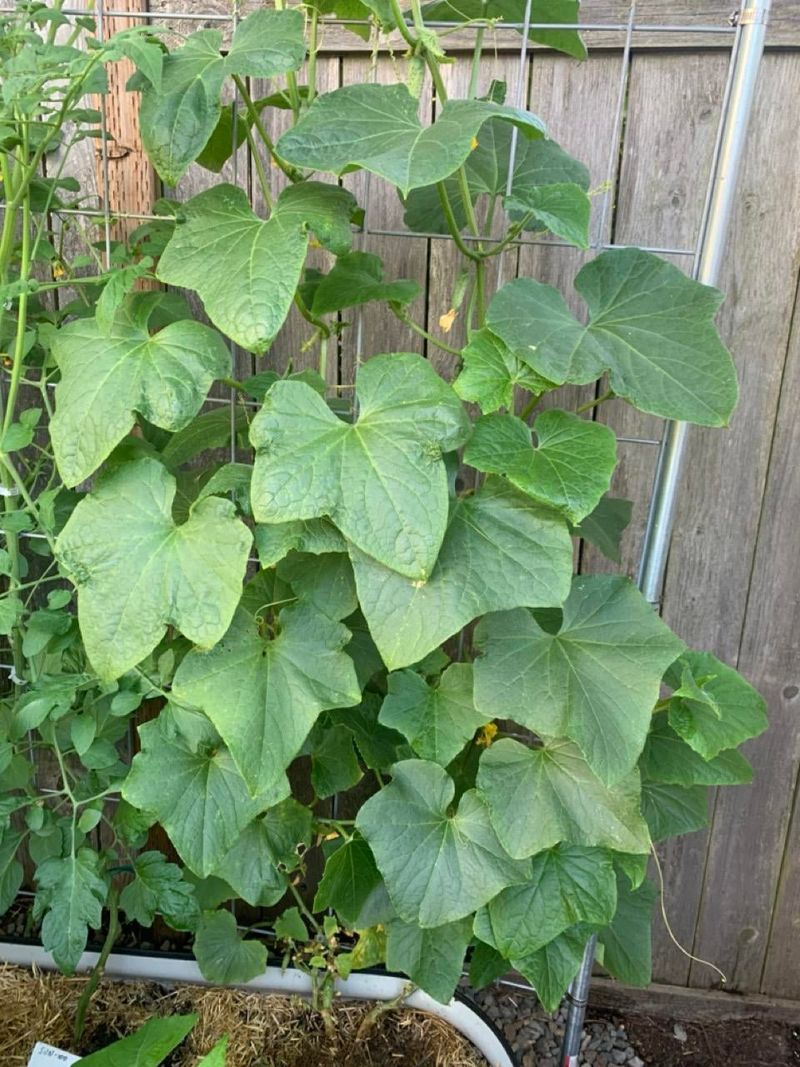
Straw mulch might not look glamorous, but it is one of the most practical tools a Michigan cucumber grower can use in August.
Spreading two to three inches of straw, shredded leaves, or wood chips around the base of your cucumber plants creates a barrier between the soil and the harsh summer sun.
That barrier slows evaporation dramatically, which means the root zone stays moist for much longer between waterings.
Beyond holding moisture, mulch also keeps soil temperatures steadier throughout the day. Bare soil in a Michigan August garden can heat up significantly by midafternoon, and hot soil stresses roots even when moisture is present.
Mulch acts like a cooling blanket, keeping the ground several degrees cooler and giving cucumber roots a more comfortable environment to work in during the hottest part of the day.
Organic mulches like straw and shredded leaves have an added bonus: as they break down slowly over the season, they add a small amount of organic matter back into the soil.
It is a low-effort improvement that builds long-term garden health while solving an immediate summer problem.
Shredded leaves from the previous fall work especially well and cost absolutely nothing if you saved them.
Apply mulch after watering so you are locking moisture in rather than covering dry soil. Keep mulch pulled back slightly from the main stem of the plant to allow good airflow at the base.
With a proper mulch layer in place, you may find that your cucumbers need water less often and taste noticeably milder and crisper compared to unmulched plants just a few feet away.
7. Harvest Timing Still Matters
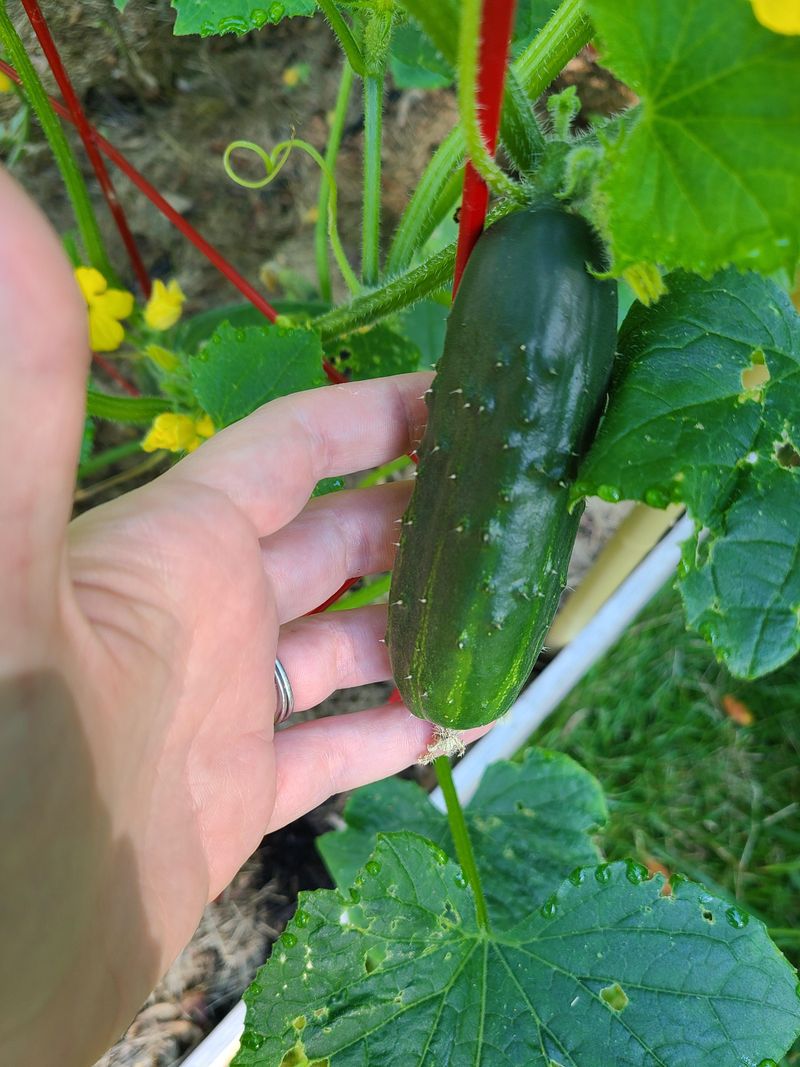
Even if you nail the watering schedule all August long, one more factor can still affect the flavor and texture of your cucumbers: picking them at the right time.
Cucumbers that stay on the vine too long become oversized, develop tough skins, and grow large hard seeds that make the whole fruit less pleasant to eat.
Overripe cucumbers also tend to taste more bitter even when watering has been consistent throughout the season.
Most slicing cucumber varieties taste best when they reach six to eight inches long and still feel firm when you give them a gentle squeeze. Pickling varieties are usually best harvested even smaller, around two to four inches depending on the type.
Color is another good guide: look for a bright, even green without any yellowing at the tips or along the sides. Yellow patches are a sign the cucumber has stayed on the vine longer than ideal.
Checking your cucumber vines every single day during August is not too much. In hot weather, cucumbers can go from perfect to oversized in just forty-eight hours.
A fruit that looks almost ready on Monday morning might already be past its prime by Wednesday. Daily harvesting also encourages the plant to keep producing new fruit, so picking regularly rewards you with more cucumbers over a longer season.
Use scissors or small pruning shears to cut the stem cleanly rather than pulling or twisting the fruit off the vine. Clean cuts protect the plant from unnecessary damage and keep it producing strong for the rest of the season.
A sharp, timely harvest is the final step in a great August cucumber strategy.
8. The Takeaway For Michigan Gardeners
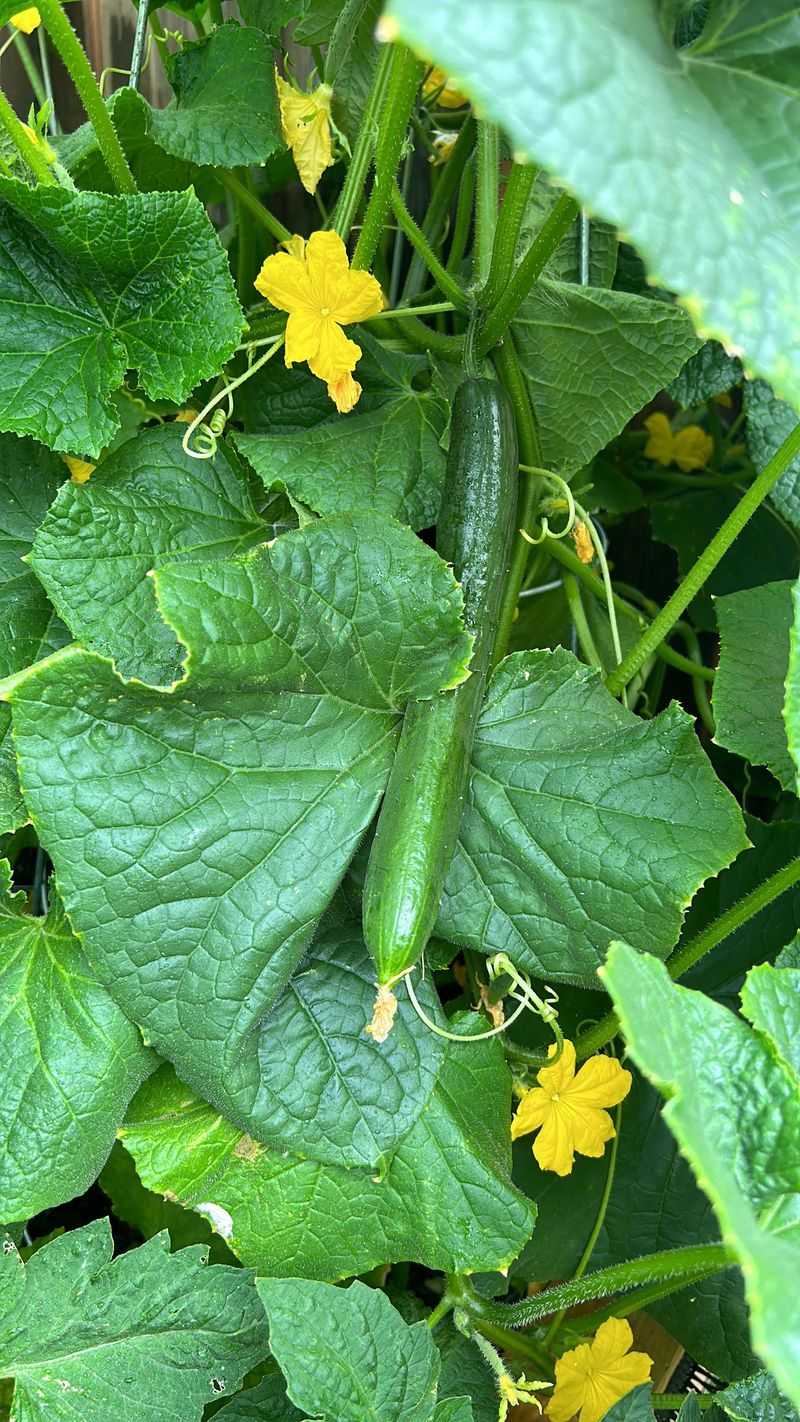
After a full August of careful attention, the reward is a basket of cucumbers that actually taste the way cucumbers are supposed to taste: crisp, cool, and mild with no unpleasant sharpness.
Getting there comes down to avoiding that one core mistake of letting soil moisture swing wildly between too dry and too wet.
Steady, deep moisture is the foundation of a great cucumber harvest, and everything else builds on top of that.
Morning checks are your best friend in August. Walk out before the heat builds, feel the soil a few inches down near your cucumber roots, and water if things are getting dry.
Pair that habit with a solid two-to-three-inch layer of organic mulch around your plants, and you will cut down on how often the root zone reaches that stress-triggering dry point. Mulch and consistent watering together do most of the heavy lifting for you.
Do not forget that rescue watering after the plant wilts is not the same as preventing the problem in the first place. Once bitter compounds form inside a cucumber, that fruit stays bitter.
Your goal is to keep the plant comfortable enough that it never needs rescuing at all. Prevention beats correction every time in the garden.
Combine steady watering, good mulch coverage, and timely harvesting at the right size, and Michigan August cucumbers can be some of the best vegetables your garden produces all year.
Small, consistent daily habits make all the difference between a bitter disappointment and a genuinely delicious harvest worth sharing with everyone you know.