Showstopping Flowering Trees Arizona Yard Owners Are Replacing Purple Leaf Plum With
Purple leaf plum has been a staple in Arizona yards for a long time, and it’s not hard to see why. That burst of early spring bloom is genuinely beautiful, and the deep purple foliage makes a real statement in a landscape full of greens and grays.
But spend a full Arizona summer with one and a different picture starts to emerge.
The water demands are higher than a lot of desert-adapted alternatives, the bloom window is surprisingly short, and when the intense summer heat really locks in, these trees can start looking pretty rough around the edges.
Homeowners are increasingly asking for more from their flowering trees, and honestly, the options available are spectacular. Color, fragrance, wildlife value, desert toughness.
There are ten flowering trees out there that can deliver all of that and then some.
1. Desert Willow Brings A Longer Bloom Season
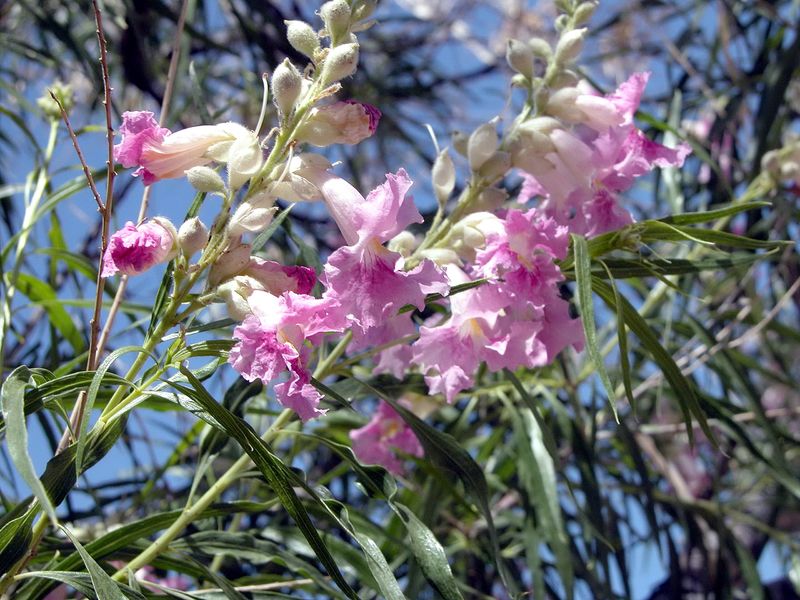
Few flowering trees in Arizona can match the long bloom season that desert willow brings to a residential yard.
Starting in late spring and often continuing through summer and into early fall, the flowers appear in shades of pink, lavender, white, and deep burgundy depending on the variety.
That extended color window is one reason more homeowners are choosing it over purple leaf plum, which typically blooms for just a few weeks in early spring.
Desert willow is native to the Southwest and handles Arizona heat and drought with ease. It grows into a graceful, multi-trunked tree with narrow, willow-like leaves that give it an airy look without creating heavy shade.
Mature trees typically reach around 15 to 25 feet tall, making them a solid fit for front yards, backyard planting beds, and areas near patios.
Hummingbirds are strongly attracted to the tubular flowers, which adds wildlife value throughout the warm months.
One thing to keep in mind is that desert willow can drop spent blooms and seed pods, so placement near pools or tidy patio areas may need some thought.
Overall, it rewards Arizona yards with color that lasts far longer than most ornamental trees.
2. Anacacho Orchid Tree Fits Smaller Arizona Yards
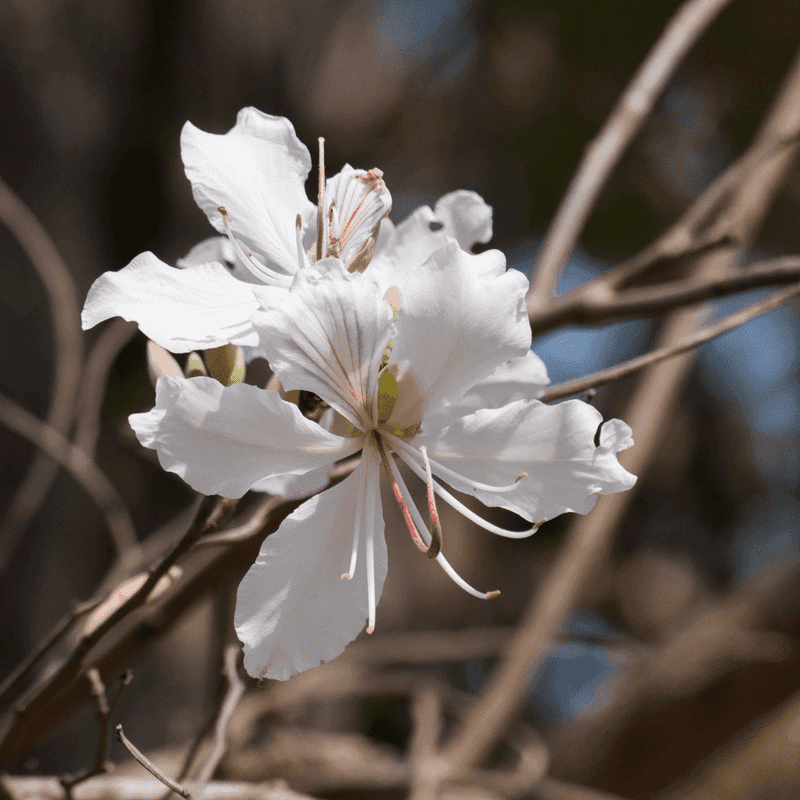
Smaller yards often present a real challenge when choosing flowering trees because many ornamentals simply grow too large for tight spaces near walkways, driveways, or front entry areas. Anacacho orchid tree is a standout option for those situations.
It typically stays between 6 and 12 feet tall, and with some shaping it can work beautifully as a large shrub or small multi-trunk tree near patios, garden walls, or front yard beds.
The flowers are white to light pink and appear in clusters that look somewhat like small orchid blossoms, which is where the name comes from. Bloom time in Arizona usually falls in spring, and some trees will rebloom lightly in fall with enough moisture.
The foliage is semi-evergreen in mild winters, giving the tree some year-round presence beyond its bloom period.
Anacacho orchid tree handles heat well and needs only low to moderate water once established, making it a reasonable fit for low-water Arizona landscapes.
Your Arizona Garden Changes Every Week. Your Plan Should Too.
Gardening in Arizona changes quickly throughout the season. Every Friday you’ll receive a simple weekly plan showing exactly what to plant, prune, fertilize, harvest, and protect so you never miss the right timing.
Unlike purple leaf plum, it does not offer bold purple foliage, but its delicate flower clusters and manageable size make it a charming choice.
Bees and butterflies visit the flowers regularly, which adds a nice layer of garden activity to smaller Arizona yards.
3. Texas Mountain Laurel Adds Fragrant Purple Flowers
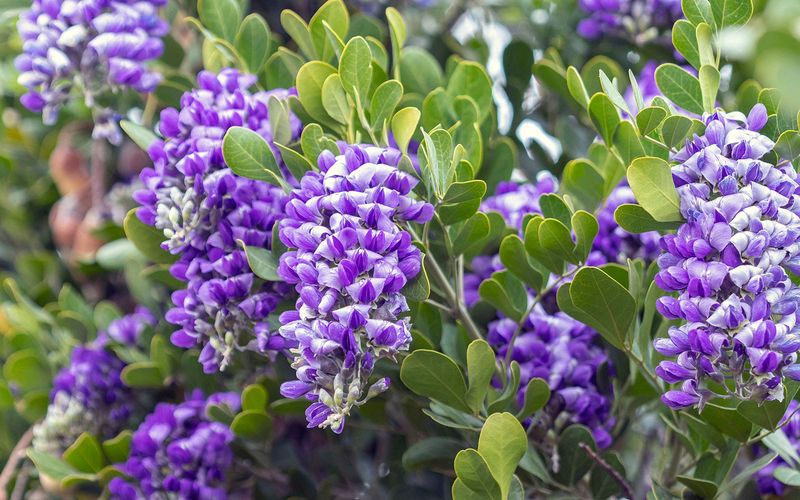
Walking past a Texas mountain laurel in full bloom is an experience that tends to stop people in their tracks.
The flower clusters are a rich purple and hang in grape-like bunches that resemble wisteria, and the fragrance is famously sweet, often compared to grape soda.
In Arizona, bloom time typically lands in late winter to early spring, which means it can bring color and scent to the yard right around the same window that purple leaf plum puts on its show.
Texas mountain laurel is an evergreen tree, which gives it a structural advantage over deciduous trees like purple leaf plum.
The glossy dark green leaves look tidy year-round, making it a good choice for front yard plantings where appearance matters in every season.
It tends to grow slowly but reaches a mature height of around 10 to 15 feet in many landscapes.
This tree is well-suited to Arizona heat and low-water conditions once established, and it thrives in well-draining soils.
The seed pods that follow flowering contain bright red seeds, which are toxic if eaten, so placement away from areas where small children or pets spend time is worth considering.
For fragrance alone, few flowering trees in Arizona can compete with what Texas mountain laurel delivers each spring.
4. Cascalote Brings Winter-To-Spring Color
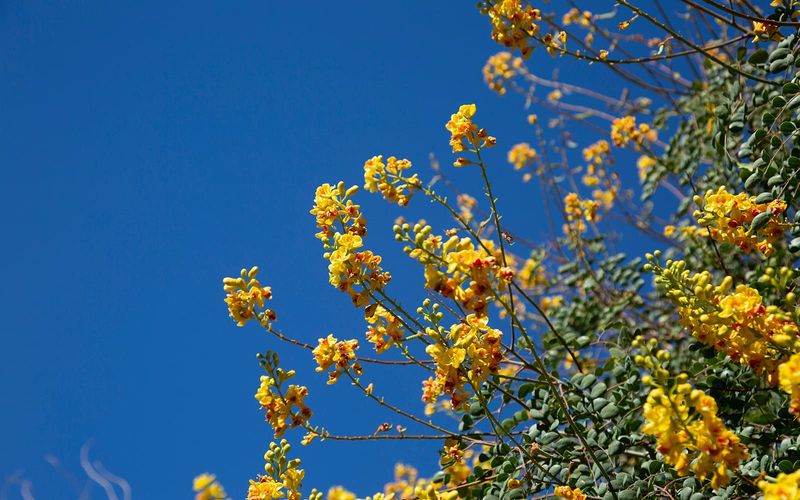
Color in an Arizona yard during the cooler months can be surprisingly hard to come by, and that is exactly where cascalote earns its place.
This striking tree produces tall spikes of bright yellow flowers from late fall through early spring, filling a seasonal gap that most other flowering trees simply cannot cover.
For homeowners who want ornamental interest during Arizona winters, cascalote is worth a serious look.
Cascalote typically grows 15 to 20 feet tall and develops a rounded canopy with feathery, tropical-looking foliage. The flowers attract bees and other pollinators even during cooler months, which adds life to the yard when garden activity tends to slow down.
It is semi-evergreen in warmer areas and may drop more leaves in colder zones during winter freezes.
One practical note is that cascalote has thorns on its branches, so placement near high-traffic walkways, narrow side yards, or areas where children play regularly is something to plan carefully.
It works well as a specimen tree in a larger planting bed or as a canopy anchor in a desert-style front yard.
Water needs are low once the tree is established, and it handles Arizona heat without much fuss. Its unusual bloom timing alone makes it stand out from most ornamental trees in the region.
5. Mexican Buckeye Offers A Soft Spring Flower Look
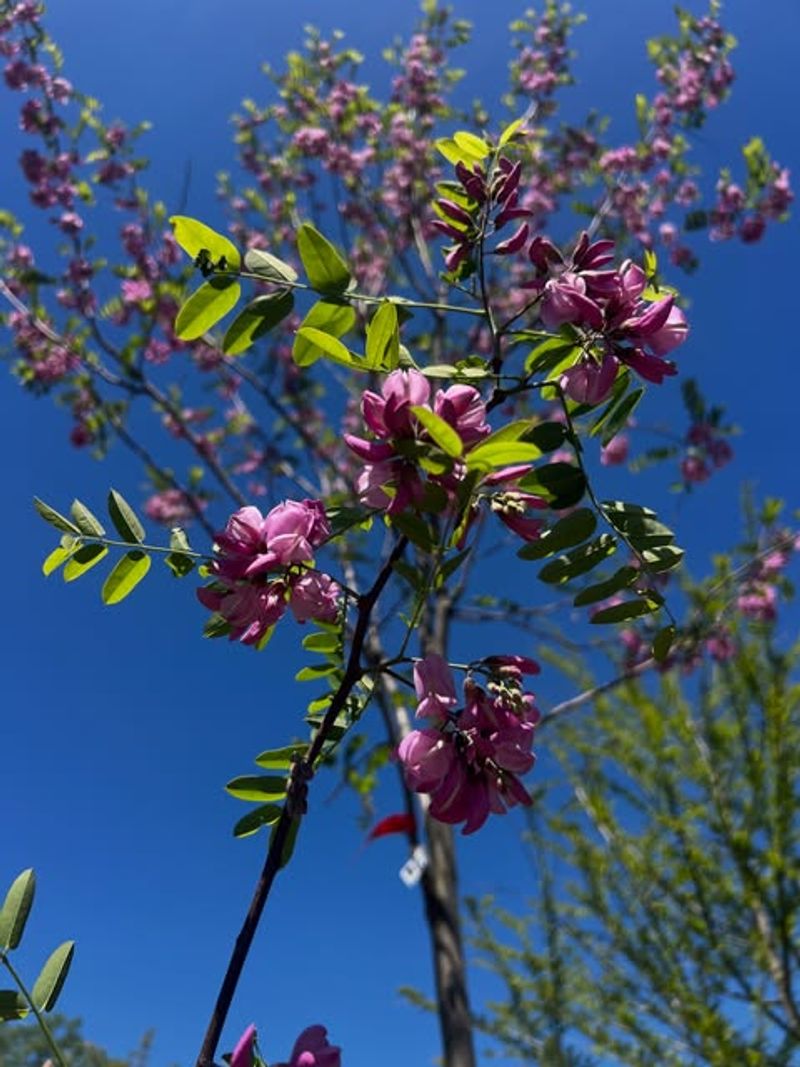
Spring flowering trees in Arizona often compete for attention, but Mexican buckeye has a quiet beauty that tends to charm yard owners once they see it in person.
The flowers appear in clusters of soft pink to lavender and bloom in early spring, often before the leaves fully emerge, which gives the tree a delicate, almost cloud-like appearance during its peak display.
It is a look that feels different from the bold purple foliage of plum trees but carries its own kind of elegance.
Mexican buckeye typically grows 12 to 18 feet tall and works well as a multi-trunk small tree or large accent shrub in Arizona yards.
It is deciduous, so it loses its leaves in winter, but the inflated seed pods that develop after flowering add some visual interest through fall.
The papery pods split open to reveal dark seeds that birds may visit.
This tree handles Arizona heat and low-water conditions reasonably well once established, and it tends to do best in well-draining soils with some protection from the most intense afternoon sun in hotter desert zones.
It suits front yard beds, corner plantings, and low-water garden areas where a soft, seasonal flower display is more appealing than bold foliage color.
Mexican buckeye is underused in Arizona residential landscapes and deserves more attention.
6. Kidneywood Adds Airy Summer Blooms
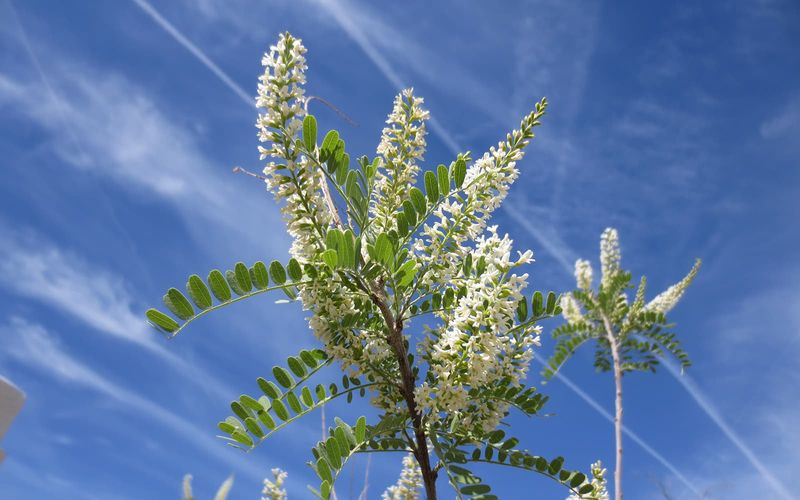
Summer blooming trees are genuinely rare in Arizona, where the heat sends most ornamentals into a quiet holding pattern from June through August.
Kidneywood is one of the exceptions, producing clusters of small white flowers during the warm months that carry a sweet, noticeable fragrance.
That combination of summer color and scent makes it a distinctive choice for homeowners who want something blooming when most other trees have gone quiet.
Kidneywood is native to the Sonoran and Chihuahuan desert regions, which means it is well-adapted to Arizona conditions without much coaxing.
It typically grows 8 to 15 feet tall with an open, airy branching structure that gives it a light, informal look in the landscape.
The small leaflets create a feathery texture that moves nicely in a breeze and casts dappled rather than dense shade.
Bees are strongly attracted to kidneywood flowers, making it a solid wildlife-friendly choice for pollinator-focused Arizona yards.
It handles low water once established and thrives in the rocky, well-draining soils common across Arizona residential landscapes.
Placement near a patio, seating area, or outdoor gathering space can let homeowners enjoy the fragrance up close during summer evenings.
For anyone replacing purple leaf plum and wanting something that blooms in a completely different season, kidneywood fills that gap with genuine character.
7. Sweet Acacia Brings Fragrance And Golden Flowers
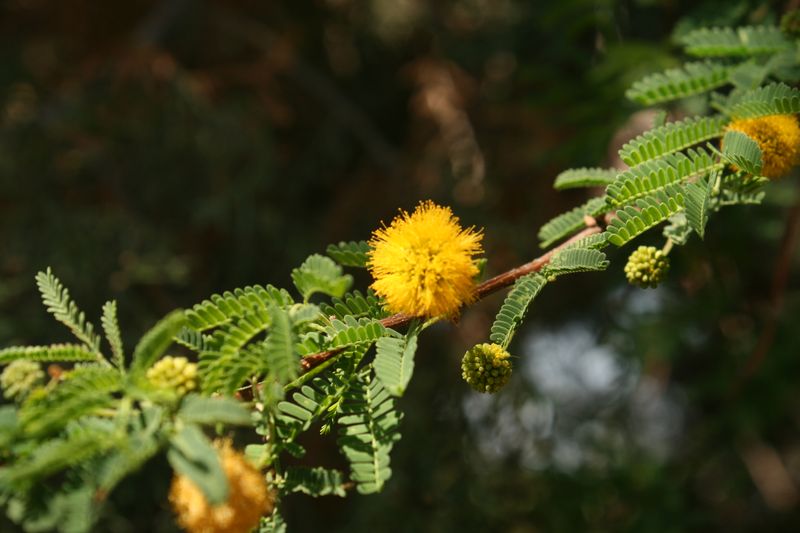
There is something unmistakably cheerful about sweet acacia when it bursts into bloom in late winter or early spring across Arizona yards.
The flowers are tiny, rounded puffs of golden yellow that cover the branches in clusters, and the fragrance is strong and sweet enough to carry on a light breeze.
For homeowners who want both visual color and scent from a flowering tree, sweet acacia delivers both at once.
Sweet acacia is a native Sonoran Desert tree that typically grows 15 to 25 feet tall with a spreading canopy that can provide meaningful shade in a residential yard.
The feathery green foliage gives it a soft, layered appearance, and the tree tends to have a graceful, somewhat irregular form that suits desert-style planting beds and naturalistic Arizona landscapes.
It is semi-evergreen in warmer parts of the state.
One important consideration is that sweet acacia has thorns, which can be significant on mature trees. Placement near walkways, driveways, or areas with heavy foot traffic needs careful planning.
That said, the thorns also make it a natural deterrent in spots where a barrier planting might serve a purpose. Water needs are low once the tree is established, and it handles Arizona heat with ease.
Birds and pollinators visit the flowers and seed pods regularly, adding seasonal wildlife activity to the yard throughout the year.
8. Blue Palo Verde Creates Classic Desert Color
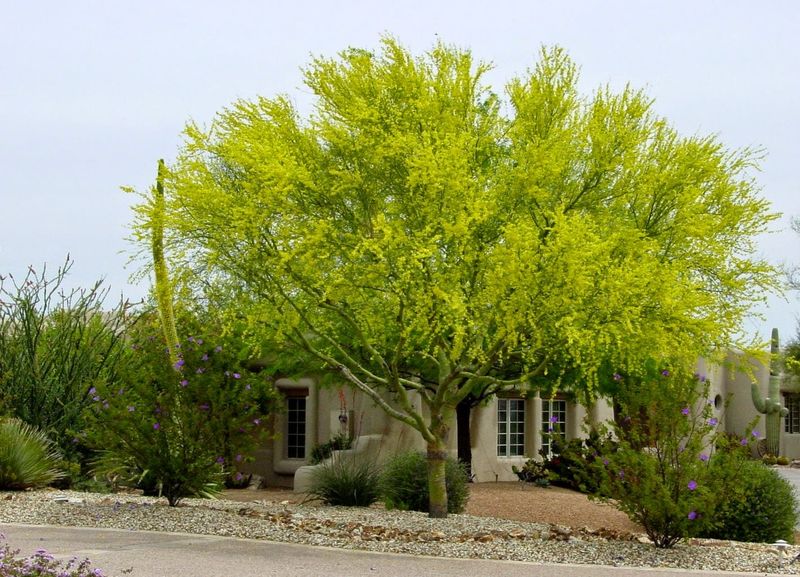
When spring arrives in Arizona, few sights are as iconic as a blue palo verde tree covered in bright yellow flowers. The bloom is dense and short-lived, typically lasting a few weeks in spring, but the visual impact during that window is remarkable.
The entire canopy turns a vivid yellow that stands out dramatically against blue desert skies and the muted tones of surrounding desert plantings.
Beyond the flowers, blue palo verde has year-round visual interest thanks to its distinctive blue-green trunk and branches, which continue photosynthesizing even when the tree drops most of its tiny leaves during dry or cold periods.
That green bark is one of the most recognizable features of Arizona desert landscapes and gives the tree a unique sculptural quality that purple leaf plum simply does not offer.
Blue palo verde is native to the Sonoran Desert and is extremely well-adapted to Arizona heat and low-water conditions. It typically grows 15 to 30 feet tall with an open, airy canopy that casts light, filtered shade rather than dense cover.
The tree does have small thorns, so placement near high-traffic areas warrants some thought.
Fallen flowers and seed pods can create seasonal cleanup, but for many homeowners, the trade-off is well worth the spring color display that blue palo verde reliably provides each year.
9. Hybrid Palo Verde Adds Bright Flowers And Light Shade
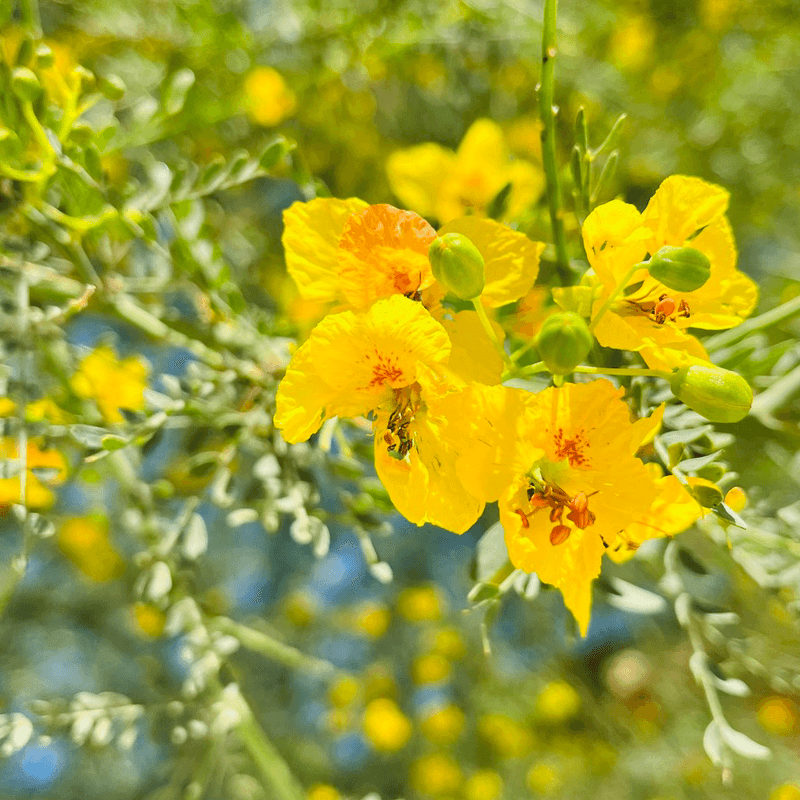
The Desert Museum hybrid palo verde has become one of the most recommended flowering trees for Arizona residential landscapes, and for good reason.
It combines the best qualities of several native palo verde species into a tree that blooms heavily in spring, produces almost no thorns, and drops fewer seed pods than its wild relatives.
For homeowners who want the classic yellow flower display of a palo verde without some of the maintenance challenges, this hybrid is a strong option.
Hybrid palo verde typically grows 20 to 30 feet tall with a broad, rounded canopy that provides light, dappled shade rather than dense coverage.
That quality makes it a good fit near patios, outdoor seating areas, and south or west-facing yard spaces where some sun filtering is welcome without blocking airflow or creating heavy shadow.
The green trunk and branches carry the same photosynthetic quality as native palo verdes, giving the tree year-round visual structure.
Spring bloom time in Arizona brings a generous flush of bright yellow flowers that can nearly cover the canopy. Water needs are low once the tree is established, and it handles Arizona summer heat without much stress.
Compared to purple leaf plum, the flower color and overall form are quite different, but the hybrid palo verde offers a distinctly Arizona character that resonates well in desert-style front yards and backyards across the region.
10. Chaste Tree Offers Summer-To-Fall Flower Spikes
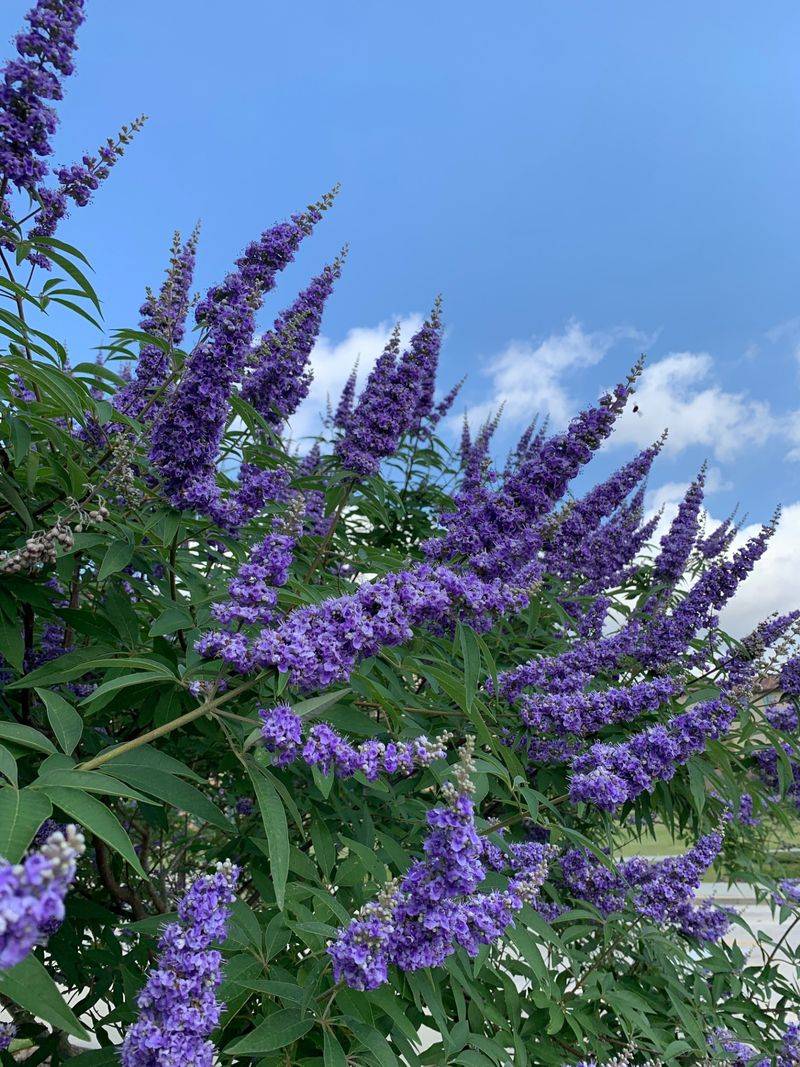
Late summer color in an Arizona yard can feel like a reward after months of waiting through intense heat, and chaste tree tends to deliver right when most flowering trees have finished their seasonal show.
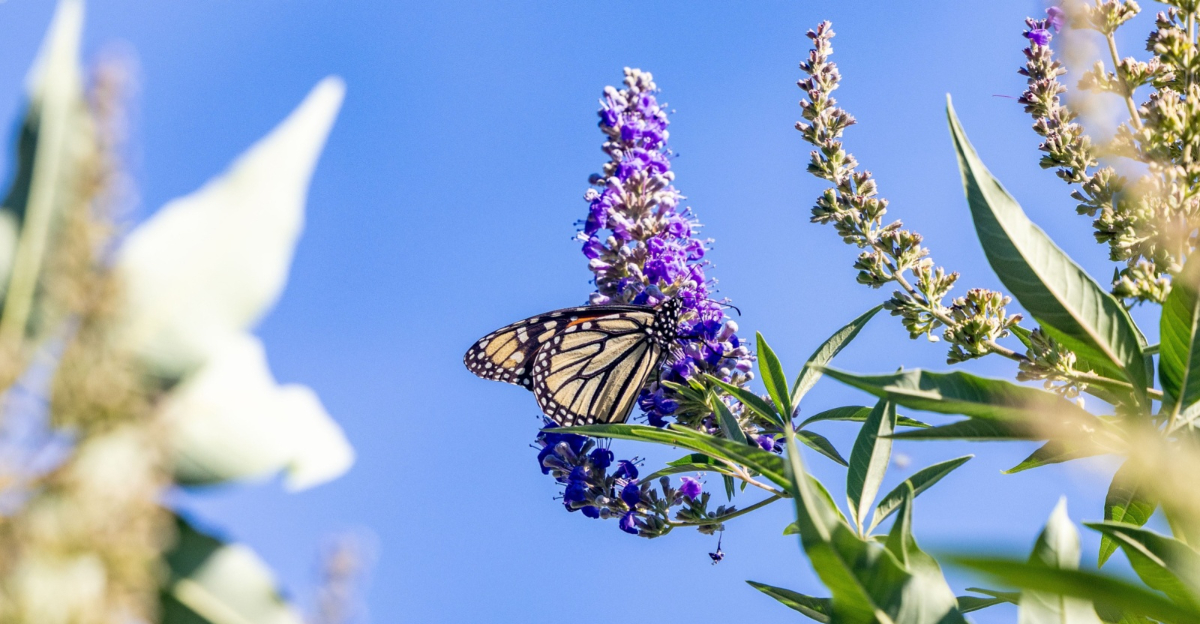
The flower spikes rise above the foliage in shades of lavender, purple, or occasionally white, creating a soft but eye-catching display that can last from midsummer well into fall in many Arizona locations.
That extended warm-season bloom window is one quality that sets it apart from purple leaf plum.
Chaste tree is a fast-growing deciduous tree or large shrub that typically reaches 10 to 20 feet tall in Arizona landscapes depending on pruning and growing conditions.
The aromatic gray-green foliage adds a pleasant herbal scent when brushed against, and the overall texture is fine and feathery, which gives the plant a soft, layered appearance in garden beds.
It tends to work well near patio edges, along fences, or as a mid-yard accent in larger Arizona backyards.
Water needs are moderate, and chaste tree handles Arizona heat reasonably well, though it benefits from some deep watering during the hottest stretches of summer.
Bees and butterflies are regular visitors to the flower spikes, which adds genuine pollinator activity during a season when many other blooms have faded.
For homeowners wanting summer-to-fall flower color in a deciduous tree with fragrant foliage, chaste tree is a practical and attractive option worth considering.